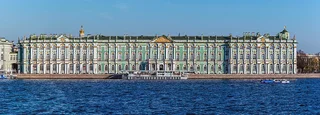
The story
Most of the Hermitage sits inside the Winter Palace, the green-and-white Baroque residence of the Russian tsars on the bank of the Neva in Saint Petersburg. The collection began there as a private pleasure. In 1764 Empress Catherine the Great took 225 Dutch and Flemish paintings that a Berlin merchant, Johann Gotzkowsky, had gathered for the king of Prussia, who, broke after a long war, never paid for them. Catherine did, and hung them in rooms so private she called them her hermitage, a retreat where almost no one was allowed in.
Two and a half centuries of buying later, it is one of the largest art collections in the world. You climb the Jordan Staircase under gold and mirrors and work toward the paintings people come for: Rembrandt's Return of the Prodigal Son, the old father's hands resting on his ragged son's back, and two small Madonnas by Leonardo da Vinci, the Benois and the Litta, painted when he was young. In one room a life-size Peacock Clock, an 18th-century English automaton, still spreads its gilded tail when it is wound.
The building has been through a lot. A fire gutted the palace in 1837, the 1917 revolution swept the last tsar out of these rooms, and when German forces besieged Leningrad in 1941 the staff crated up more than a million objects and shipped them east to the Urals, leaving the empty frames hanging on the walls. Guides gave tours of those bare frames through the siege. The works came back when it ended, and the cats kept in the cellars to hunt rats, a tradition going back to Catherine's day, are still on the payroll.
Collection
248 works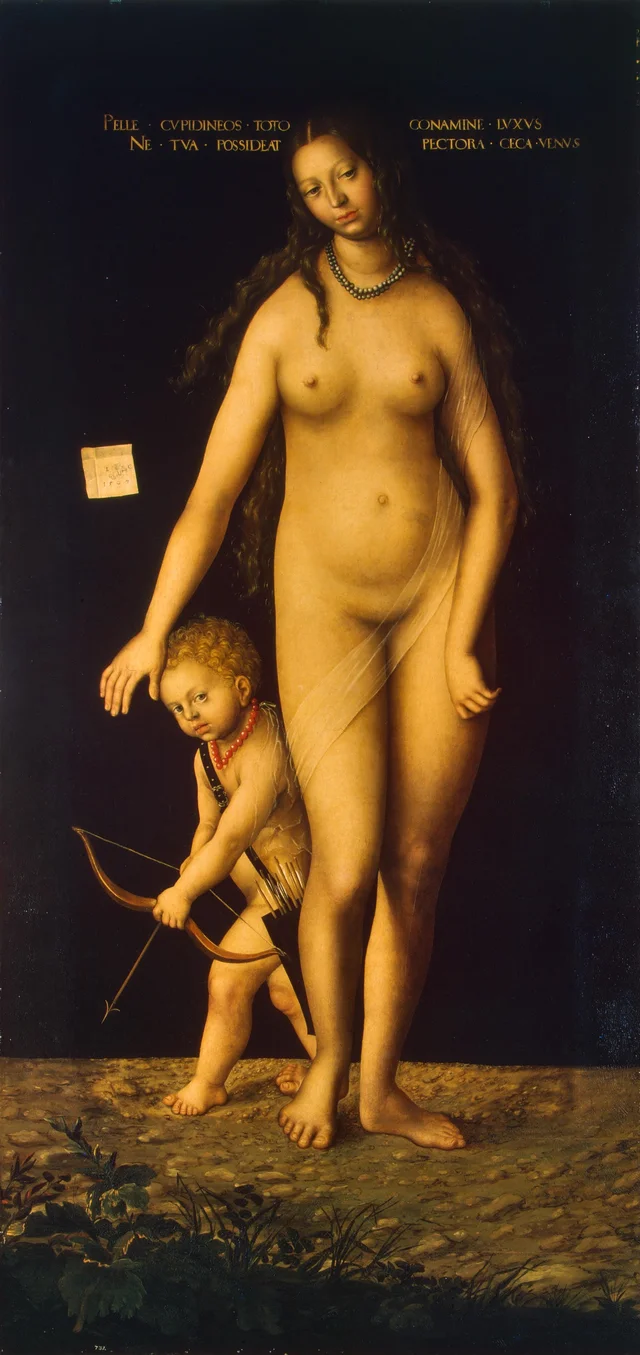 Venus and CupidLucas Cranach the Elder, 1509
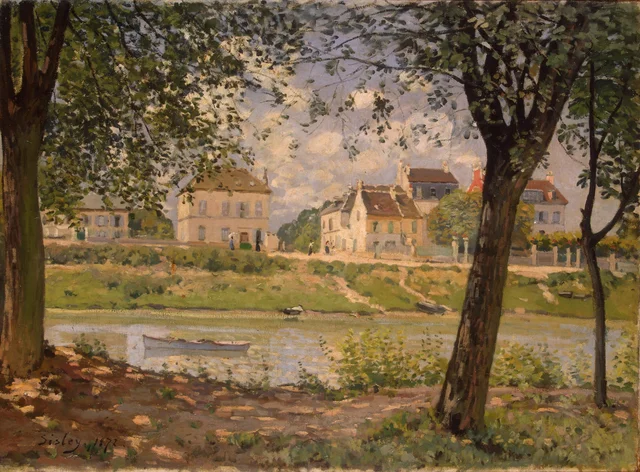 Village on the Banks of the SeineAlfred Sisley, 1872
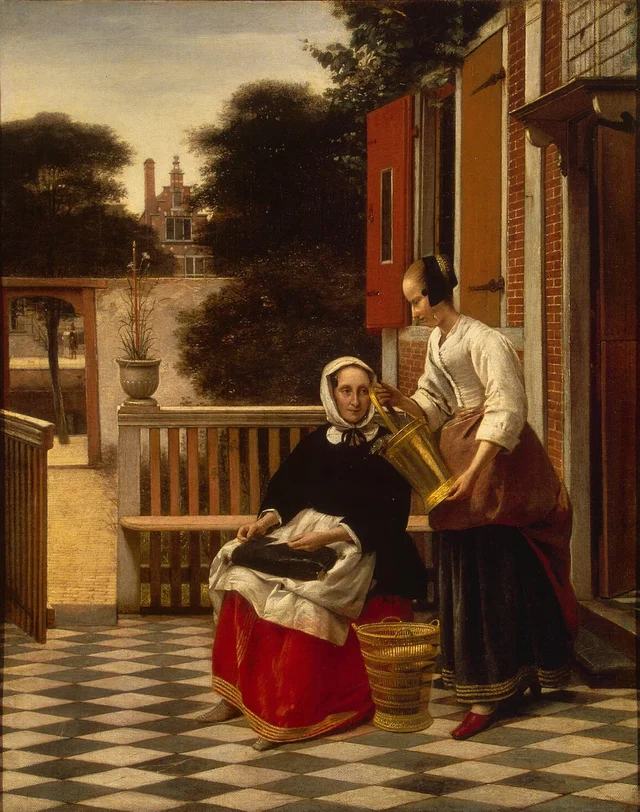 Woman and a maid with a pail of fish in a courtyardPieter de Hooch, 1660
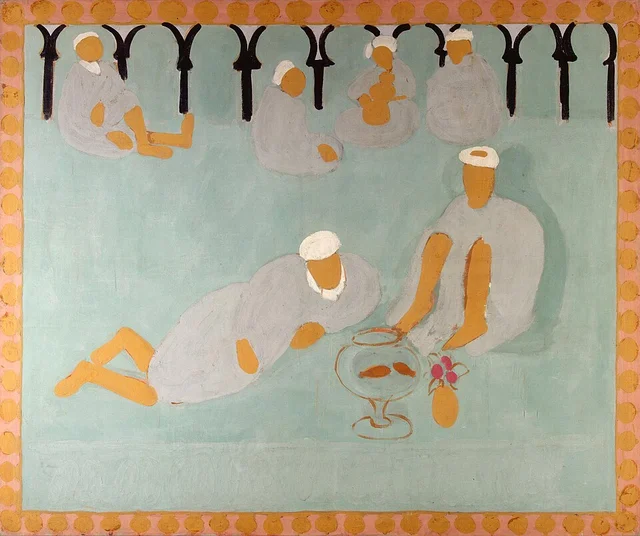 Arab CoffeehouseHenri Matisse, 1913
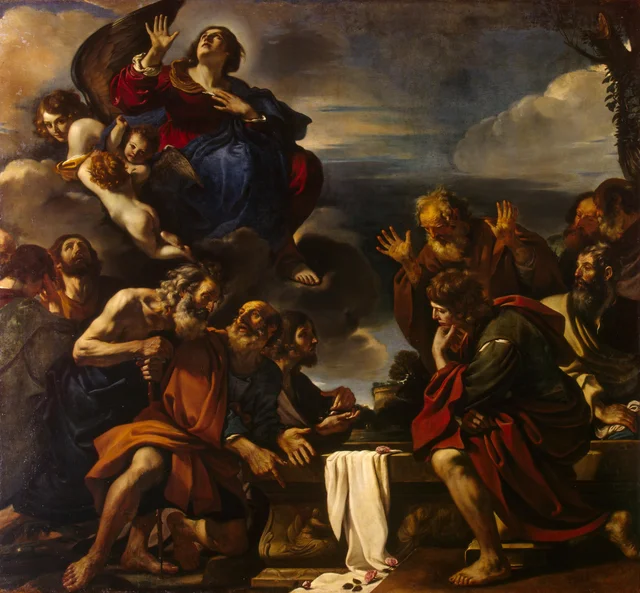 Assumption of the Virgin MaryGuercino, 1623
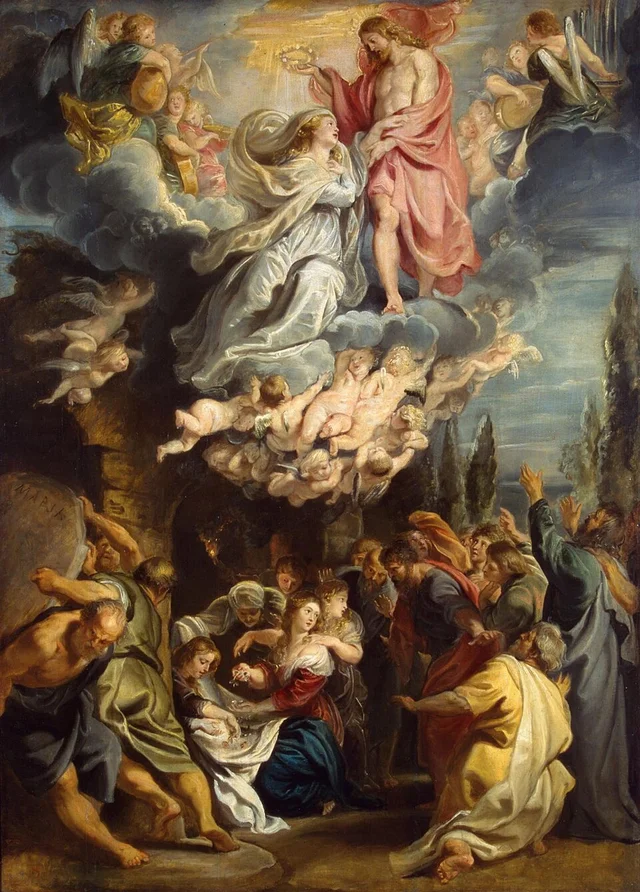 Coronation and Assumption of the VirginPeter Paul Rubens, 1611
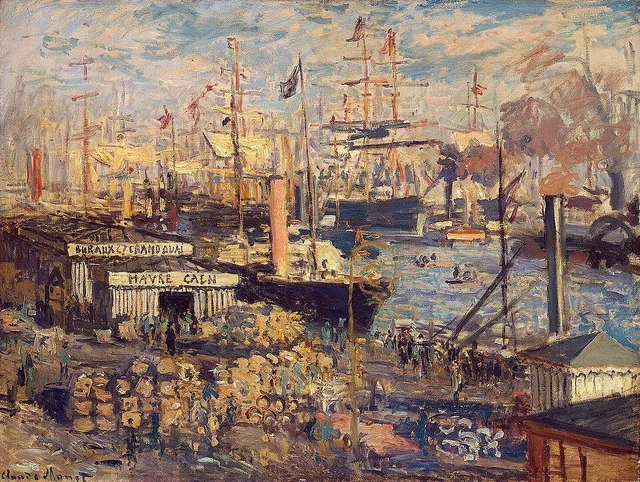 Embankment in Le HavreClaude Monet, 1874
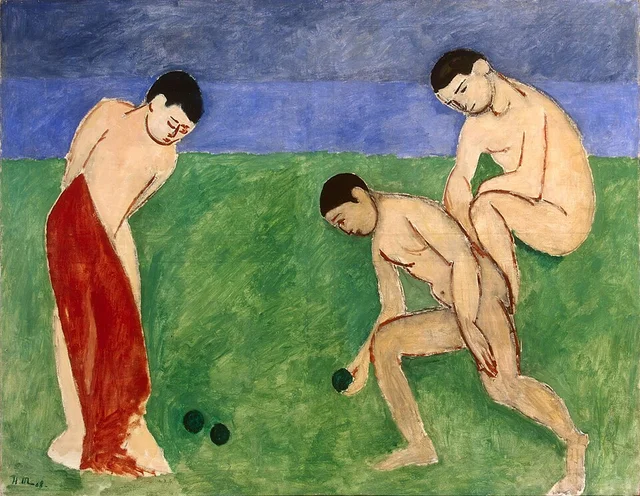 Game of BowlsHenri Matisse, 1908
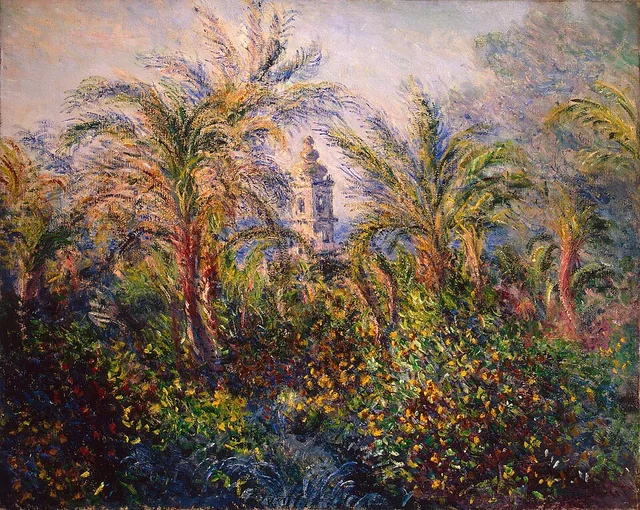 Garden at Bordighera, Impression of MorningClaude Monet, 1884
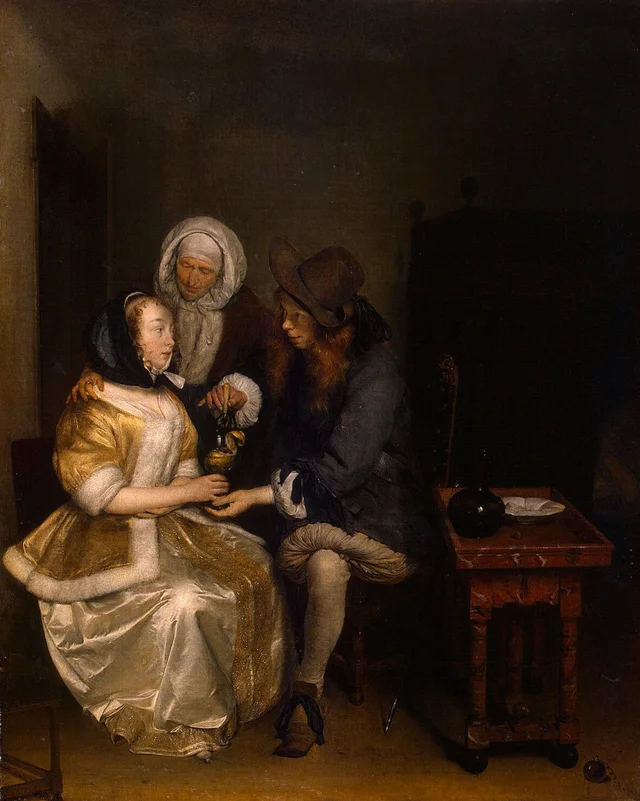 Glass of LemonadeGerard ter Borch, 1663
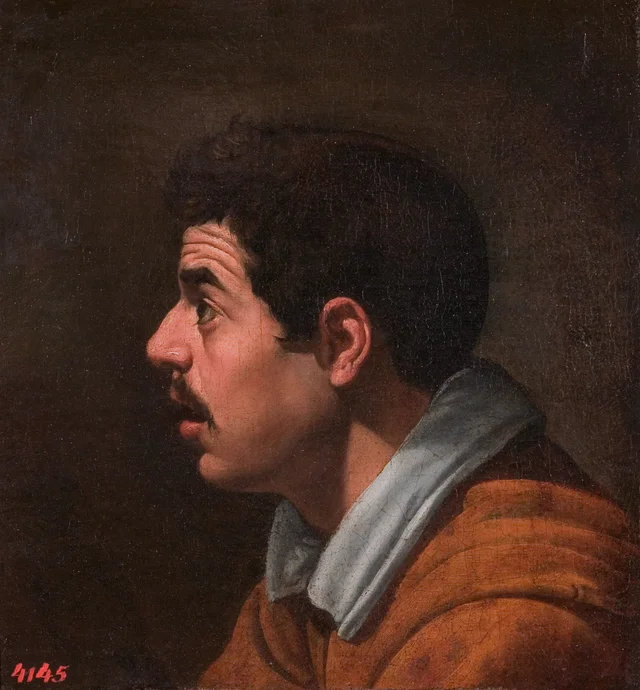 Head of a Man in ProfileDiego Velázquez, 1618
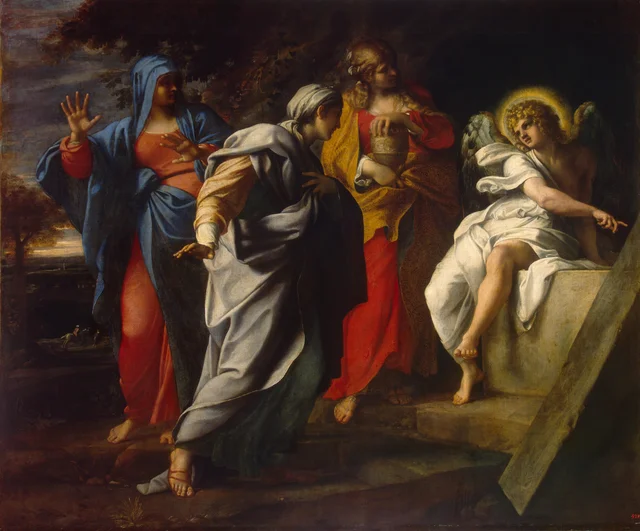 Holy Women at Christ' s TombAnnibale Carracci, 1590
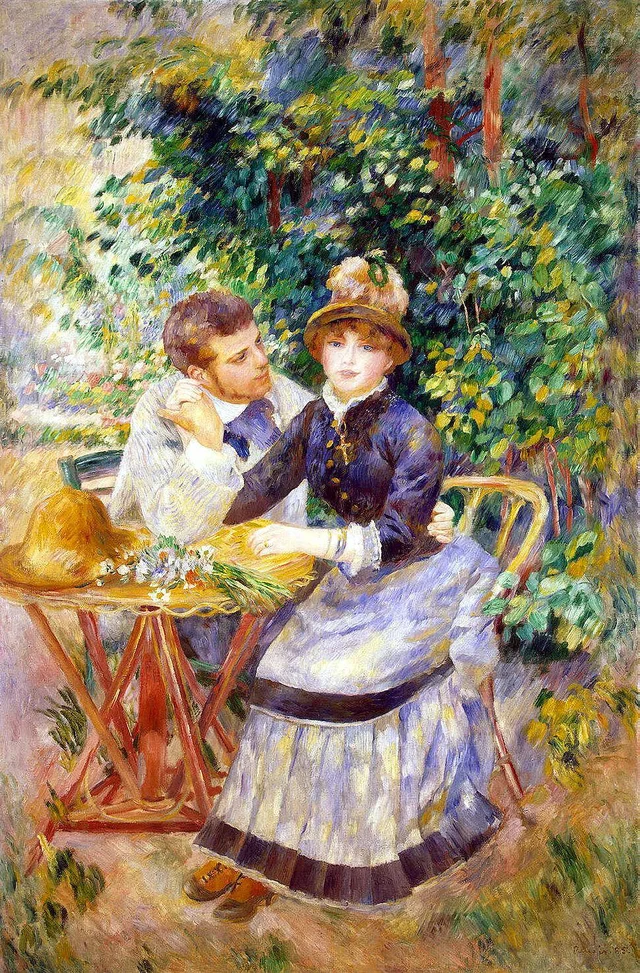 In the GardenPierre-Auguste Renoir, 1885
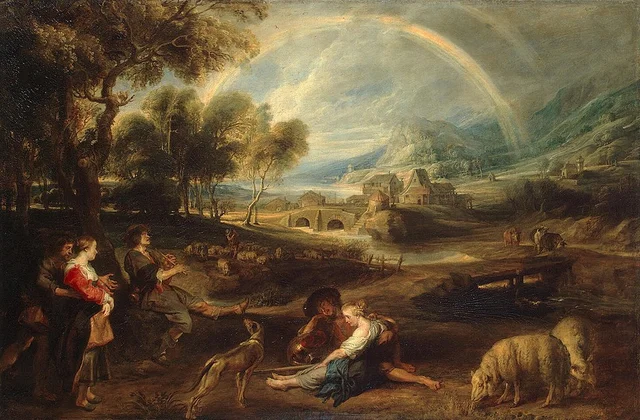 Landscape with a RainbowPeter Paul Rubens, 1632
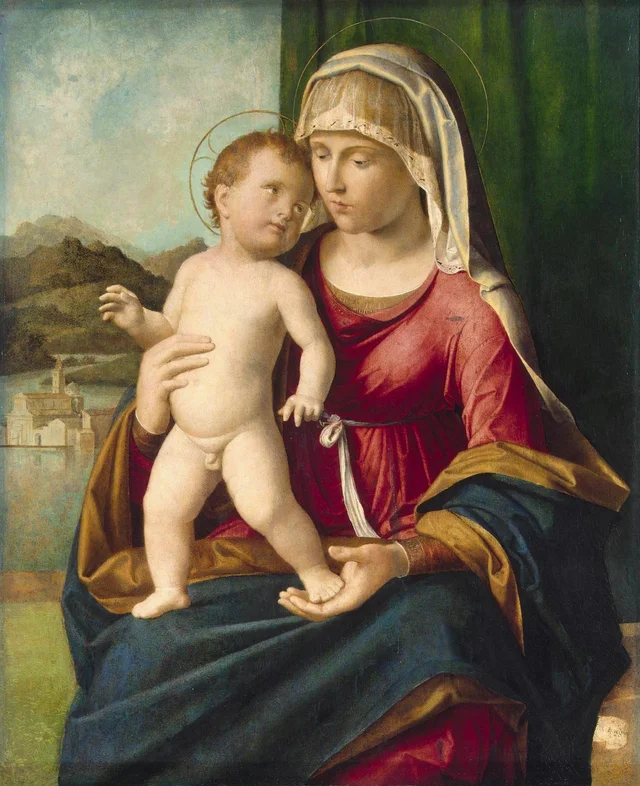 Madonna and ChildGiovanni Battista Cima da Conegliano, 1496
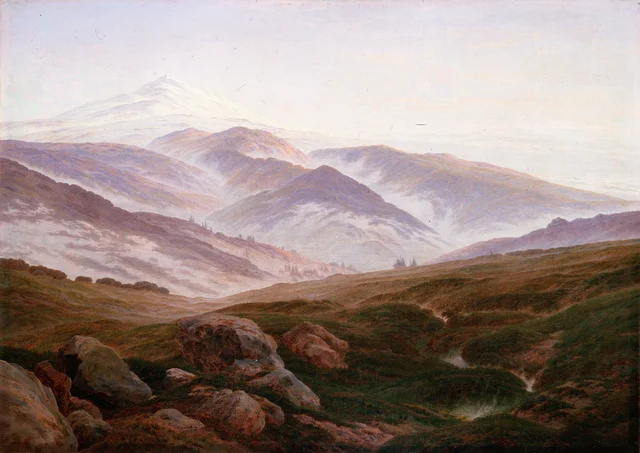 Memories of the Giant MountainsCaspar David Friedrich, 1835
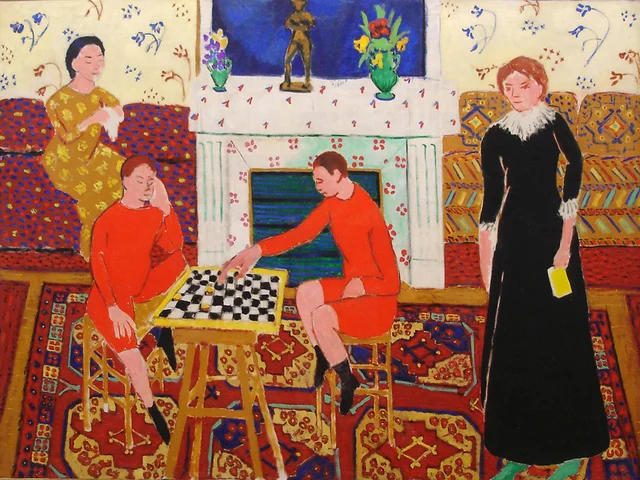 Painter's FamilyHenri Matisse, 1911
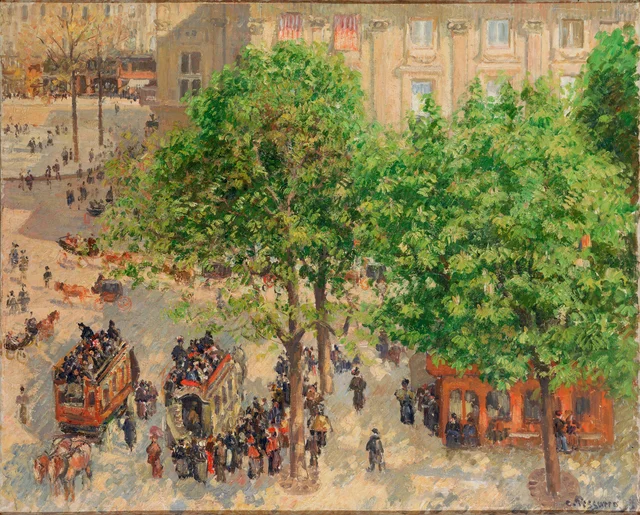 Place du Theatre-Francais in SpringCamille Pissarro, 1898
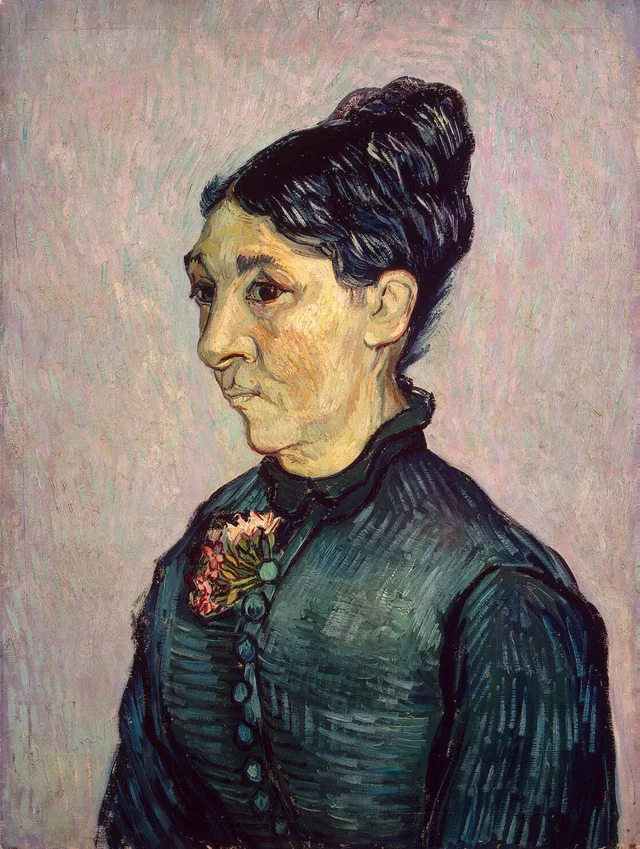 Portrait de Madame TrabucVincent van Gogh, 1889
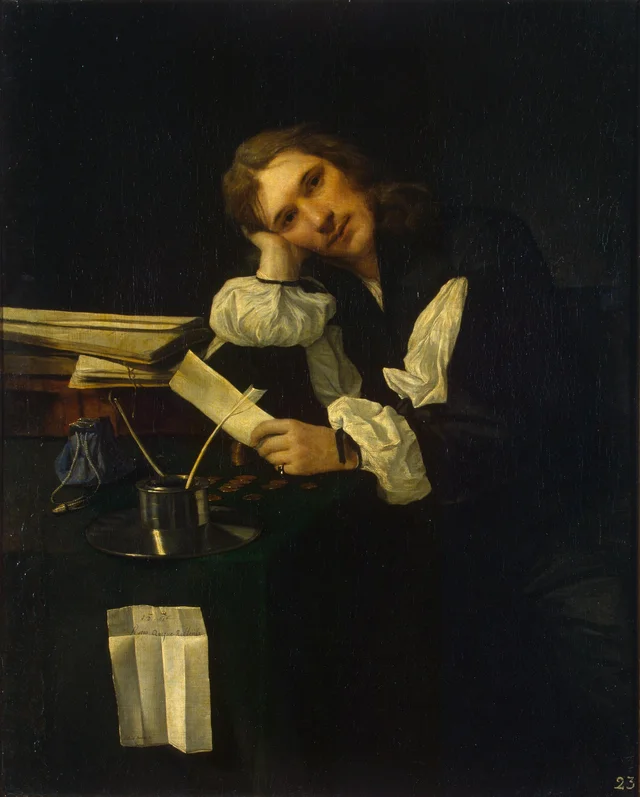 Portrait of a Young ManMichiel Sweerts, 1656
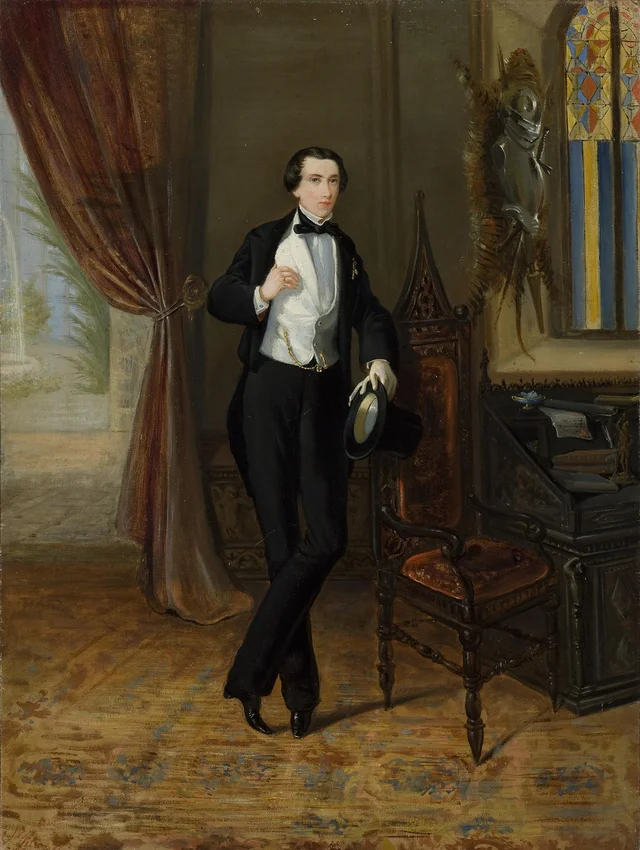 Portrait of Young Duke N.B. YusupovVincenzo Petrocelli, 1851
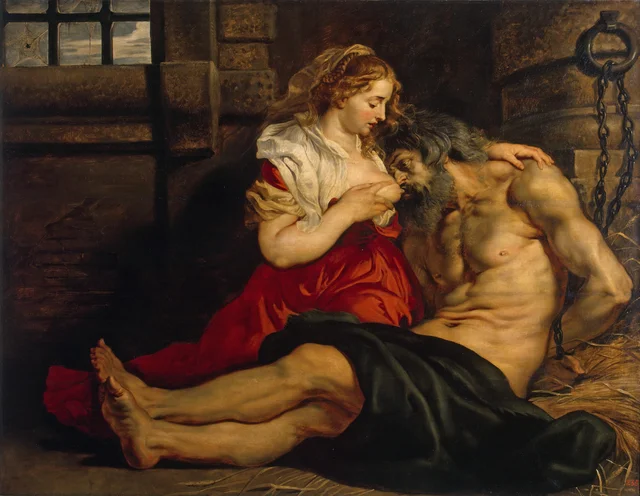 Roman CharityPeter Paul Rubens, 1612
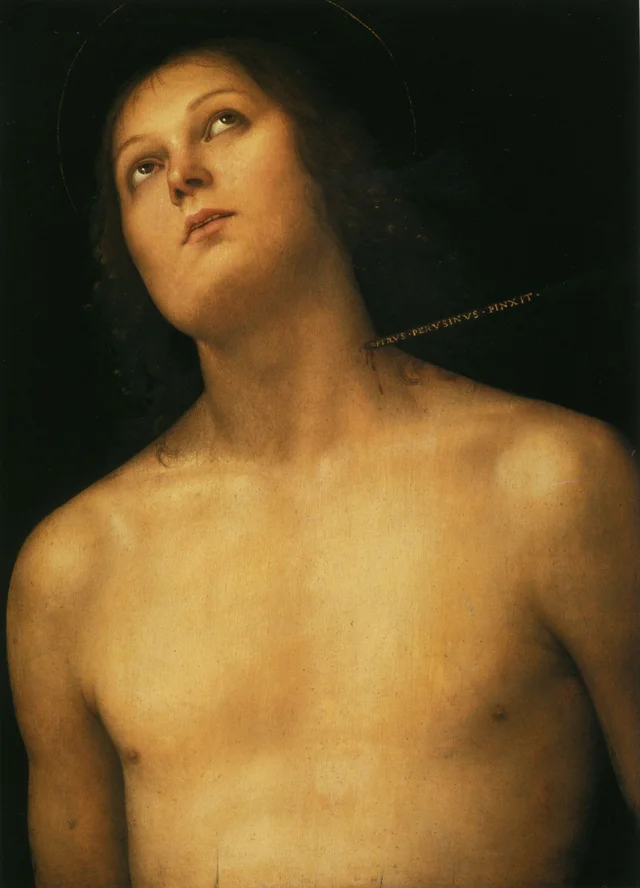 Saint SebastianPietro Perugino, 1493
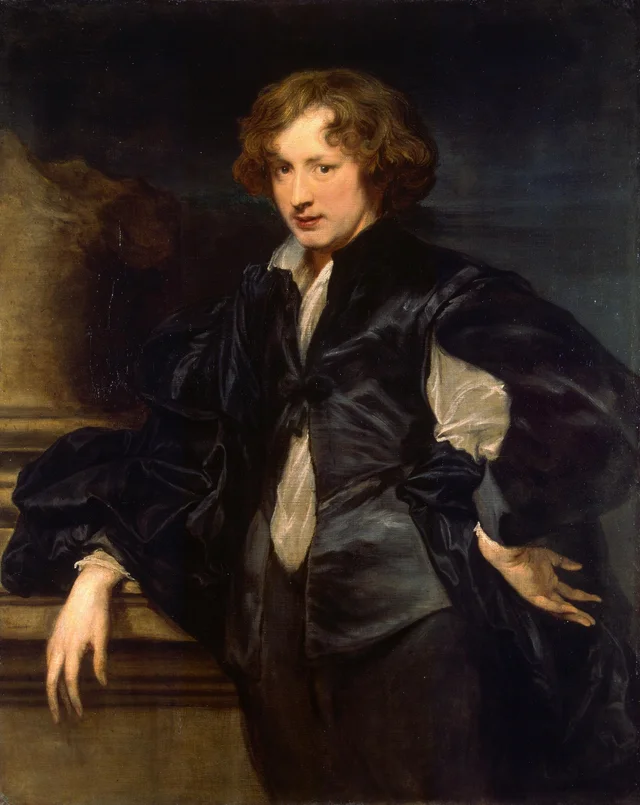 Self-portraitAnthony van Dyck, 1622
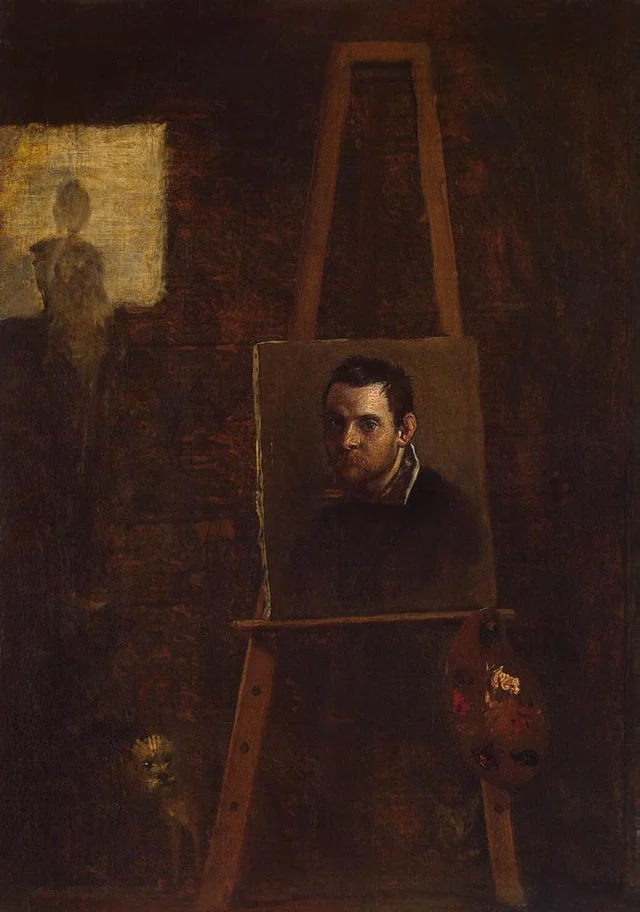 Self-portrait at the EaselAnnibale Carracci, 1604