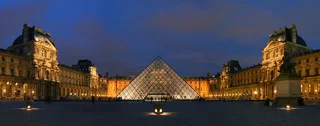
The story
The Louvre began as a fortress. Philip II raised it on the right bank of the Seine around 1190 to guard medieval Paris, and over the following centuries French kings rebuilt it into a royal palace, until Louis XIV moved his court to Versailles in 1682 and left the half-finished halls to the royal collection and the artists lodged inside.
The Revolution turned it into a public museum. On 10 August 1793 the Muséum central des arts opened its doors, showing the confiscated art of the crown and the church to any citizen who wished to walk in. Napoleon filled it with the spoils of his campaigns and briefly renamed it after himself. Much was returned after Waterloo, but the idea held, a national collection arranged for study and free to the public.
Today the Louvre holds more than 35,000 works, from the Venus de Milo to Géricault's Raft of the Medusa. The crowds, though, press toward one small portrait. In August 1911 it vanished: Vincenzo Peruggia, an Italian handyman who had worked in the museum, lifted Leonardo's Mona Lisa off the wall and carried it out under his coat. For two years the frame hung empty while visitors came to stare at the gap, and the painting returned only in 1913, after Peruggia tried to sell it to a dealer in Florence. I. M. Pei's glass pyramid, set in the courtyard in 1989, now marks the entrance.
More articles
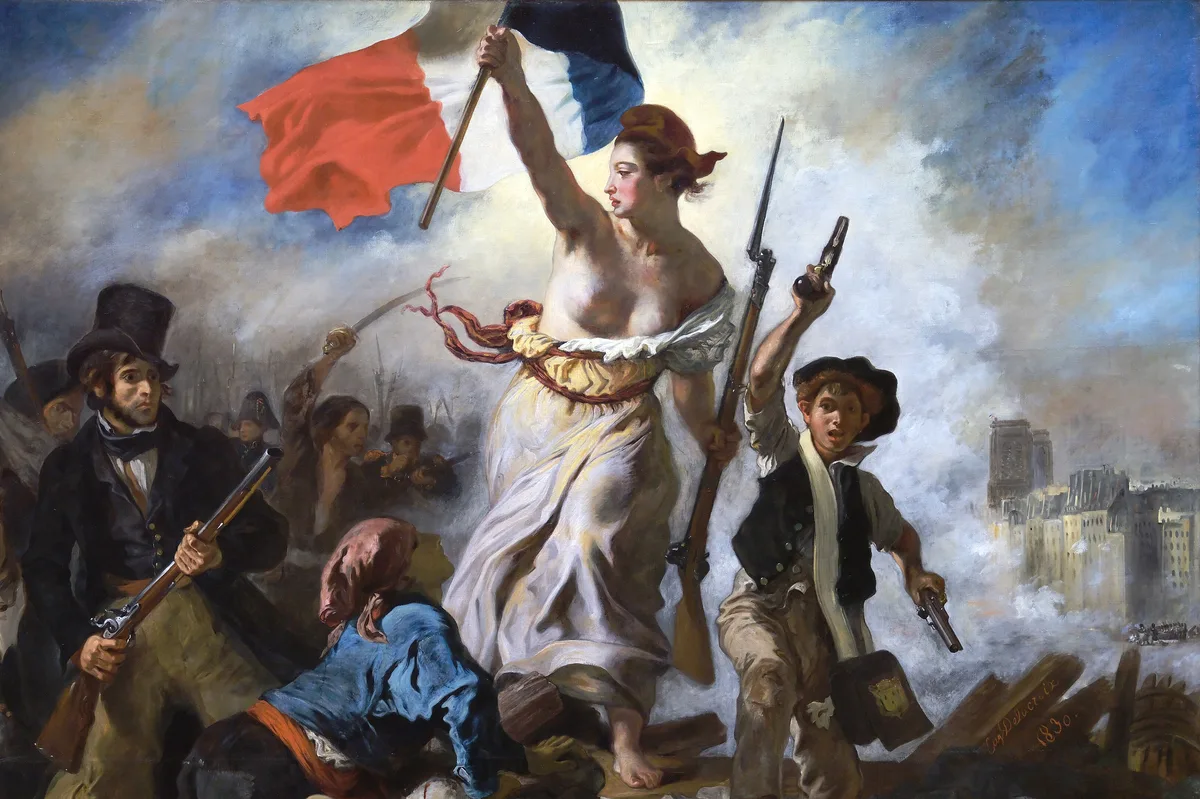
Collection
1,174 works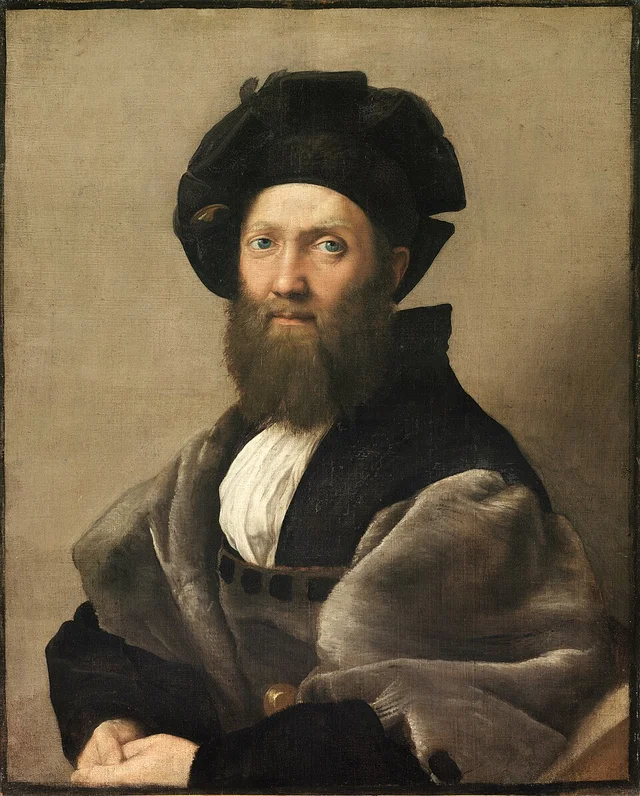 Portrait of Baldassare CastiglioneRaphael, 1515
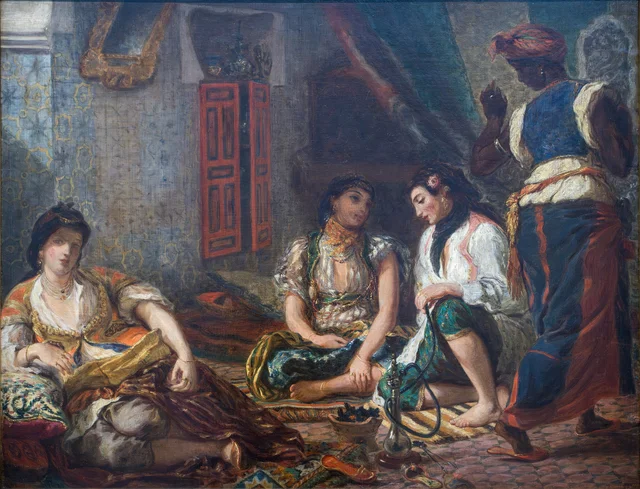 The Women of AlgiersEugène Delacroix, 1834
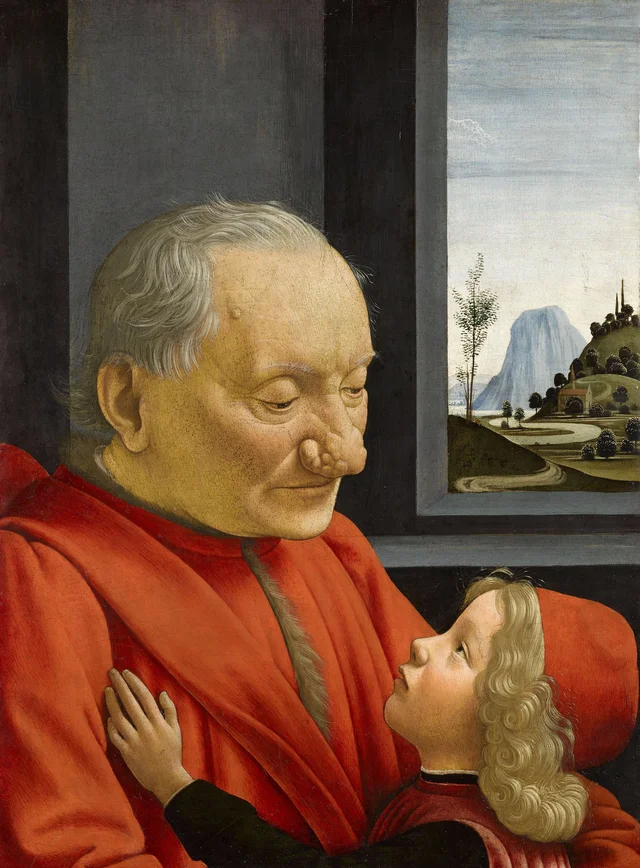 An Old Man and his GrandsonDomenico Ghirlandaio, 1490
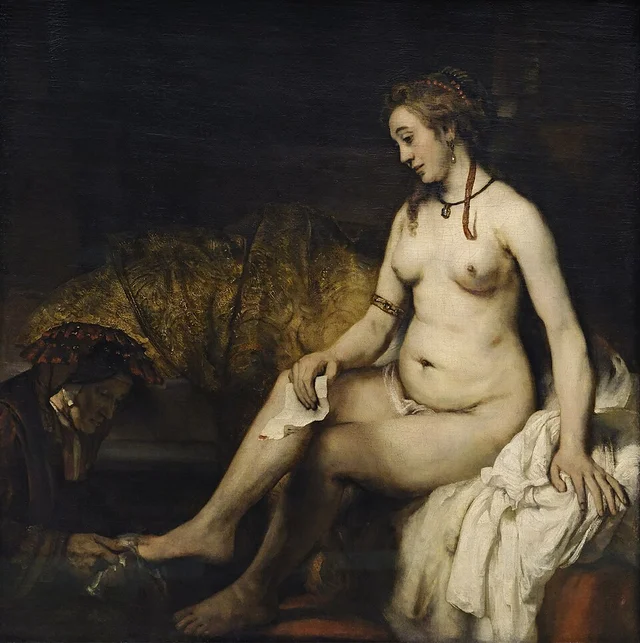 Bathsheba at Her BathRembrandt, 1654
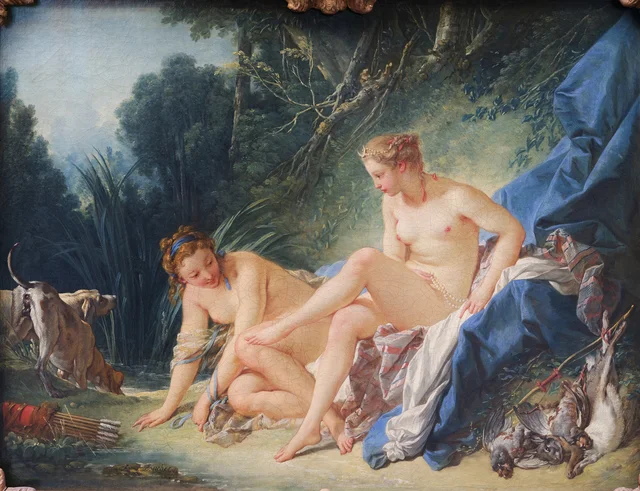 Diana leaving her BathFrançois Boucher, 1742
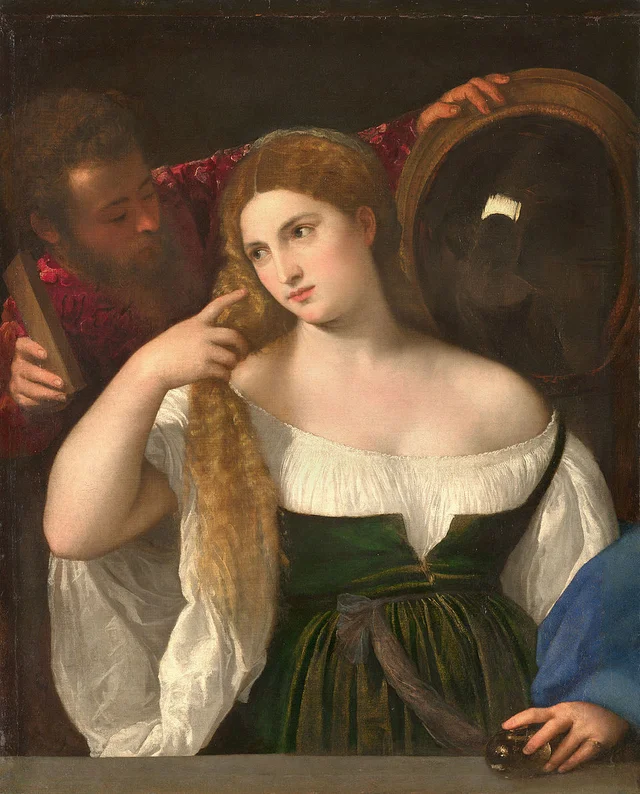 Woman with a MirrorTitian, 1515
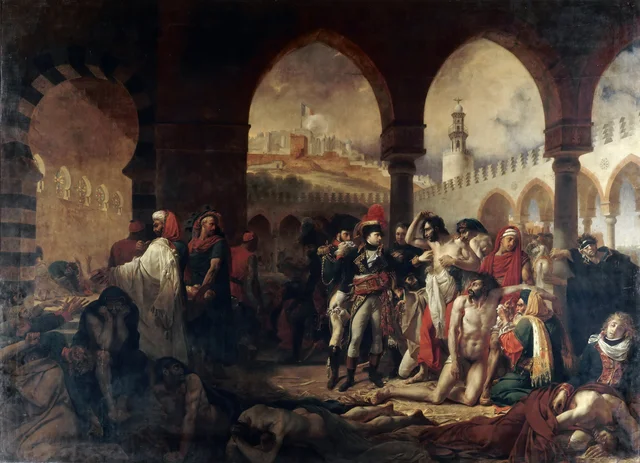 Bonaparte Visiting the Plague Victims of JaffaAntoine-Jean Gros, 1804
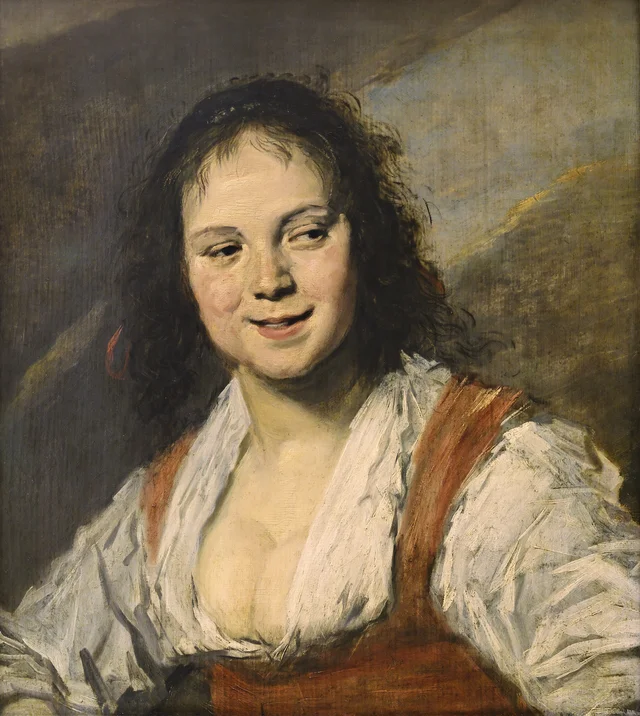 Gipsy GirlFrans Hals, 1628
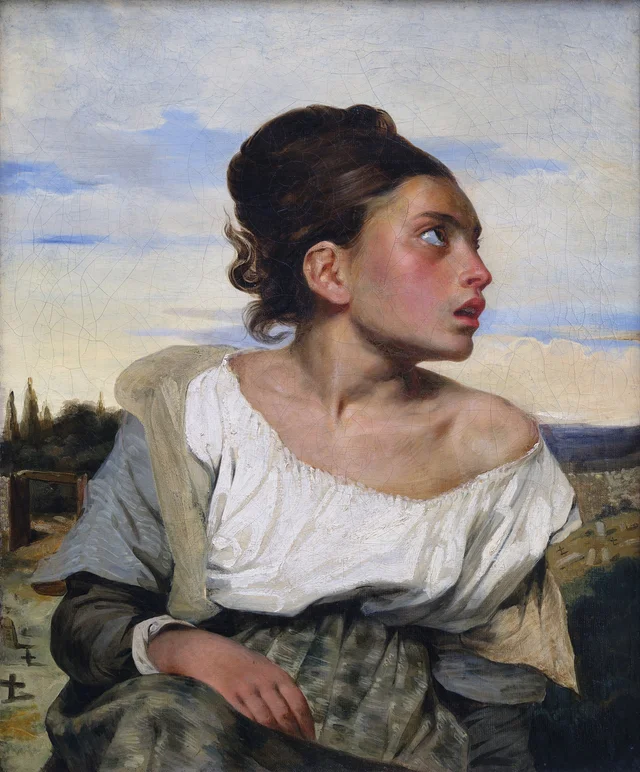 Orphan Girl at the CemeteryEugène Delacroix, 1824
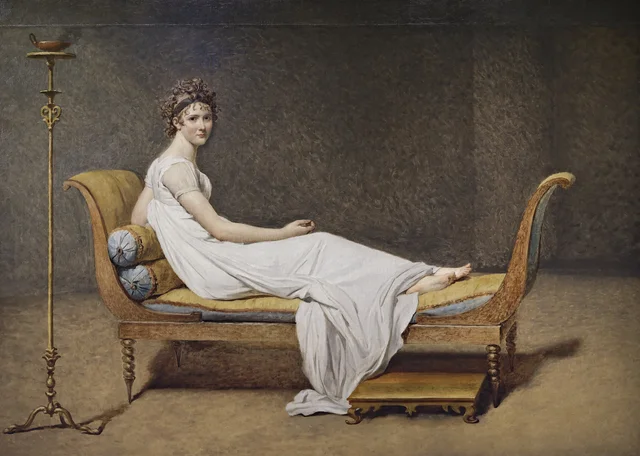 Portrait of Madame RécamierJacques-Louis David, 1800
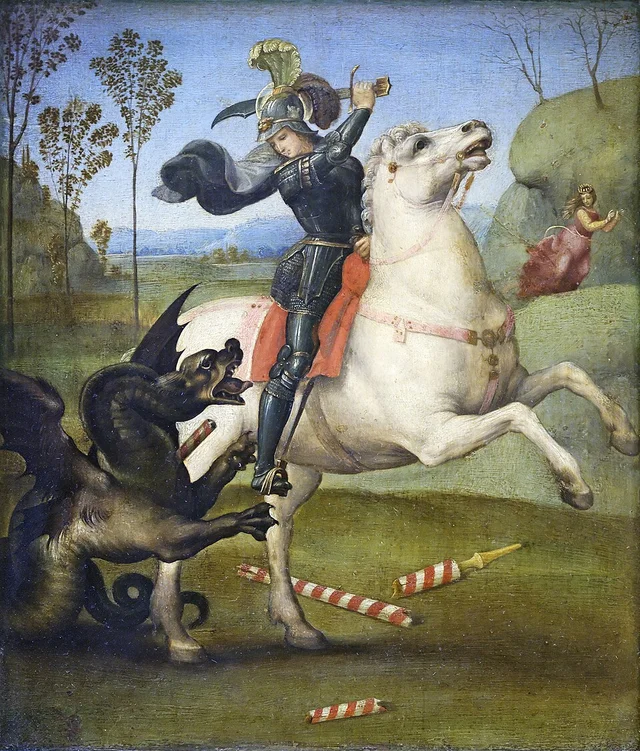 Saint George and the DragonRaphael, 1500
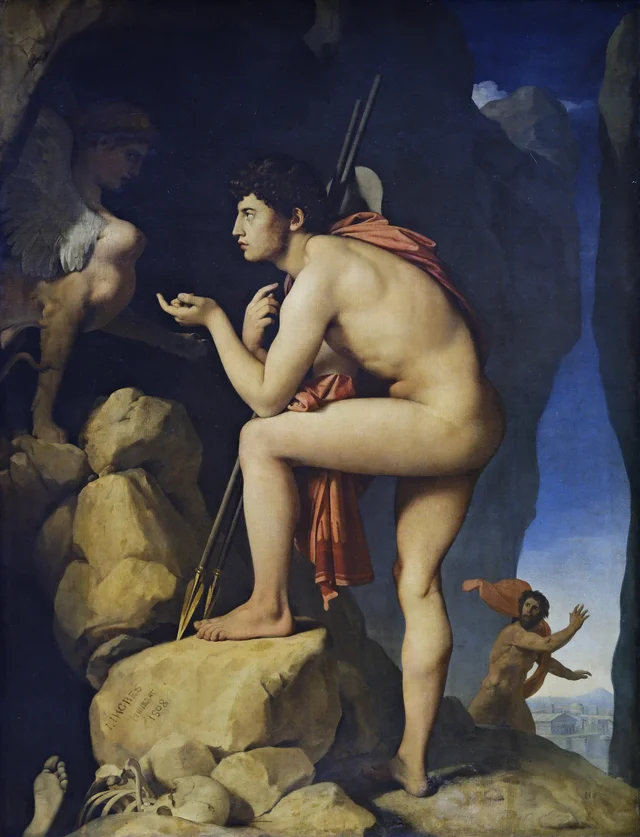 Oedipus and the SphinxJean-Auguste-Dominique Ingres, 1808
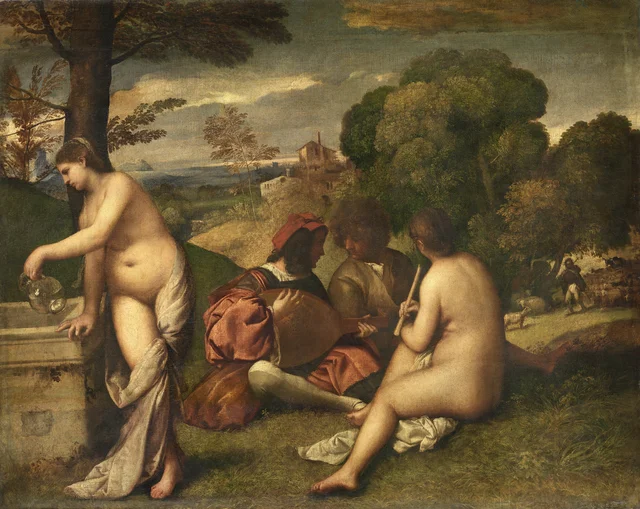 Pastoral ConcertTitian, 1510
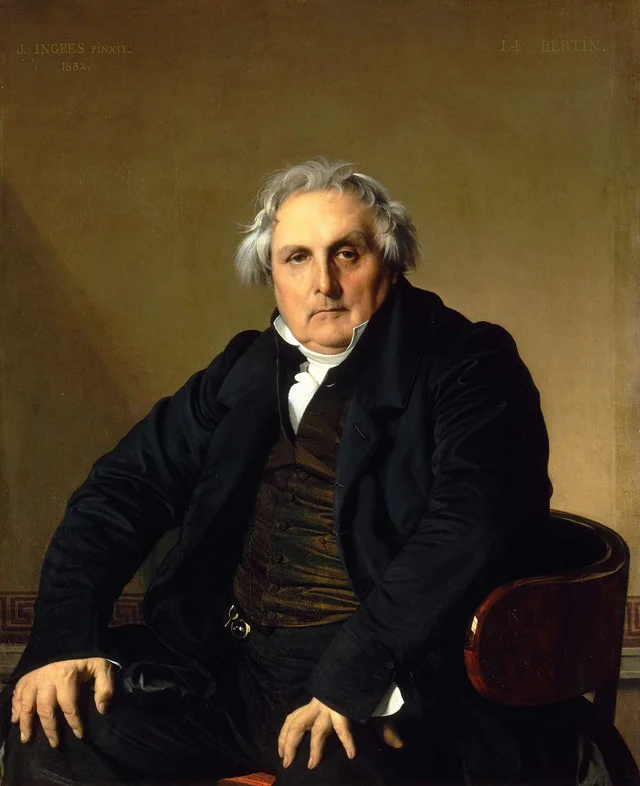 Portrait of Monsieur BertinJean-Auguste-Dominique Ingres, 1832
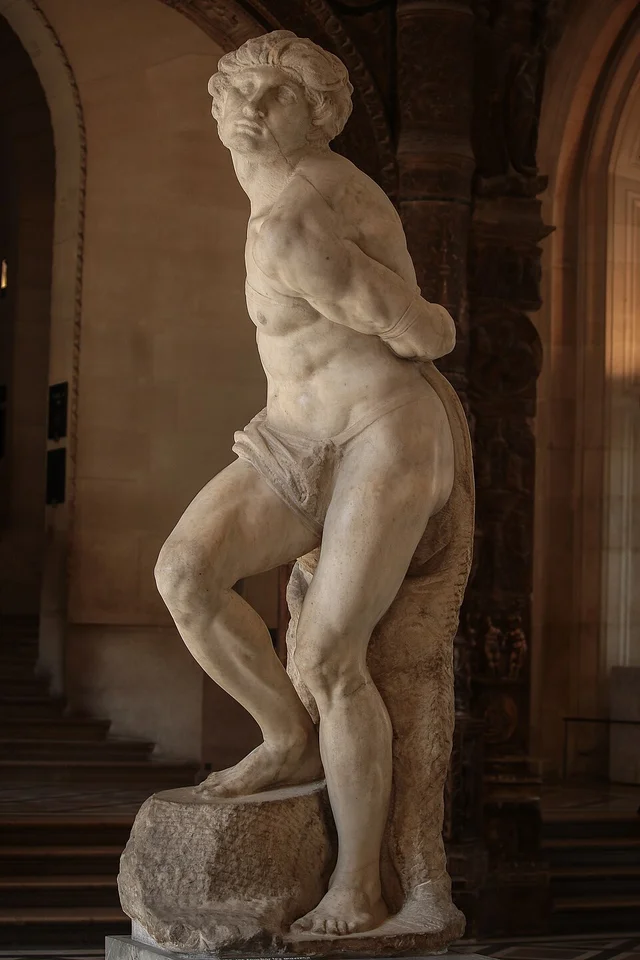 Rebellious SlaveMichelangelo, 1514
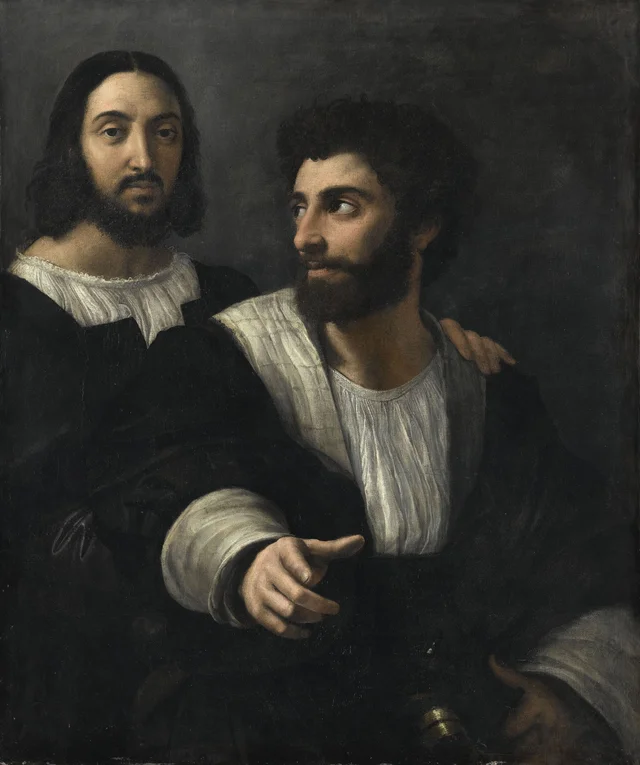 Self-portrait with a friendRaphael, 1519
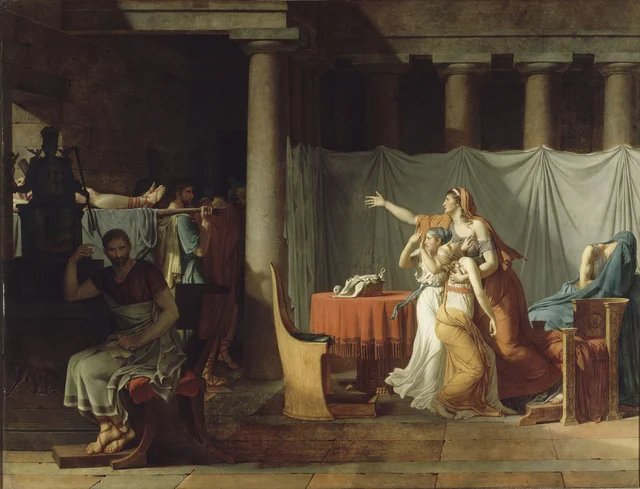 The Lictors Bring to Brutus the Bodies of His SonsJacques-Louis David, 1789
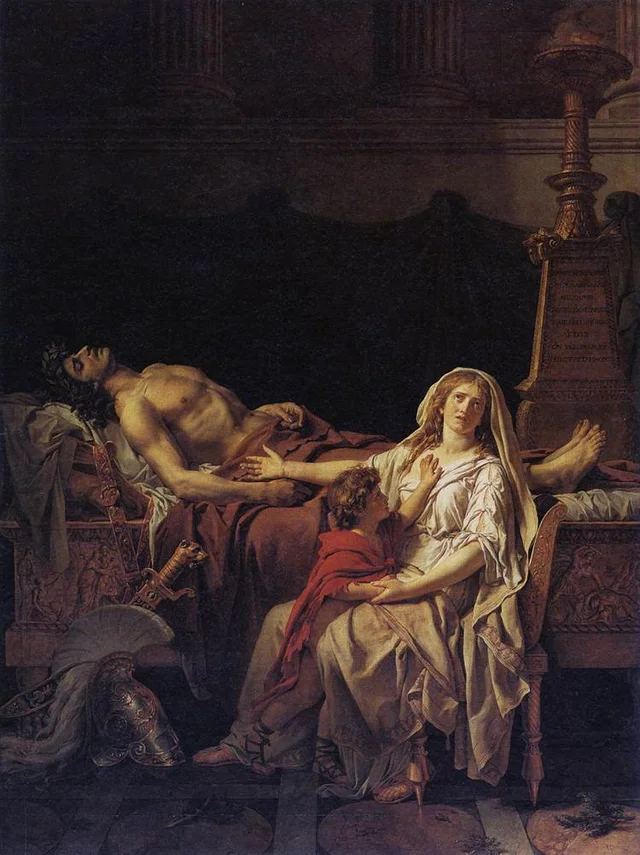 Andromache Mourning HectorJacques-Louis David, 1783
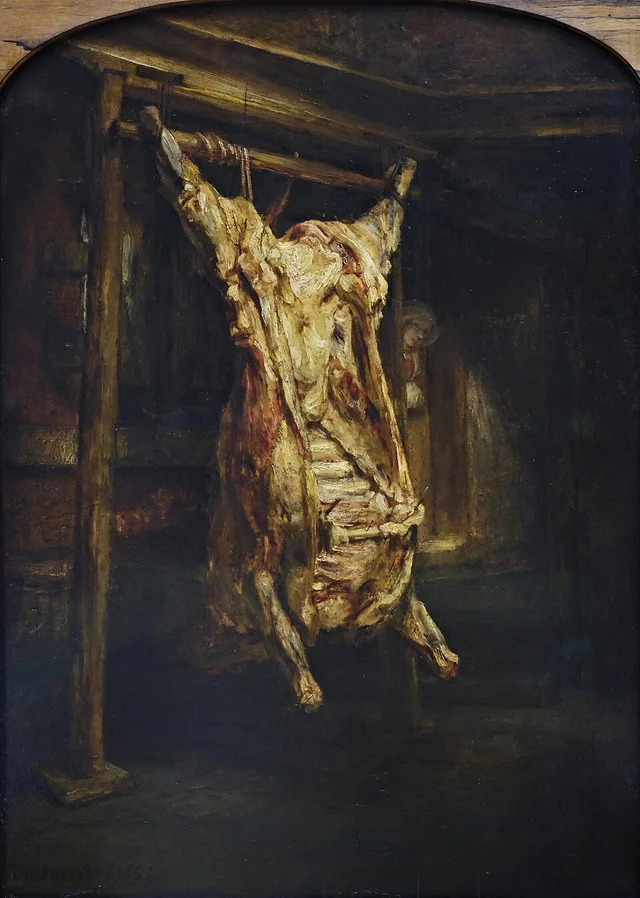 A Slaughtered OxRembrandt, 1655
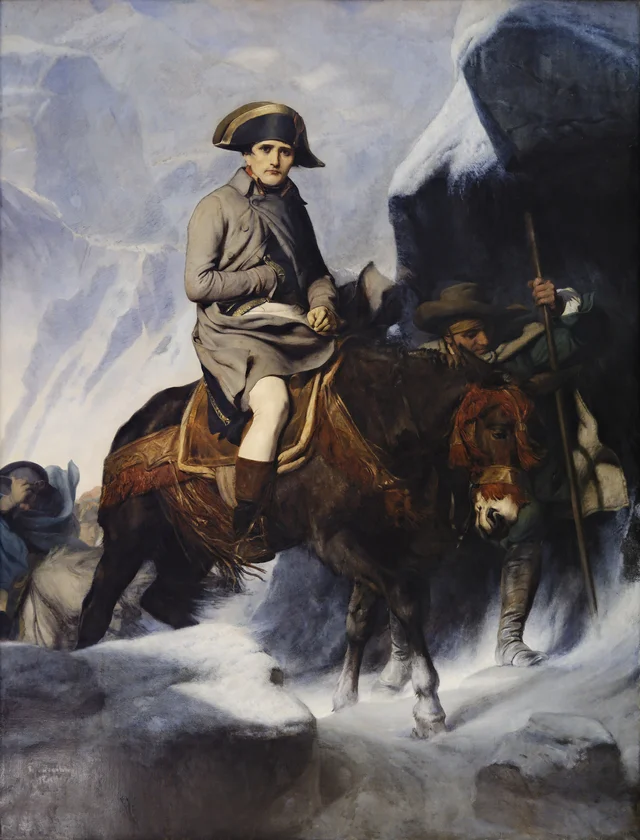 Bonaparte Crossing the AlpsPaul Delaroche, 1848
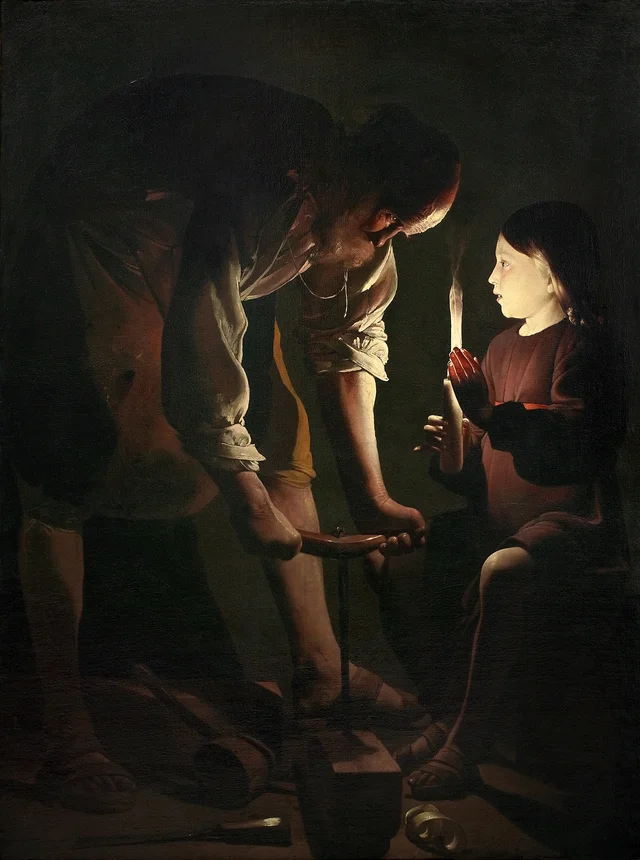 Joseph the CarpenterGeorges de La Tour, 1642
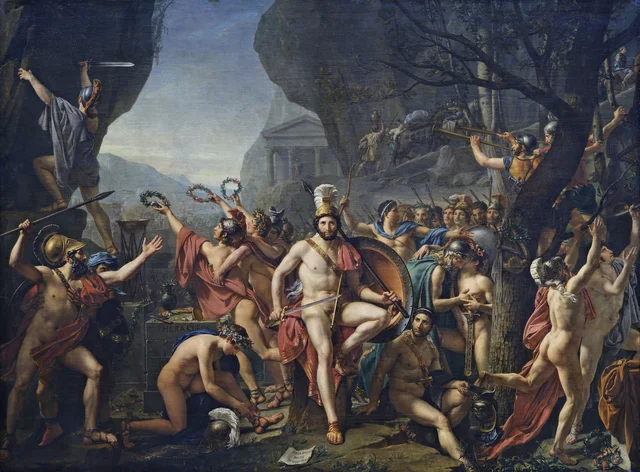 Leonidas at ThermopylaeJacques-Louis David, 1814
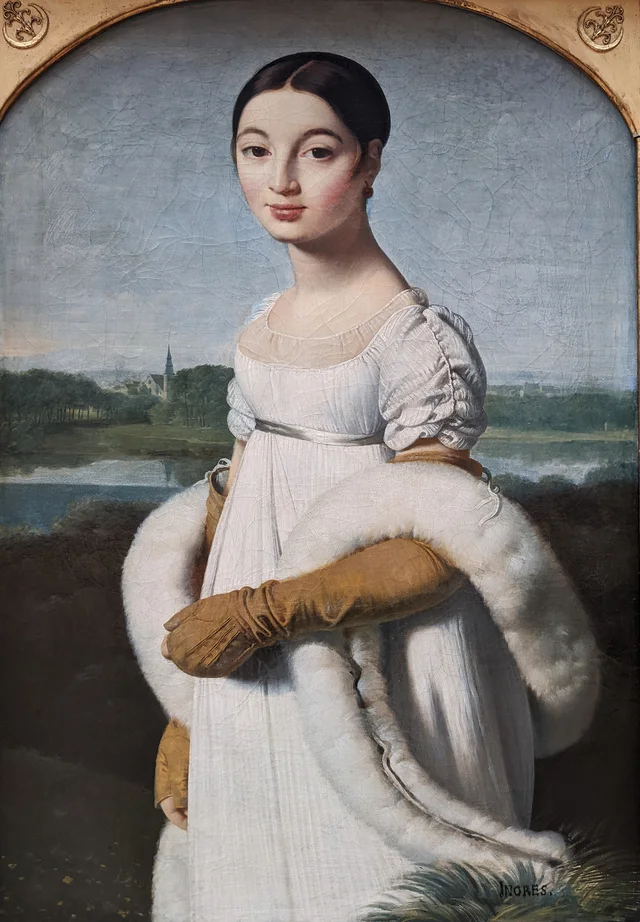 Mademoiselle Caroline RivièreJean-Auguste-Dominique Ingres, 1806
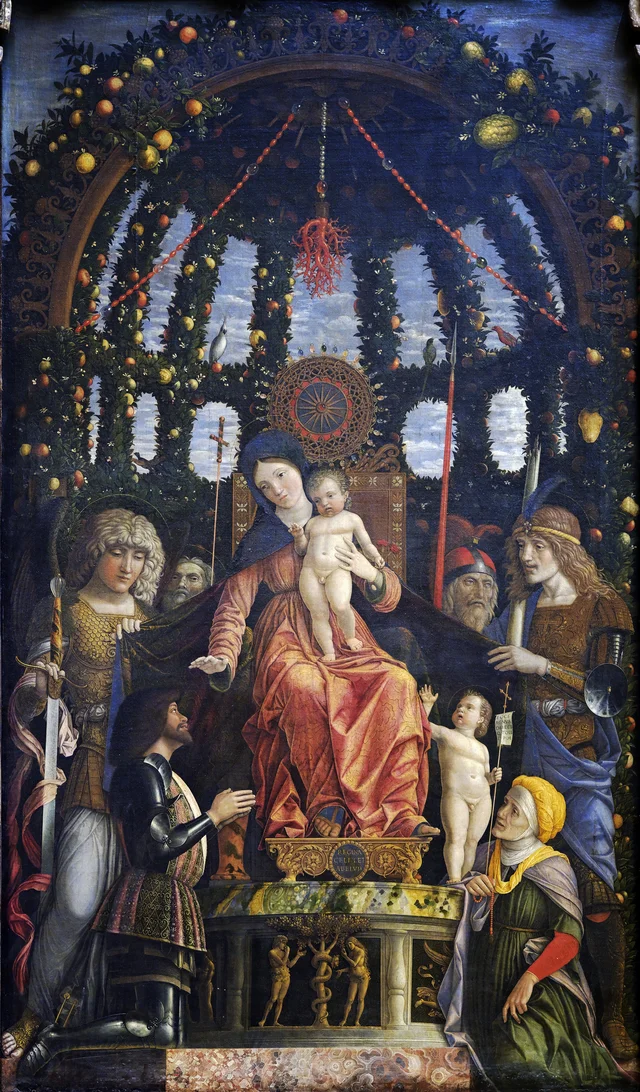 Madonna della VittoriaAndrea Mantegna, 1495
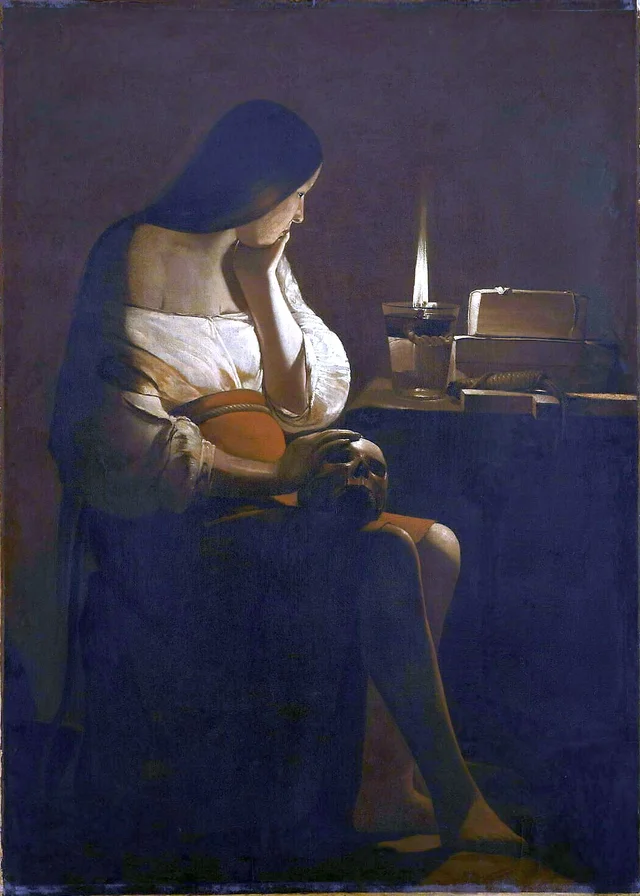 Magdalene with the Smoking FlameGeorges de La Tour, 1642