The story
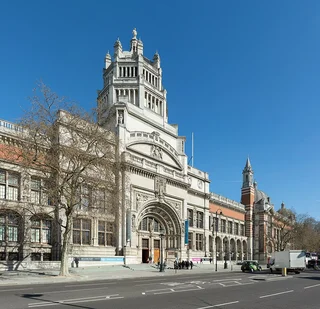
The Victoria and Albert Museum grew straight out of a hit. The Great Exhibition of 1851 drew millions to Hyde Park, turned a profit, and convinced Prince Albert and the reformer Henry Cole that Britain's manufacturers needed to learn design from the world's best objects. The profits bought land in South Kensington, and the museum that opened there in 1852 was meant to be a teaching collection for craftsmen and students, kept open late so working people could come after their shifts.
That founding idea still shapes what you see. This is a museum of how things are made and decorated rather than of paintings on a wall. It holds around 2.8 million objects across 5,000 years, from Tang dynasty ceramics to Vivienne Westwood gowns. In the Cast Courts, two towering halls, you can stand beneath a full-height plaster copy of Rome's Trajan's Column, sawn in two to fit under the roof.
Among the real treasures are the Raphael Cartoons, seven huge designs for Vatican tapestries lent by the Royal Collection, and Tipu's Tiger, a life-sized wooden automaton of a tiger mauling a British soldier, built for an Indian sultan who fought the East India Company. Queen Victoria laid the foundation stone of the present building in 1899, one of her last public appearances, and gave it the name it carries now for herself and her late husband Albert.
Collection
29 works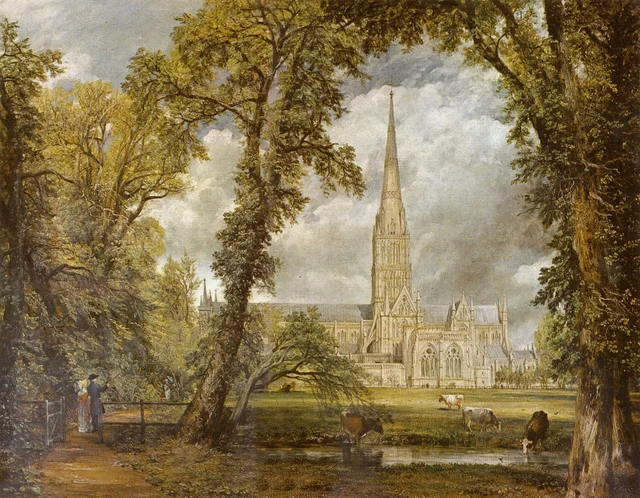 Salisbury Cathedral from the Bishop's GroundsJohn Constable, 1823
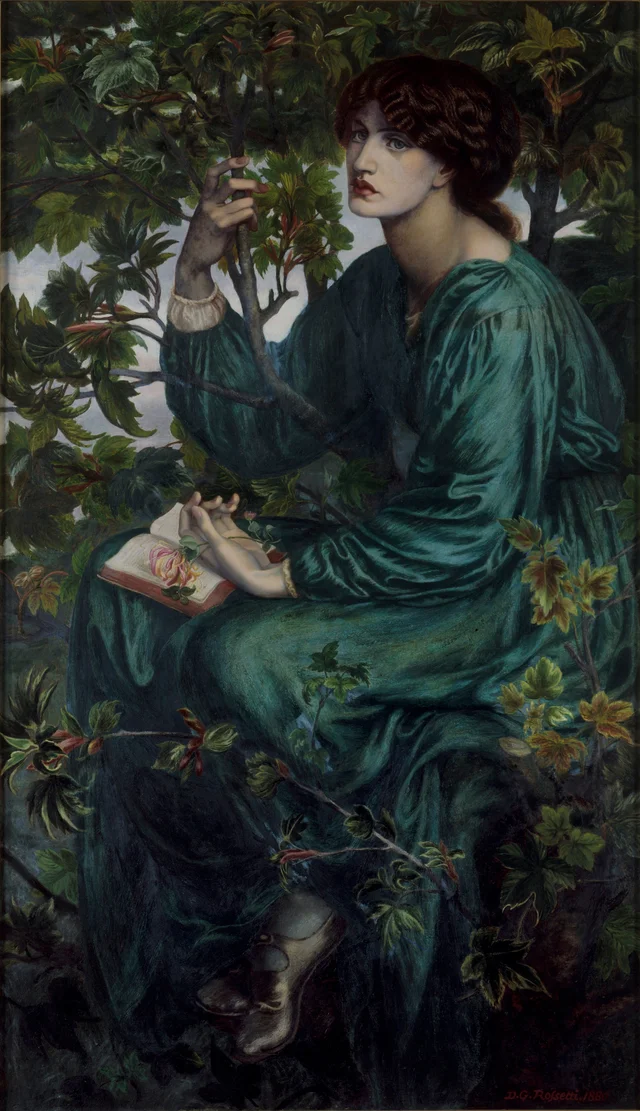 The Day DreamDante Gabriel Rossetti, 1880
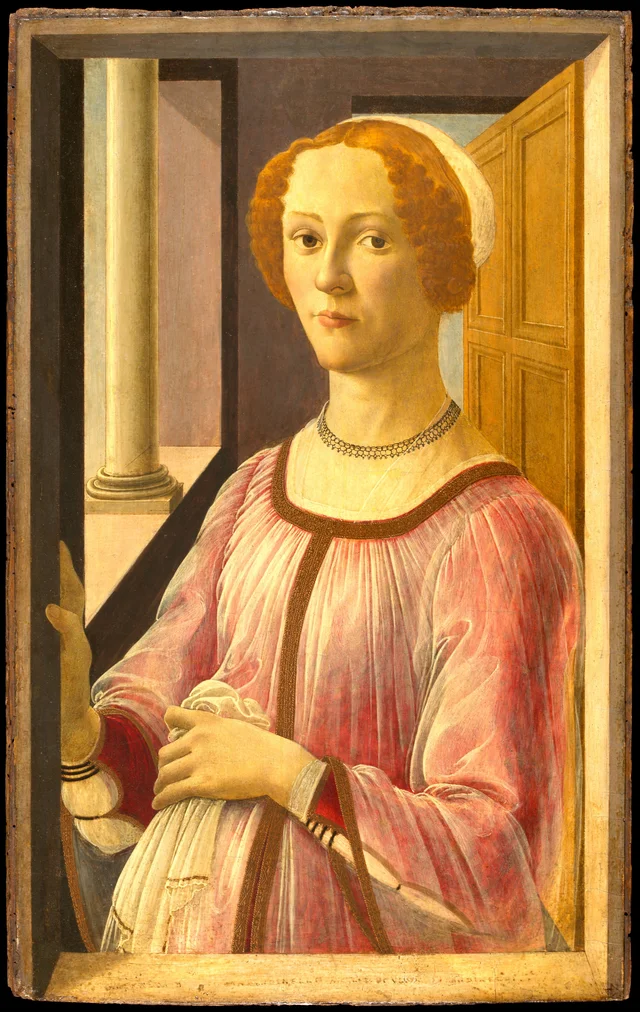 Portrait of a Lady known as Esmeralda BrandiniSandro Botticelli, 1470
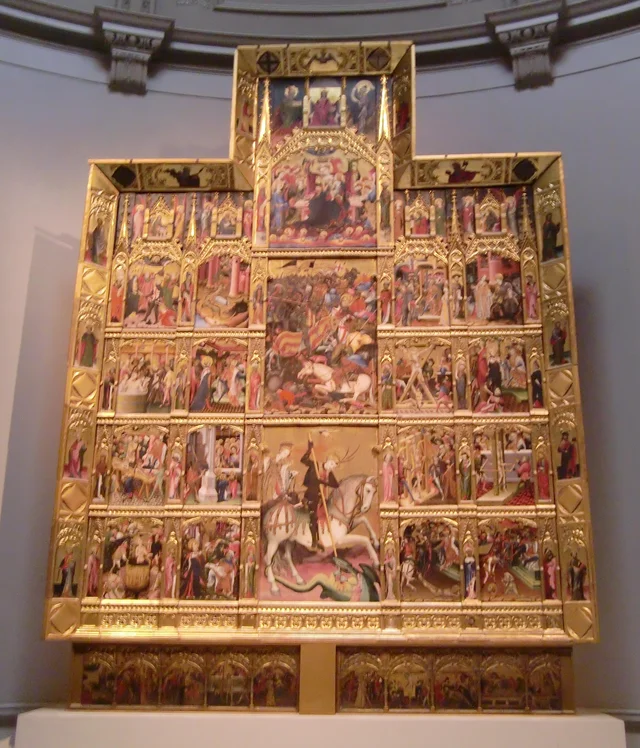 Altarpiece of Saint GeorgeAndrés Marzal de Sas, 1410
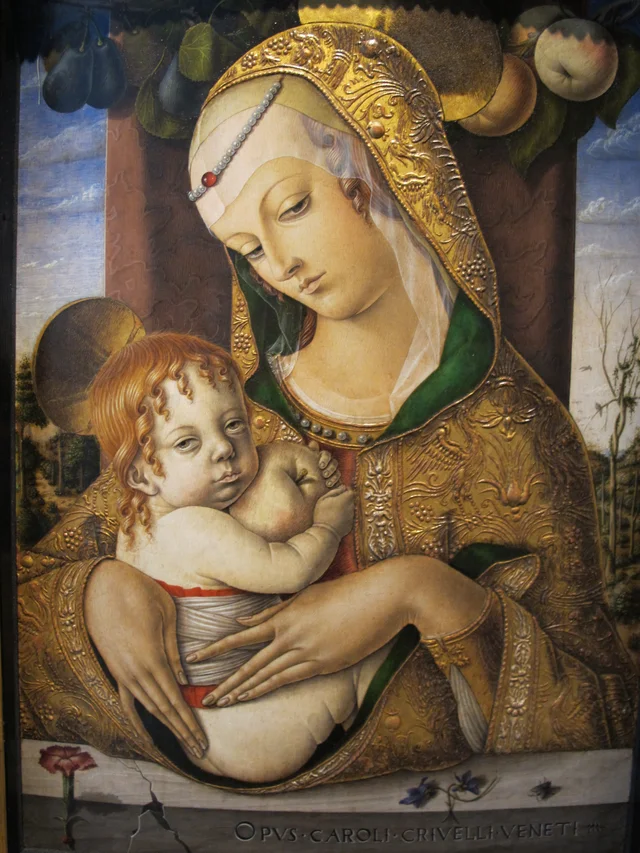 Madonna and ChildCarlo Crivelli, 1480
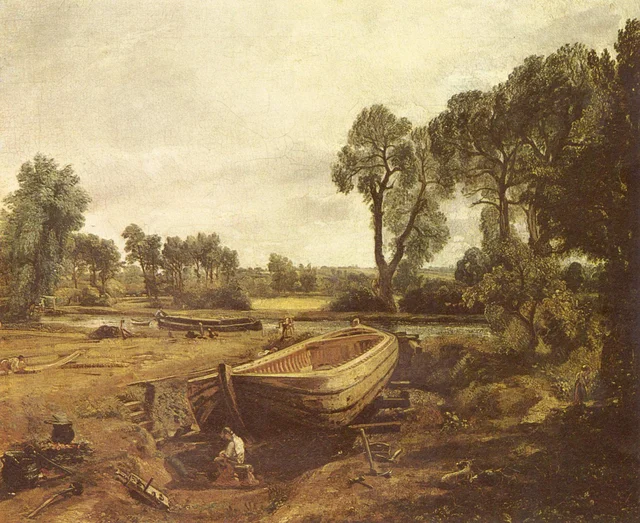 Boat-building near Flatford MillJohn Constable, 1815
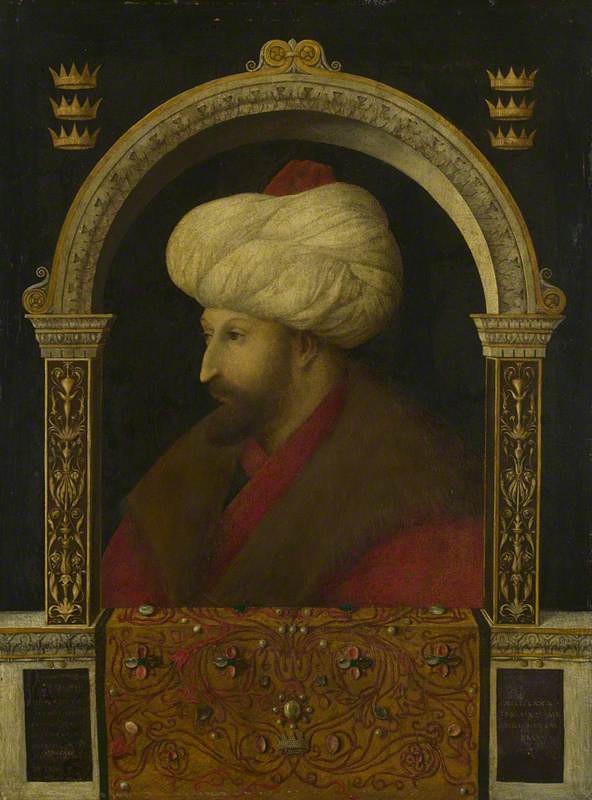 The Sultan Mehmet IIGentile Bellini, 1480
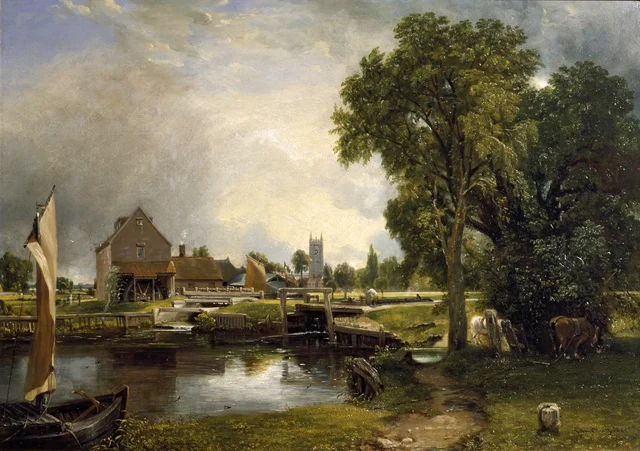 Dedham Lock and MillJohn Constable, 1820
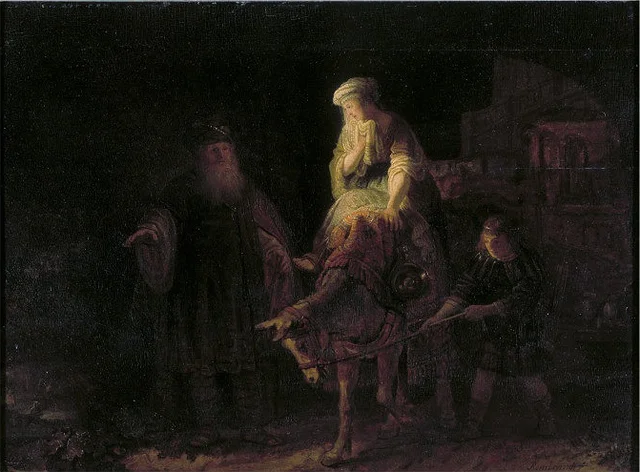 The Departure of the Shunammite WomanStudio of Rembrandt, 1640
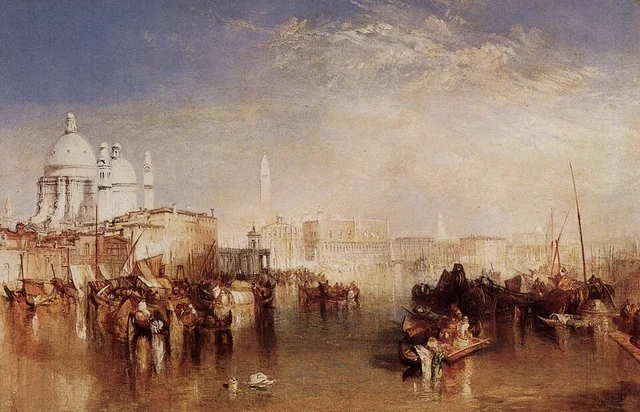 Venice from the GiudeccaJ. M. W. Turner, 1840
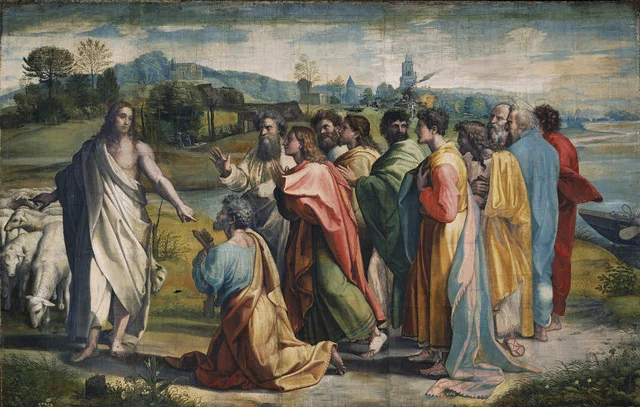 Christ's Charge to PeterRaphael, 1515
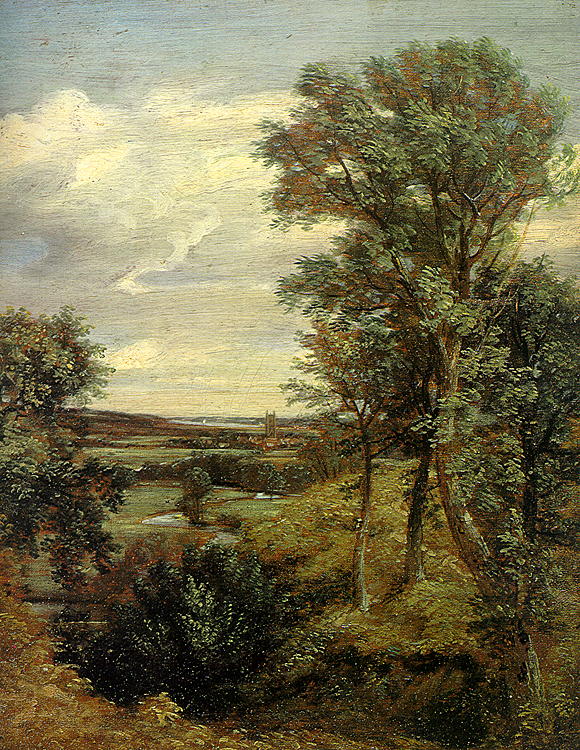 Dedham ValeJohn Constable, 1802
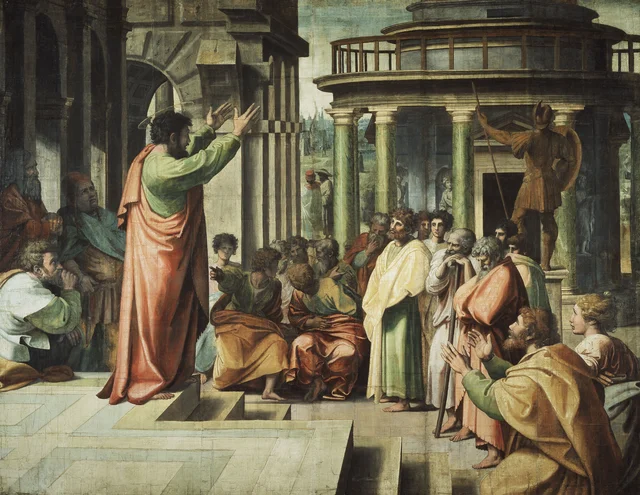 St Paul Preaching at AthensRaphael, 1515
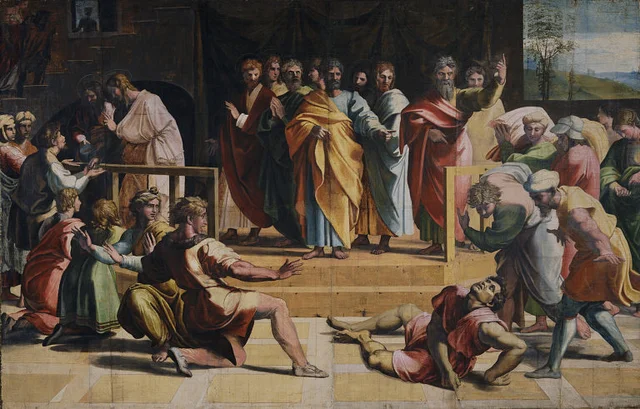 The Death of AnaniasRaphael, 1515
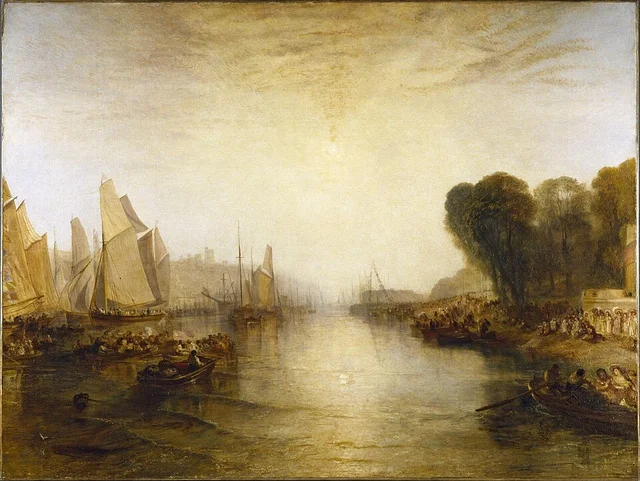 East Cowes Castle, the Seat of John Nash, Esq.; the Regatta Starting for their Moorings.J. M. W. Turner, 1827
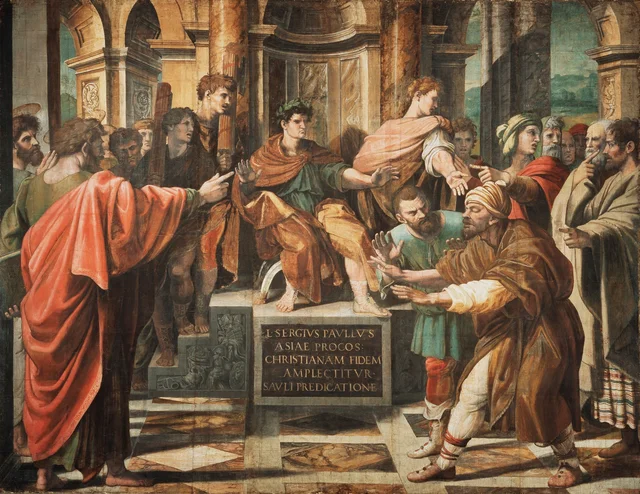 The Conversion of the ProconsulRaphael, 1515
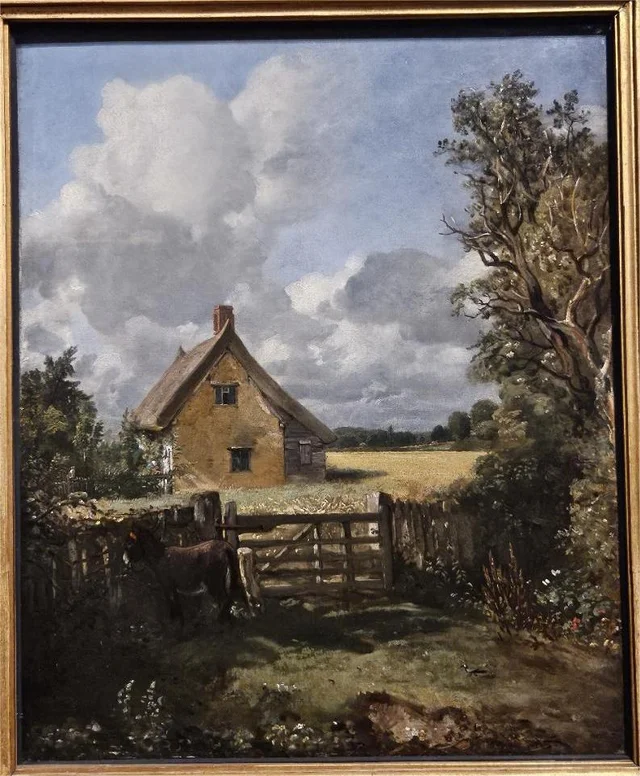 The Cottage in a CornfieldJohn Constable, 1833
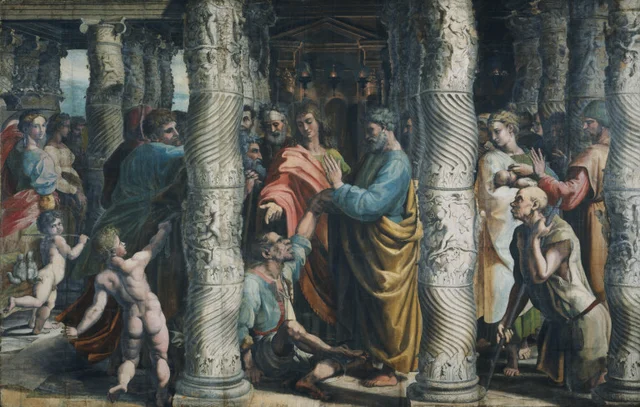 The Healing of the Lame ManRaphael, 1515
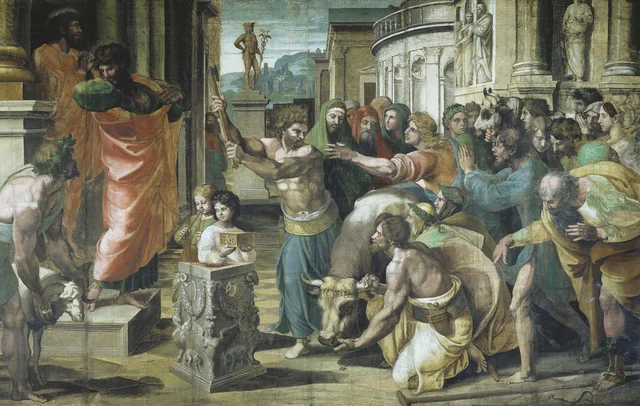 The Sacrifice at LystraRaphael, 1515
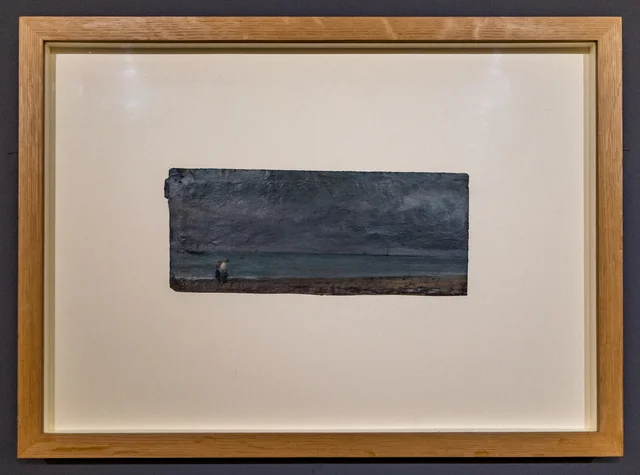 Brighton BeachJohn Constable, 1824
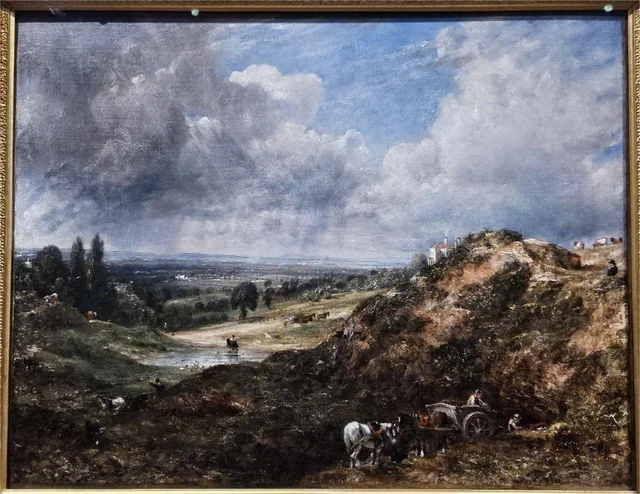 Hampstead Heath, Branch Hill PondJohn Constable, 1828
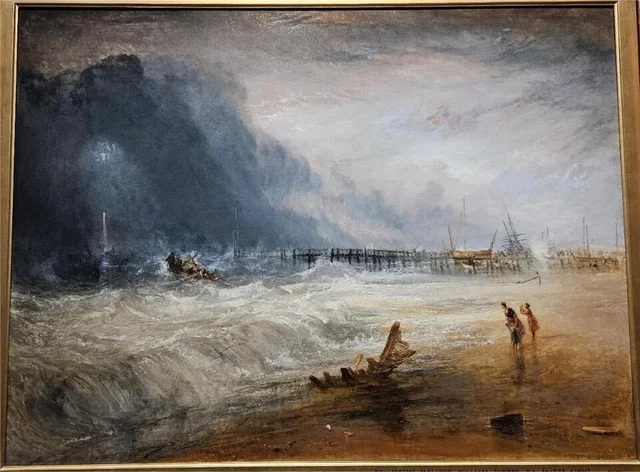 Lifeboat and Manby Apparatus Going off to a Stranded Vessel Making the Signal (Blue Lights) of DistressJ. M. W. Turner, 1831
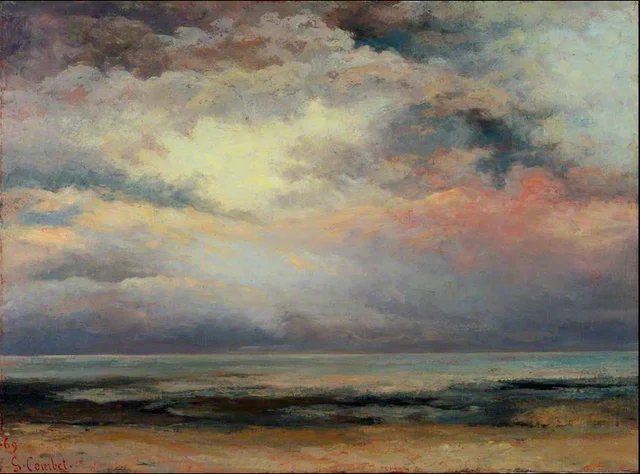 L'ImmensitéGustave Courbet, 1869
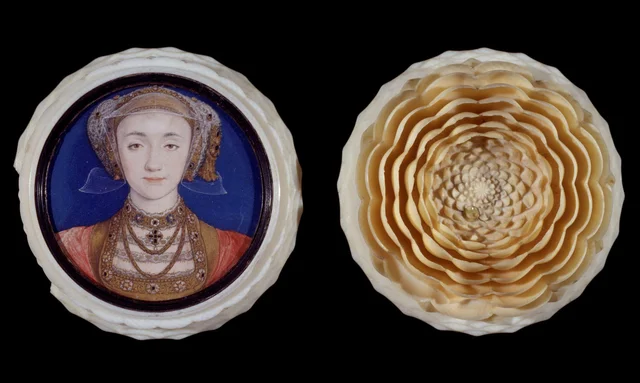 Portrait miniature of Anne of Cleves (1515-1557)Hans Holbein the Younger, 1539
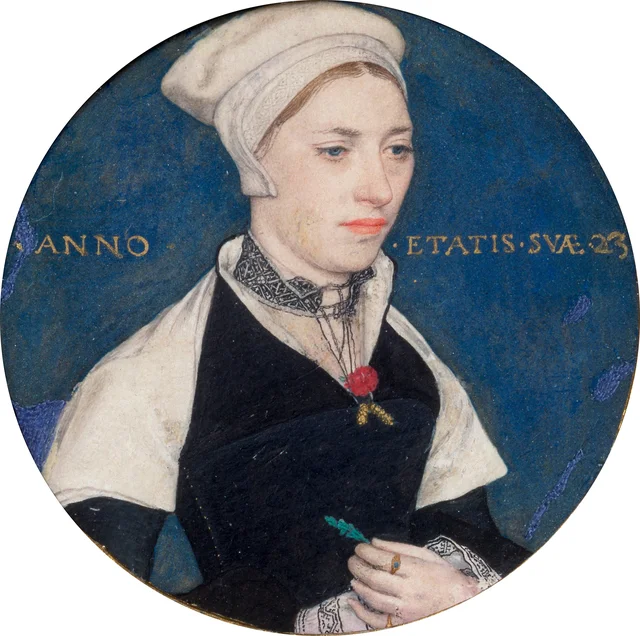 Portrait Miniature of Mrs Jane Small, formerly Mrs PembertonHans Holbein the Younger, 1536