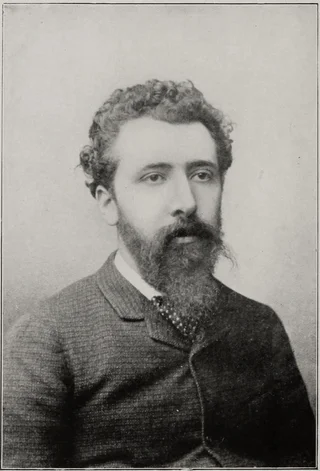
Georges Seurat
1859–1891 · Francia · Puntillismo
La historia
Georges Seurat abordaba la pintura como un científico. Formado en la École des Beaux-Arts de París e influido por las teorías contemporáneas del color y la óptica, desarrolló una técnica que consistía en aplicar miles de pequeños puntos diferenciados de pigmento puro que el ojo, y no el pincel, mezclaría a distancia, un método al que llamó divisionismo y que la crítica apodó puntillismo. Su lienzo de 1884-86 Un domingo en la Grande Jatte, una escena de casi 2 por 3 metros de parisinos descansando en una isla del Sena, exigió dos años de bocetos preparatorios y sigue siendo la pieza definitoria de la técnica.
Trabajó de este modo apenas una década y mantuvo buena parte de su vida privada oculta incluso a sus amigos más cercanos. Solo en los dos últimos días antes de morir presentó a sus padres a su compañera de hecho, la modelo Madeleine Knobloch, y al hijo pequeño de ambos, Pierre-Georges.
Seurat enfermó de repente y murió en París el 29 de marzo de 1891, a los treinta y un años; los médicos no lograron ponerse de acuerdo sobre si la causa fue meningitis, difteria o una angina infecciosa. Su hijo pequeño murió de la misma enfermedad dos semanas después y fue enterrado junto a él en el cementerio de Père-Lachaise.
Más artículos
Obras
116 obras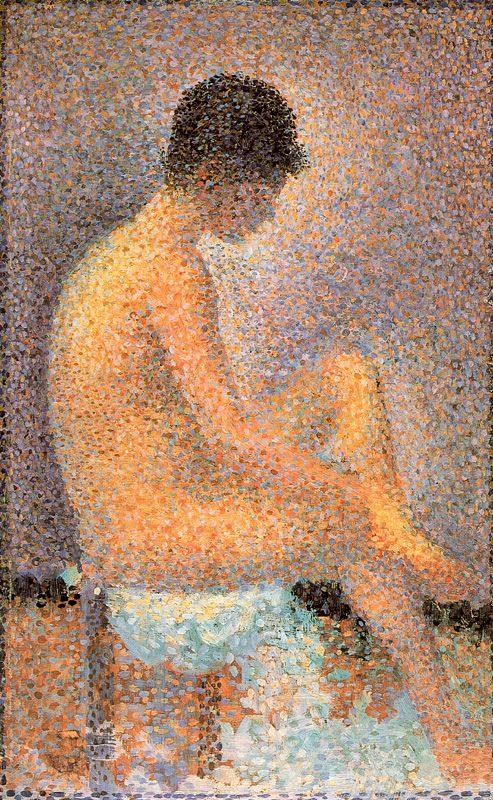 Modelo sentada, de perfilGeorges Seurat, 1887
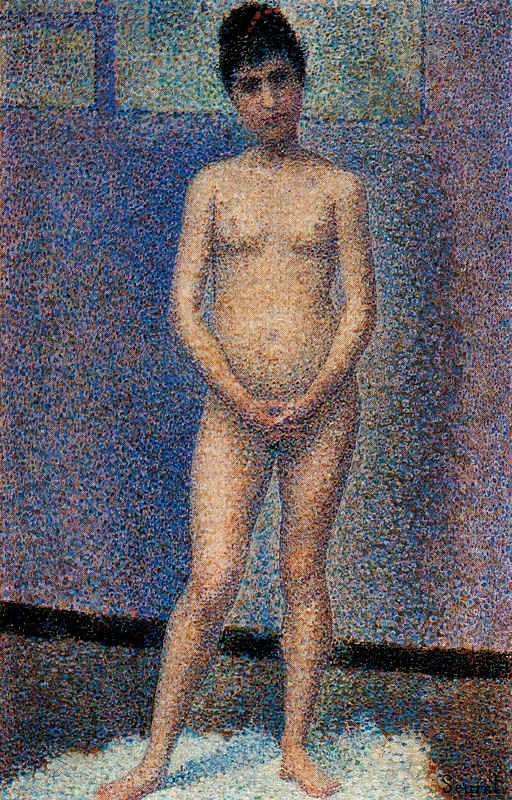 Modelo de pieGeorges Seurat, 1887
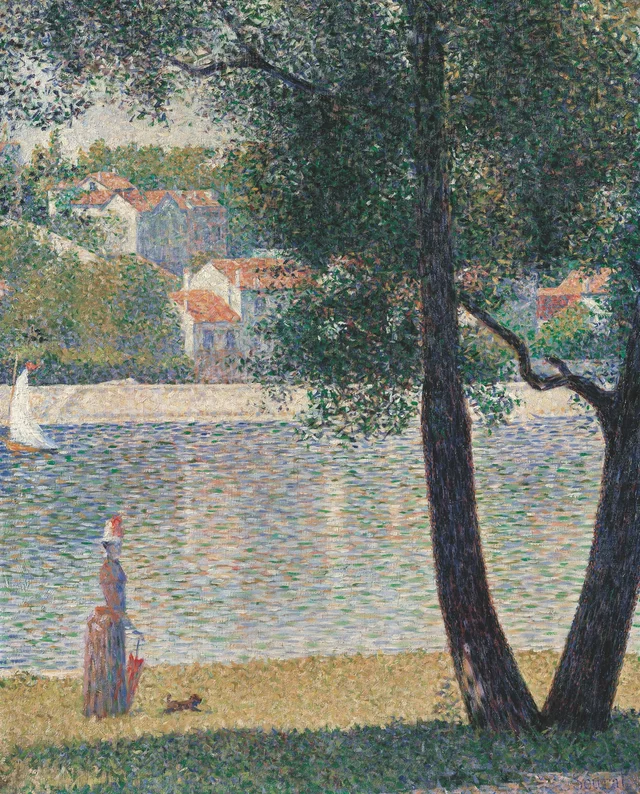 El Sena en CourbevoieGeorges Seurat, 1885
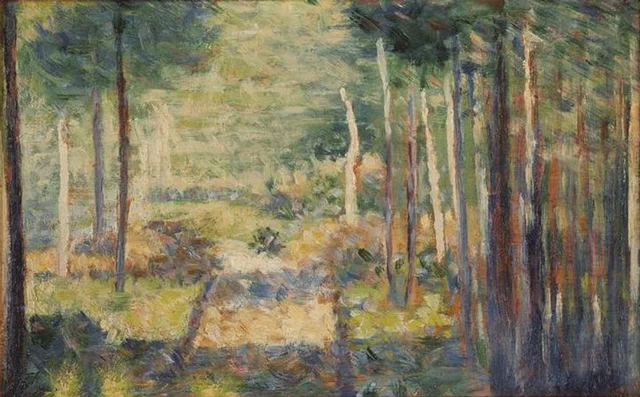 Callejón en el bosque, BarbizonGeorges Seurat, 1883
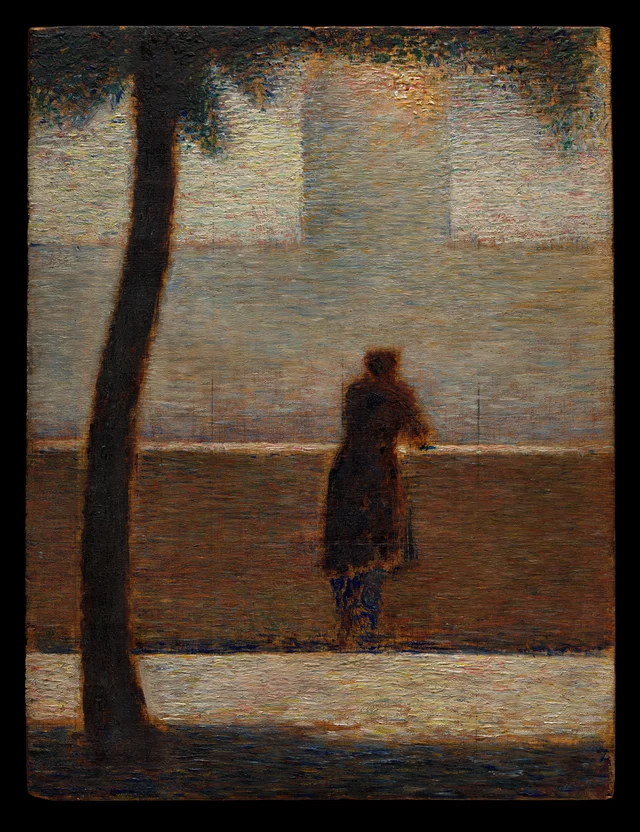 Un hombre apoyado en un parapetoGeorges Seurat, 1881
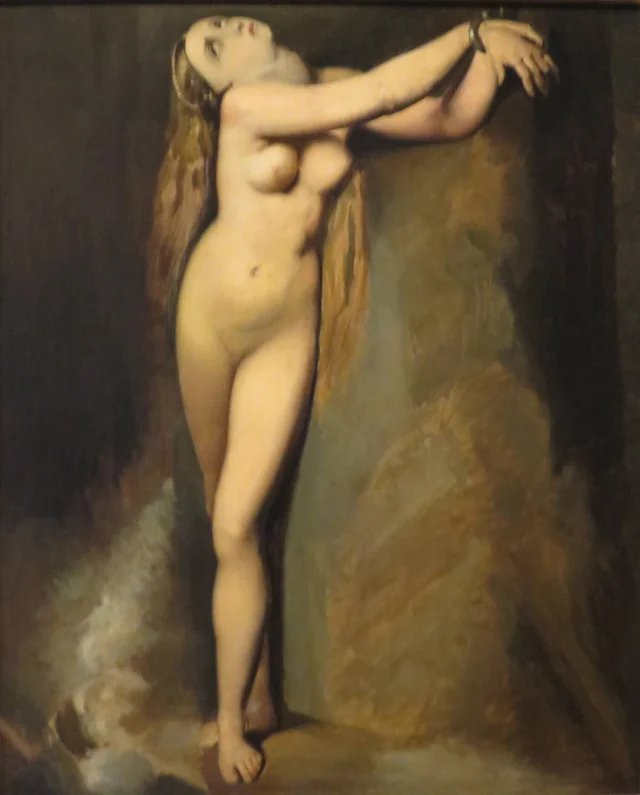 Angélica en la roca (según Ingres)Georges Seurat, 1878
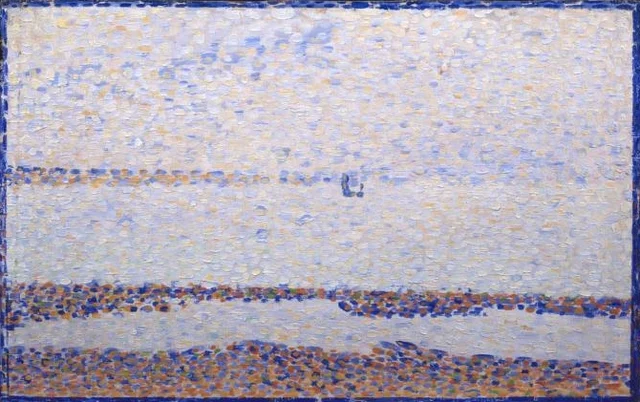 Playa de GravelinesGeorges Seurat, 1890
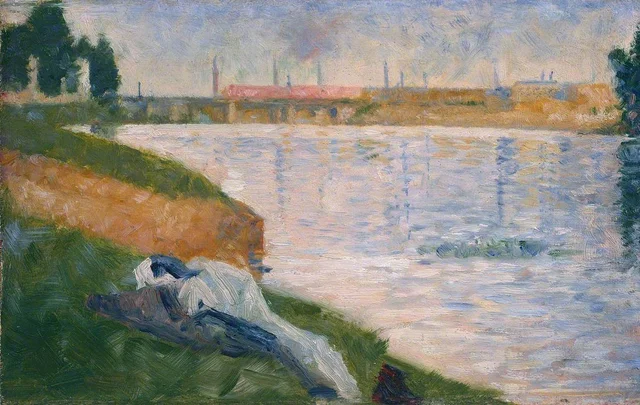 Ropa sobre la hierbaGeorges Seurat, 1883
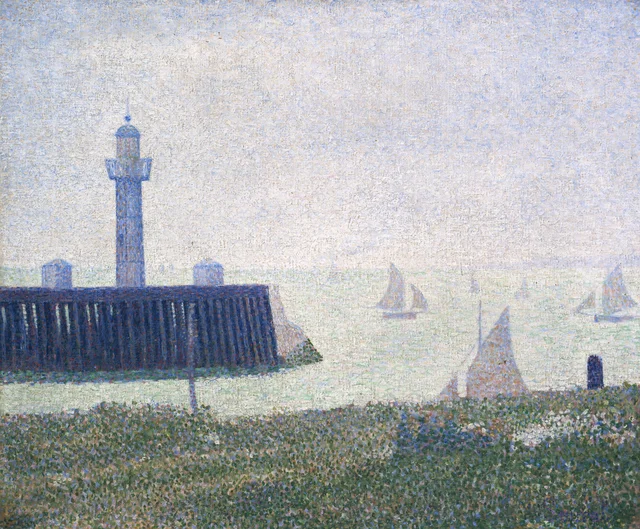 Final del muelle, HonfleurGeorges Seurat, 1886
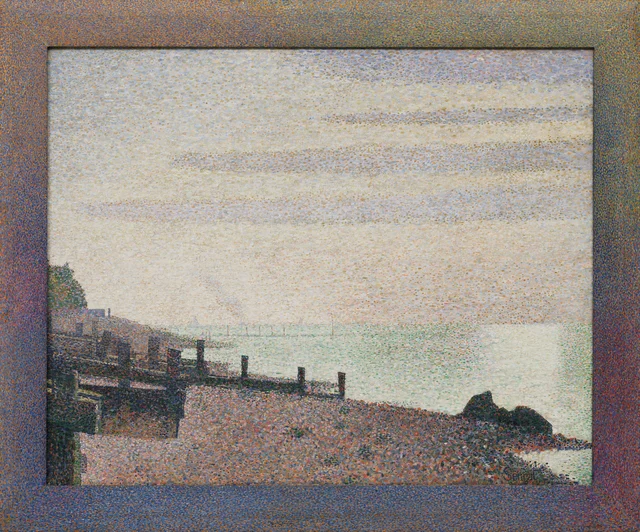 Tarde en HonfleurGeorges Seurat, 1886
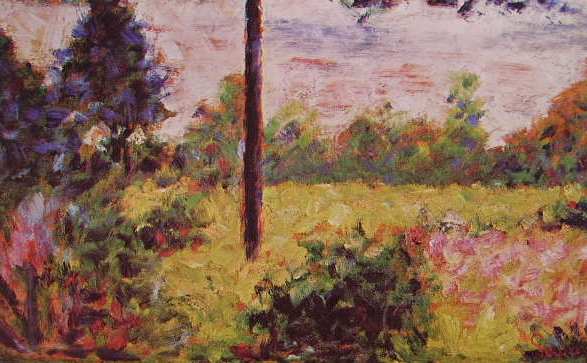 Campos con árboles en BarbizonGeorges Seurat, 1883
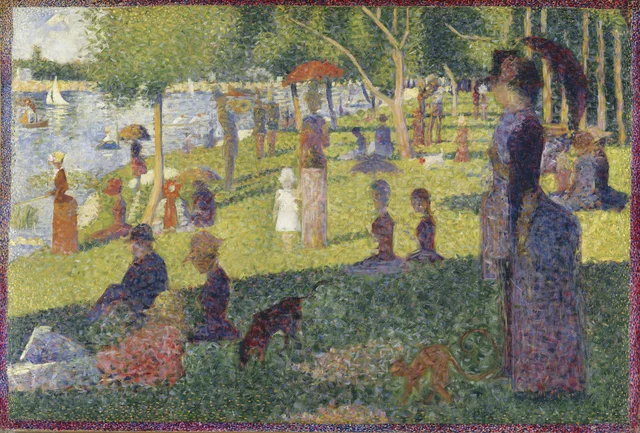 Estudio final para «La Grande Jatte»Georges Seurat, 1884
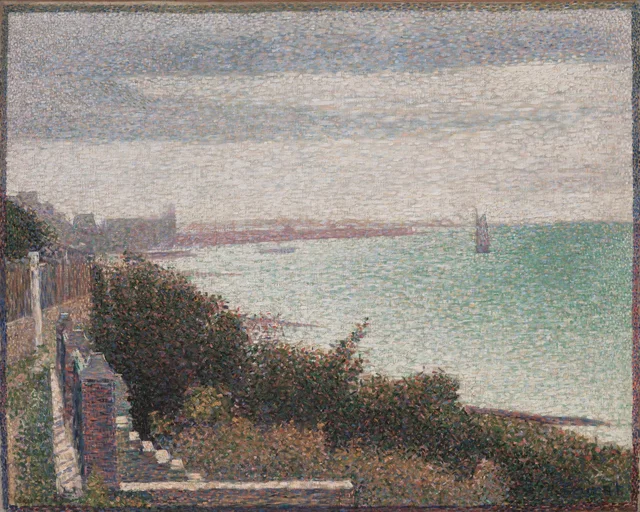 Grandcamp, atardecerGeorges Seurat, 1885
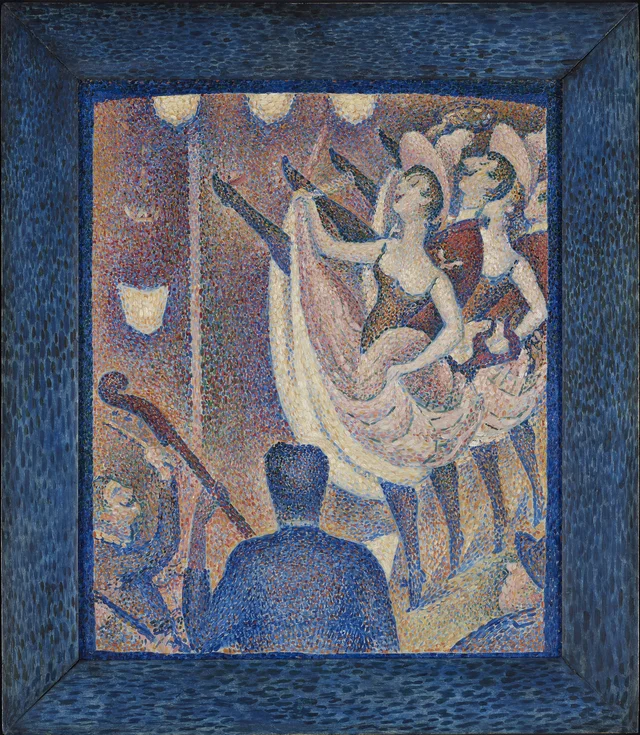 Le Chahut (Estudio I)Georges Seurat, 1889
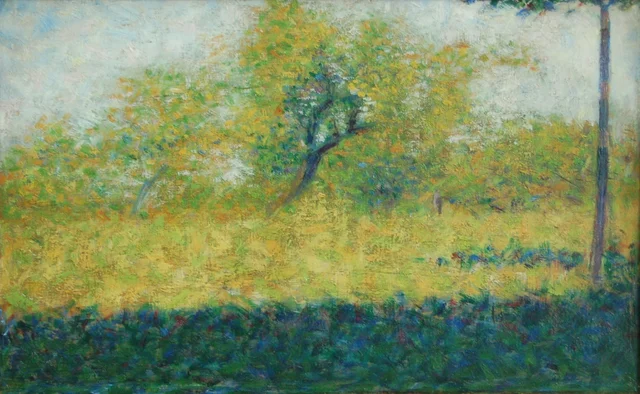 Linde del bosque en primaveraGeorges Seurat, 1882
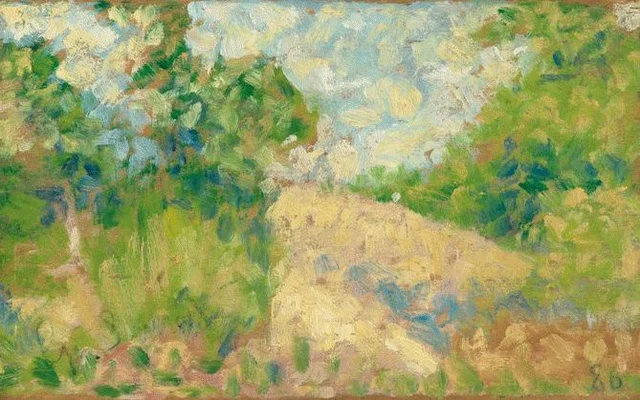 Paisaje rosaGeorges Seurat, 1886
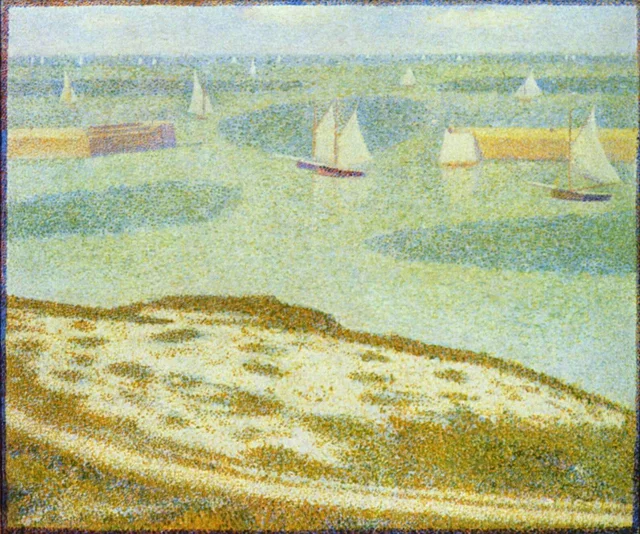 Port-en-Bessin, entrada al puertoGeorges Seurat, 1888
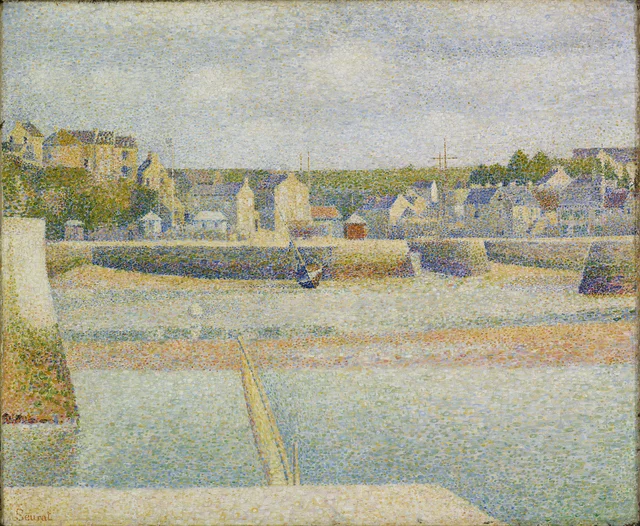 Port-en-Bessin: el puerto exterior (marea baja)Georges Seurat, 1888
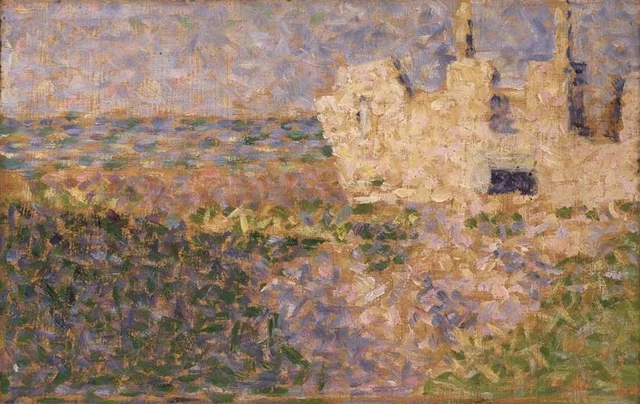 Ruinas en GrandcampGeorges Seurat, 1885
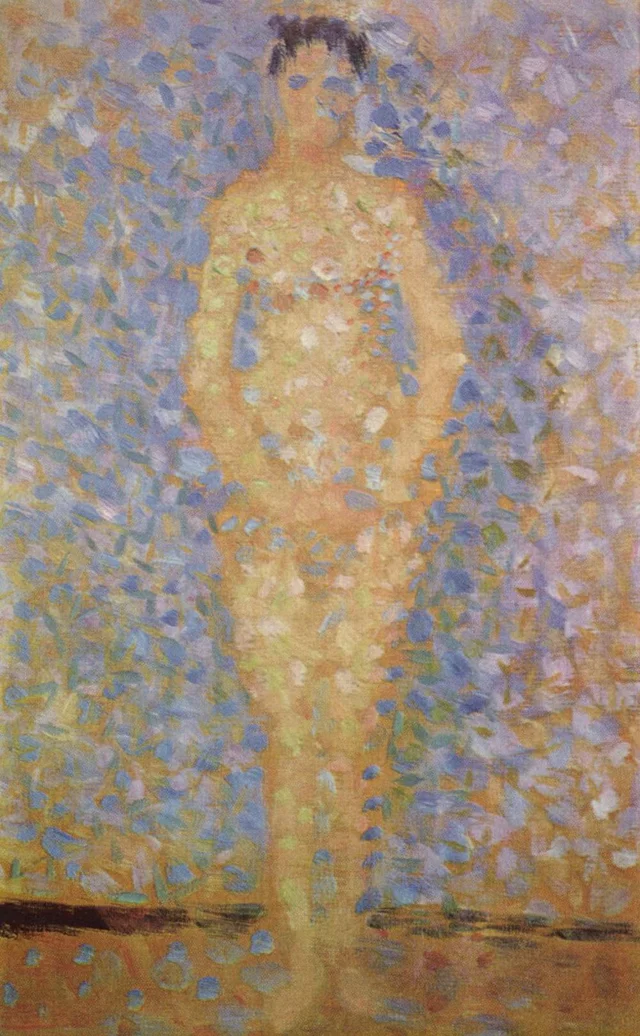 Modelo de pie, de frente, estudio para Las modelosGeorges Seurat, 1886
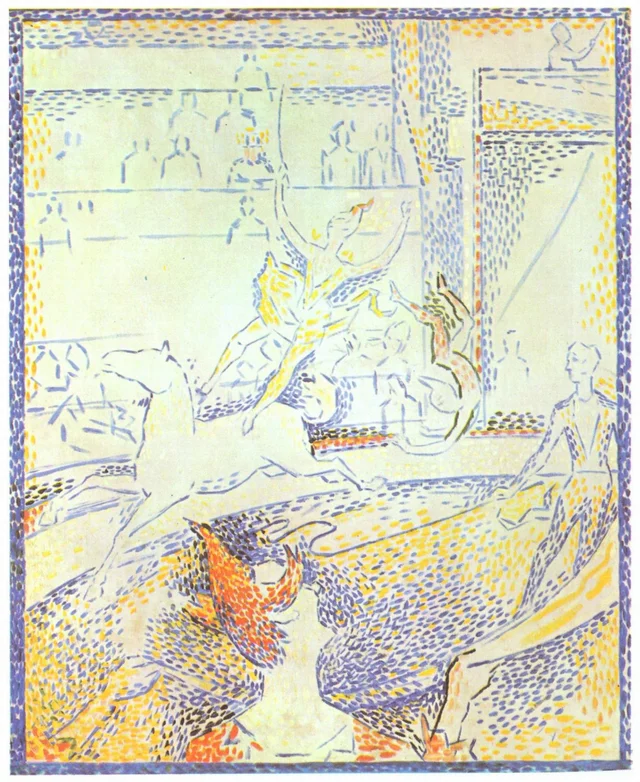 El circo (estudio)Georges Seurat, 1891
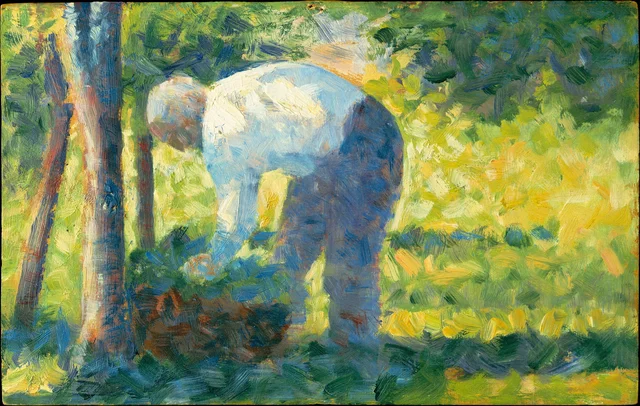 El jardineroGeorges Seurat, 1882
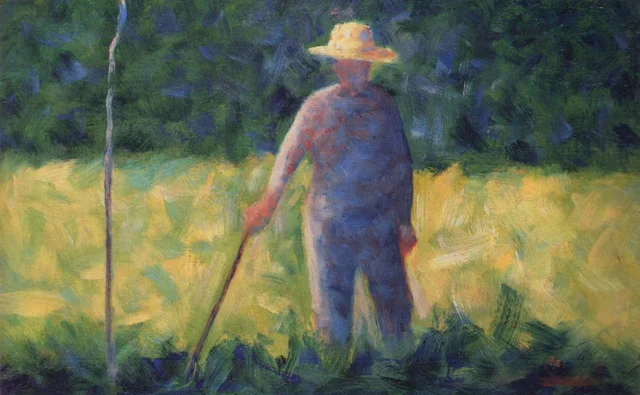 El jardinero IGeorges Seurat, 1882
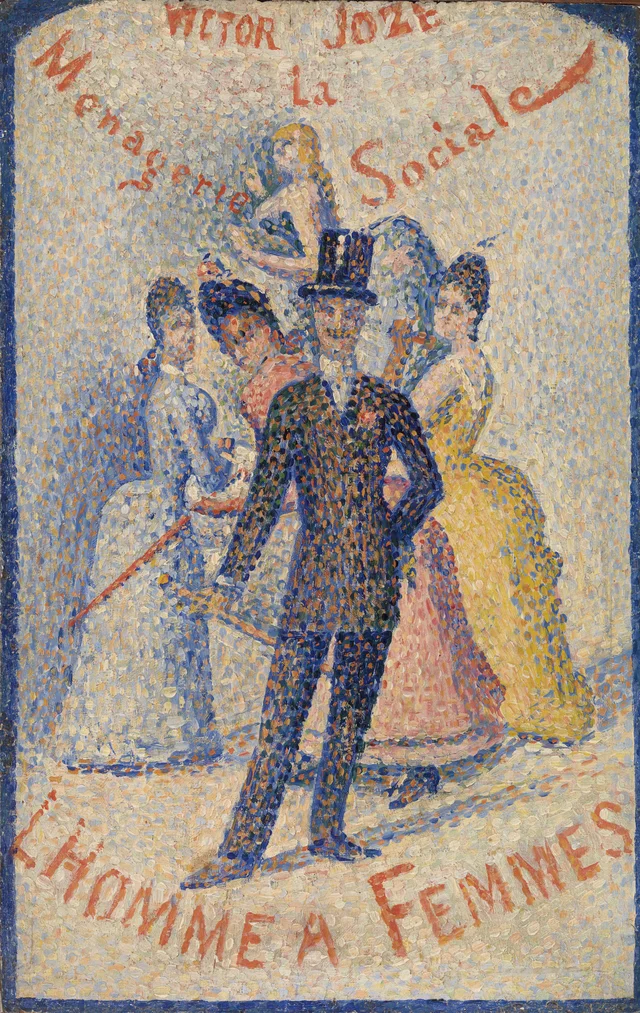 El mujeriegoGeorges Seurat, 1889
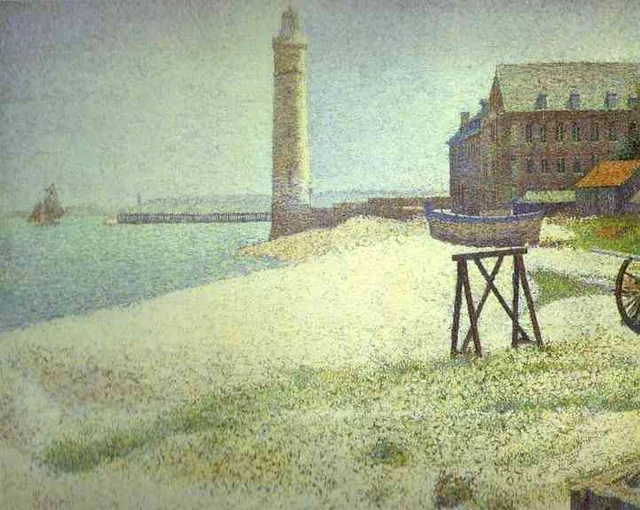 El faro de HonfleurGeorges Seurat, 1886