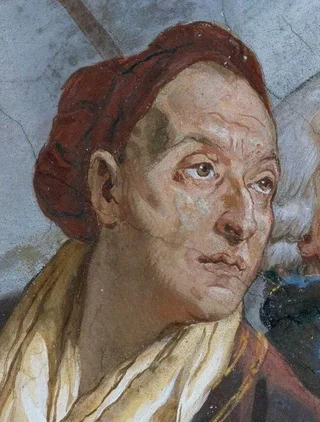
Giovanni Battista Tiepolo
1696–1770 · República de Venecia · Rococó
La historia
En diciembre de 1750 Giovanni Battista Tiepolo llegó a Wurzburgo, una ciudad de Baviera, en el sur de Alemania, con sus dos hijos, invitado por el príncipe-obispo local Carl Philipp von Greiffenclau para pintar al fresco el techo del comedor de su nuevo palacio. El príncipe-obispo quedó tan complacido que le pidió a Tiepolo que asumiera un segundo encargo: el techo sobre la gran escalera del palacio.
Lo que Tiepolo pintó allí, terminado en 1753, sigue siendo el fresco más grande del mundo, y cubre más de 600 metros cuadrados de bóveda sin apoyos con figuras alegóricas que representan Europa, África, Asia y América, los cuatro continentes tal como los entendían entonces los europeos, reunidos en torno al dios sol Apolo. Fue la cumbre de una carrera dedicada a pintar techos aéreos y llenos de luz para iglesias y palacios por toda la República de Venecia y más allá.
Cerca del final de su vida, en 1762, el rey Carlos III de España llamó a Tiepolo a Madrid para pintar al fresco el nuevo palacio real, y allí permaneció el resto de su carrera, incluso cuando un gusto neoclásico más joven y austero empezaba a desplazar el estilo rococó que él había pasado décadas perfeccionando. Murió en Madrid en 1770, sin haber regresado nunca a Venecia.
Más artículos
Obras
76 obras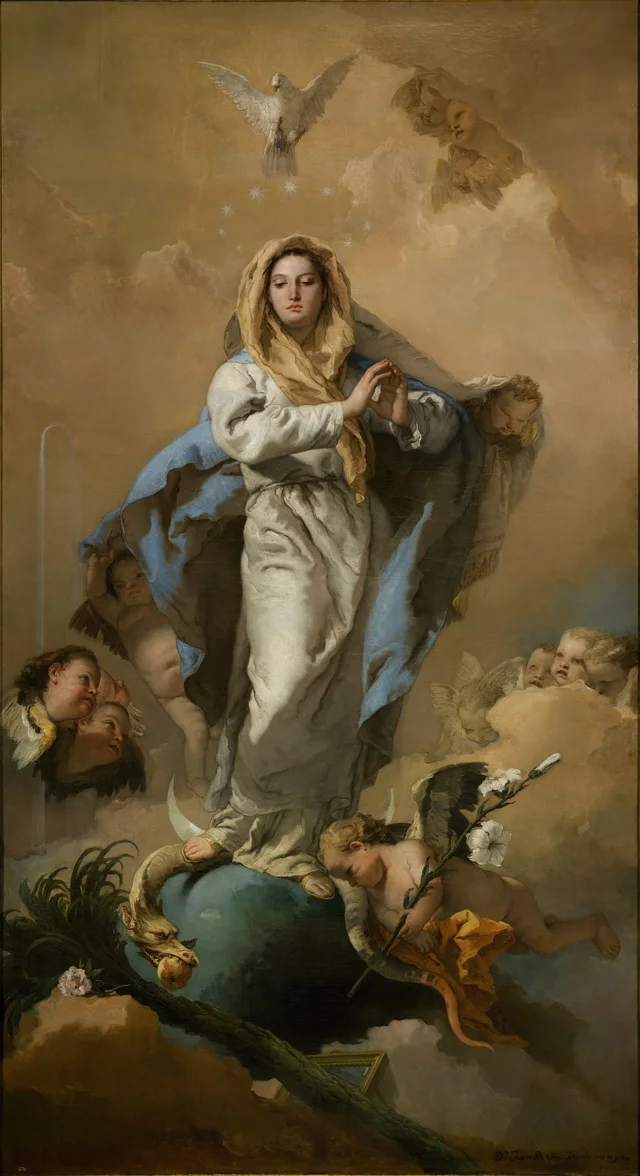 La Inmaculada ConcepciónGiovanni Battista Tiepolo, 1767
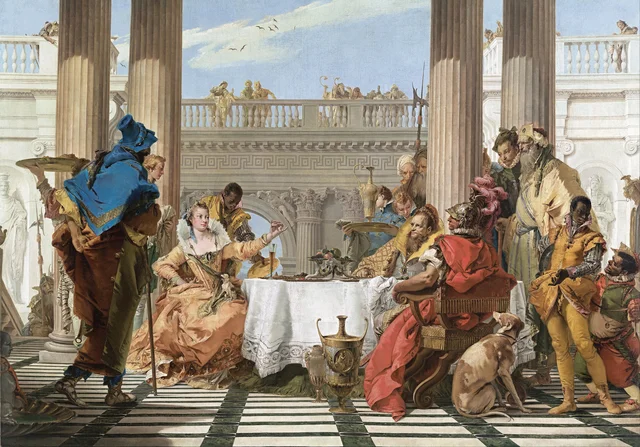 El banquete de CleopatraGiovanni Battista Tiepolo, 1743
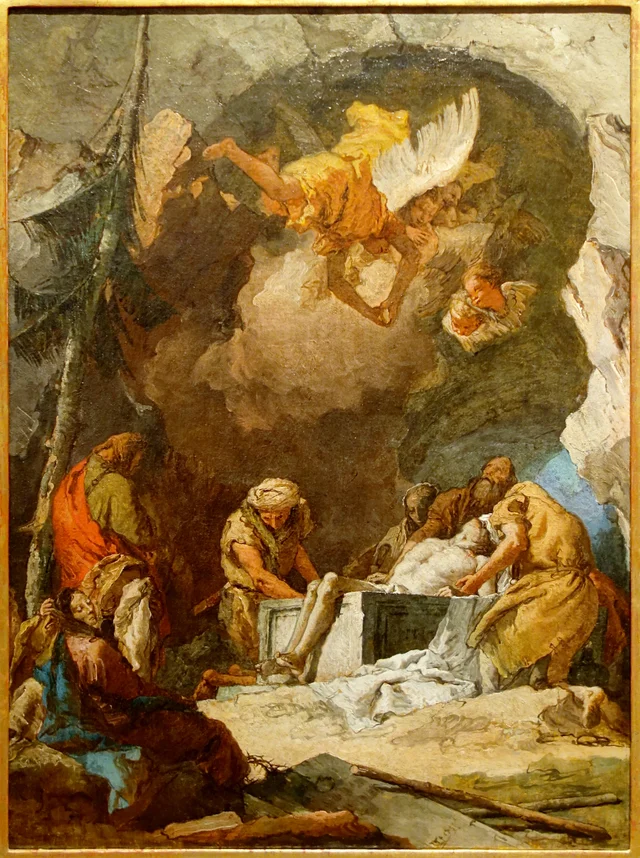 El DescendimientoGiovanni Battista Tiepolo, 1767
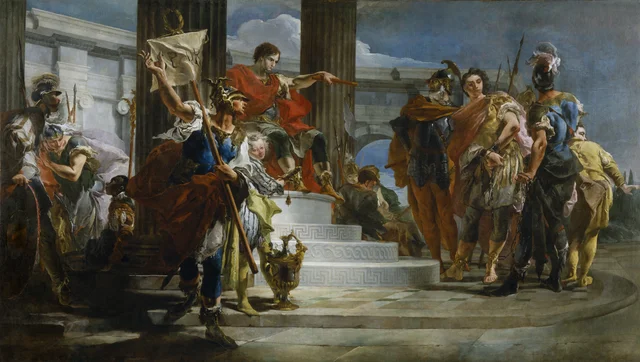 Escipión el Africano liberando a MasivaGiovanni Battista Tiepolo, 1719
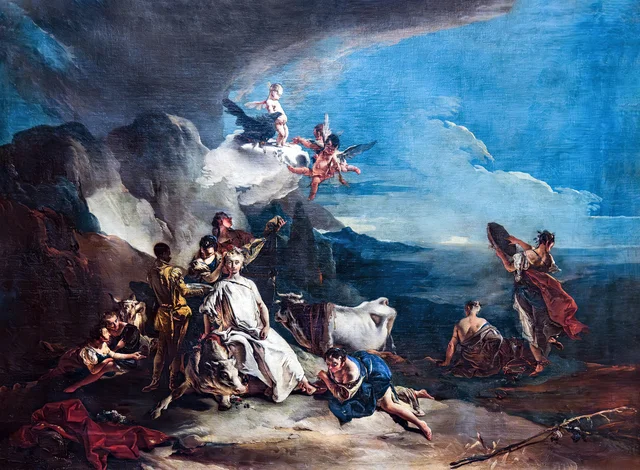 El rapto de EuropaGiovanni Battista Tiepolo, 1725
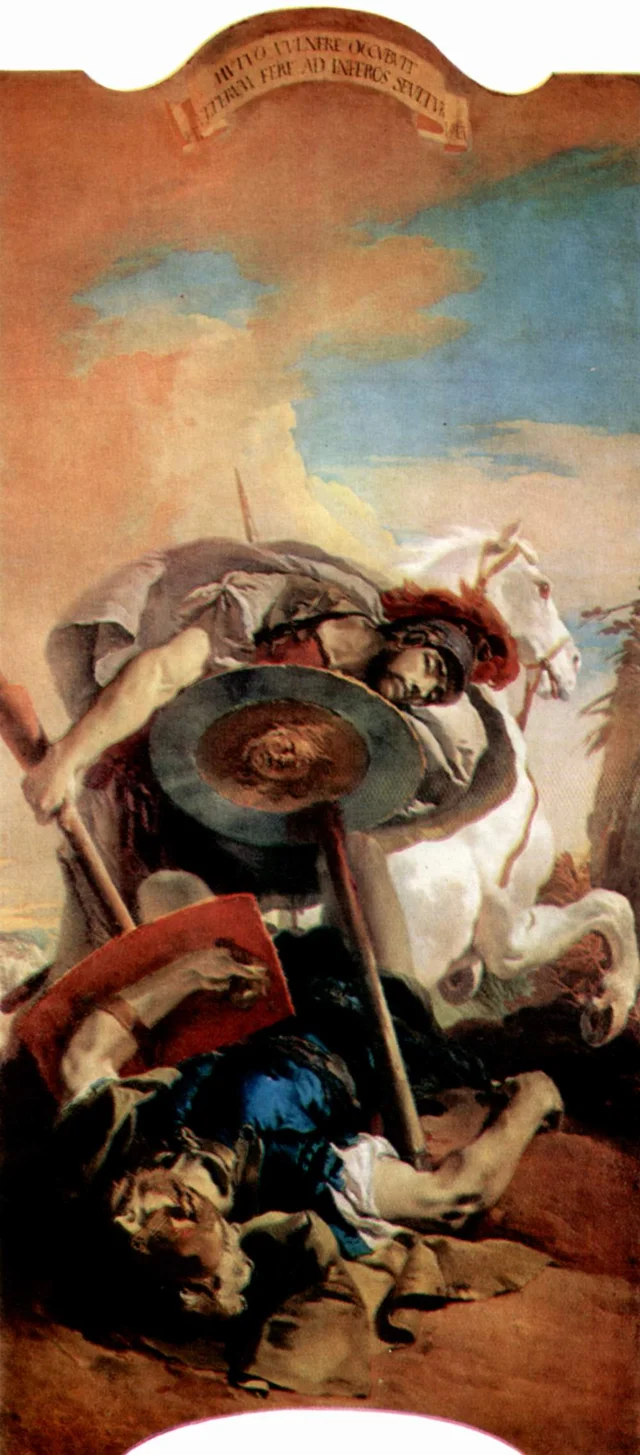 Muerte del cónsul Lucio Junio Bruto en el duelo con ArunsGiovanni Battista Tiepolo, 1727
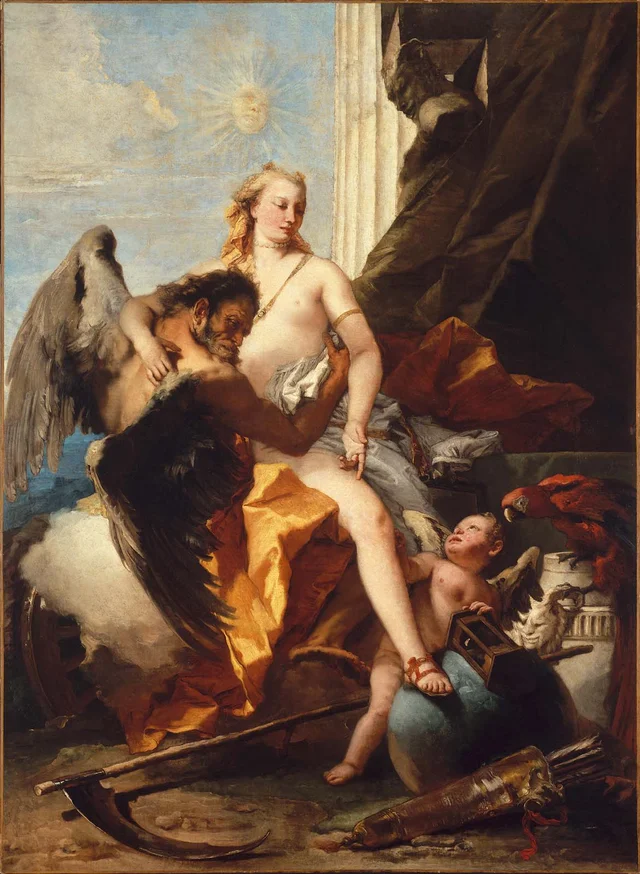 El Tiempo desvela la VerdadGiovanni Battista Tiepolo, 1745
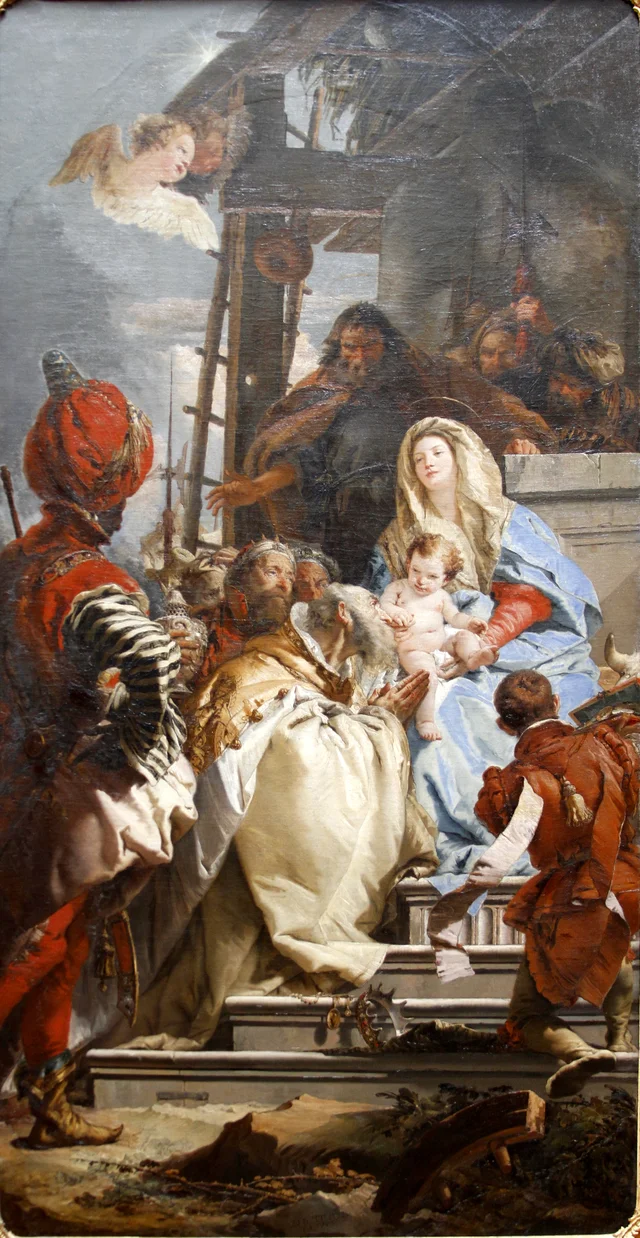 La adoración de los ReyesGiovanni Battista Tiepolo, 1753
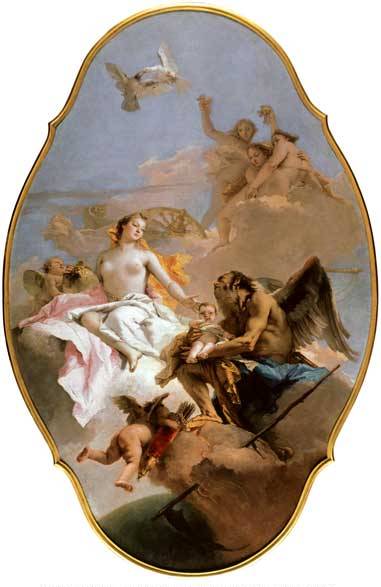 Alegoría con Venus y el TiempoGiovanni Battista Tiepolo, 1754
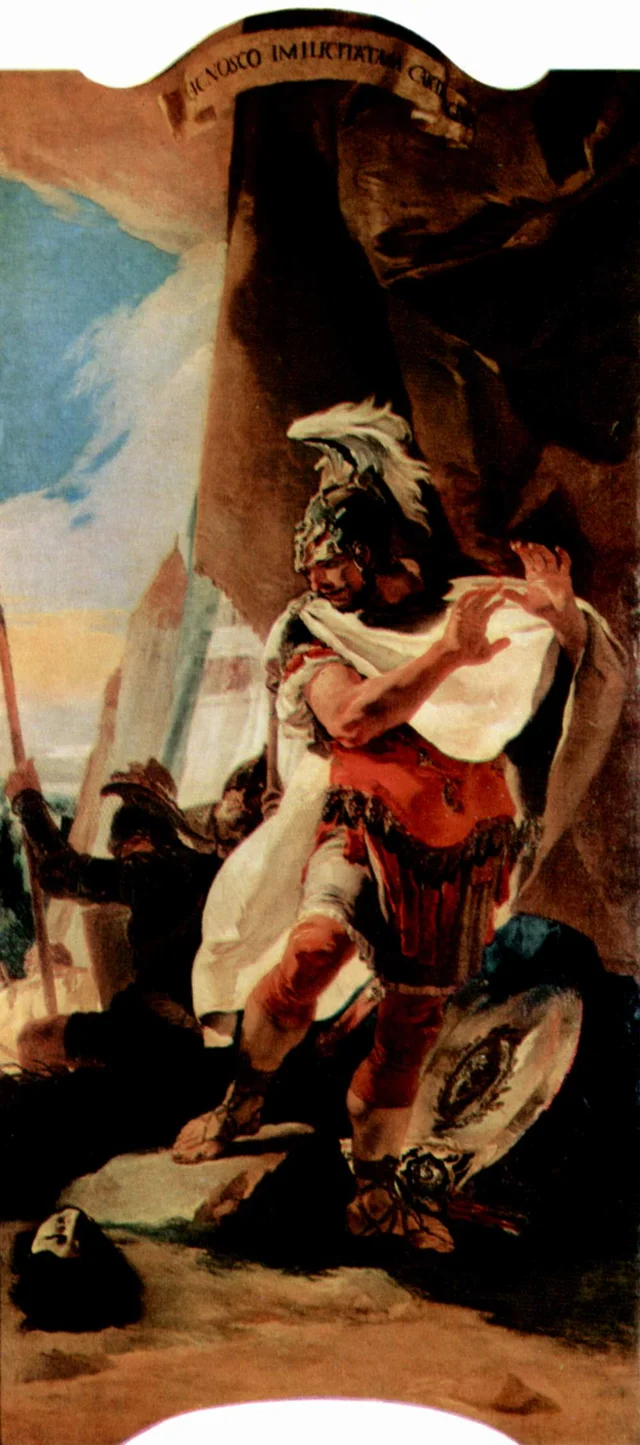 Aníbal reconoce la cabeza de su hermano AsdrúbalGiovanni Battista Tiepolo, 1729
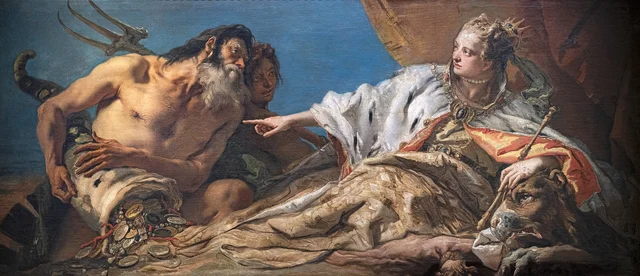 Neptuno ofreciendo dones a VeneciaGiovanni Battista Tiepolo, 1740
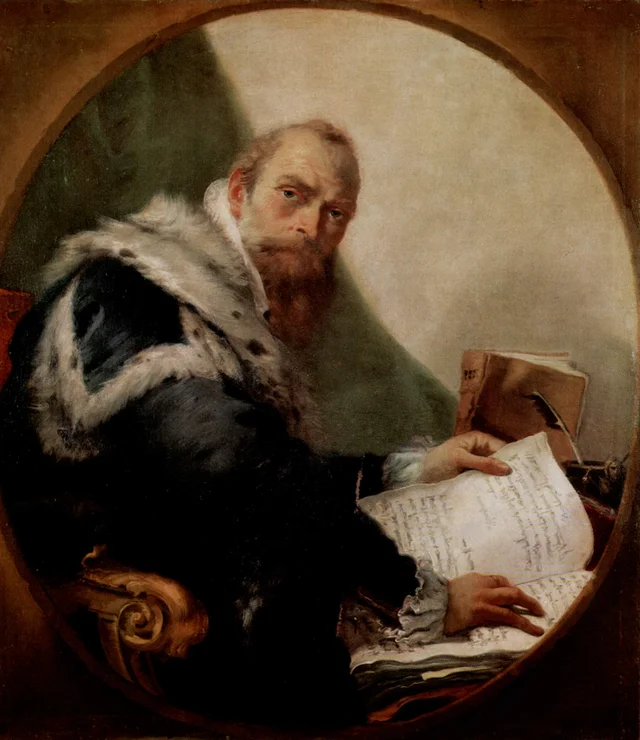 Retrato de Antonio RiccobonoGiovanni Battista Tiepolo, 1745
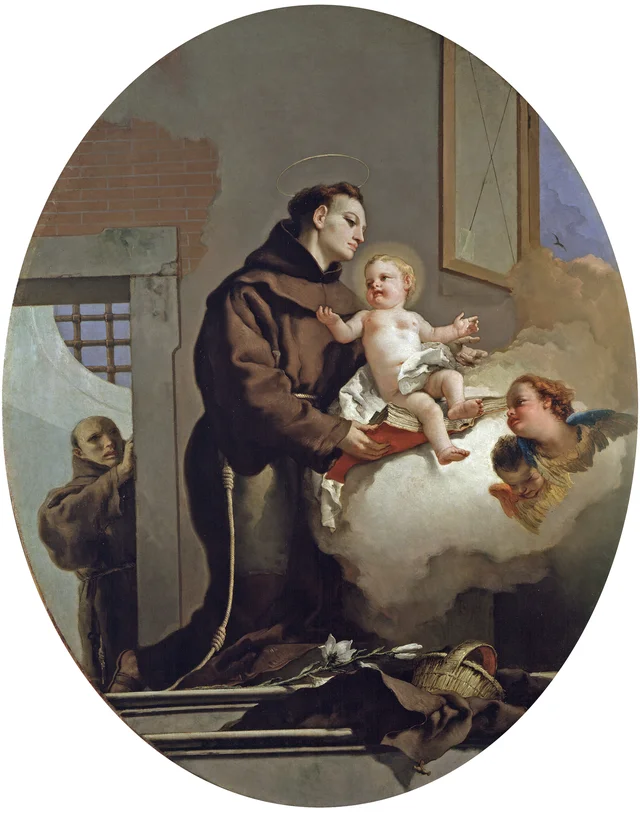 San Antonio de Padua con el Niño JesúsGiovanni Battista Tiepolo, 1767
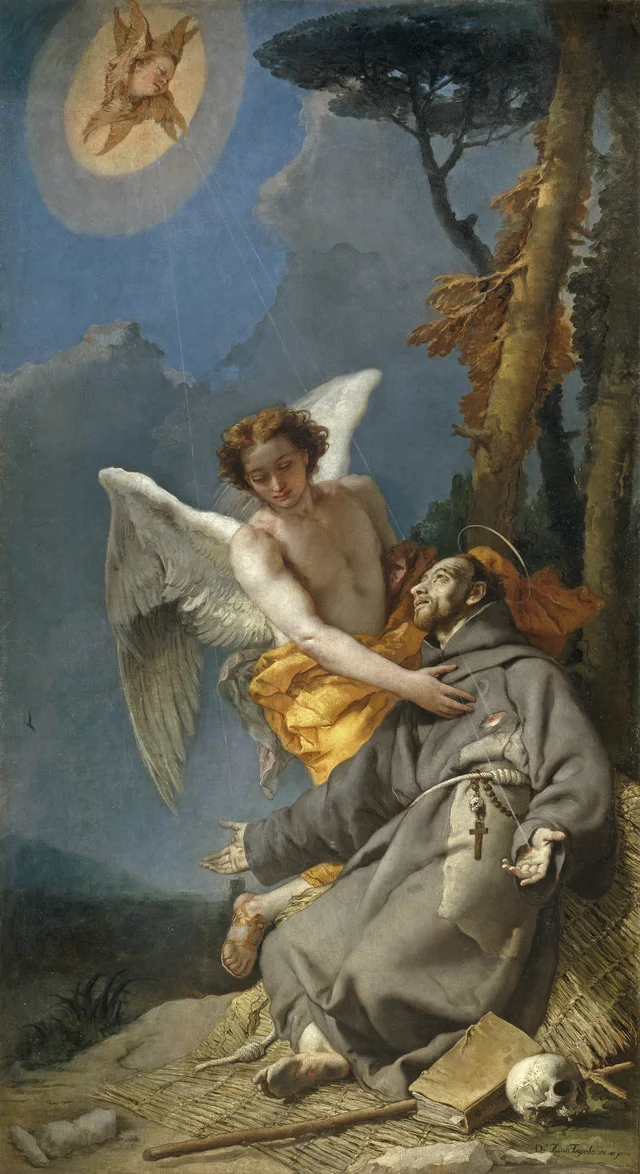 Estigmatización de san FranciscoGiovanni Battista Tiepolo, 1767
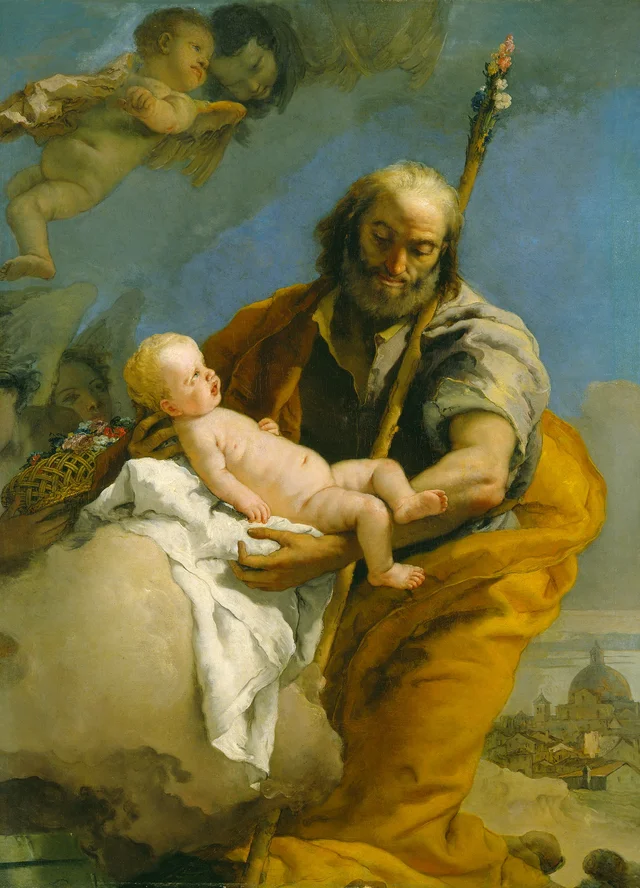 San José y el Niño JesúsGiovanni Battista Tiepolo, 1767
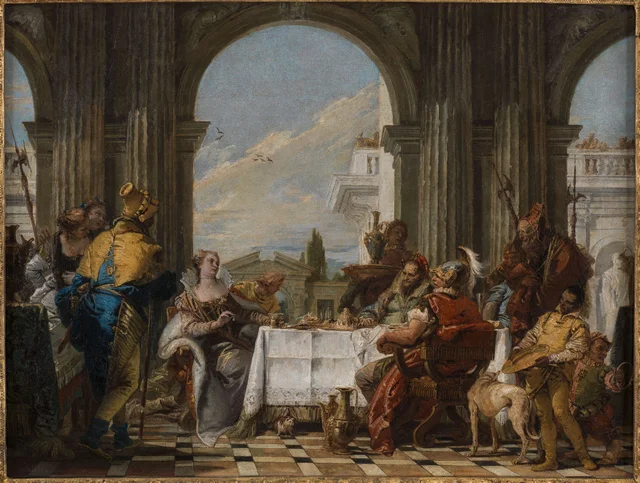 El banquete de CleopatraGiovanni Battista Tiepolo, 1742
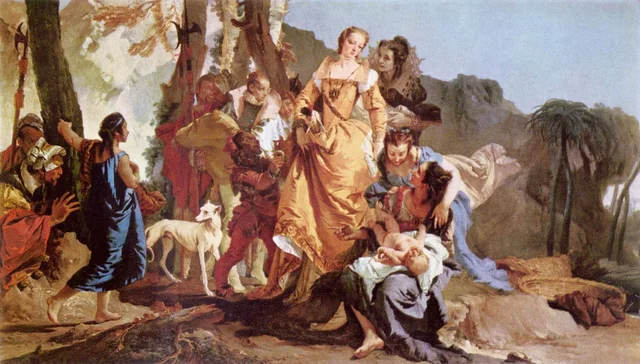 El hallazgo de MoisésGiovanni Battista Tiepolo, 1740
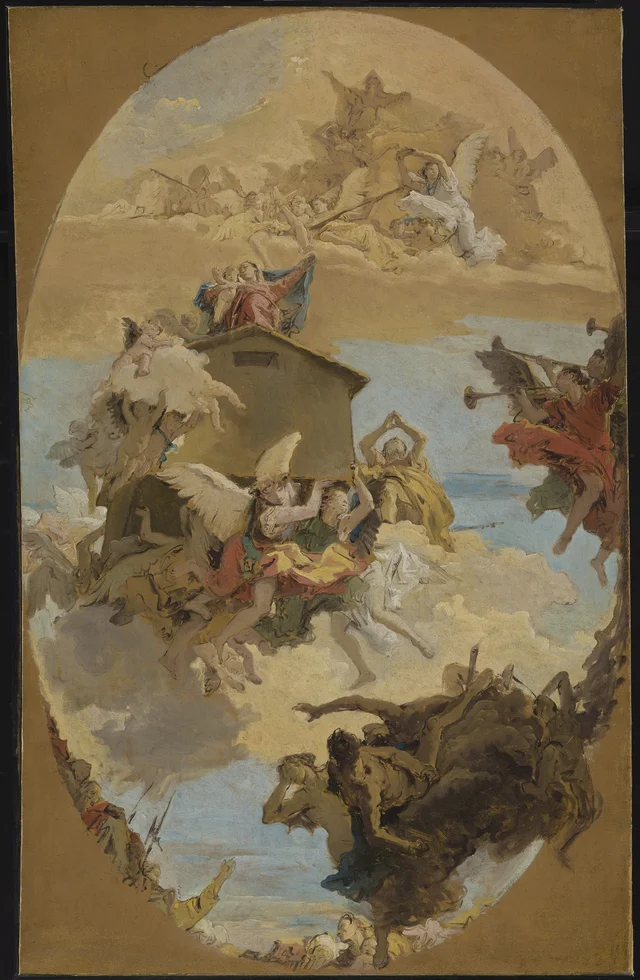 El milagro de la Santa Casa de LoretoGiovanni Battista Tiepolo, 1743
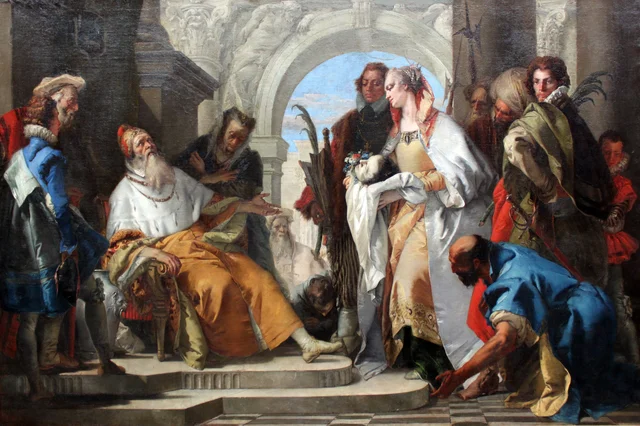 Los santos patronos de la familia CrottaGiovanni Battista Tiepolo, 1750
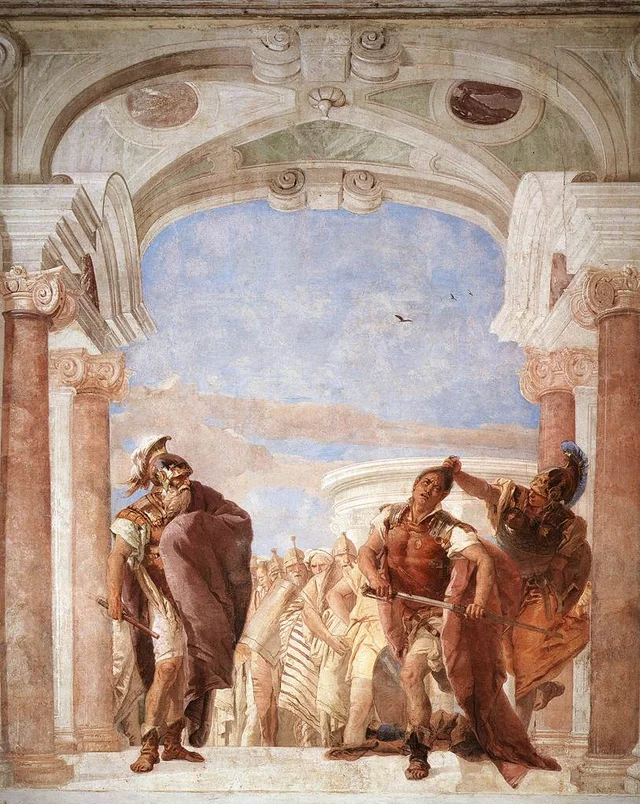 La ira de AquilesGiovanni Battista Tiepolo, 1757
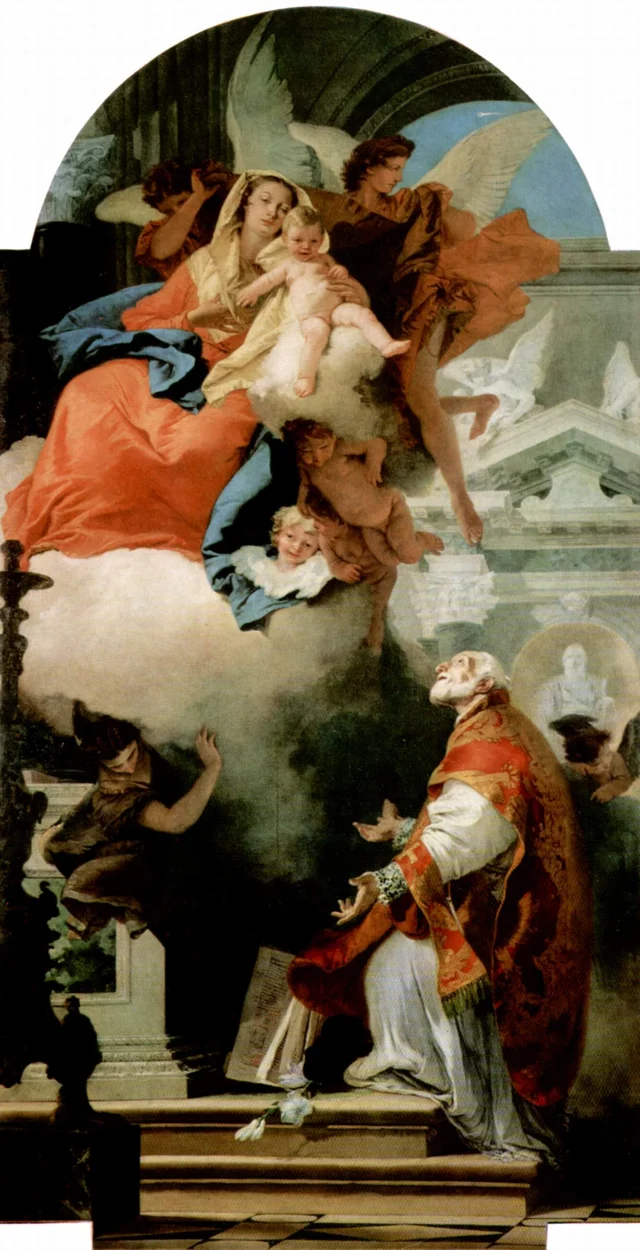 La Virgen se aparece a san Felipe NeriGiovanni Battista Tiepolo, 1740
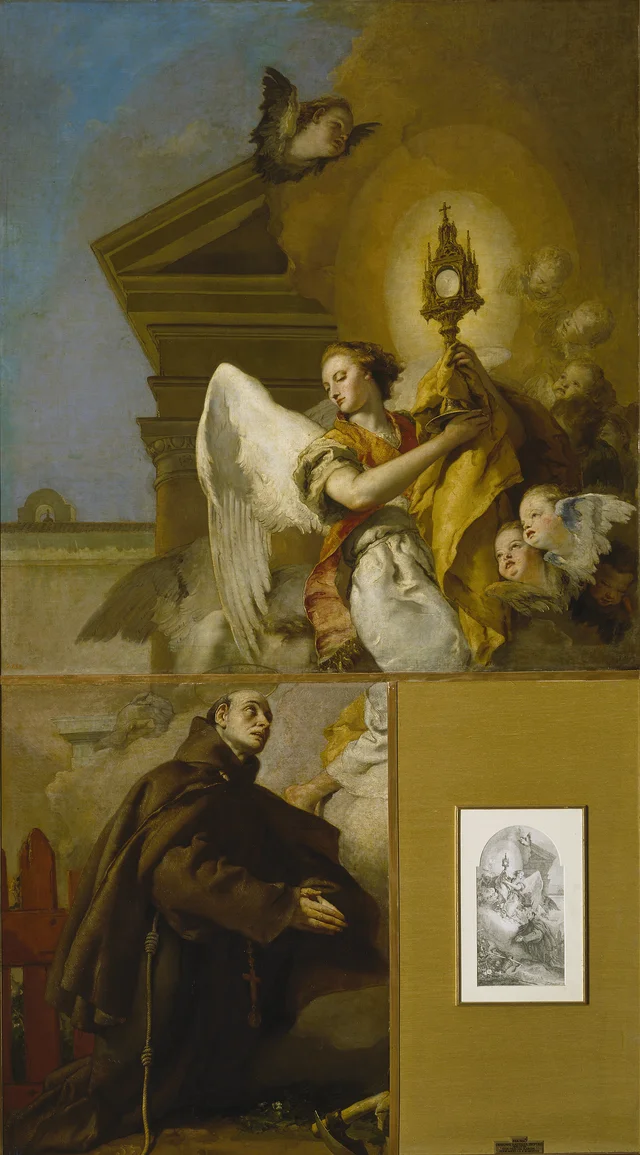 Visión de san Pascual BailónGiovanni Battista Tiepolo, 1767
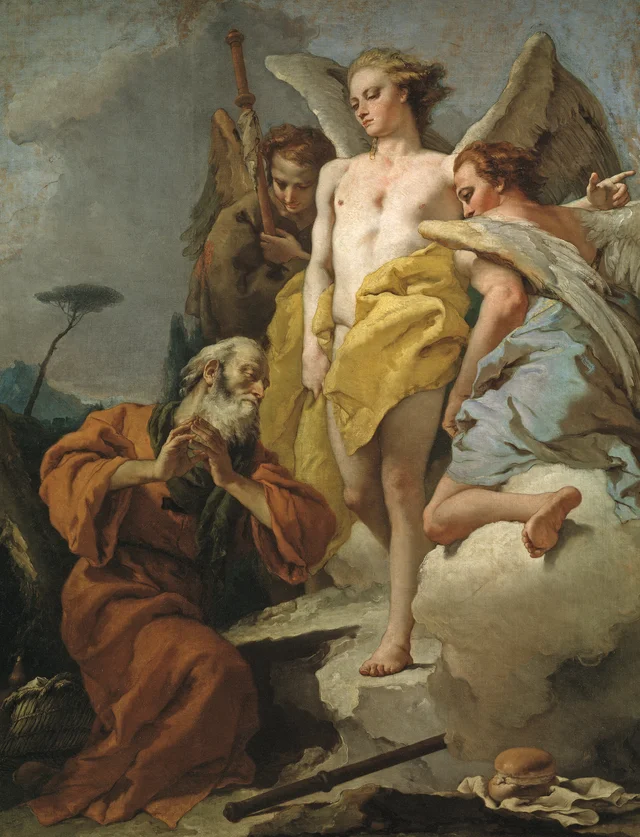 Abraham y los tres ángelesGiovanni Battista Tiepolo, 1750
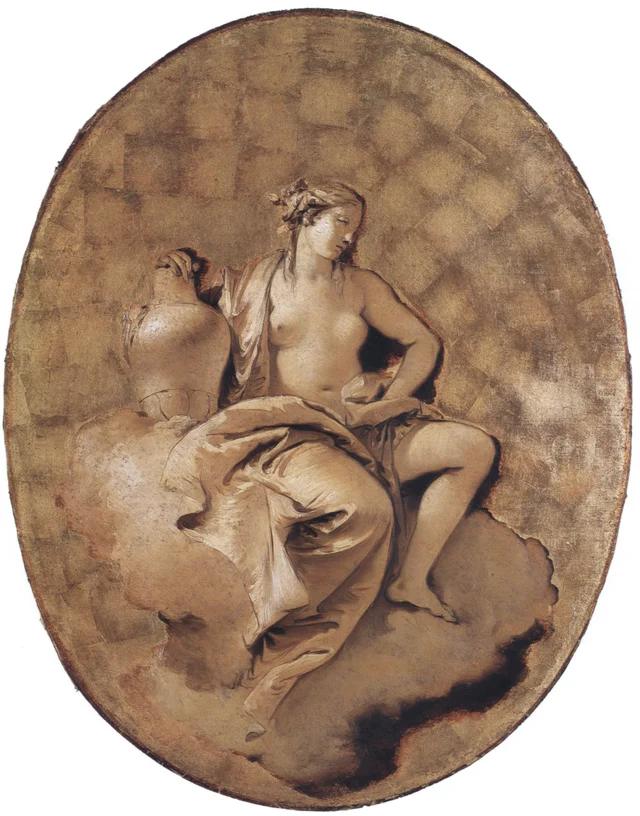 Figura alegórica femeninaGiovanni Battista Tiepolo, 1740
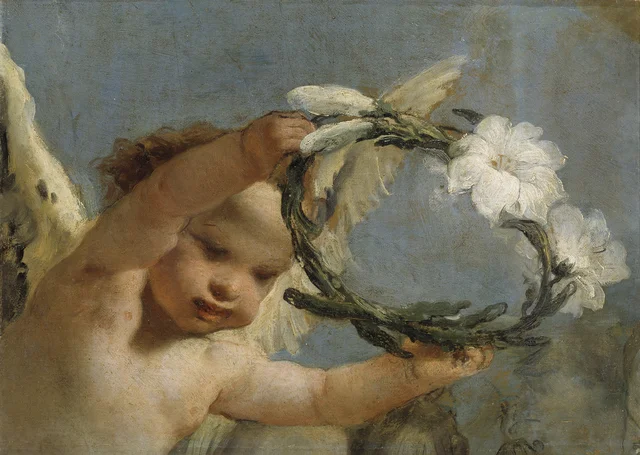 Ángel con corona de azucenasGiovanni Battista Tiepolo, 1767