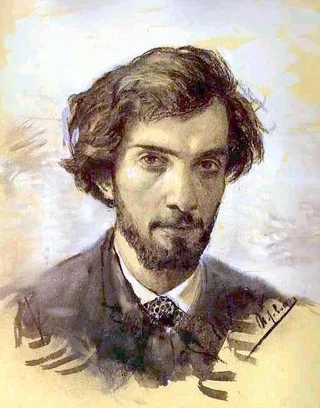
Isaak Levitán
1860–1900 · Imperio ruso · Realismo
La historia
En 1892 se ordenó al pintor Isaac Levitán salir de Moscú. Ya era famoso, su obra la coleccionaba Pável Tretiakov, el gran mecenas de la ciudad, pero era judío, y un decreto que expulsaba a los judíos de Moscú no hacía excepción con un artista célebre. Se marchó al campo y escribió a un amigo que se sentía como el Judío Errante de la vieja leyenda.
Ese amigo era el escritor Antón Chéjov, a quien conocía desde los años de estudiante. Fueron íntimos durante años, hasta que Chéjov publicó un relato, 'La cigarra', sobre el romance de una mujer con un pintor, y Levitán reconoció en él su propia vida y rompió el trato. Tardaron tres años en reconciliarse.
Levitán es el gran pintor del paisaje de estado de ánimo ruso, donde un recodo vacío de un río o un cielo gris y bajo pueden cargar con todo un sentimiento. Uno de sus lienzos más conocidos muestra la Vladímirka, el ancho camino de tierra por el que se conducía a pie a los presos hacia Siberia, pintado como una senda llana y vacía bajo un cielo pesado. Murió en 1900, sin llegar a los 40, con decenas de estudios sin terminar aún en su estudio.
Obras
13 obras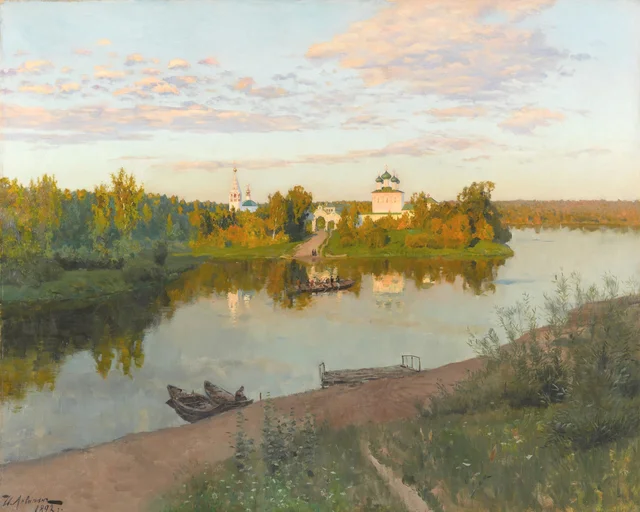 Campanas vespertinasIsaak Levitán, 1892
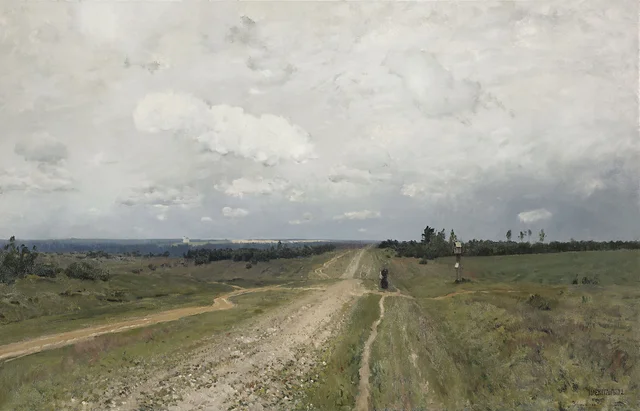 El camino de VladímirIsaak Levitán, 1892
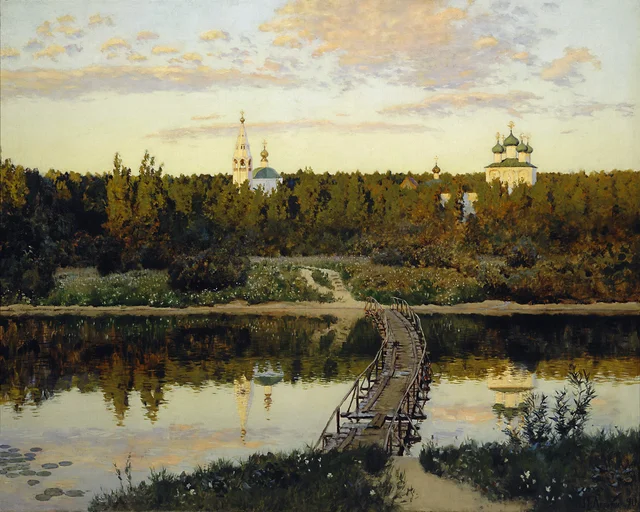 Un monasterio tranquiloIsaak Levitán, 1890
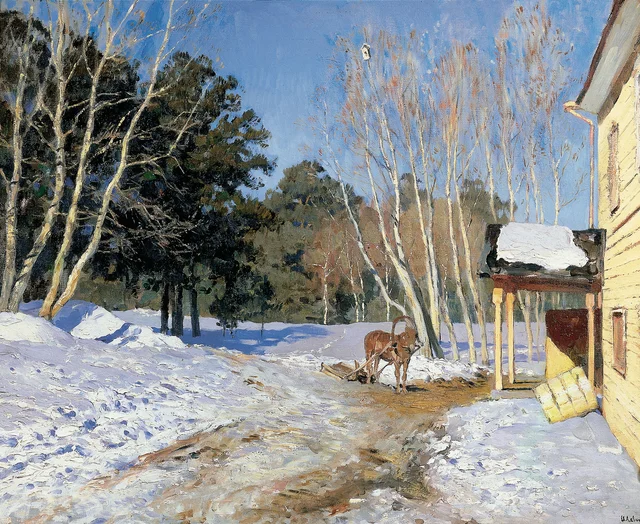 MarzoIsaak Levitán, 1895
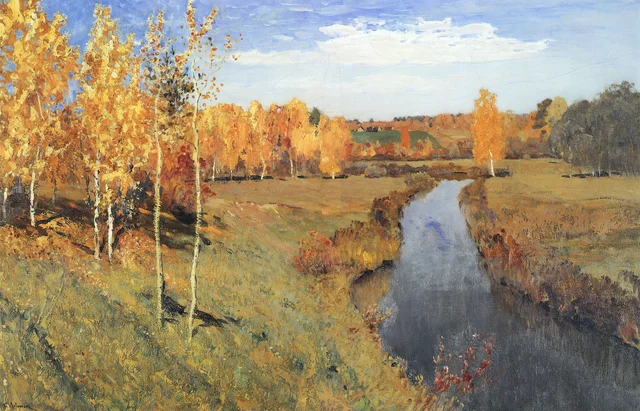 Otoño doradoIsaak Levitán, 1895
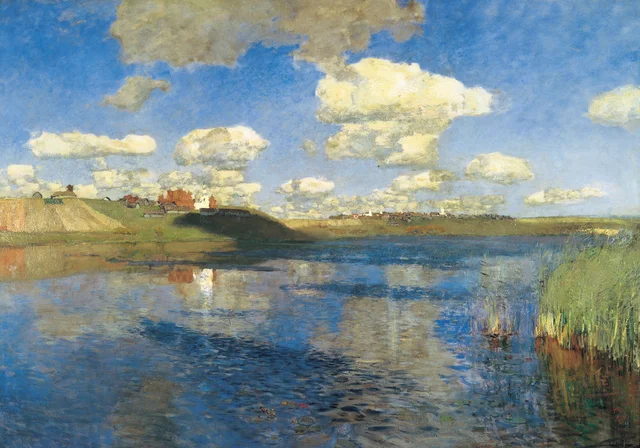 Lago. RusiaIsaak Levitán, 1899
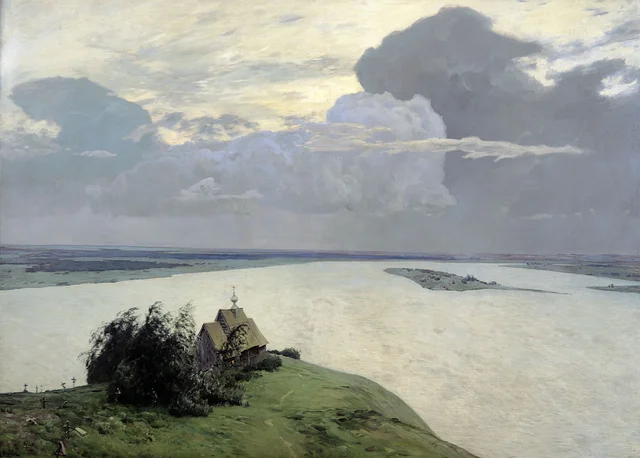 Sobre el reposo eternoIsaak Levitán, 1894
 Viento fresco. El VolgaIsaak Levitán, 1895
 Sokólniki. OtoñoIsaak Levitán, 1879
 Primavera. Aguas altasIsaak Levitán, 1897
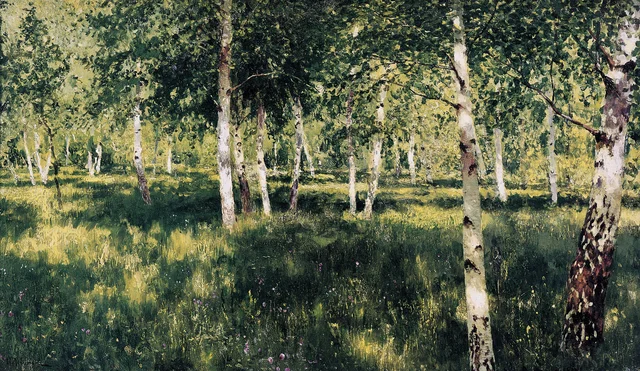 Bosque de abedulesIsaak Levitán, 1889
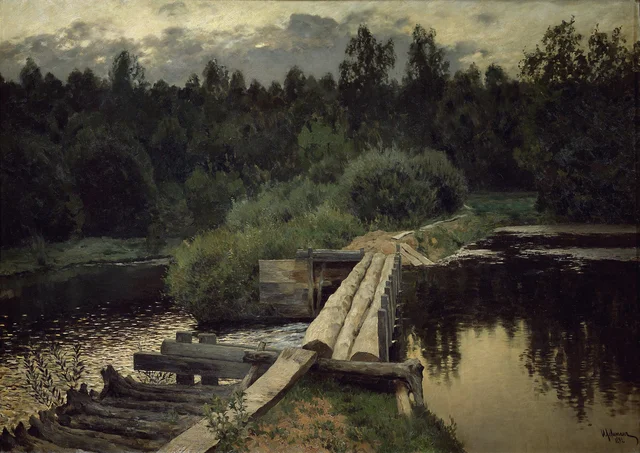 Junto al remansoIsaak Levitán, 1892
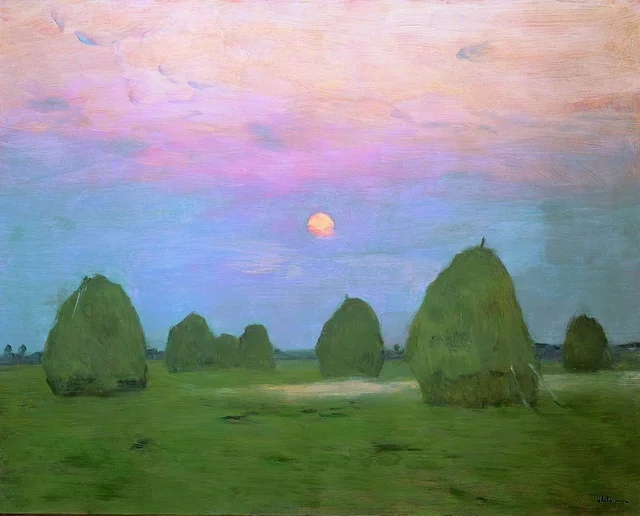 Crepúsculo. AlmiaresIsaak Levitán, 1899