Rogier van der Weyden
1464 · Países Bajos borgoñones · Primitivos flamencos
La historia
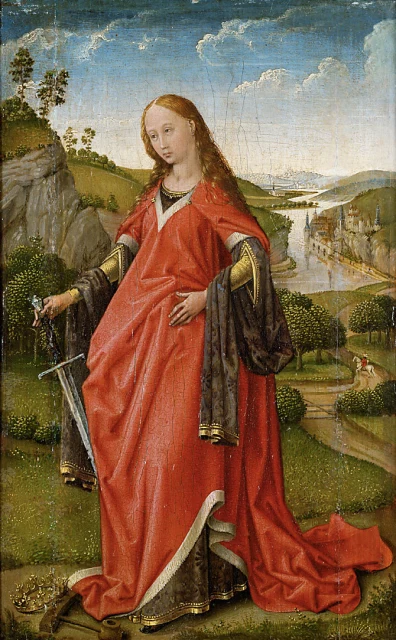
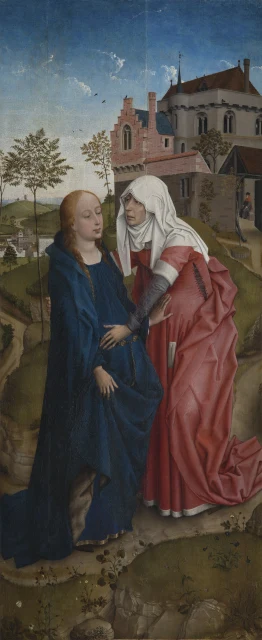
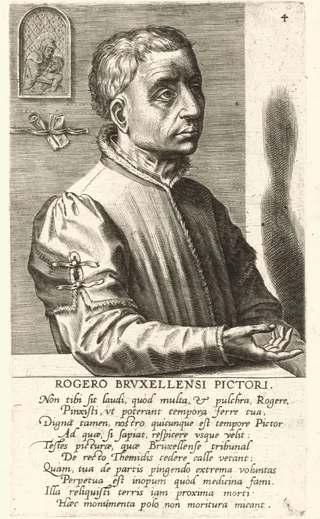
En marzo de 1436 el ayuntamiento de Bruselas nombró a Rogier van der Weyden su pintor oficial, un cargo tan prestigioso bajo los duques de Borgoña que gobernaban que el propio consejo decretó más tarde que nadie debería volver a ocuparlo después de él. Fue un honor insólito. Los pintores de este periodo trabajaban normalmente como anónimos artesanos de gremio, pero la reputación de Rogier ya había desbordado ese arreglo.
Esa reputación descansaba en pinturas como El descendimiento de la cruz, hecha hacia 1435 para el gremio de arqueros de Lovaina, una ciudad flamenca al sur de Bruselas. Rogier comprimió las diez figuras dolientes en torno al cuerpo de Cristo en una caja dorada y poco profunda que se lee casi como un retablo tallado, denso e inmediato. La pintura impresionó a María de Hungría, la regente que gobernaba los Países Bajos por su hermano, el emperador del Sacro Imperio Carlos V, y ella la incorporó a su propia colección, de la que con el tiempo pasó al rey de España.
Copias y versiones de sus composiciones, producidas en su propio y atareado taller y en los talleres de otros que simplemente tomaban prestadas sus figuras, siguen apareciendo por toda Europa, prueba de la rapidez con que cortes e iglesias querían pinturas hechas a su manera. Poco más se conserva de las propias palabras de Rogier, ninguna carta firmada, ningún diario, casi ningún contrato de su puño y letra, solo las pinturas y la deliberada negativa del consejo a nombrar un segundo pintor oficial de Bruselas después de él.
Más artículos
 Artículo · 45 min de lecturaEl Mauritshuis de La Haya: 20 cuadros y cómo llegaron aquí
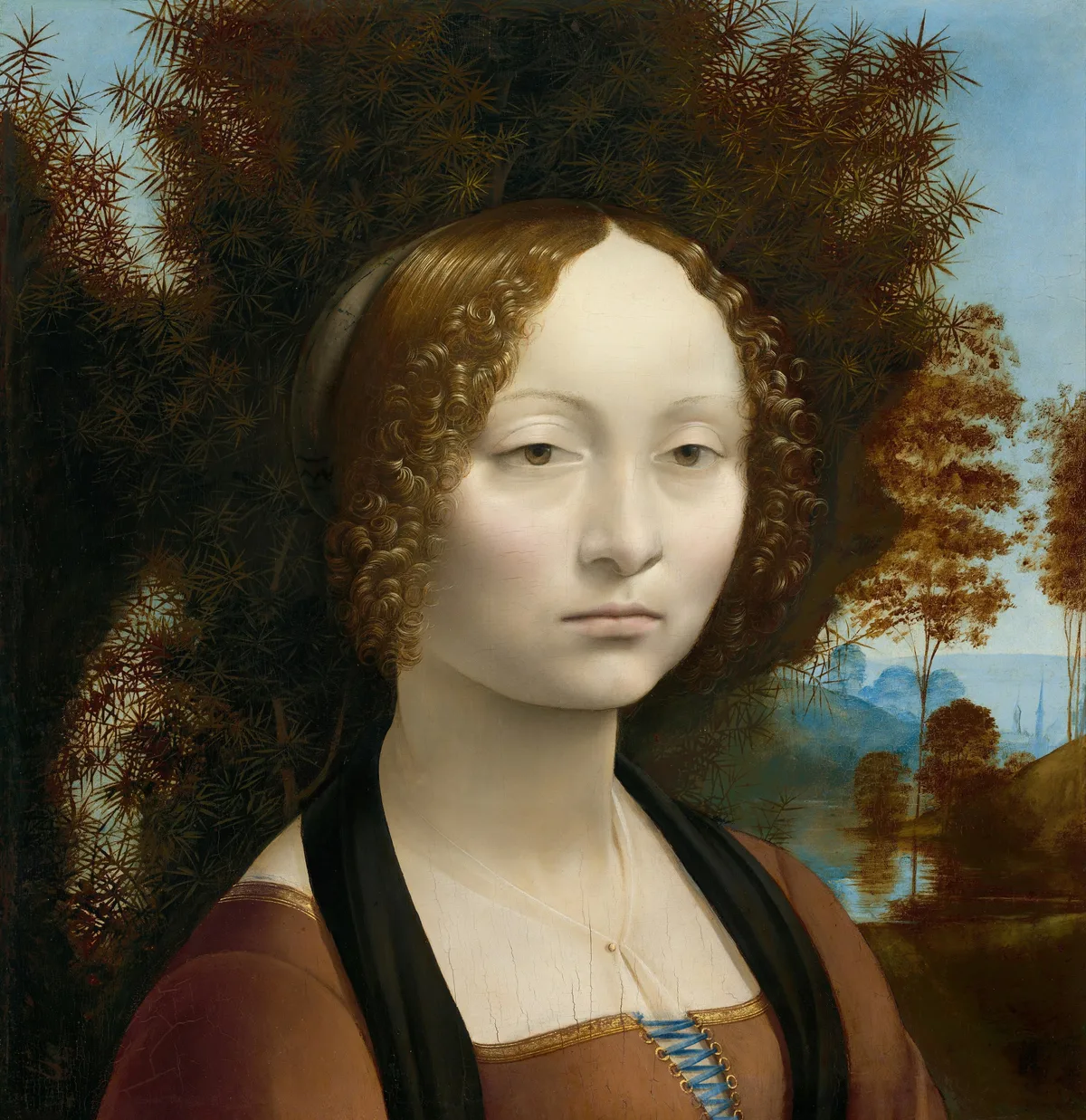 Artículo · 40 min de lecturaGalería Nacional de Arte de Washington: veinte cuadros salidos de manos privadas
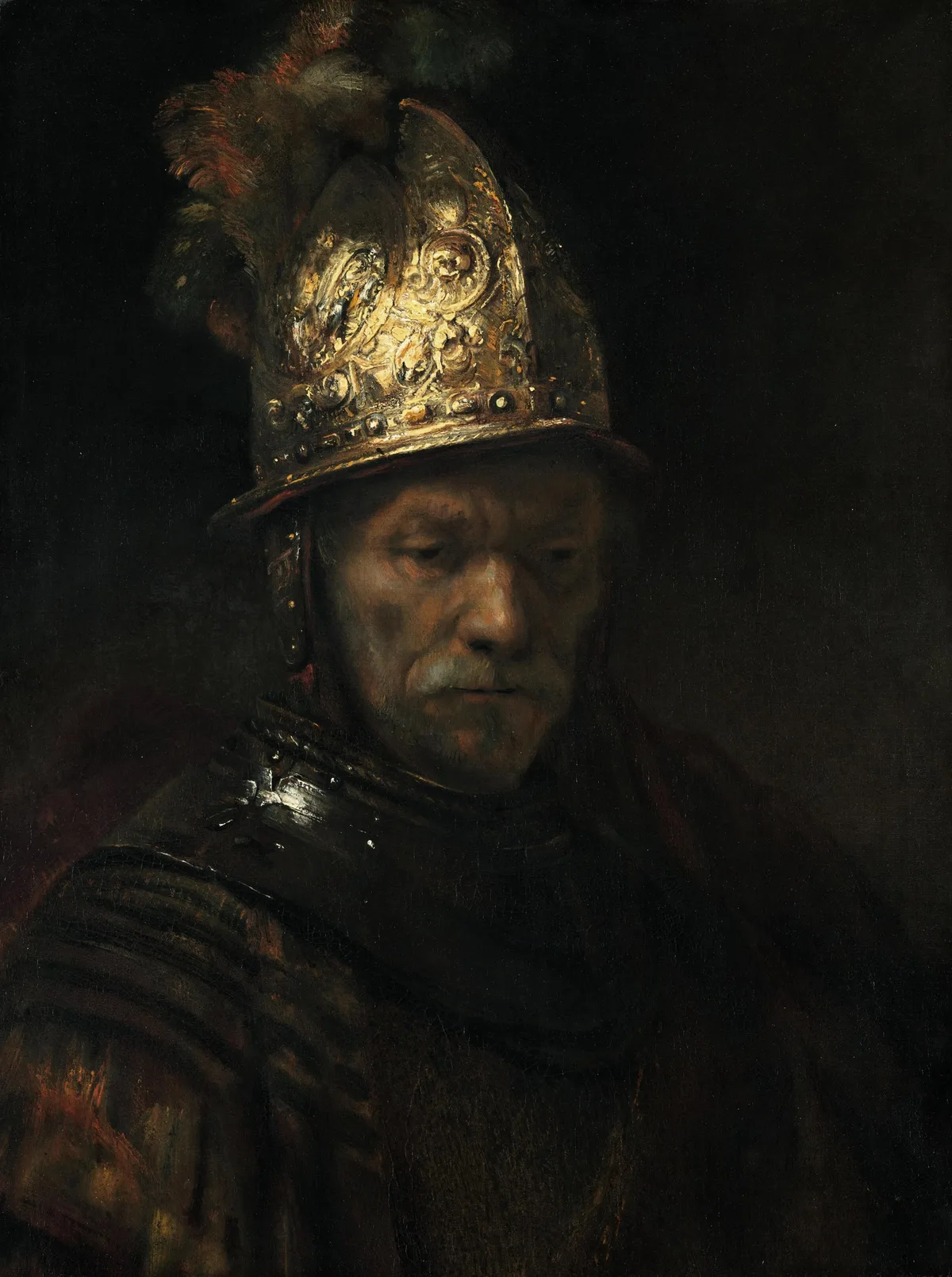 Artículo · 45 min de lecturaGemäldegalerie de Berlín: 20 cuadros que Berlín compró, perdió y dividió
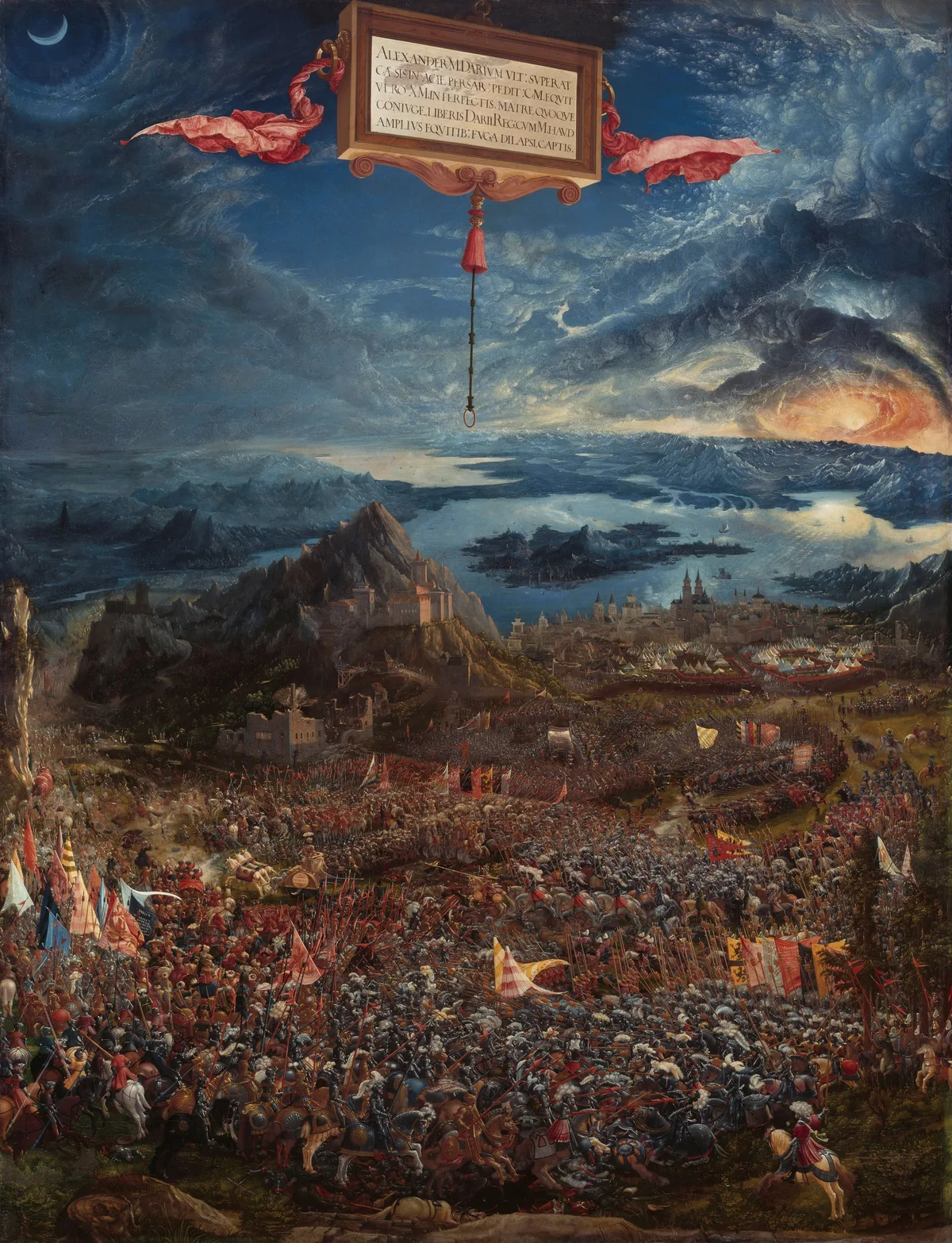 Artículo · 44 min de lecturaAlte Pinakothek: 20 cuadros y cómo llegaron a Múnich