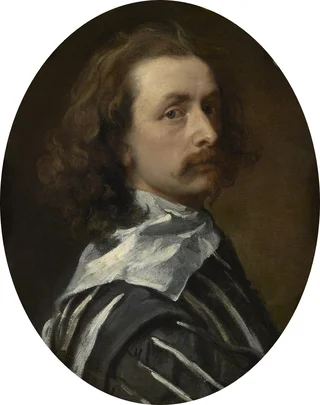
Antoine van Dyck
1599–1641 · Pays-Bas espagnols · Peinture baroque
L'histoire
En 1632, Charles Ier d'Angleterre, un roi obsédé par l'apparence d'une autorité qu'il ne détenait pas tout à fait face au Parlement, fit venir à Londres le peintre anversois Antoine van Dyck, l'anoblit, et lui donna des appartements à Blackfriars ainsi qu'un bateau pour le mener sur la Tamise jusqu'au palais royal. Van Dyck s'était formé des années plus tôt dans l'atelier de Pierre Paul Rubens, principal peintre des Pays-Bas méridionaux, et avait passé une bonne partie de sa vingtaine en Italie à étudier les portraits du Titien à Gênes. Ce qu'il rapporta en Angleterre fut une manière de peindre l'aristocratie qui rendait le portrait d'apparat détendu, presque intime, sans rien perdre de sa grandeur.
Pour le reste de la décennie, van Dyck ne peignit presque plus que le roi, la reine et leur entourage, produisant image après image d'une monarchie se représentant exactement comme elle voulait être gardée en mémoire. Charles ne posa presque plus jamais pour un autre peintre. Ces portraits restent encore aujourd'hui l'image que la plupart des gens gardent de la cour des Stuart : mains allongées, soieries, aisance, un roi qui paraît entièrement assuré sur son trône.
Van Dyck mourut à Londres en décembre 1641, un an avant que n'éclate la guerre civile entre Charles et le Parlement. Charles fut exécuté devant sa propre Banqueting House, à Whitehall, en 1649, portant, dit-on, deux chemises contre le froid de janvier pour ne pas trembler et paraître effrayé.
Autres articles
Œuvres
240 œuvres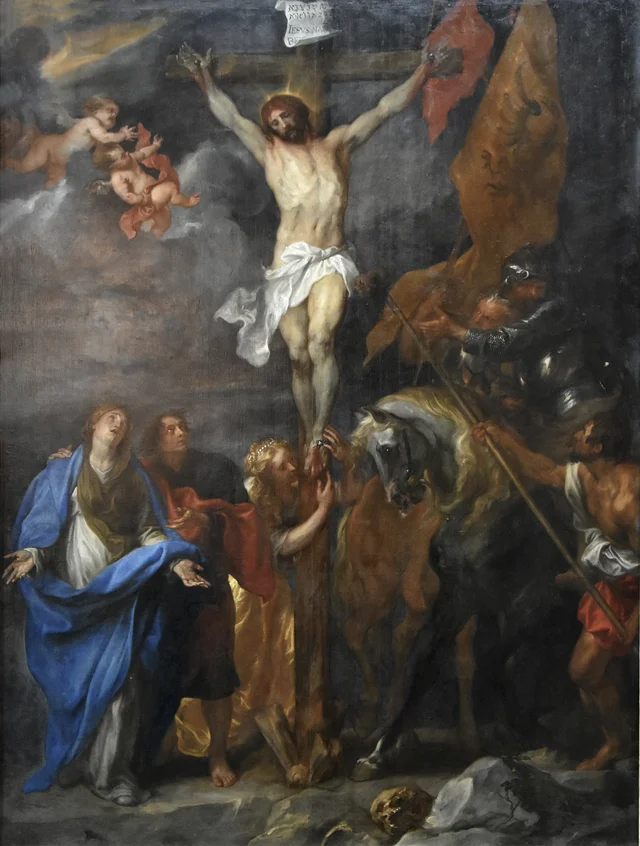 GolgothaAntoine van Dyck, 1630
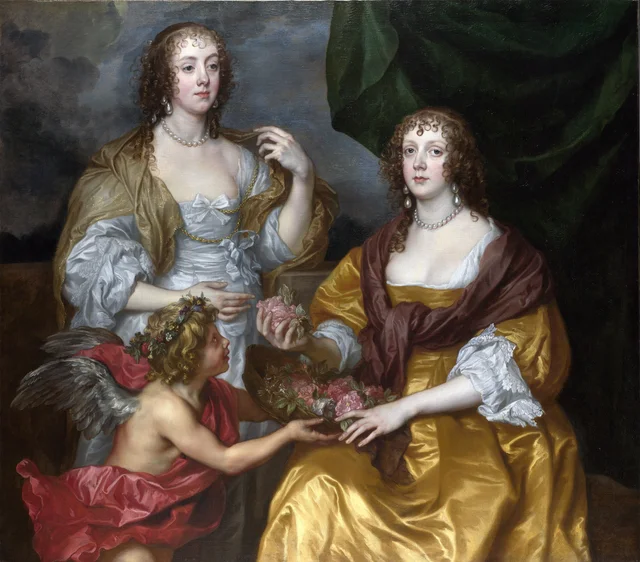 Lady Elizabeth Thimbelby et sa sœurAntoine van Dyck, 1637
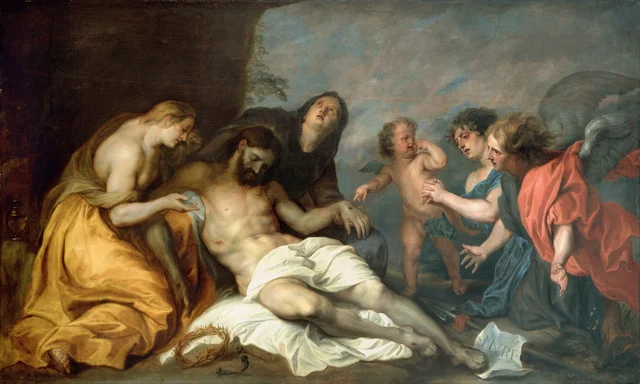 Lamentation sur le Christ mortAntoine van Dyck, 1637
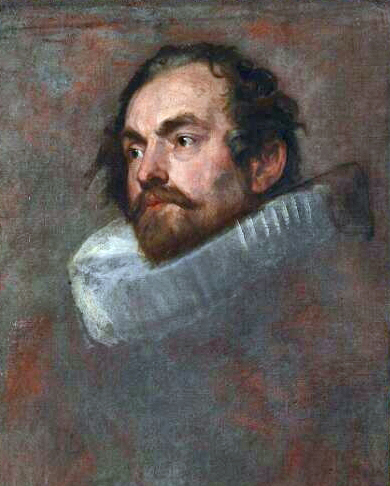 Magistrat de BruxellesAntoine van Dyck, 1634
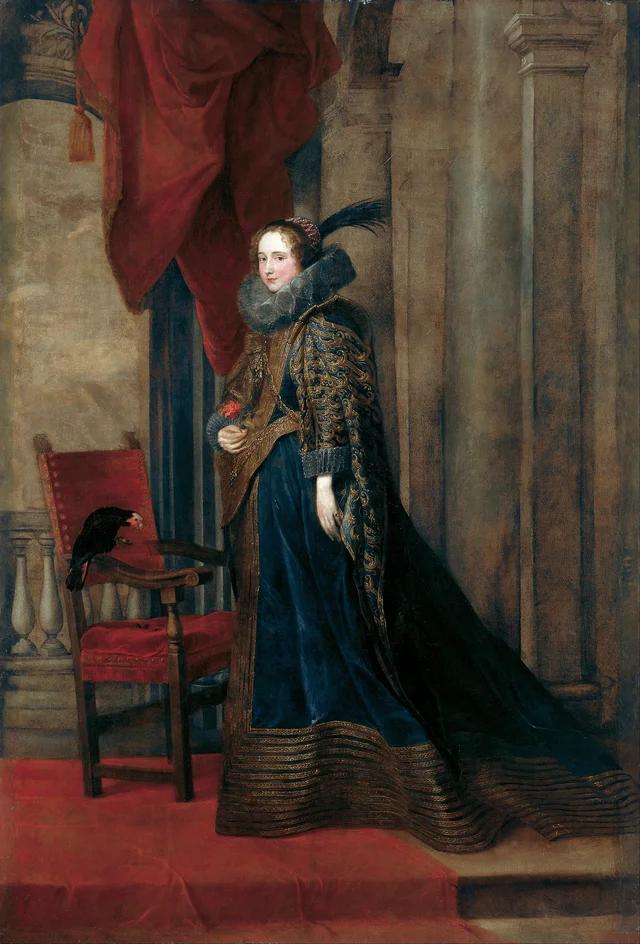 Paolina Adorno Brignole-SaleAntoine van Dyck, 1627
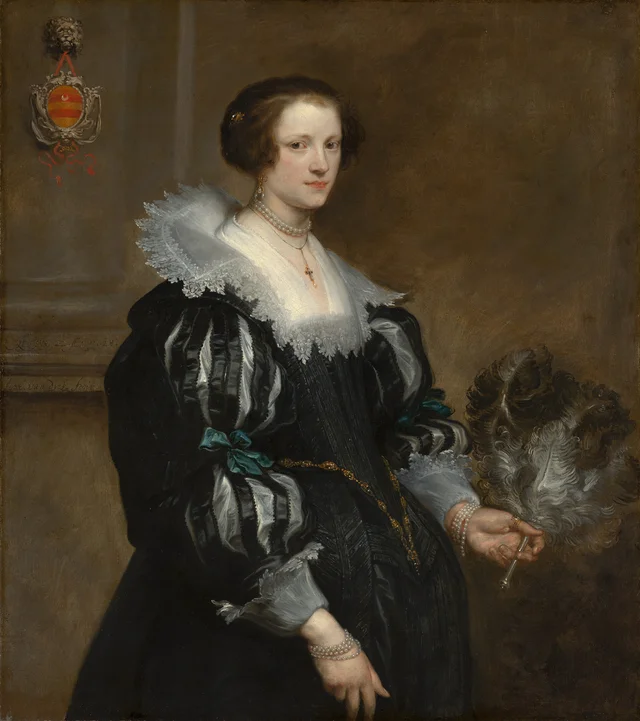 Portrait d'Anna WakeAntoine van Dyck, 1628
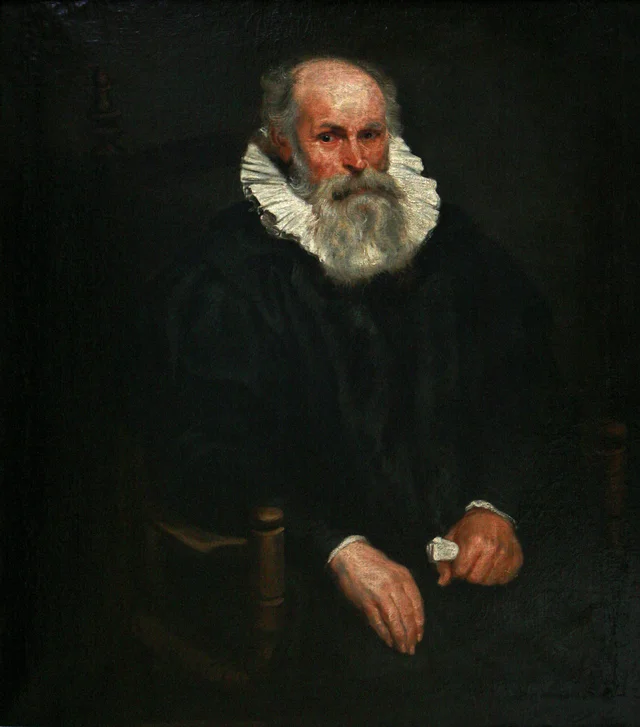 Portrait d'un vieillardAntoine van Dyck
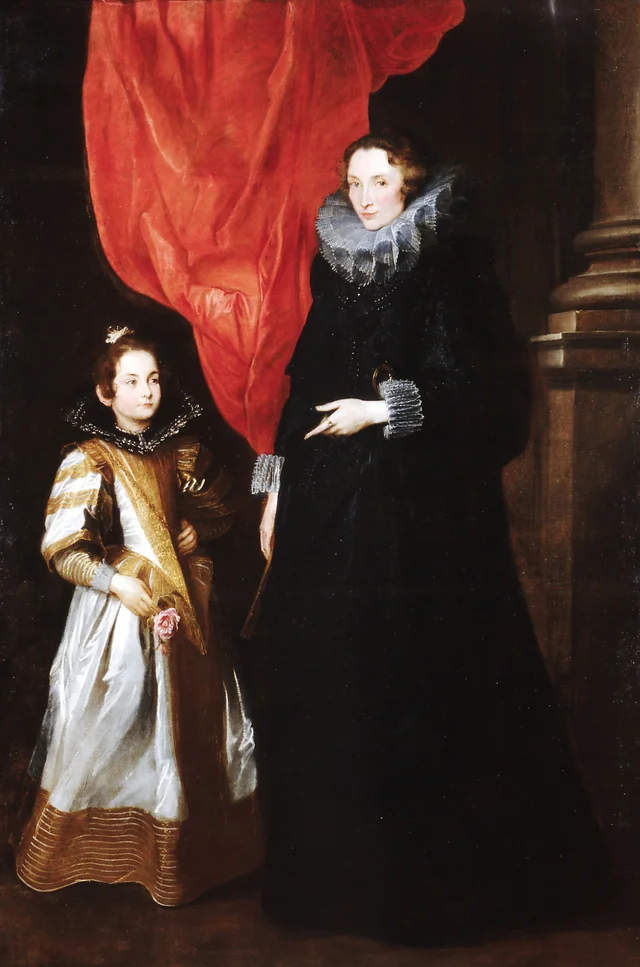 Portrait de Geronima Sale Brignole avec sa fille Maria AureliaAntoine van Dyck, 1627
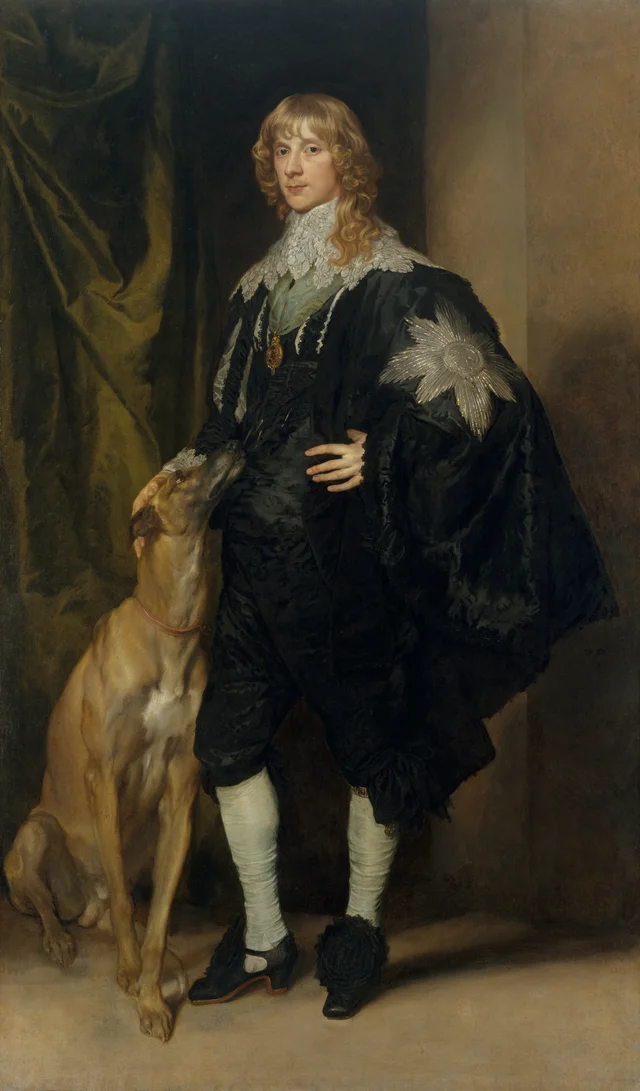 Portrait de James Stuart, duc de Lennox et RichmondAntoine van Dyck, 1634
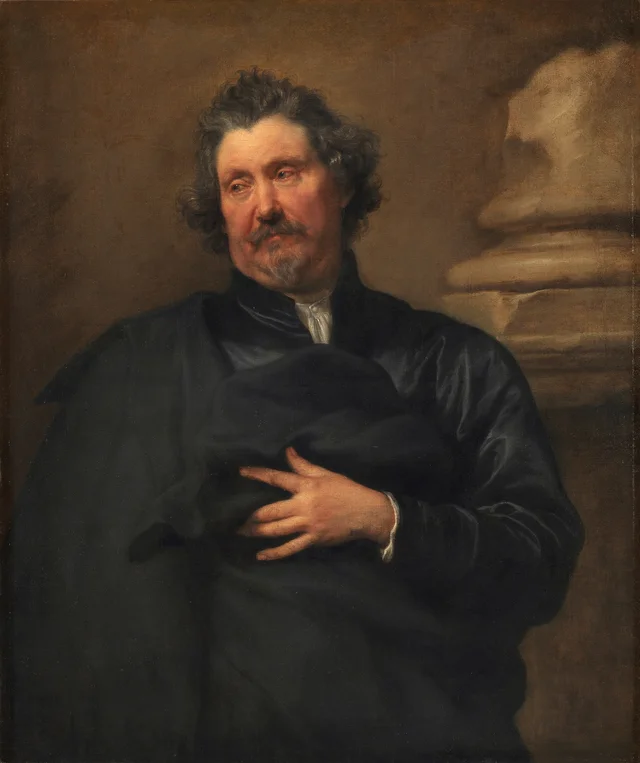 Portrait de Karel van MalleryAntoine van Dyck, 1631
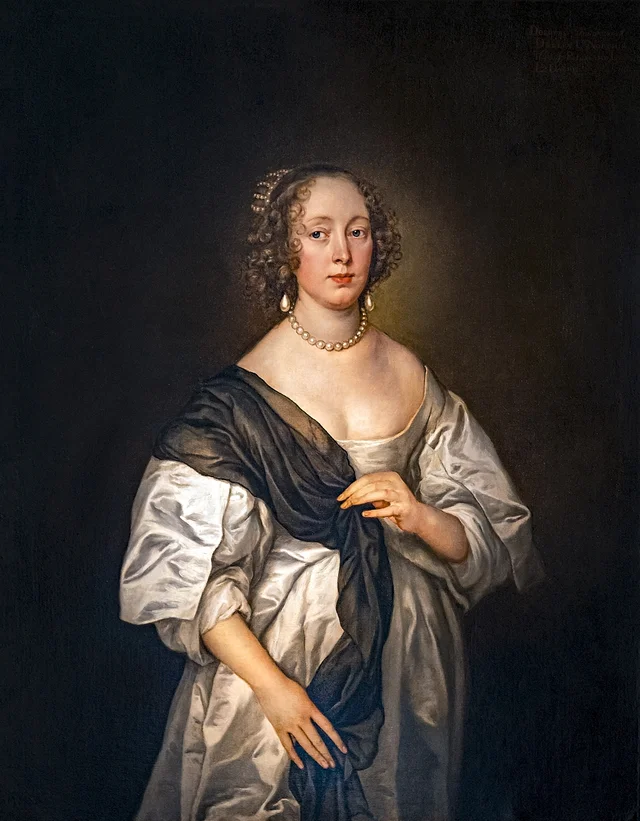 Portrait de Lady Dorothy DacreAntoine van Dyck, 1638
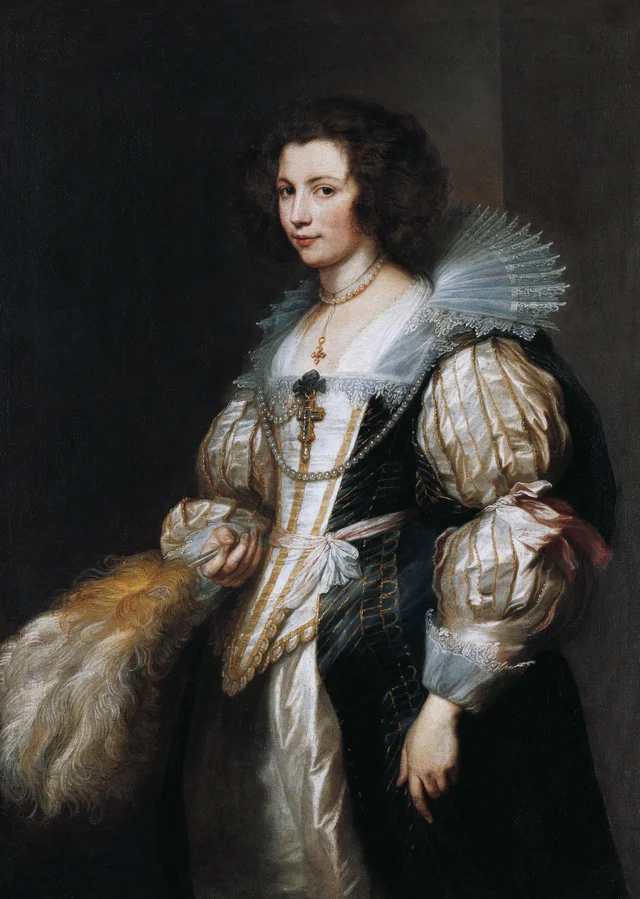 Portrait de Marie-Louise de TassisAntoine van Dyck, 1629
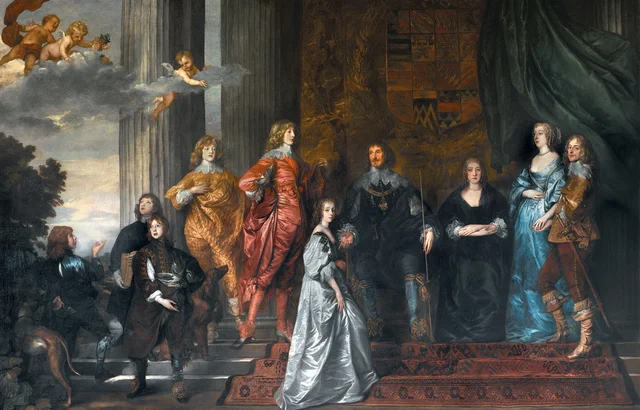 Portrait de Philip Herbert, 4e comte de Pembroke, de sa seconde épouse Lady Anne Clifford, 14e baronne de Clifford, et de ses enfants survivants de son premier mariage, ainsi que de Lady Mary VilliersAntoine van Dyck, 1635
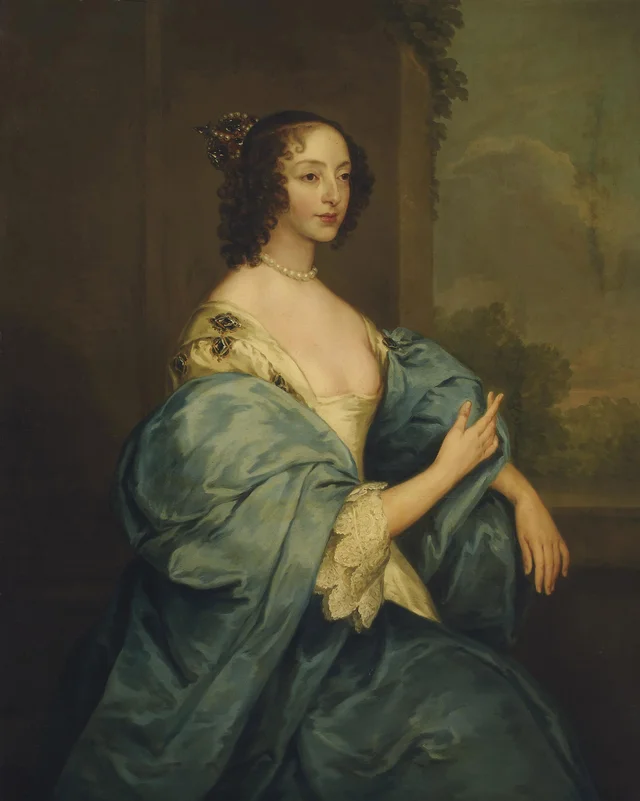 Portrait de la reine Henriette-Marie en sainte CatherineAntoine van Dyck, 1639
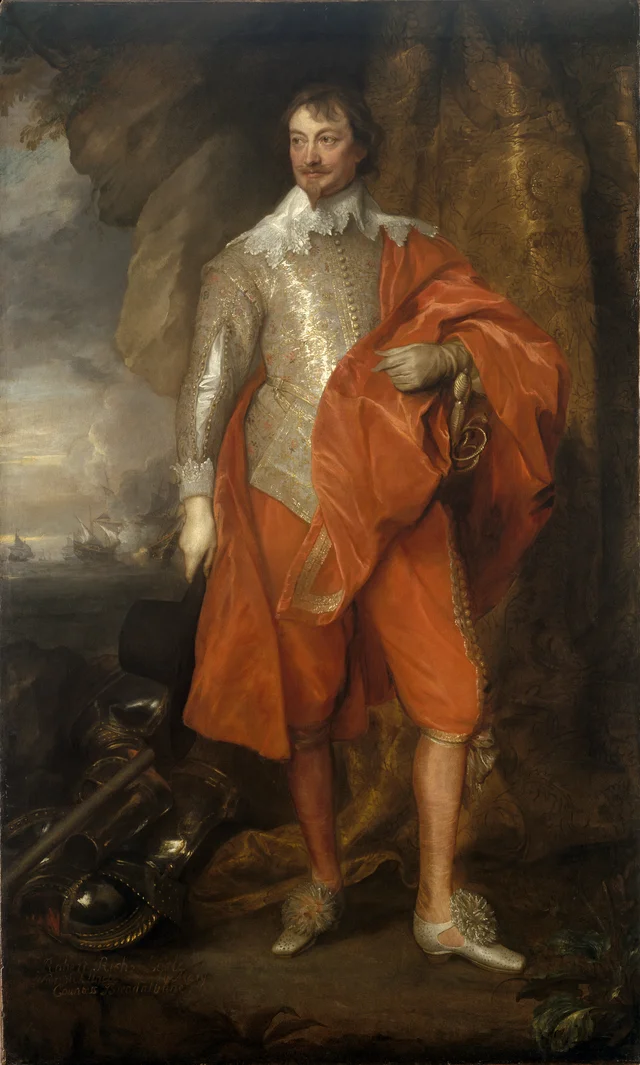 Portrait de Robert Rich, deuxième comte de WarwickAntoine van Dyck, 1634
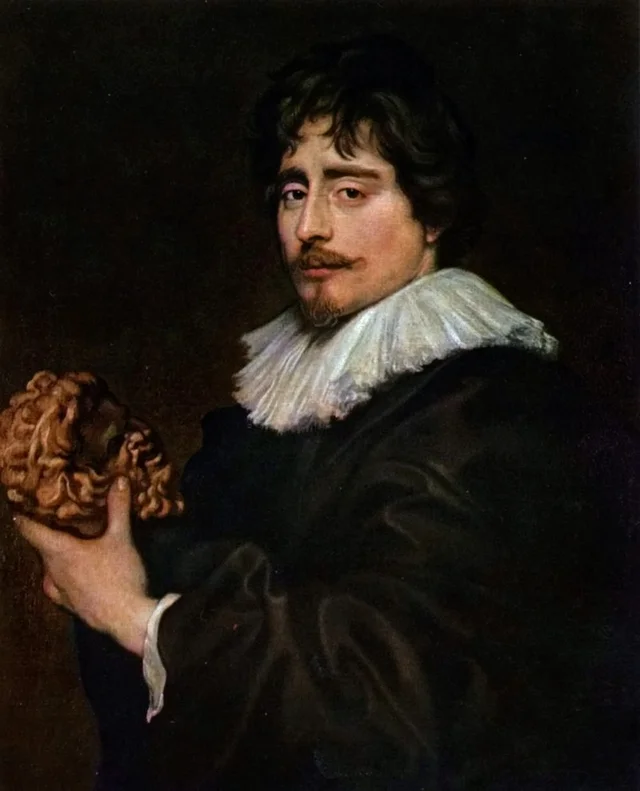 Portrait du sculpteur François DuquesnoyAntoine van Dyck, 1622
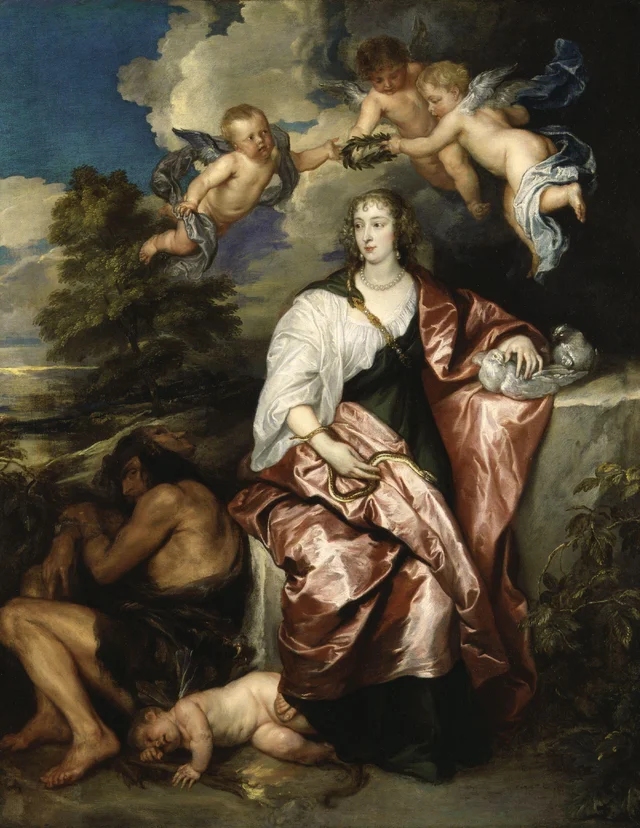 Portrait de Venetia, Lady DigbyAntoine van Dyck, 1633
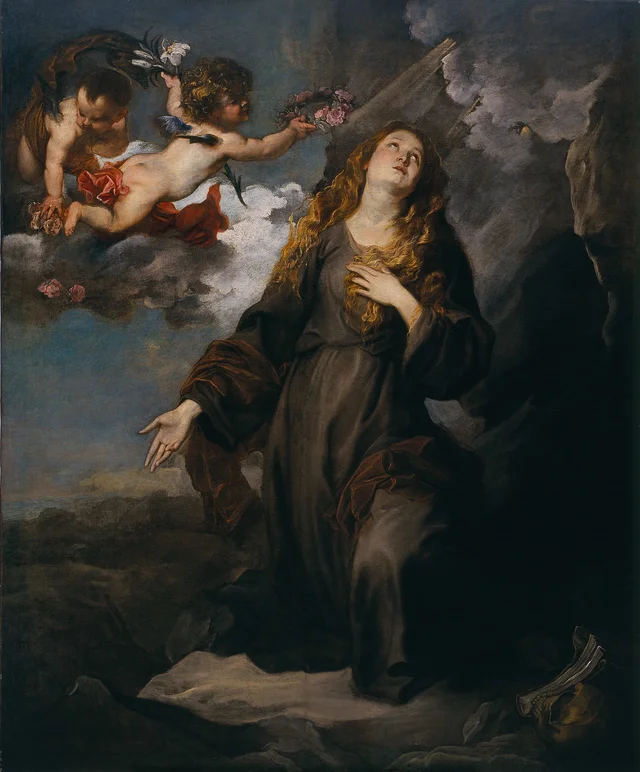 Sainte Rosalie dans la gloireAntoine van Dyck, 1625
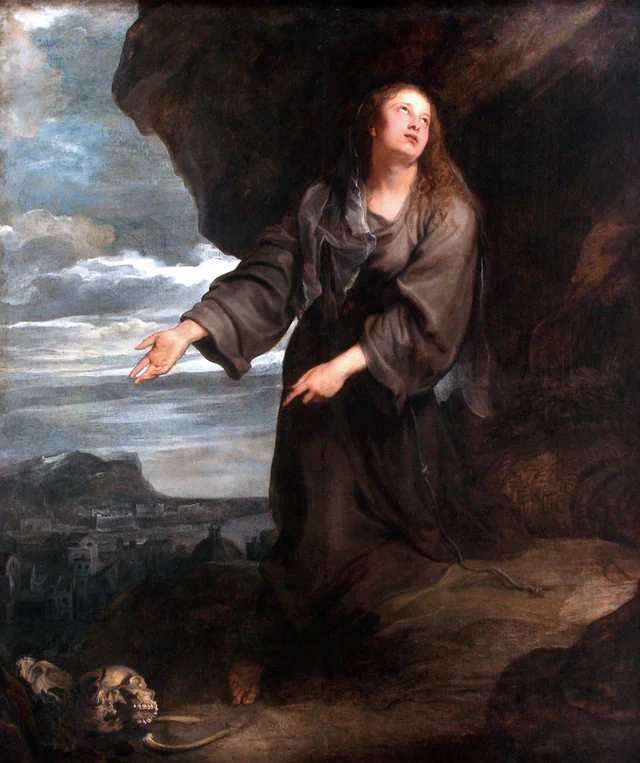 Sainte Rosalie intercède pour la ville de PalermeAntoine van Dyck, 1624
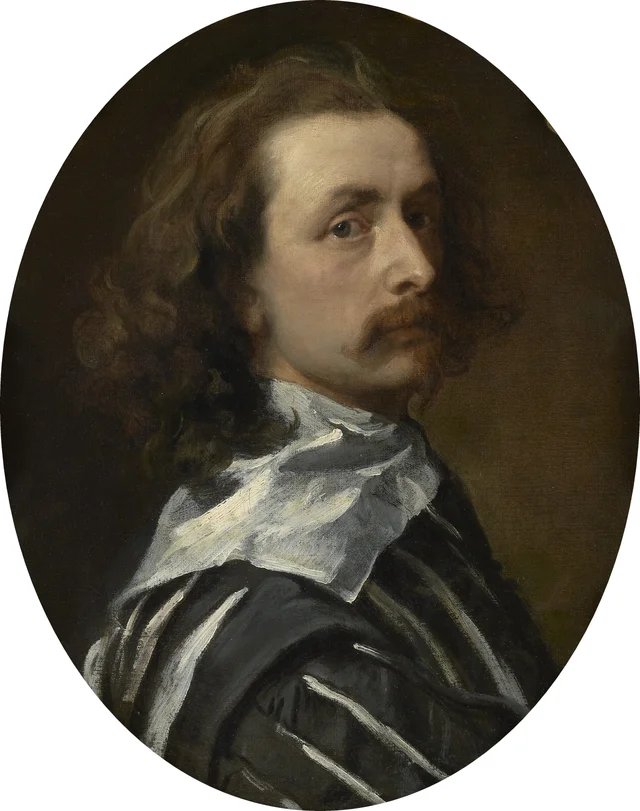 AutoportraitAntoine van Dyck, 1640
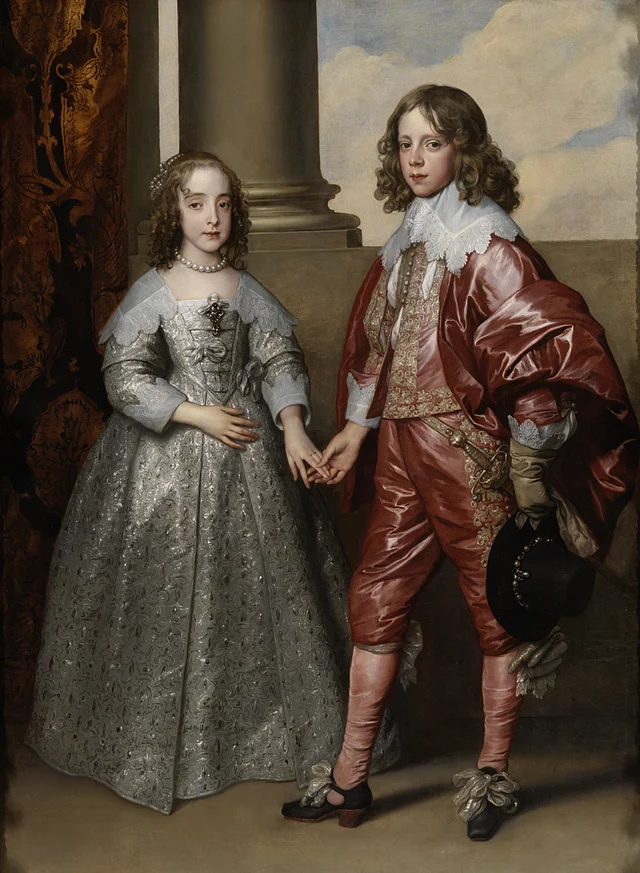 Guillaume II, prince d'Orange, et sa fiancée, Marie StuartAntoine van Dyck, 1641
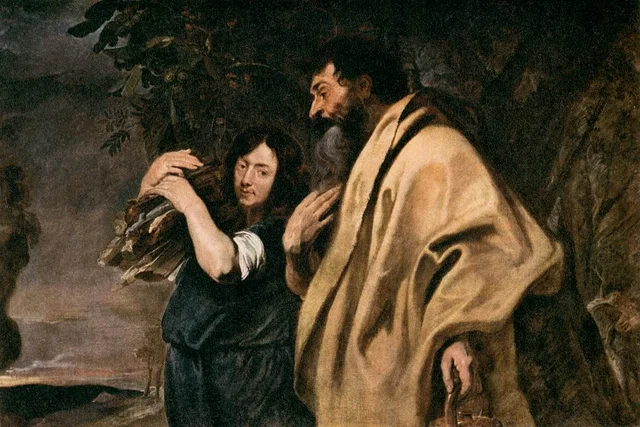 Abraham et IsaacAntoine van Dyck, 1619
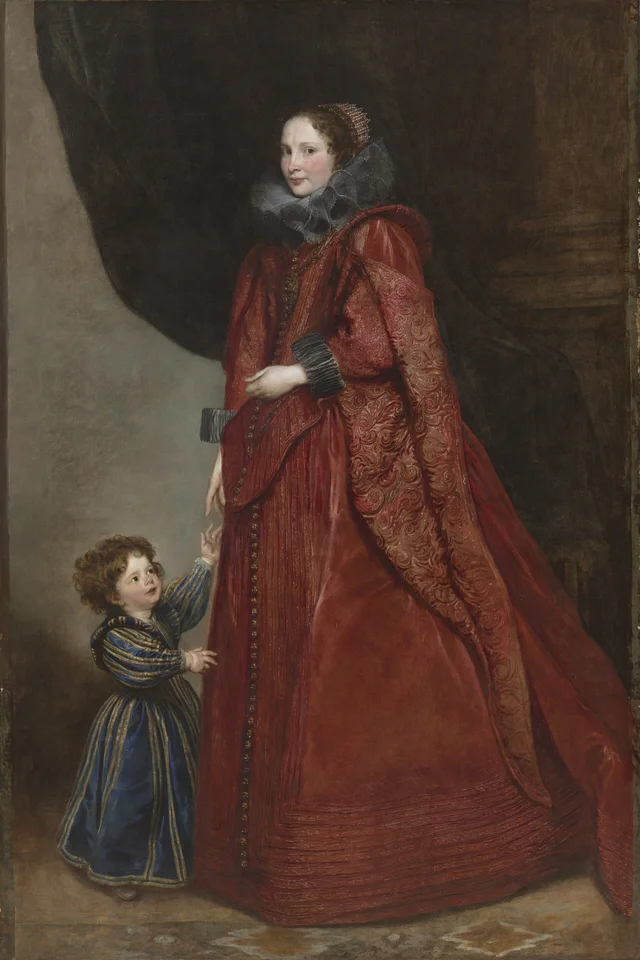 Dame génoise avec son enfantAntoine van Dyck, 1623
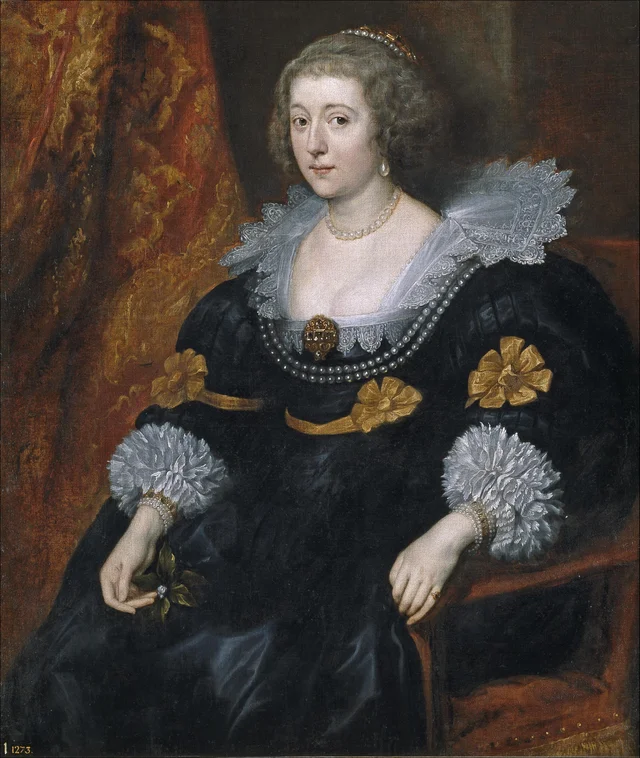 Amélie de Solms-BraunfelsAntoine van Dyck, 1631
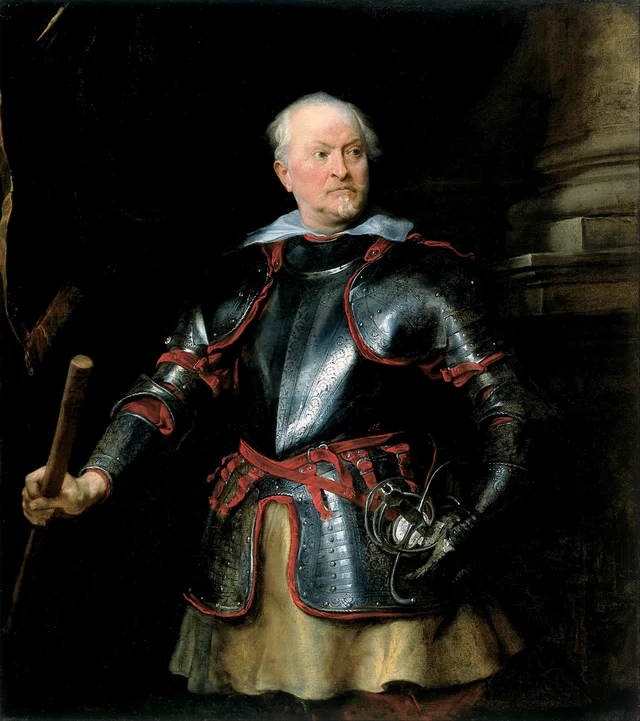 Homme en armureAntoine van Dyck, 1625