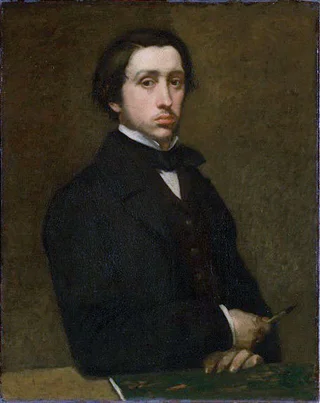
Edgar Degas
1834–1917 · France · Impressionnisme
L'histoire
Degas contribua à organiser les expositions impressionnistes et exposa aux côtés de Monet et de Renoir, bien qu'il n'ait guère eu de goût pour peindre la lumière du soleil en plein air. Il travaillait à l'intérieur, sous les lampes à gaz de l'Opéra de Paris, observant les danseuses en répétition ou au repos, saisissant des corps dans des instants malaisés et sans pose.
Lors de la sixième exposition impressionniste, en 1881, il dévoila une statue de cire aux deux tiers de la taille réelle, la Petite Danseuse de quatorze ans, vêtue d'un vrai tutu de tissu et coiffée d'une perruque. Les critiques furent horrifiés. Ils qualifièrent la jeune fille de laide et de dépravée et lurent sur son visage la marque d'une criminelle-née, une idée alors à la mode. Piqué au vif, Degas n'exposa plus jamais de sculpture de son vivant.
Sa vue déclinait durant ces années, aussi se tourna-t-il vers le pastel et le modelage en cire, des médiums qu'il pouvait travailler au toucher et en couleurs vives. Il devint plus solitaire et plus aigri, et pendant l'affaire Dreyfus des années 1890, quand la France se déchira au sujet d'un officier juif faussement condamné pour trahison, Degas prit le parti antidreyfusard et rompit avec de vieux amis juifs, dont la famille Halévy qui l'avait accueilli pendant des années. Il mourut à Paris en 1917, presque totalement aveugle.
Autres articles
Œuvres
133 œuvres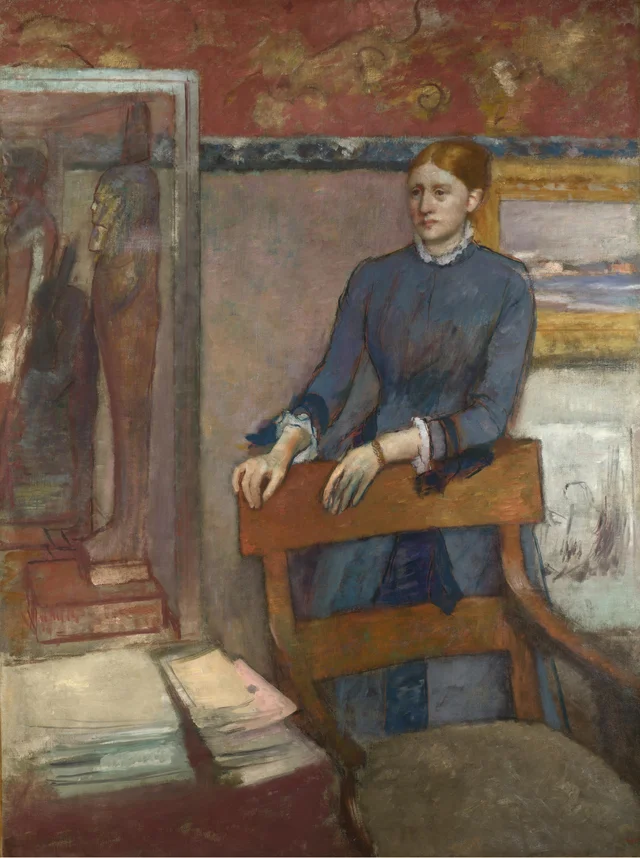 Hélène Rouart dans le bureau de son pèreEdgar Degas, 1886
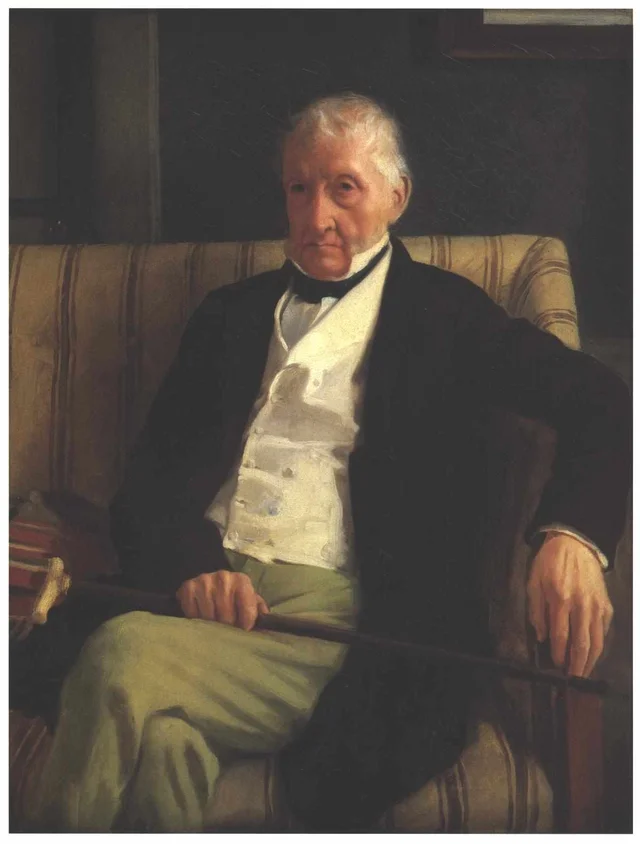 Hilaire de GasEdgar Degas, 1857
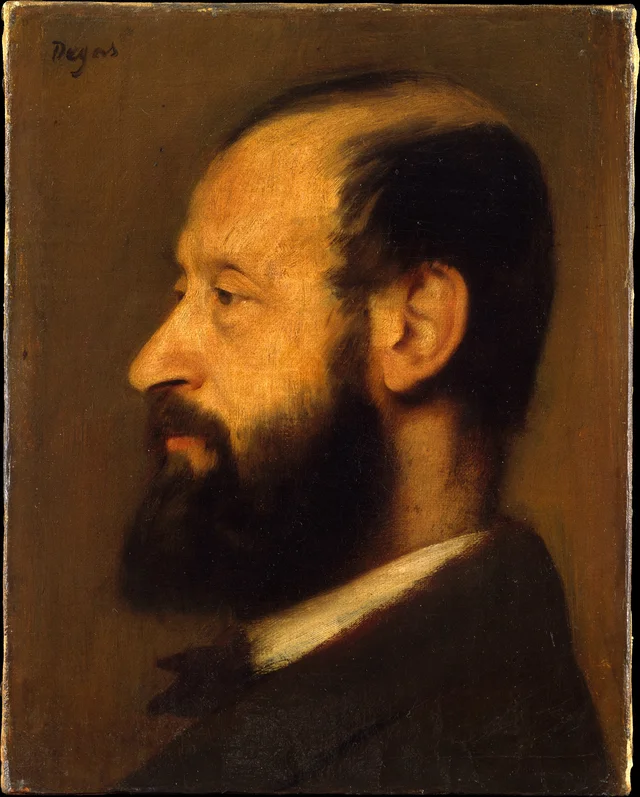 Joseph-Henri Altès (1826-1895)Edgar Degas, 1868
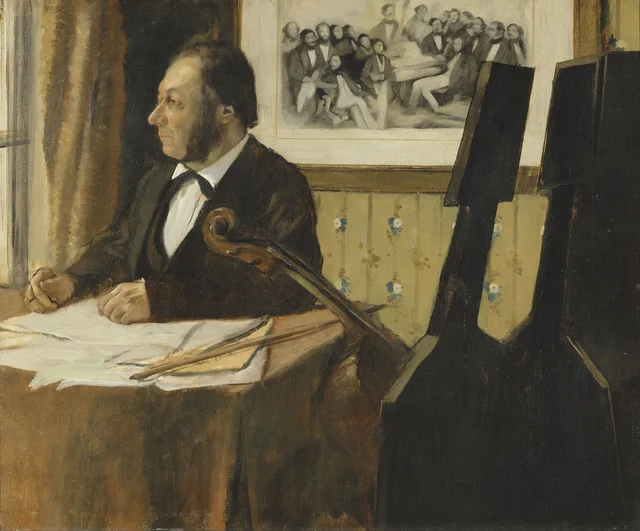 Le Violoncelliste PiletEdgar Degas, 1868
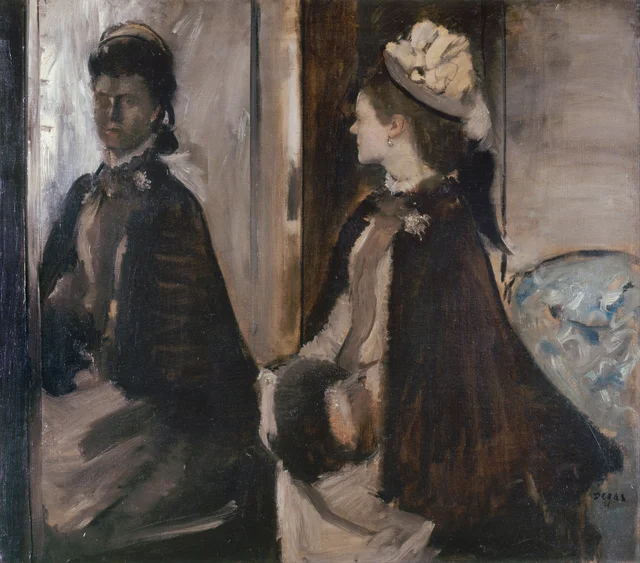 Madame Jeantaud au miroirEdgar Degas, 1875
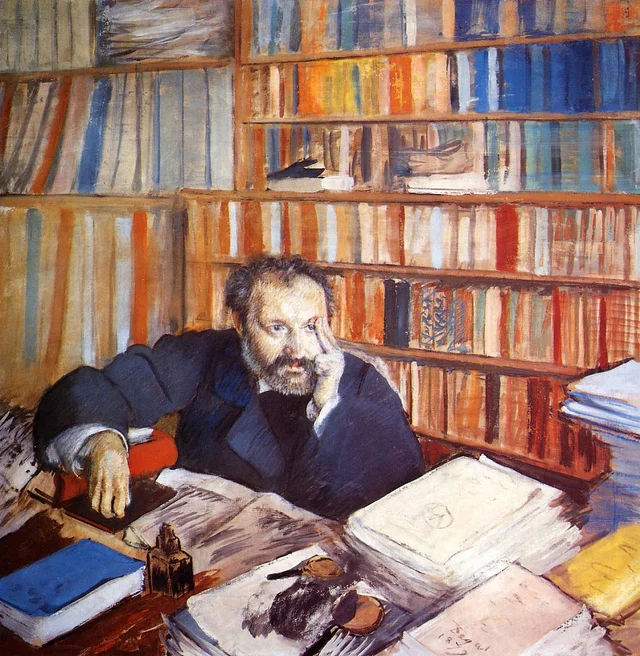 Portrait d'Edmond DurantyEdgar Degas, 1879
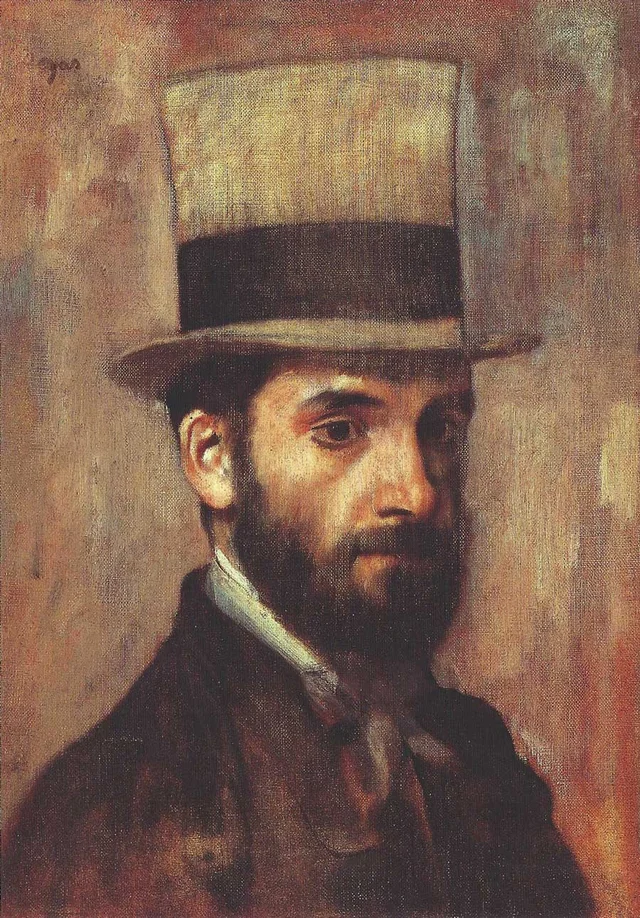 Portrait de Léon BonnatEdgar Degas, 1863
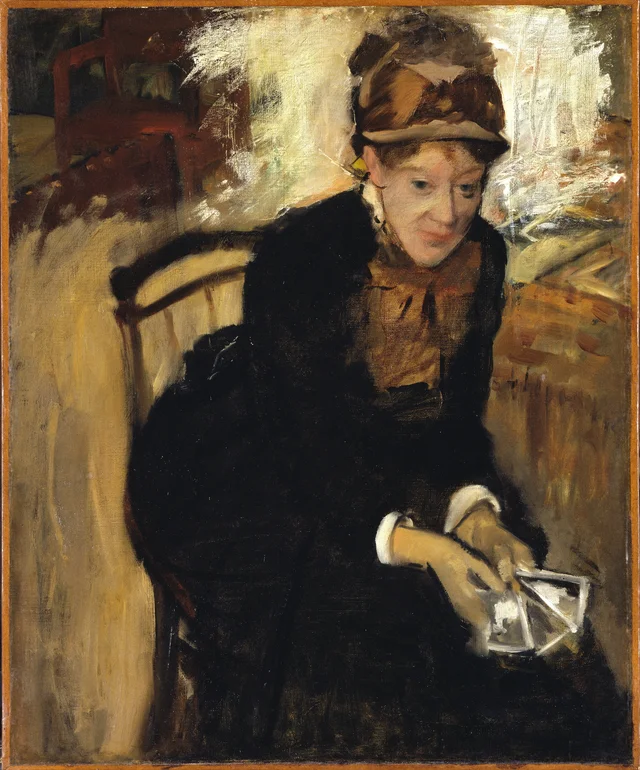 Portrait de Mary CassattEdgar Degas, 1884
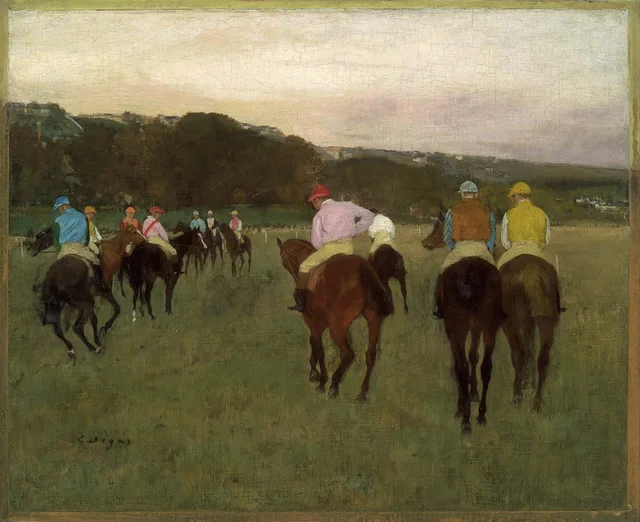 Chevaux de course à LongchampEdgar Degas, 1874
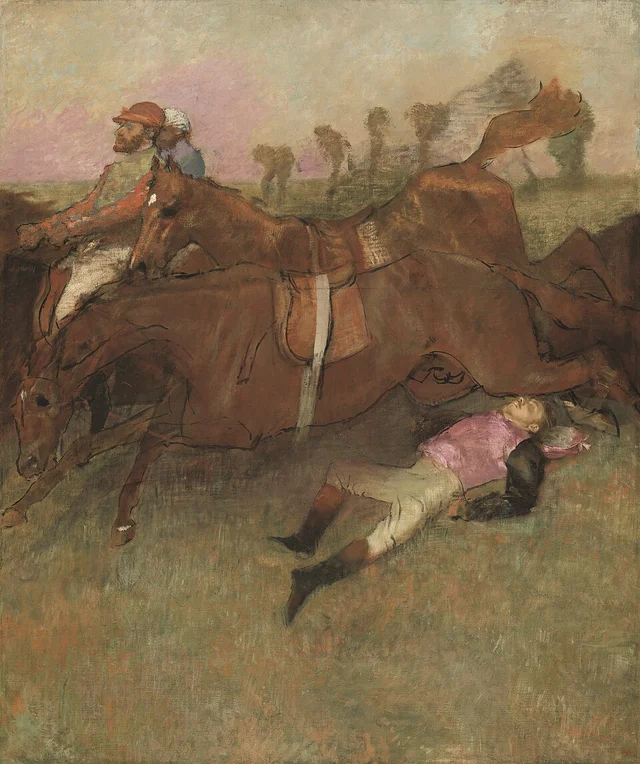 Scène de steeple-chase : le jockey tombéEdgar Degas, 1866
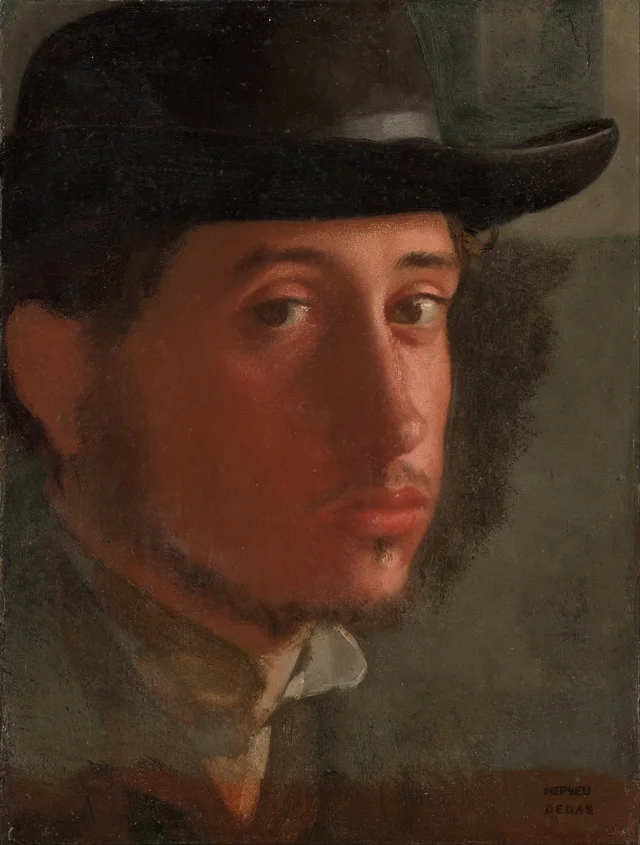 AutoportraitEdgar Degas, 1857
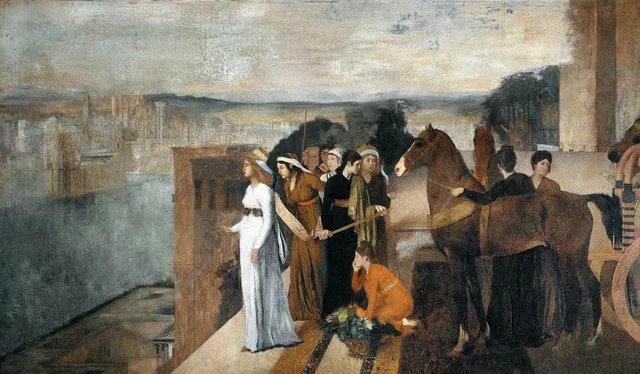 Sémiramis construisant BabyloneEdgar Degas, 1860
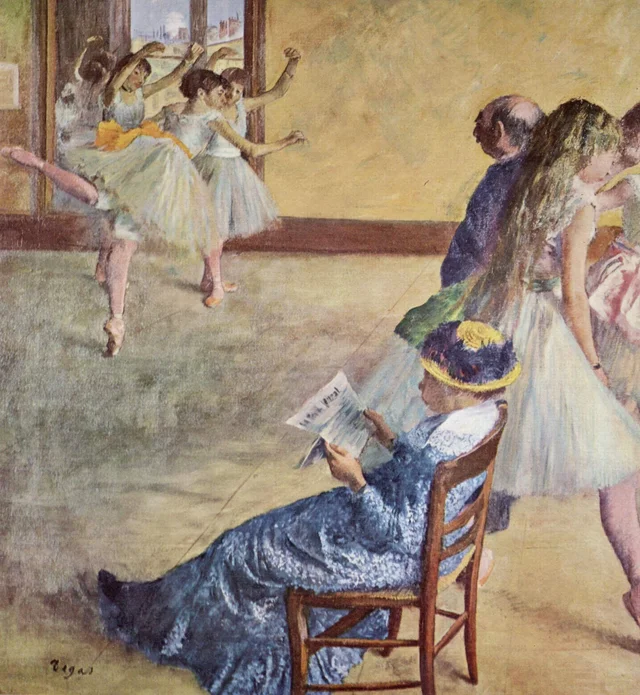 La Classe de danseEdgar Degas, 1878
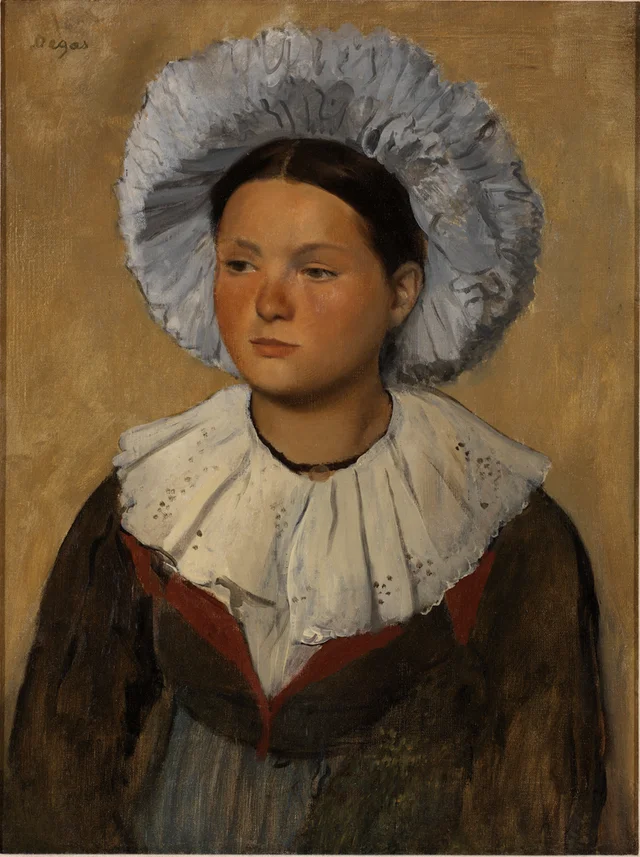 La SavoisienneEdgar Degas, 1860
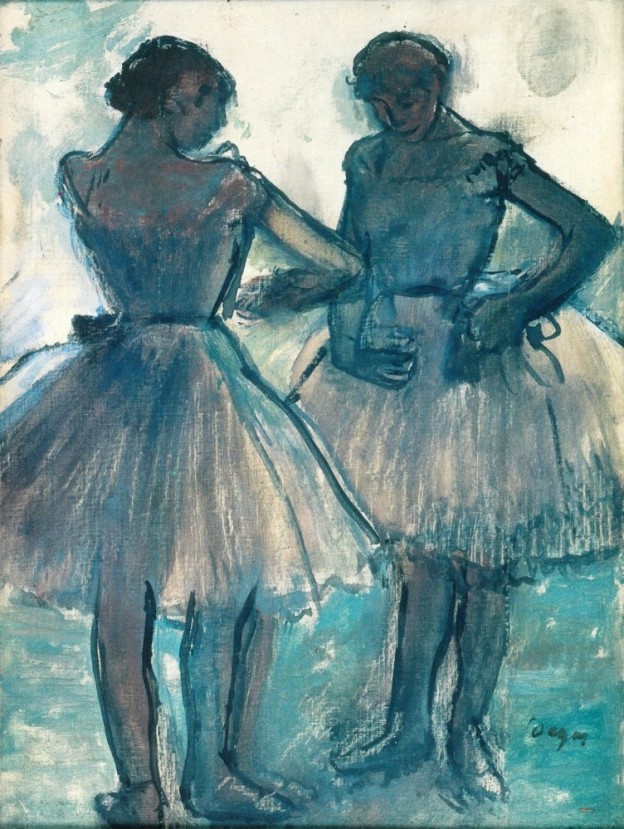 Deux danseusesEdgar Degas, 1880
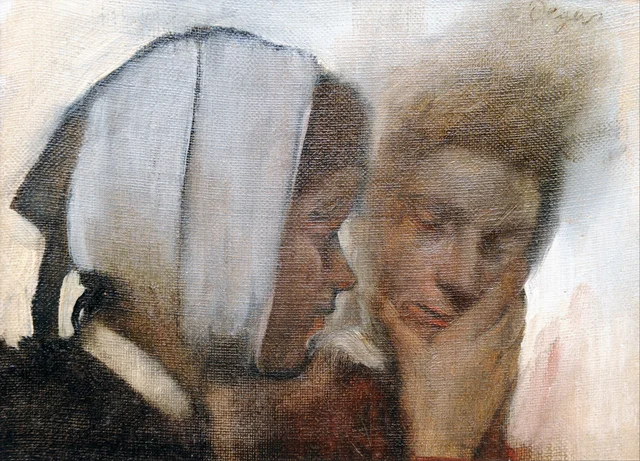 BlanchisseusesEdgar Degas, 1871
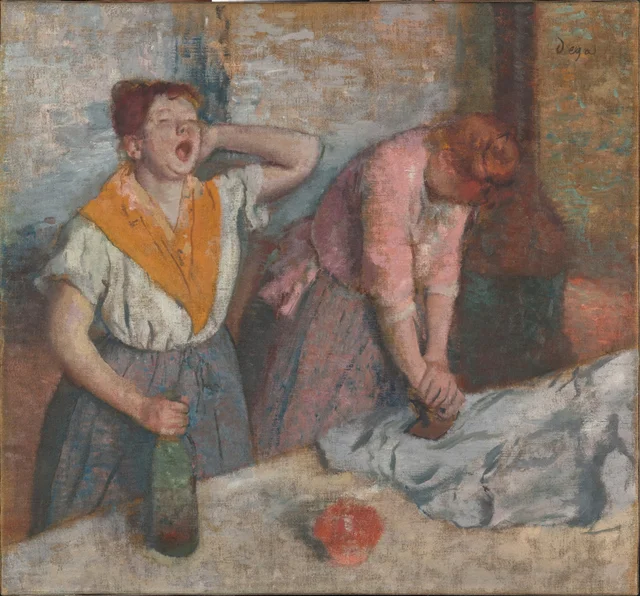 Les RepasseusesEdgar Degas, 1884
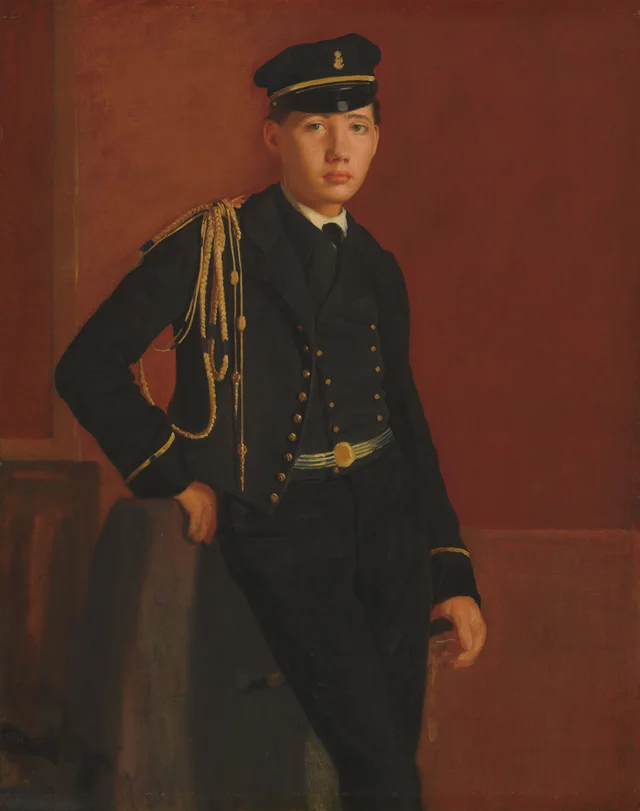 Achille De Gas en uniforme de cadetEdgar Degas, 1856
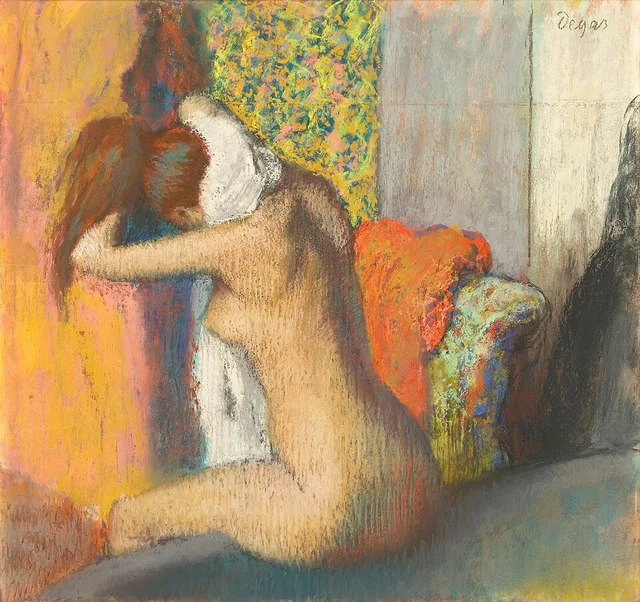 Après le bain, femme s'essuyant la nuqueEdgar Degas, 1895
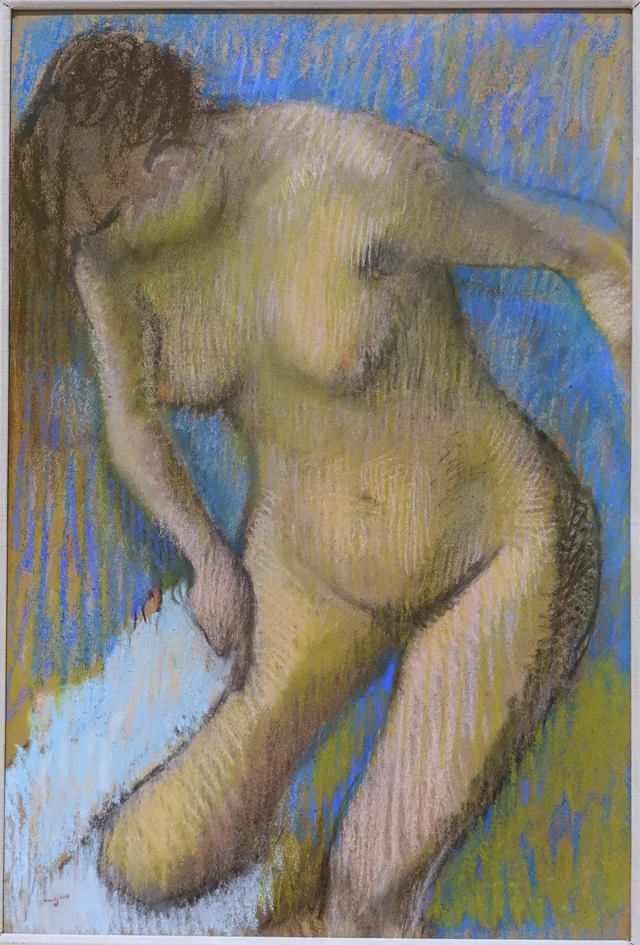 Après le bainEdgar Degas, 1886
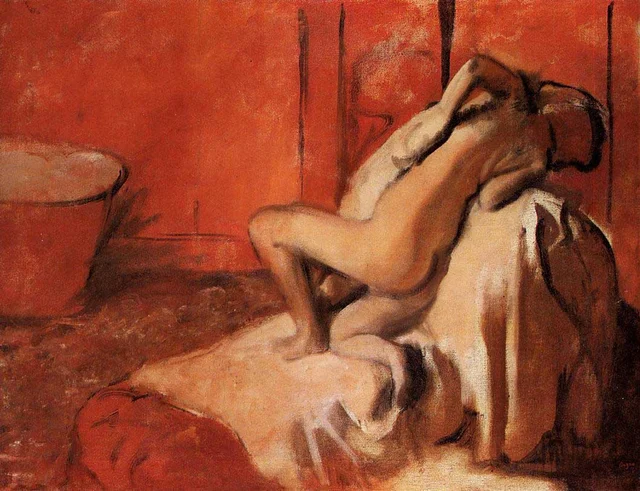 Après le bain (Femme s'essuyant)Edgar Degas, 1896
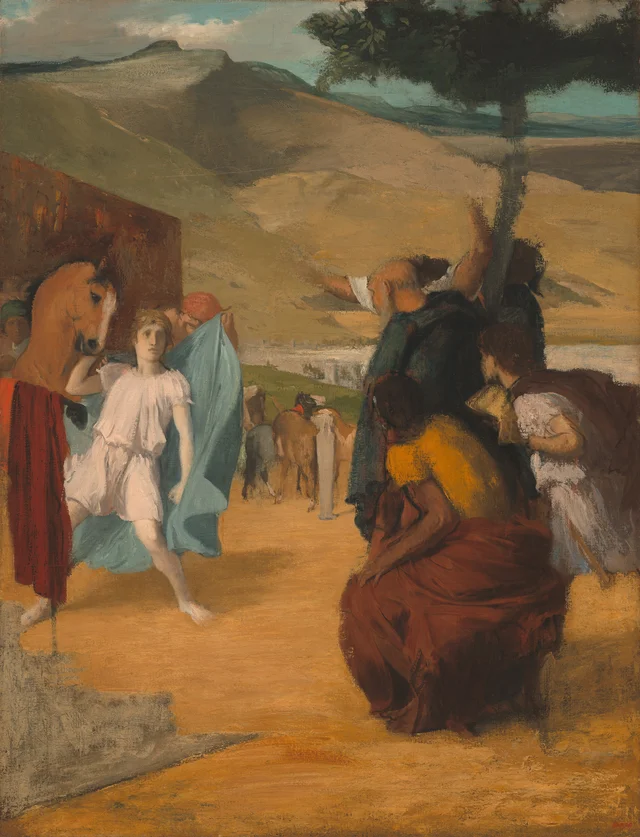 Alexandre et BucéphaleEdgar Degas, 1861
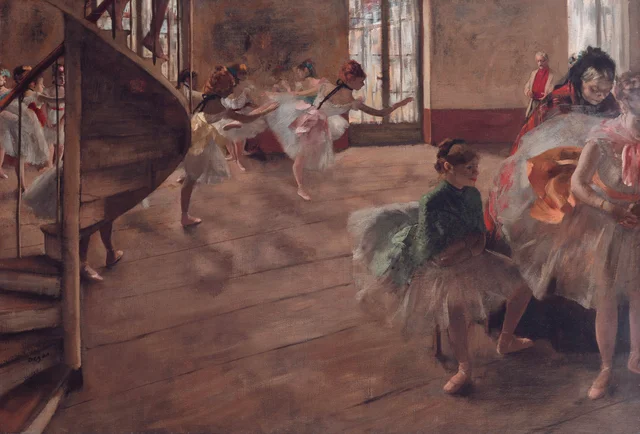 Répétition de balletEdgar Degas, 1874
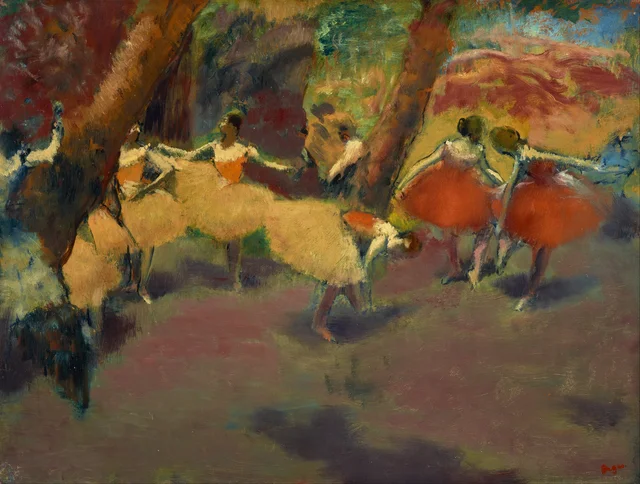 Avant le spectacleEdgar Degas, 1896
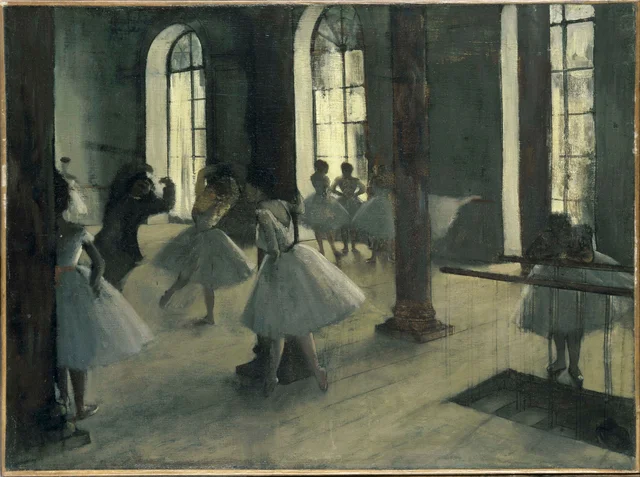 Répétition de danseEdgar Degas, 1873