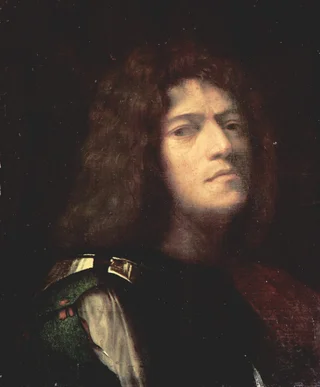
Giorgione
1478–1510 · République de Venise · Haute Renaissance
L'histoire
Giorgione ne travailla à Venise qu'une dizaine d'années, à peu près de 1500 à 1510, et même sa mort est mieux documentée que presque tout le reste de sa vie. En octobre 1510, Isabelle d'Este, noble mantouane qui collectionnait l'art avec ardeur, écrivit à son agent à Venise pour obtenir une Nativité qu'elle croyait appartenir au peintre. L'agent répondit que Giorgione venait de mourir de la peste dans un hôpital vénitien, et que le tableau restait introuvable.
À peine une demi-douzaine d'œuvres peuvent lui être rattachées avec certitude, et distinguer sa main de celle de son cadet Titien, qui se forma presque certainement à ses côtés ou sous sa direction, demeure l'une des plus vieilles querelles de l'histoire de l'art. La Vénus endormie de Giorgione resta inachevée à sa mort, son paysage complété ensuite par Titien, et des tableaux comme le Concert champêtre du Louvre se disputent encore entre les deux noms.
Ce qui subsiste de Giorgione montre des figures saisies dans une lumière et une atmosphère douces et voilées, une manière de peindre que Venise n'avait pas connue avant lui et que Titien continua de développer pendant les 60 années suivantes.
Autres articles
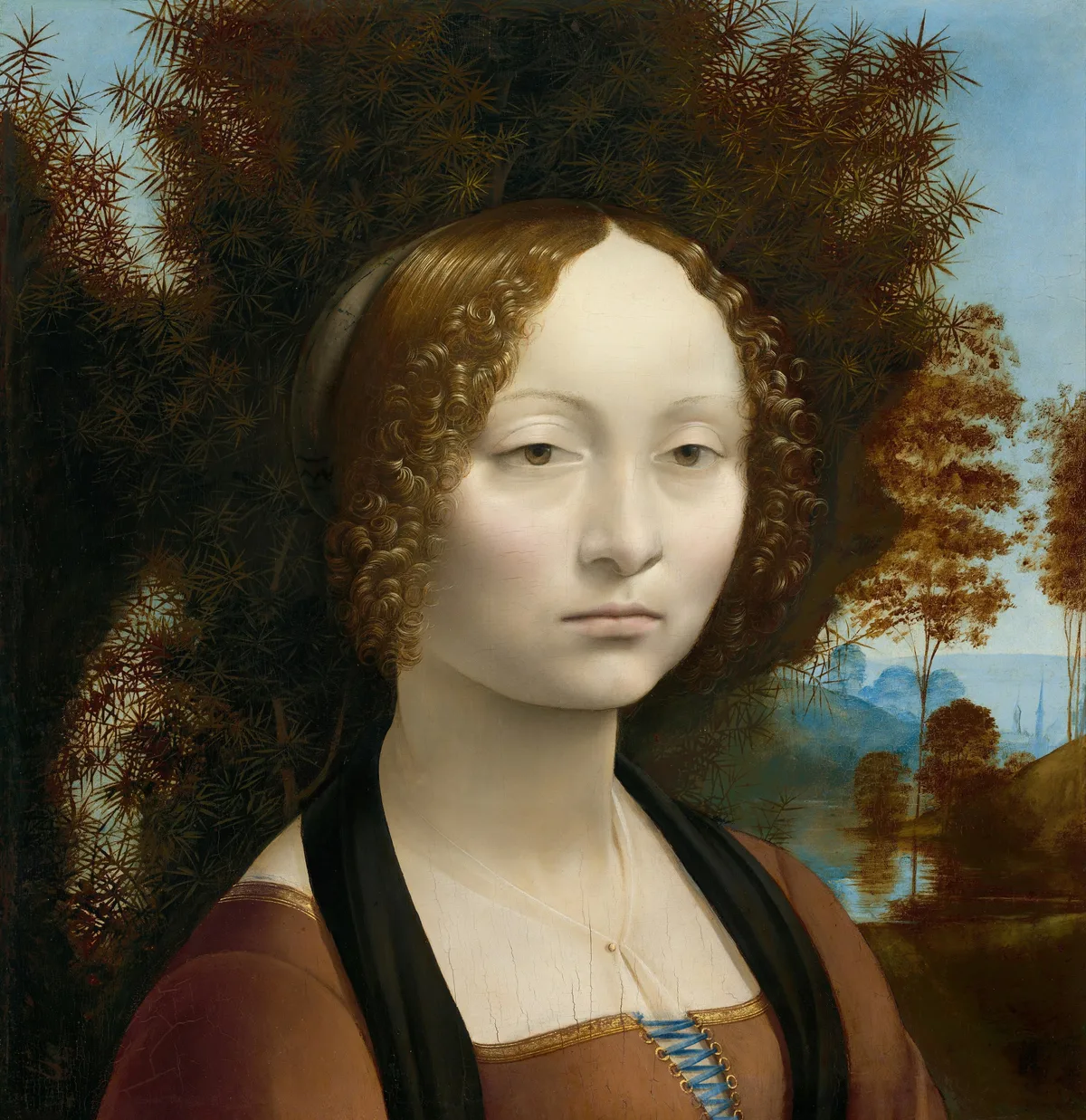 Article · 42 min de lectureLa National Gallery of Art de Washington : vingt tableaux venus de mains privées
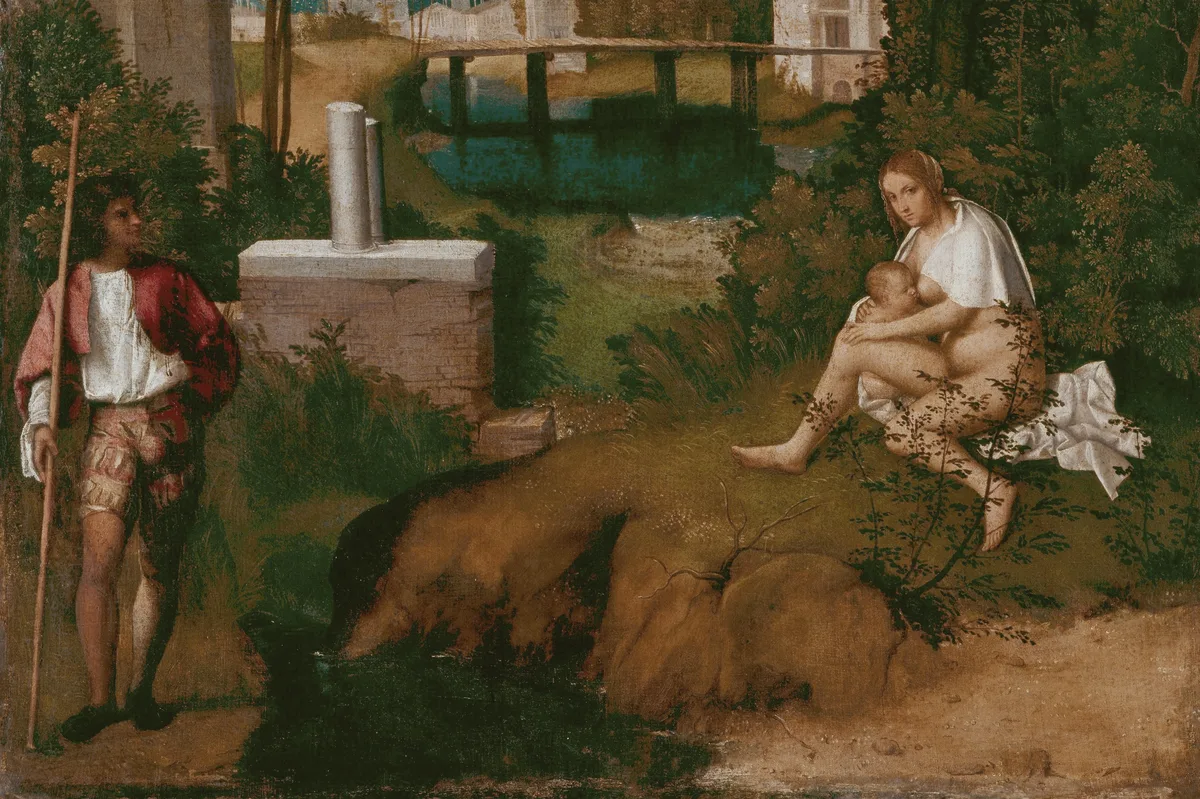 Article · 40 min de lectureLes Gallerie dell'Accademia de Venise : vingt œuvres et le chemin qui a conduit chacune jusqu'ici
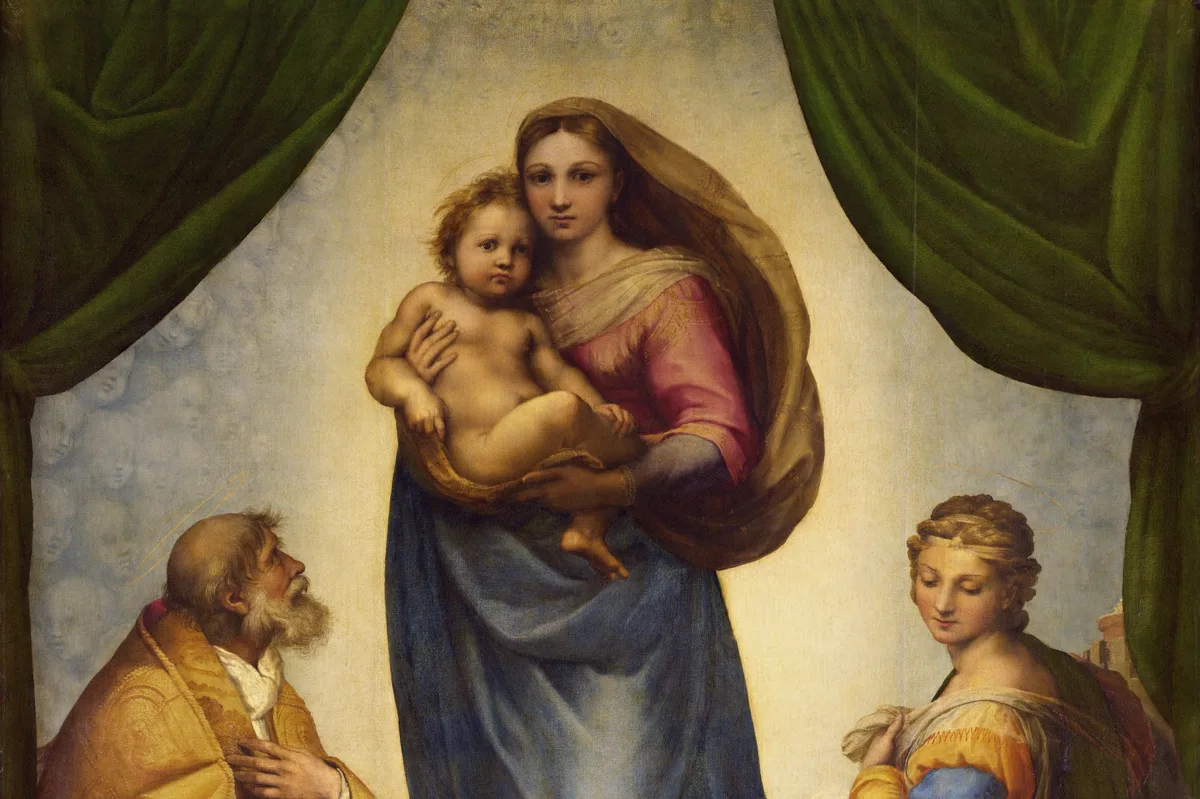 Article · 40 min de lectureLa galerie des Maîtres anciens de Dresde : 15 tableaux achetés, rebaptisés et rendus
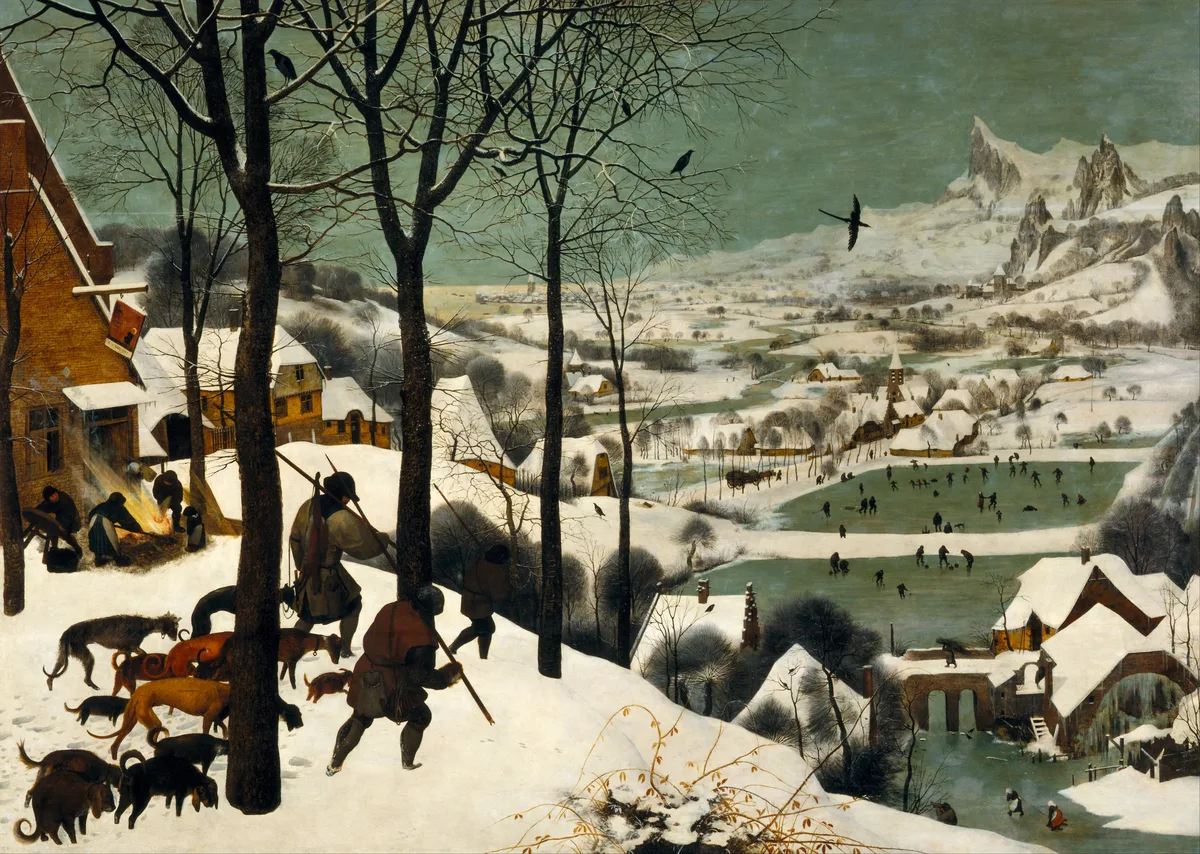 Article · 51 min de lectureLe Kunsthistorisches Museum de Vienne : 25 œuvres et comment elles sont arrivées chez les Habsbourg
Œuvres
34 œuvres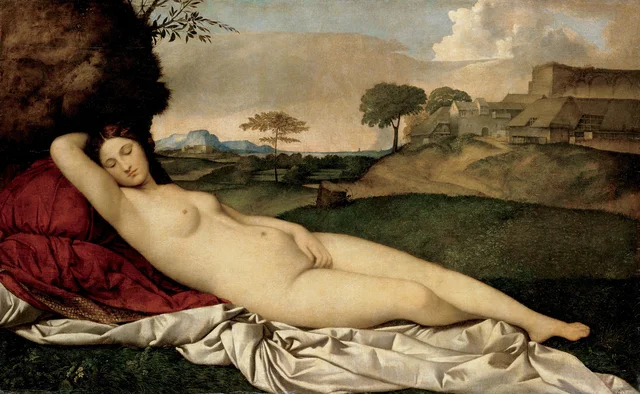 Vénus endormieGiorgione, 1509
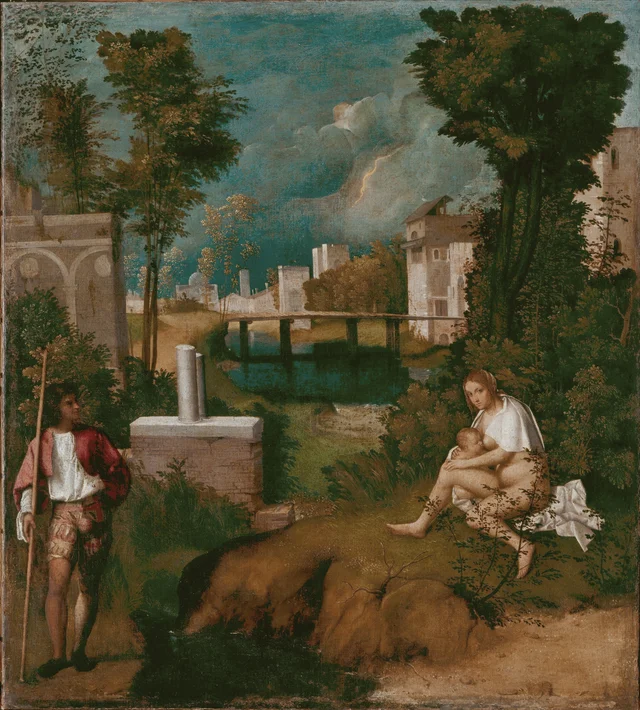 La TempêteGiorgione, 1506
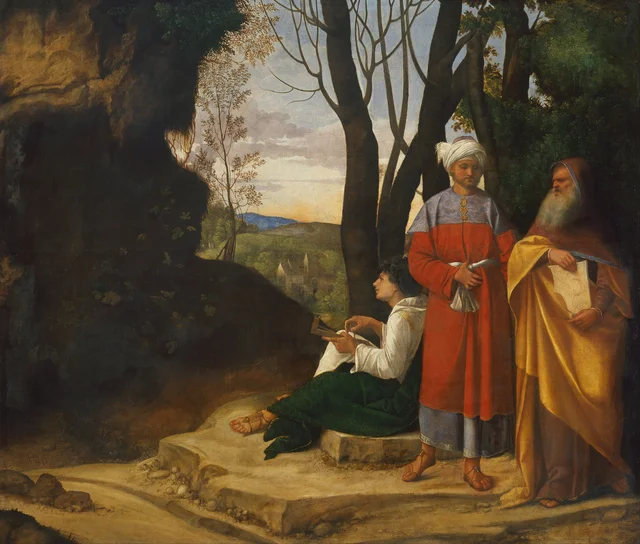 Les Trois PhilosophesGiorgione, 1508
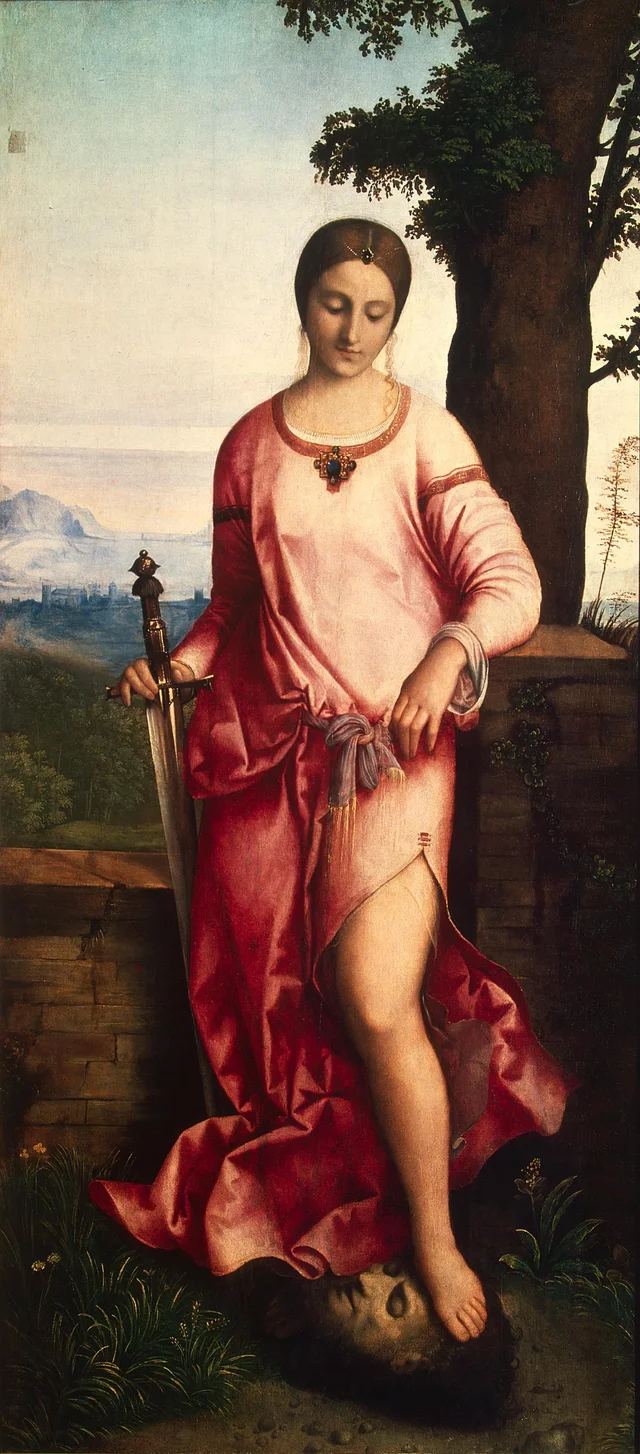 JudithGiorgione, 1504
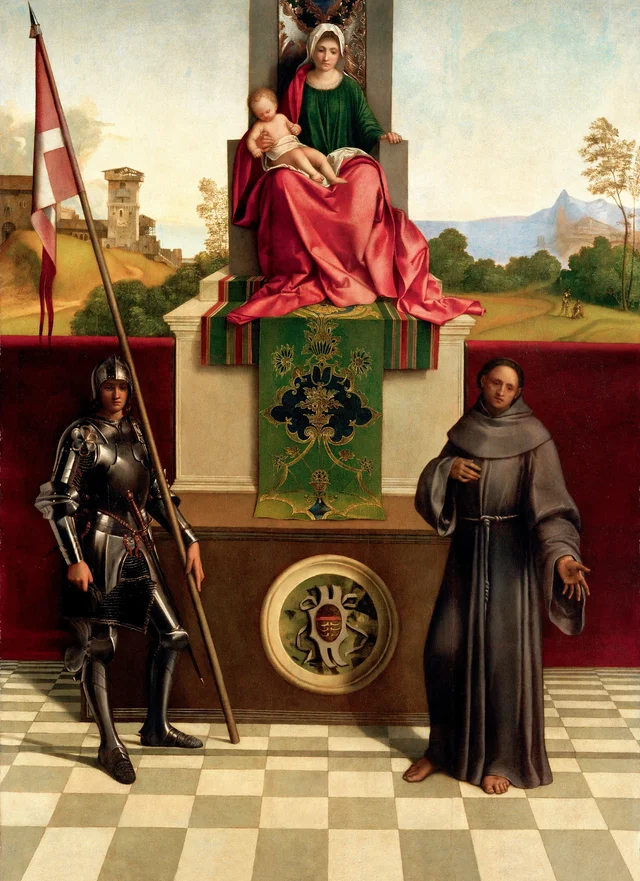 Madone de CastelfrancoGiorgione, 1500
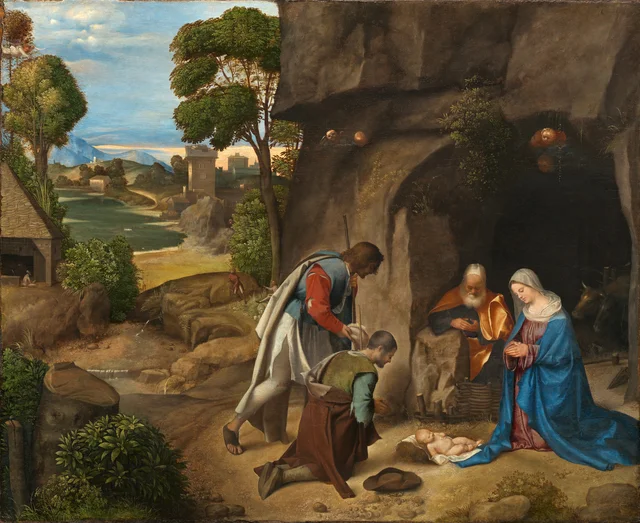 L'Adoration des bergersGiorgione, 1507
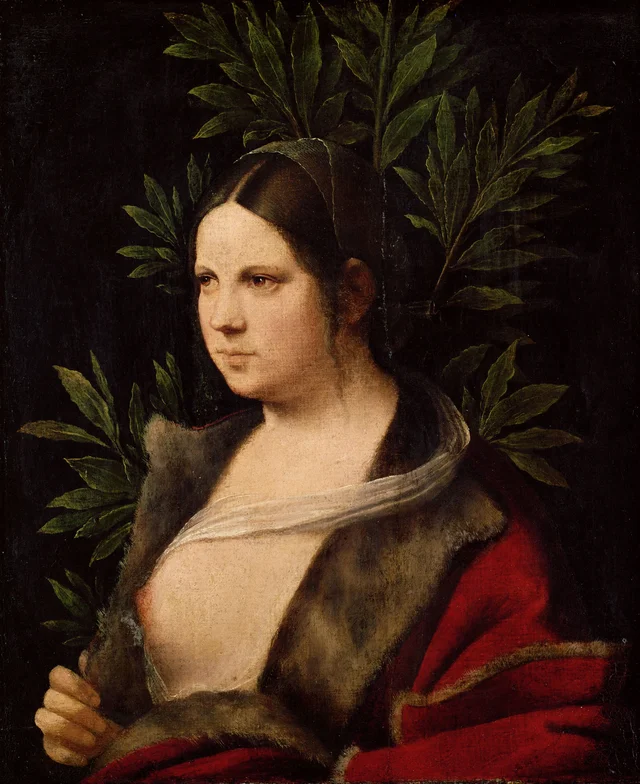 LauraGiorgione, 1506
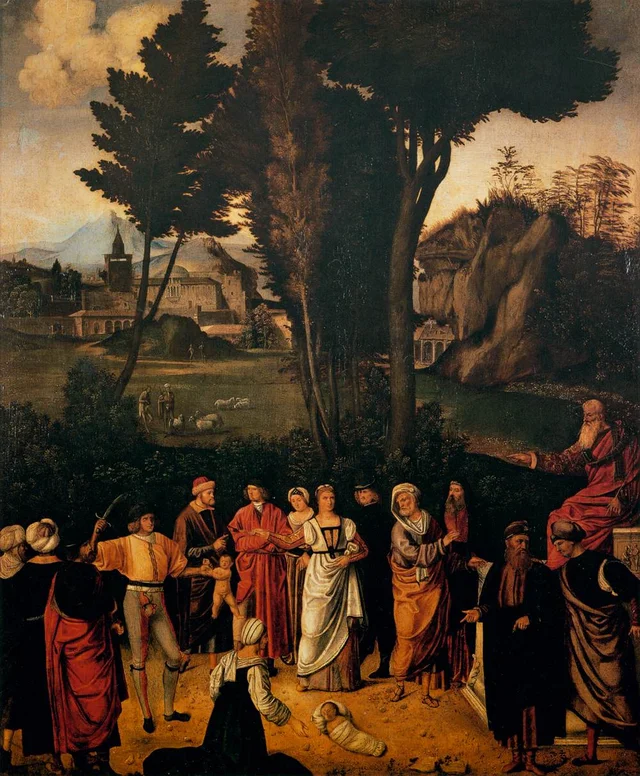 Le Jugement de SalomonGiorgione, 1500
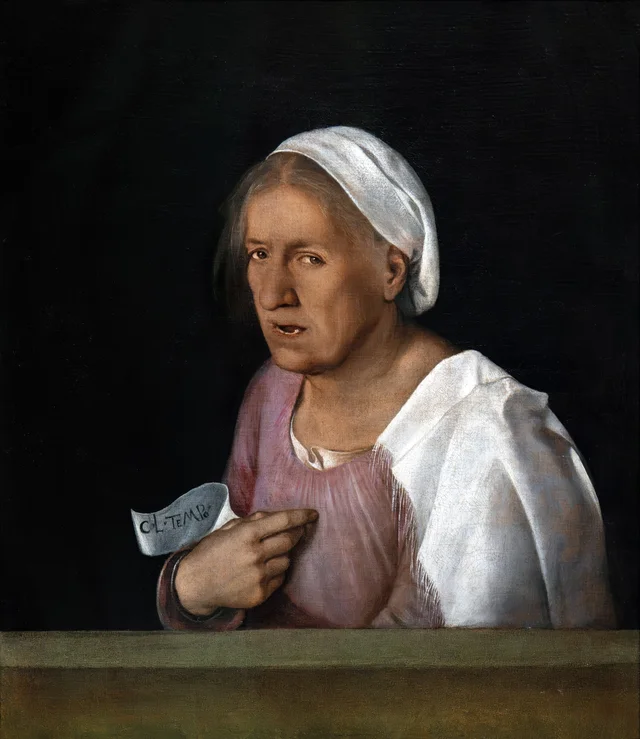 La Vieille FemmeGiorgione, 1506
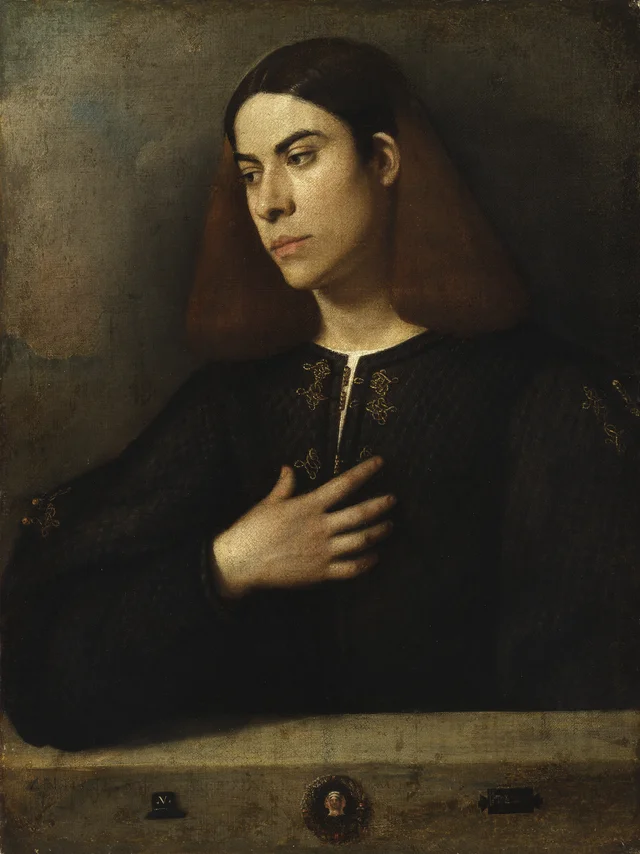 Portrait d’un jeune hommeGiorgione, 1500
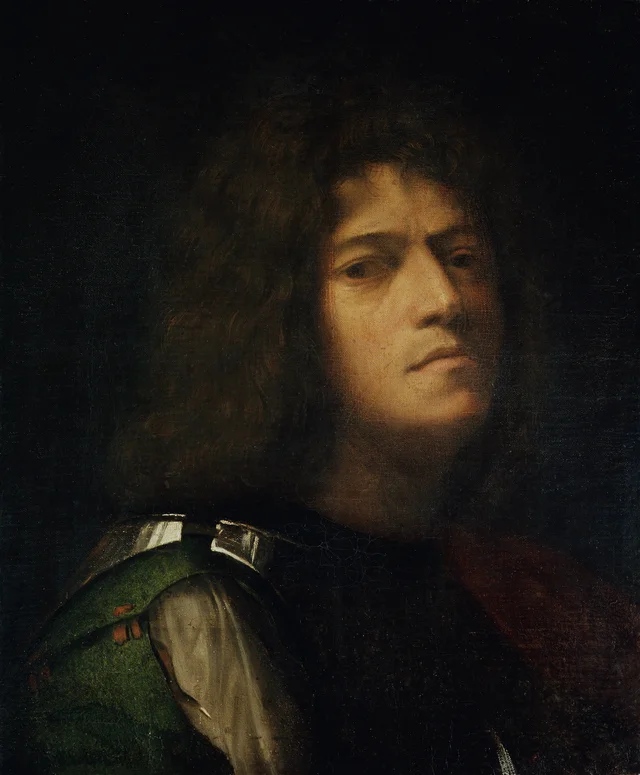 AutoportraitGiorgione, 1509
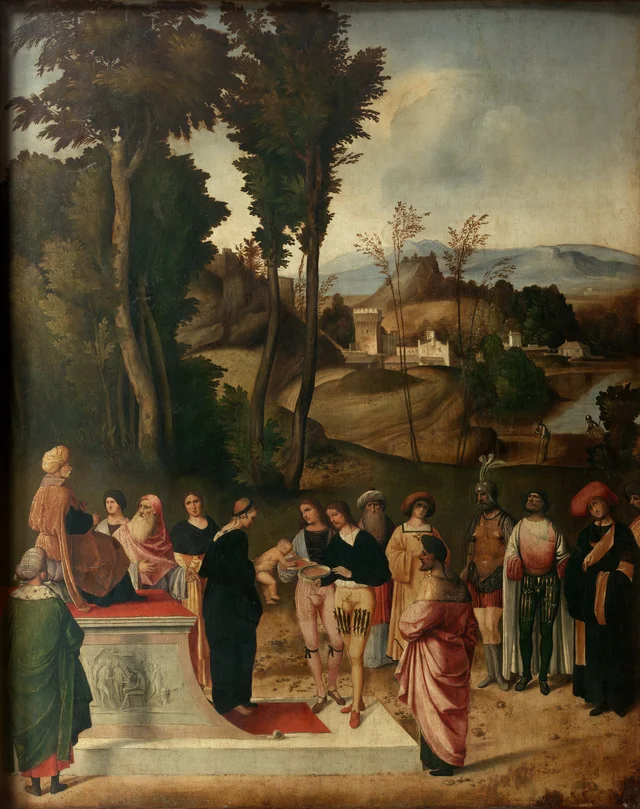 L'Épreuve du feu de MoïseGiorgione, 1505
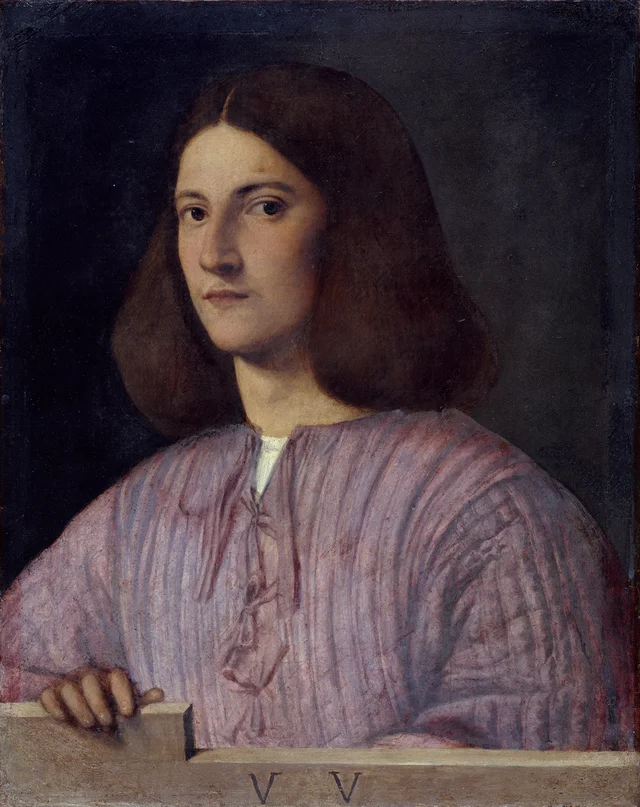 Portrait GiustinianiGiorgione, 1503
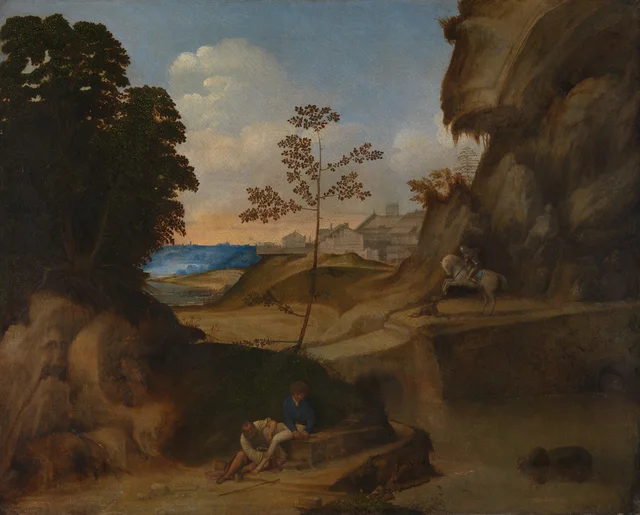 Le Coucher de soleilGiorgione, 1508
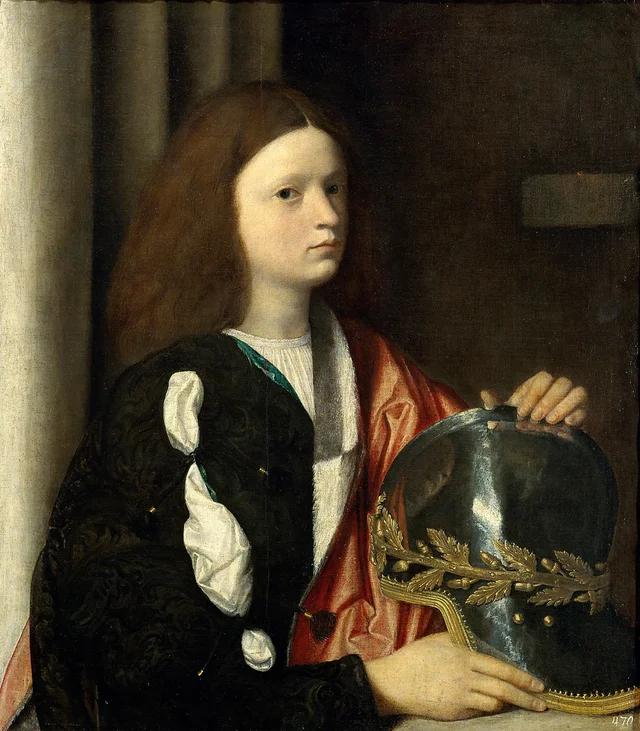 Portrait de Francesco Maria della RovereGiorgione, 1502
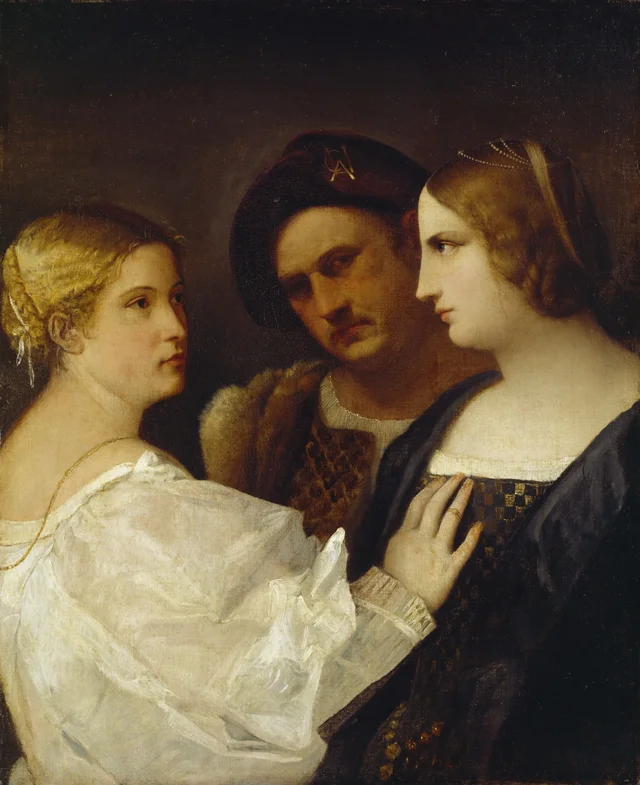 Trio de DetroitGiorgione, 1510
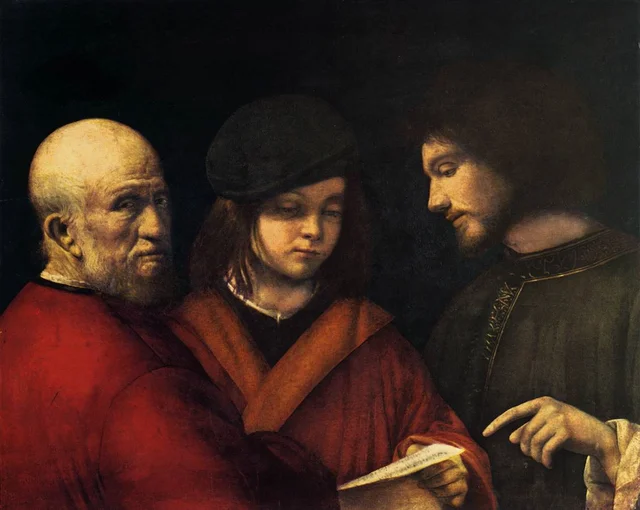 Les Trois Âges de l'hommeGiorgione, 1504
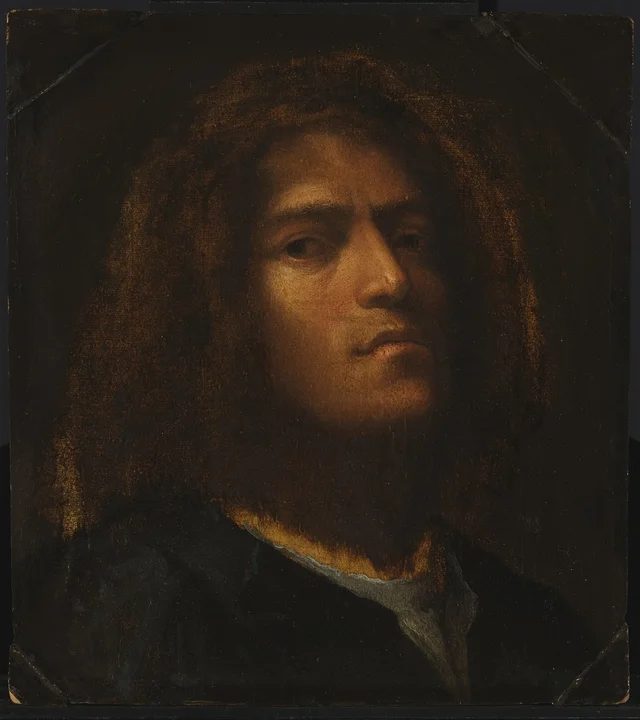 AutoportraitGiorgione, 1510
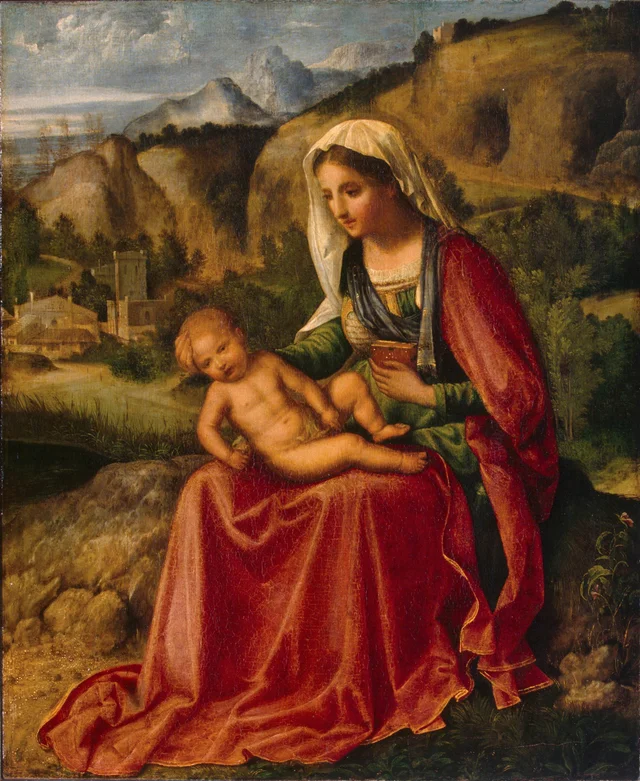 Vierge à l'Enfant dans un paysageGiorgione, 1498
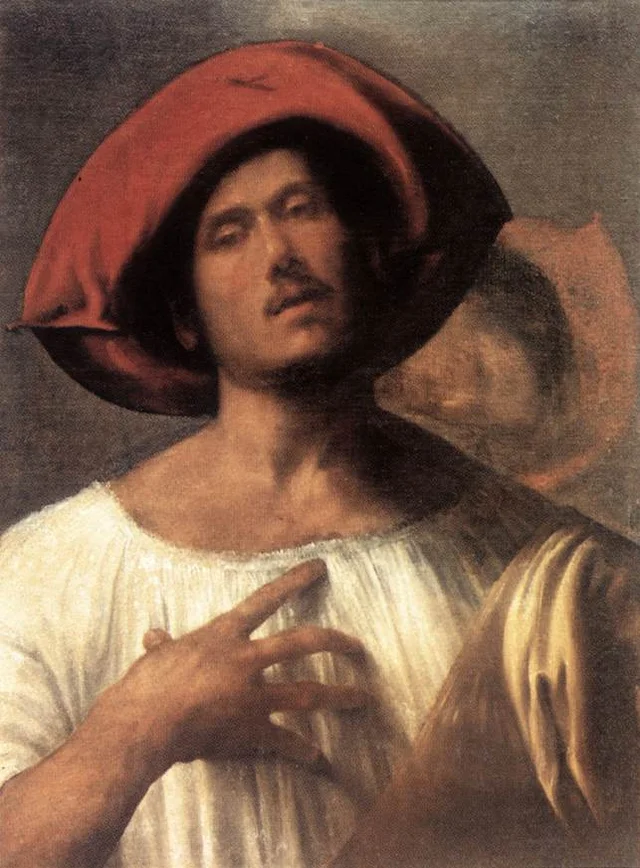 Le Chanteur passionnéGiorgione, 1508
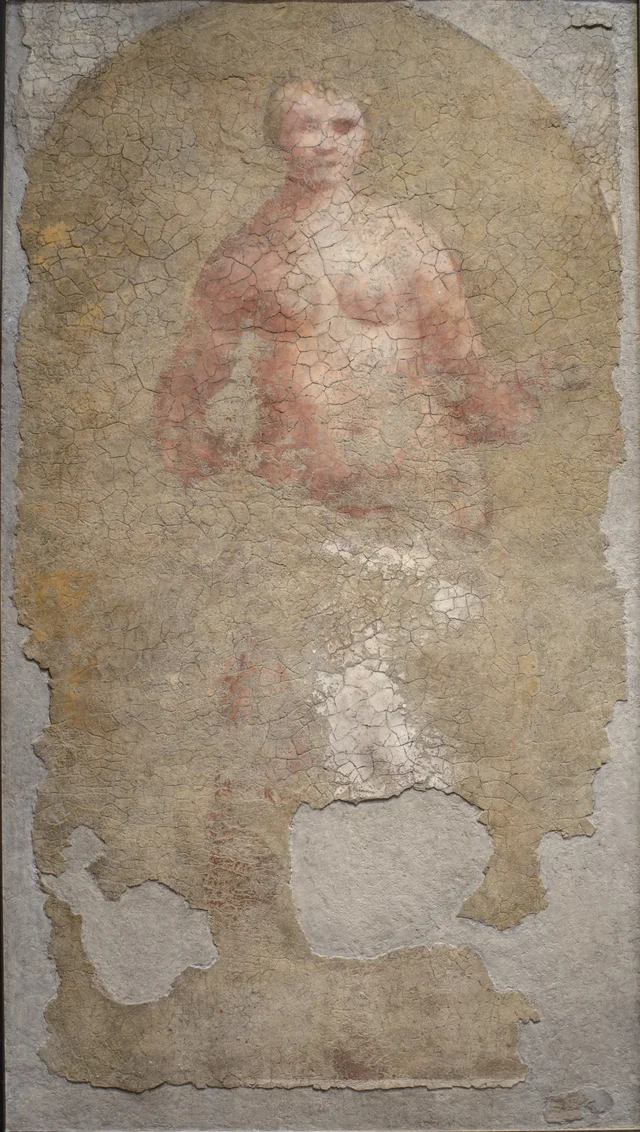 NuGiorgione, 1508
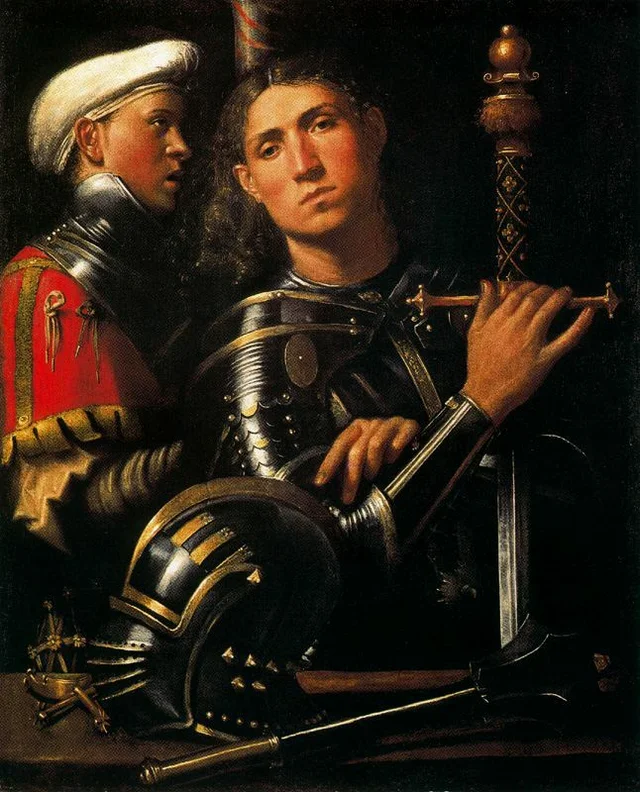 Portrait d'un soldat avec son écuyerGiorgione, 1502
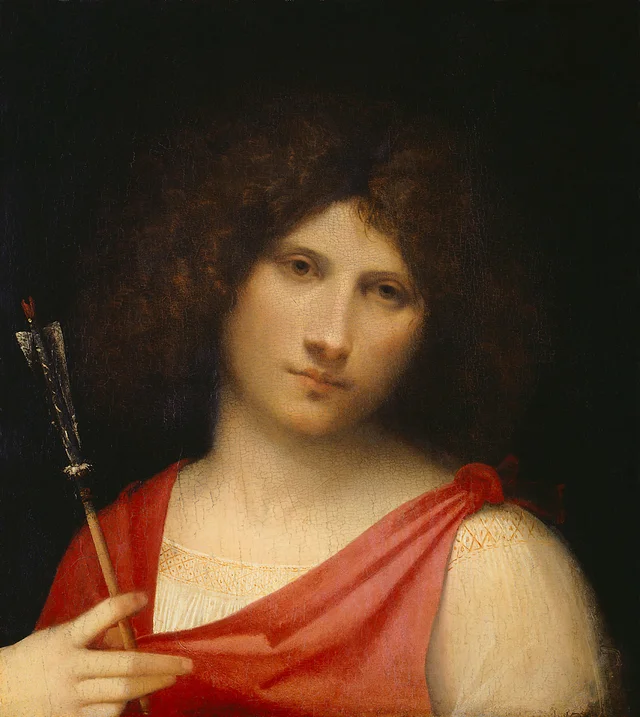 Jeune homme à la flècheGiorgione, 1505
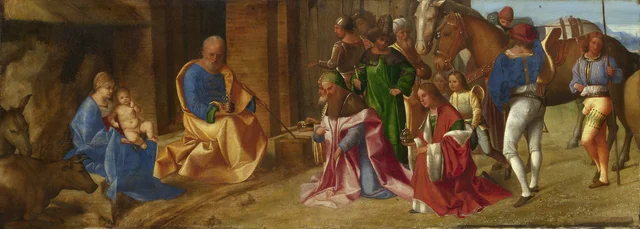 L'Adoration des MagesGiorgione, 1506
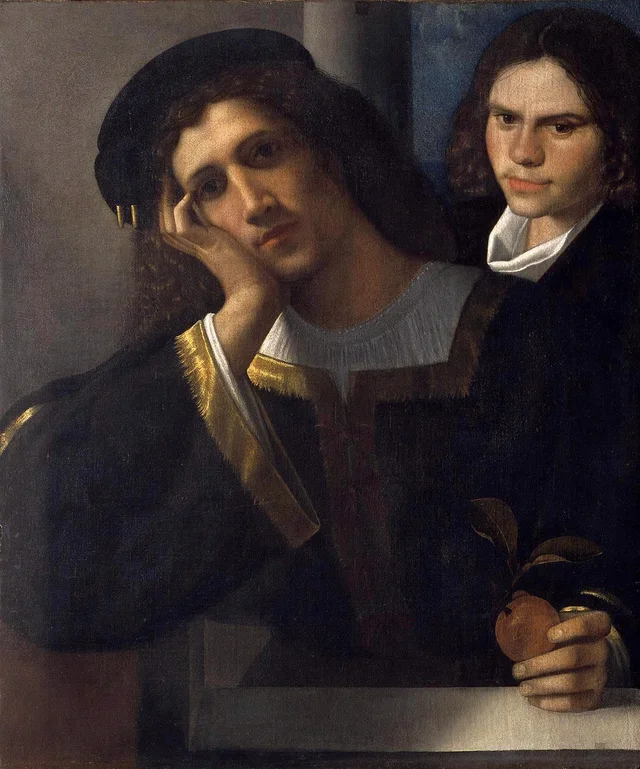 Double portraitGiorgione, 1502