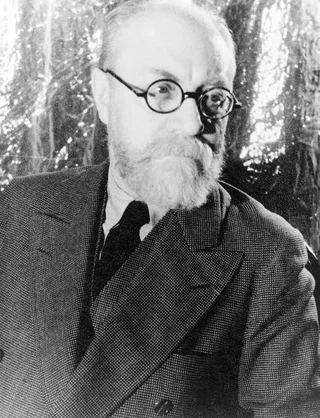
Henri Matisse
1869–1954 · France · Fauvisme
L'histoire
En janvier 1941, à Lyon, Matisse subit une opération pour un cancer de l'intestin, et l'intervention faillit le tuer. Il avait 71 ans. Les religieuses qui le soignèrent durant les complications prirent l'habitude de l'appeler le ressuscité, et lui-même semblait à moitié y croire. Pour le reste de sa vie, il parlera des années qui suivirent comme d'une seconde vie, une vie qu'il ne s'attendait pas à recevoir.
C'est de cette seconde vie que vient l'essentiel du Matisse que l'on aime aujourd'hui. Alité, puis confiné dans un fauteuil roulant, il ne pouvait plus se tenir des heures durant devant un chevalet. Il revint alors à quelque chose qu'il n'avait fait qu'effleurer auparavant. Il faisait peindre par des assistants des feuilles de papier en gouache plate et saturée, puis il découpait lui-même des formes dedans avec de grands ciseaux — un plongeur, une feuille, un oiseau, un nu réduit à quelques courbes bleues. Il appelait cela dessiner aux ciseaux, et il épinglait les pièces aux murs de sa chambre, les réarrangeant comme un jardin qu'il pouvait parcourir sans se lever.
L'éditeur Tériade vit les premières de ces œuvres et le poussa vers un livre, qui devint Jazz en 1947, ses acrobates et ses formes de cirque imprimés à partir du papier découpé. Vint ensuite la plus vaste de ses œuvres tardives, la chapelle du Rosaire de Vence, qu'il conçut entre 1948 et 1951 jusque dans ses vitraux, ses murs carrelés, son crucifix et les vêtements liturgiques des prêtres. Il avait dépassé quatre-vingts ans lorsqu'elle fut achevée, travaillant depuis son lit avec un morceau de fusain attaché au bout d'une longue perche de bambou pour atteindre le mur, traçant d'un seul trait ininterrompu les visages des saints.
Autres articles
Œuvres
200 œuvres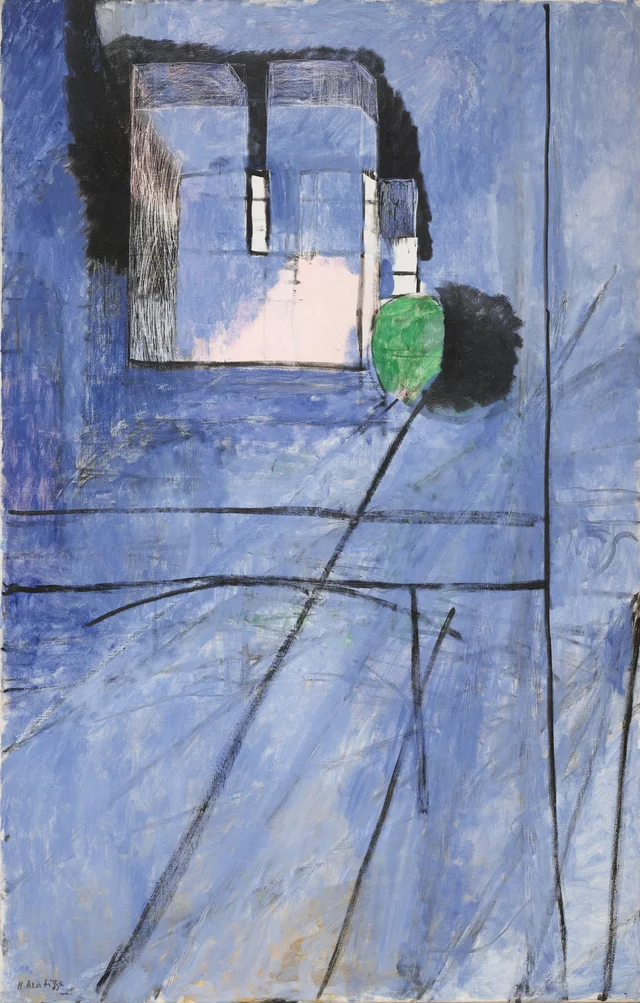 Vue de Notre-DameHenri Matisse, 1914
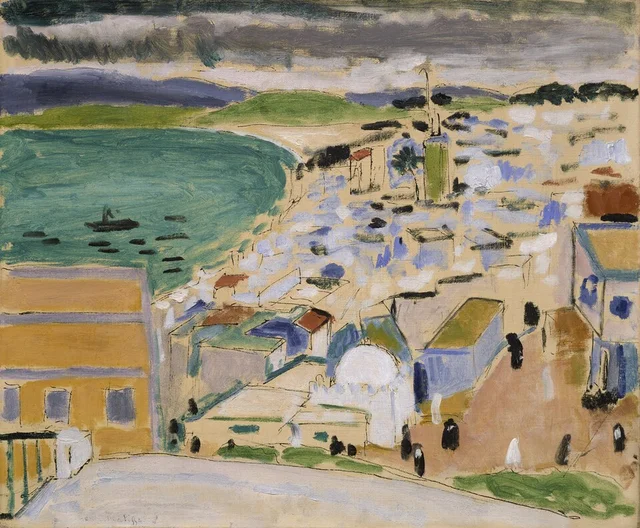 Vue sur la baie de TangerHenri Matisse, 1912
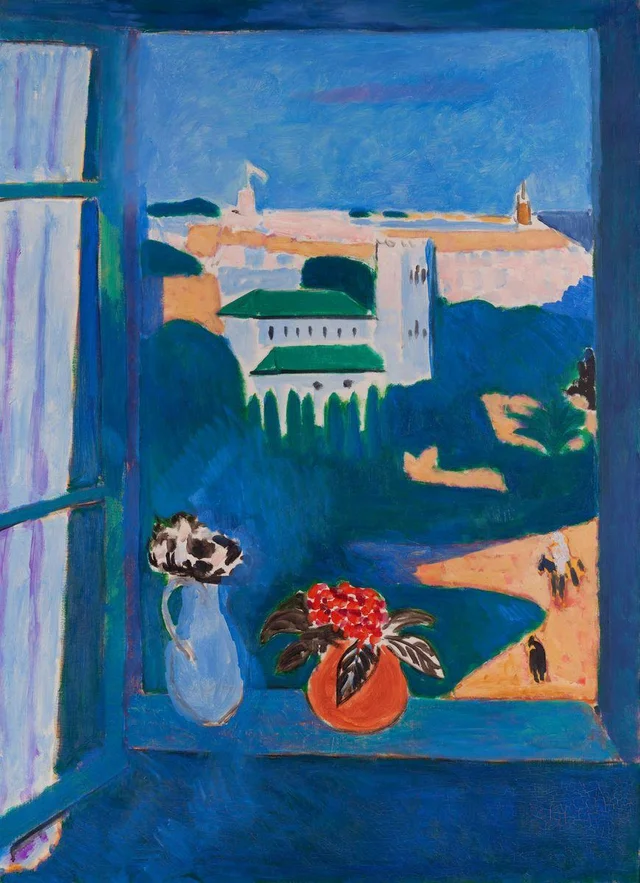 Fenêtre à TangerHenri Matisse, 1912
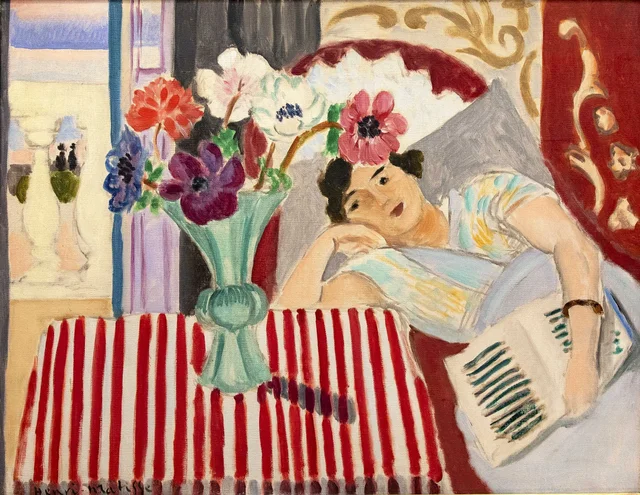 Femme aux anémonesHenri Matisse, 1921
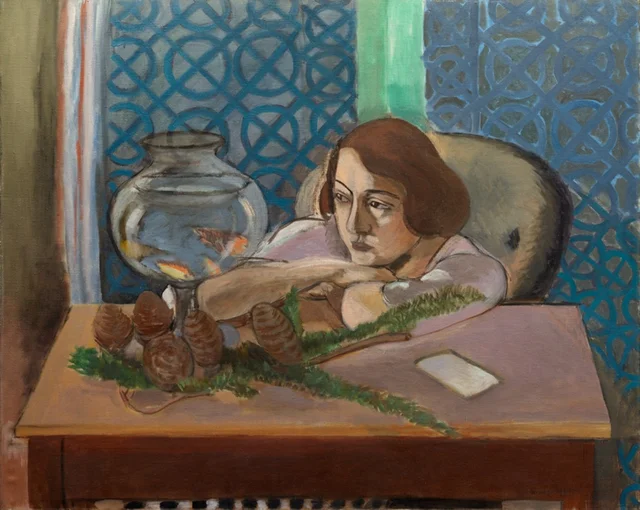 Femme devant un aquariumHenri Matisse, 1922
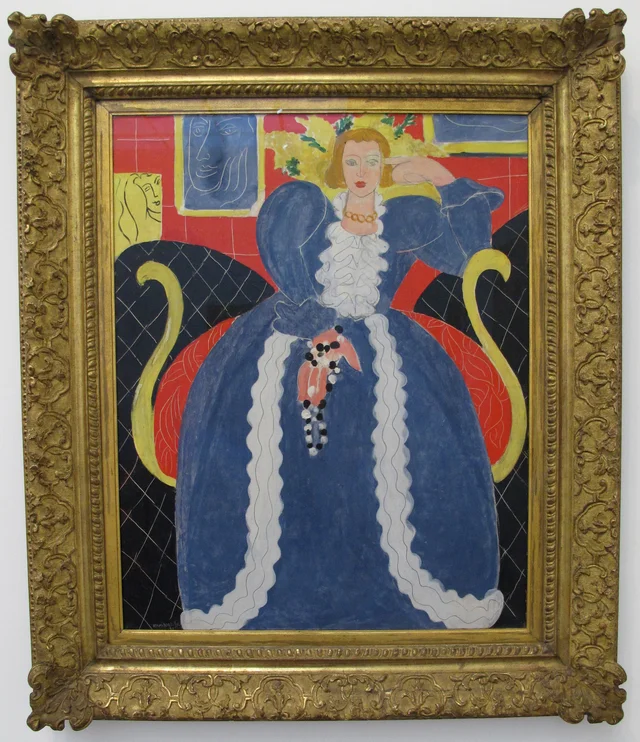 Femme en bleuHenri Matisse, 1937
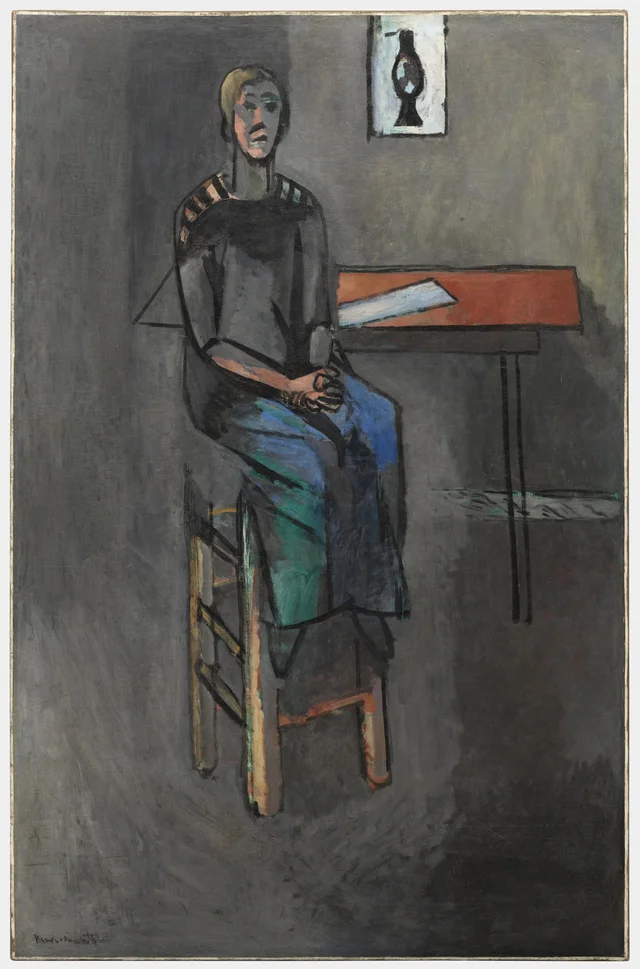 Femme sur un tabouret hautHenri Matisse, 1914
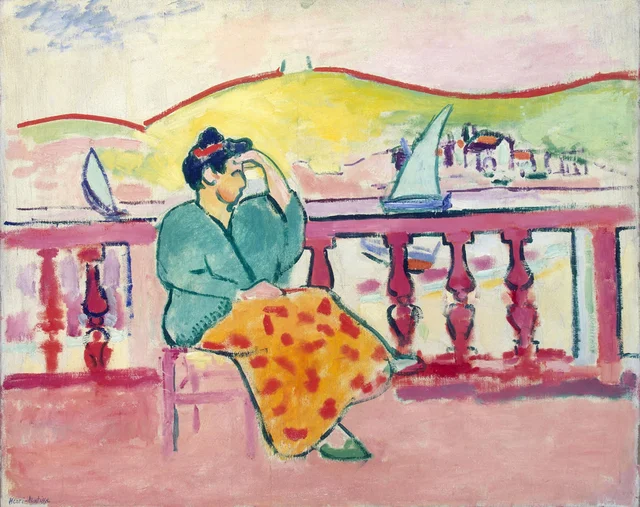 Femme sur une terrasseHenri Matisse, 1907
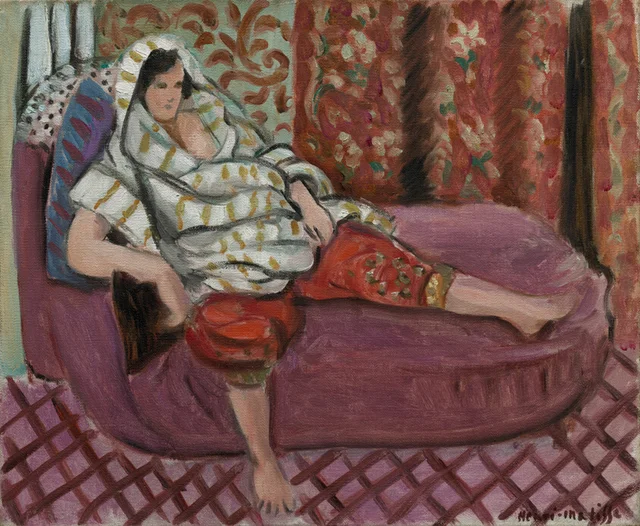 Femme sur un divan roseHenri Matisse, 1921
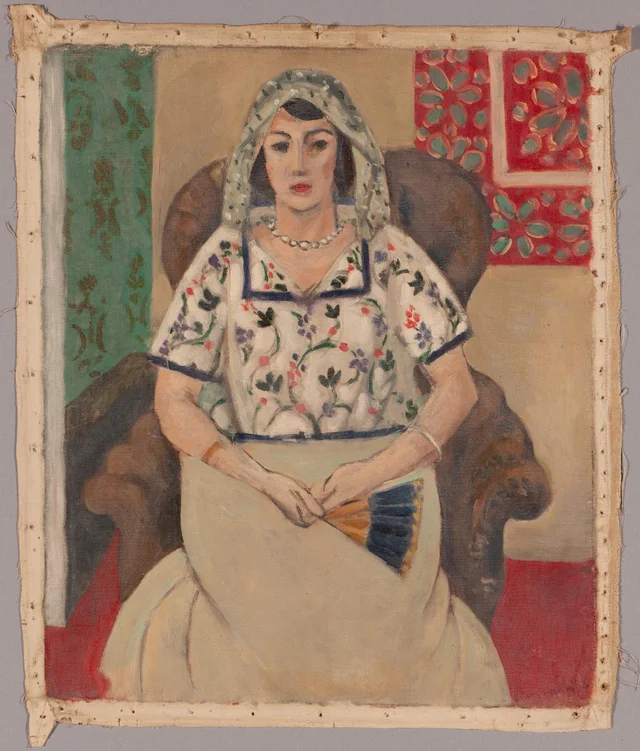 Femme assise dans un fauteuilHenri Matisse, 1923
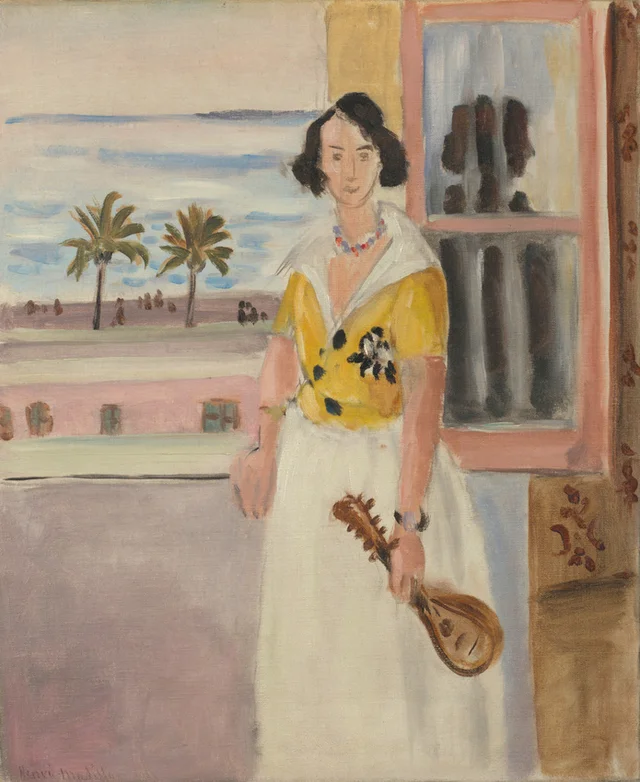 Femme à la mandolineHenri Matisse, 1921
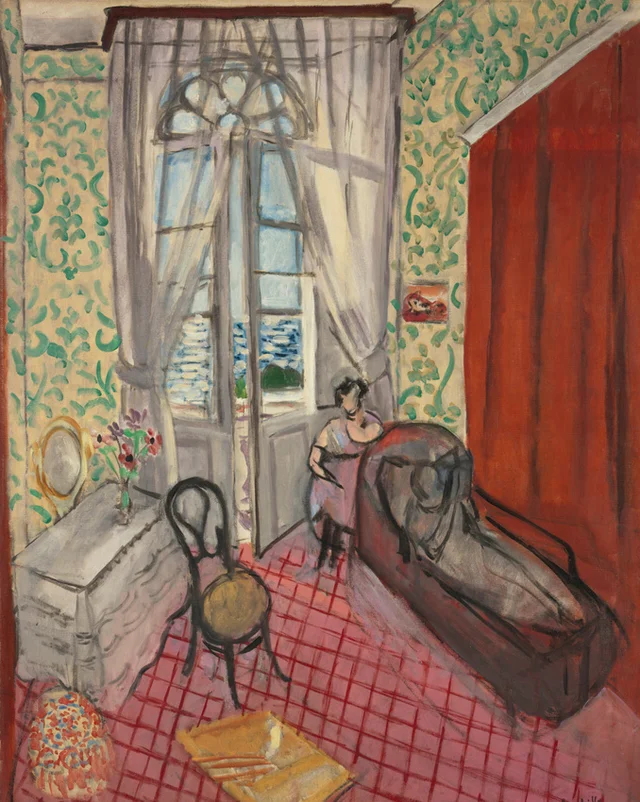 Femmes au canapéHenri Matisse, 1921
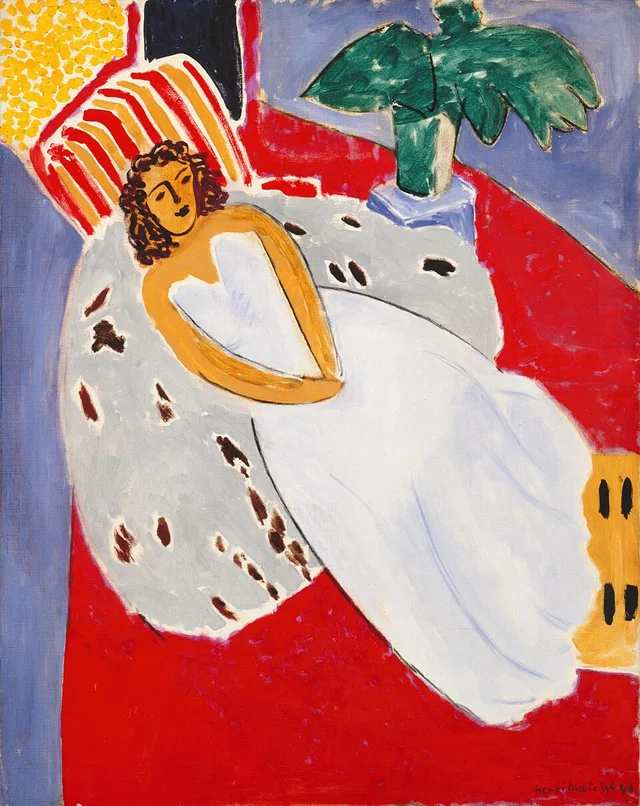 Jeune femme en blanc sur fond rougeHenri Matisse, 1946
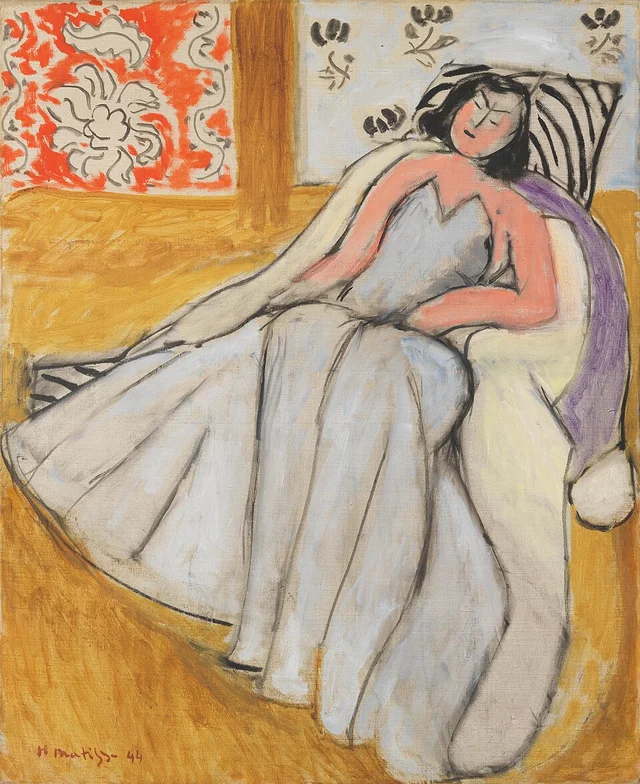 Jeune femme allongée sur une fourrure blancheHenri Matisse, 1944
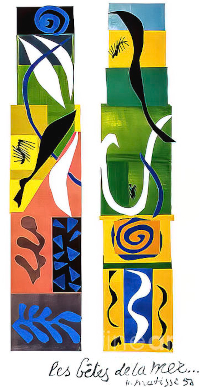 Les Bêtes de la merHenri Matisse, 1950
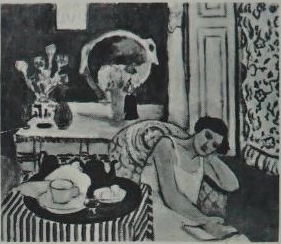 Le Petit-déjeunerHenri Matisse, 1920
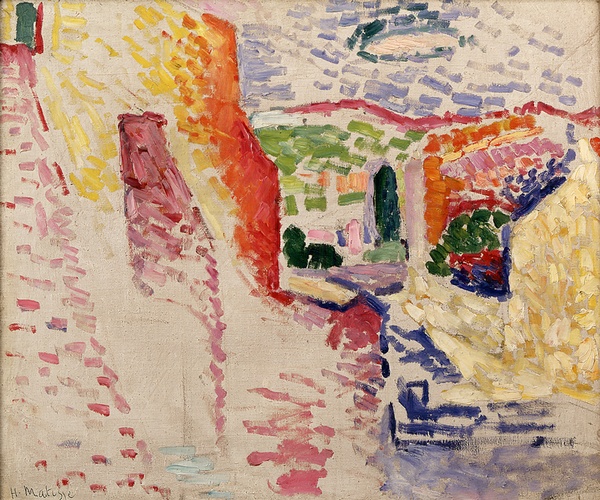 Collioure, rue du SoleilHenri Matisse, 1905
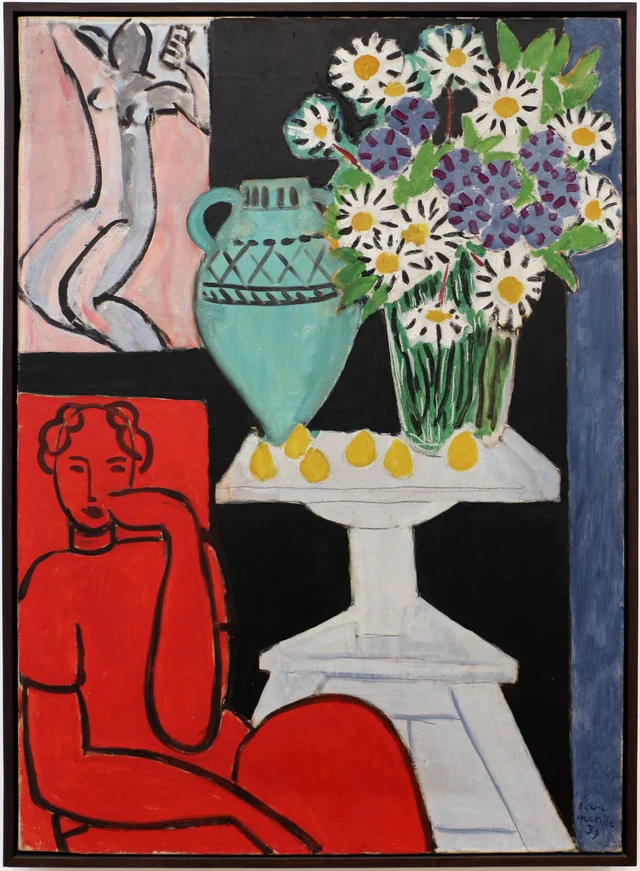 MargueritesHenri Matisse, 1939
 Danseuse, fond noir, fauteuil rocailleHenri Matisse, 1942
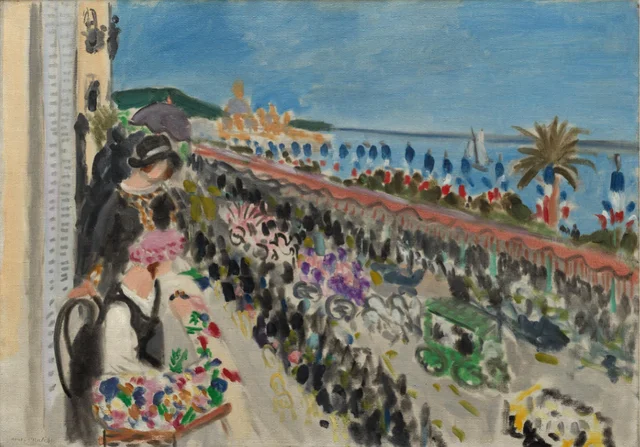 Fête des fleurs, NiceHenri Matisse, 1923
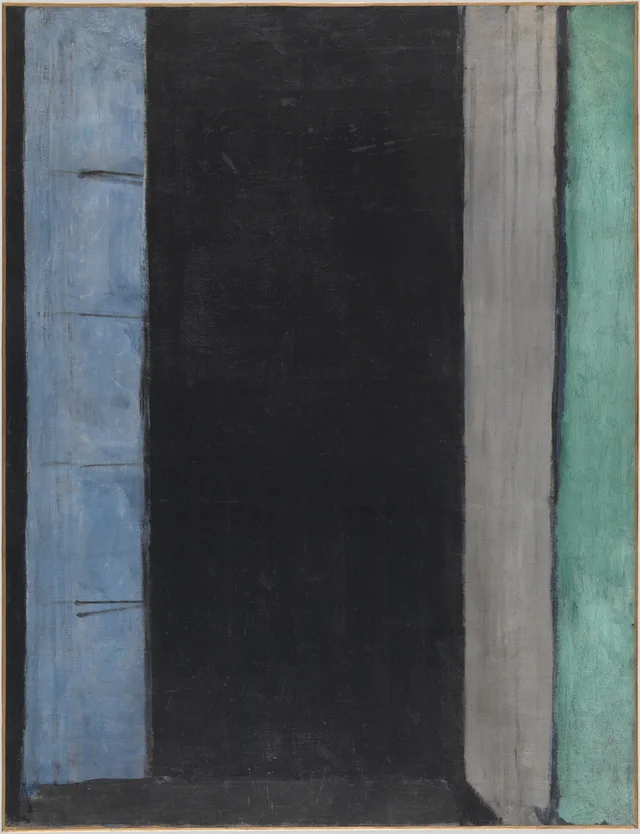 Porte-fenêtre à CollioureHenri Matisse, 1914
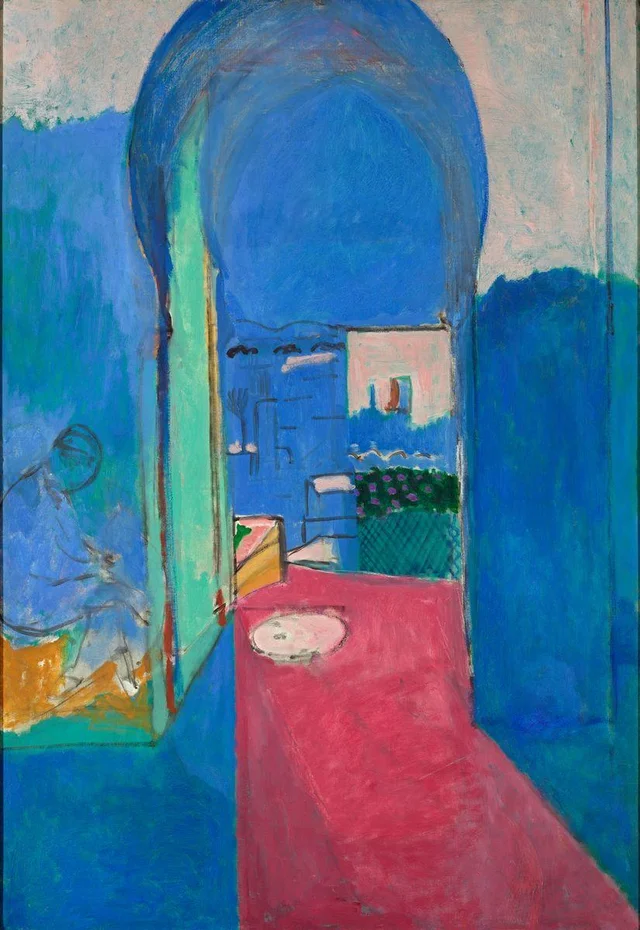 Porte de la CasbahHenri Matisse, 1912
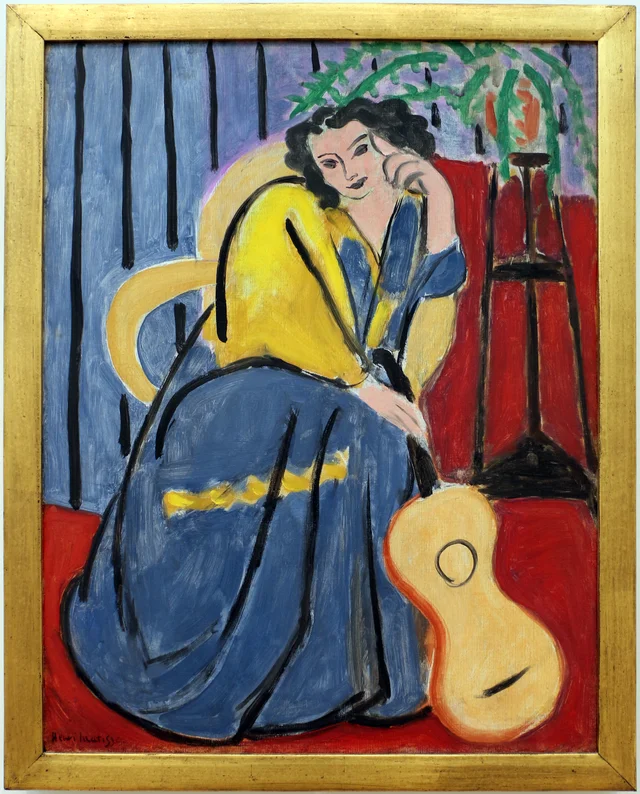 Jeune fille en jaune et bleu avec guitareHenri Matisse, 1939
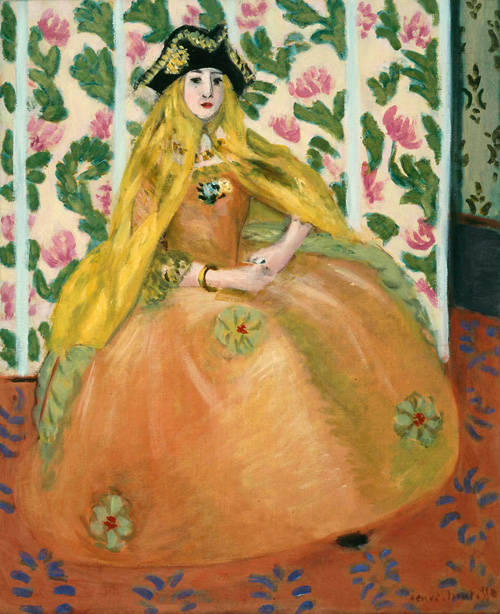 Jeune fille au tricorneHenri Matisse, 1923
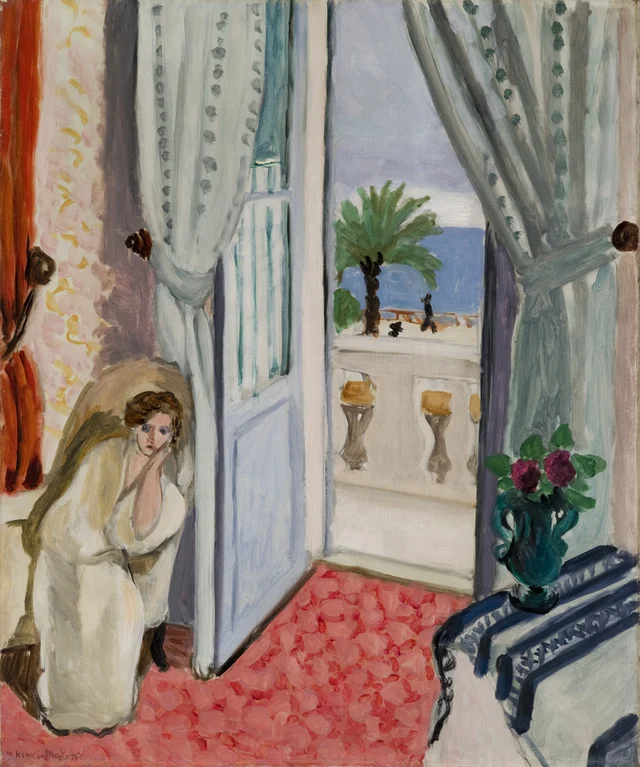 Intérieur à NiceHenri Matisse, 1919