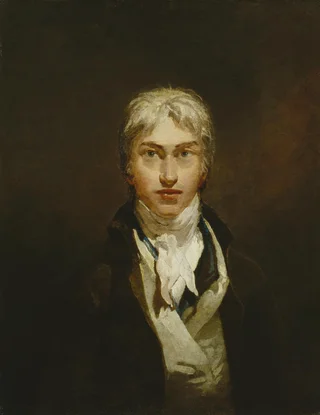
J. M. W. Turner
1775–1851 · Royaume de Grande-Bretagne · Romantisme
L'histoire
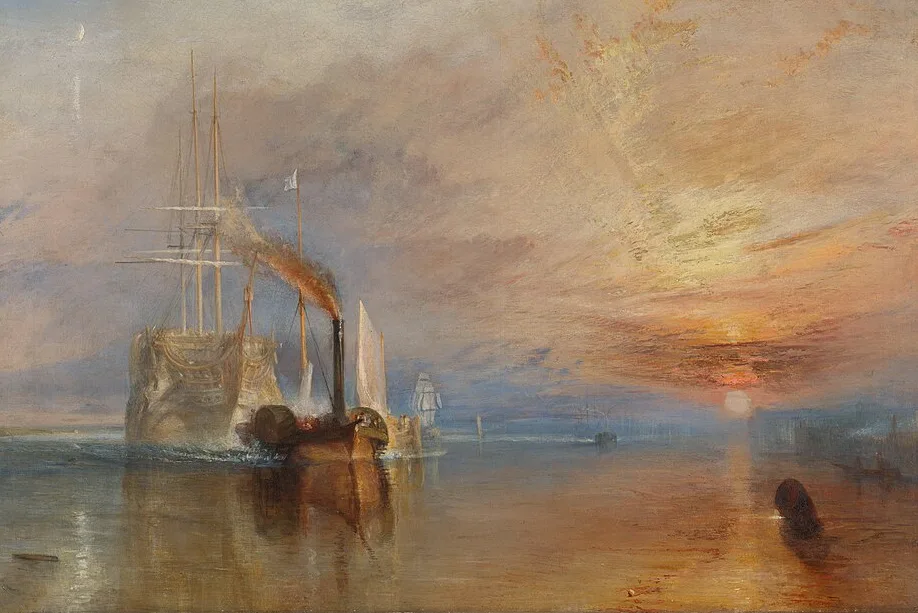
En 1838, un vieux navire de guerre fut remorqué sur la Tamise pour y être démantelé. C'était le Téméraire, qui avait combattu à la bataille de Trafalgar en 1805, et voilà qu'un petit remorqueur à aubes, noir de suie, traînait sa coque vers le chantier de démolition. Turner peignit cet instant, le fantôme pâle du navire à voiles luisant contre un coucher de soleil embrasé tandis que le remorqueur noir peine devant lui, et le tableau devint un adieu silencieux à l'ère de la voile à mesure que la vapeur la remplaçait. Il refusa de le vendre jusqu'à la fin de sa vie.
Turner était le fils d'un barbier de Covent Garden ; il entra à 14 ans dans les écoles de la Royal Academy, puis passa soixante ans à poursuivre une seule chose par-dessus tout, le comportement de la lumière dans l'air. Il voyageait sans cesse carnet de croquis en main, observant orages, incendies, et la brume nouvelle de l'industrie, et poussa ses toiles tardives jusqu'à ce que la forme solide se dissolve presque en éblouissement et vapeur.
Il continua de peindre le monde changeant qui l'entourait. Dans Pluie, vapeur et vitesse, de 1844, il lança un train du Great Western Railway se ruant sur un pont sous une averse, l'une des premières grandes images de l'ère de la machine. À sa mort en 1851, il laissa à la nation britannique près de 300 tableaux achevés et des dizaines de milliers d'esquisses et d'aquarelles, à condition qu'ils restent réunis.
Autres articles
Œuvres
173 œuvres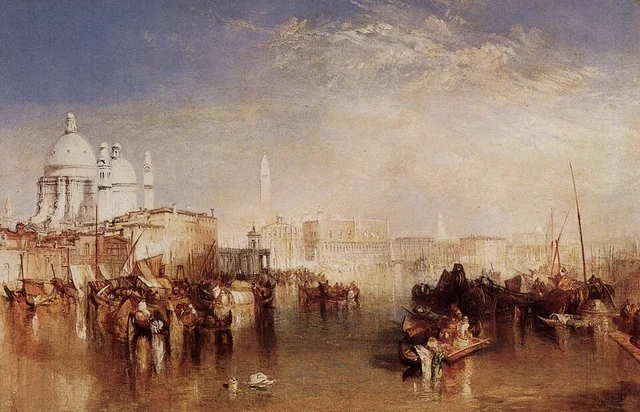 Venise vue de la GiudeccaJ. M. W. Turner, 1840
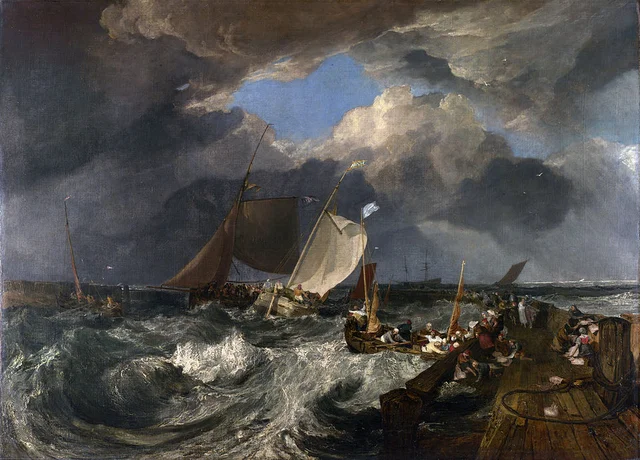 La Jetée de CalaisJ. M. W. Turner, 1803
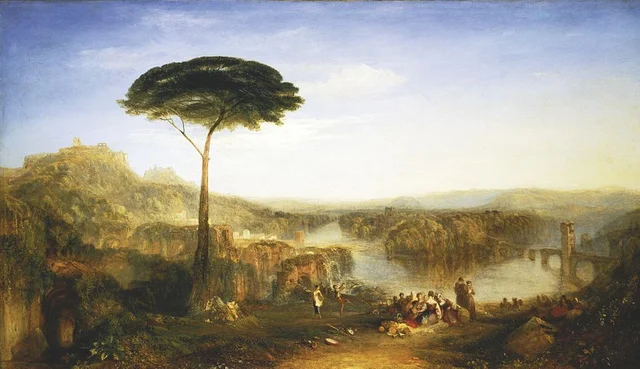 Le Pèlerinage de Childe Harold – ItalieJ. M. W. Turner, 1832
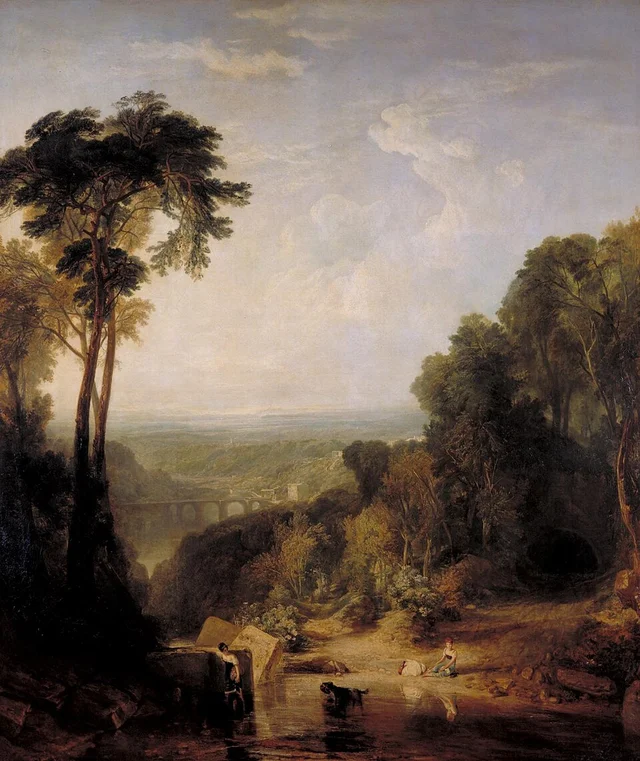 Traversant le ruisseauJ. M. W. Turner, 1815
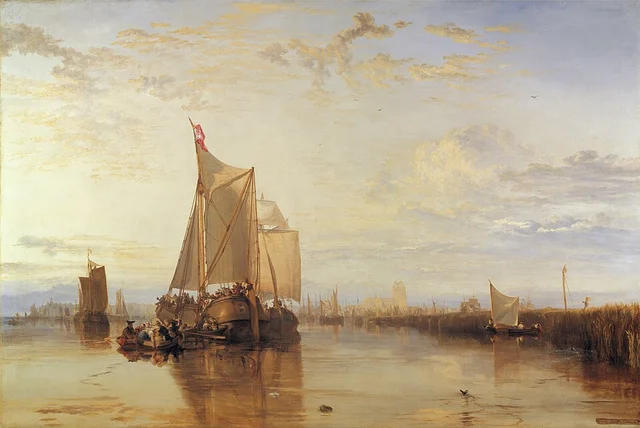 Dort, ou Dordrecht : le paquebot de Dort venant de Rotterdam encalminéJ. M. W. Turner, 1818
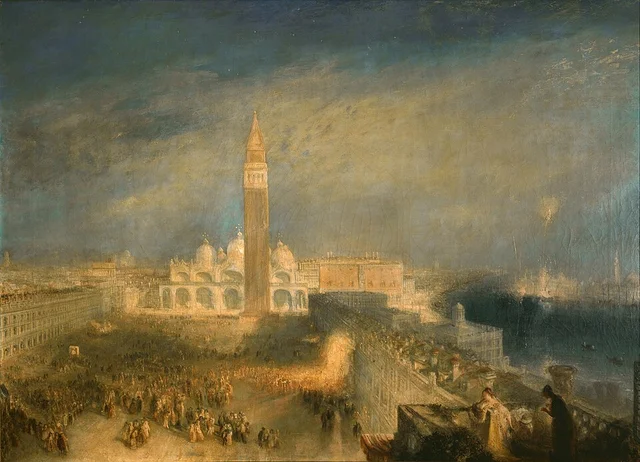 Juliette et sa nourriceJ. M. W. Turner, 1836
 Port RuysdaelJ. M. W. Turner, 1827
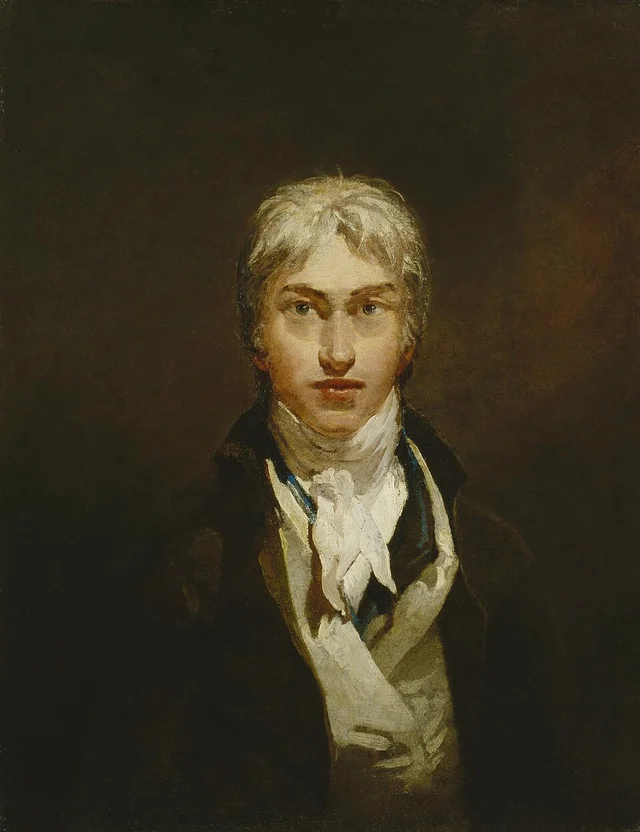 AutoportraitJ. M. W. Turner, 1799
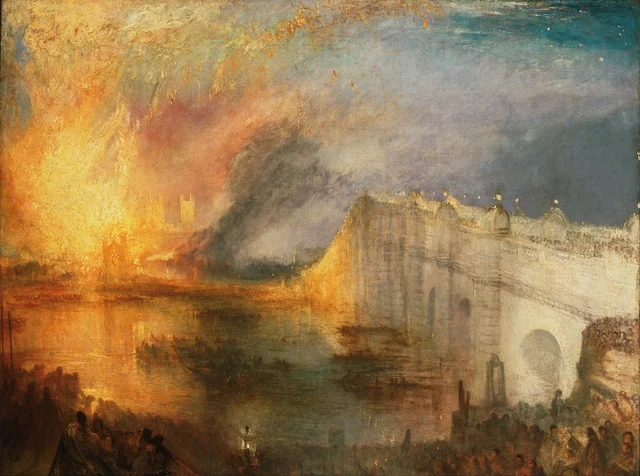 L'Incendie des chambres du ParlementJ. M. W. Turner, 1834
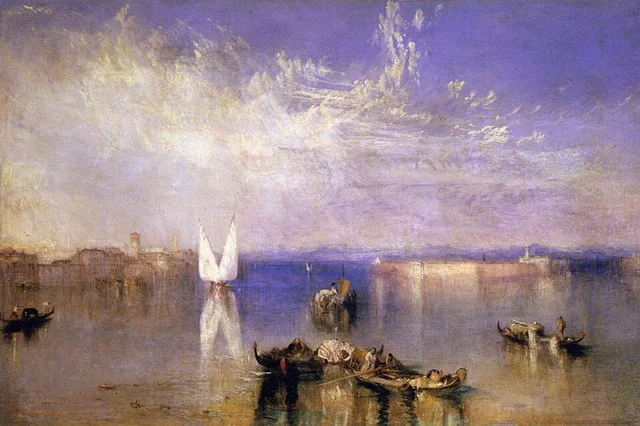 Le Campo SantoJ. M. W. Turner, 1842
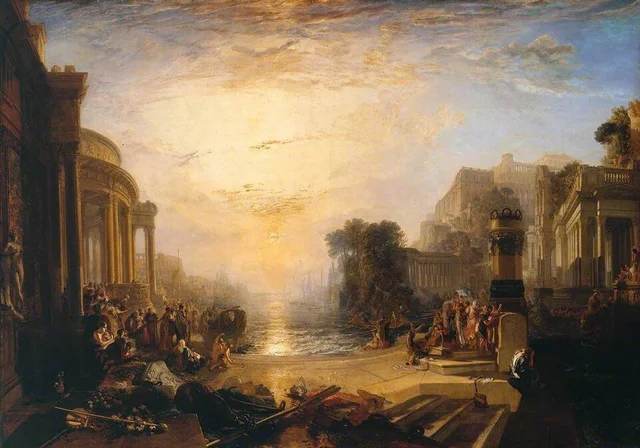 Le Déclin de l'Empire carthaginois...J. M. W. Turner, 1817
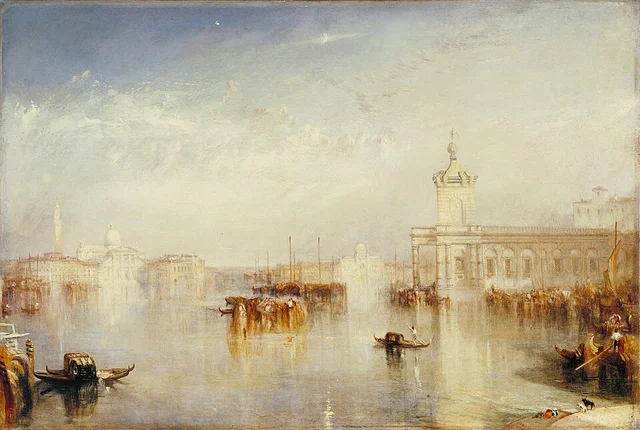 Le Dogano, San Giorgio, Citella, depuis les marches de l'EuropaJ. M. W. Turner, 1842
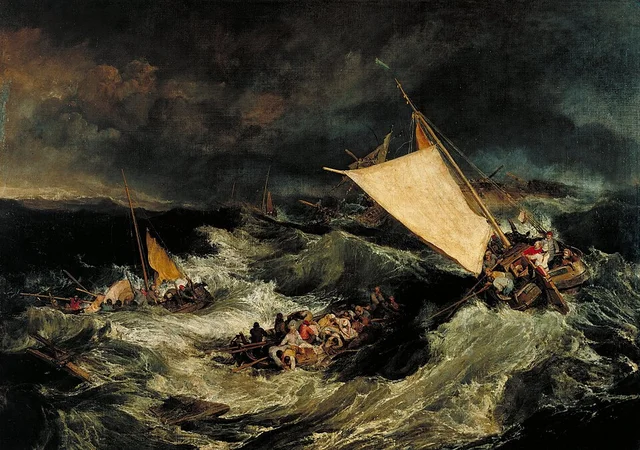 Le NaufrageJ. M. W. Turner, 1805
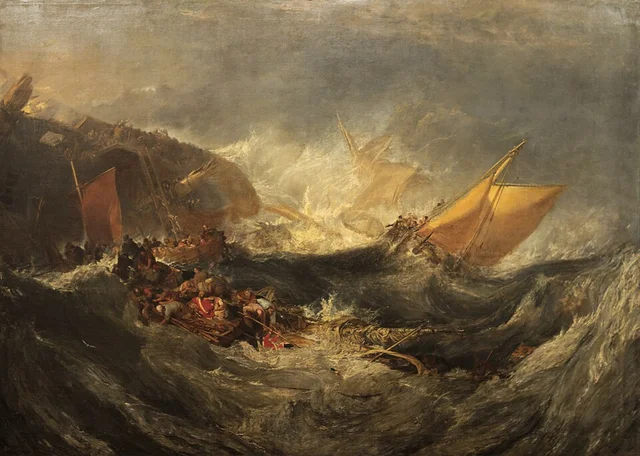 Le Naufrage d'un navire de transportJ. M. W. Turner, 1810
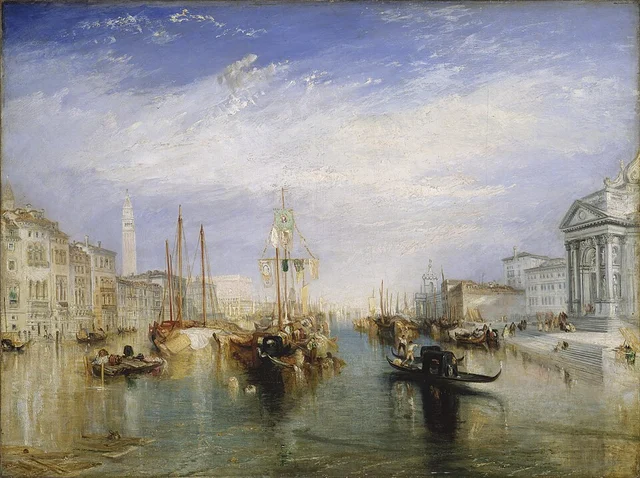 Venise, depuis le porche de la Madonna della SaluteJ. M. W. Turner, 1835
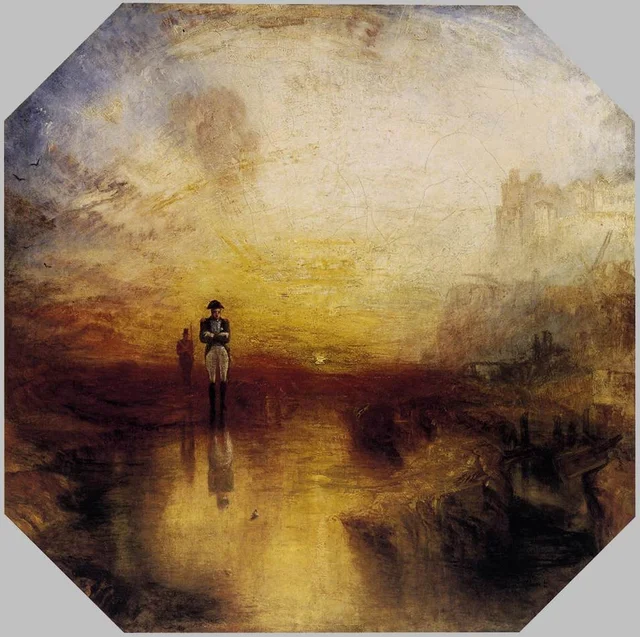 La Guerre. L'Exilé et le patelleJ. M. W. Turner, 1842
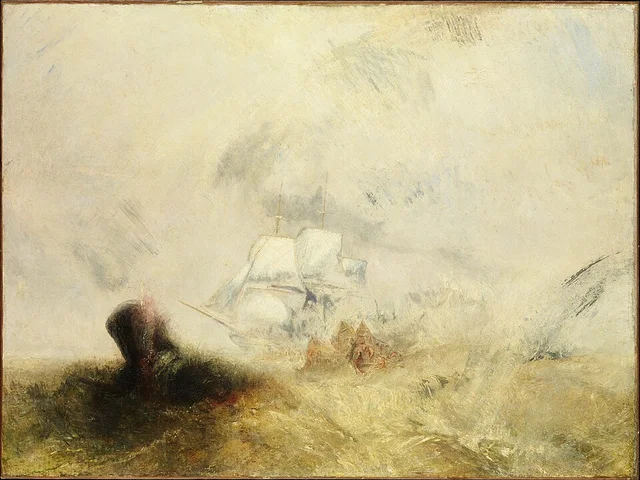 BaleiniersJ. M. W. Turner, 1845
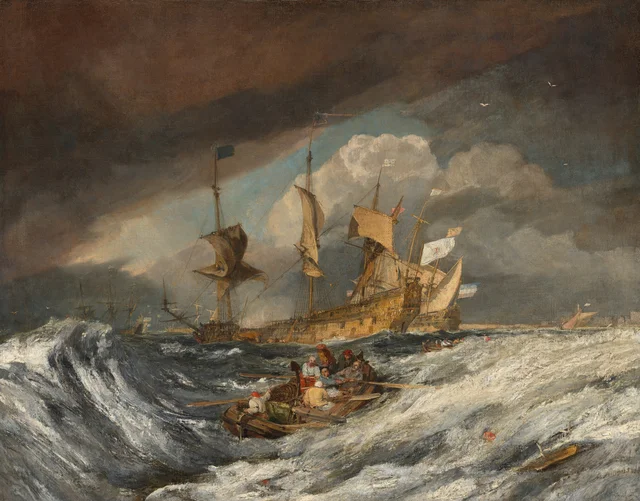 Bateaux transportant des ancres vers les navires de guerre hollandaisJ. M. W. Turner, 1804
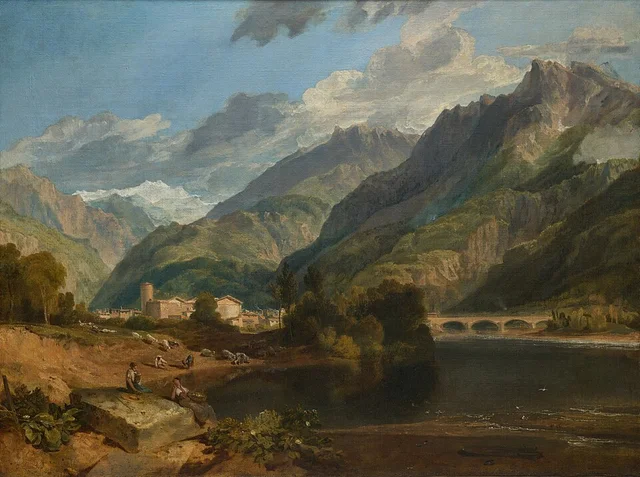 Bonneville, SavoieJ. M. W. Turner, 1803
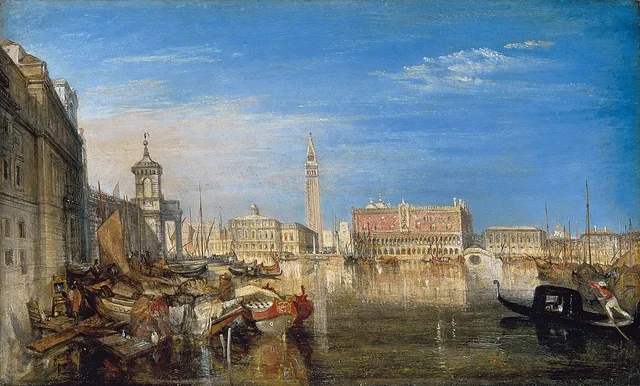 Le Pont des Soupirs, le Palais des Doges et la Douane, Venise : peinture à la CanalettoJ. M. W. Turner, 1833
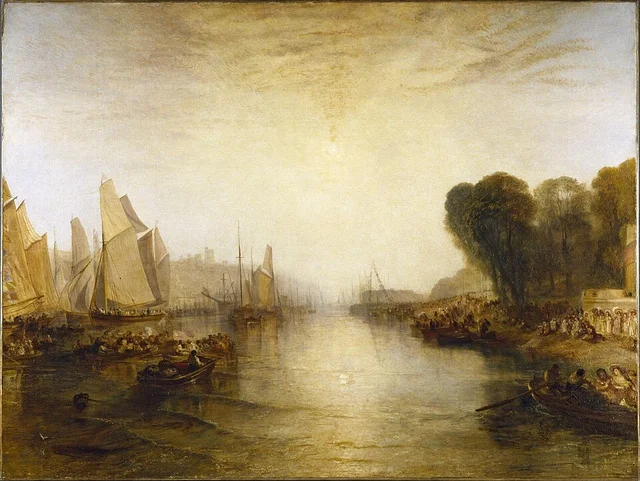 Le château d'East Cowes, demeure de John Nash, Esq. ; la régate partant pour ses mouillagesJ. M. W. Turner, 1827
 Bateaux de pêche avec des marchandes marchandant le poissonJ. M. W. Turner, 1837
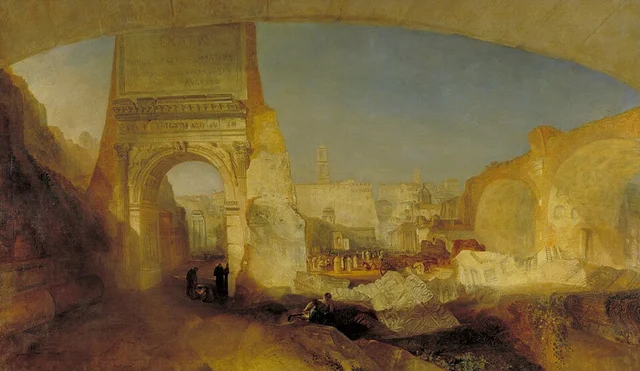 Forum Romanum, pour le musée de M. SoaneJ. M. W. Turner, 1826
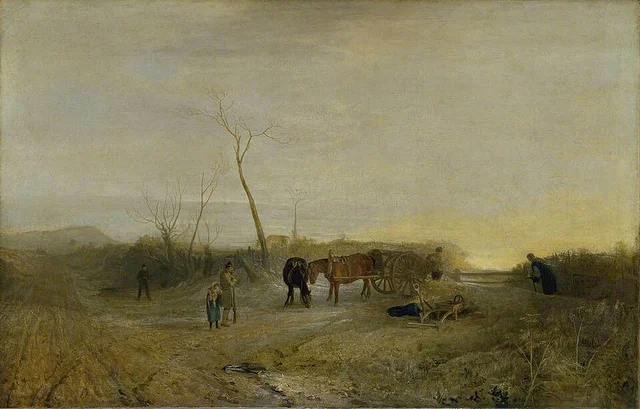 Matin glacialJ. M. W. Turner, 1813
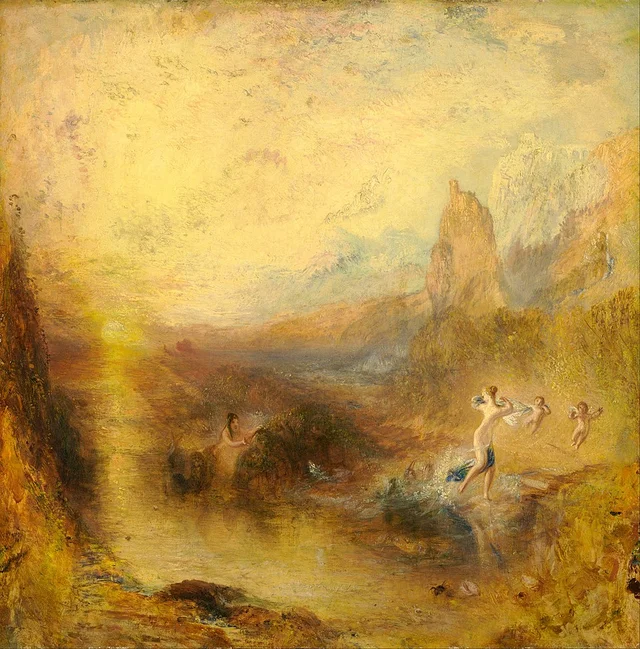 Glaucus et ScyllaJ. M. W. Turner, 1841