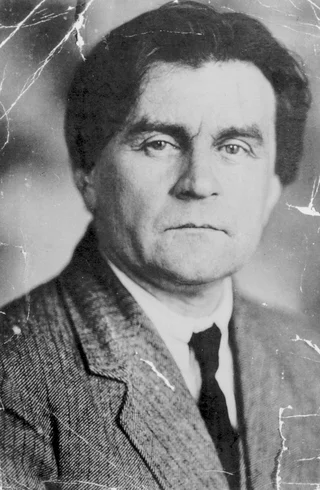
Kazimir Malevitch
1878–1935 · Empire russe · Suprématisme
L'histoire
En décembre 1915, alors que la Russie, deux ans après le début d'une guerre qu'elle était en train de perdre, approchait de la révolution, Malevitch accrocha un petit tableau représentant un carré noir sur fond blanc tout en haut d'un angle de la galerie, à Petrograd. Cet angle était traditionnellement, dans une maison russe, celui où l'on plaçait l'icône sacrée, et tout le monde dans la salle saisit le geste. Il appela l'exposition 0.10, la dernière exposition futuriste, et soutint qu'il fallait ramener la peinture à zéro pour tout recommencer.
Il baptisa ce nouvel art le suprématisme : des formes colorées plates flottant sur du blanc, répondant au sentiment pur plutôt qu'aux arbres, aux visages ou aux objets. Pendant quelques années après la révolution de 1917, cette œuvre radicale surfa sur la vague nouvelle, et Malevitch enseigna, publia, et bâtit avec ses carrés et ses croix tout un système de formes.
Puis la politique changea de cap. Sous Staline, l'État voulut un réalisme que les gens ordinaires pouvaient comprendre, et l'abstraction fut repoussée en marge. En 1930, Malevitch fut arrêté et interrogé pendant des semaines, et dans ses dernières années il revint à des paysans et des portraits reconnaissables, tout en glissant souvent un petit carré noir comme signature privée. À sa mort en 1935, ses amis l'exposèrent sous un carré noir, et marquèrent sa tombe d'un carré noir.
Œuvres
26 œuvres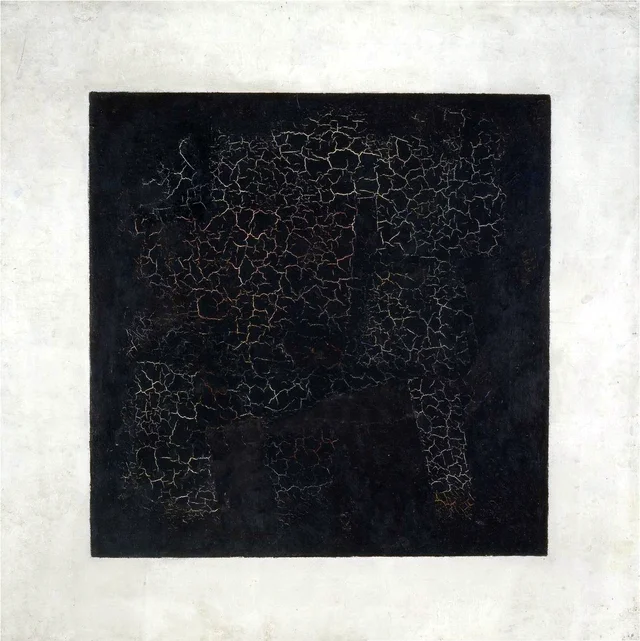 Carré noir (1915)Kazimir Malevitch, 1915
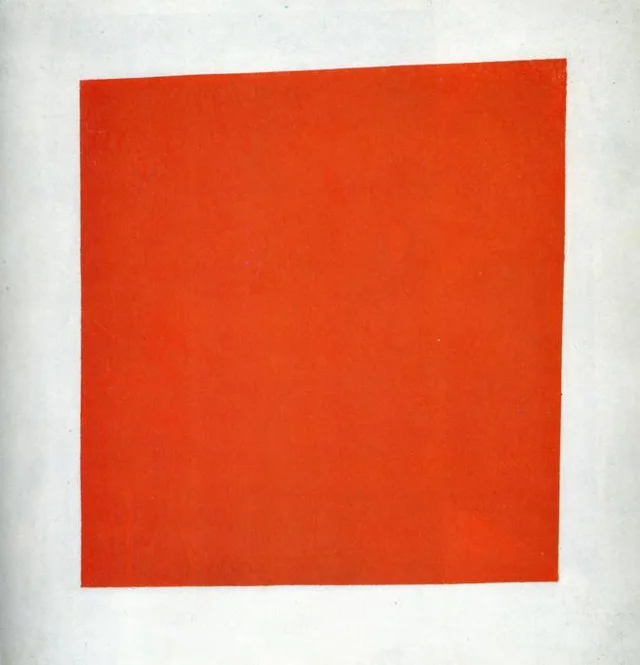 Carré rougeKazimir Malevitch, 1915
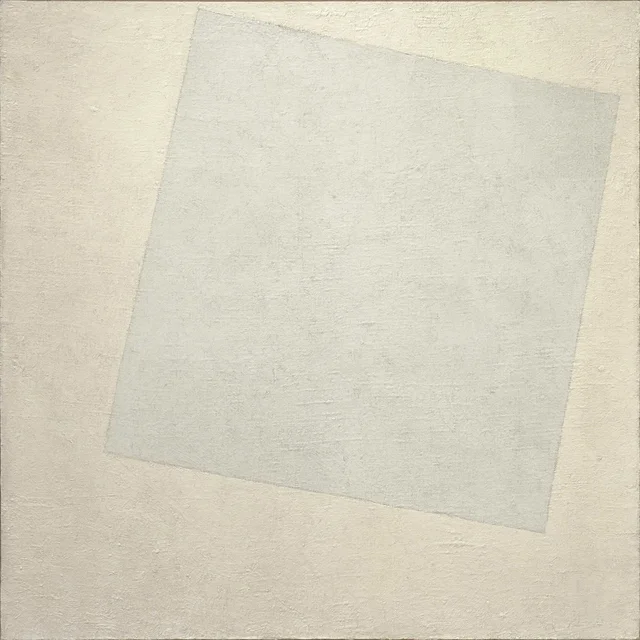 Blanc sur blancKazimir Malevitch, 1918
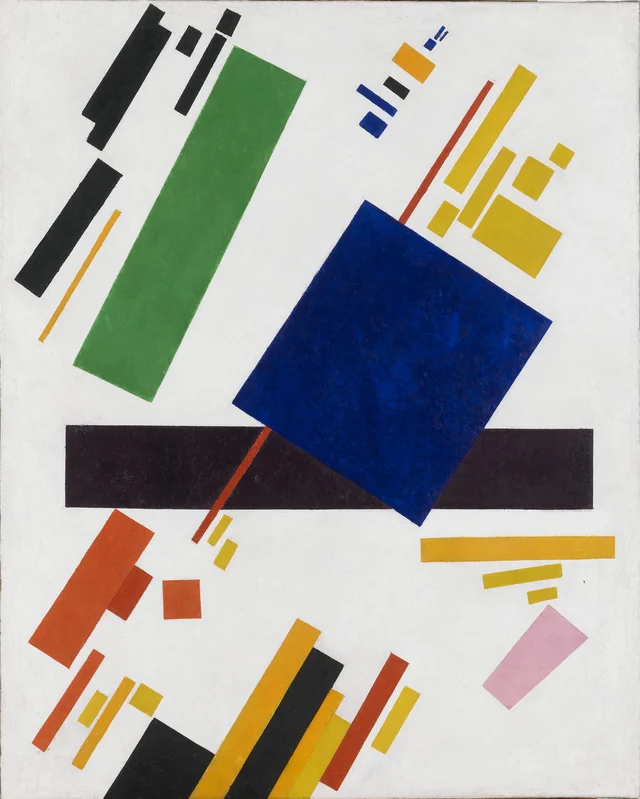 Composition suprématisteKazimir Malevitch, 1916
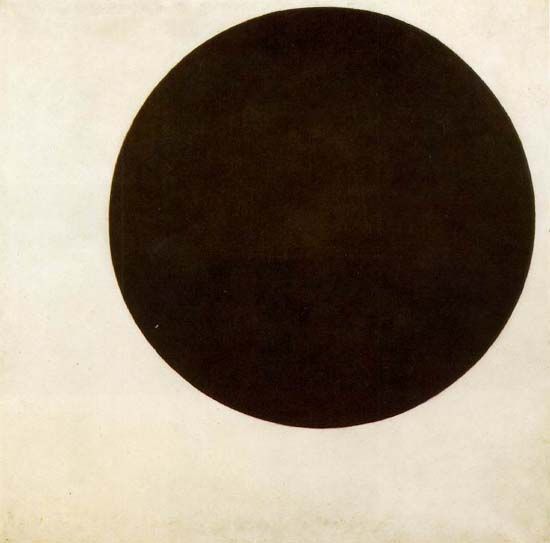 Cercle noirKazimir Malevitch, 1924
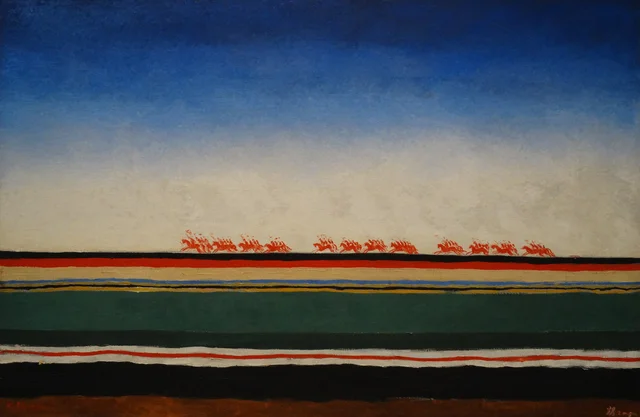 La Cavalerie rougeKazimir Malevitch, 1932
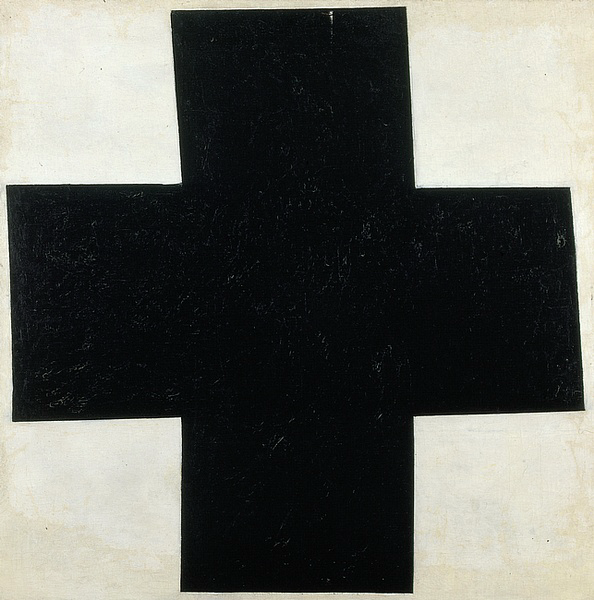 Croix noireKazimir Malevitch, 1915
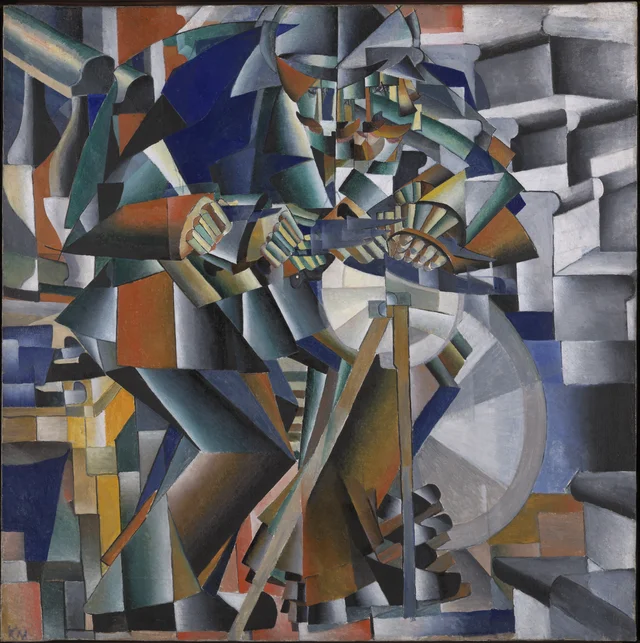 Le rémouleurKazimir Malevitch, 1912
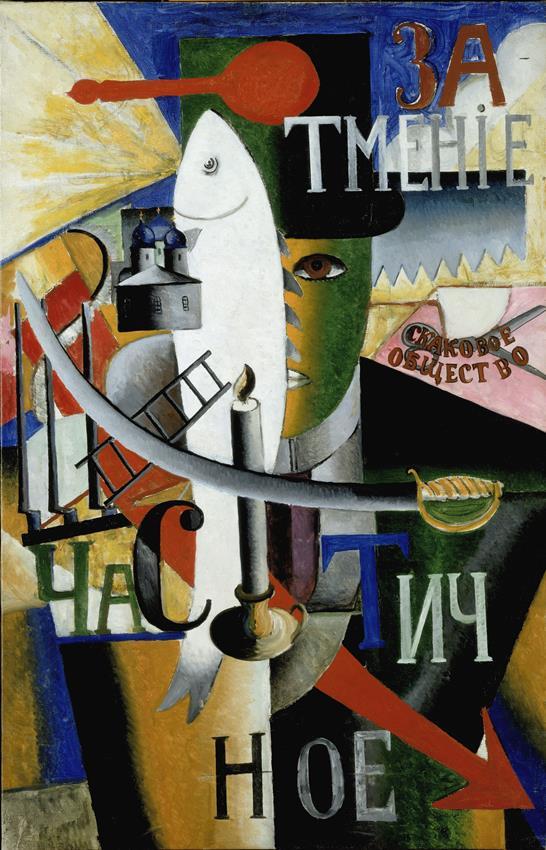 Un Anglais à MoscouKazimir Malevitch, 1914
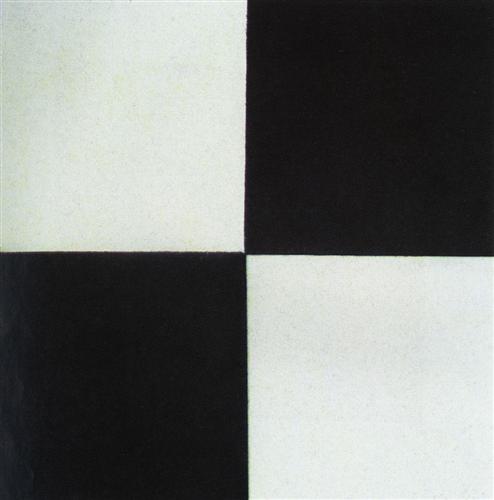 Quatre carrésKazimir Malevitch, 1915
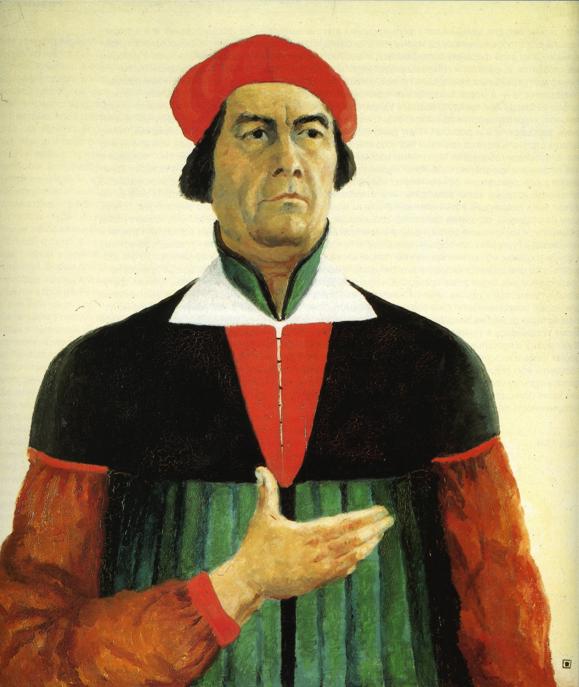 AutoportraitKazimir Malevitch, 1933
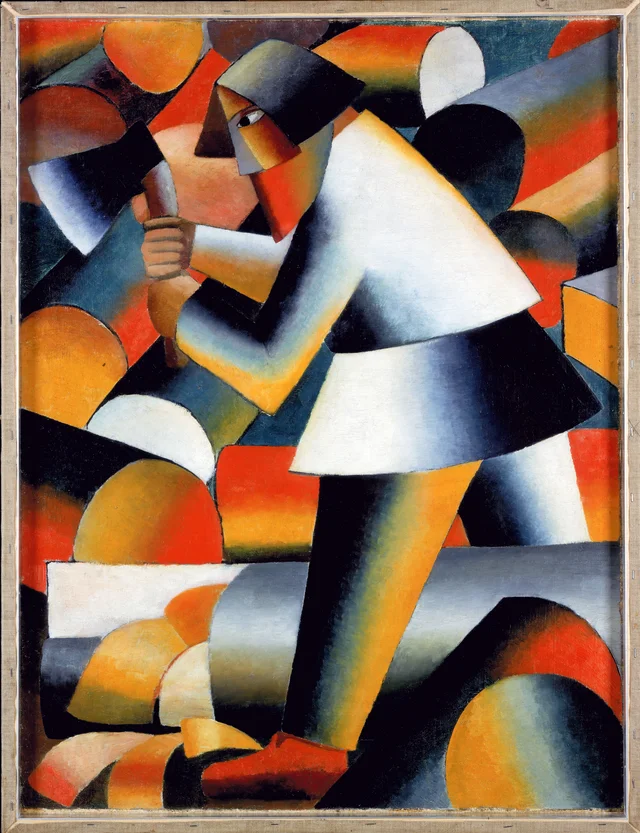 Le BûcheronKazimir Malevitch, 1912
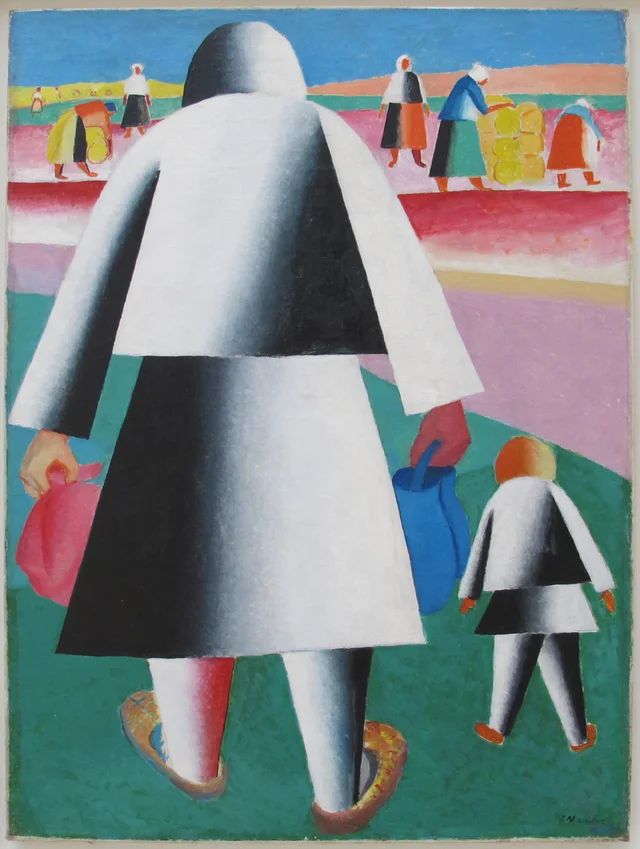 Au champ II (Marthe et Jeannot)Kazimir Malevitch, 1929
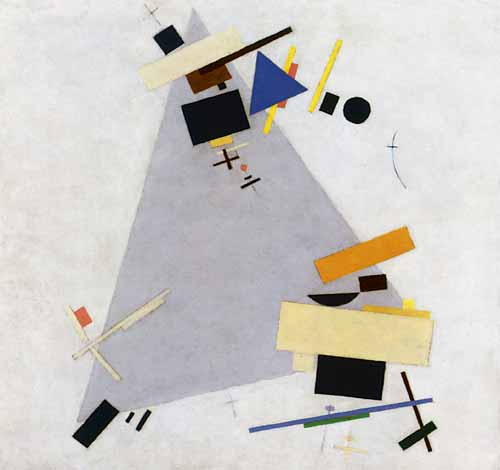 Suprématisme dynamiqueKazimir Malevitch, 1915
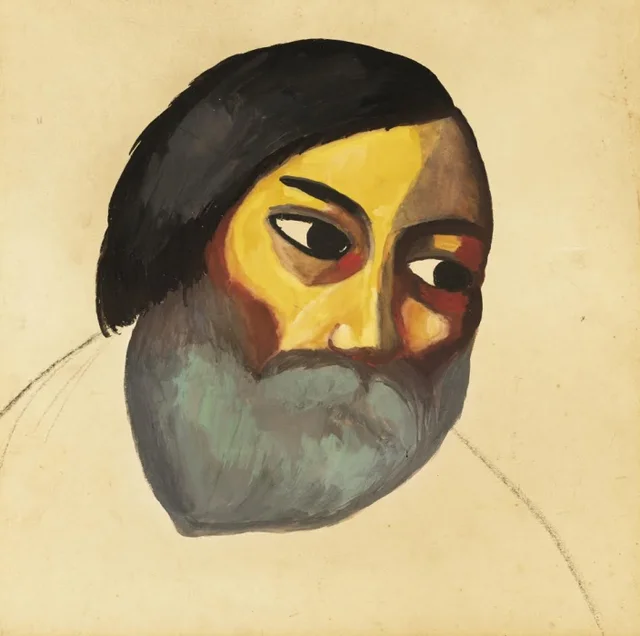 Tête de paysanKazimir Malevitch, 1911
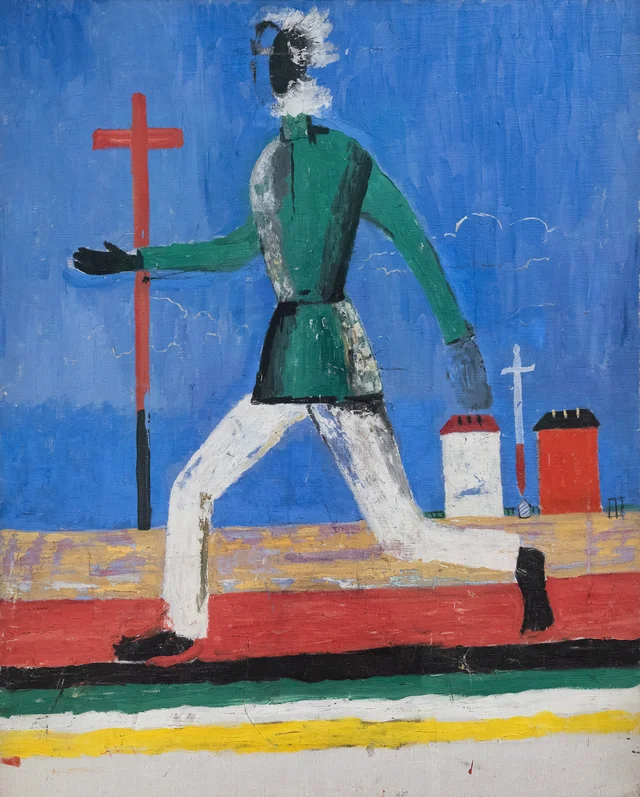 Sensation de dangerKazimir Malevitch, 1930
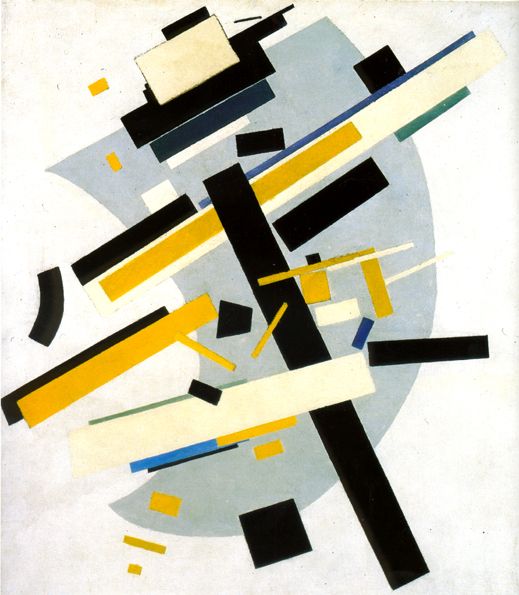 Suprémus n° 58 : jaune et noirKazimir Malevitch, 1916
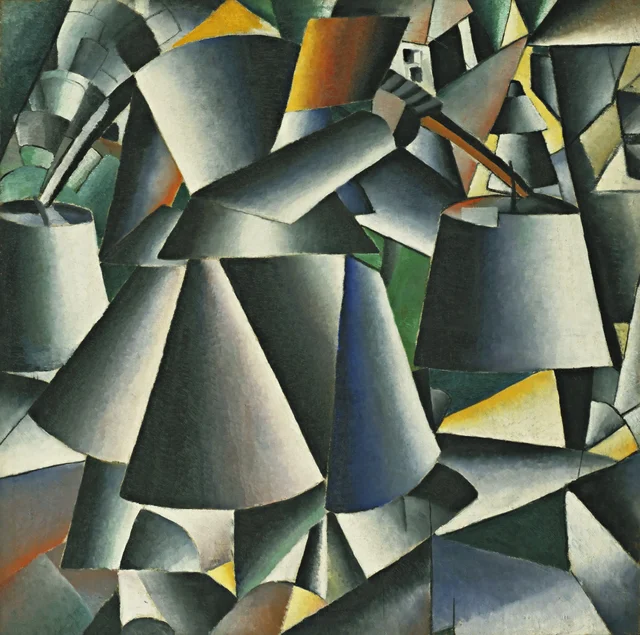 Femme aux seaux : composition dynamiqueKazimir Malevitch, 1912
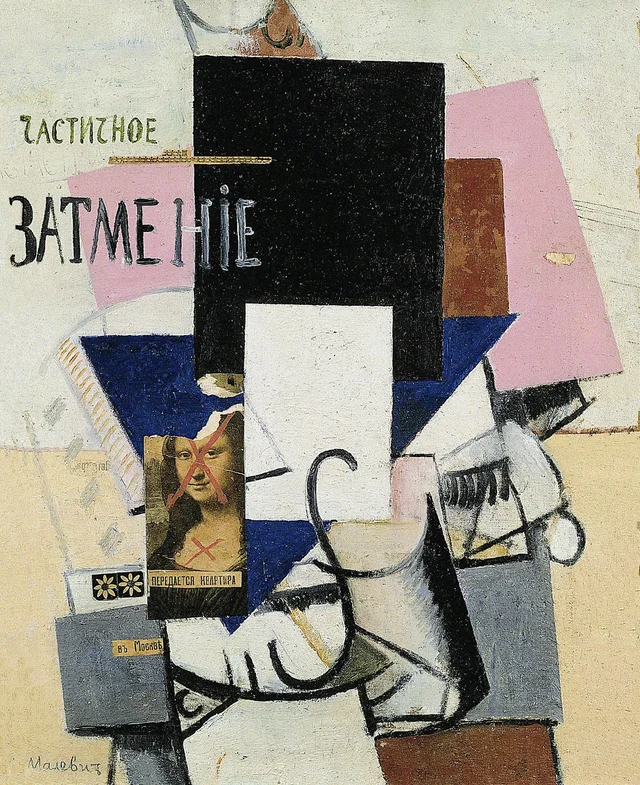 Éclipse partielleKazimir Malevitch, 1914
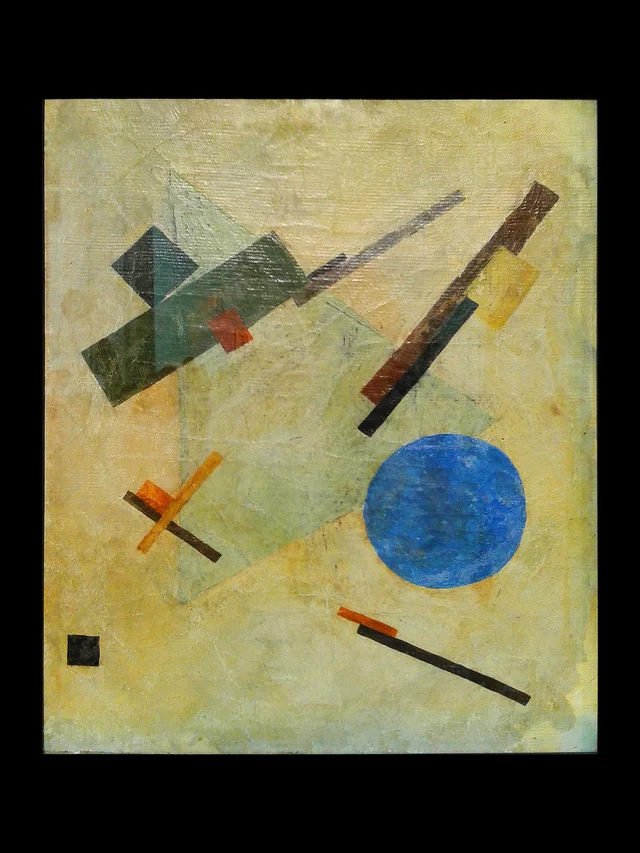 Composition suprématiste 1Kazimir Malevitch, 1916
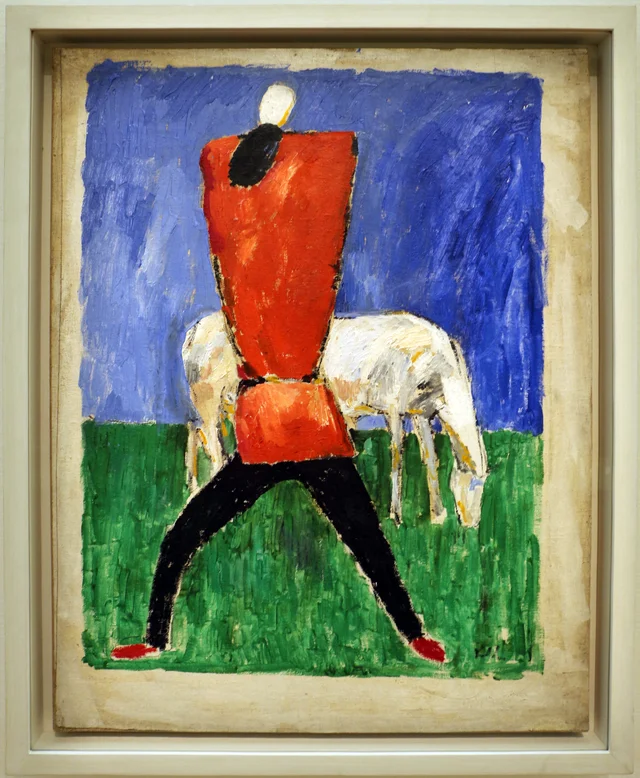 Le Cheval blancKazimir Malevitch, 1930
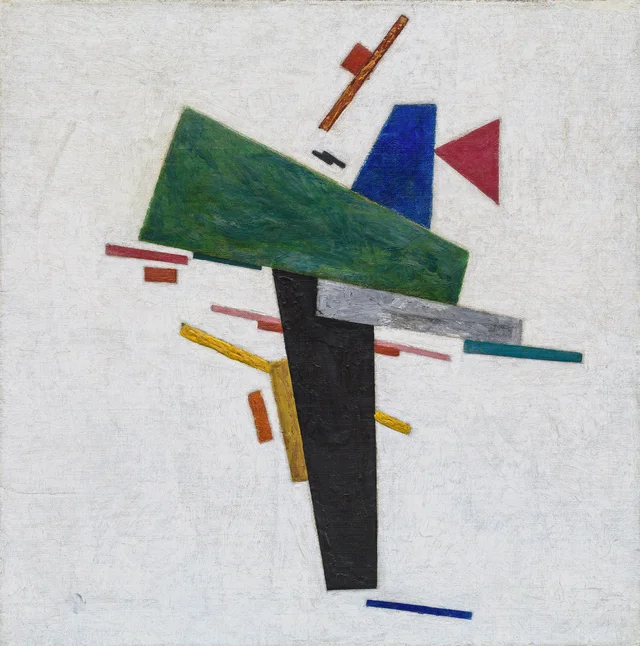 Sans titreKazimir Malevitch, 1916
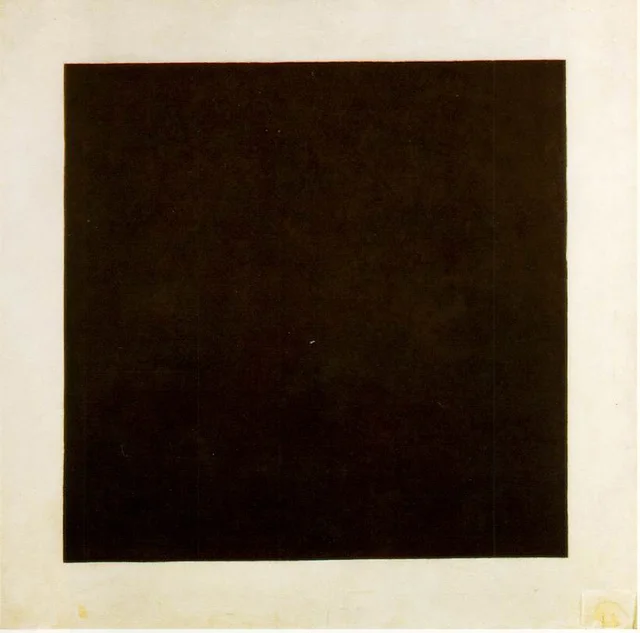 Carré noir (1924)Kazimir Malevitch, 1924
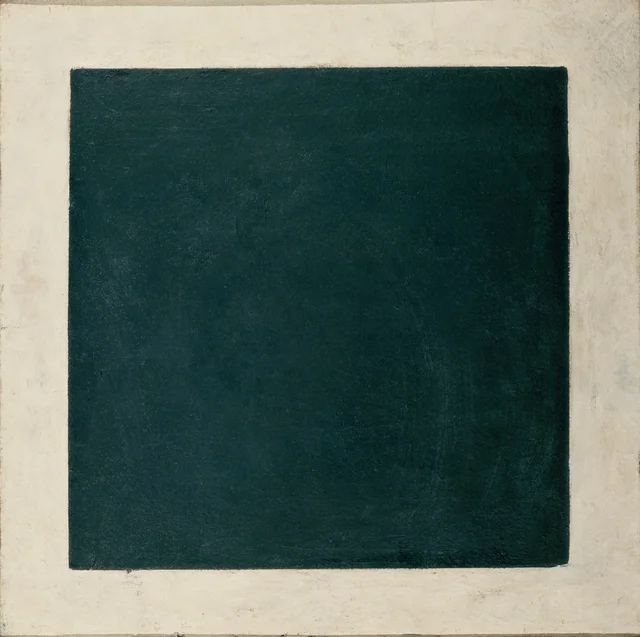 Carré noir (1930)Kazimir Malevitch, 1930
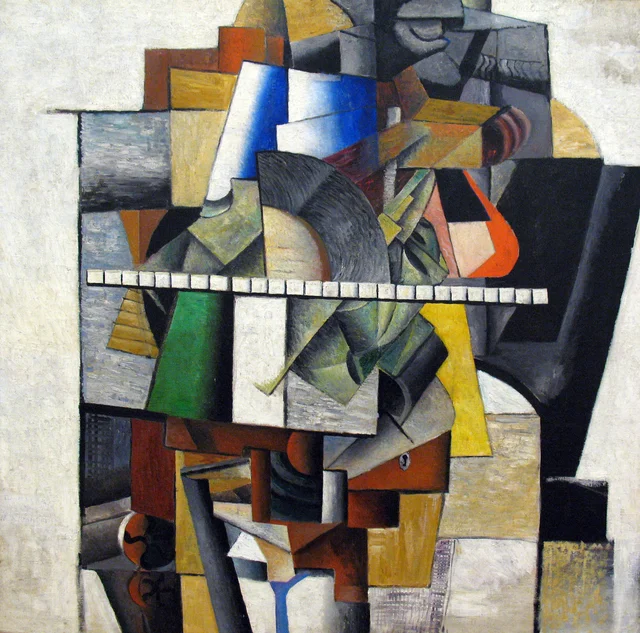 Portrait de Mikhaïl MatiouchineKazimir Malevitch, 1913