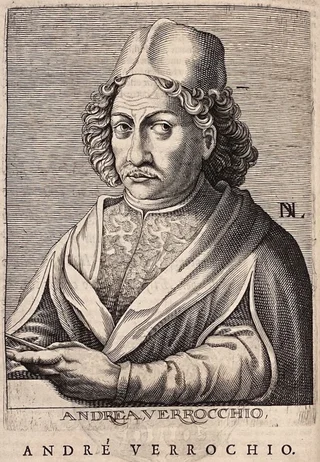
Andrea del Verrocchio
1435–1488 · Repubblica di Firenze · Rinascimento italiano
La storia
Intorno al 1466 un ragazzo di nome Leonardo, figlio illegittimo di un notaio fiorentino, entrò nella bottega di Andrea del Verrocchio, allora lo scultore e pittore più indaffarato di Firenze. Verrocchio gestiva la bottega come una piccola fabbrica, formando gli apprendisti al tempo stesso nell'oreficeria, nella fusione del bronzo, nel disegno e nella pittura, e Leonardo vi rimase per circa un decennio, assorbendo tutto.
La produzione dello stesso Verrocchio spaziava altrettanto, dalla statua bronzea del David oggi al museo del Bargello di Firenze, alla tomba marmorea di Piero e Giovanni de' Medici, figli della famiglia di banchieri che governava la città, fino a dipinti come il Battesimo di Cristo, in cui è documentato che Leonardo dipinse uno degli angeli inginocchiati. Il biografo cinquecentesco Giorgio Vasari sostenne più tardi che Verrocchio fu tanto colpito dall'angelo dell'allievo da abbandonare per sempre la pittura, un racconto che gli storici trattano con una certa cautela ma che da allora è rimasto legato alla fama di Verrocchio.
Negli ultimi anni Verrocchio era a Venezia a fondere una statua equestre in bronzo del condottiero Bartolomeo Colleoni, una commissione che non visse abbastanza per vedere finita. Vi morì nel 1488, e un altro scultore completò e fuse la statua dopo la sua morte.
Altri articoli
Opere
8 opere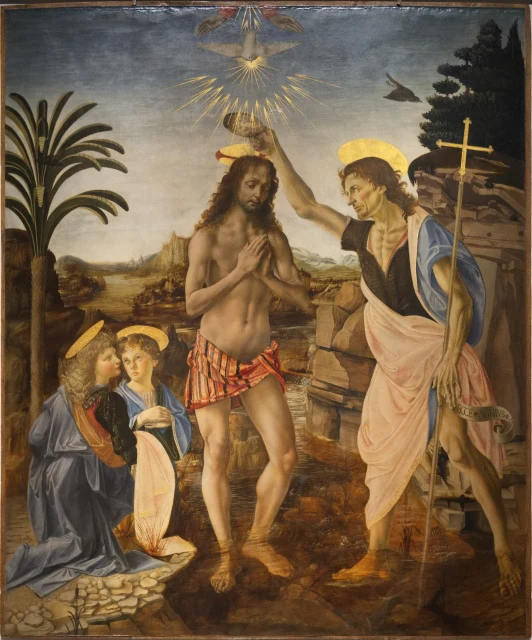 Battesimo di CristoAndrea del Verrocchio, 1472
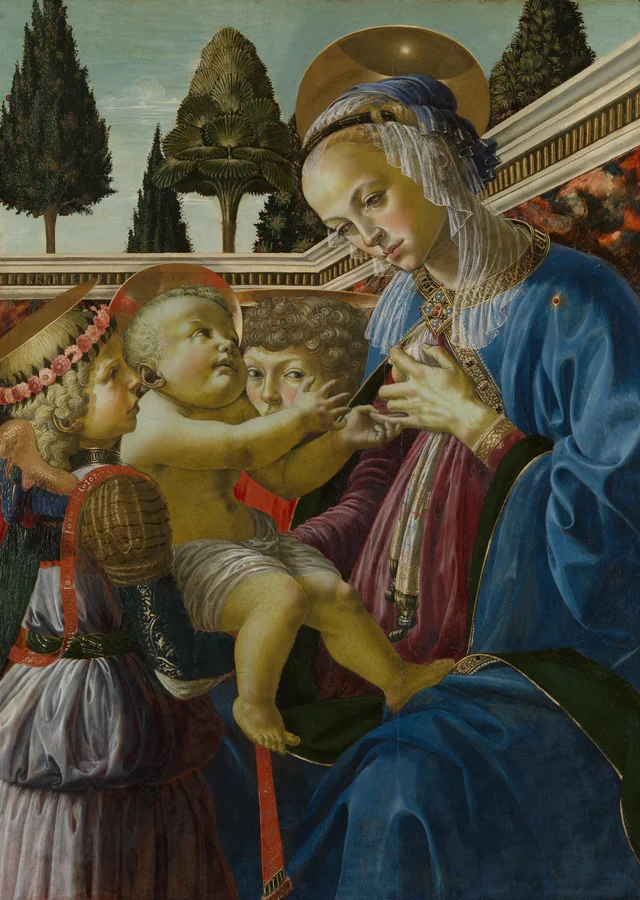 Madonna del latteAndrea del Verrocchio, 1467
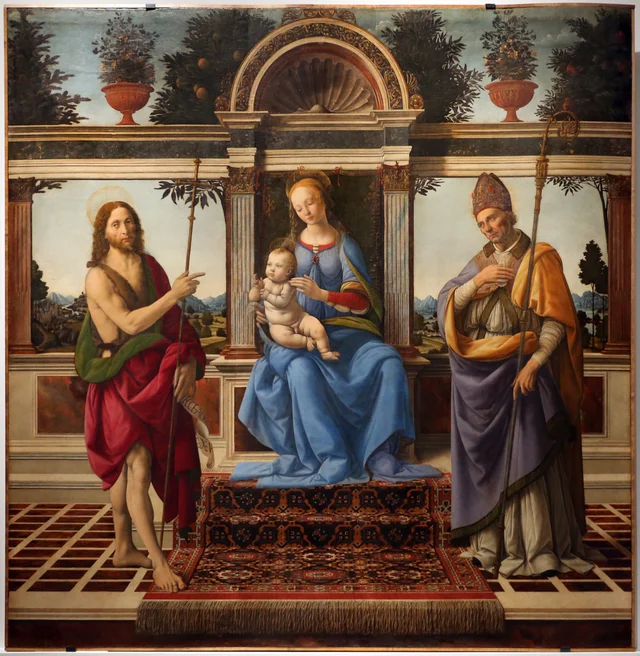 Madonna col Bambino e santiAndrea del Verrocchio, 1479
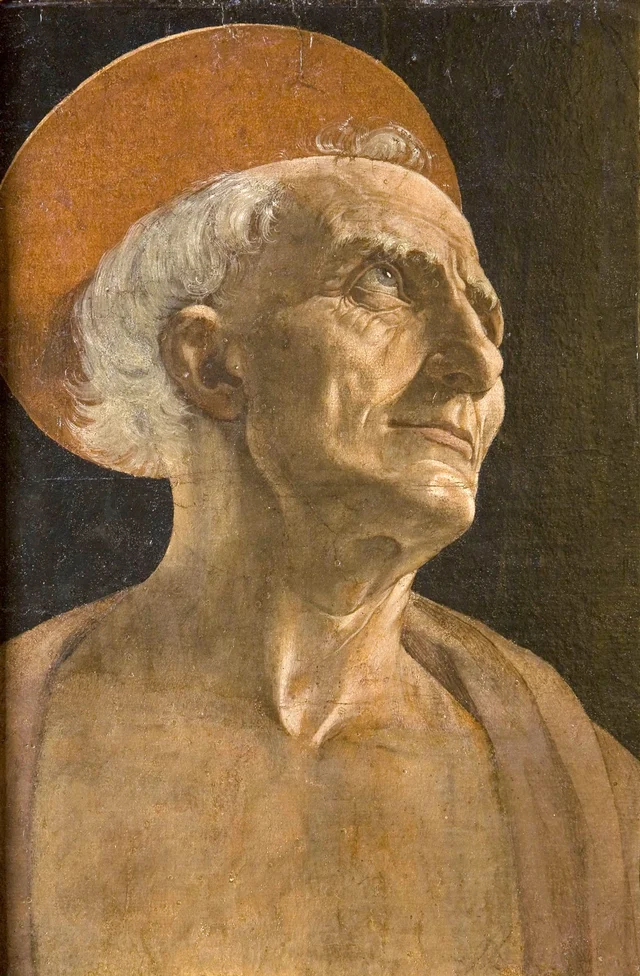 Il volto di san GirolamoAndrea del Verrocchio, 1473
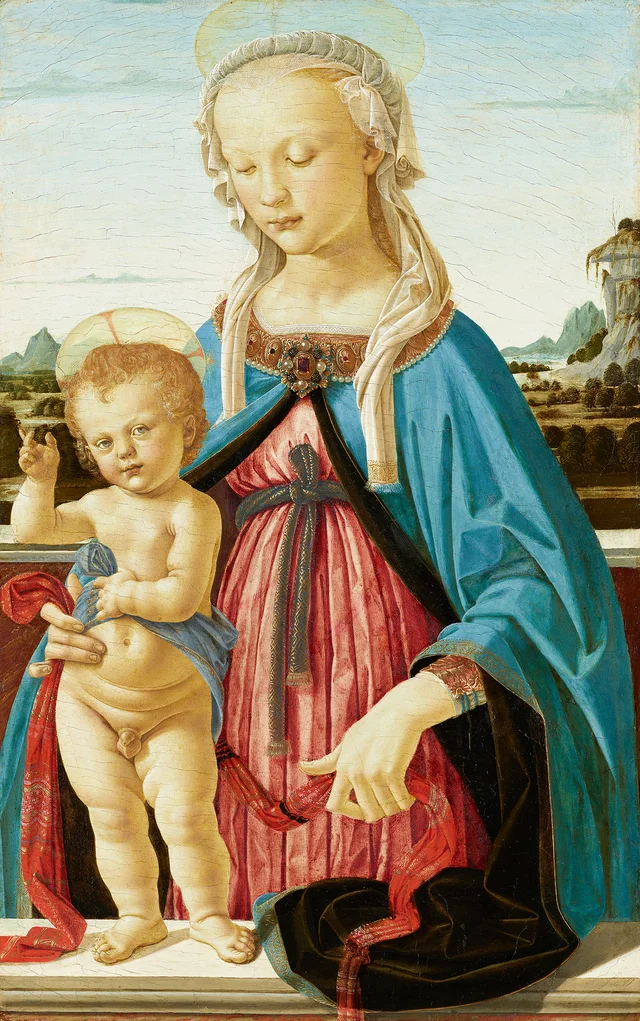 Madonna col BambinoAndrea del Verrocchio, 1473
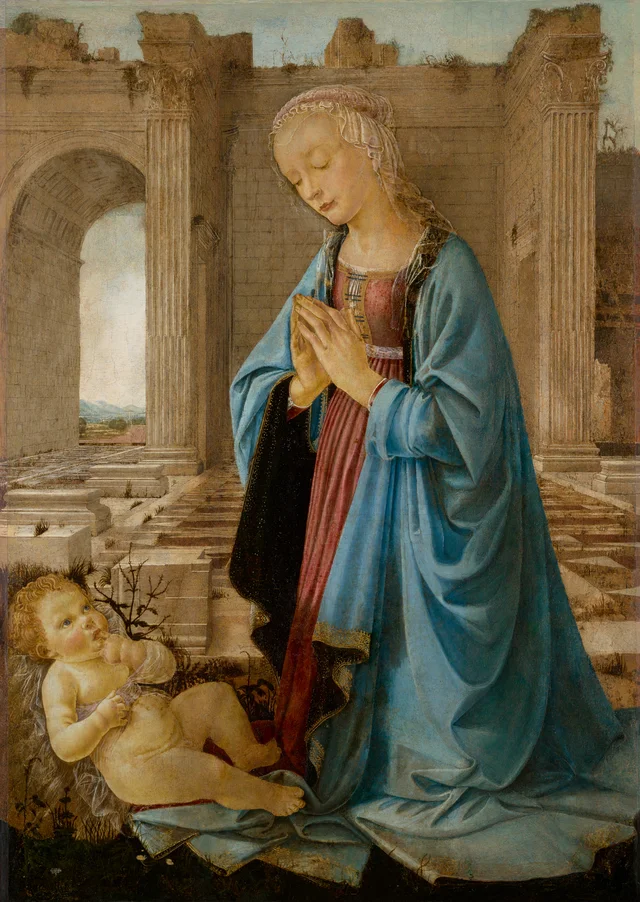 La Vergine in adorazione del BambinoAndrea del Verrocchio, 1470
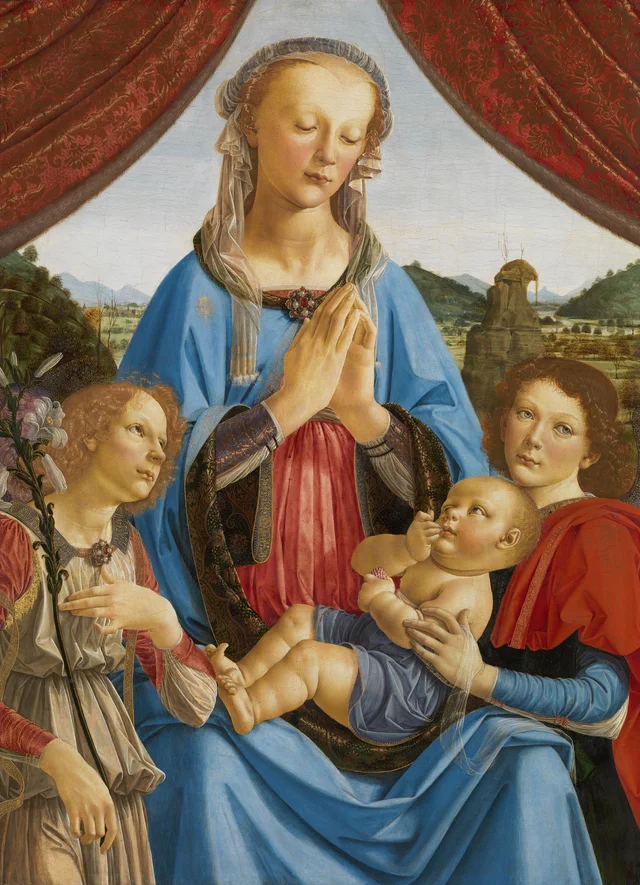 La Vergine col Bambino e due angeliAndrea del Verrocchio, 1476
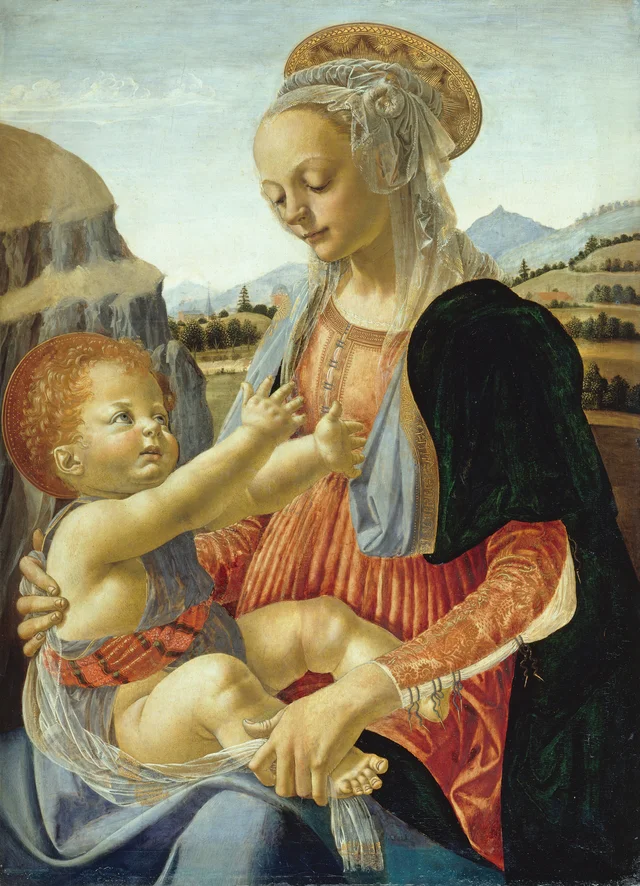 Madonna con il Bambino sedutoAndrea del Verrocchio, 1470