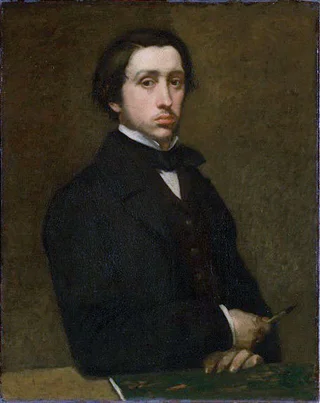
Edgar Degas
1834–1917 · Francia · Impressionismo
La storia
Degas contribuì a organizzare le mostre impressioniste ed espose accanto a Monet e Renoir, benché avesse scarso interesse a dipingere la luce solare all'aperto. Lavorava al chiuso, sotto le lampade a gas dell'Opéra di Parigi, osservando le ballerine provare e riposare, cogliendo i corpi in momenti goffi e non posati.
Alla sesta mostra impressionista, nel 1881, presentò una statua di cera a due terzi della grandezza naturale, la Piccola danzatrice di quattordici anni, vestita con un vero tutù di stoffa e una parrucca. I critici ne furono sconvolti. Definirono la ragazza brutta e depravata e lessero nel suo volto il segno del criminale nato, un'idea di moda all'epoca. Degas, punto sul vivo, non espose mai più una scultura in vita sua.
La vista lo stava tradendo in quegli anni, e si spostò verso il pastello e la modellazione in cera, tecniche che poteva lavorare a tatto e con colori intensi. Divenne più solitario e più amaro, e durante l'affare Dreyfus degli anni Novanta dell'Ottocento, quando la Francia si divise sull'ufficiale ebreo ingiustamente condannato per tradimento, Degas prese le parti antidreyfusarde e ruppe con vecchi amici ebrei, tra cui la famiglia Halévy che lo aveva accolto per anni. Morì a Parigi nel 1917, ormai quasi completamente cieco.
Altri articoli
Opere
133 opere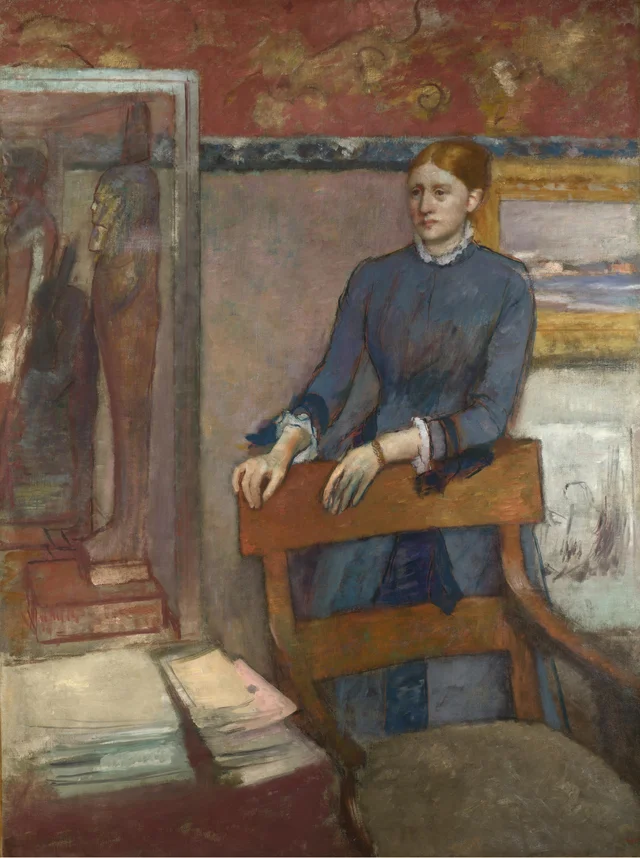 Hélène Rouart nello studio del padreEdgar Degas, 1886
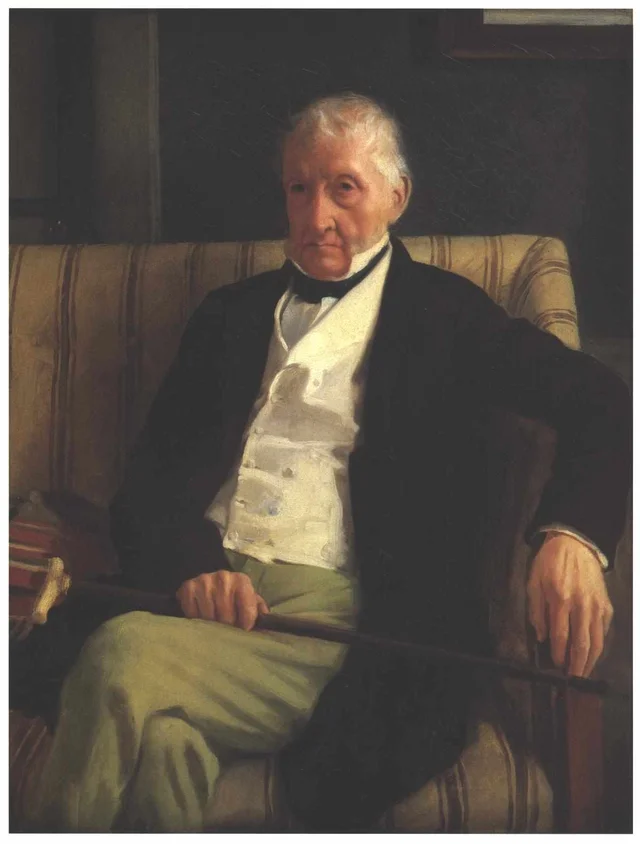 Hilaire de GasEdgar Degas, 1857
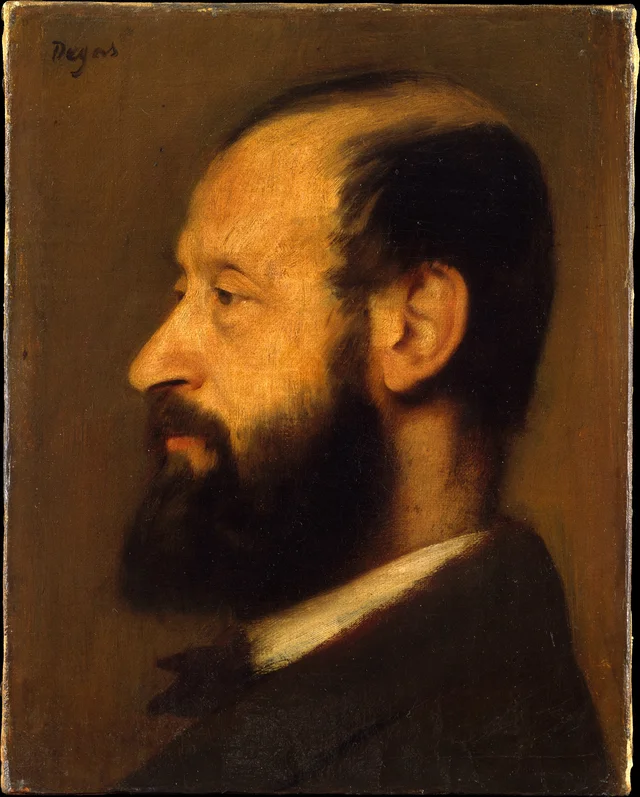 Joseph-Henri Altès (1826-1895)Edgar Degas, 1868
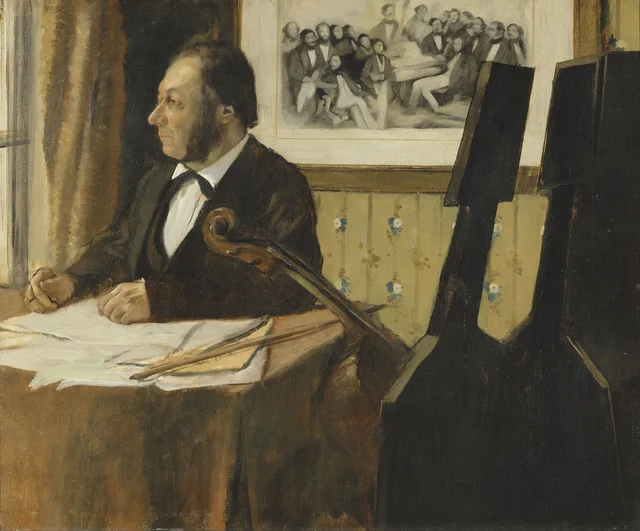 Il violoncellista PiletEdgar Degas, 1868
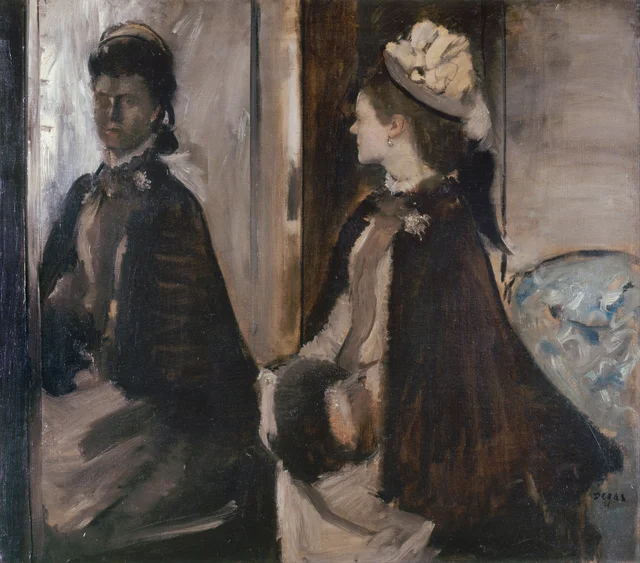 La signora Jeantaud allo specchioEdgar Degas, 1875
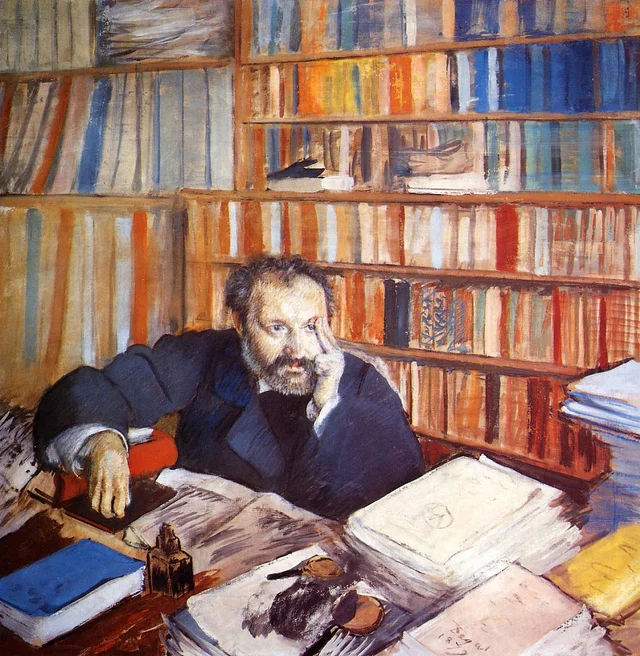 Ritratto di Edmond DurantyEdgar Degas, 1879
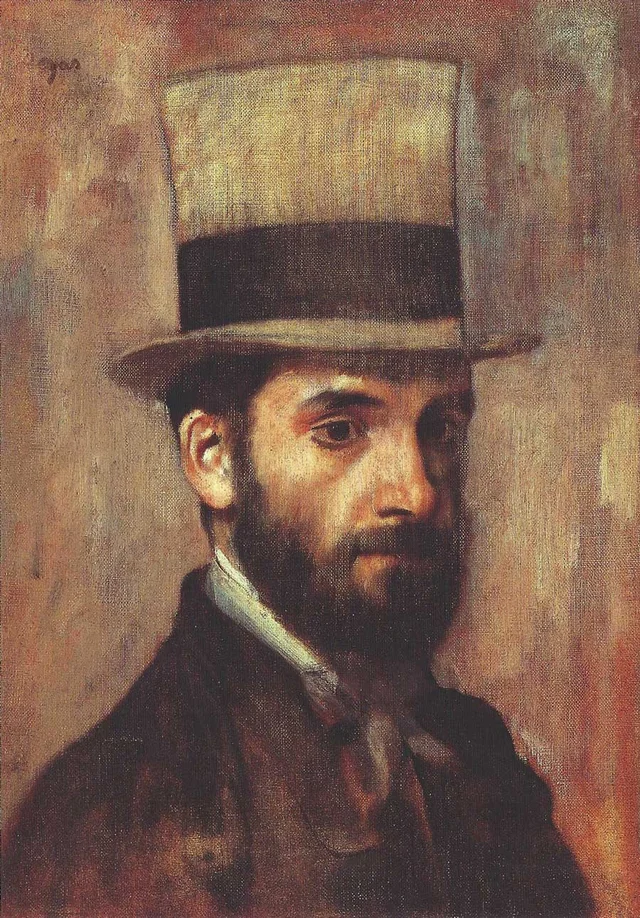 Ritratto di Léon BonnatEdgar Degas, 1863
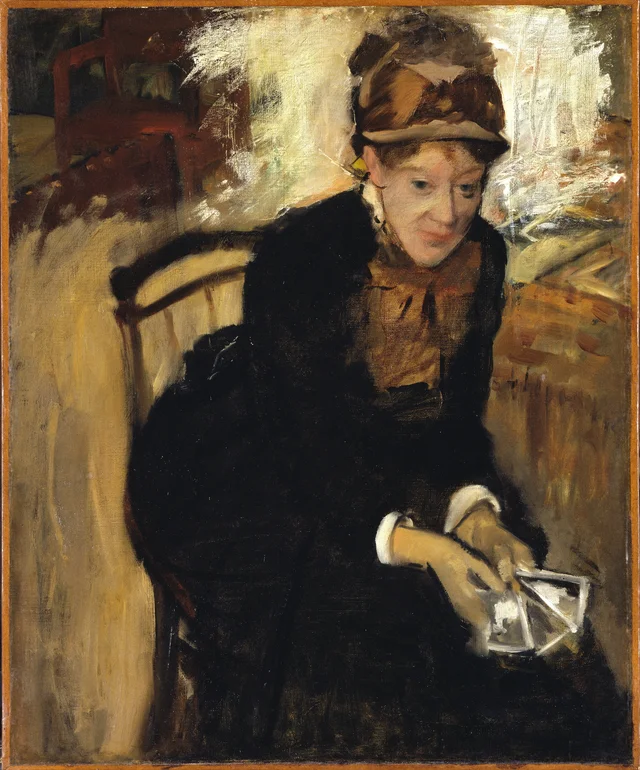 Ritratto di Mary CassattEdgar Degas, 1884
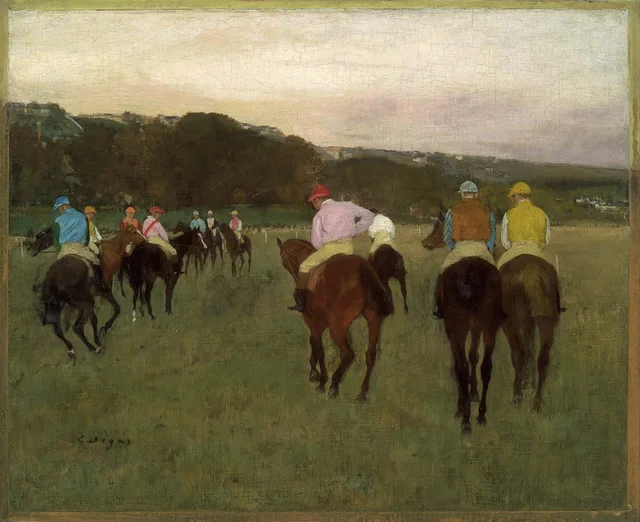 Cavalli da corsa a LongchampEdgar Degas, 1874
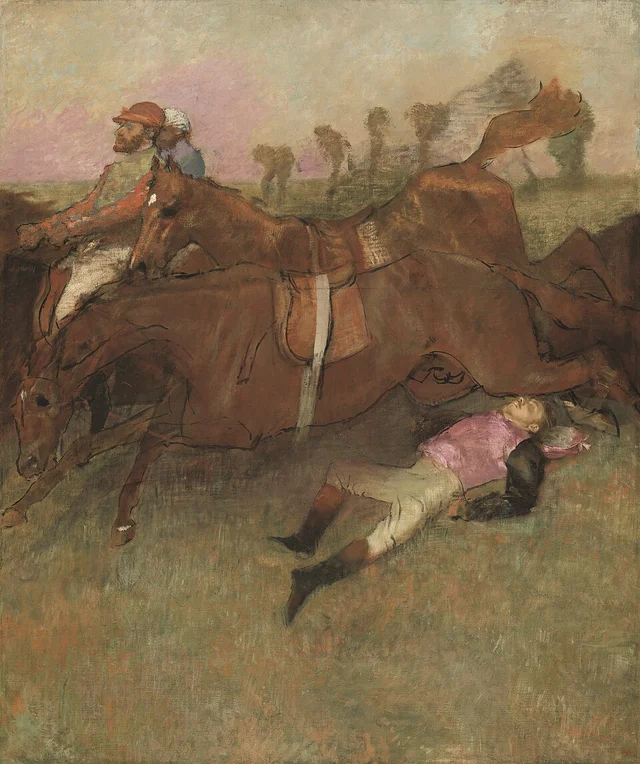 Scena dello steeplechase: il fantino cadutoEdgar Degas, 1866
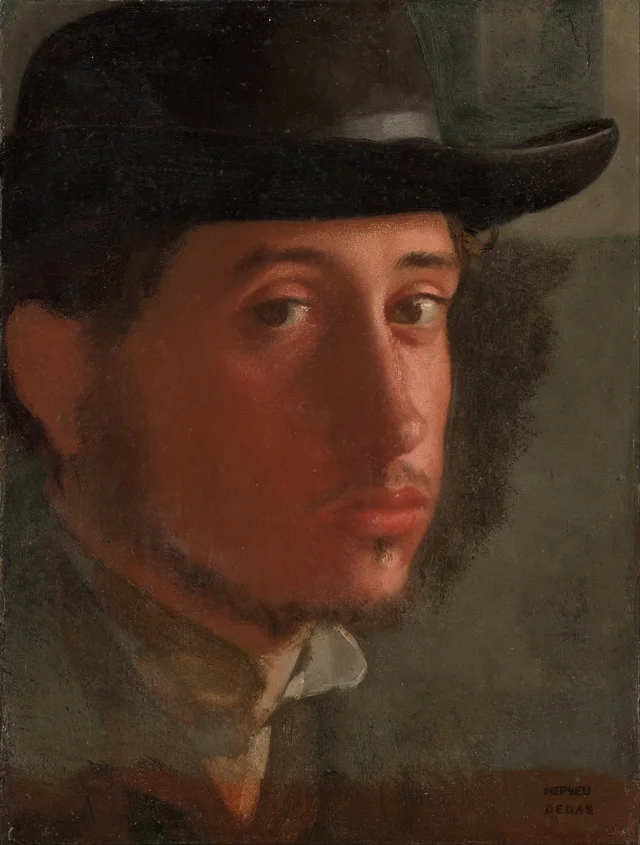 AutoritrattoEdgar Degas, 1857
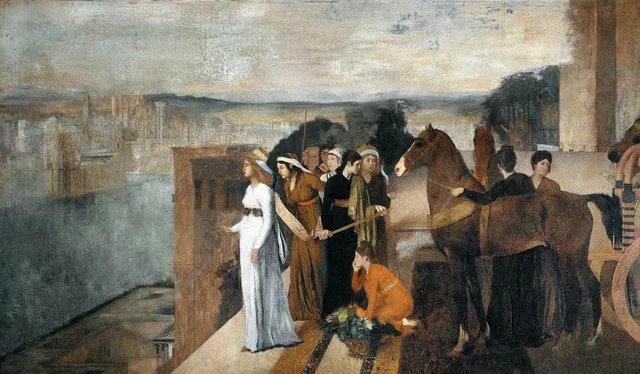 Semiramide che costruisce BabiloniaEdgar Degas, 1860
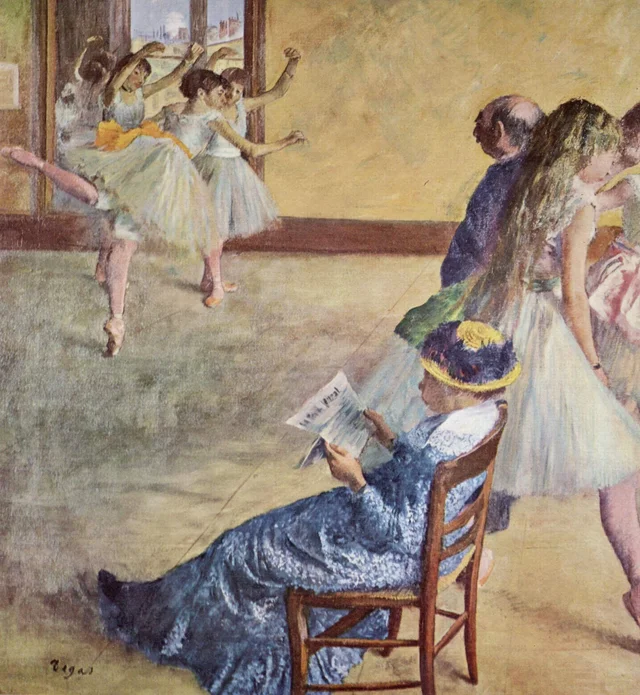 La lezione di danzaEdgar Degas, 1878
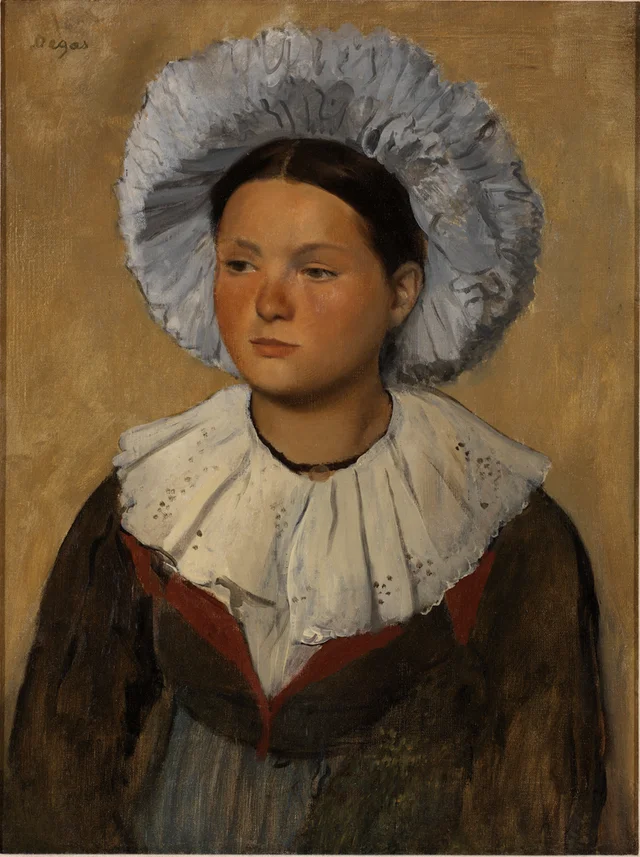 La SavoiardaEdgar Degas, 1860
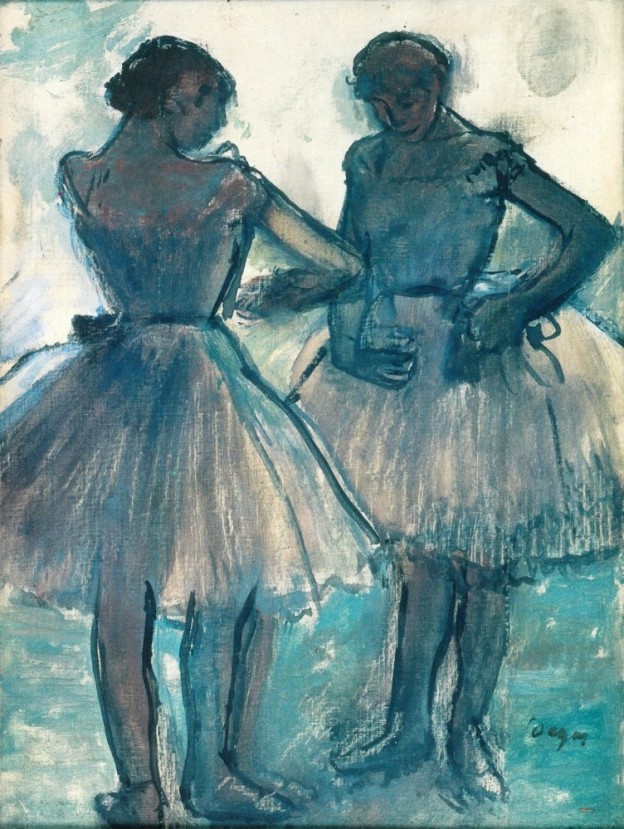 Due ballerineEdgar Degas, 1880
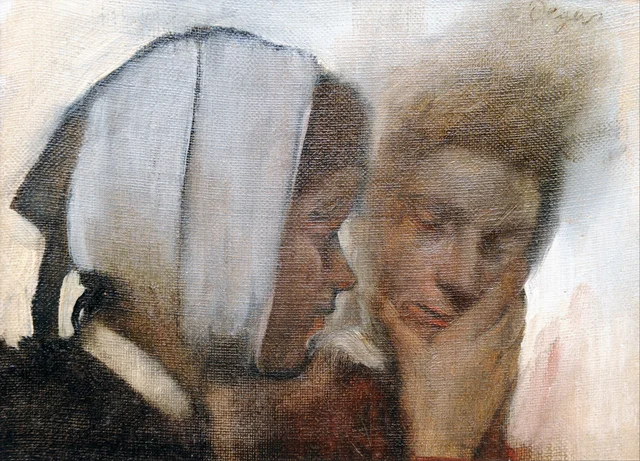 LavandaieEdgar Degas, 1871
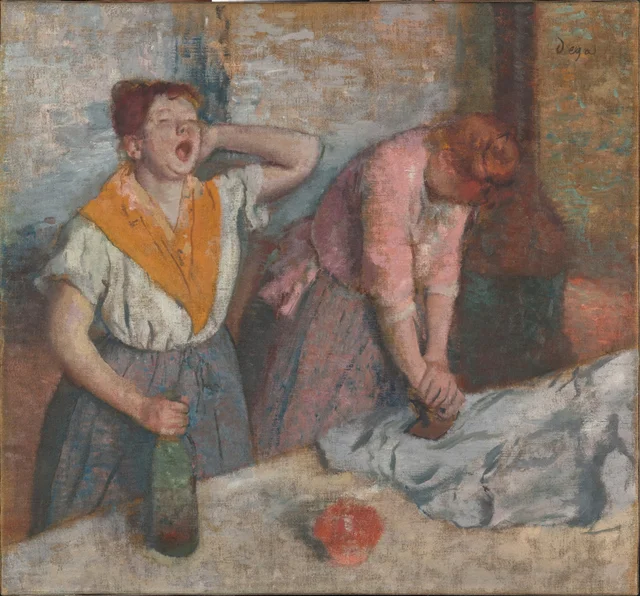 Le stiratriciEdgar Degas, 1884
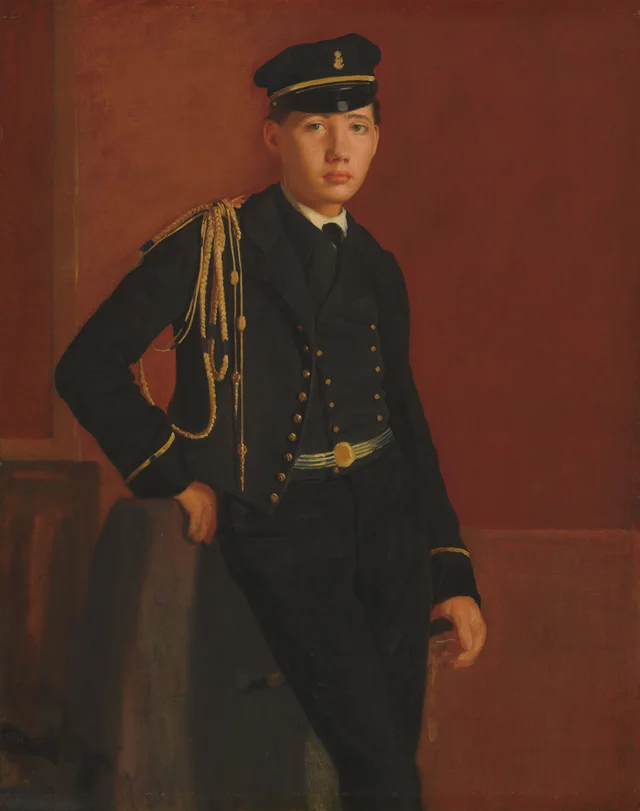 Achille De Gas in uniforme da cadettoEdgar Degas, 1856
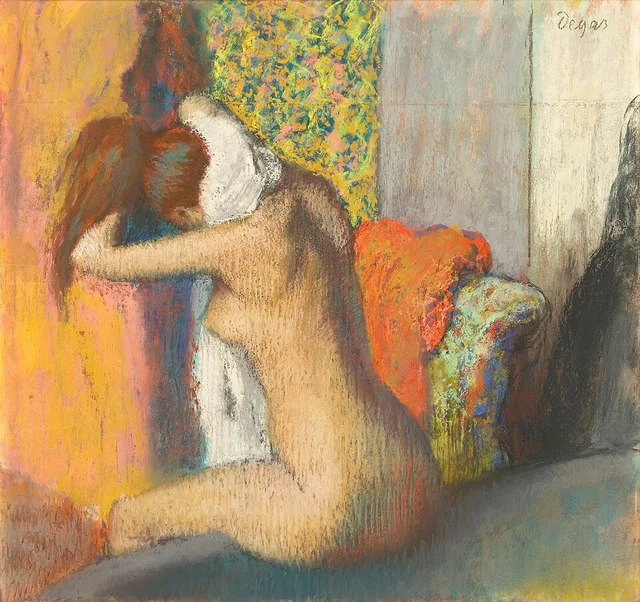 Dopo il bagno, donna che si asciuga la nucaEdgar Degas, 1895
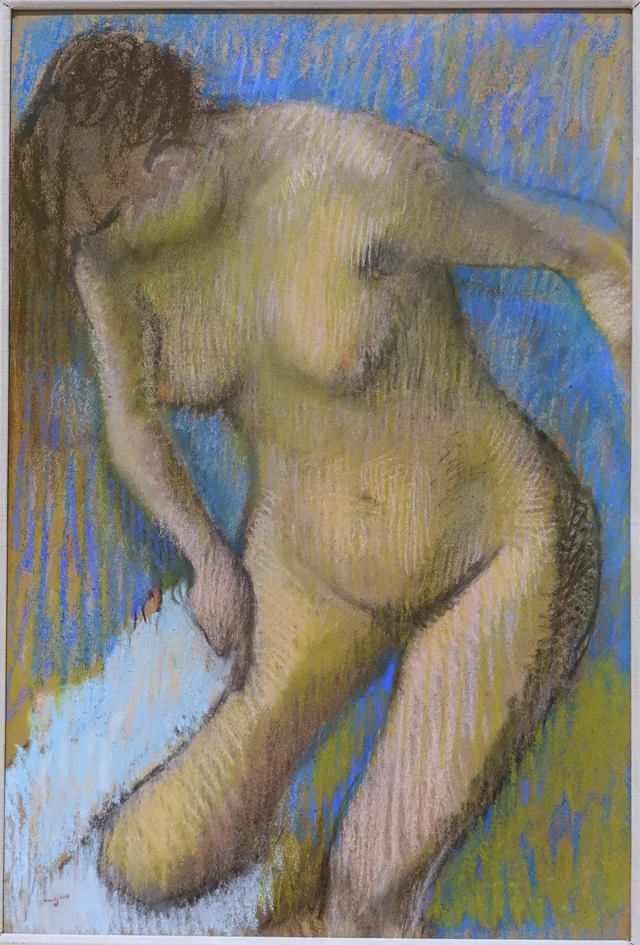 Dopo il bagnoEdgar Degas, 1886
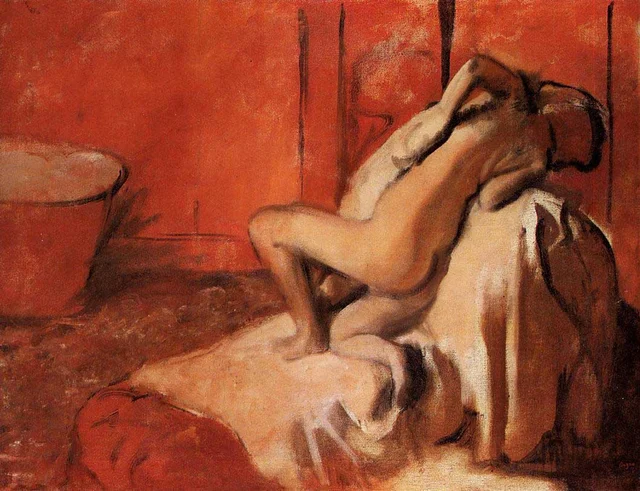 Dopo il bagno (Donna che si asciuga)Edgar Degas, 1896
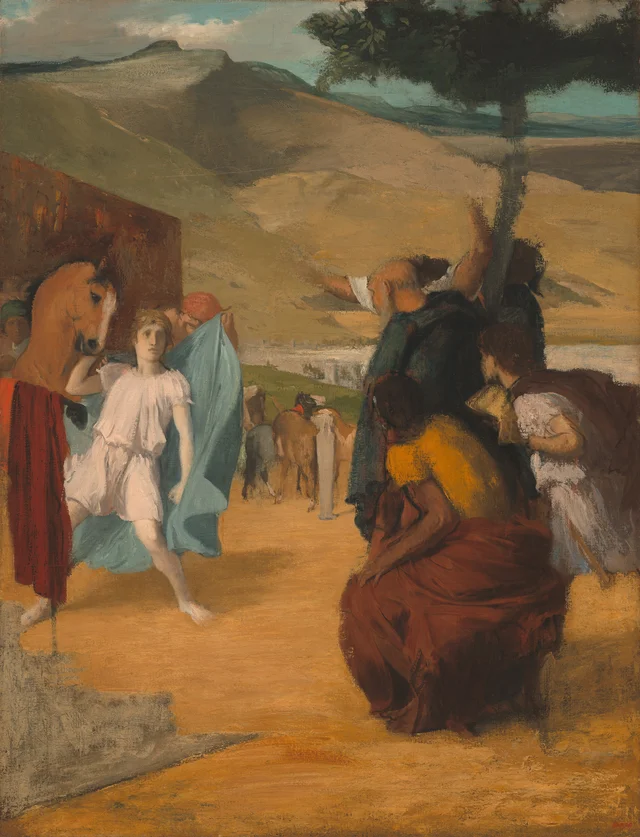 Alessandro e BucefaloEdgar Degas, 1861
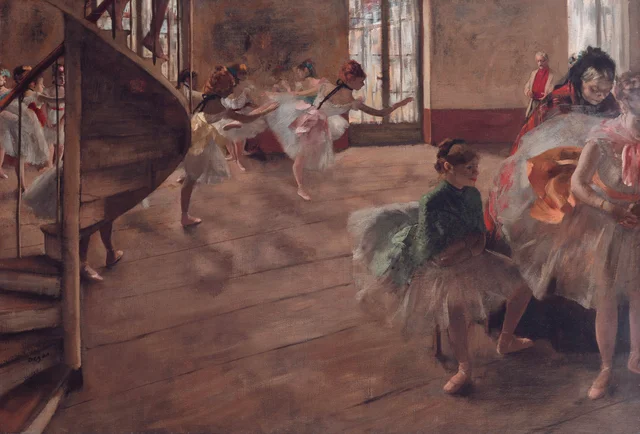 Prova di ballettoEdgar Degas, 1874
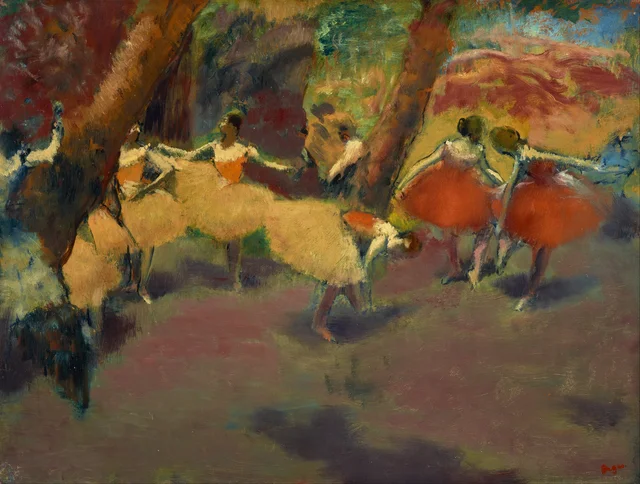 Prima dello spettacoloEdgar Degas, 1896
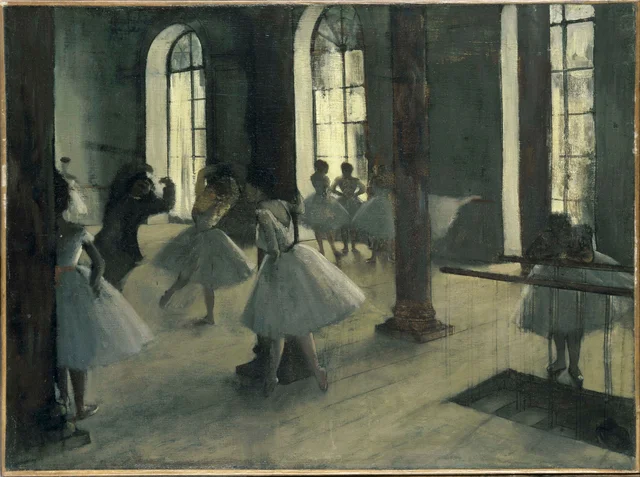 Prova di danzaEdgar Degas, 1873