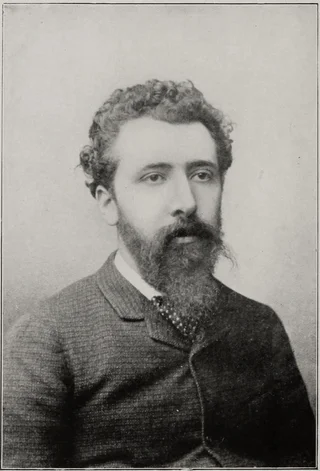
Georges Seurat
1859–1891 · Francia · Puntinismo
La storia
Georges Seurat affrontava la pittura come uno scienziato. Formatosi all'École des Beaux-Arts di Parigi e influenzato dalle teorie contemporanee sul colore e sull'ottica, mise a punto una tecnica che consisteva nell'accostare migliaia di piccoli punti distinti di pigmento puro, lasciando che fosse l'occhio, e non il pennello, a fonderli a distanza: un metodo che lui stesso chiamò Divisionismo e che la critica ribattezzò Puntinismo. La sua tela del 1884-86, Una domenica pomeriggio all'isola della Grande Jatte, una scena di oltre due metri per tre di parigini in relax su un'isola della Senna, richiese due anni di schizzi preparatori e resta il manifesto per eccellenza della tecnica.
Lavorò in questo modo per appena un decennio e tenne gran parte della sua vita privata nascosta anche agli amici più stretti. Solo negli ultimi due giorni prima di morire presentò ai genitori la sua compagna, non sposata, la modella Madeleine Knobloch, e il loro figlioletto, Pierre-Georges.
Seurat si ammalò all'improvviso e morì a Parigi il 29 marzo 1891, a trentun anni; i medici non riuscirono a concordare se la causa fosse meningite, difterite o angina infettiva. Il figlio neonato morì della stessa malattia due settimane dopo e fu sepolto accanto a lui nel cimitero di Père-Lachaise.
Altri articoli
Opere
116 opere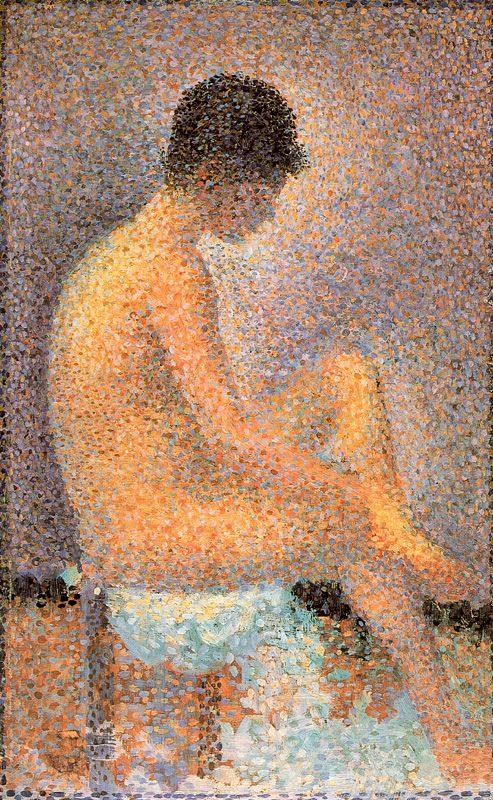 Modella seduta, di profiloGeorges Seurat, 1887
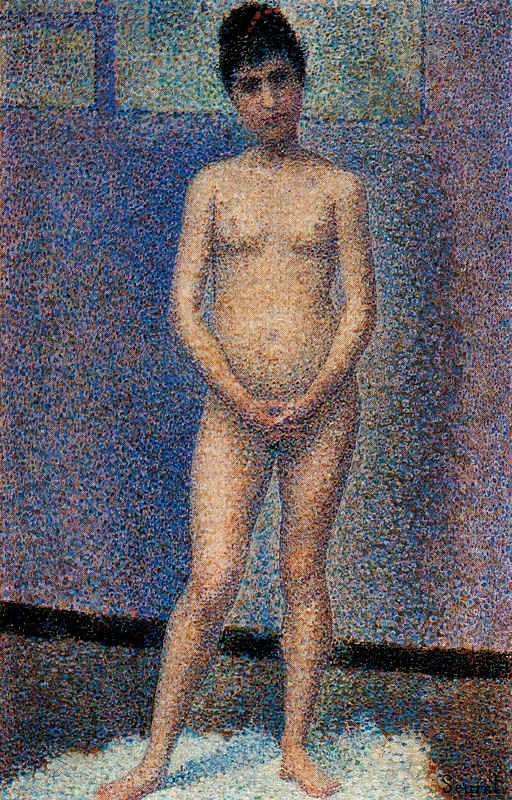 Modella in piediGeorges Seurat, 1887
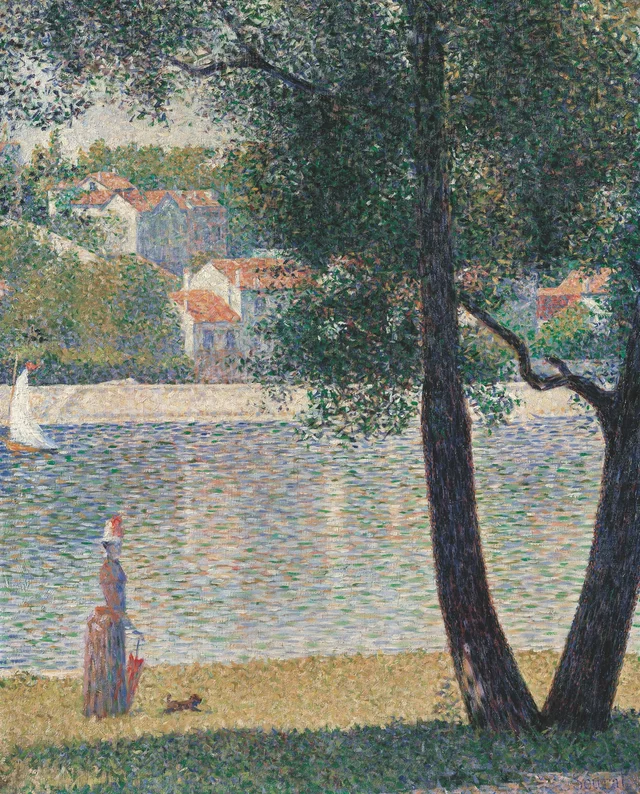 La Senna a CourbevoieGeorges Seurat, 1885
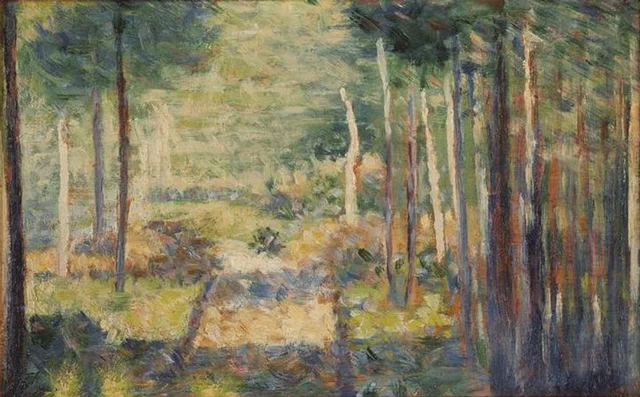 Viottolo nel bosco, BarbizonGeorges Seurat, 1883
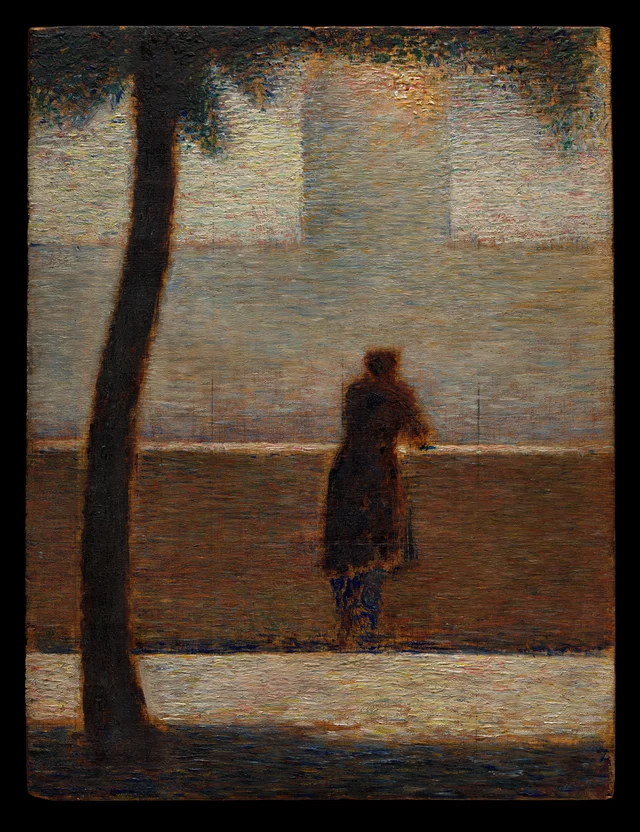 Un uomo appoggiato a un parapettoGeorges Seurat, 1881
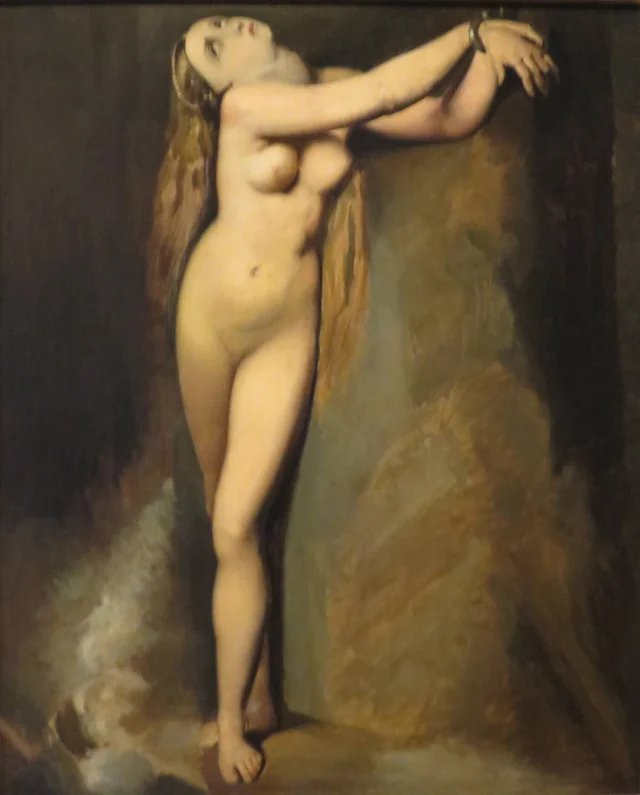 Angelica alla roccia (da Ingres)Georges Seurat, 1878
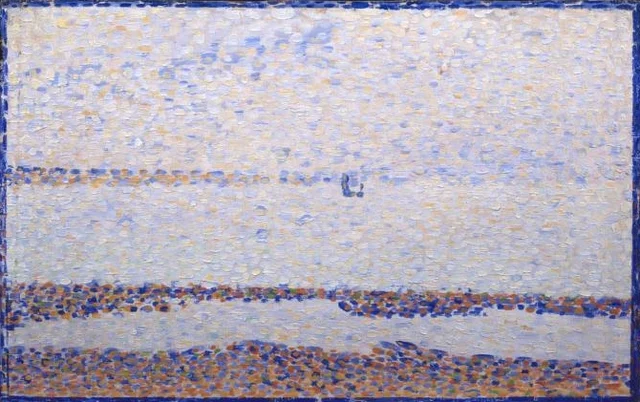 Spiaggia di GravelinesGeorges Seurat, 1890
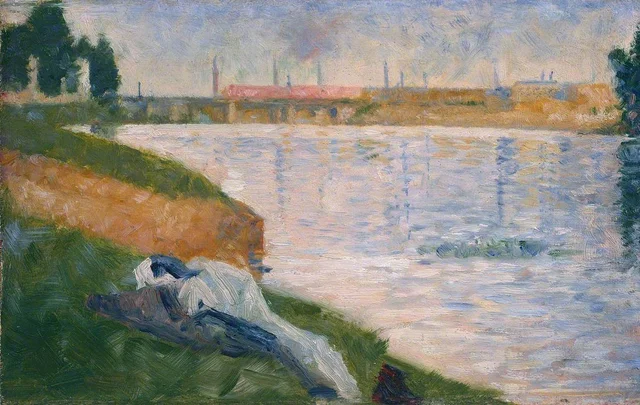 Abiti sull'erbaGeorges Seurat, 1883
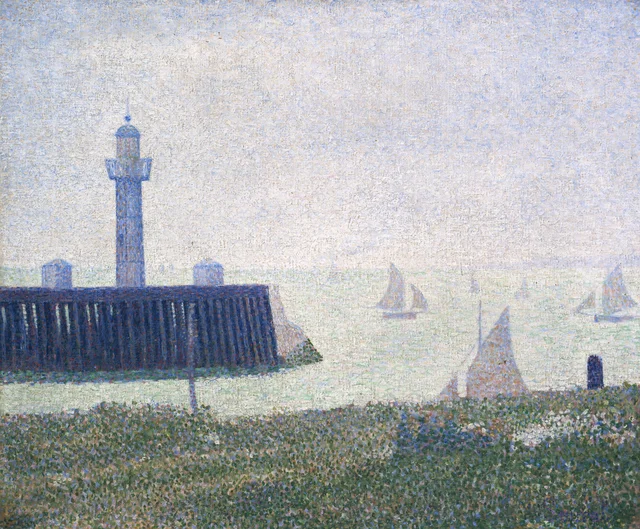 Imboccatura del molo, HonfleurGeorges Seurat, 1886
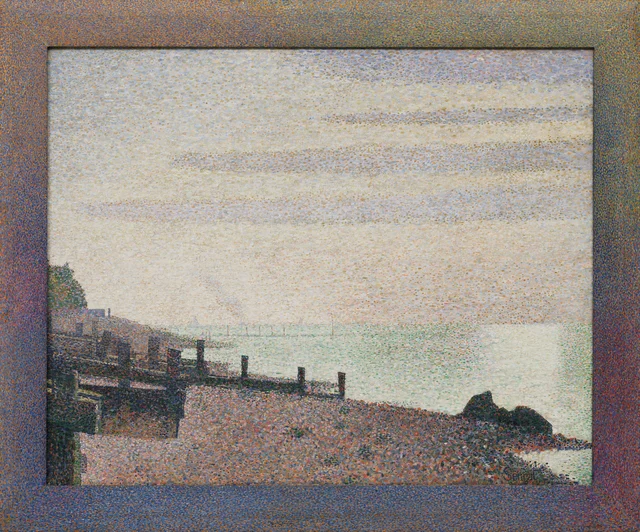 Sera a HonfleurGeorges Seurat, 1886
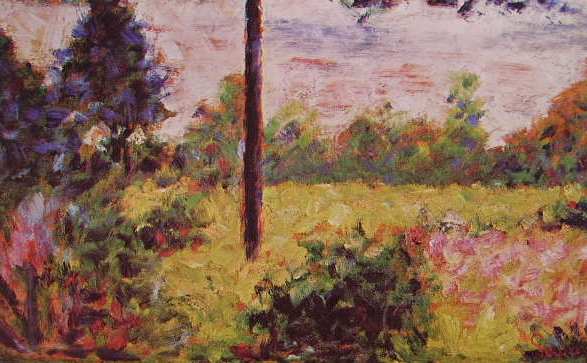 Campi con alberi a BarbizonGeorges Seurat, 1883
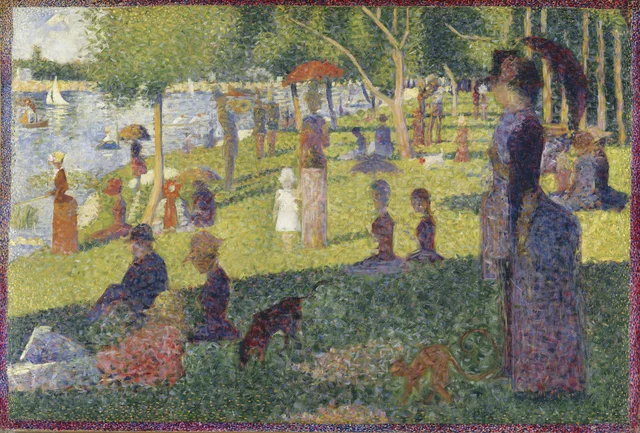 Studio finale per «La Grande Jatte»Georges Seurat, 1884
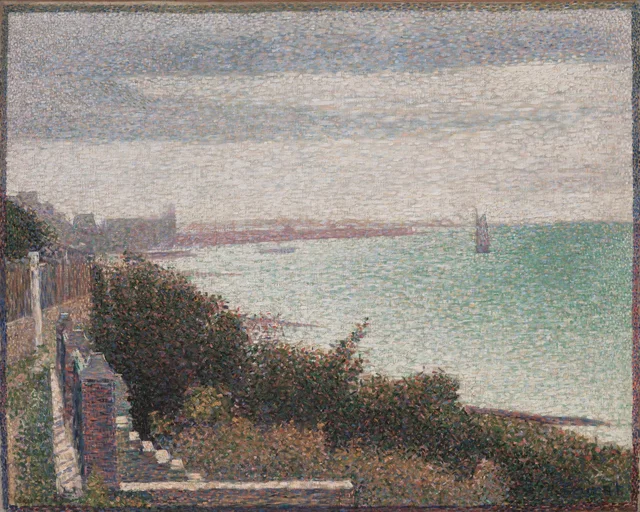 Grandcamp, seraGeorges Seurat, 1885
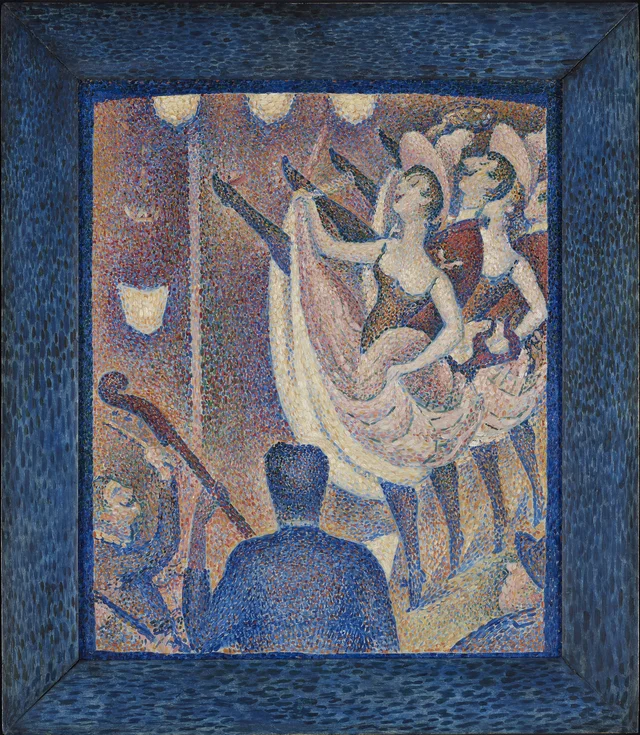 Le Chahut (Studio I)Georges Seurat, 1889
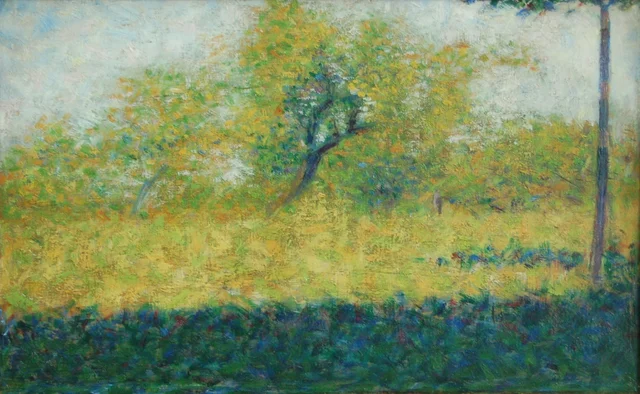 Margine del bosco in primaveraGeorges Seurat, 1882
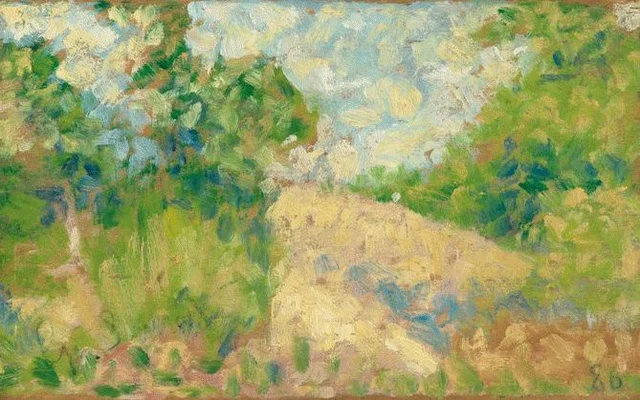 Paesaggio rosaGeorges Seurat, 1886
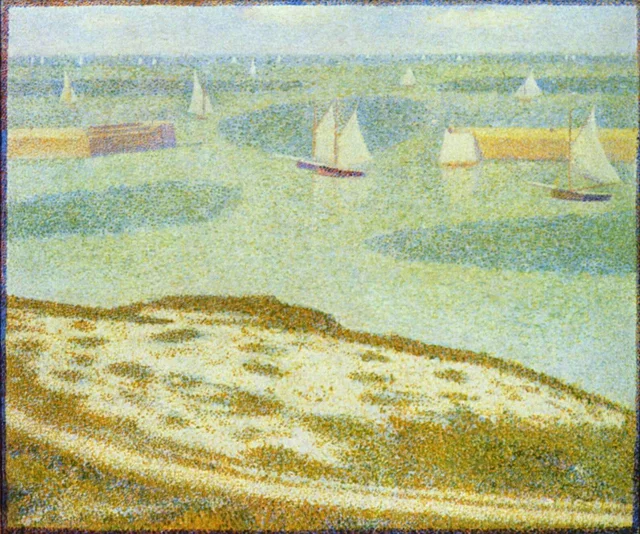 Port-en-Bessin, ingresso al portoGeorges Seurat, 1888
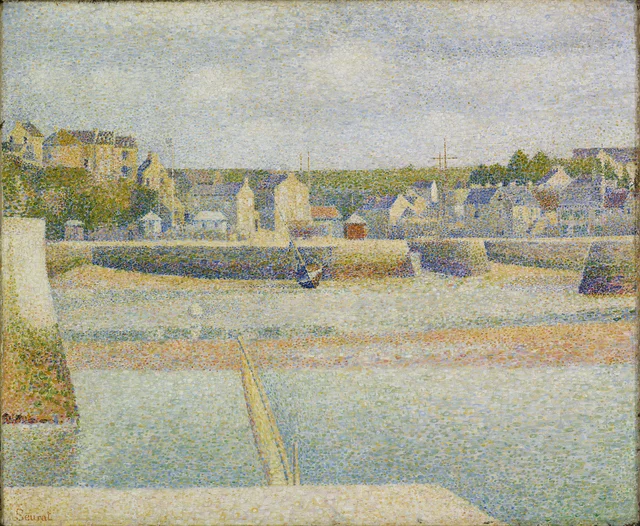 Port-en-Bessin: il porto esterno (bassa marea)Georges Seurat, 1888
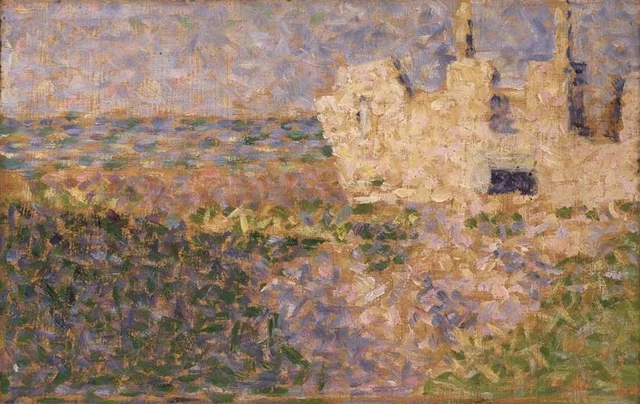 Rovine a GrandcampGeorges Seurat, 1885
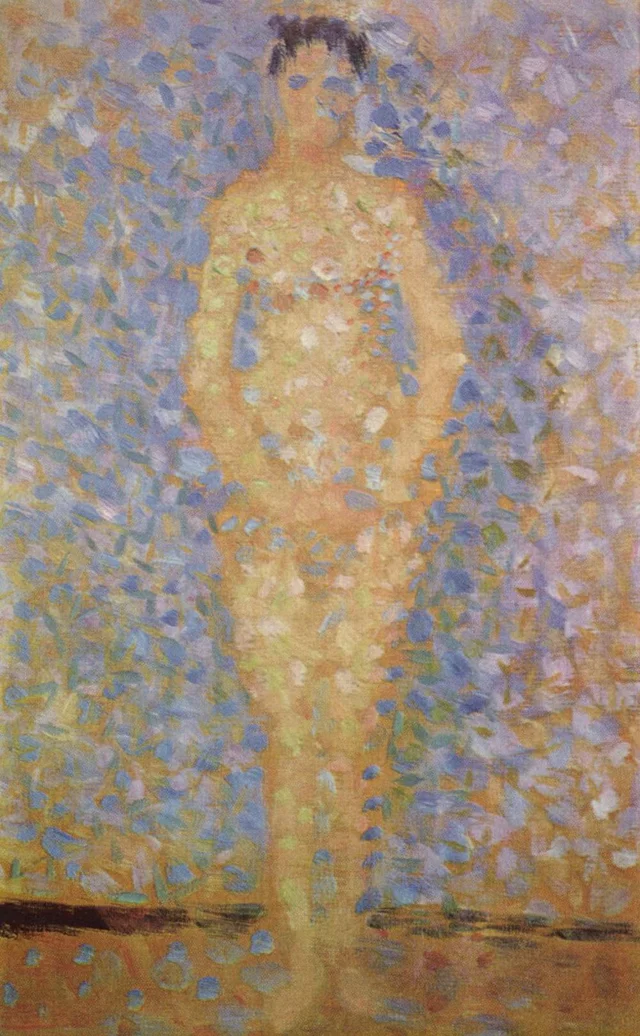 Modella in piedi, di fronte, studio per Le poseGeorges Seurat, 1886
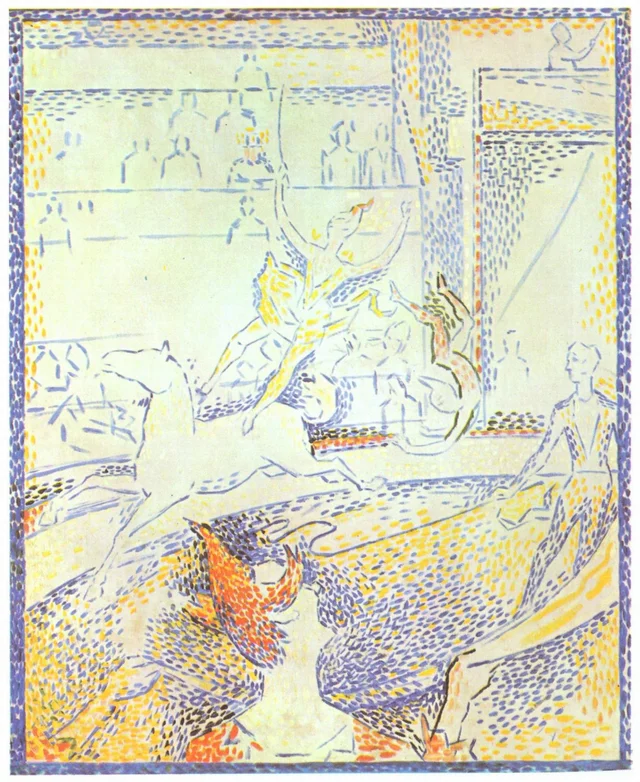 Il circo (studio)Georges Seurat, 1891
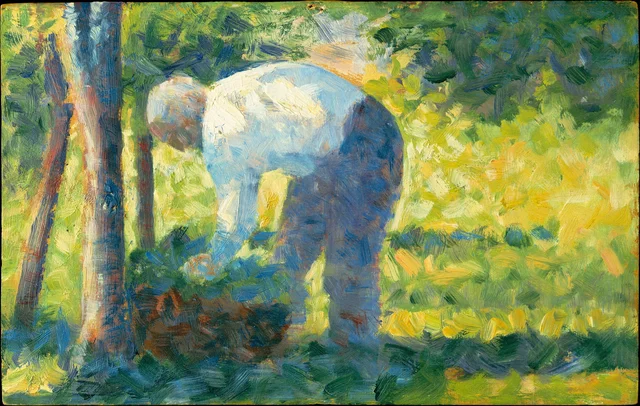 Il giardiniereGeorges Seurat, 1882
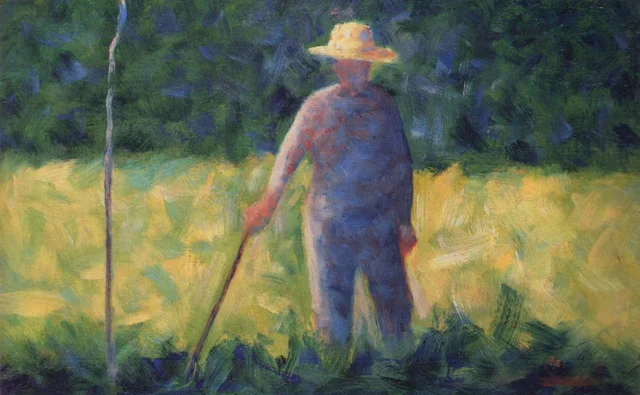 Il giardiniere IGeorges Seurat, 1882
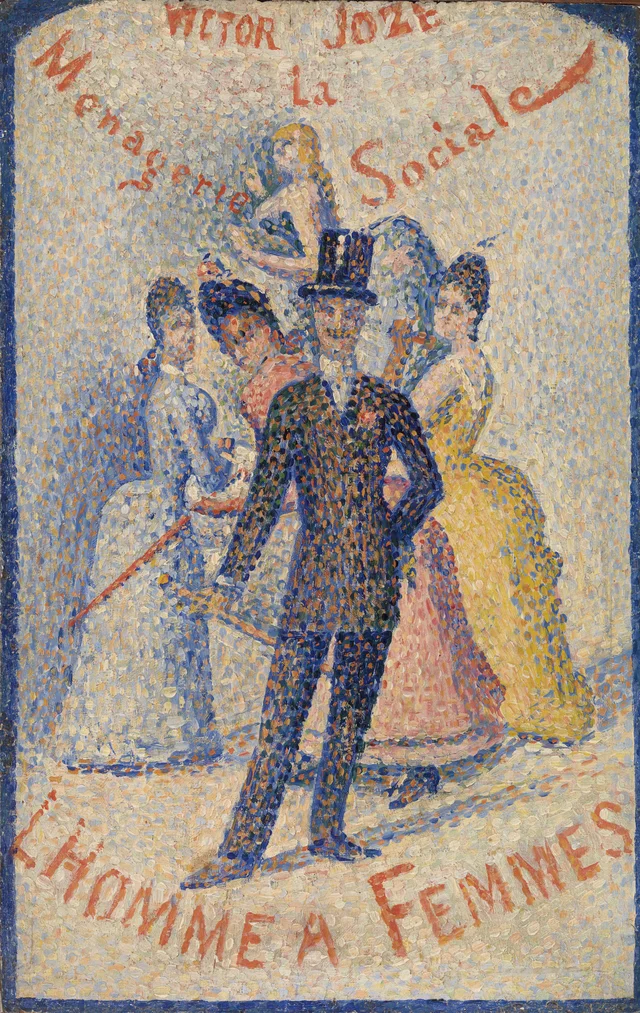 Il donnaioloGeorges Seurat, 1889
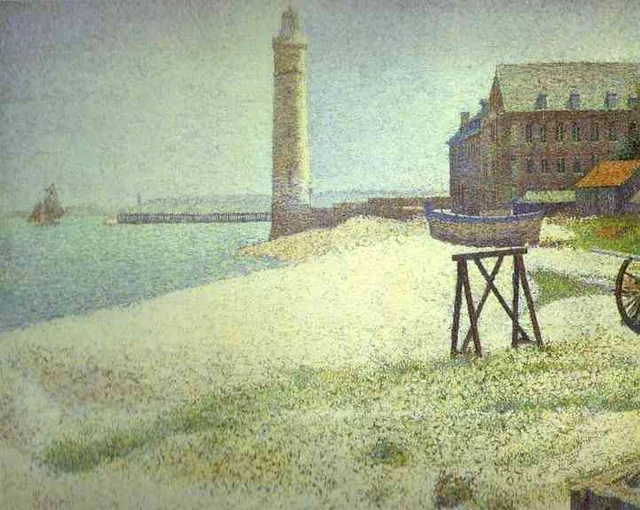 Il faro di HonfleurGeorges Seurat, 1886