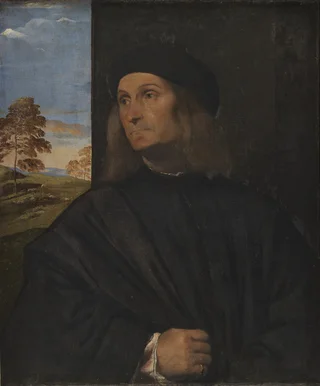
Giovanni Bellini
1430–1516 · Repubblica di Venezia · Rinascimento
La storia
Giovanni Bellini diresse per quasi sei decenni la più importante bottega di pittori di Venezia, e due degli allievi che vi passarono, Giorgione e Tiziano, avrebbero poi definito la generazione successiva dell'arte veneziana. Entrambi superarono in fama il maestro che li aveva formati, cosa che Bellini sembra aver accettato senza troppi problemi, a giudicare da quanto a lungo rimasero ben accolti nella sua cerchia.
Ciò che Bellini cambiò davvero fu la tecnica. Venezia dipingeva in gran parte a tempera per quasi tutto il Quattrocento, ma Bellini adottò presto la pittura a olio e ne sfruttò i tempi di essiccazione lenti per costruire sottili velature trasparenti di colore, facendo sembrare che la luce provenisse dall'interno del dipinto anziché posarsi sulla sua superficie. Cieli, acque e le pieghe di una veste acquisirono tutti una morbidezza che i pittori veneziani precedenti non erano riusciti a rendere, e quella qualità atmosferica divenne il tratto distintivo dell'intera scuola veneziana per il secolo successivo.
Proveniva da una famiglia di pittori, figlio di Jacopo Bellini e fratello di Gentile Bellini, e lavorò fino agli ottant'anni, ancora attivo quando morì a Venezia nel dicembre 1516.
Altri articoli
 Articolo · 38 min di letturaNational Gallery of Art di Washington: venti quadri arrivati da mani private
 Articolo · 35 min di letturaLe Gallerie dell'Accademia di Venezia: venti opere e la strada che ciascuna ha fatto per arrivarci
 Articolo · 36 min di letturaPinacoteca di Brera: dalle requisizioni napoleoniche alla Grande Brera
 Articolo · 43 min di letturaLa Gemäldegalerie di Berlino: 20 dipinti che Berlino ha comprato, perso e diviso
Opere
109 opere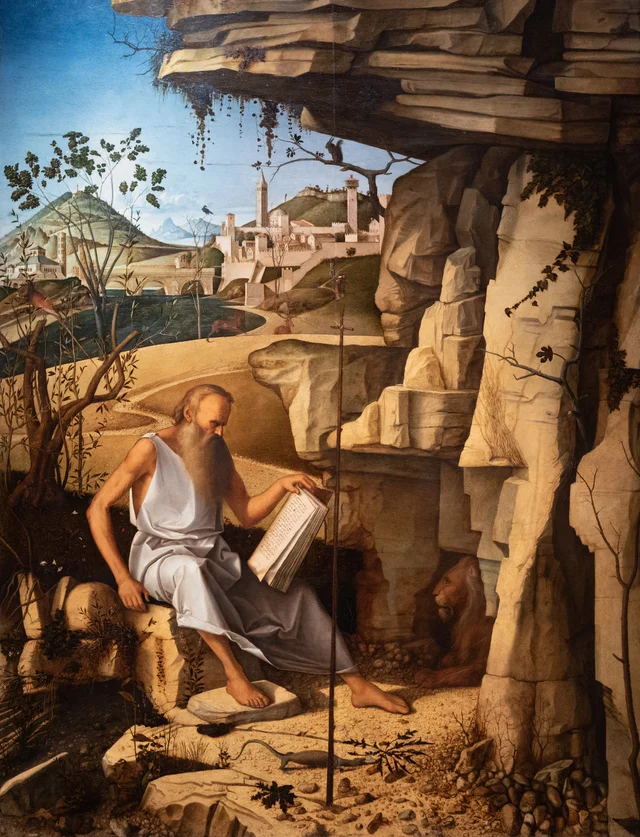 San Girolamo che legge nel desertoGiovanni Bellini, 1480
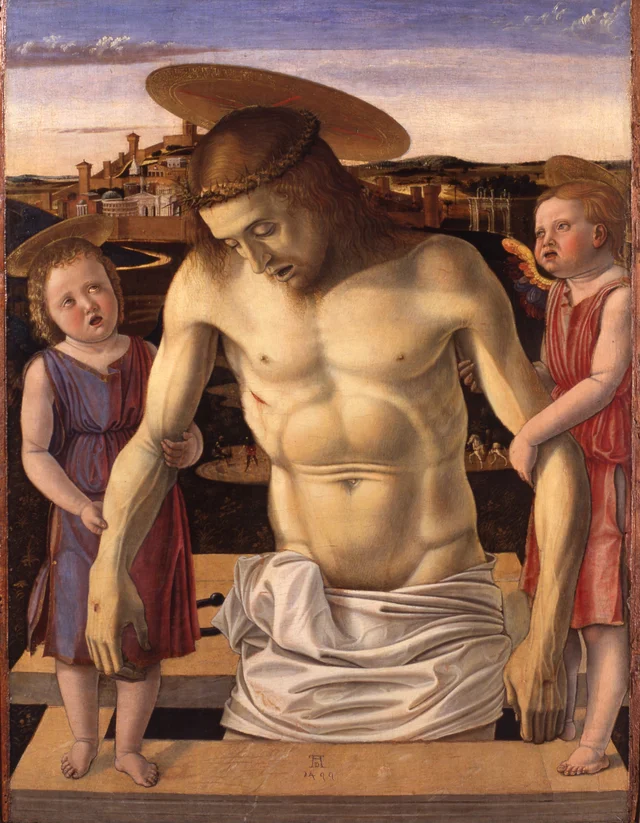 Cristo morto sorretto da due angeliGiovanni Bellini, 1454
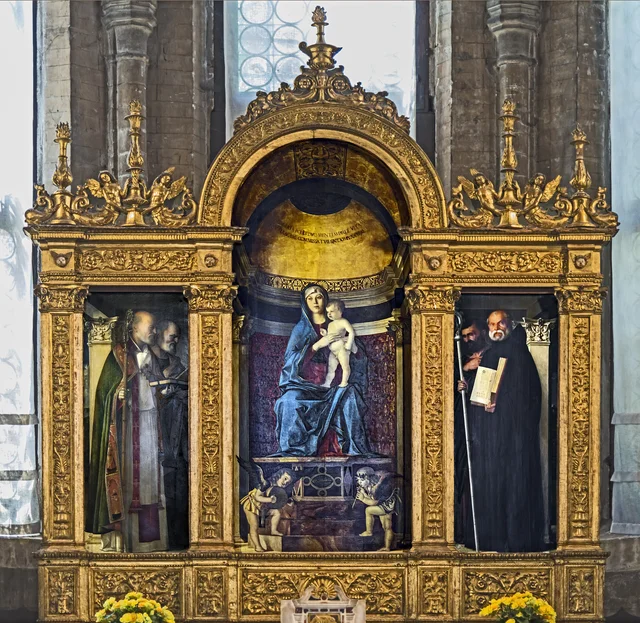 Trittico dei FrariGiovanni Bellini, 1488
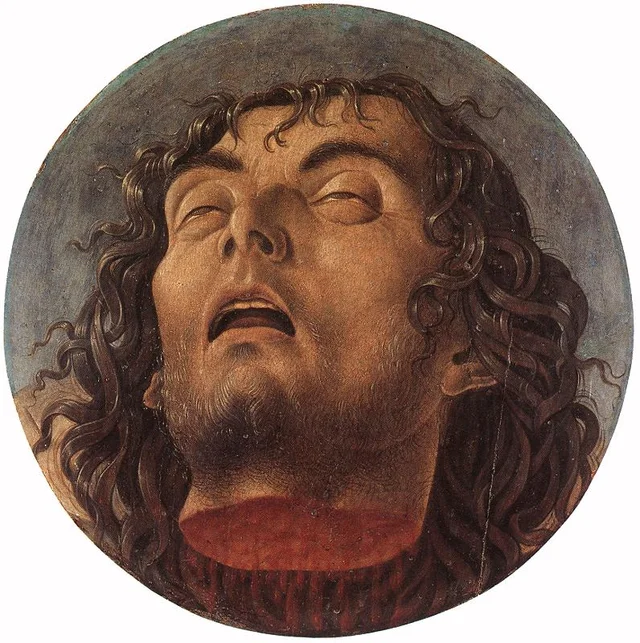 Testa di san Giovanni BattistaGiovanni Bellini, 1465
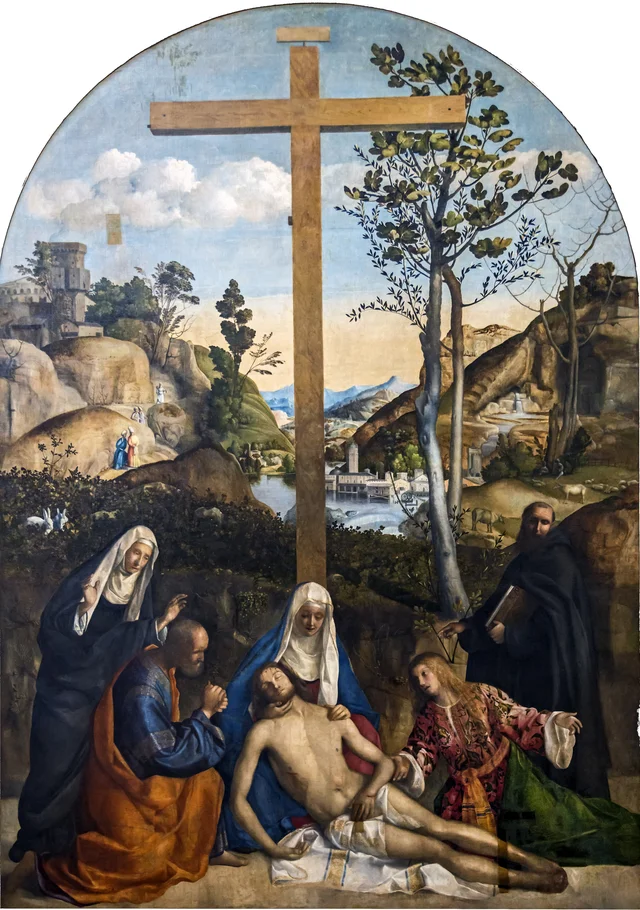 Compianto sul Cristo morto con Giuseppe d'Arimatea, la Vergine e Maria Maddalena, con santa Marta e san Filippo BeniziGiovanni Bellini, 1510
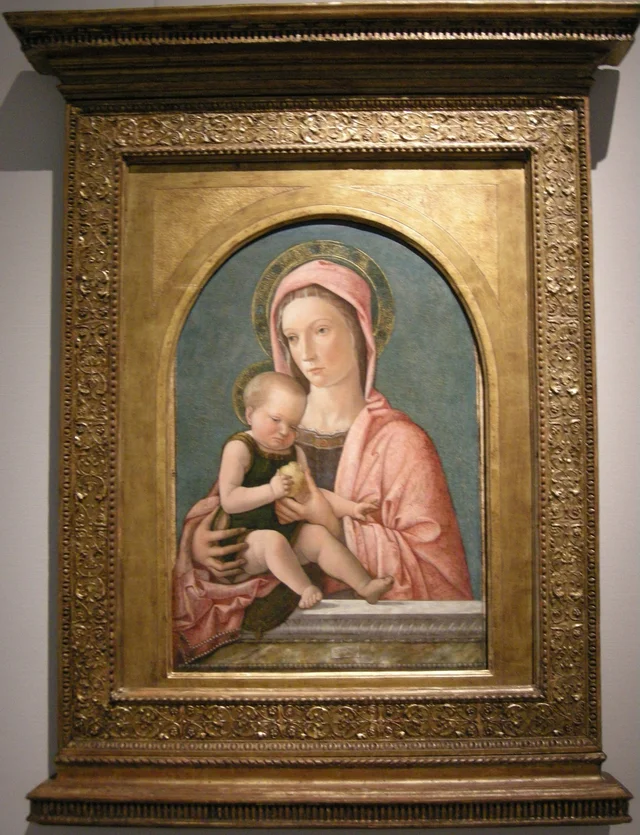 Madonna col BambinoGiovanni Bellini, 1460
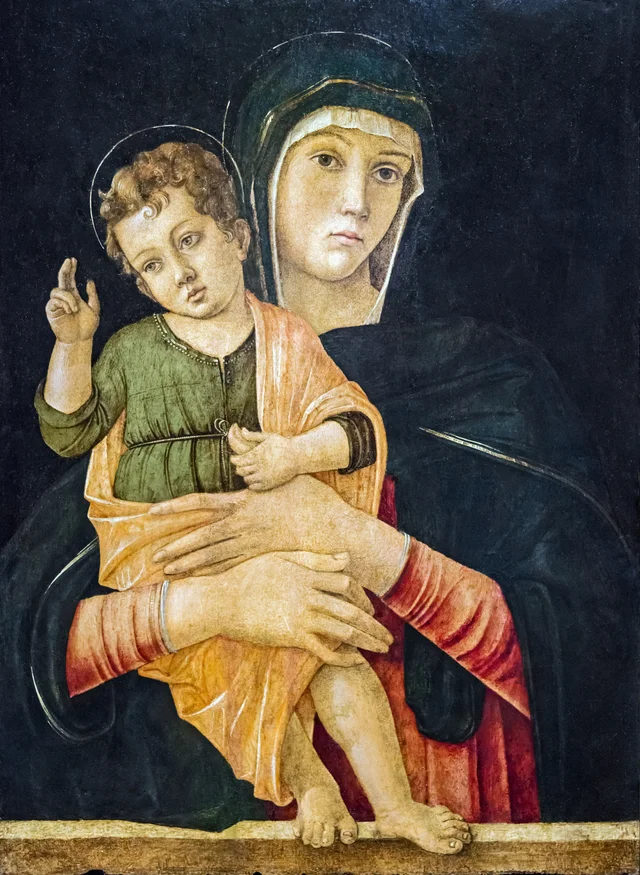 Madonna con il Bambino benedicenteGiovanni Bellini, 1464
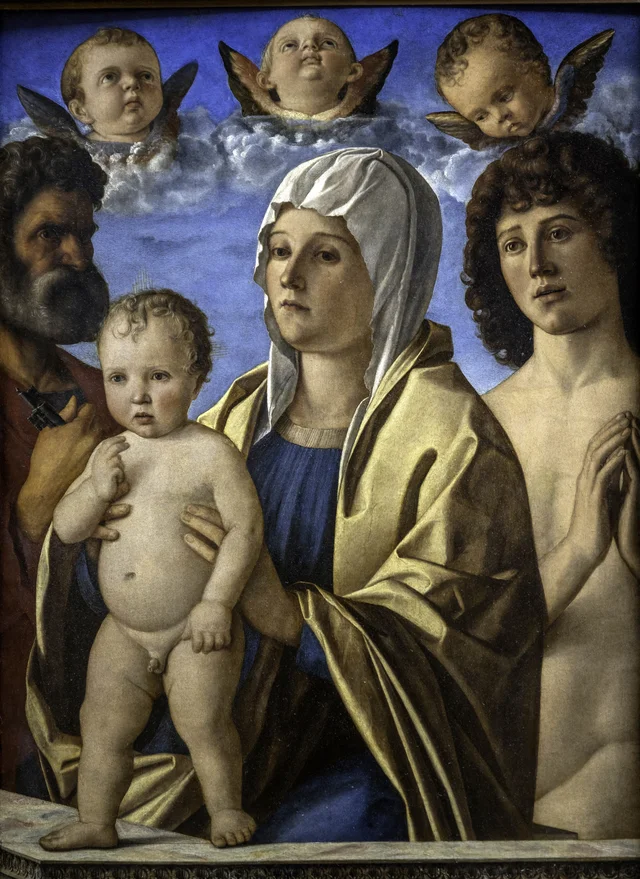 Madonna con Bambino tra i santi Pietro e SebastianoGiovanni Bellini, 1480
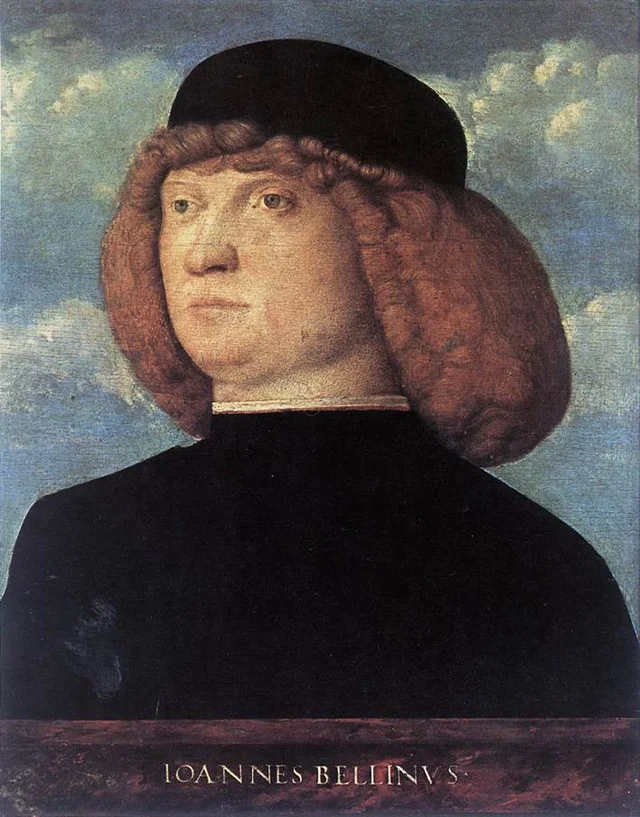 Ritratto d'uomoGiovanni Bellini, 1490
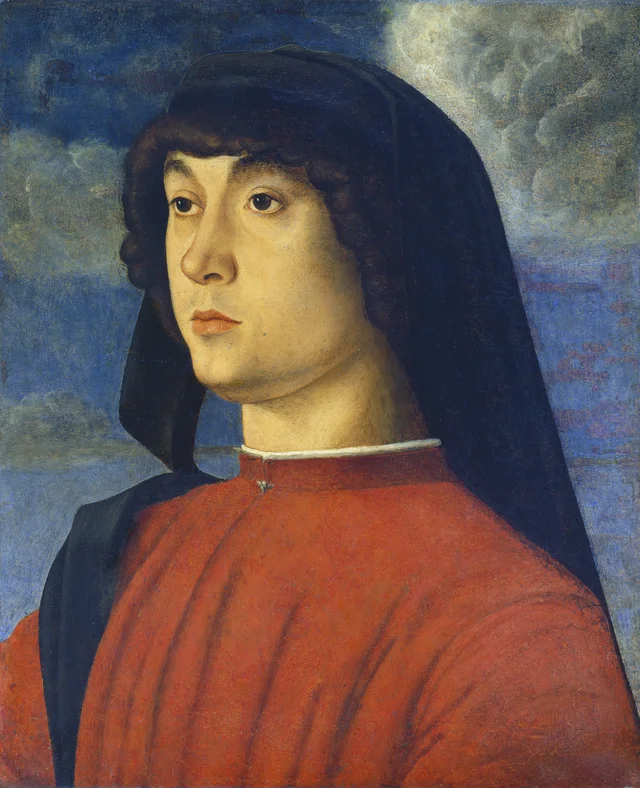 Ritratto di giovane in rossoGiovanni Bellini, 1485
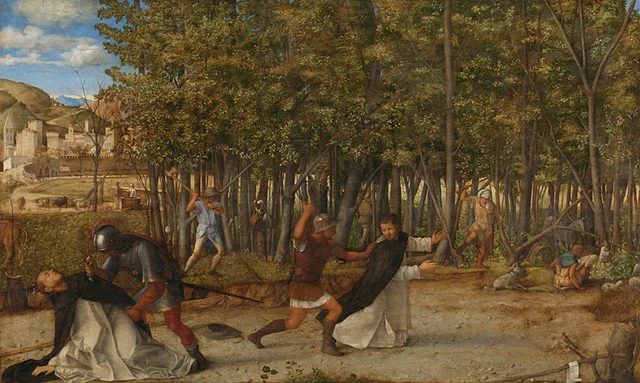 L'assassinio di san Pietro martireGiovanni Bellini, 1507
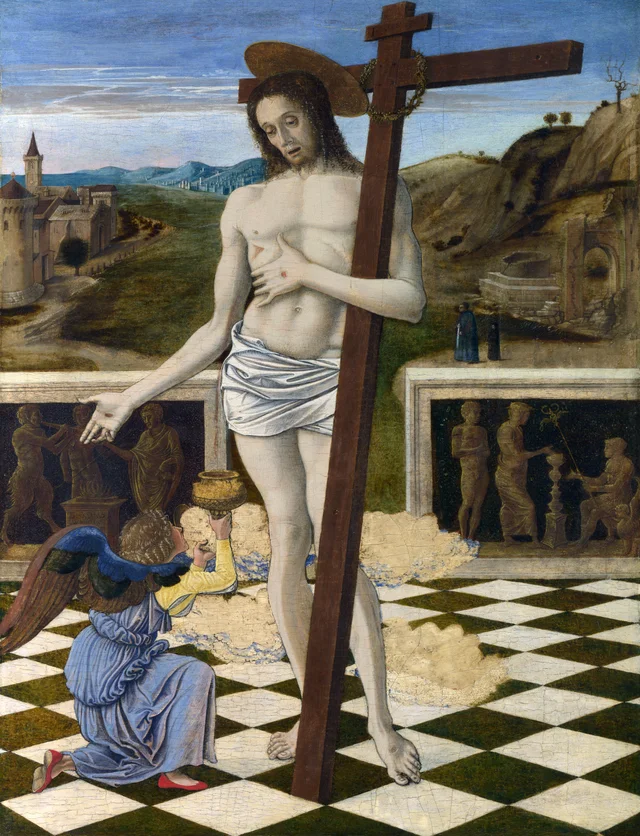 Il sangue del RedentoreGiovanni Bellini, 1462
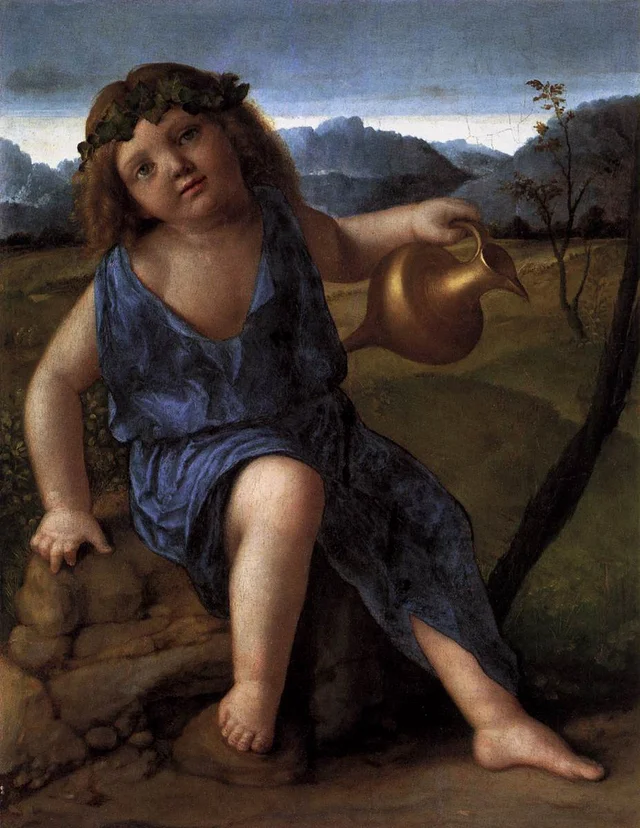 Bacco bambinoGiovanni Bellini, 1514
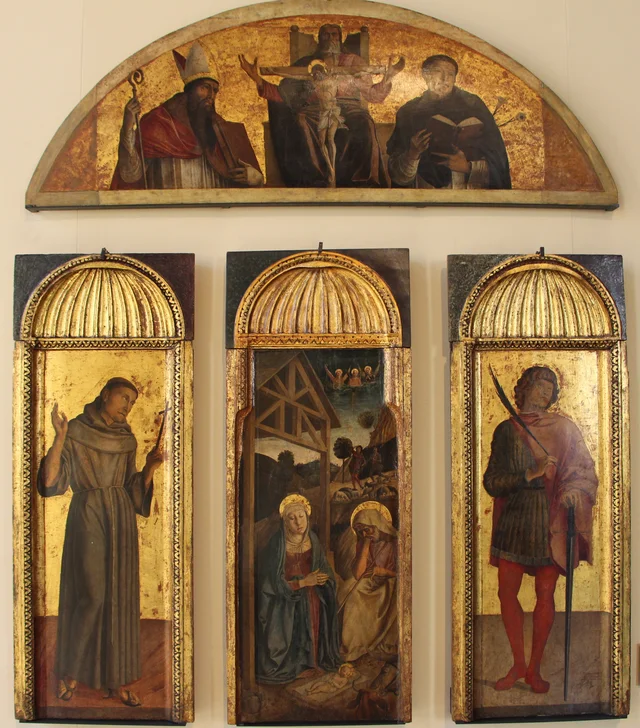 Trittico della natività di CristoGiovanni Bellini, 1464
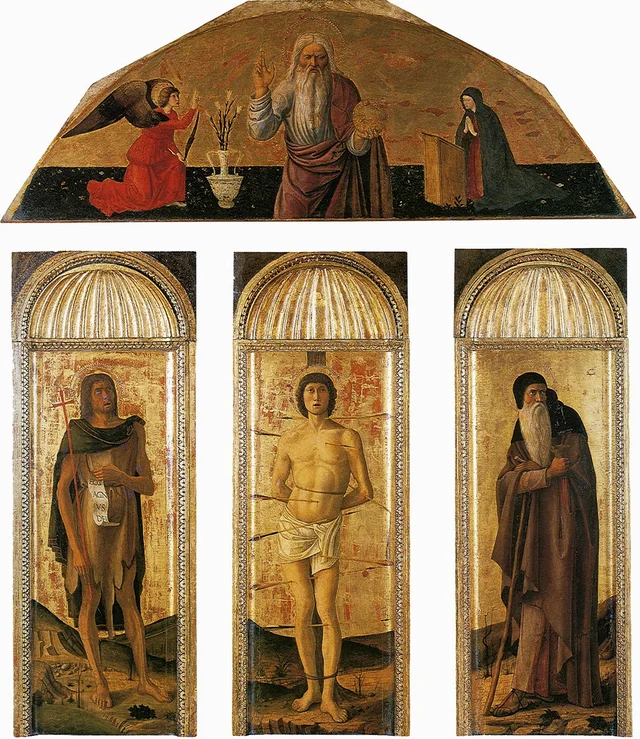 Trittico di san SebastianoGiovanni Bellini, 1464
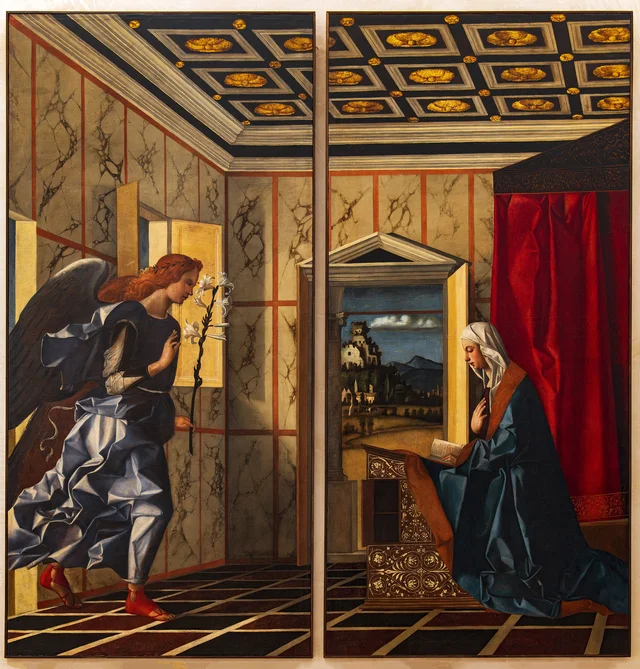 AnnunciazioneGiovanni Bellini, 1500
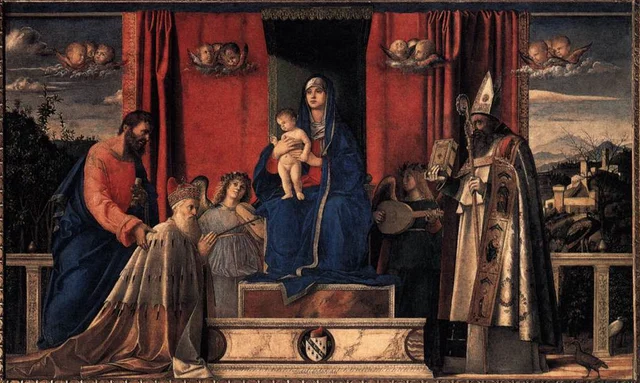 Pala BarbarigoGiovanni Bellini, 1488
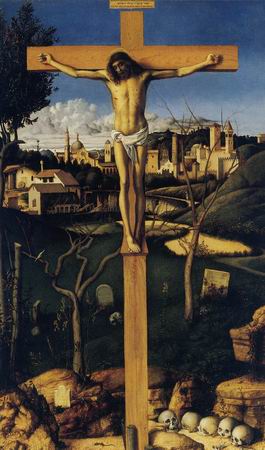 CrocifissioneGiovanni Bellini, 1500
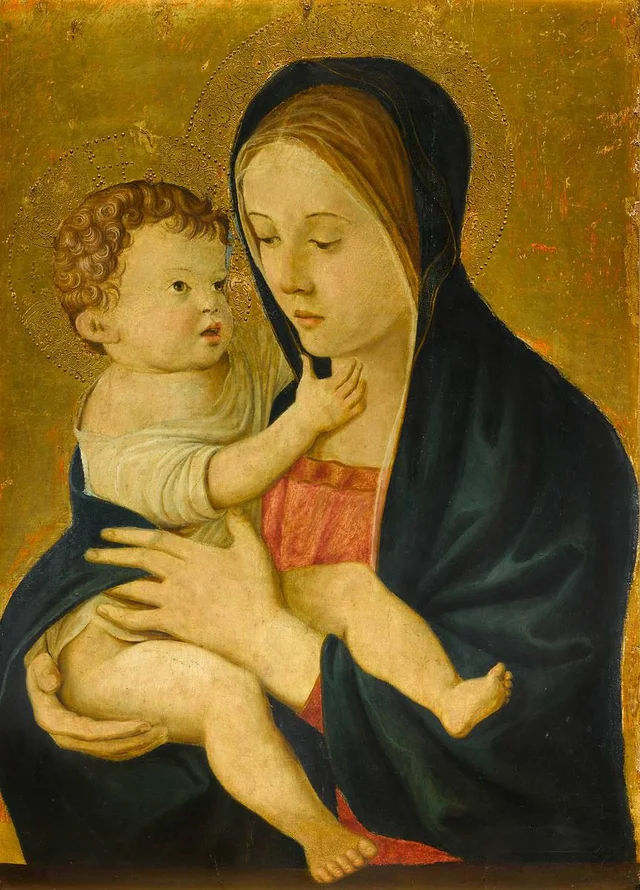 Madonna col BambinoGiovanni Bellini, 1470
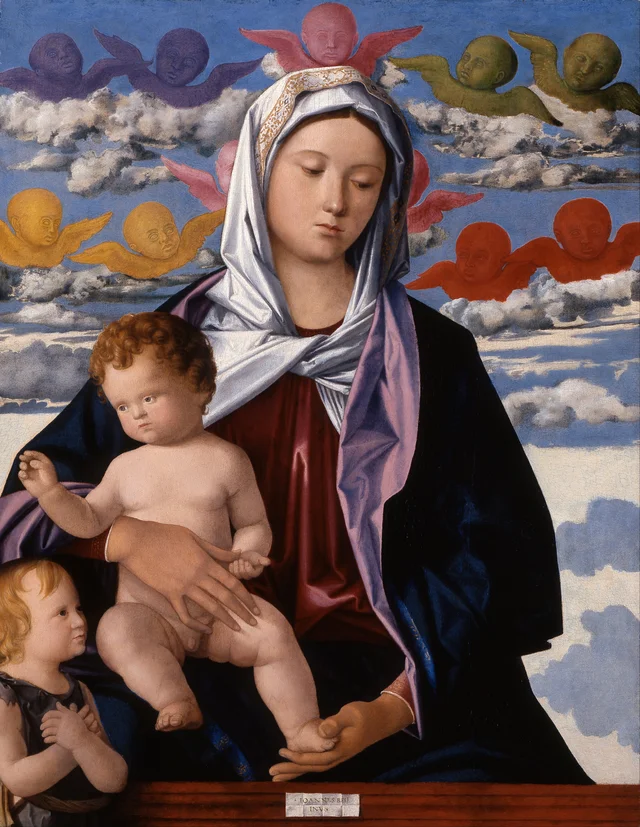 Madonna con il Bambino e san Giovanni BattistaGiovanni Bellini, 1495
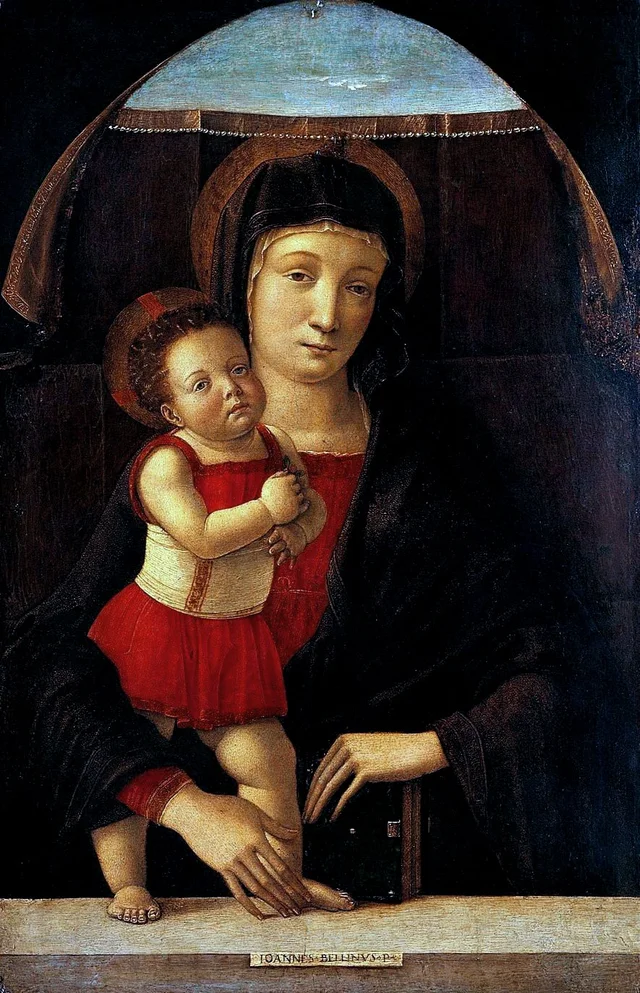 Madonna col BambinoGiovanni Bellini, 1450
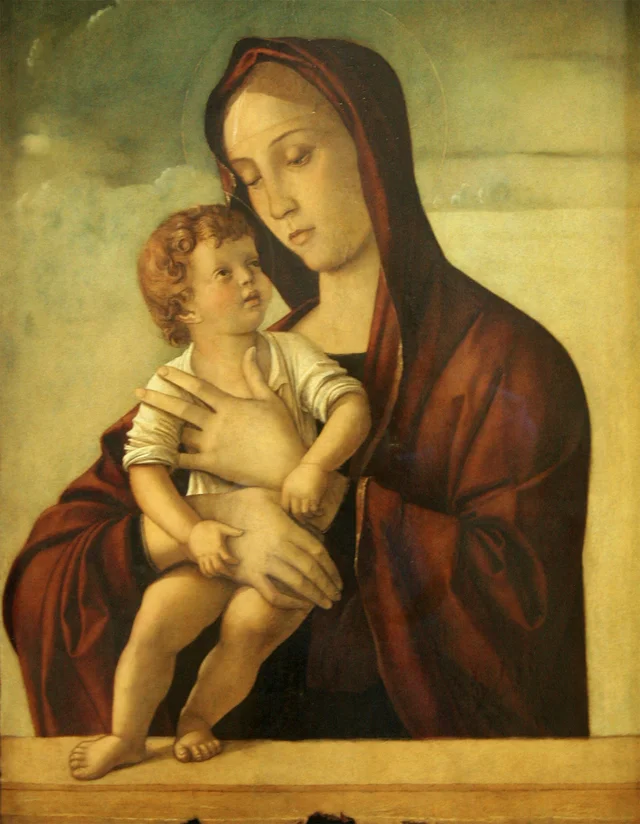 Madonna col BambinoGiovanni Bellini
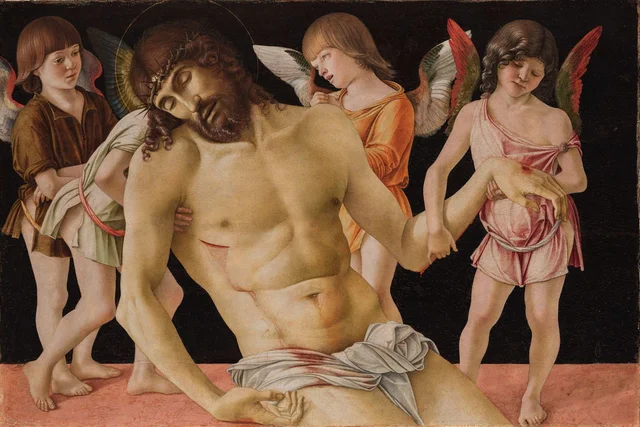 PietàGiovanni Bellini, 1470
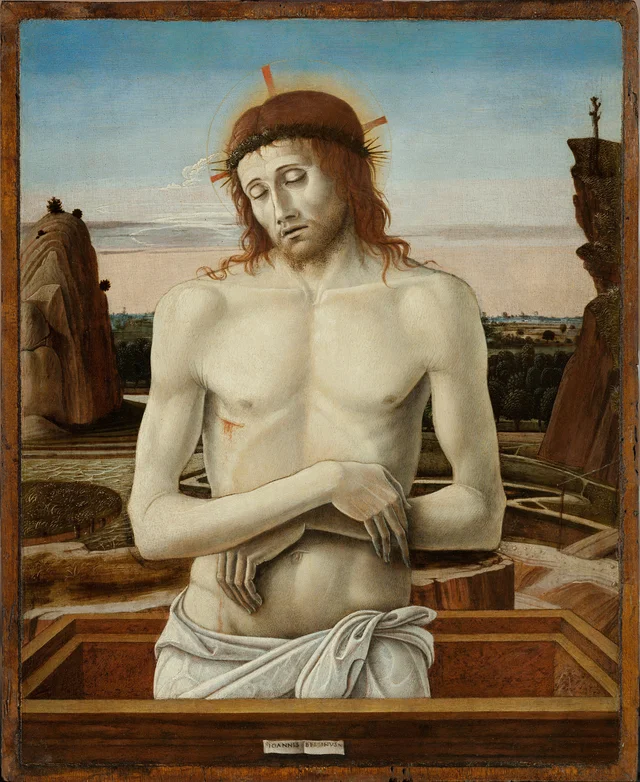 PietàGiovanni Bellini, 1455
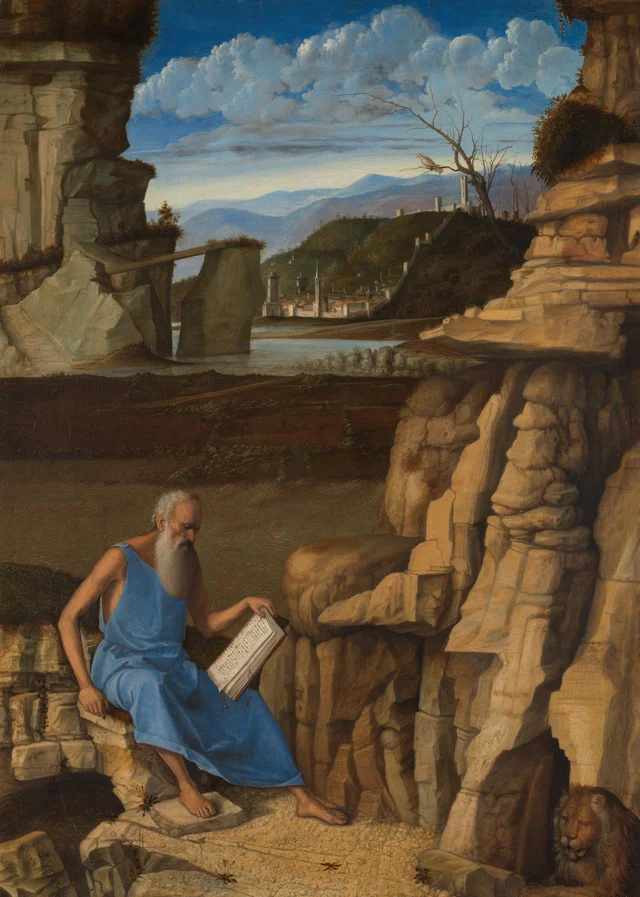 San Girolamo che legge in un paesaggioGiovanni Bellini, 1482