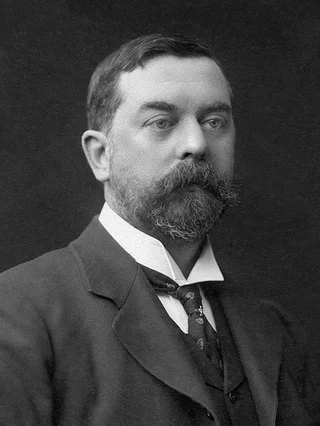
John Singer Sargent
1856–1925 · Stati Uniti · Impressionismo
La storia
Nel 1884 Sargent chiese a una mondana parigina nata in Louisiana, Virginie Gautreau, di posare per un ritratto che nessuno gli aveva commissionato, semplicemente perché voleva dipingerla: pelle chiara, un profilo per cui era famosa e un abito nero con una spallina ingioiellata che scivolava da una spalla. Quando fu esposto al Salon come Ritratto di Madame***, tutta Parigi sapeva esattamente chi fosse, e la spallina caduta si leggeva come un'aperta ammissione delle relazioni che già le si attribuivano. La reazione fu feroce. Un critico la definì una pagliaccia in una pantomima, e la madre di Gautreau, si racconta, si presentò in lacrime nello studio di Sargent supplicandolo di ritirarlo.
Sargent ridipinse la spallina sulla spalla, ma il danno alla sua reputazione a Parigi era fatto, e nel giro di un anno partì per Londra. Lì ricostruì la propria carriera quasi dal nulla, dipingendo l'aristocrazia britannica e i ricchi espatriati americani, e verso gli anni 1890 era il ritrattista più richiesto del mondo anglofono.
Tenne l'originale di Madame X nel proprio studio per decenni, rifiutandosi di venderlo o di esporlo in pubblico, e lo lasciò andare al Metropolitan Museum di New York solo nel 1916, definendolo la cosa migliore che avesse mai dipinto.
Altri articoli
Opere
137 opere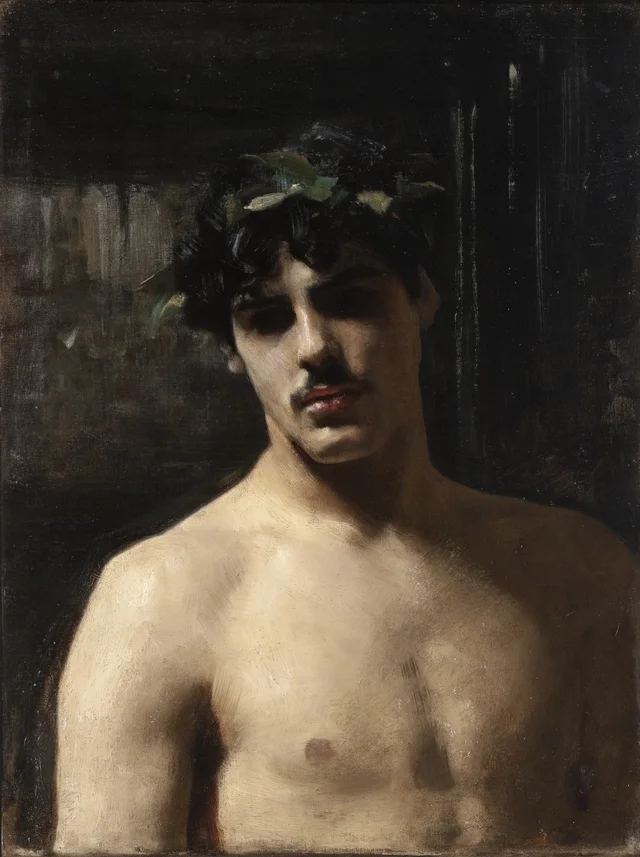 Uomo con alloroJohn Singer Sargent, 1877
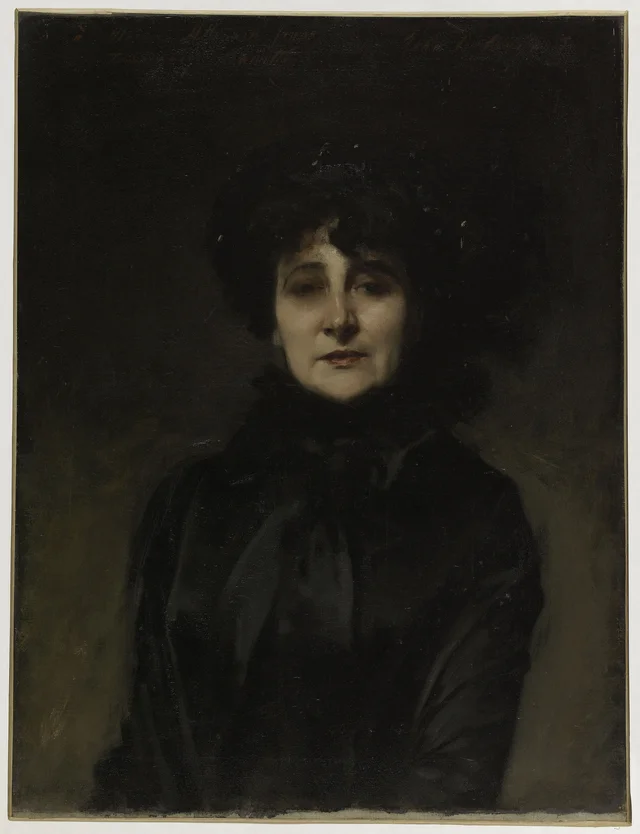 Sig.ra Emma-Marie Allouard-JouanJohn Singer Sargent, 1882
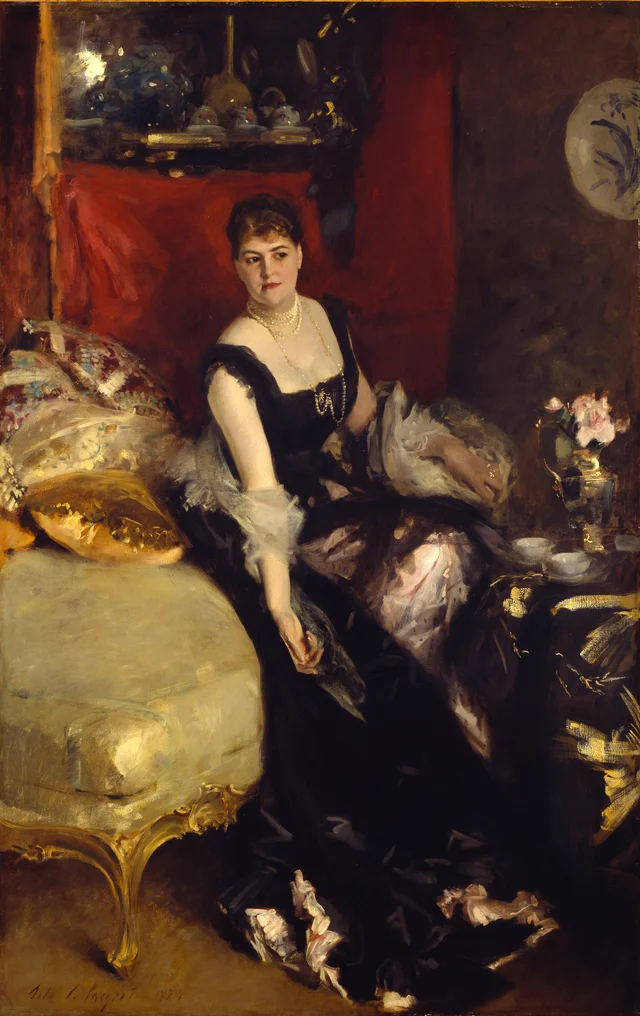 La signora Kate A. MooreJohn Singer Sargent, 1884
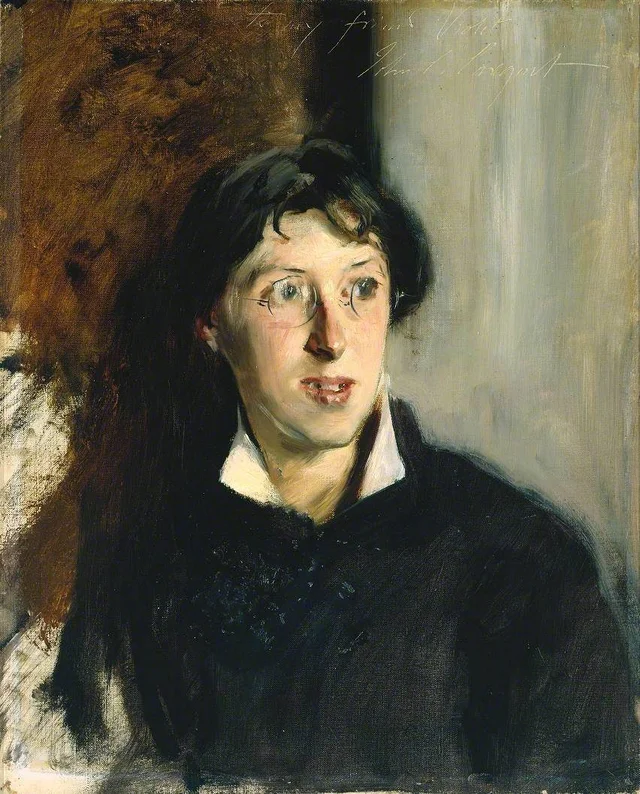 Ritratto di Vernon LeeJohn Singer Sargent, 1881
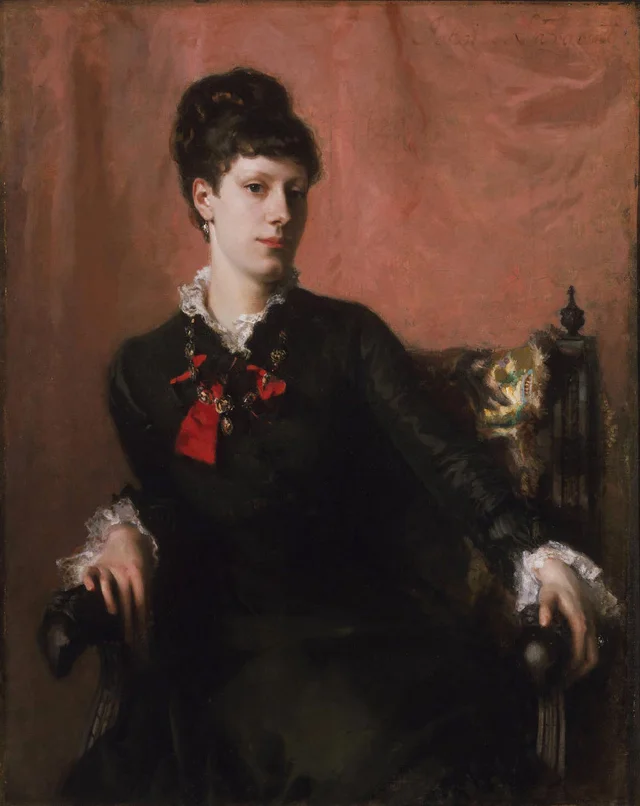 Ritratto di Frances Sherborne Ridley WattsJohn Singer Sargent, 1877
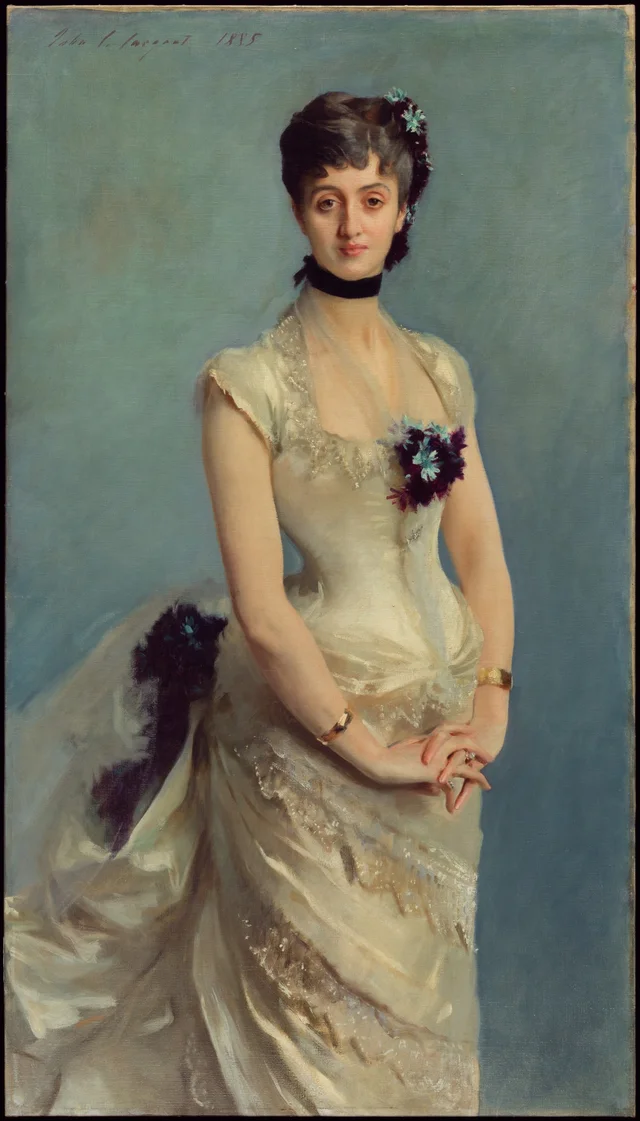 Ritratto di Madame Paul PoirsonJohn Singer Sargent, 1885
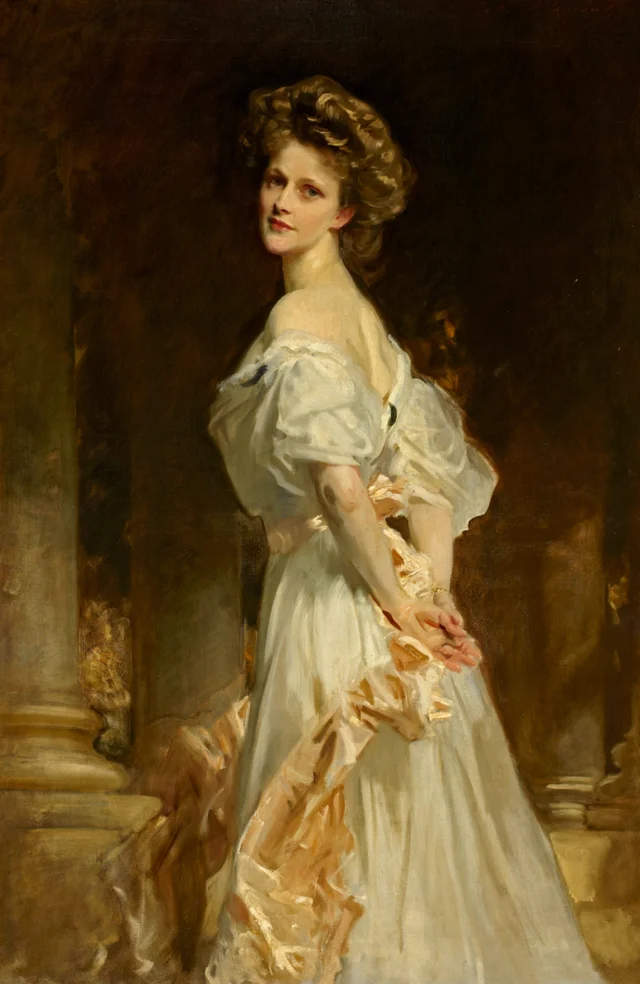 Ritratto di Nancy AstorJohn Singer Sargent, 1908
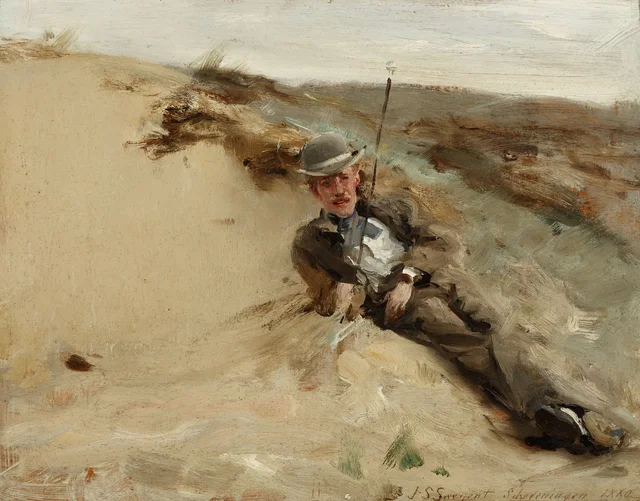 Ritratto di Ralph Curtis sulla spiaggia di ScheveningenJohn Singer Sargent, 1880
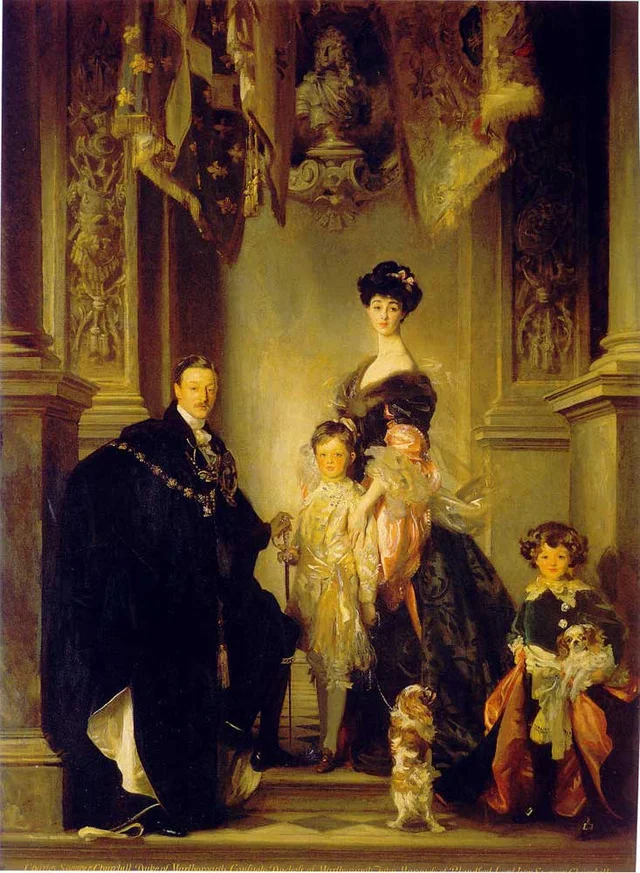 Ritratto del nono duca di Marlborough con la sua famigliaJohn Singer Sargent, 1905
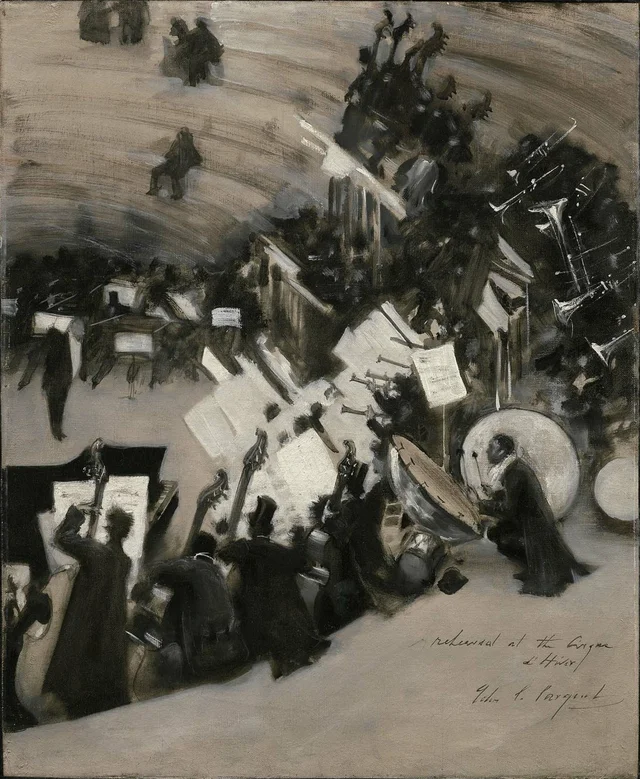 Prova dell'orchestra Pasdeloup al Cirque d'HiverJohn Singer Sargent, 1879
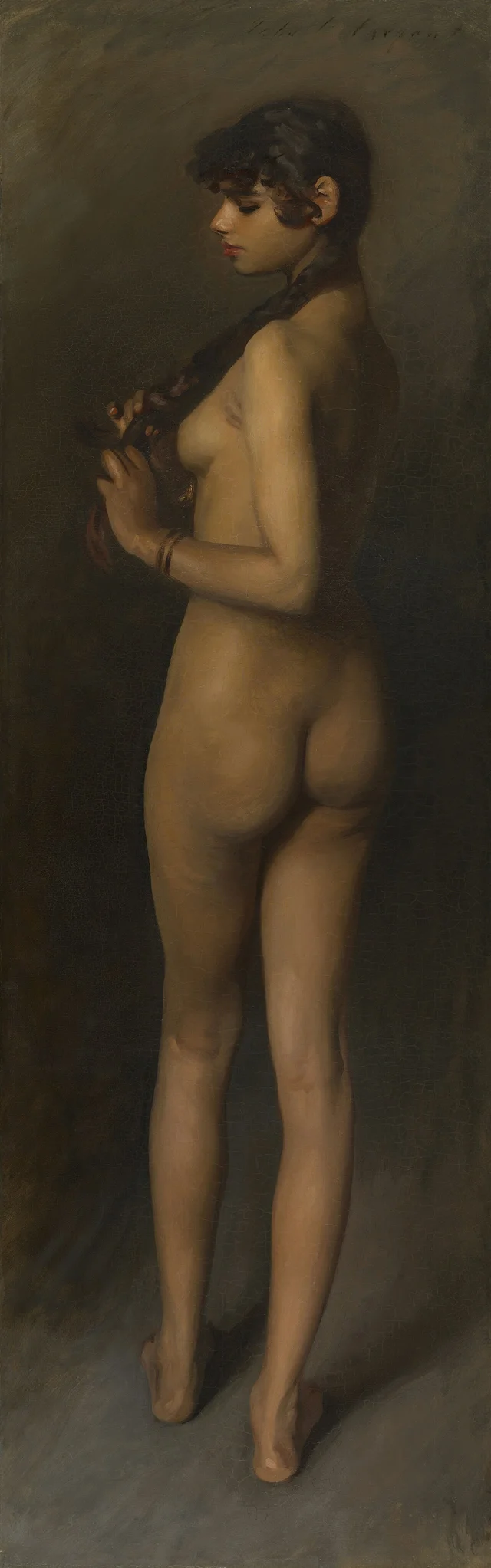 Studio dal veroJohn Singer Sargent, 1891
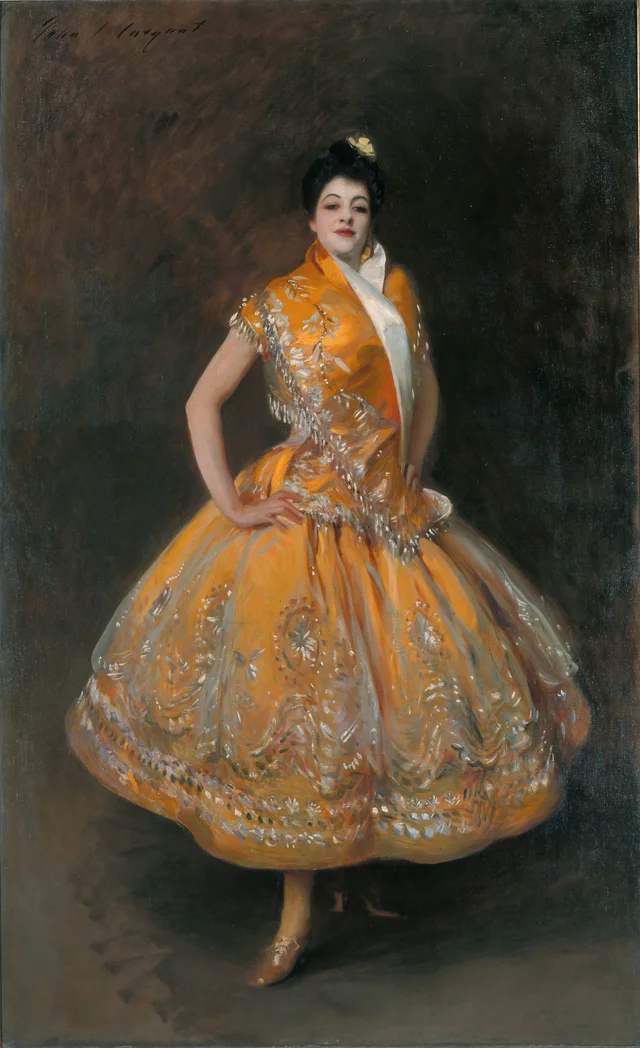 La CarmencitaJohn Singer Sargent, 1890
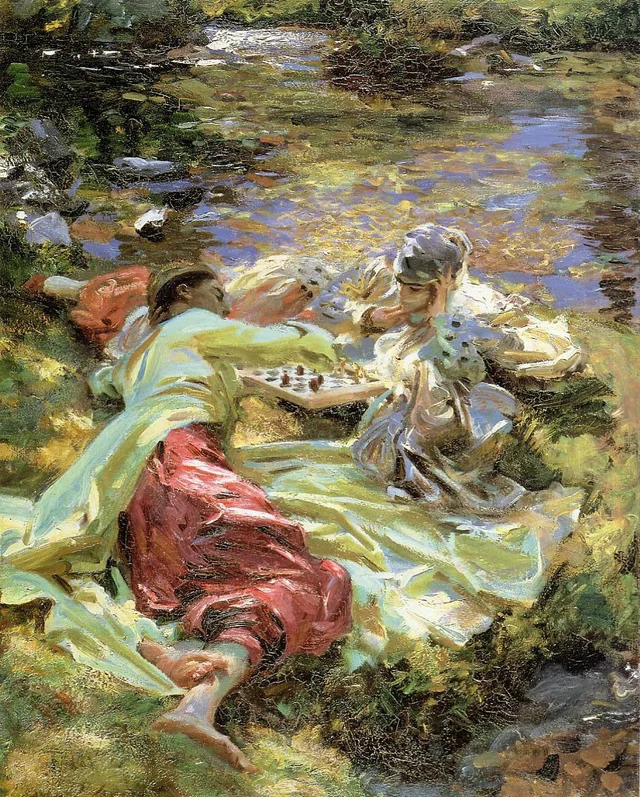 La partita a scacchiJohn Singer Sargent, 1907
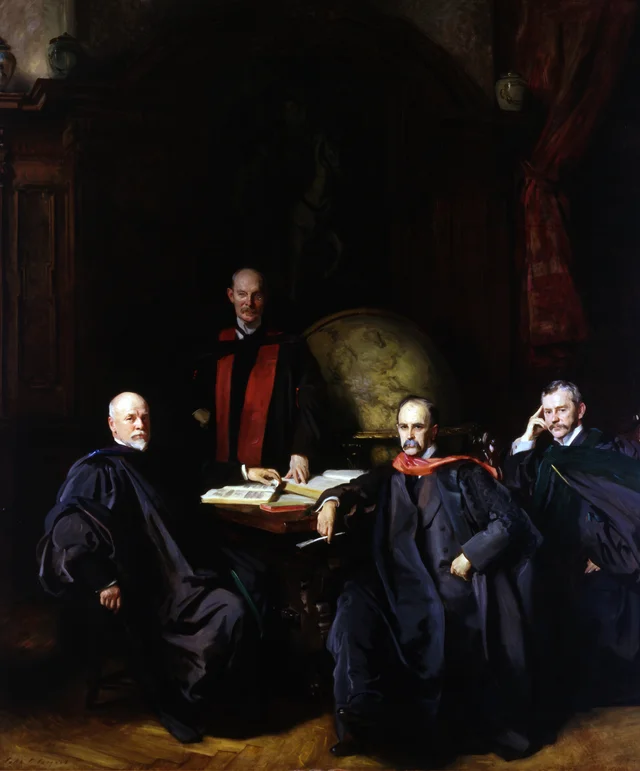 I quattro mediciJohn Singer Sargent, 1906
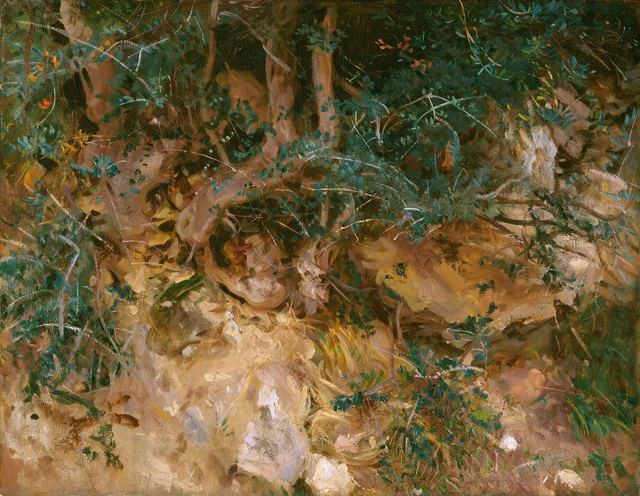 Valldemossa, Maiorca: cardi ed erbe su un pendioJohn Singer Sargent, 1908
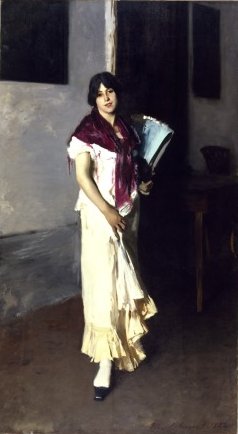 Una venezianaJohn Singer Sargent, 1882
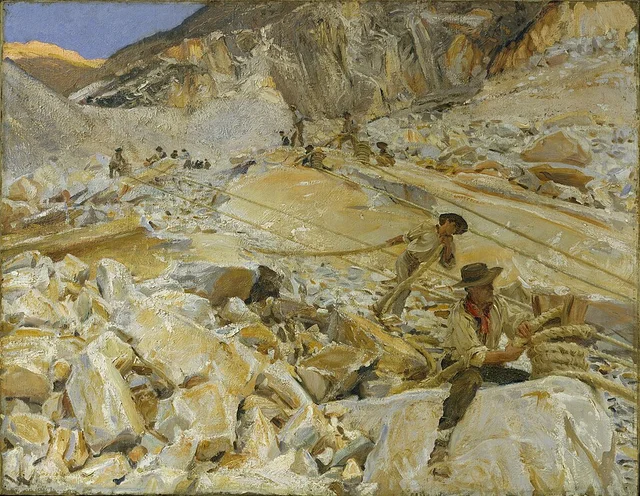 Il trasporto del marmo dalle cave a CarraraJohn Singer Sargent, 1911
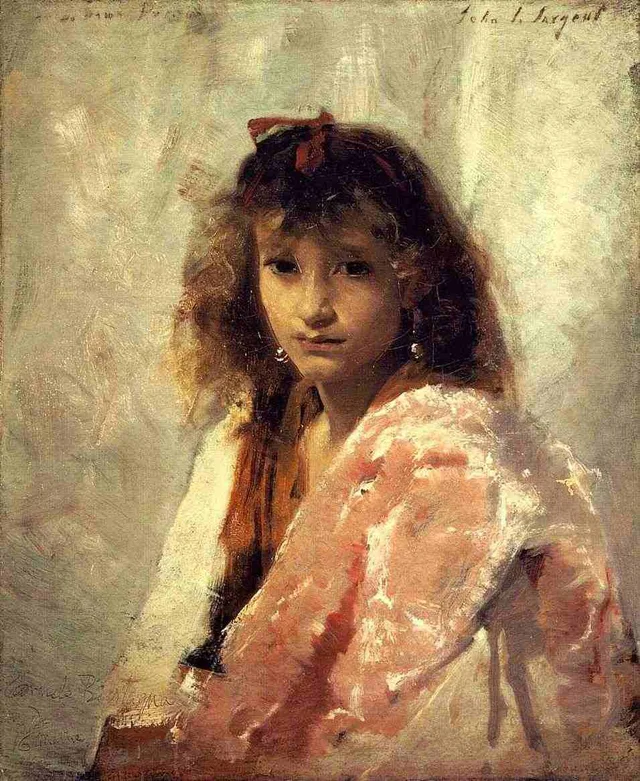 Carmela BertagnaJohn Singer Sargent, 1880
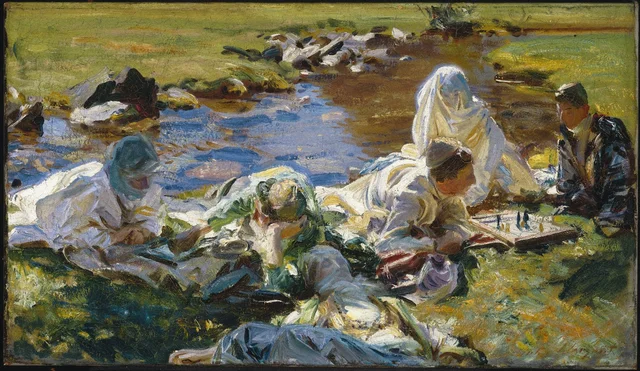 Dolce far nienteJohn Singer Sargent, 1907
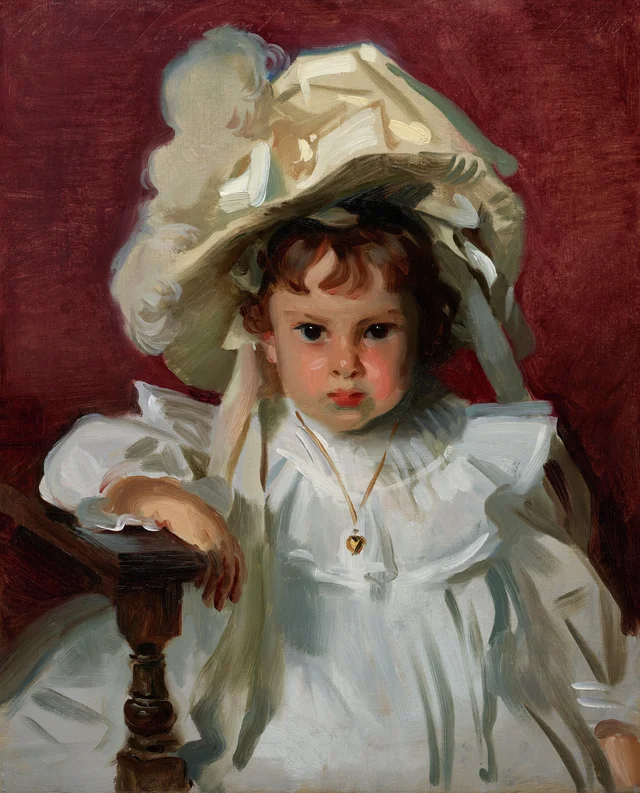 DorothyJohn Singer Sargent, 1900
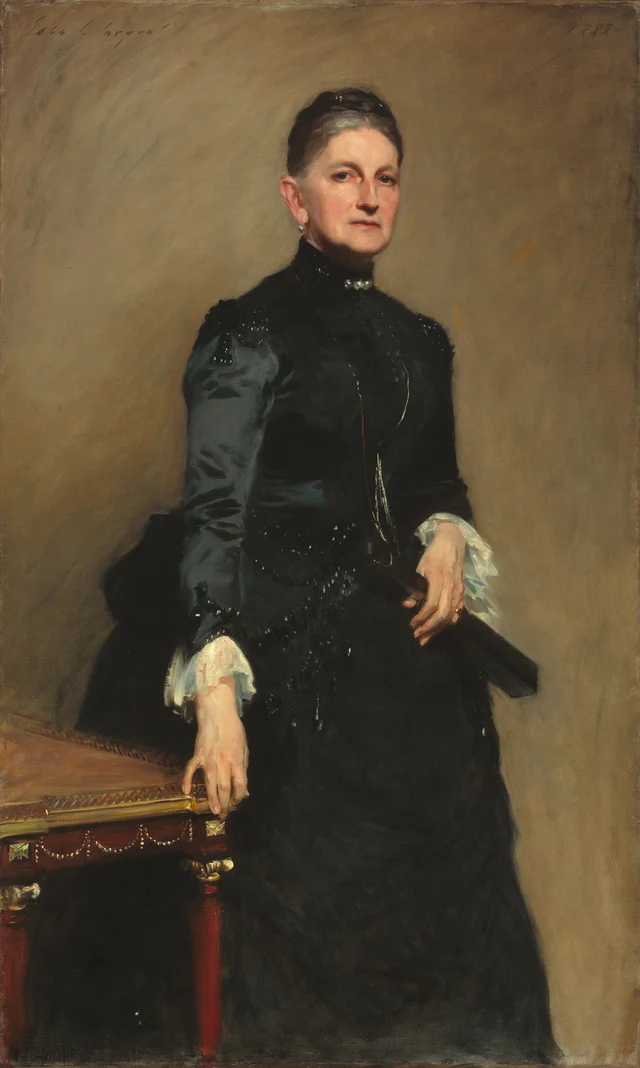 Eleanora O'Donnell Iselin (Sig.ra Adrian Iselin)John Singer Sargent, 1888
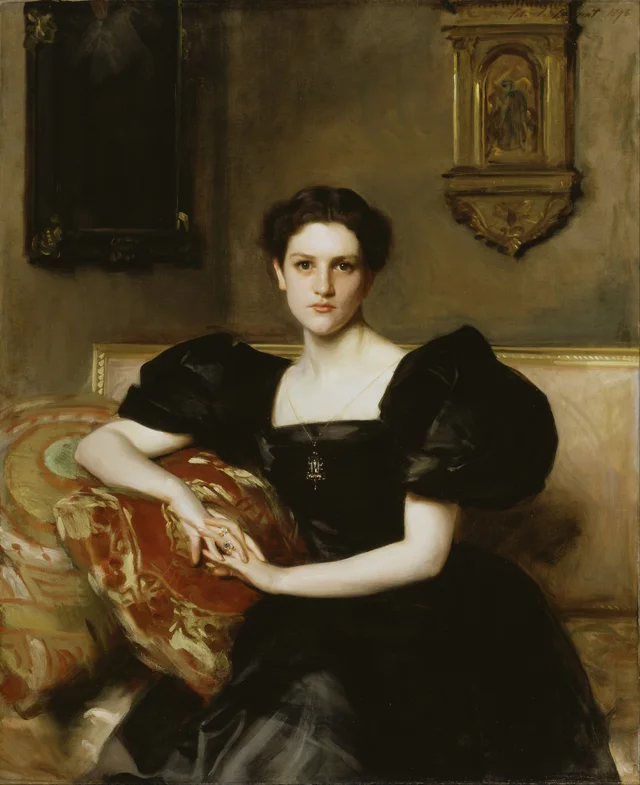 Elizabeth Winthrop Chanler (Sig.ra John Jay Chapman)John Singer Sargent, 1893
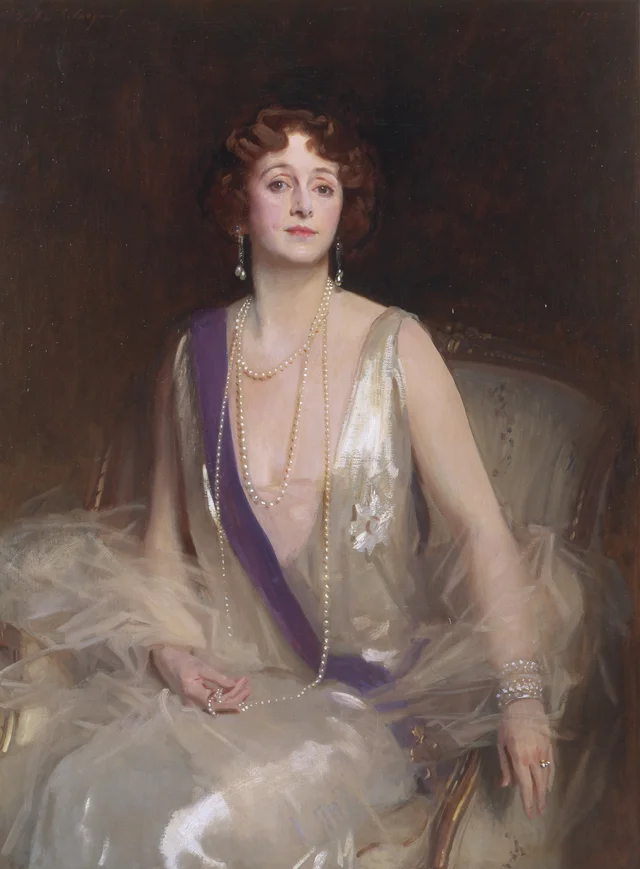 Grace Elvina, marchesa Curzon di KedlestonJohn Singer Sargent, 1925
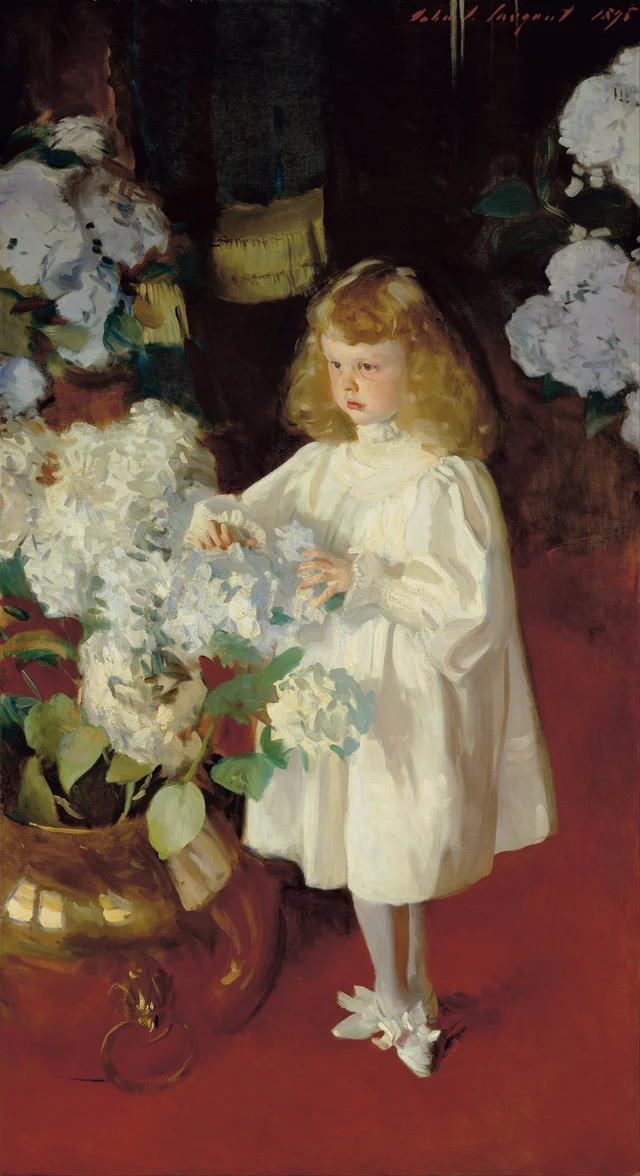 Helen SearsJohn Singer Sargent, 1895
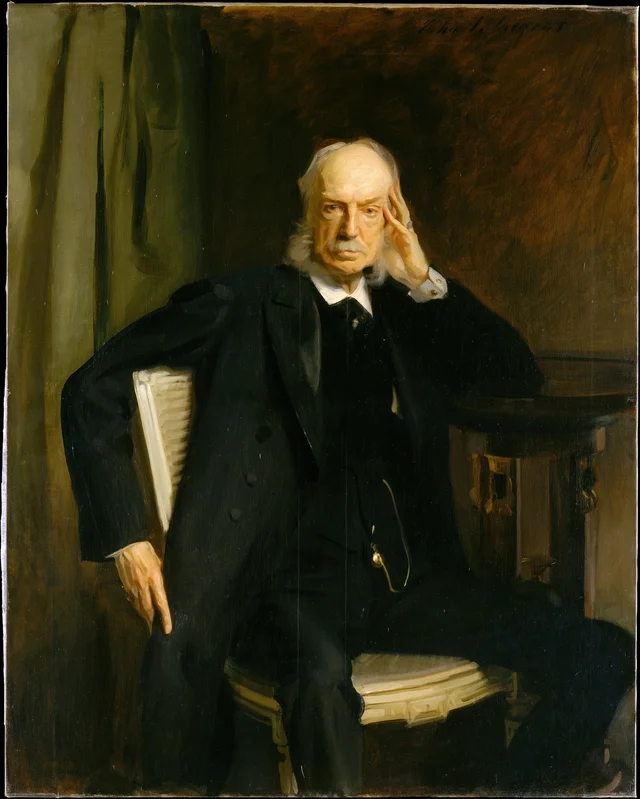 Henry G. MarquandJohn Singer Sargent, 1897