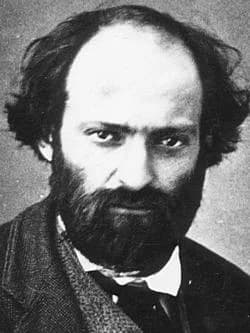
Paul Cézanne
1839–1906 · Francia · Postimpressionismo
La storia
Per la maggior parte della sua vita Paul Cézanne fu il pittore che nessuno voleva. Espose con gli impressionisti negli anni Settanta dell'Ottocento, deriso più di chiunque altro tra loro, poi si ritirò in silenzio nella città natale, Aix-en-Provence, nel sud della Francia, e smise pressoché di esporre. Aveva un vantaggio che agli altri mancava: suo padre era un banchiere facoltoso, e un'eredità gli permise di dipingere per decenni esattamente come voleva, ignorato, senza bisogno di vendere.
Ciò che inseguiva era la struttura solida sotto la superficie, il modo in cui una montagna o una mela reggono davvero nello spazio, piuttosto che la luce fuggevole degli impressionisti. A partire dagli anni Ottanta dipinse la Montagna Sainte-Victoire, il pallido crinale calcareo sopra Aix, più e più volte, circa 80 volte tra olio e acquerello, ogni versione più piatta e più costruita a blocchi di colore della precedente. I pittori più giovani che lo scoprirono tardi, tra cui Picasso e Matisse, presero quei blocchi e li scomposero nel Cubismo, la geometria frantumata della generazione successiva. Picasso lo definì "il padre di tutti noi".
Il suo amico più antico era il romanziere Émile Zola. Erano cresciuti insieme ad Aix, due ragazzi che chiamavano la propria banda gli Inseparabili, e si erano trasferiti a Parigi fianco a fianco. Nel 1886 Zola pubblicò un romanzo su un pittore di grande talento che fallisce e si toglie la vita. Cézanne lo lesse, vi riconobbe un ritratto di sé stesso, mandò a Zola un breve biglietto formale di ringraziamento, e non gli parlò mai più. Lavorò quasi fino alla fine all'aperto; nell'ottobre 1906 fu sorpreso da un temporale mentre dipingeva, si accasciò sul ciglio della strada, e morì di polmonite pochi giorni dopo, a 67 anni.
Opere
132 opere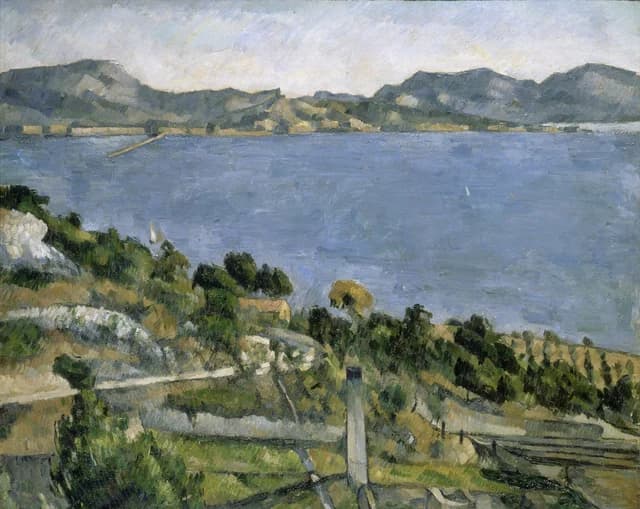 Il golfo di Marsiglia visto da l'EstaquePaul Cézanne, 1885
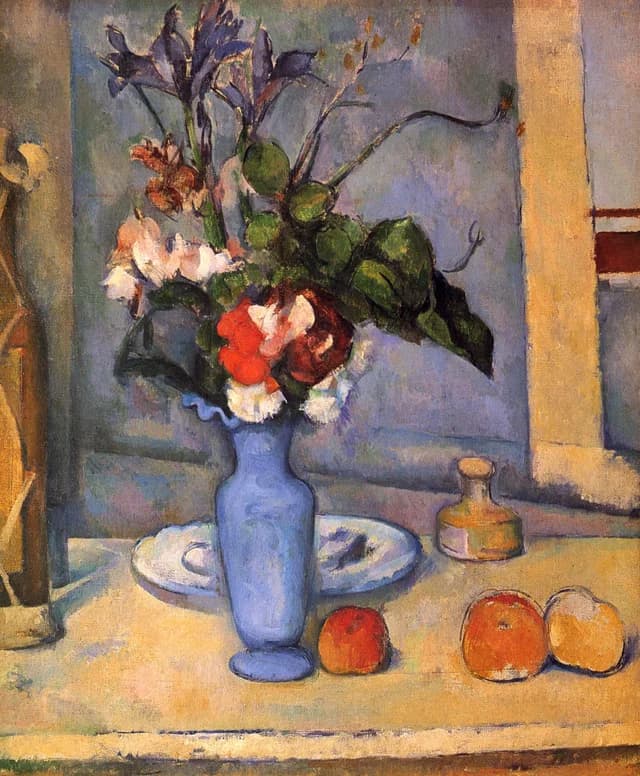 Il vaso bluPaul Cézanne, 1890
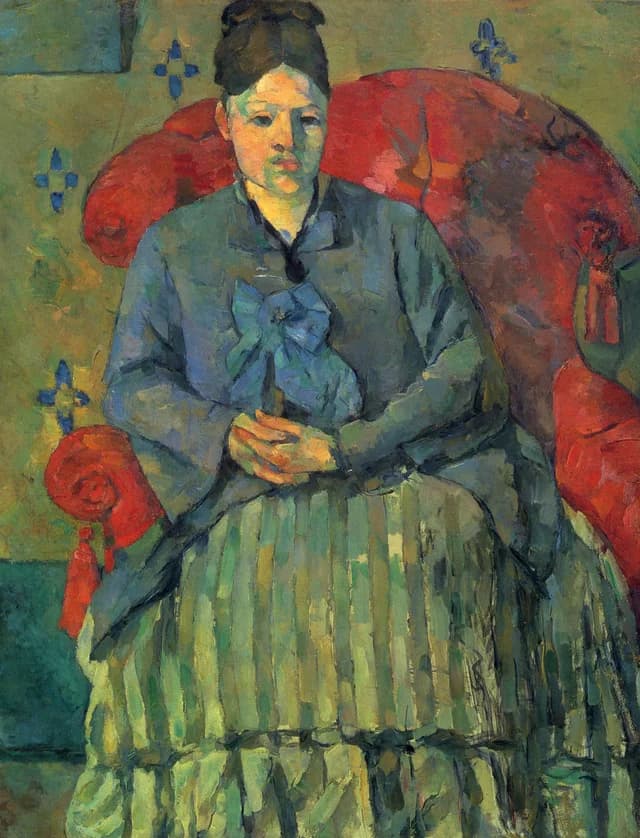 Madame Cézanne con la gonna a righePaul Cézanne, 1877
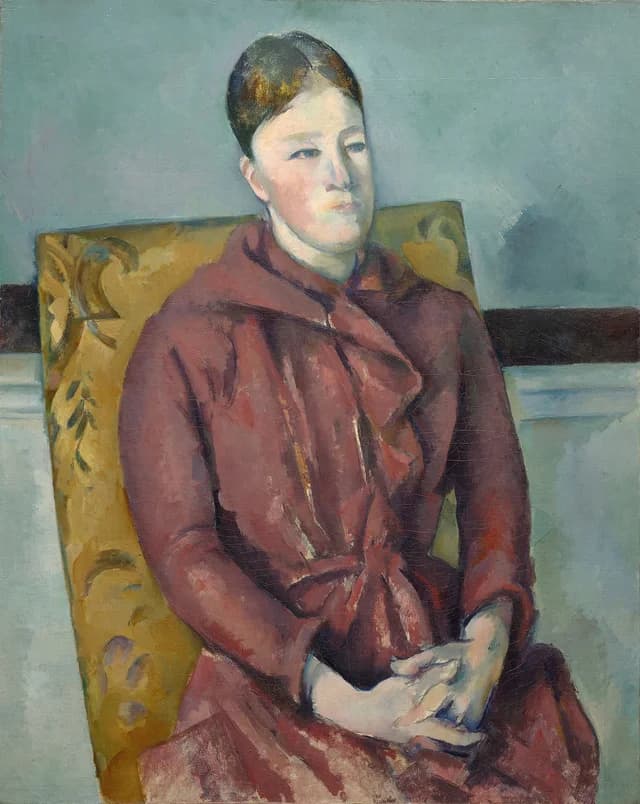 Madame Cézanne su una sedia giallaPaul Cézanne, 1888
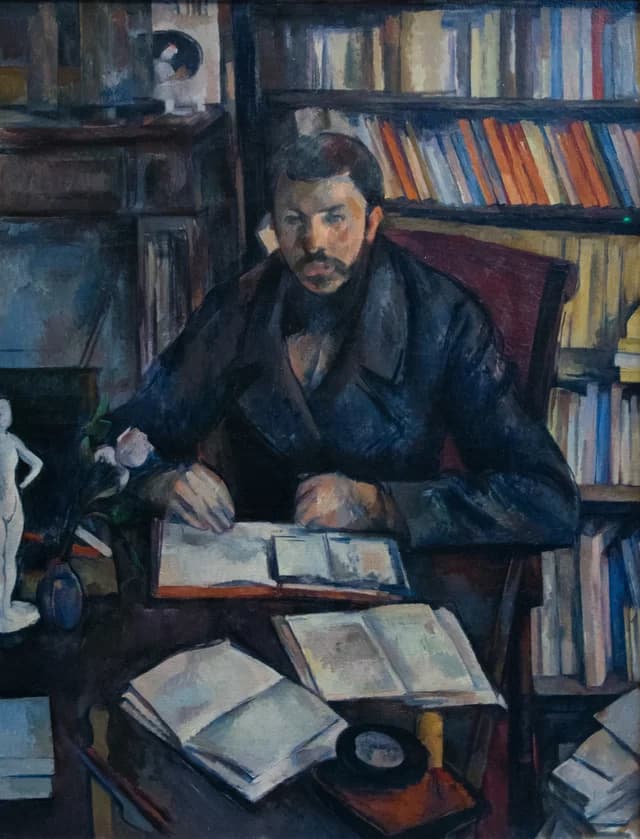 Ritratto di Gustave GeffroyPaul Cézanne, 1895
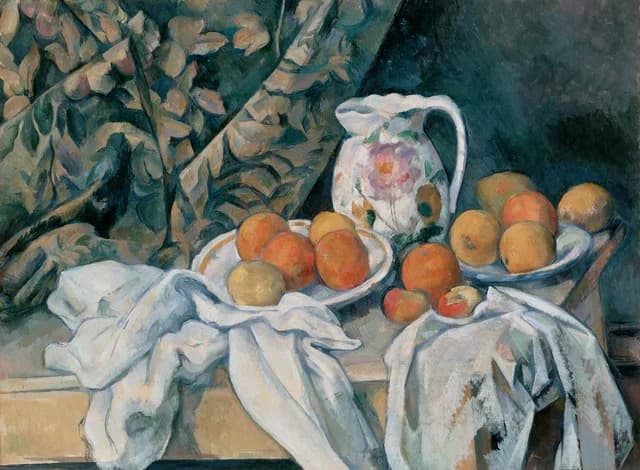 Natura morta con tendaPaul Cézanne, 1898
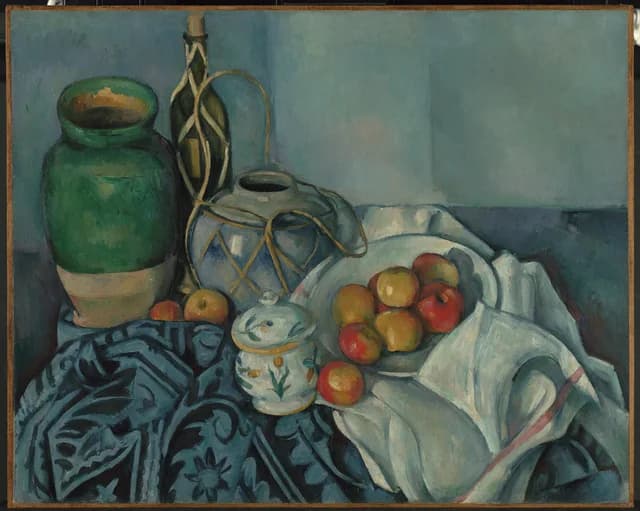 Natura morta con melePaul Cézanne, 1893
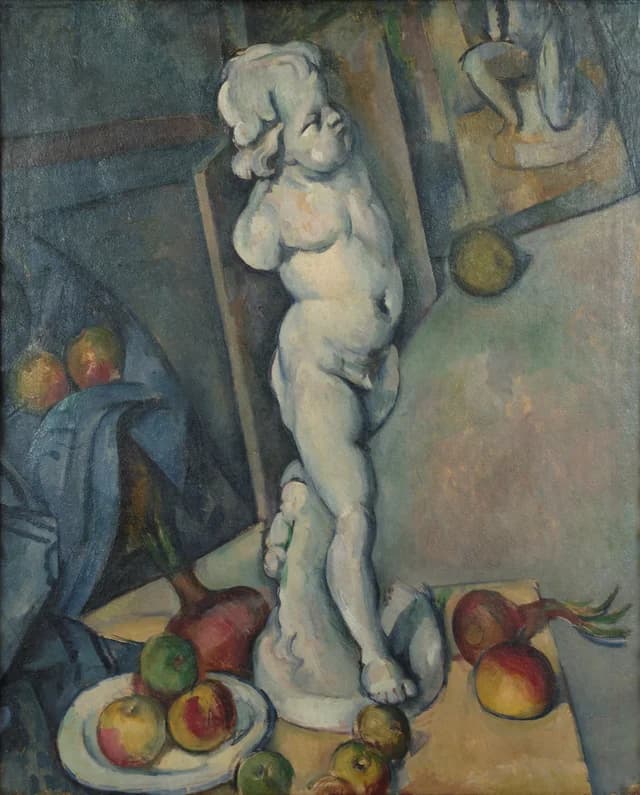 Natura morta con Cupido in gessoPaul Cézanne, 1895
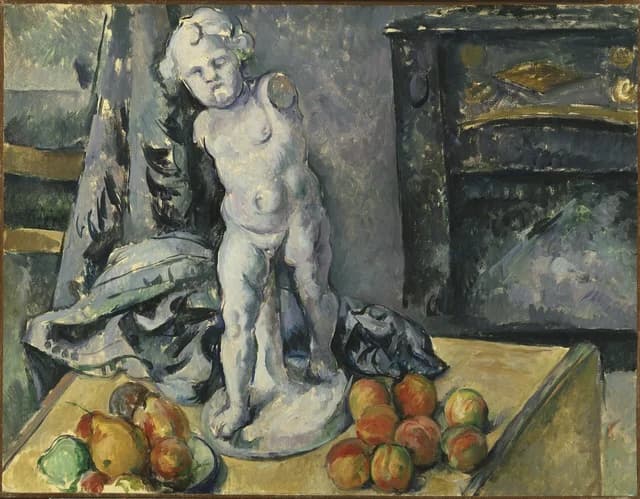 Natura morta con statuettaPaul Cézanne, 1894
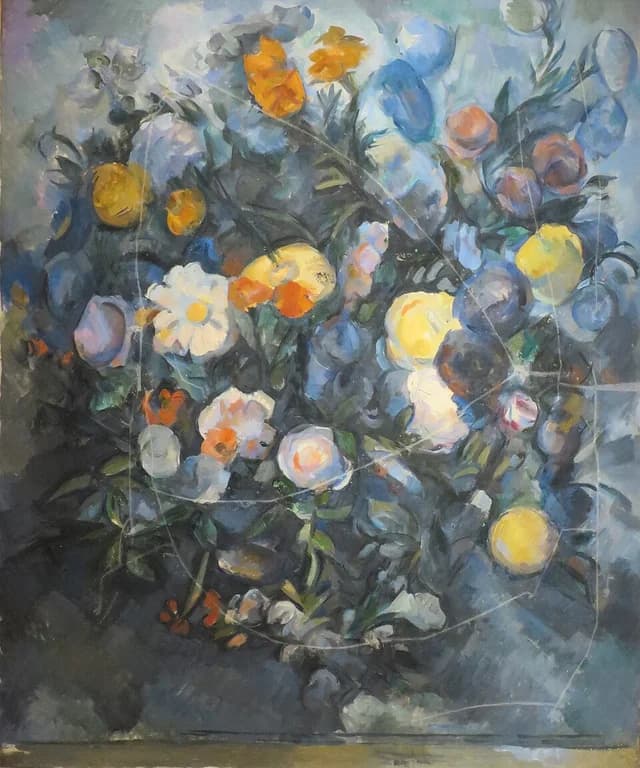 Il mazzo di fioriPaul Cézanne, 1902
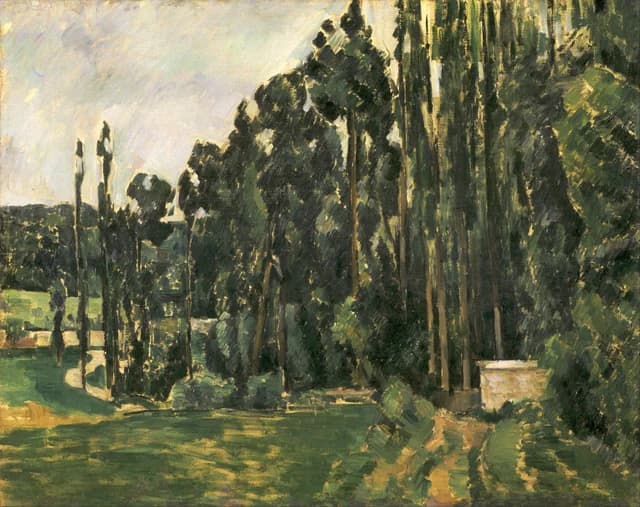 I pioppiPaul Cézanne, 1879
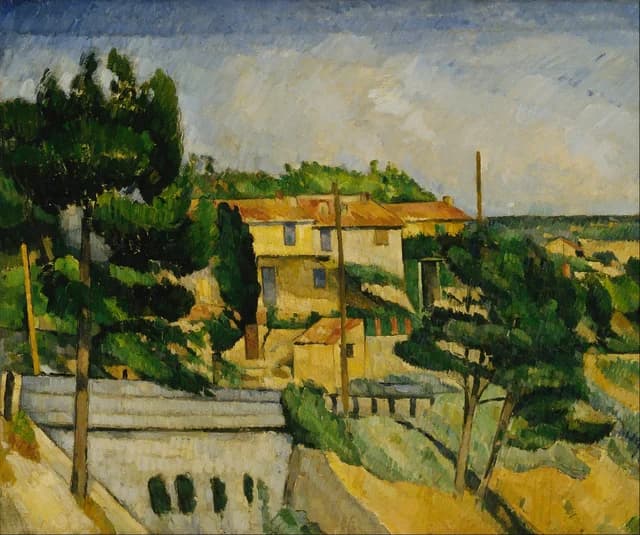 Il ponte stradale a L'EstaquePaul Cézanne, 1882
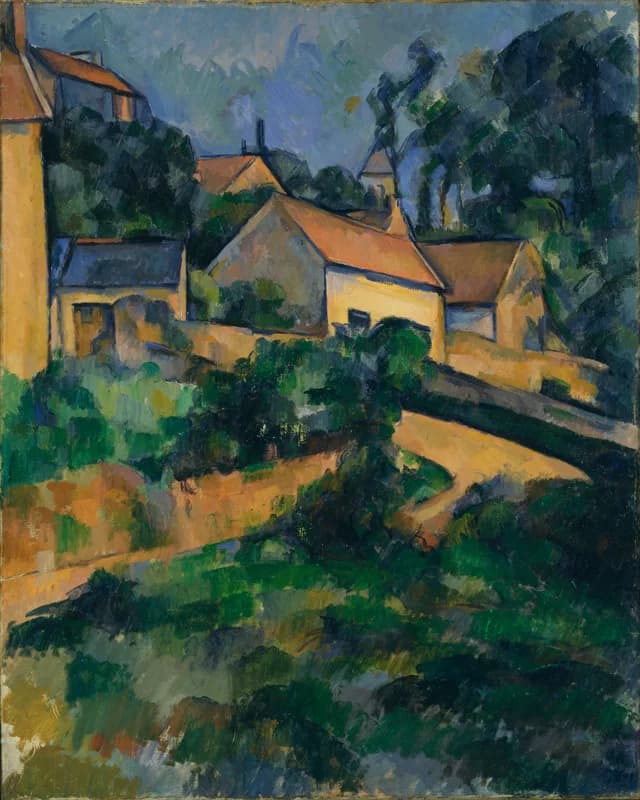 La svolta della strada a MontgeroultPaul Cézanne, 1898
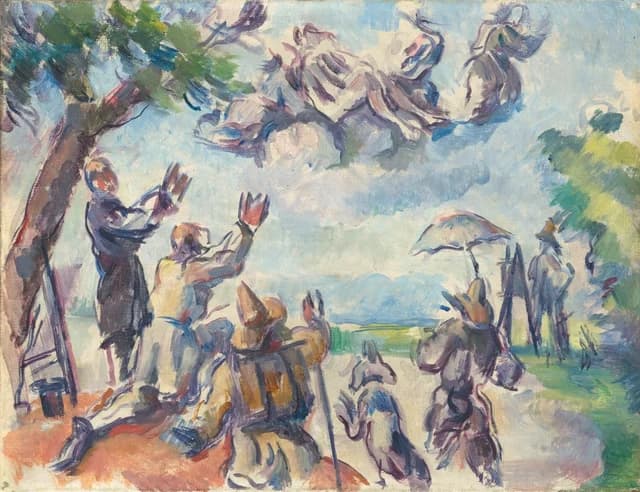 Apoteosi di DelacroixPaul Cézanne, 1890
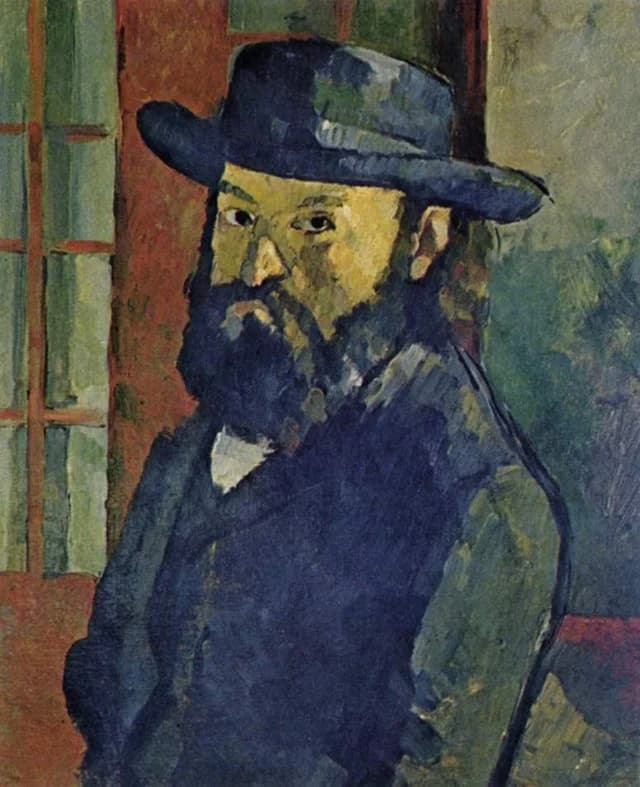 Autoritratto con cappelloPaul Cézanne, 1879
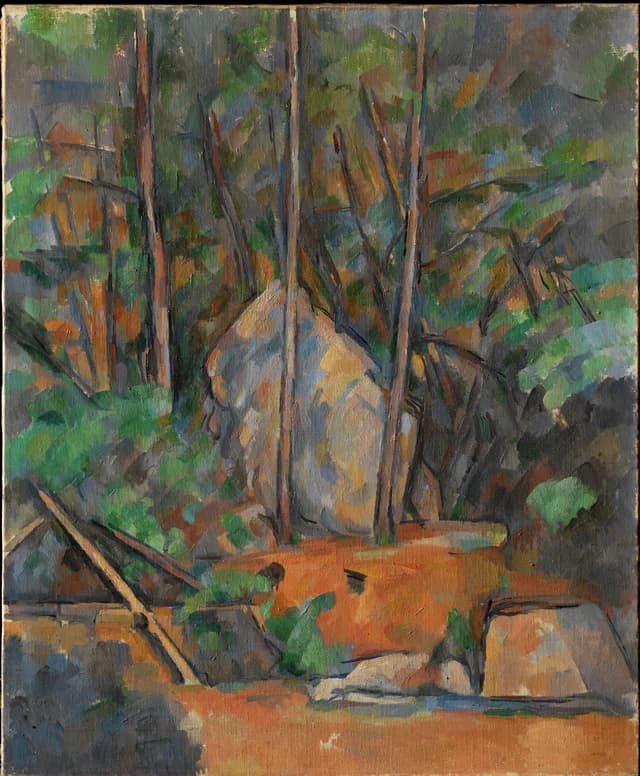 Cisterna nel parco dello Château NoirPaul Cézanne, 1900
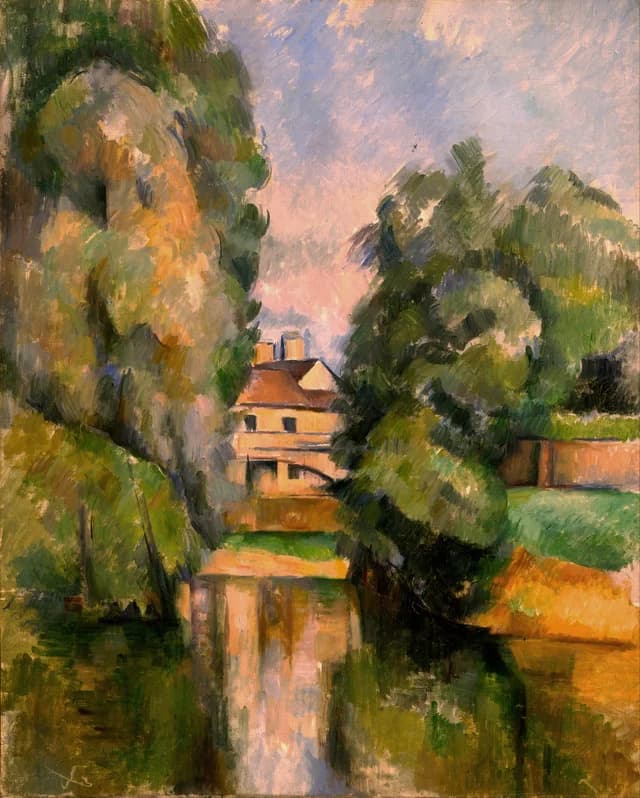 Casa di campagna sul fiumePaul Cézanne, 1890
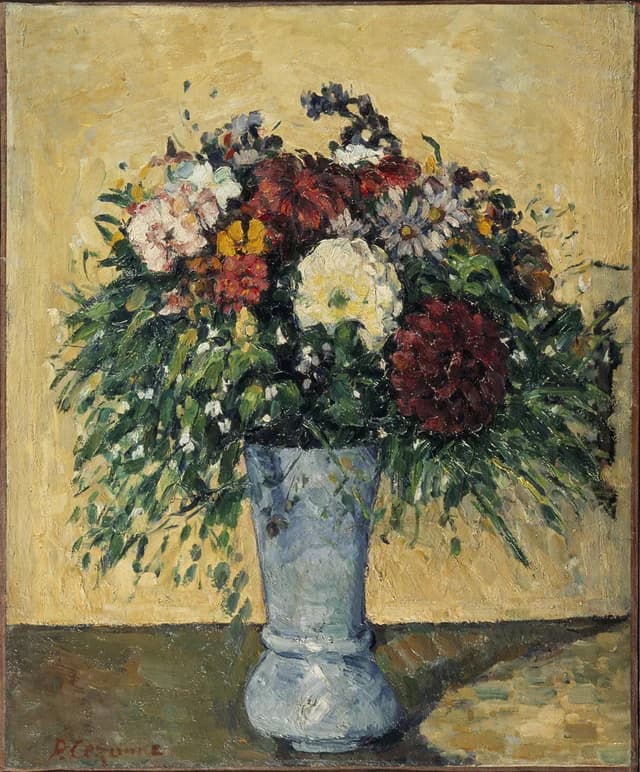 Fiori in un vaso bluPaul Cézanne, 1874
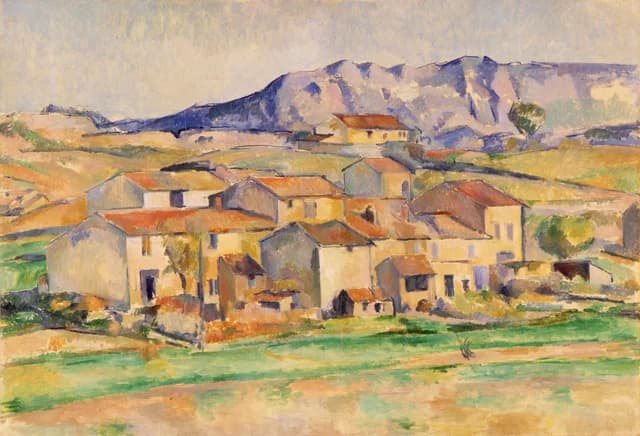 Borgo di Payennet, vicino a GardannePaul Cézanne, 1886
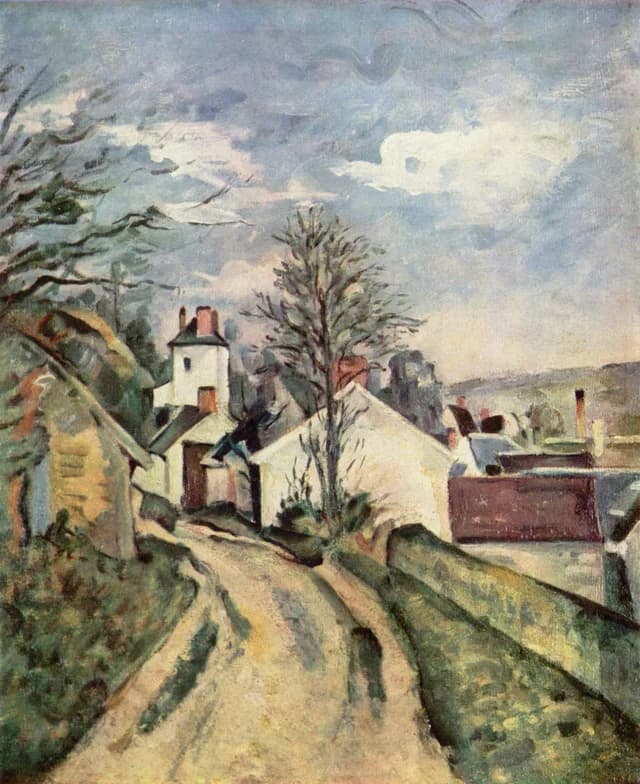 La casa del dottor GachetPaul Cézanne, 1872
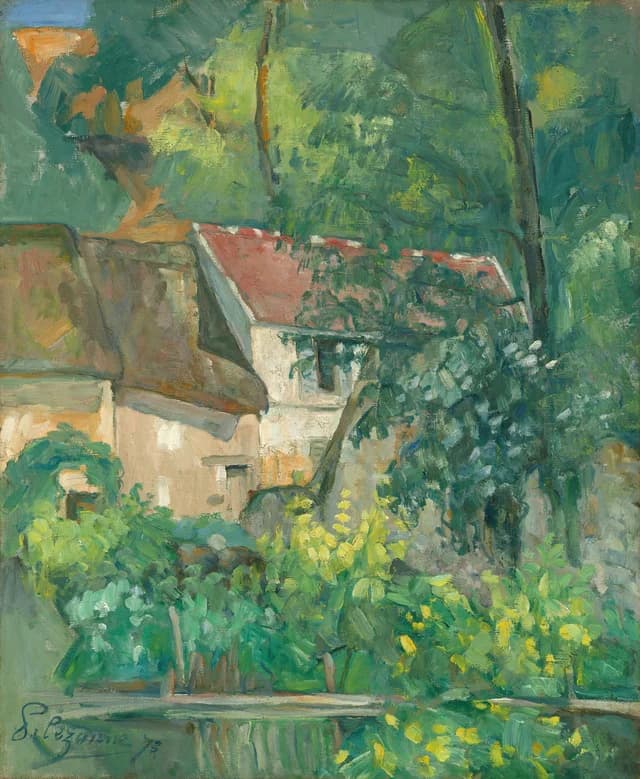 La casa di padre Lacroix, Auvers-sur-OisePaul Cézanne, 1873
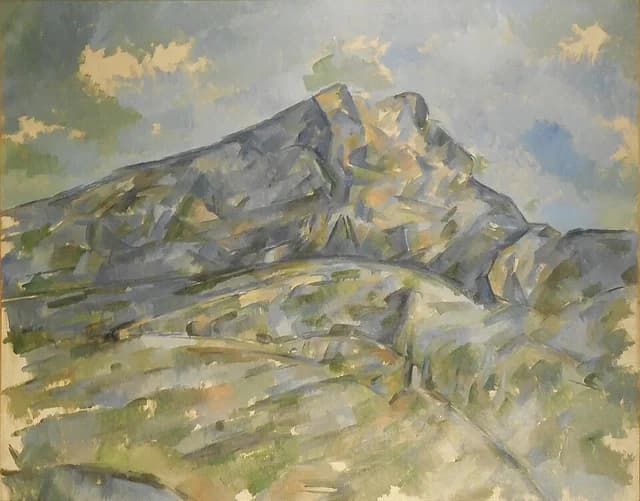 La montagna Sainte-Victoire vista dal boschetto dello Château NoirPaul Cézanne, 1904
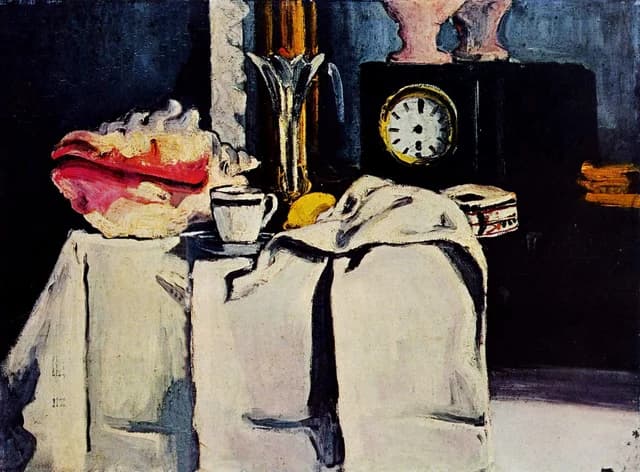 L'orologio di marmo neroPaul Cézanne, 1869
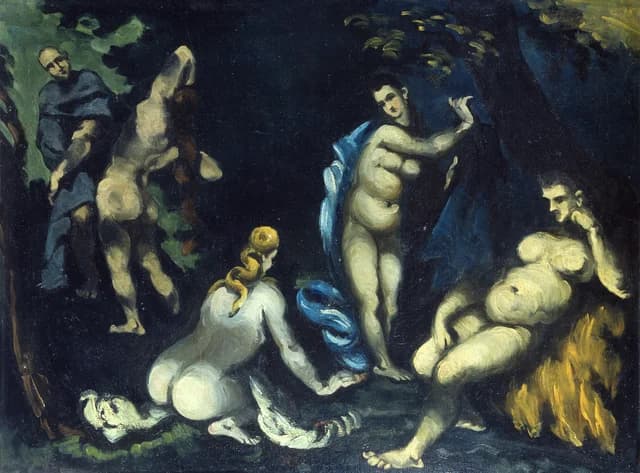 La tentazione di sant'AntonioPaul Cézanne, 1870
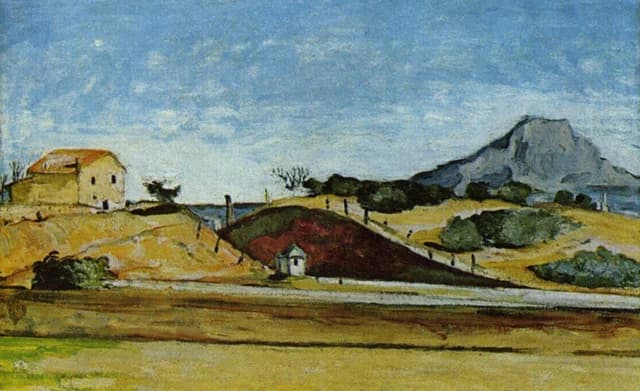 La trincea della ferroviaPaul Cézanne, 1870