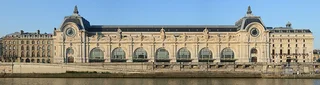
La storia
Il Musée d'Orsay è stato prima di tutto una stazione ferroviaria. Aprì lungo la Senna nel maggio 1900, completato in fretta per l'Esposizione Universale che riempì Parigi quell'estate. L'architetto Victor Laloux nascose la sua tettoia in ferro dietro un fronte in pietra da taglio e collocò un albergo sopra i binari, e funzionò come il primo capolinea urbano elettrificato al mondo, treni che scivolavano dentro e fuori sotto il tetto di vetro senza fumo né vapore.
L'eleganza fu anche la sua rovina. I binari erano troppo corti per i treni più lunghi entrati in servizio, e nel 1939 le linee principali erano già passate ad altre stazioni. Per decenni la Gare d'Orsay rimase semivuota, minacciata di demolizione, e Orson Welles vi girò gran parte del suo film del 1962 tratto da Il processo di Kafka, nelle sue sale abbandonate. Nel 1978 lo Stato francese vincolò l'edificio e decise di farne un museo.
Riaprì nel 1986, dedicato all'arte francese realizzata tra il 1848 e il 1914, l'arco di tempo che comprende l'Impressionismo. Sotto la grande volta di vetro trovi oggi l'Olympia di Manet, gli autoritratti di Van Gogh, le ballerine di Degas e le cattedrali di Monet, una delle più grandi raccolte al mondo di arte impressionista e postimpressionista. In alto, sulla parete di fondo, l'orologio originale della stazione guarda ancora la sala e segna l'ora ai visitatori.
Altri articoli
Collezione
617 opere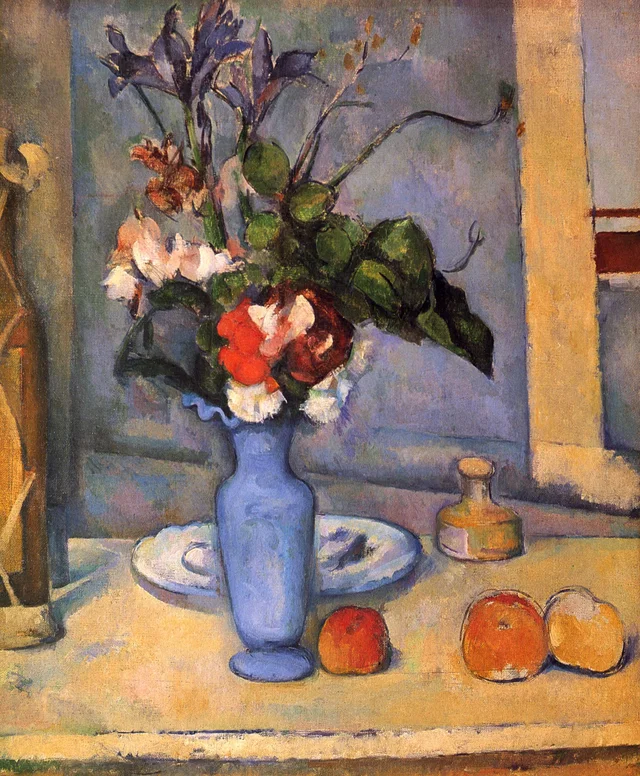 Il vaso bluPaul Cézanne, 1890
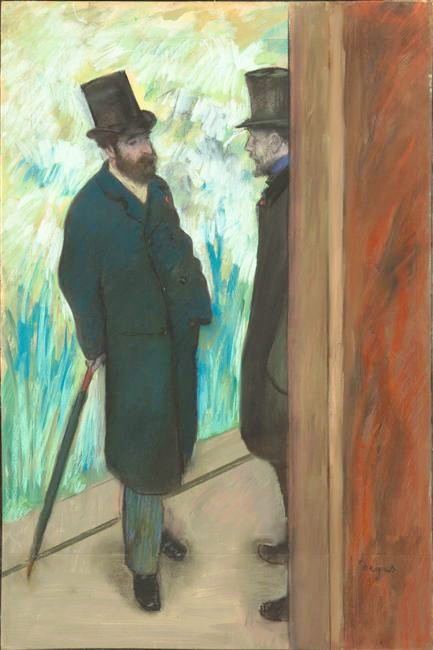 Ludovic Halévy e Albert Boulanger-Cavé dietro le quinte dell'OpéraEdgar Degas, 1879
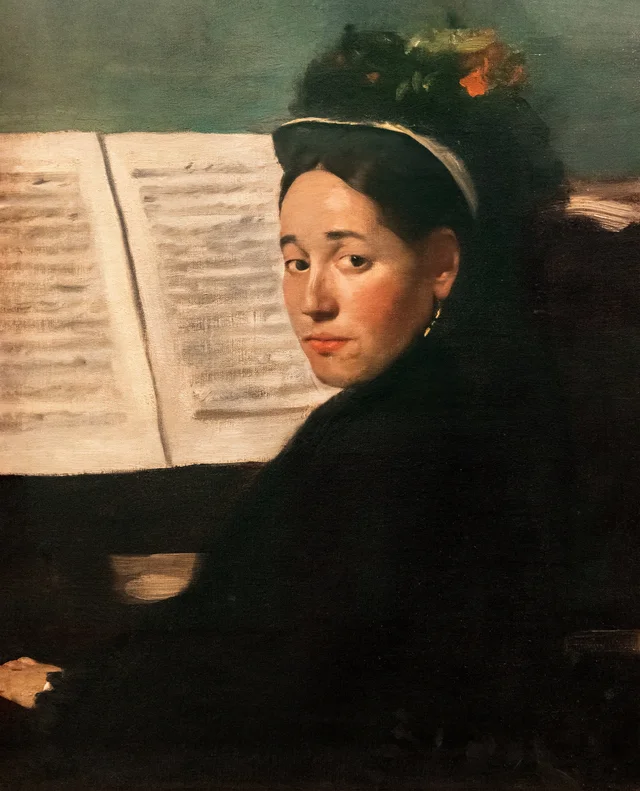 La signorina Dihau al pianoforteEdgar Degas, 1869
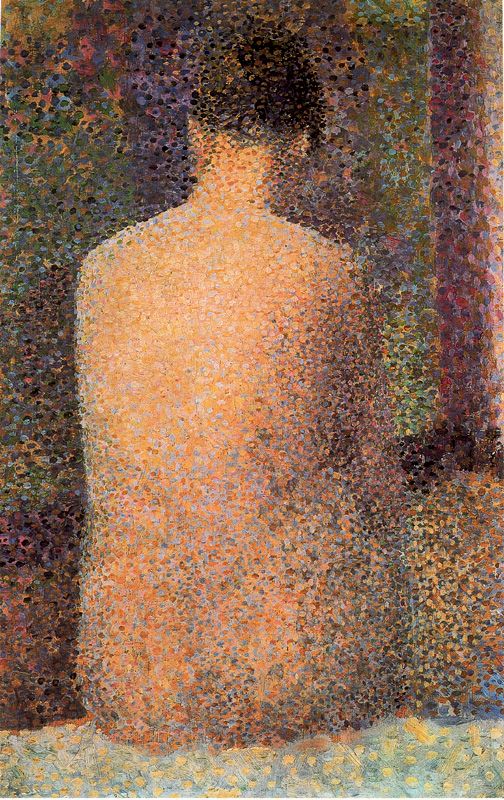 Modella di spalleGeorges Seurat, 1887
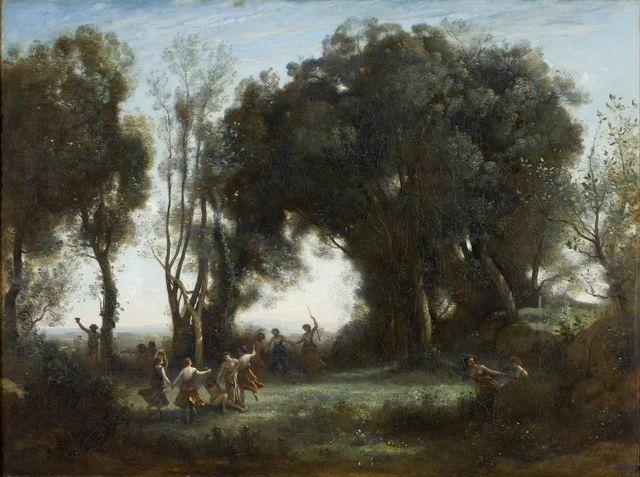 Un mattino. La danza delle ninfeJean-Baptiste Camille Corot, 1850
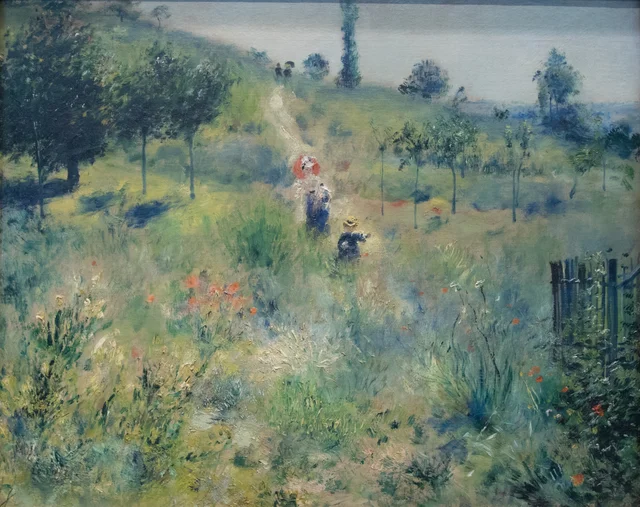 Sentiero tra le erbe altePierre-Auguste Renoir, 1874
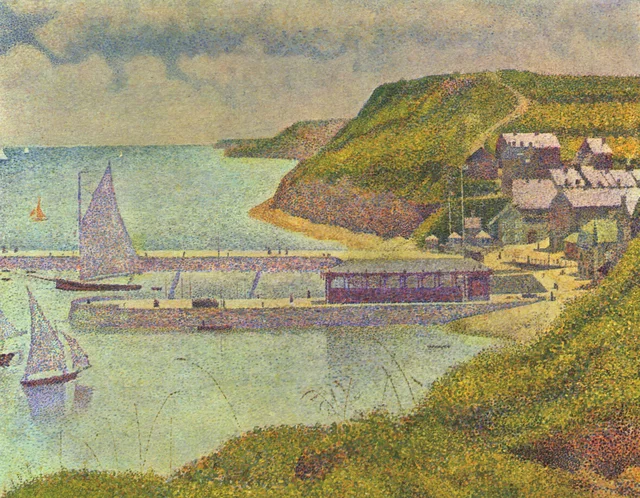 Port-en-Bessin, porto esterno, alta mareaGeorges Seurat, 1888
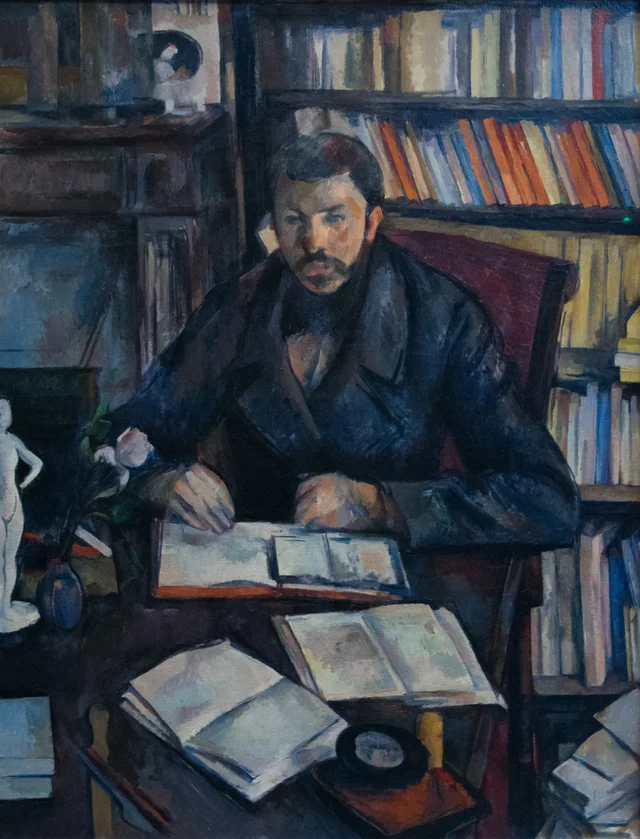 Ritratto di Gustave GeffroyPaul Cézanne, 1895
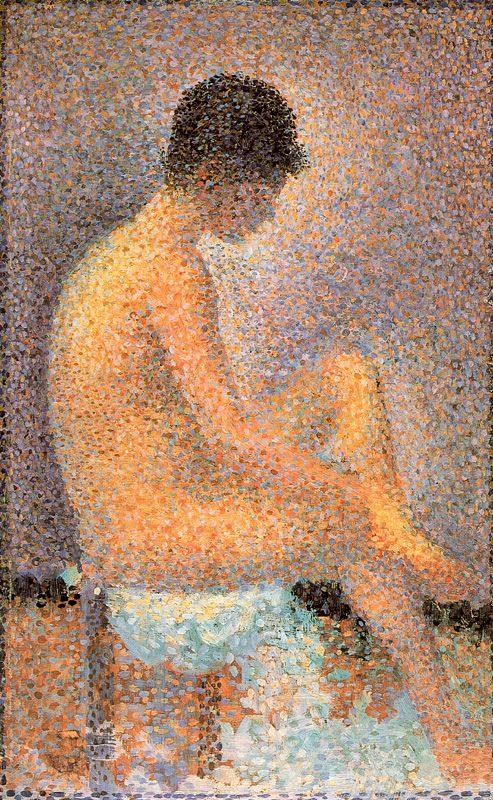 Modella seduta, di profiloGeorges Seurat, 1887
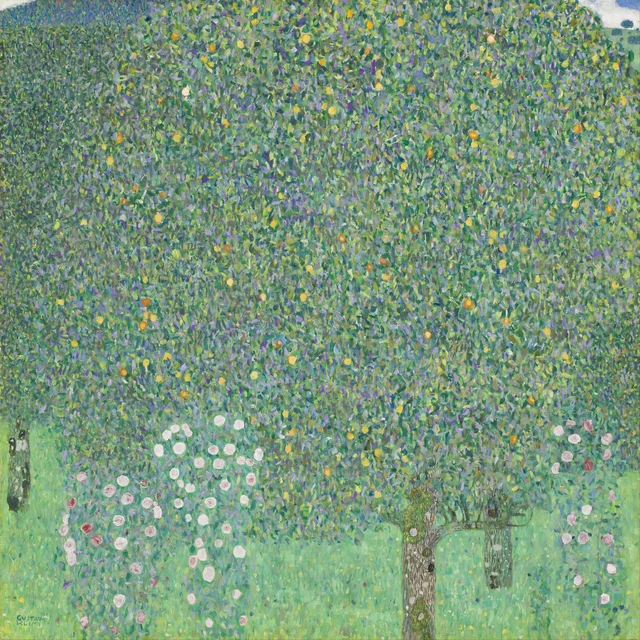 Cespugli di rose sotto gli alberiGustav Klimt, 1905
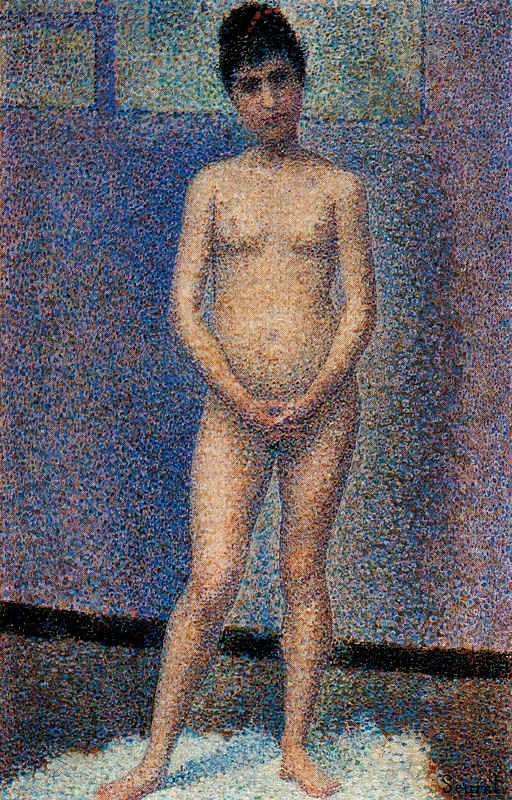 Modella in piediGeorges Seurat, 1887
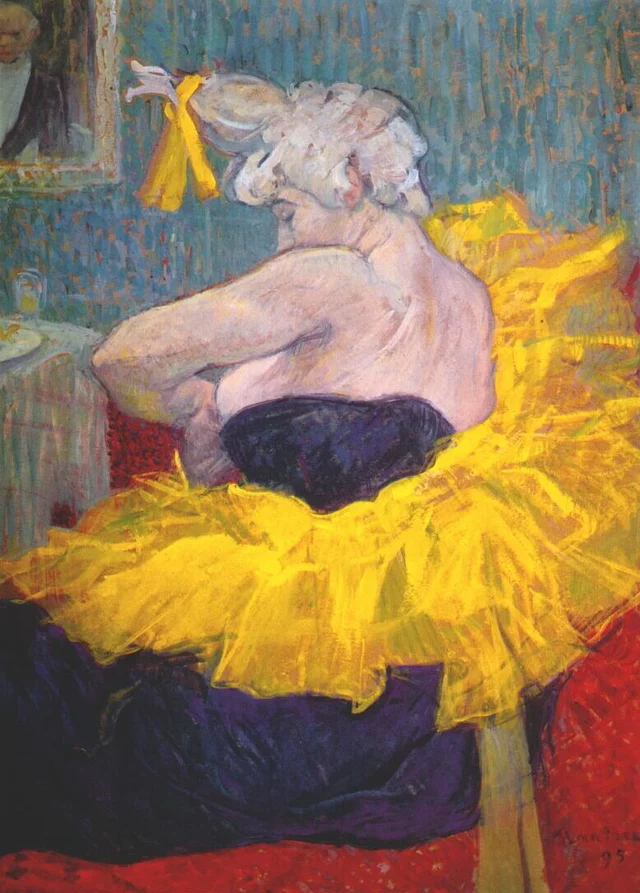 La clownessa Cha-U-Kao al Moulin RougeHenri de Toulouse-Lautrec, 1895
 La fucina a Marly-le-RoiAlfred Sisley, 1875
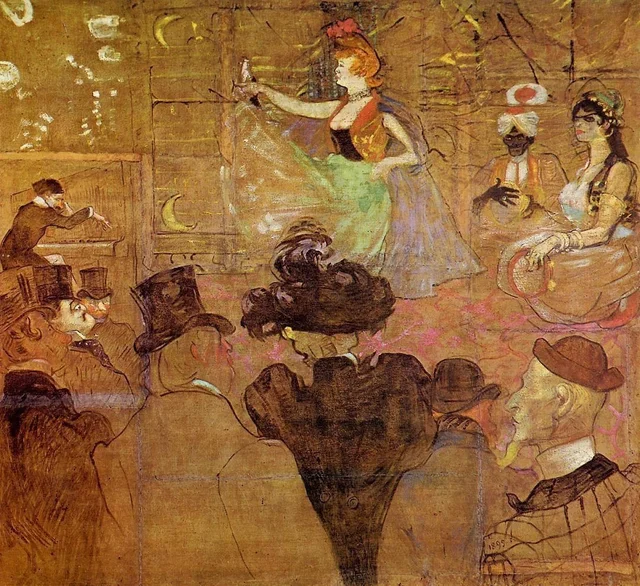 La danza morescaHenri de Toulouse-Lautrec, 1895
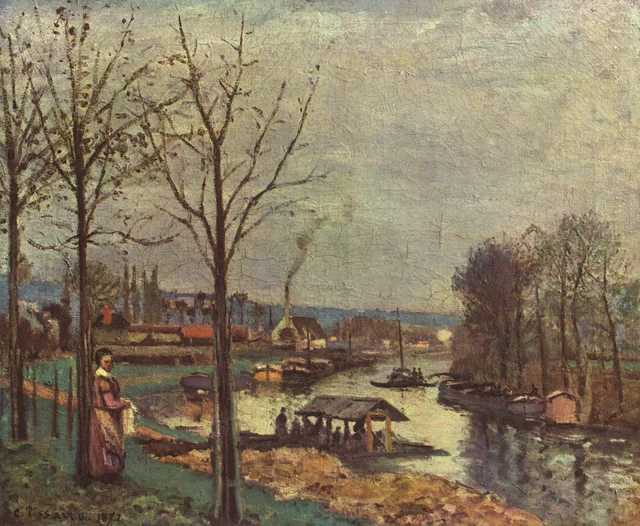 La Senna a Port-Marly, il lavatoioCamille Pissarro, 1872
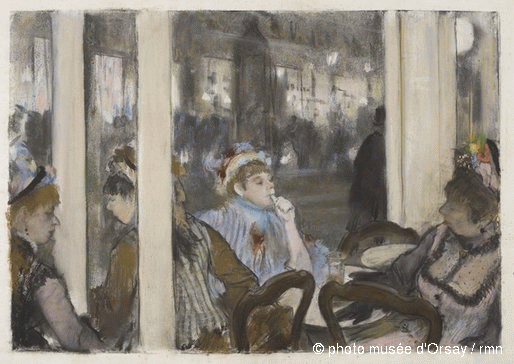 Un caffè, boulevard MontmartreEdgar Degas, 1877
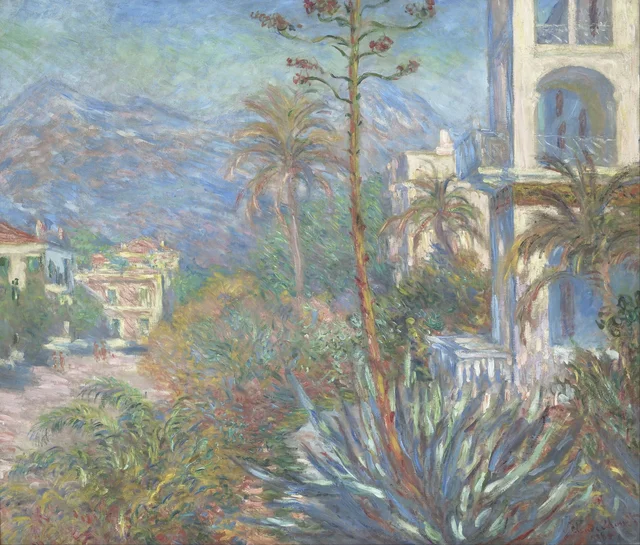 Ville a BordigheraClaude Monet, 1884
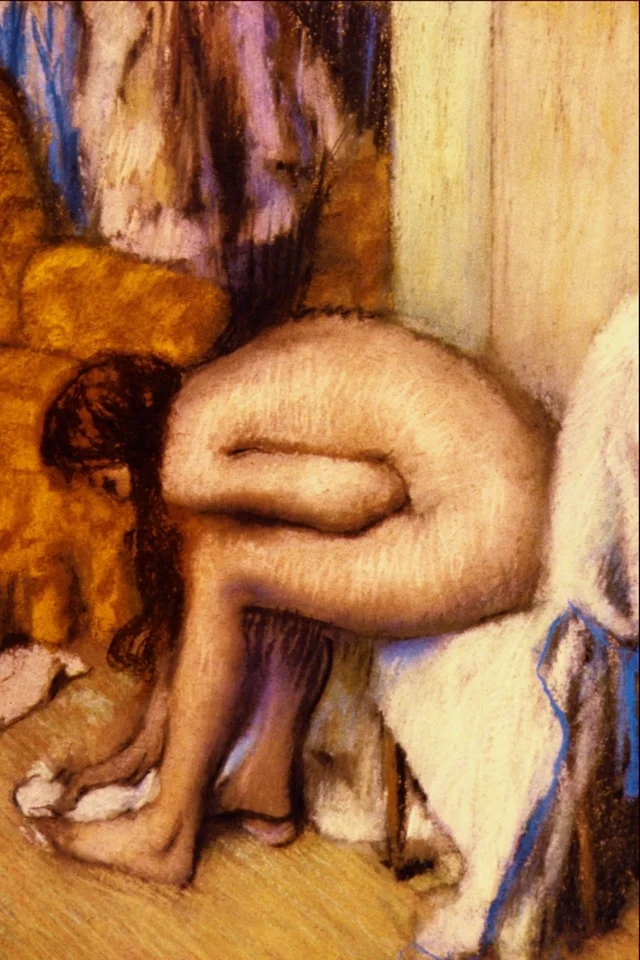 Donna che si asciuga il piede sinistroEdgar Degas, 1886
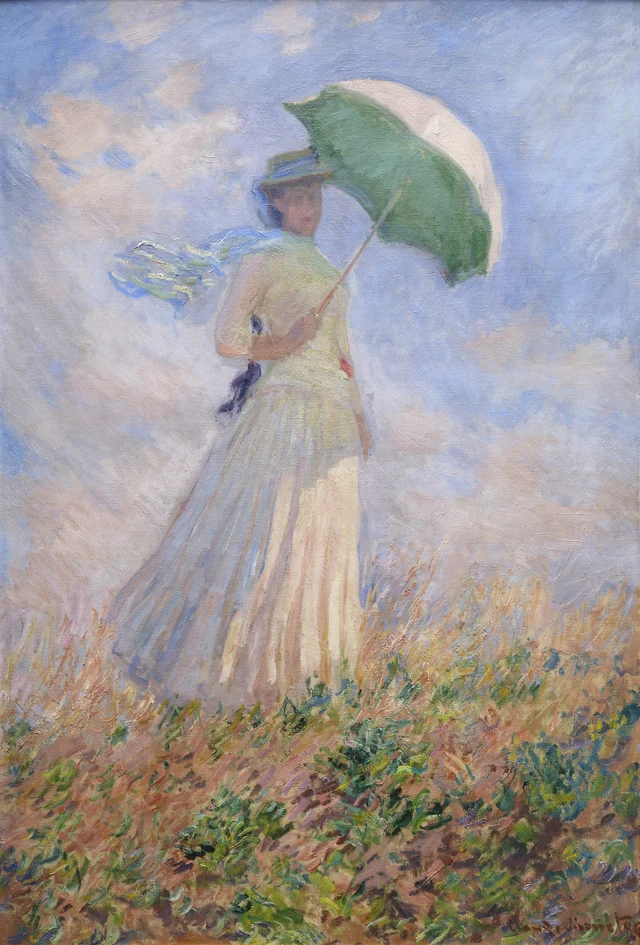 Donna con parasole rivolta verso destraClaude Monet, 1886
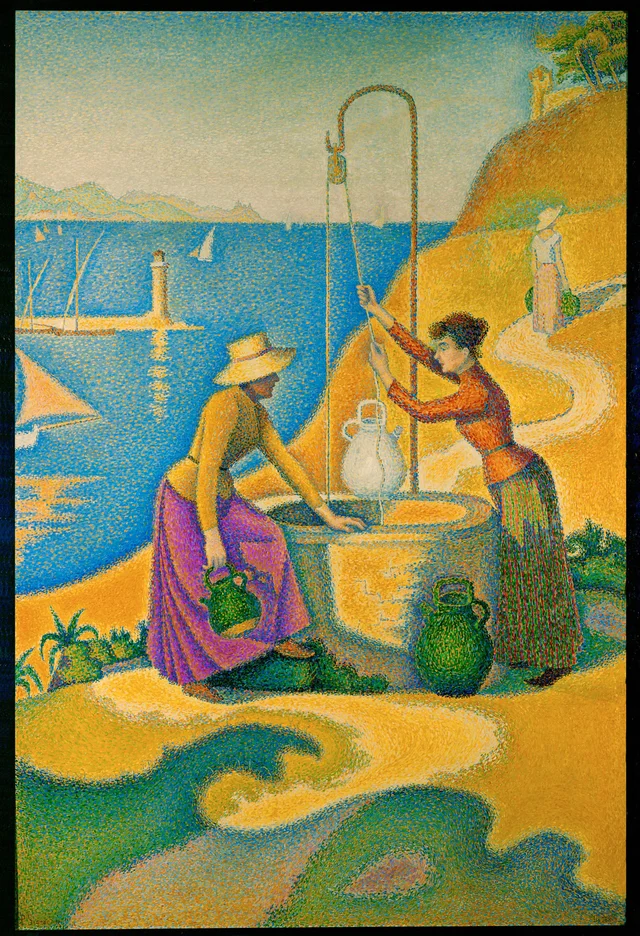 Donne al pozzoPaul Signac, 1892
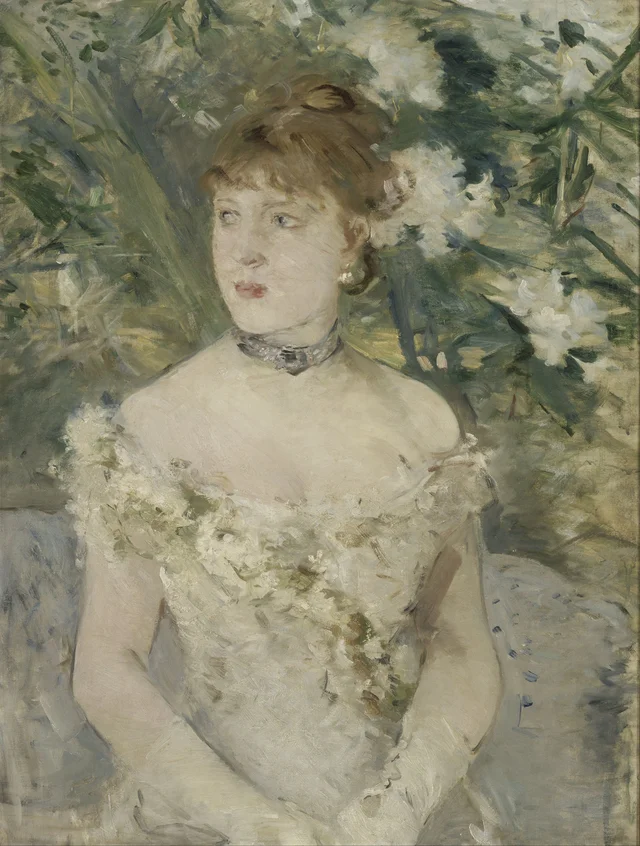 Giovane ragazza in abito da balloBerthe Morisot, 1879
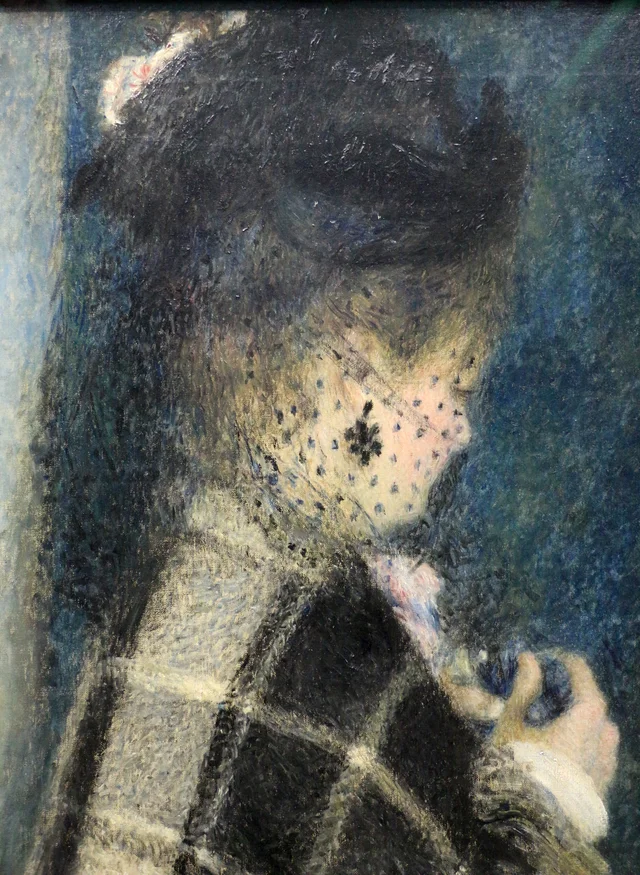 Giovane donna con veloPierre-Auguste Renoir, 1876
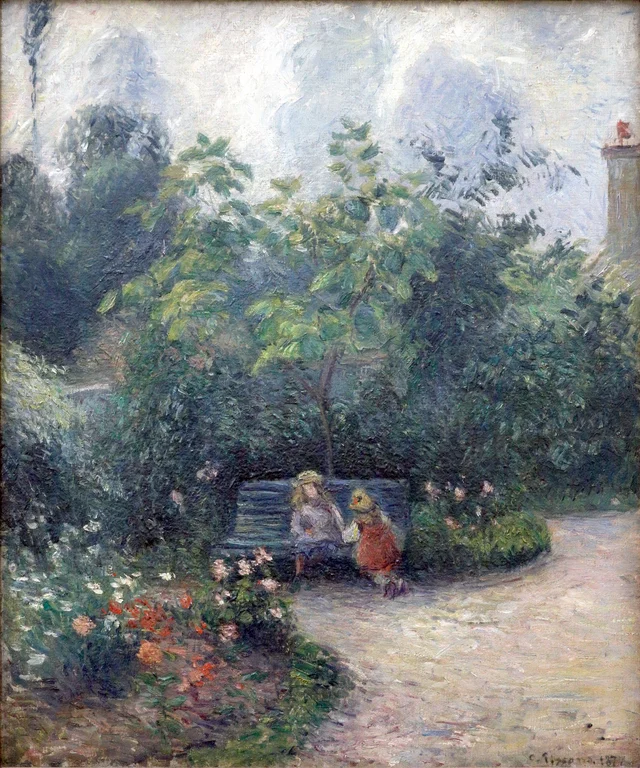 Un angolo del giardino di Les Mathurins, PontoiseCamille Pissarro, 1877
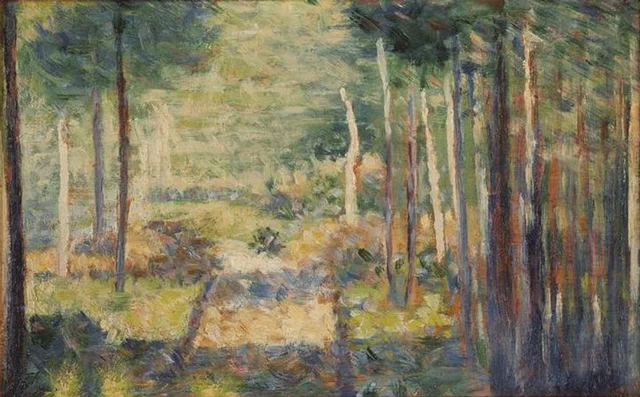 Viottolo nel bosco, BarbizonGeorges Seurat, 1883
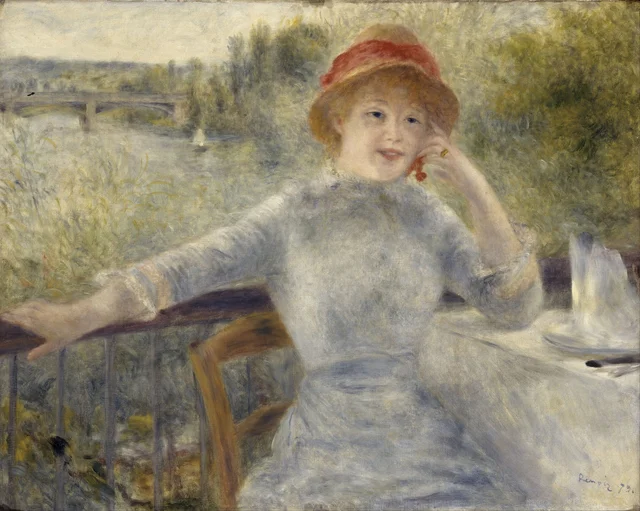 Alphonsine FournaisePierre-Auguste Renoir, 1879