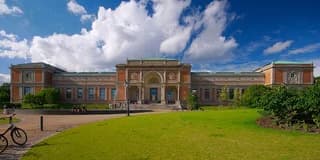
La storia
Quella che oggi è la galleria nazionale della Danimarca nacque come il tesoro privato dei suoi re. La collezione reale di dipinti risale al primo Cinquecento, e uno dei suoi tesori più antichi arrivò come dono, quando Albrecht Dürer inviò al re Cristiano II una serie delle sue stampe migliori. Per secoli queste opere rimasero in mani reali. Dal 1843 furono aperte al pubblico, e nel 1896 si trasferirono in una galleria costruita apposta nel centro di Copenaghen, dove tuttora si trovano.
Il grande punto di forza del museo è l'età dell'oro danese, la fioritura della pittura nella prima metà dell'Ottocento. Christoffer Wilhelm Eckersberg, spesso chiamato il padre della pittura danese, insegnò a una generazione a guardare con attenzione la luce ordinaria, e il suo allievo Christen Købke dipinse i tetti, i bastioni e i mattini silenziosi di Copenaghen con una precisione calma che appare ancora moderna. Sono i loro quadri piccoli e quieti a portare qui molti visitatori.
Attorno a essi la collezione si allarga a sette secoli di arte europea, con Mantegna, Tiziano, Rubens e Rembrandt, e una solida ala moderna che arriva fino a Matisse e ai moderni danesi. Un'estensione dal tetto di vetro collega il vecchio edificio del 1896 a una lunga strada di sculture, così la passeggiata stessa va dalla galleria reale di quadri alla sala aperta e luminosa.
Collezione
28 opere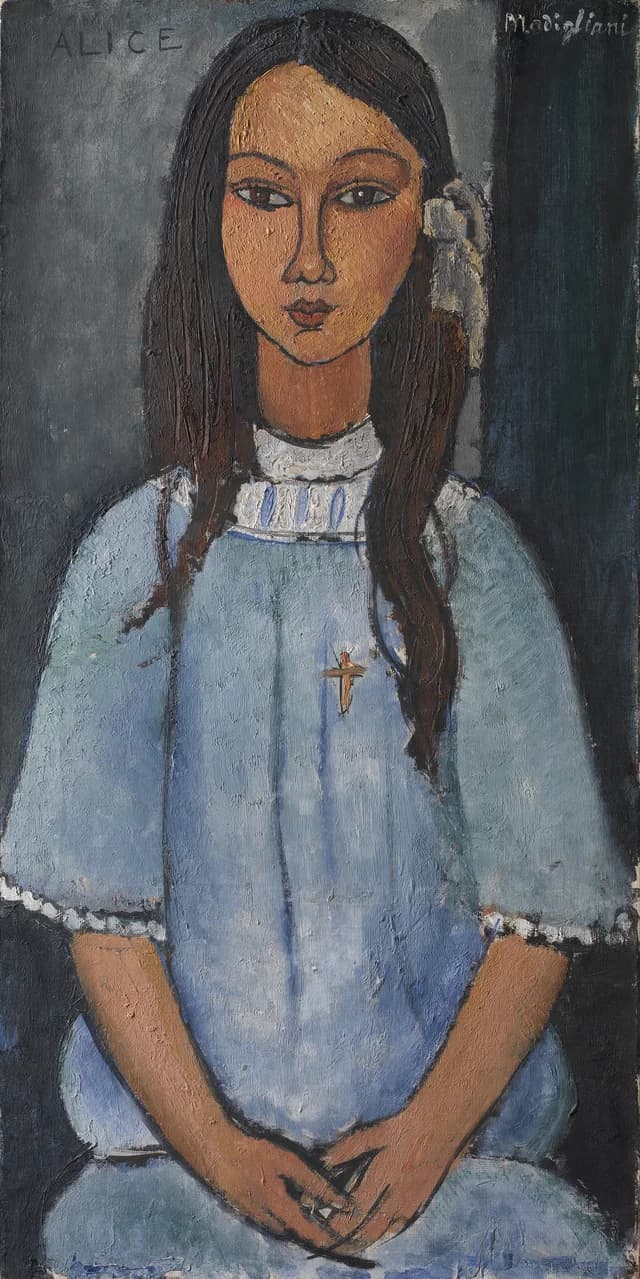 AliceAmedeo Modigliani, 1918
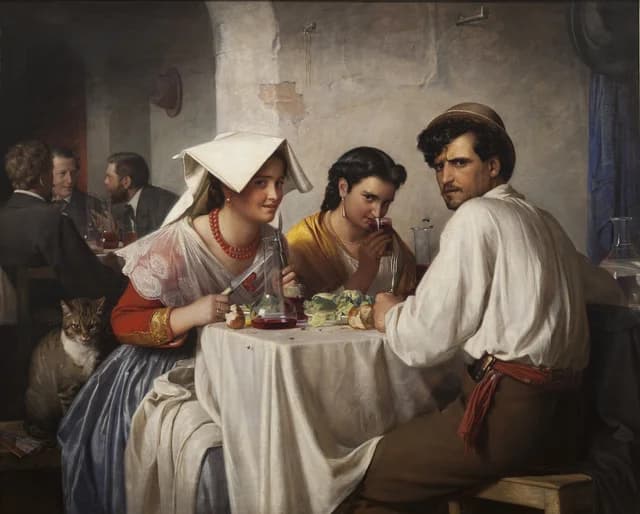 In un'osteria romanaCarl Bloch, 1866
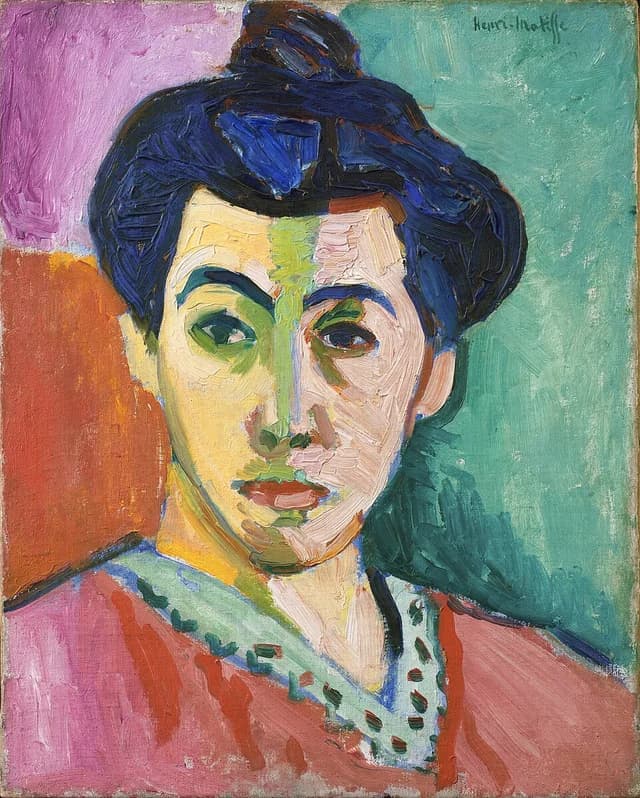 La striscia verdeHenri Matisse, 1905
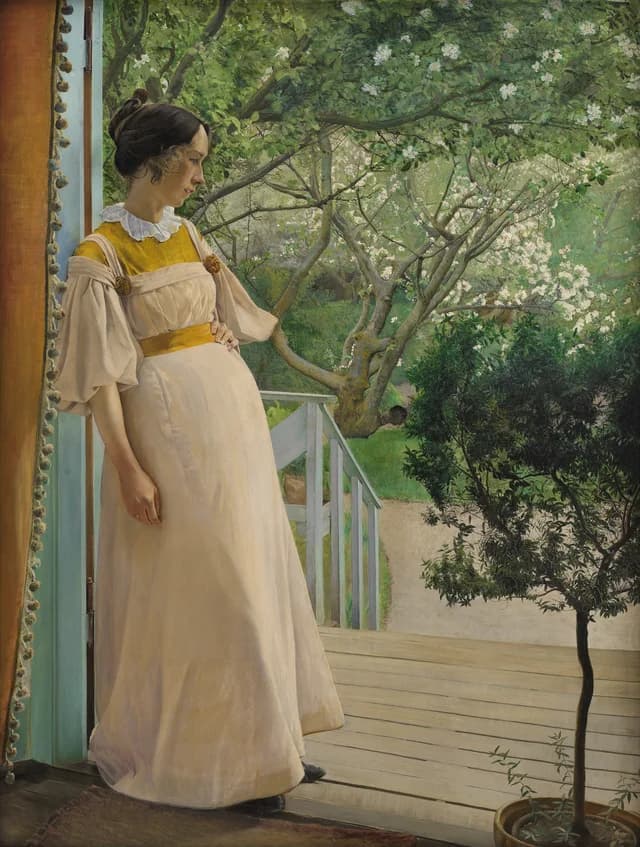 Alla portafinestra. La moglie dell'artistaLaurits Andersen Ring, 1897
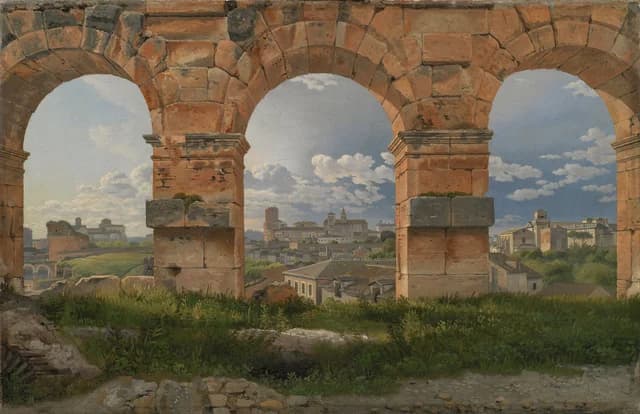 Veduta attraverso tre delle arcate nord-occidentali del terzo ordine del ColosseoChristoffer Wilhelm Eckersberg, 1815
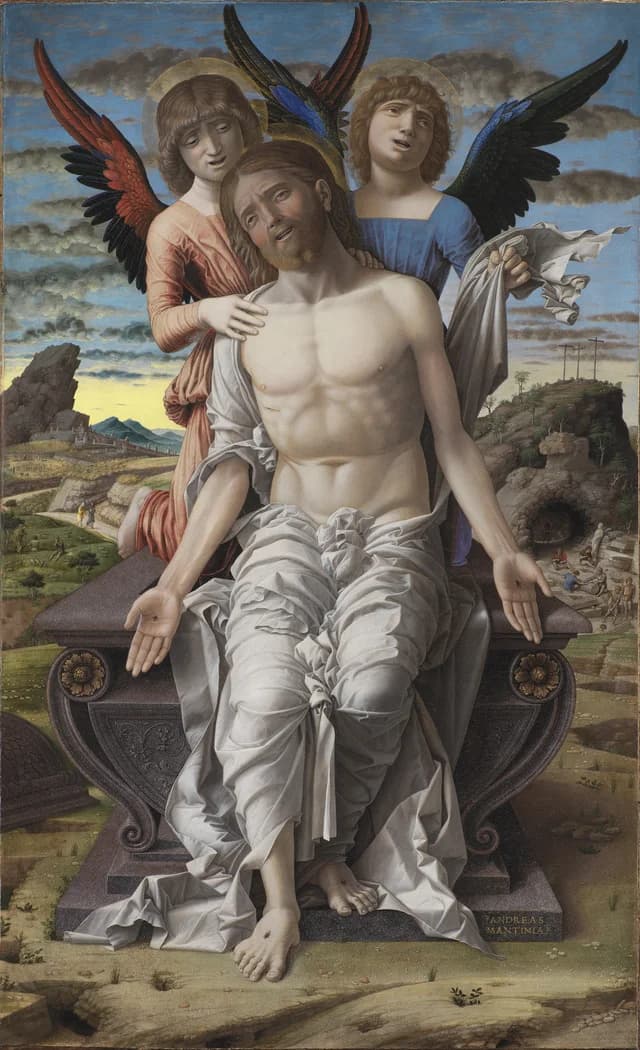 Cristo redentore sofferenteAndrea Mantegna, 1488
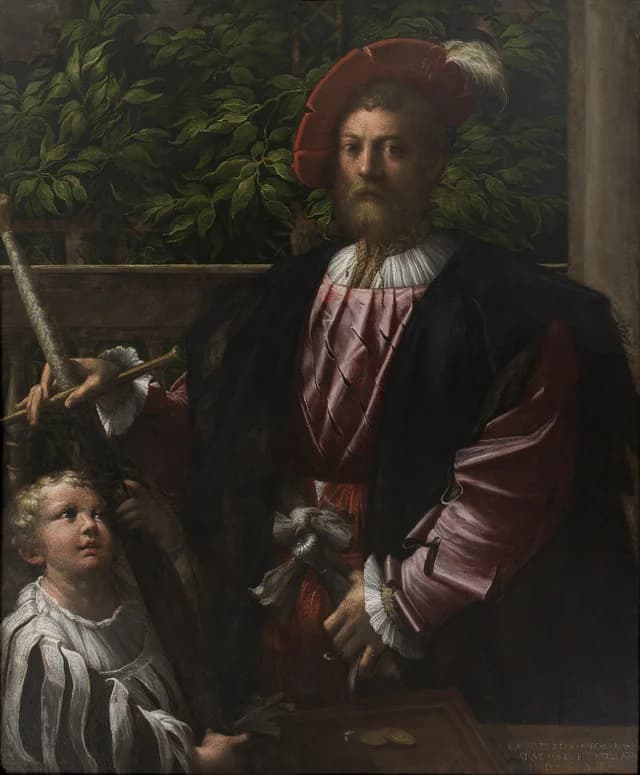 Ritratto di Lorenzo CyboParmigianino, 1524
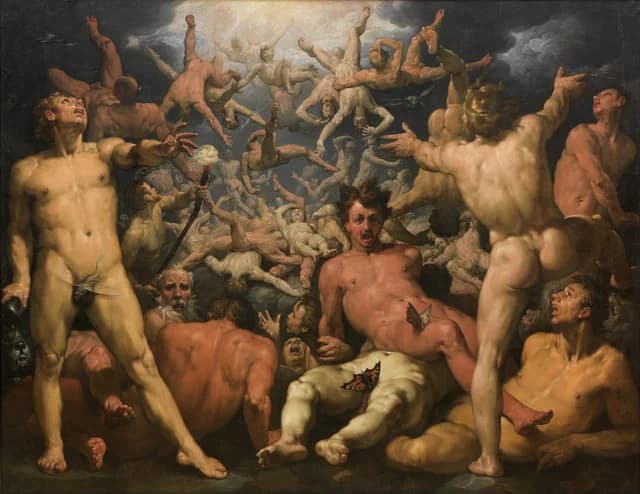 La caduta dei TitaniCornelis van Haarlem, 1588
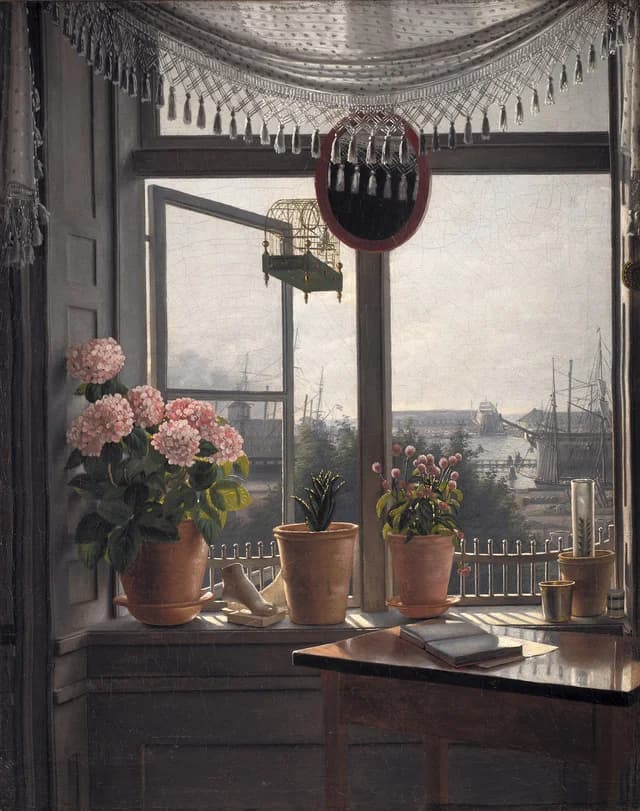 Veduta dalla finestra dell'artistaMartinus Rørbye, 1825
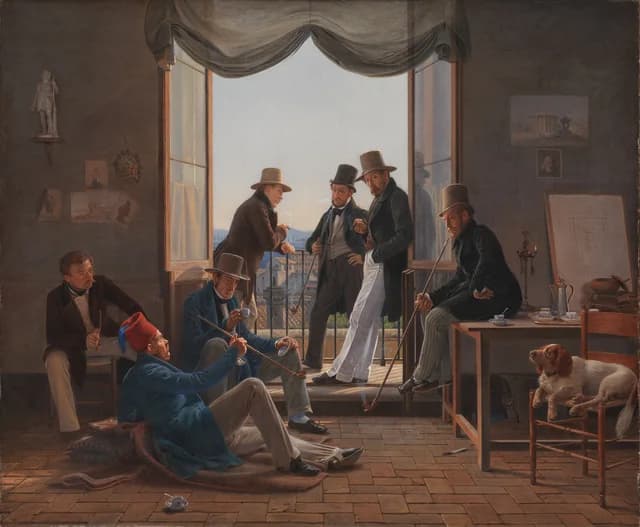 Un gruppo di artisti danesi a RomaConstantin Hansen, 1837
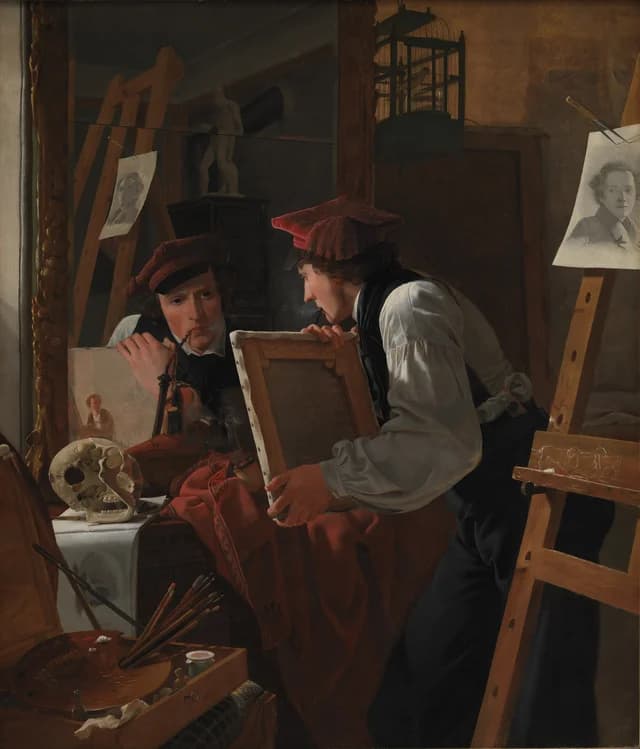 Un giovane artista (Ditlev Blunck) esamina uno schizzo allo specchioWilhelm Bendz, 1826
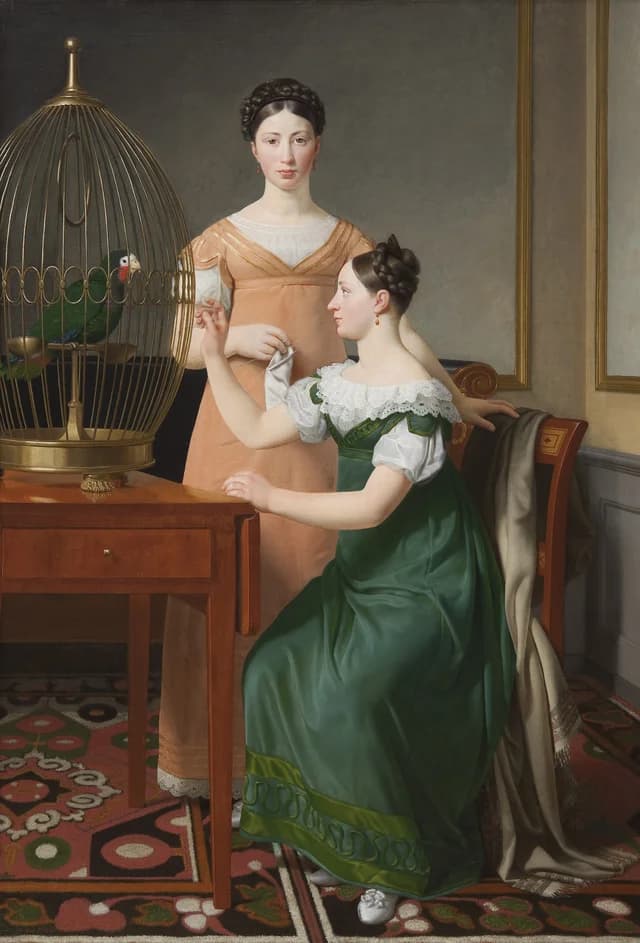 Bella e Hanna. Le figlie maggiori di M. L. NathansonChristoffer Wilhelm Eckersberg, 1820
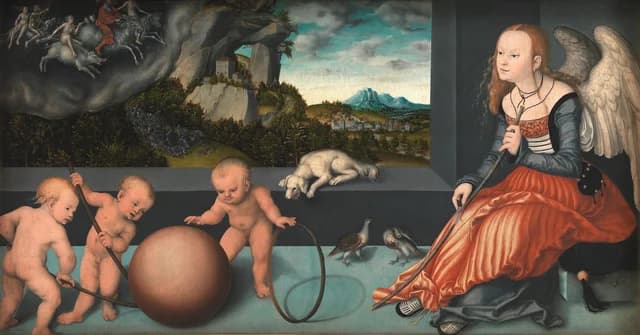 La malinconiaLucas Cranach il Vecchio, 1532
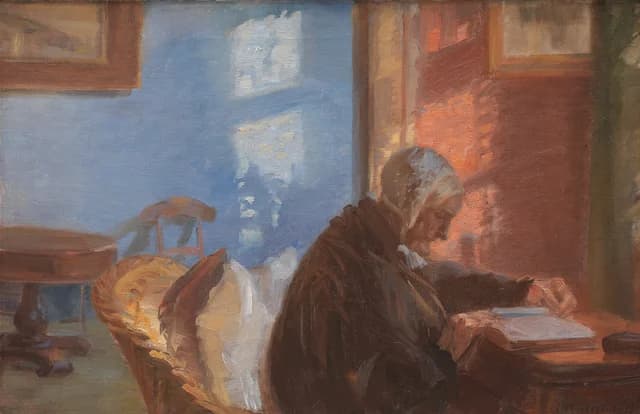 La madre dell'artista, Ane Hedvig Brøndum, nella stanza rossaAnna Ancher, 1909
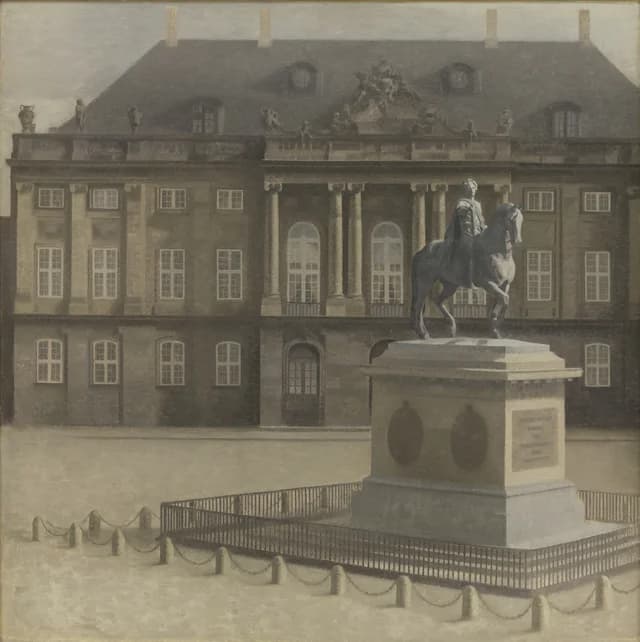 Piazza Amalienborg, CopenhagenVilhelm Hammershøi, 1896
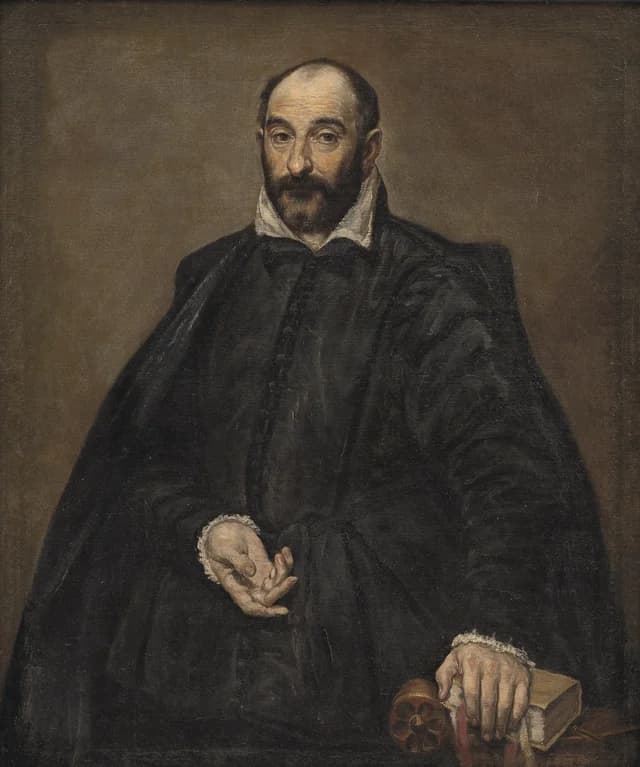 Ritratto di uomoEl Greco, 1570
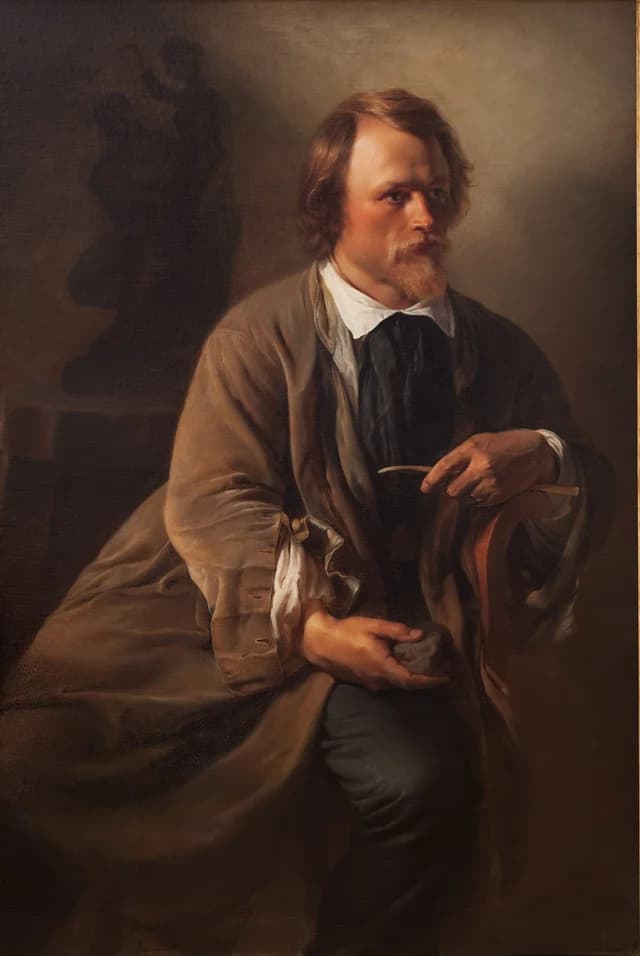 Lo scultore Jens Adolf Jerichau, marito dell'artistaElisabeth Baumann, 1846
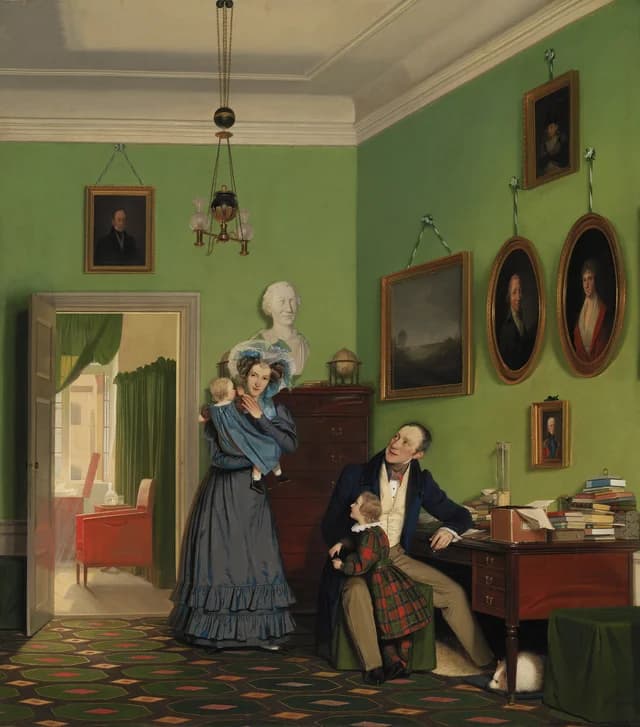 La famiglia WaagepetersenWilhelm Bendz, 1830
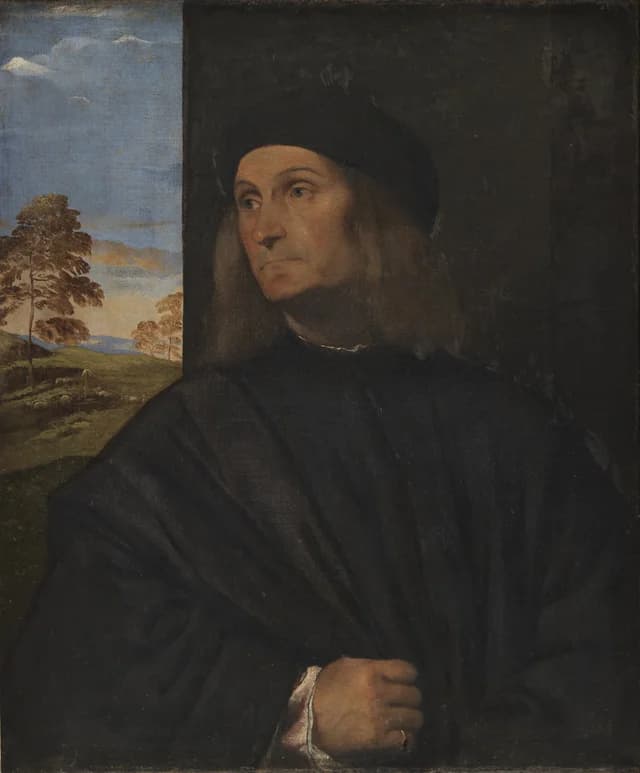 Ritratto del pittore veneziano Giovanni Bellini (?)Tiziano, 1511
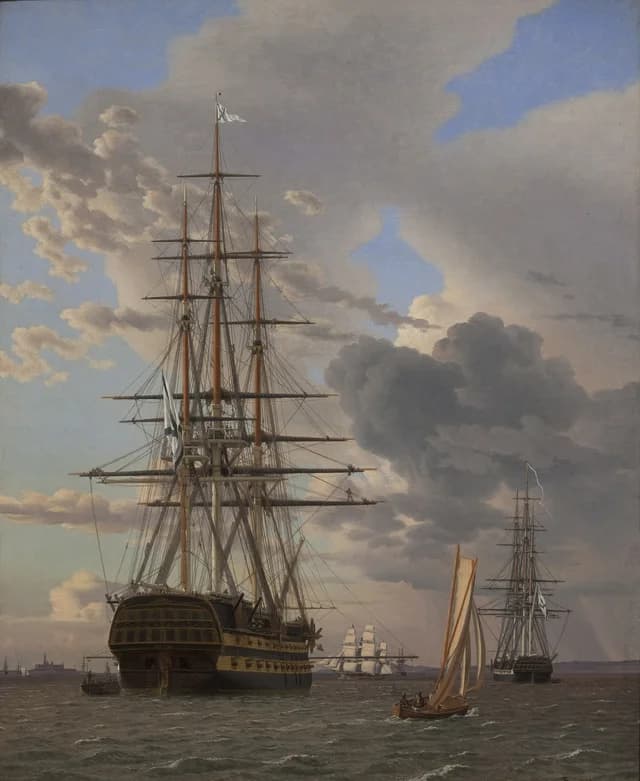 Il vascello di linea russo «Asow» e una fregata all'ancora nella rada di ElsinoreChristoffer Wilhelm Eckersberg, 1828
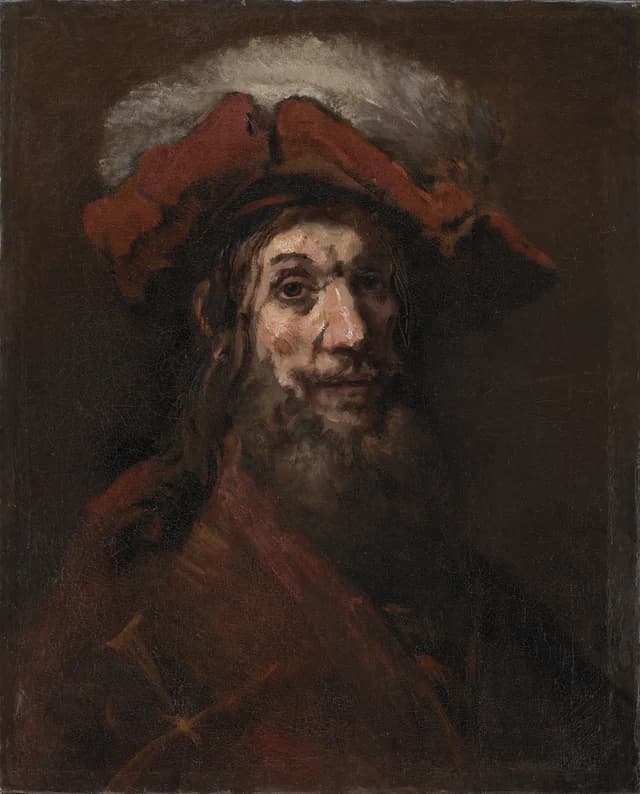 Uomo con berretto piumatoRembrandt, 1659
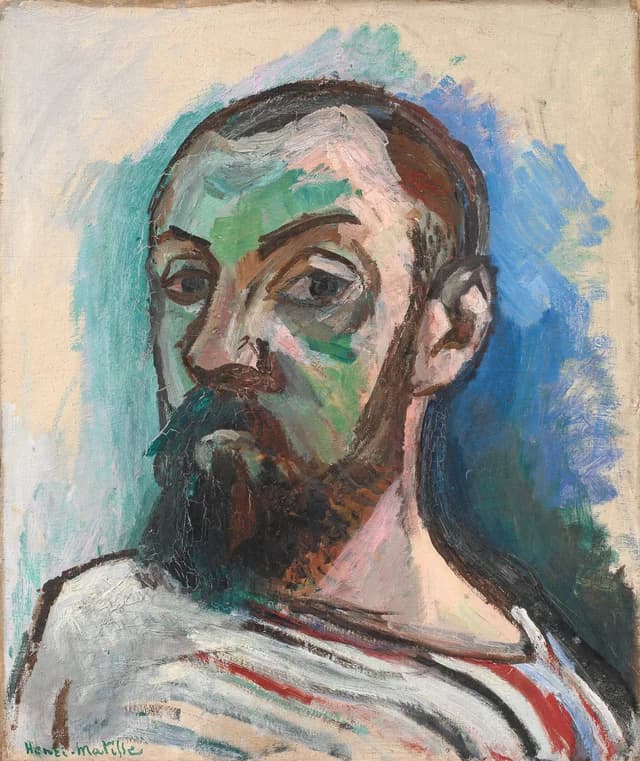 Autoritratto con maglietta a righeHenri Matisse, 1906
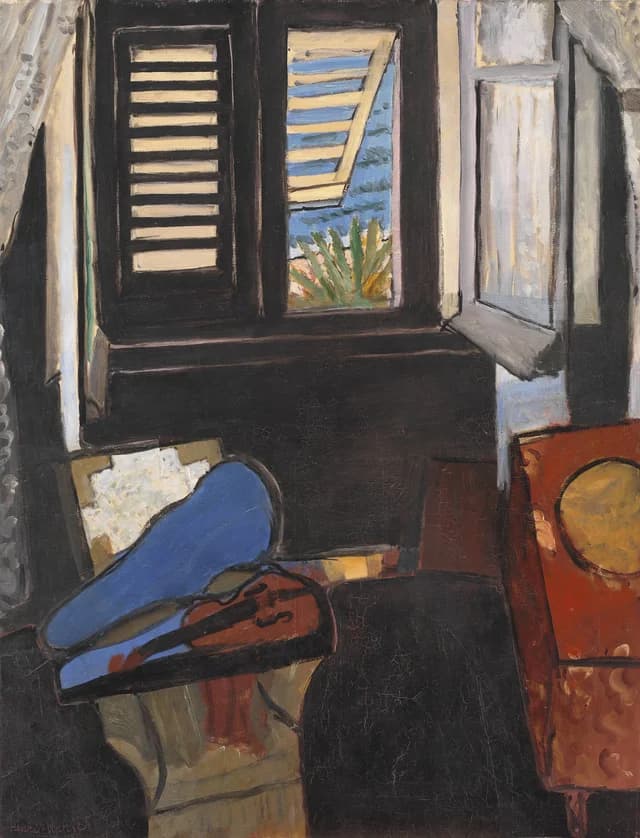 Interno con violinoHenri Matisse, 1918
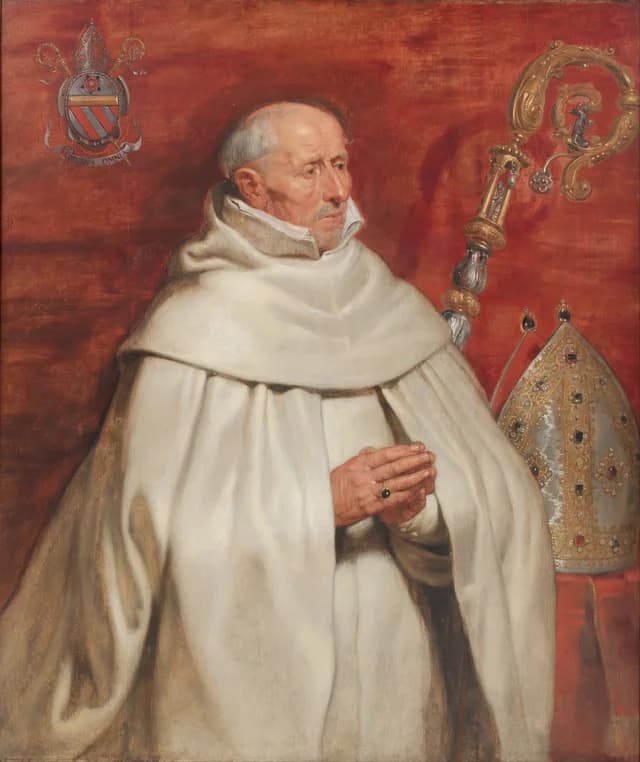 Ritratto di Matthaeus Yrsselius, abate dell'abbazia di San Michele ad AnversaPieter Paul Rubens, 1624
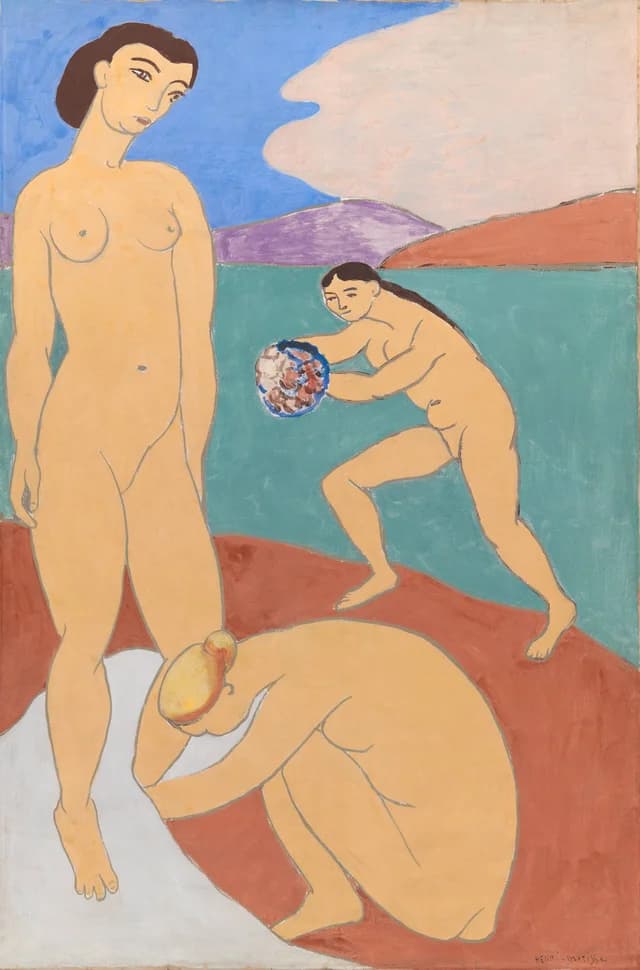 Il Lusso IIHenri Matisse, 1908