カラヴァッジョ
1571–1610 · ミラノ公国 · バロック
音声ガイド
ストーリー
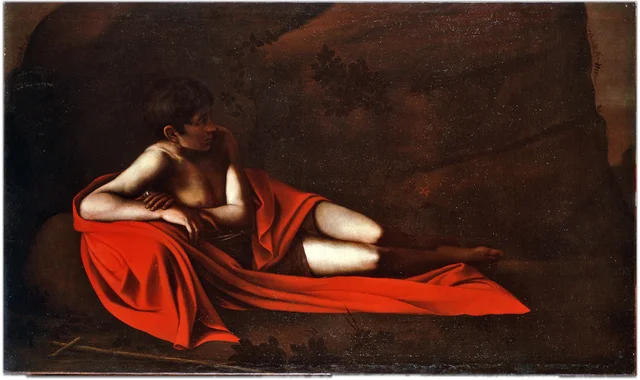
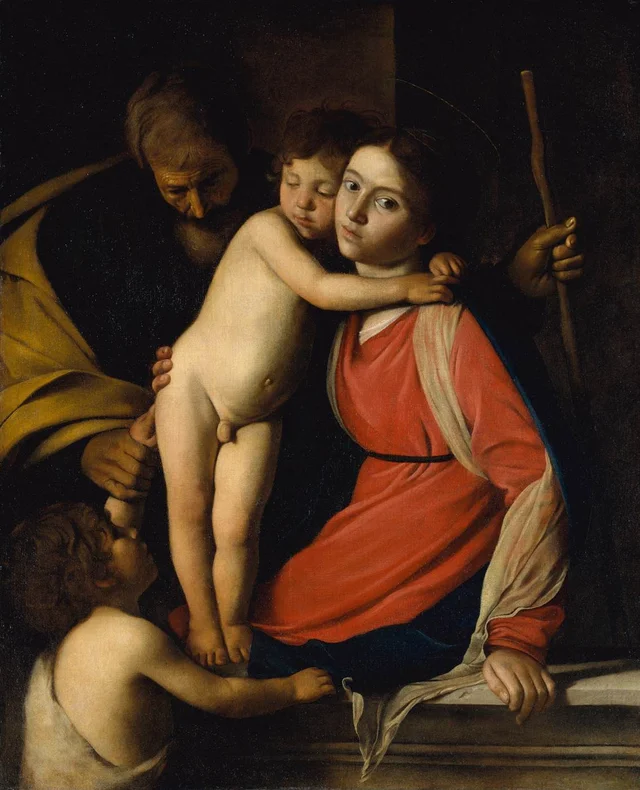
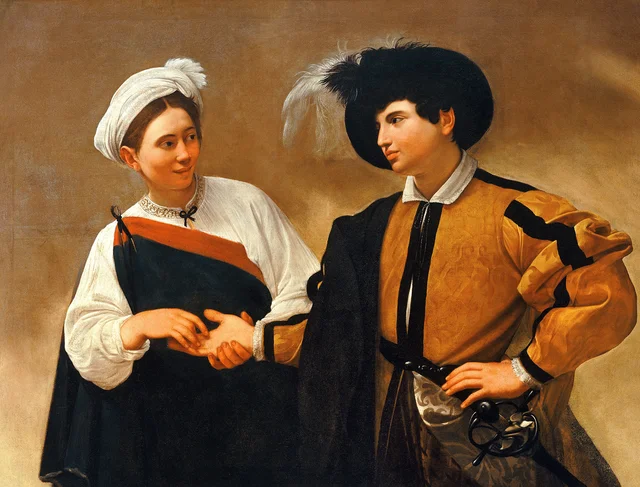
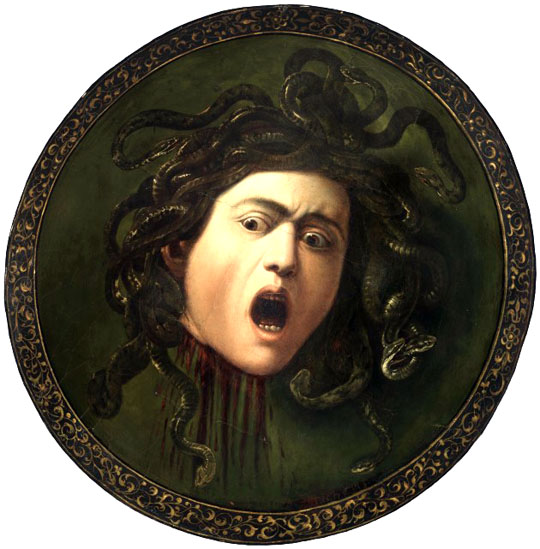
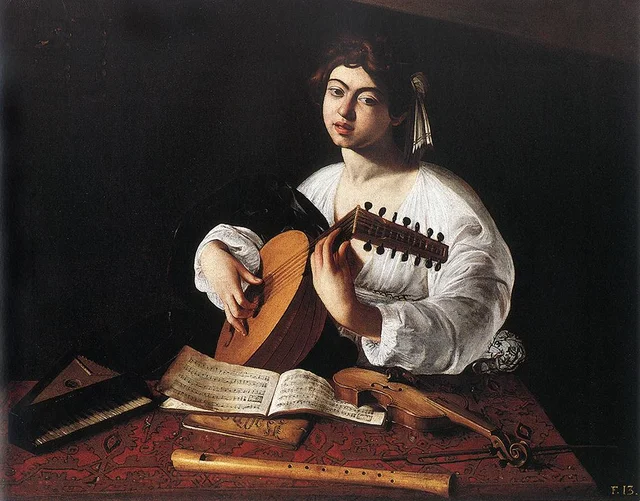
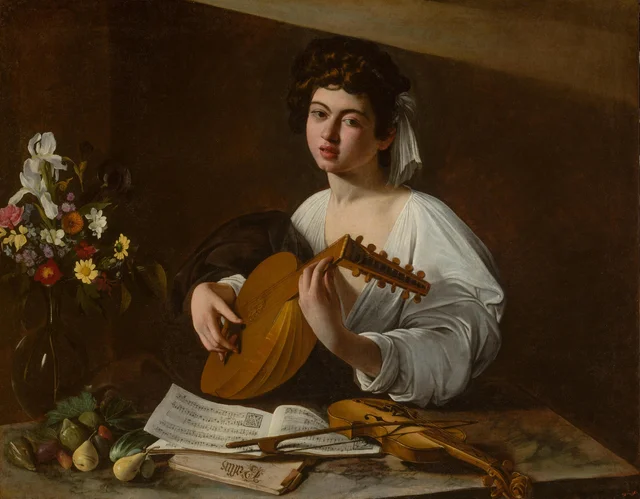
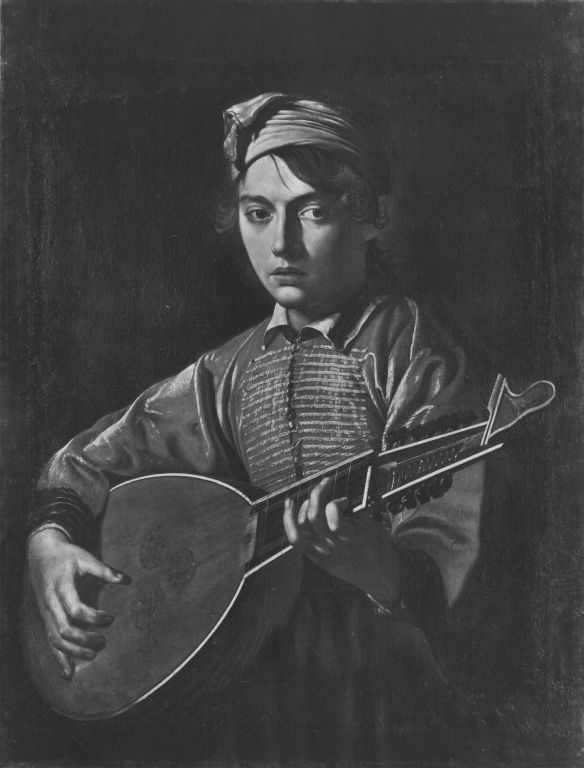
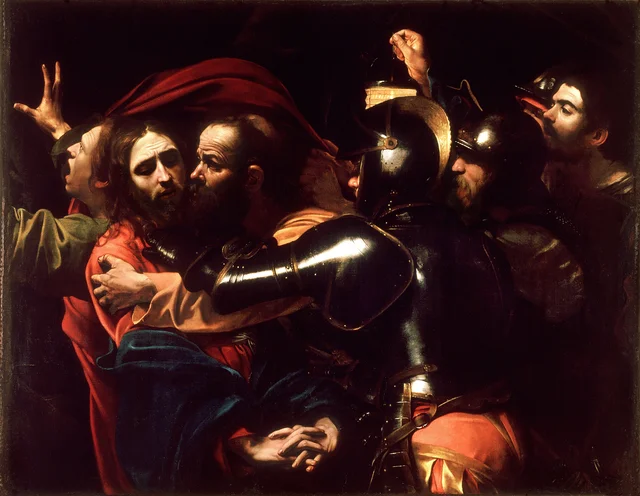
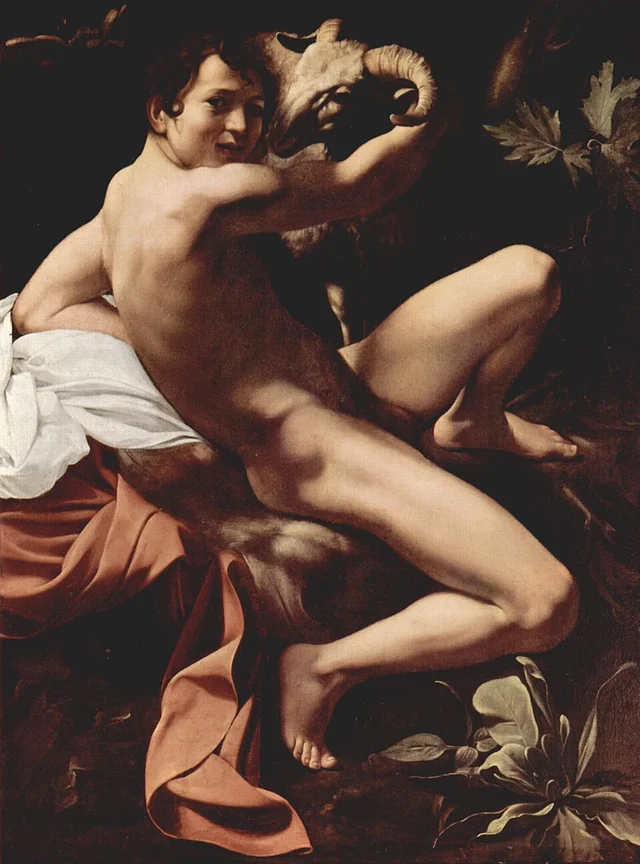
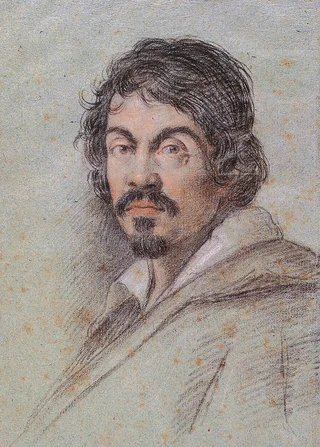
1600年までに、カラヴァッジョはローマで最も話題になる画家となっていた。宗教画を街路にまで引きずり下ろしたことで知られていた。彼は聖人や殉教者を、深い闇の中から差し込む荒々しい光で照らし、実在するローマの労働者や娼婦をモデルに用い、聖母には汚れた足を、使徒たちには労働者の顔を与えた。一部の聖職者にとってそれは冒涜だったが、若い画家たちにとっては未来そのものだった。
彼はまた、暴力的で、しばしば武器を携えていた。1606年5月のある日、球技をめぐる賭けが絡んだ喧嘩の末に、剣でラヌッチョ・トマッソーニという若者を刺し殺してしまう。教皇庁の法廷は不在のまま彼に死刑を宣告し、「バンド」と呼ばれるこの宣告により、教皇領内であれば誰でも合法的に彼を殺すことができるようになった。カラヴァッジョはローマを永久に去った。
その後の4年間は、有力な庇護者たちの保護のもと、南へ南へと逃げ続ける日々だった。彼はナポリで猛烈な速さで制作し、続くマルタでは統治する騎士団にまず称えられ、また別の乱闘の末に投獄され、その後シチリアへと渡り、道すがら彼の最も暗く偉大な祭壇画のいくつかを描いた。1610年7月、恩赦を約束され、ローマへ戻ろうとする途上、トスカーナ海岸のポルト・エルコレで38歳、熱病により世を去った。その名声はおよそ300年の間色褪せていたが、20世紀にロベルト・ロンギを中心とするイタリアの研究者たちによって、彼は美術史の最前列に呼び戻された。