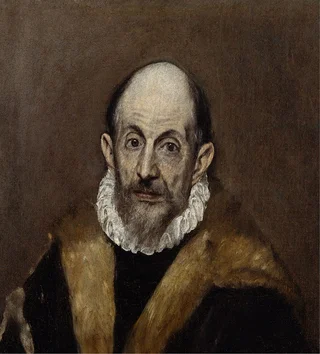
エル・グレコ
1541–1614 · カスティーリャ王国 · スペイン・ルネサンス
音声ガイド
ストーリー
彼は生涯、自分の絵にギリシア文字で「ドメニコス・テオトコプーロス」と署名し続けた。スペインから「エル・グレコ(ギリシア人)」と呼ばれるようになってからもである。1541年にクレタ島で生まれ、平面的で金地を用いるビザンティン様式のイコン画法を学んだのち、イタリア・ルネサンスの油彩技法を身につけるためヴェネツィアとローマへ渡った。1577年頃、スペインの古い宗教的中心地であるトレドに落ち着くと、二度とそこを離れなかった。
彼は宮廷の仕事を望んでやって来た。国王フェリペ2世はエル・エスコリアル宮殿修道院のために一度だけ仕事を与え、1582年頃に完成した殉教の場面を彼は納めたが、王はそれを気に入らず、目立たない場所に掛けさせて別の画家を雇った。これで宮廷への道は閉ざされた。しかしそれは同時に彼を自由にすることでもあった。トレドの教会や聖職者たちは、対抗宗教改革——プロテスタントに対するカトリック教会の巻き返し——の中心地にふさわしい、燃え立つように引き伸ばされ、蝋燭の光に浮かぶ聖人たちの絵を求め、彼を生涯にわたって忙しくさせ続けた。
1614年の死後およそ300年間、彼は変わり者として扱われ、引き伸ばされた人物像は視力か趣味の欠陥のせいだと片づけられていた。しかし20世紀初頭の画家たち、セザンヌや若き日のピカソは、その歪みの中に意図的で近代的な何かを見出した。ピカソはキュビスムを生み出していた時期に、エル・グレコの作品を熱心に研究していた。
他の記事
作品
254点の作品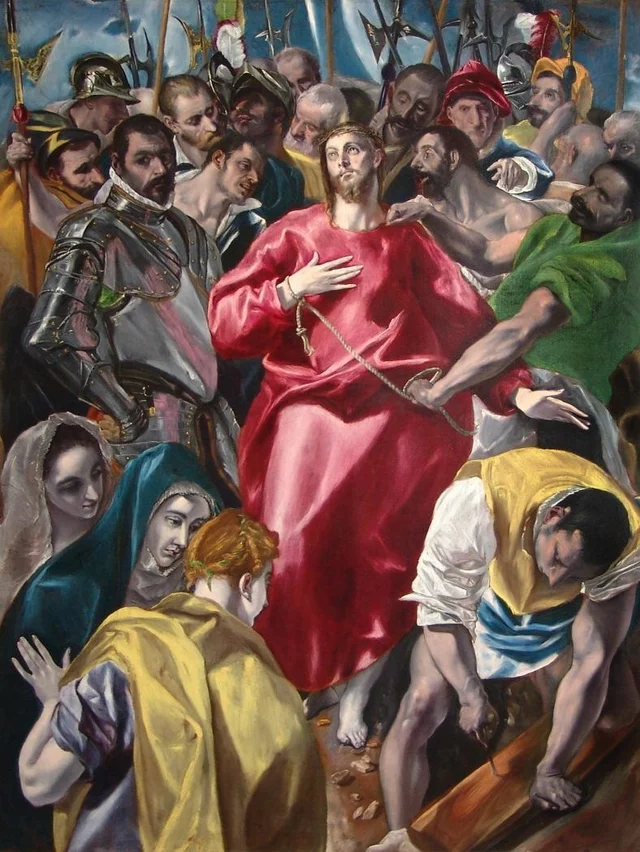 キリストの衣剥ぎエル・グレコ, 1580
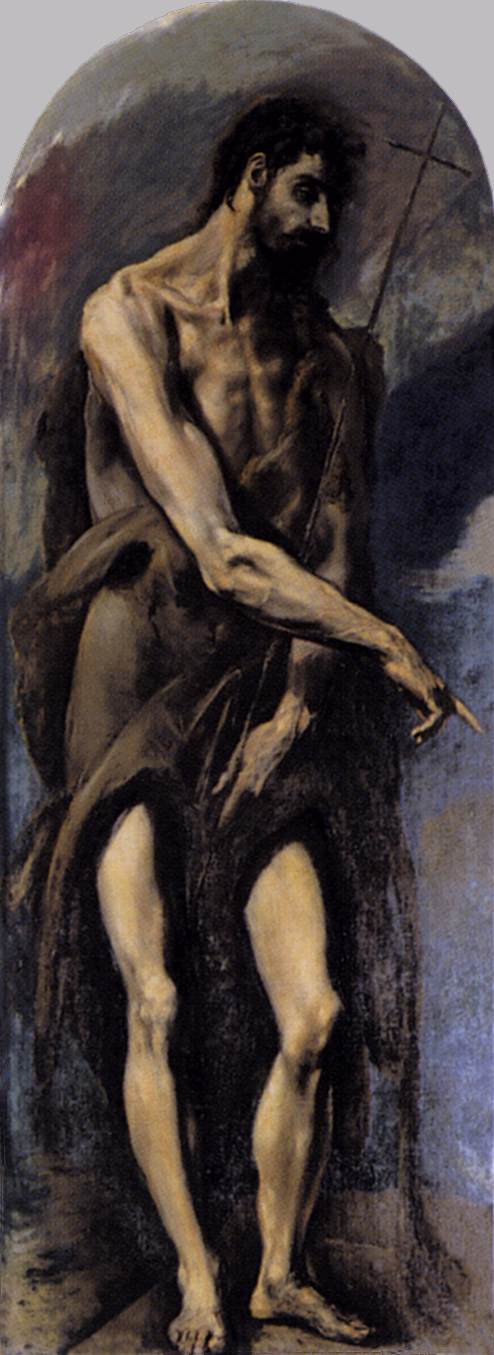 洗礼者ヨハネエル・グレコ, 1577
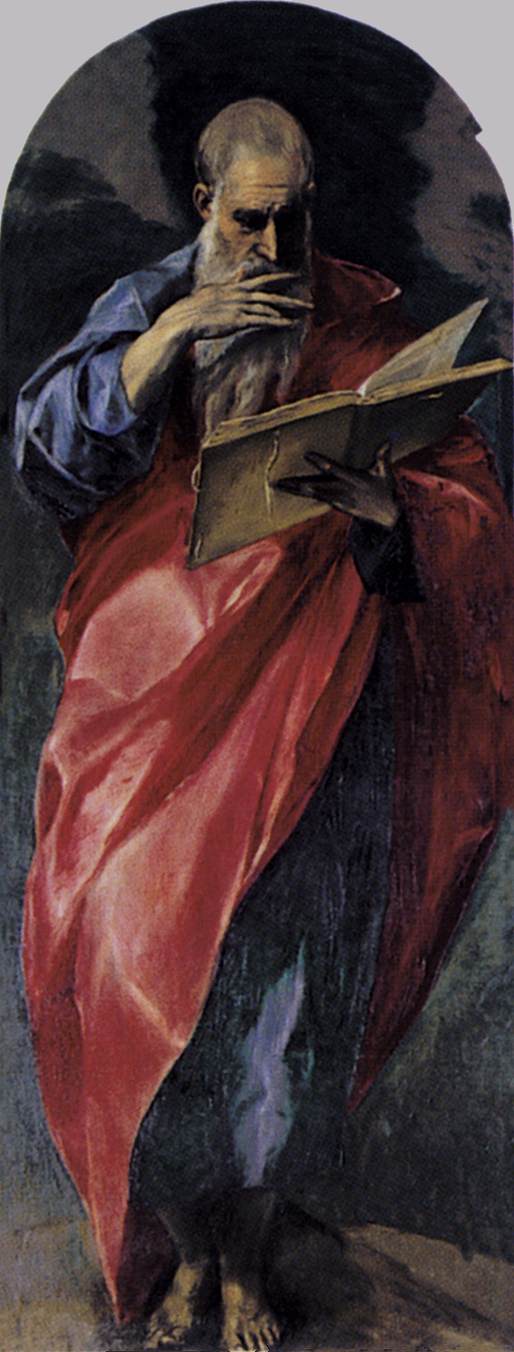 福音記者聖ヨハネエル・グレコ, 1577
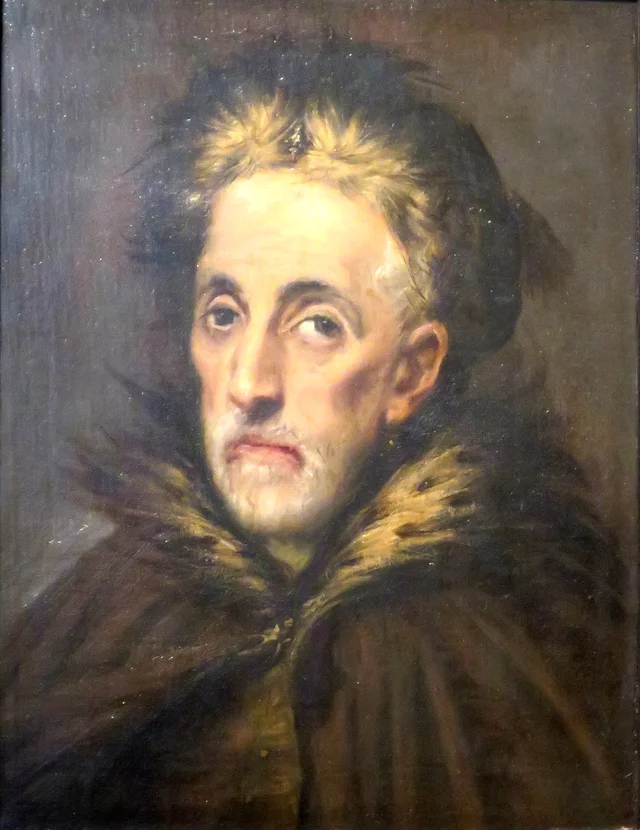 マヌッソ・テオトコプーロスエル・グレコ, 1603
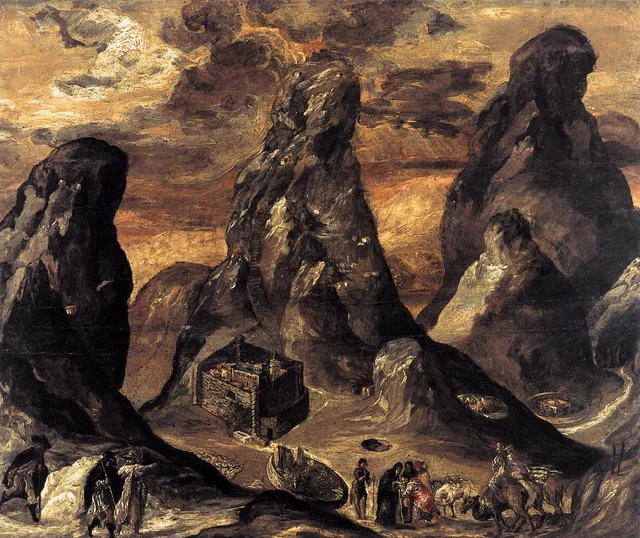 シナイ山エル・グレコ, 1570
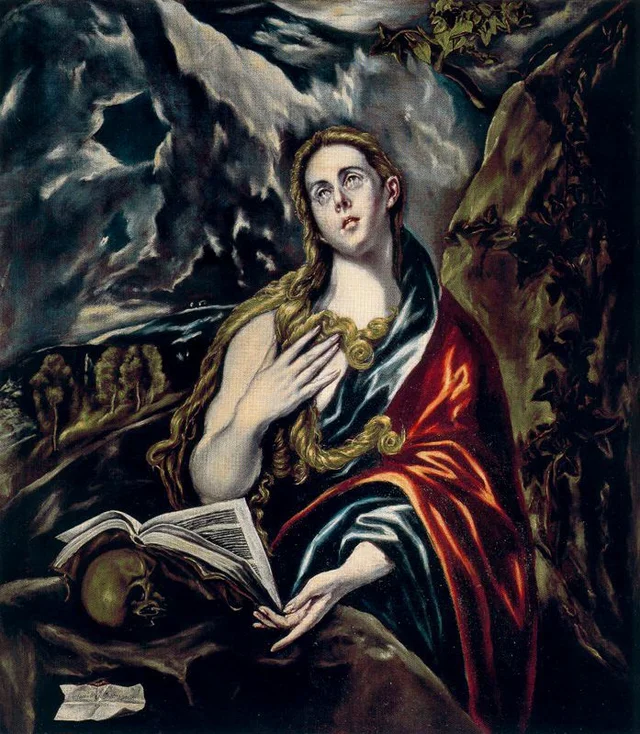 悔悛のマグダラのマリアエル・グレコ, 1607
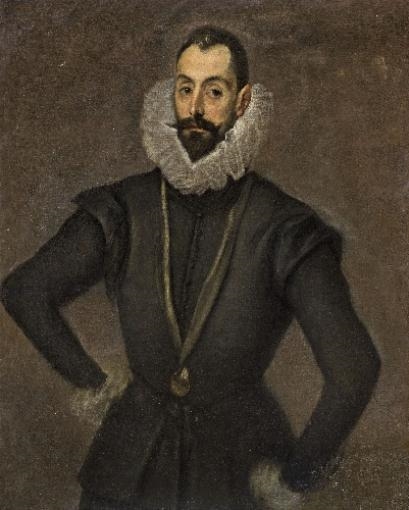 紳士の肖像エル・グレコ, 1605
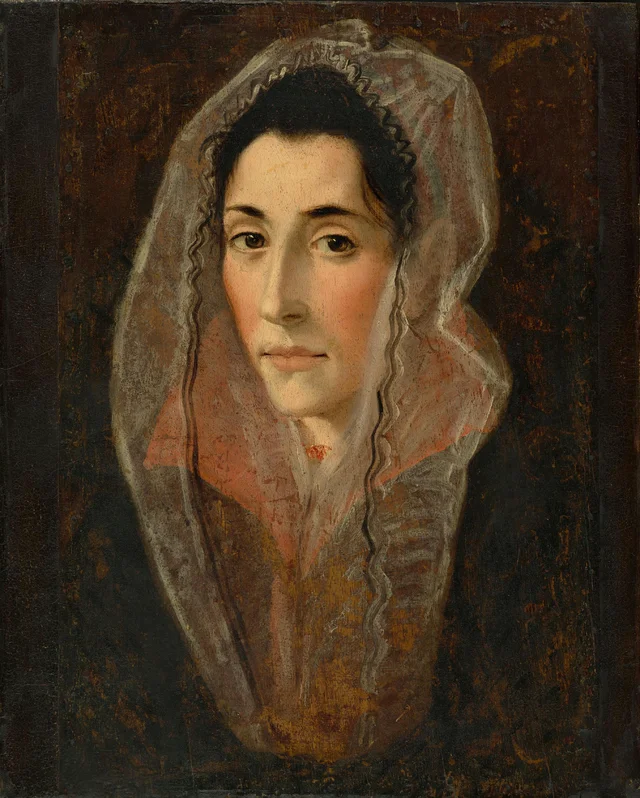 貴婦人の肖像エル・グレコ, 1578
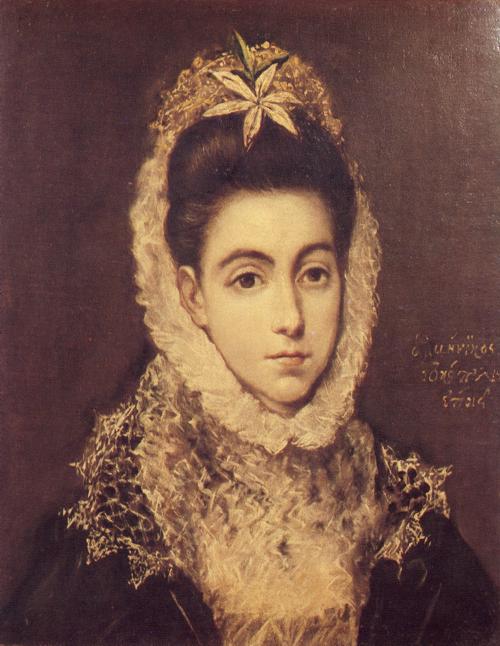 花を持つ婦人の肖像エル・グレコ, 1600
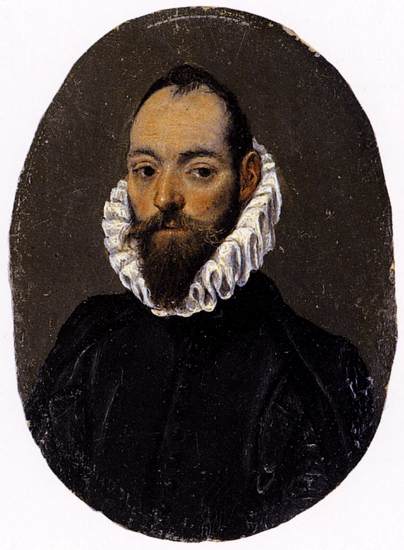 男の肖像エル・グレコ, 1588
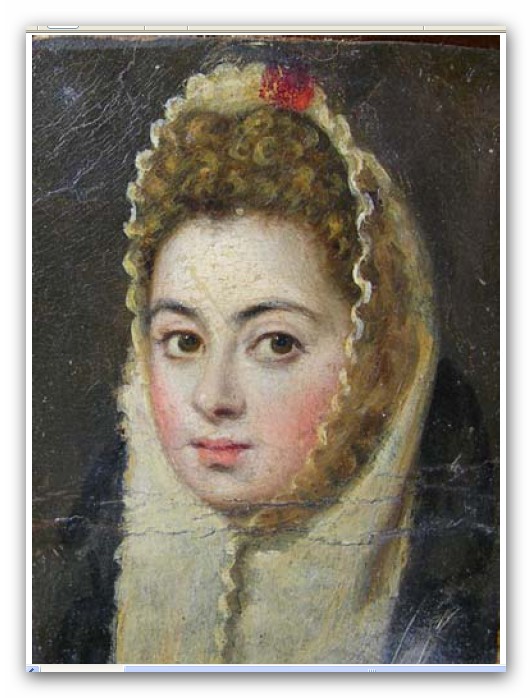 女性の肖像エル・グレコ, 1578
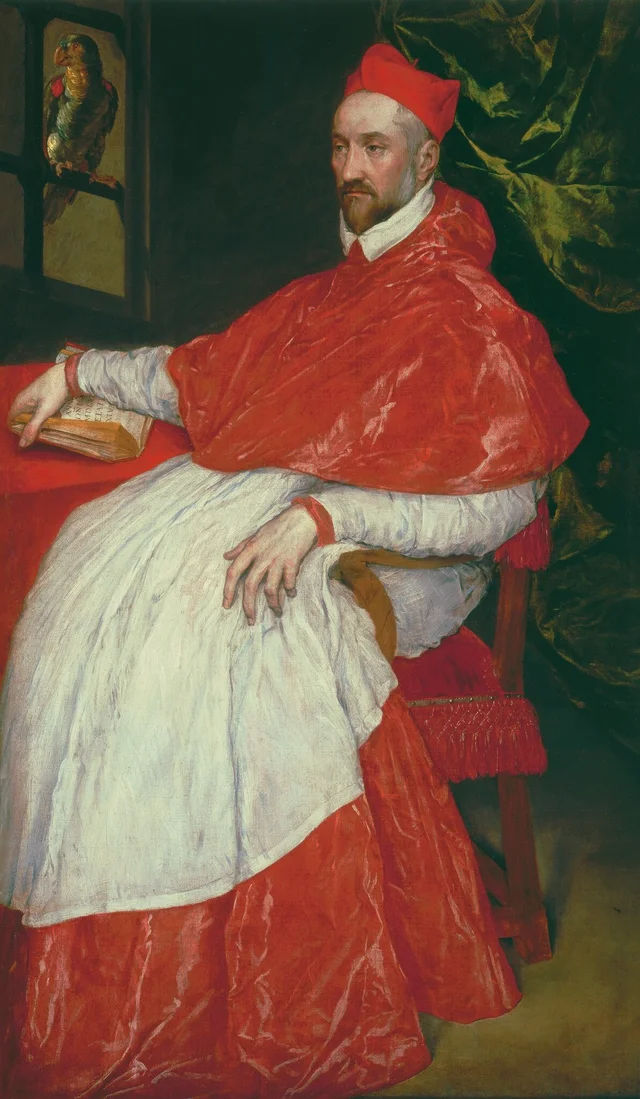 シャルル・ド・ギーズ(ロレーヌ枢機卿、ランス大司教)の肖像エル・グレコ, 1572
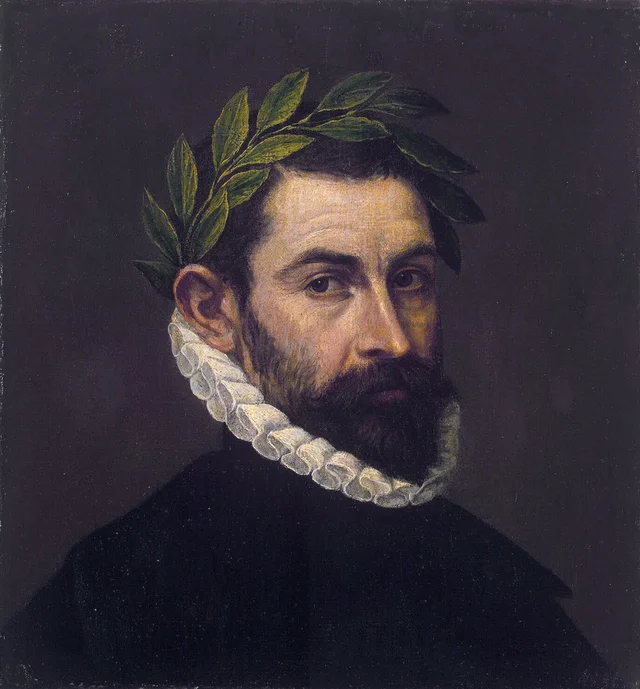 詩人アロンソ・デ・エルシーリャ・イ・スニガの肖像エル・グレコ, 1570
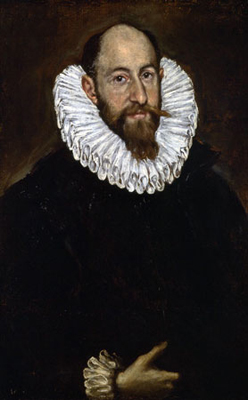 身元不明の紳士の肖像エル・グレコ, 1605
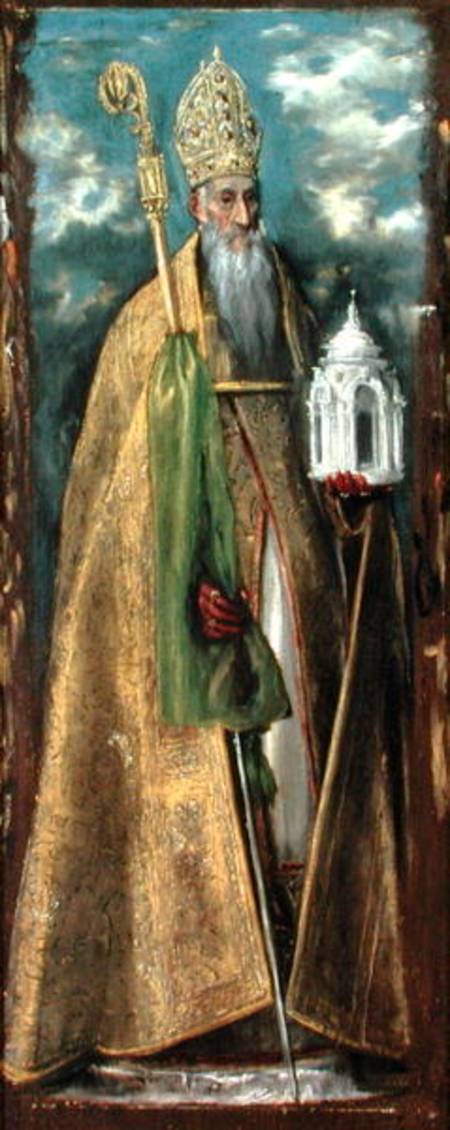 聖アウグスティヌスエル・グレコ, 1590
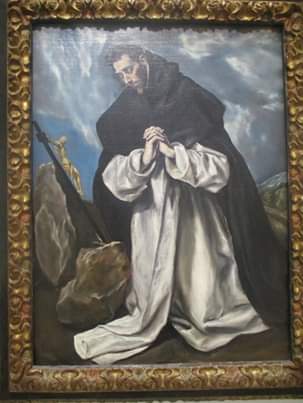 祈る聖ドミニコエル・グレコ, 1610
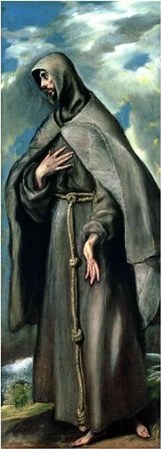 アッシジの聖フランチェスコエル・グレコ, 1592
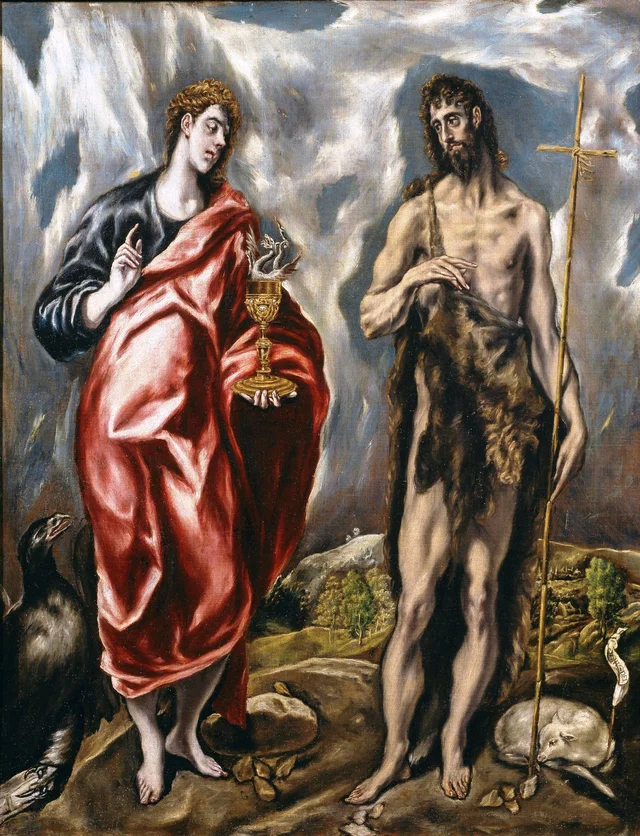 洗礼者聖ヨハネと福音記者聖ヨハネエル・グレコ, 1600
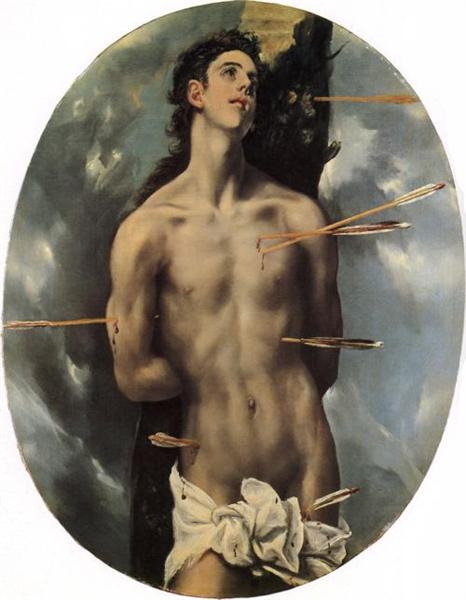 聖セバスティアヌスエル・グレコ, 1602
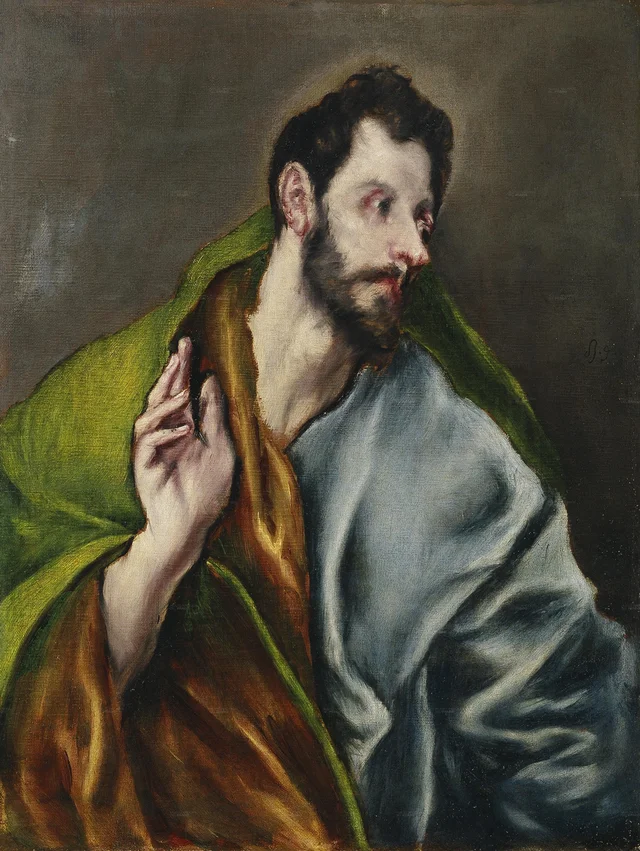 使徒トマスエル・グレコ, 1608
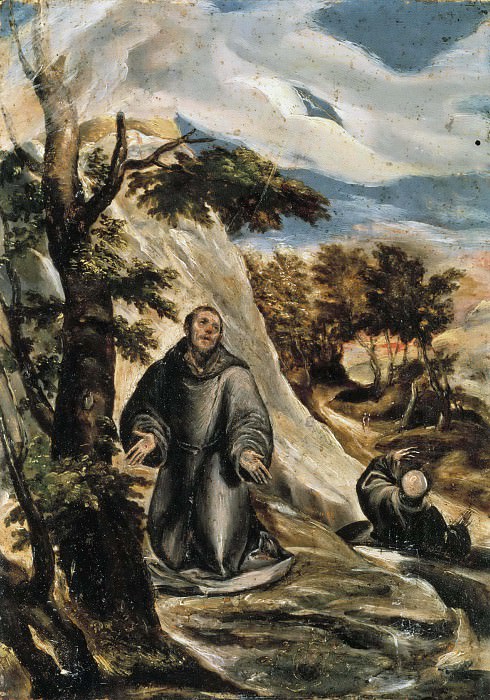 聖痕を受ける聖フランチェスコエル・グレコ, 1560
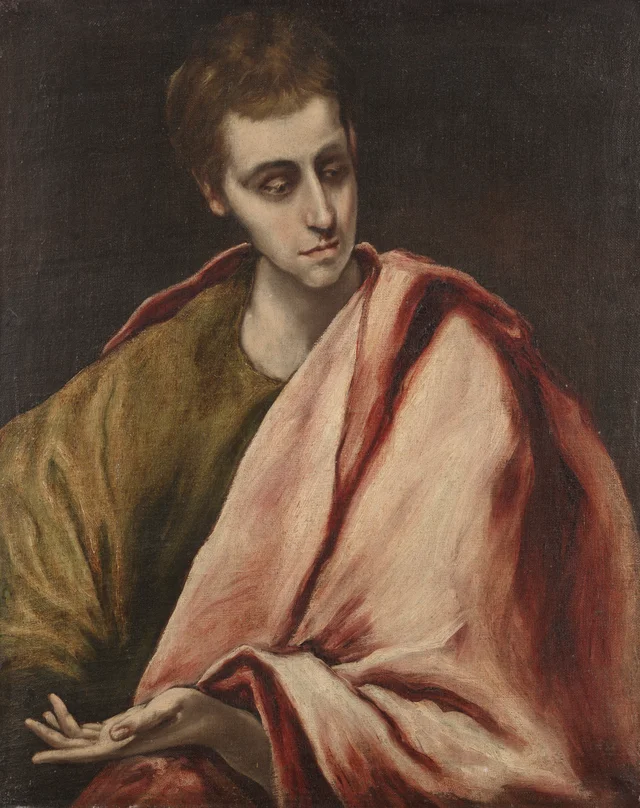 聖ヨハネエル・グレコ, 1592
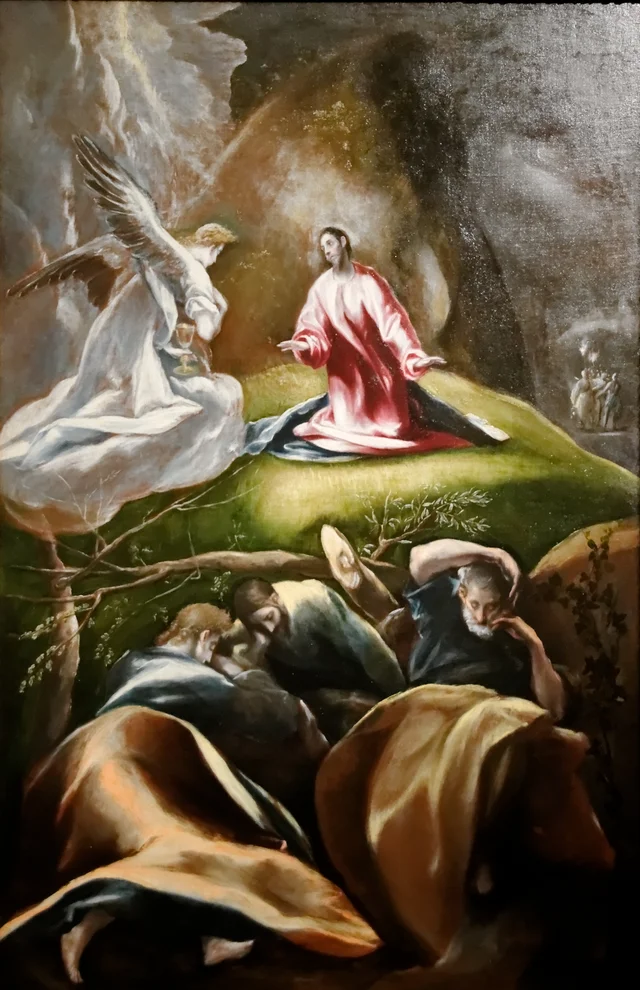 ゲッセマネの祈りエル・グレコ, 1611
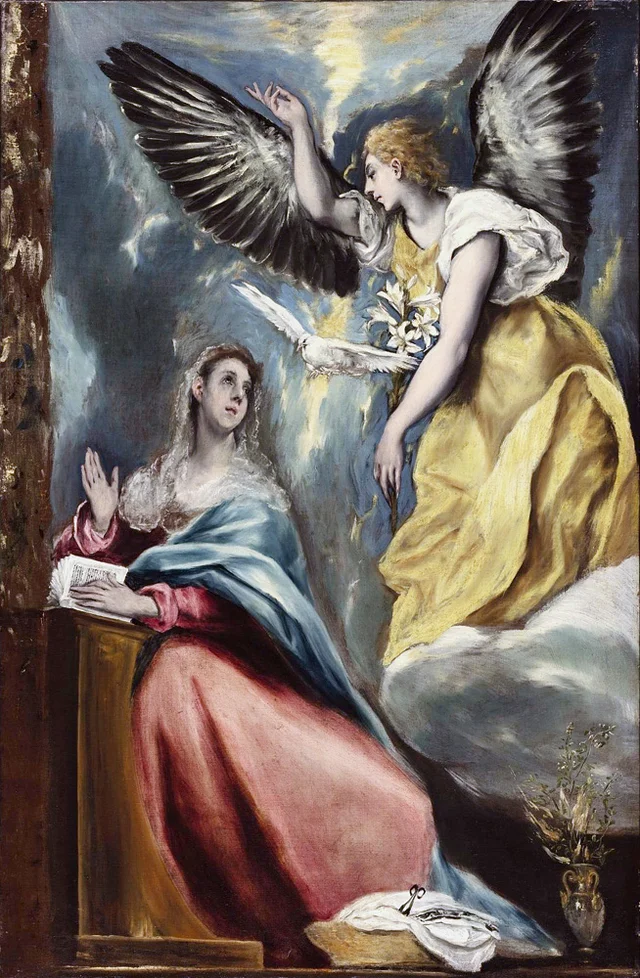 受胎告知エル・グレコ, 1600
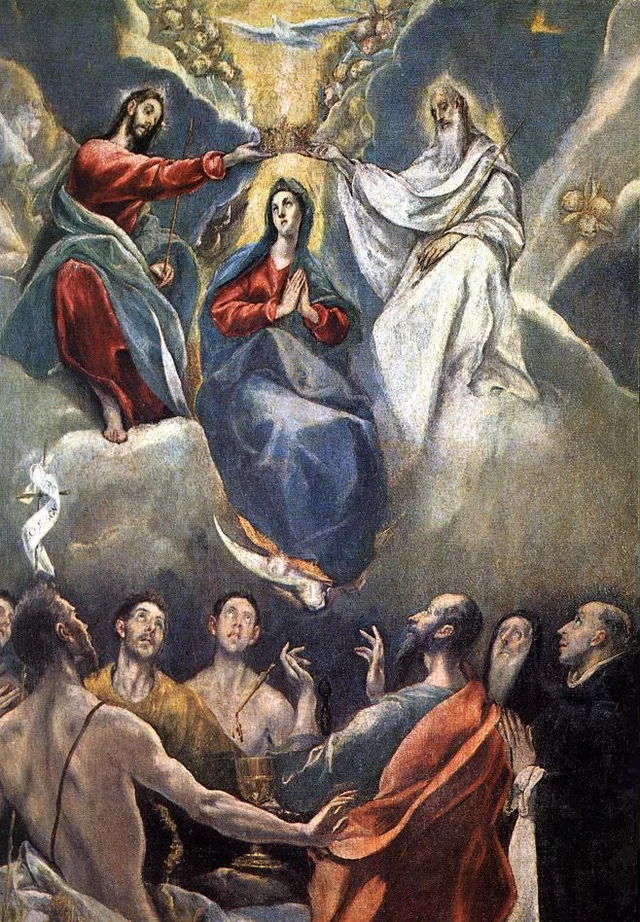 聖母の戴冠エル・グレコ, 1591