音声ガイド
ストーリー
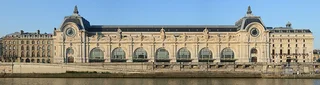
オルセー美術館は、まず鉄道の駅だった。1900年5月、その夏パリを埋め尽くした万国博覧会に間に合わせて完成を急ぎ、セーヌ川のほとりに開業した。建築家ヴィクトール・ラルーは、鉄骨の列車庫を切り石の正面の奥に隠し、プラットホームの上にホテルを載せた。世界初の電化都市ターミナルとして稼働し、列車は煙も蒸気もなく、ガラスの屋根の下を滑るように出入りした。
その優雅さが、そのまま命取りにもなった。プラットホームは、のちに就役したより長い列車には短すぎ、1939年までに本線は他の駅へ去っていった。数十年のあいだオルセー駅は取り壊しの脅威のもと、半ばがら空きのまま建っていた。オーソン・ウェルズは1962年、カフカ『審判』の映画の多くを、その打ち捨てられた広間で撮影した。1978年、フランス政府はこの建物を歴史的建造物に指定し、美術館とすることを選んだ。
1986年に再開し、印象派を含む1848年から1914年までのフランス美術に充てられた。大きなガラスの円天井の下に、いまではマネの「オランピア」、ファン・ゴッホの自画像、ドガの踊り子、モネの大聖堂が並ぶ。世界屈指の印象派・ポスト印象派のコレクションだ。ホールの奥の壁の高みには、駅の当初の時計がいまもホールに向き合い、来館者に時を告げている。
他の記事
コレクション
617点の作品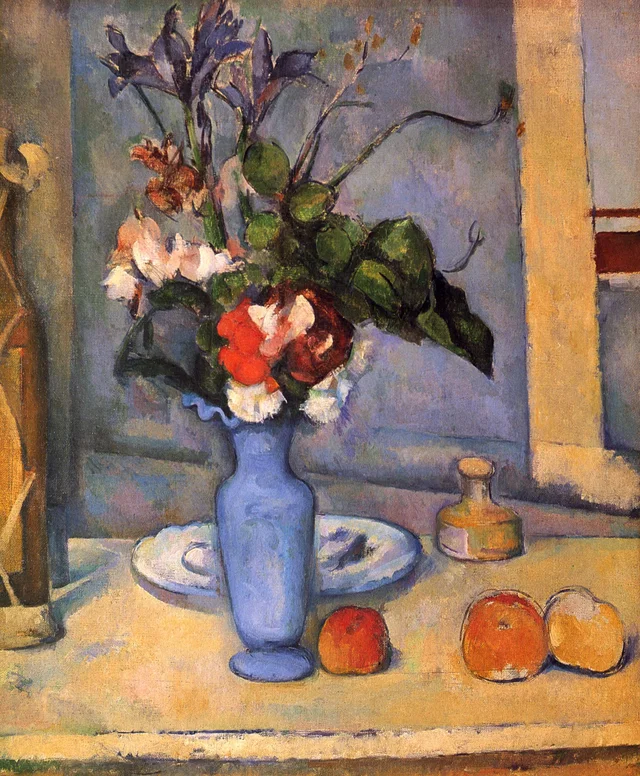 青い花瓶ポール・セザンヌ, 1890
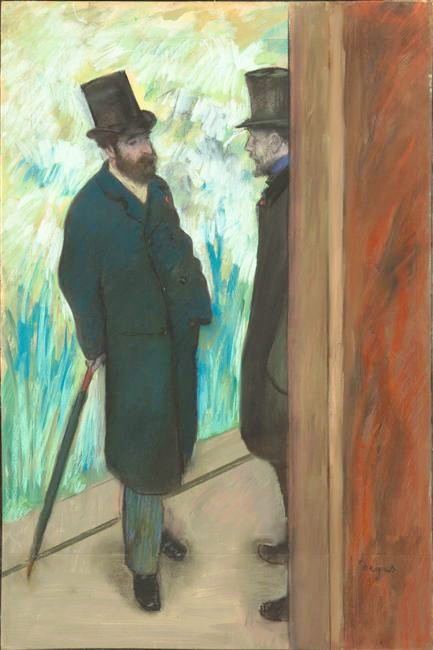 オペラ座の舞台裏のリュドヴィック・アレヴィとアルベール・ブーランジェ=カヴェエドガー・ドガ, 1879
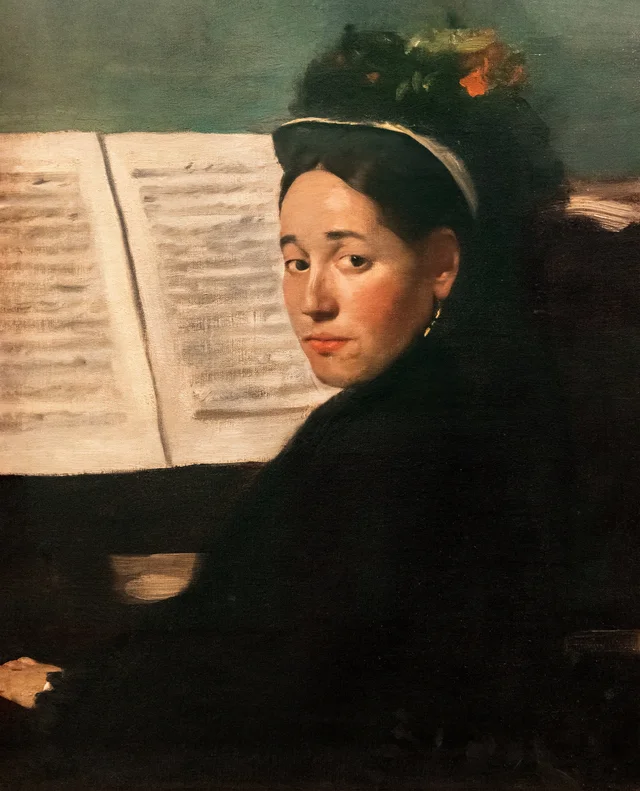 ピアノを弾くディオ嬢エドガー・ドガ, 1869
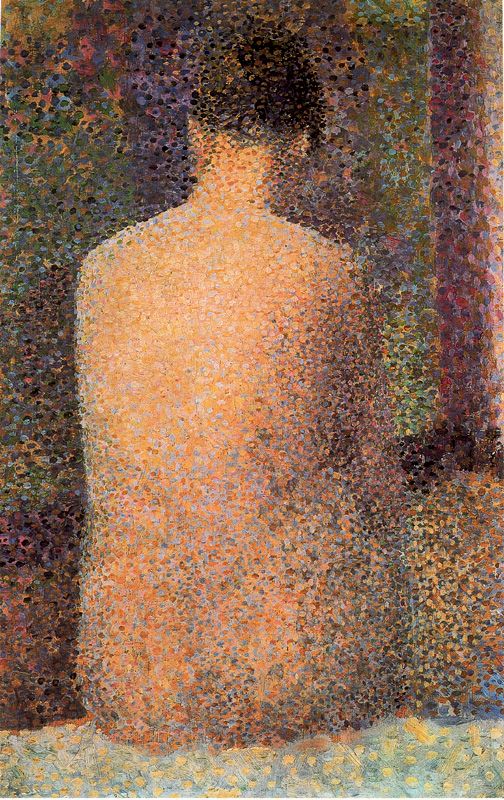 後ろ姿のモデルジョルジュ・スーラ, 1887
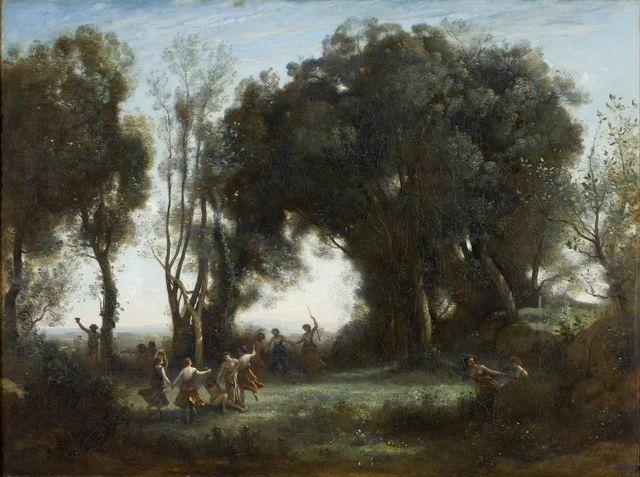 朝、ニンフの踊りジャン=バティスト・カミーユ・コロー, 1850
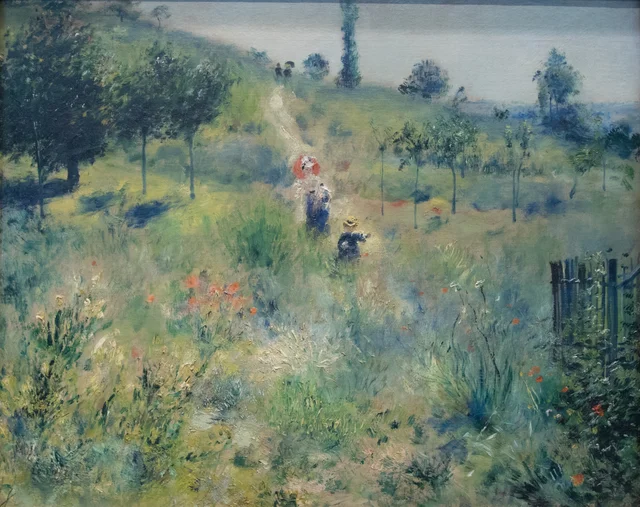 高い草むらの小道ピエール=オーギュスト・ルノワール, 1874
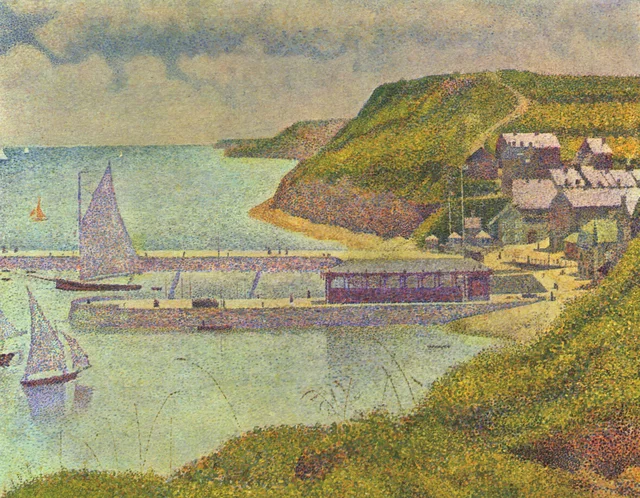 ポール=タン=ベッサン、外港、満潮ジョルジュ・スーラ, 1888
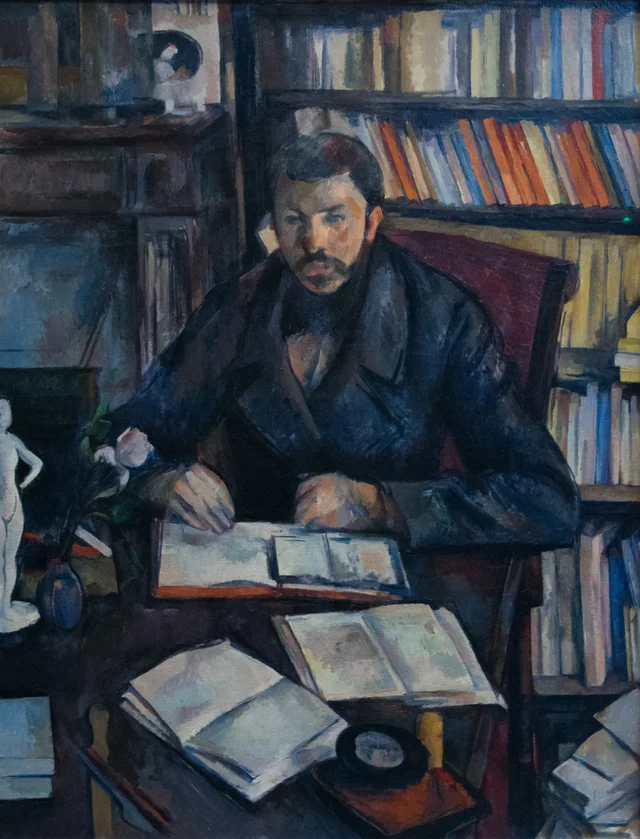 ギュスターヴ・ジェフロワの肖像ポール・セザンヌ, 1895
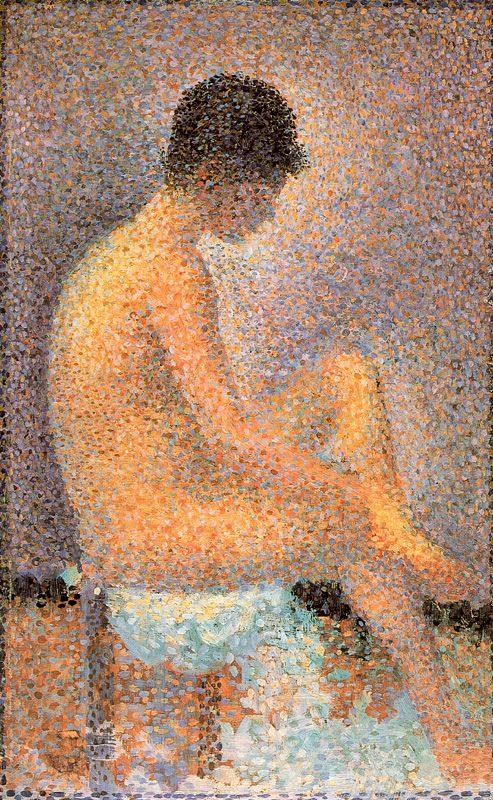 横向きに座るモデルジョルジュ・スーラ, 1887
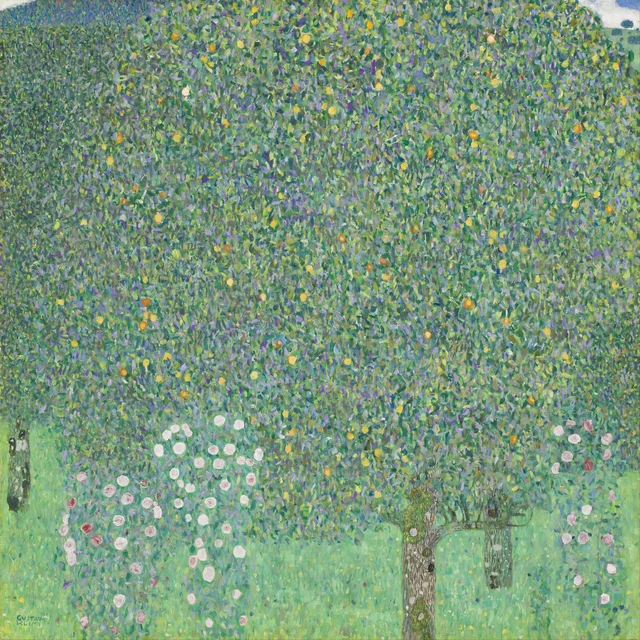 木々の下のバラの茂みグスタフ・クリムト, 1905
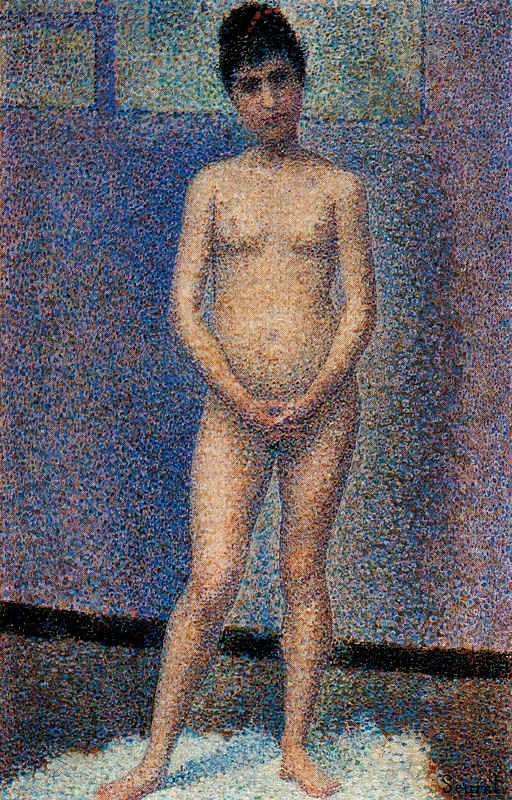 立ちポーズのモデルジョルジュ・スーラ, 1887
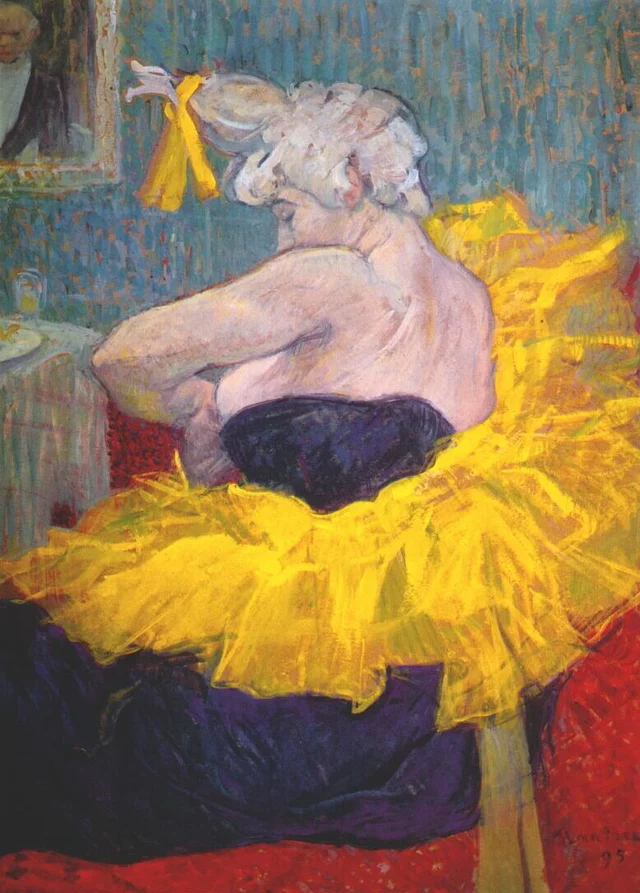 ムーラン・ルージュのシャ・ユ・カオアンリ・ド・トゥールーズ=ロートレック, 1895
 マルリー=ル=ロワの鍛冶場アルフレッド・シスレー, 1875
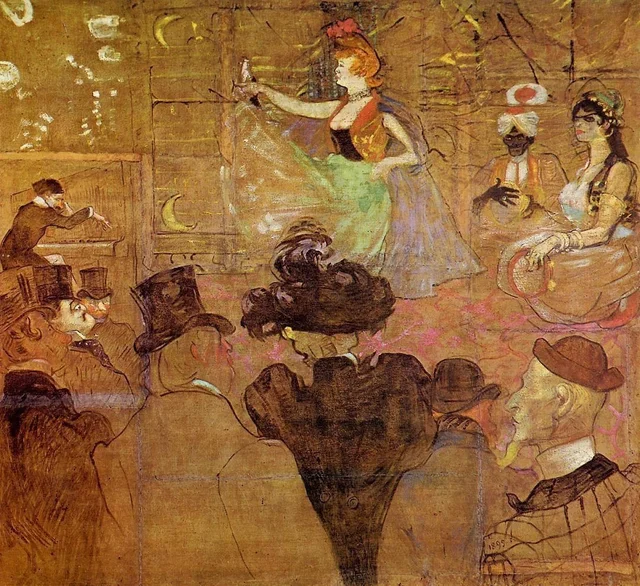 ムーア風の踊りアンリ・ド・トゥールーズ=ロートレック, 1895
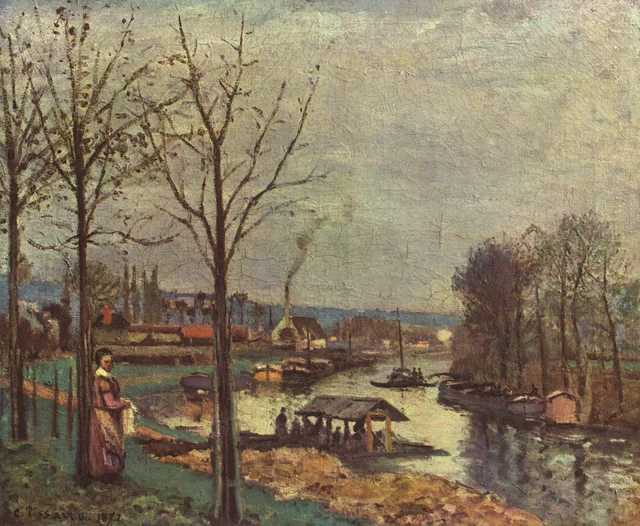 ポール・マルリーのセーヌ川、洗濯場カミーユ・ピサロ, 1872
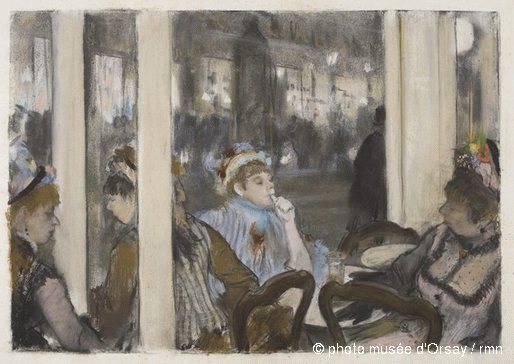 モンマルトル大通りのカフェエドガー・ドガ, 1877
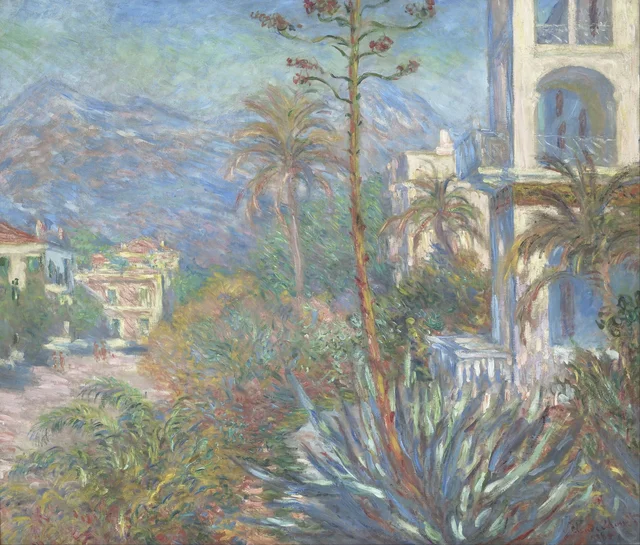 ボルディゲーラの別荘クロード・モネ, 1884
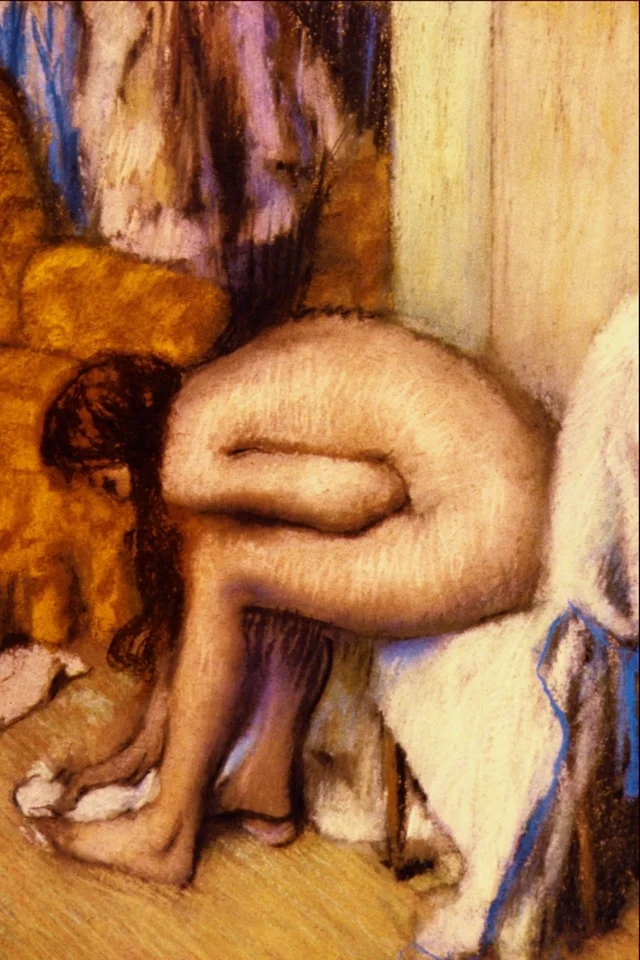 左足を拭く女エドガー・ドガ, 1886
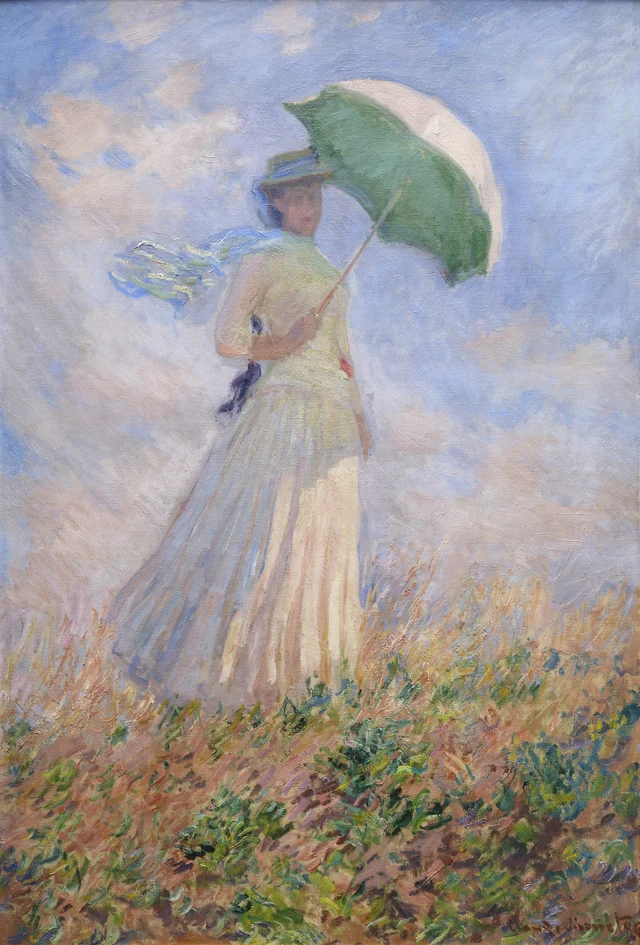 右を向いた日傘の女クロード・モネ, 1886
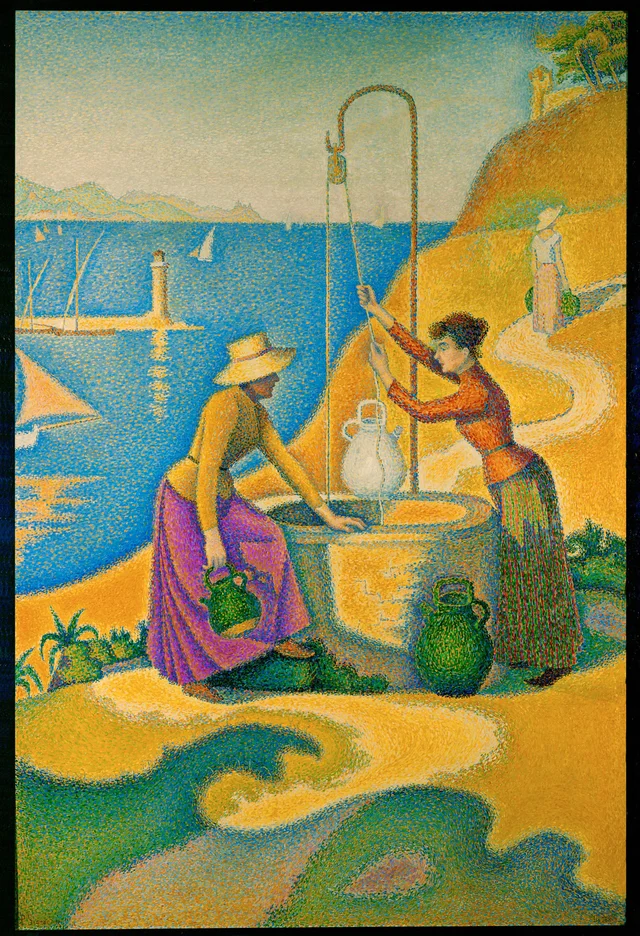 井戸端の女たちポール・シニャック, 1892
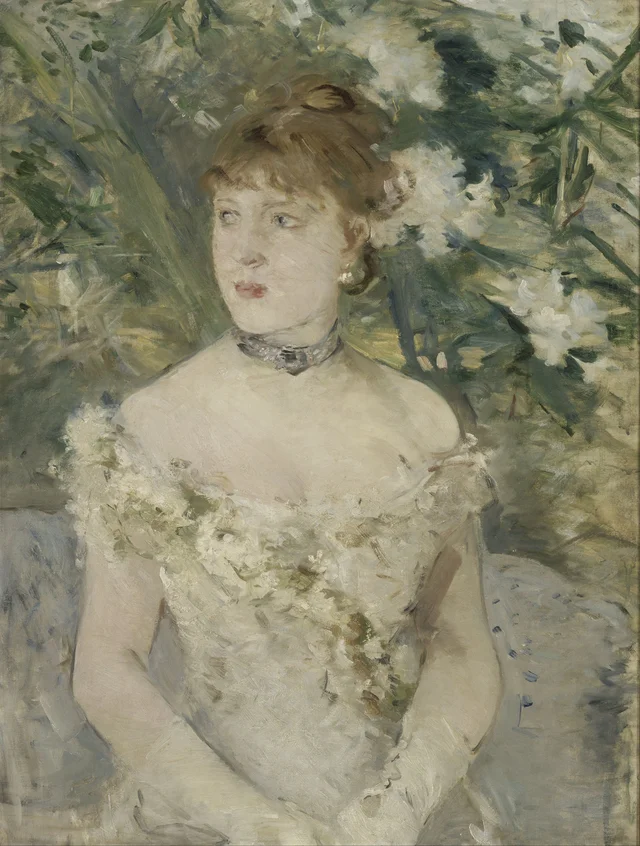 舞踏会のドレスを着た少女ベルト・モリゾ, 1879
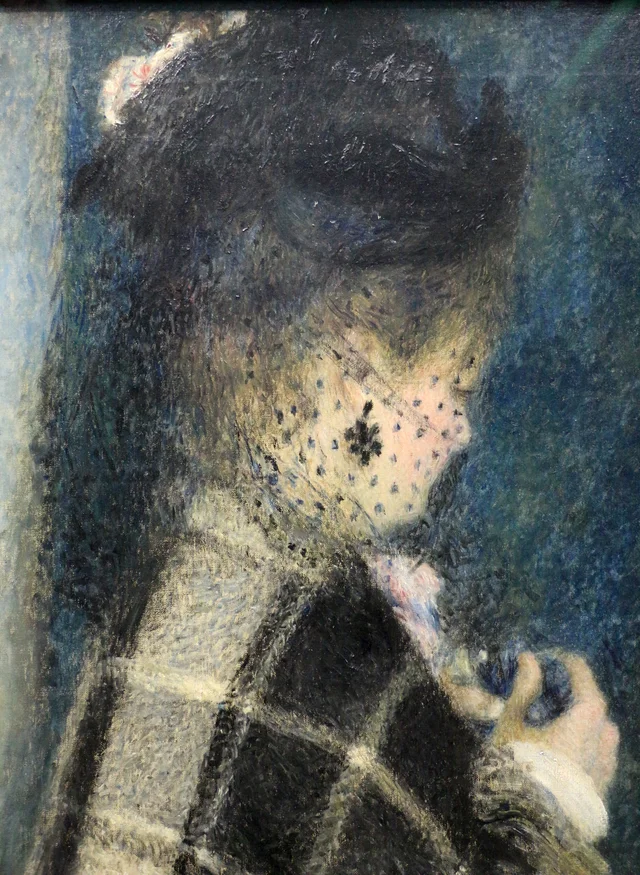 ヴェールをつけた若い女性ピエール=オーギュスト・ルノワール, 1876
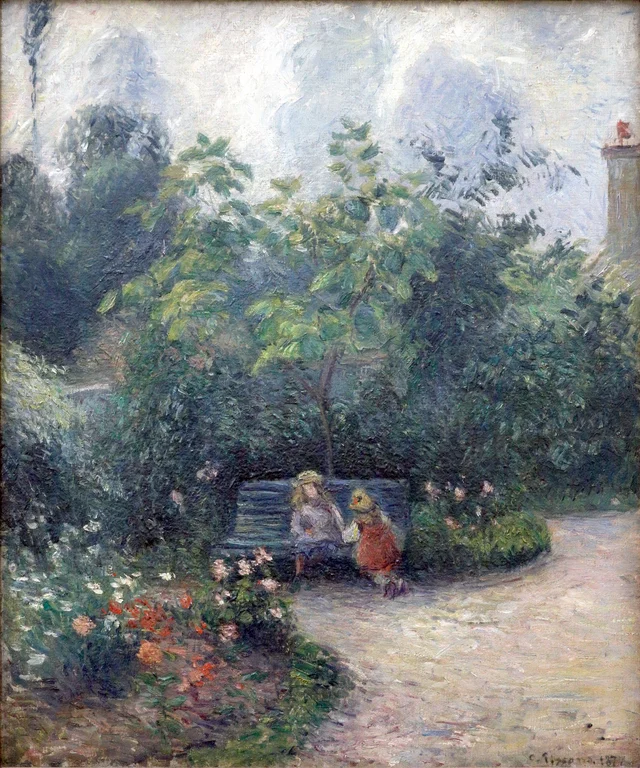 ポントワーズ、レ・マチュラン庭園の一角カミーユ・ピサロ, 1877
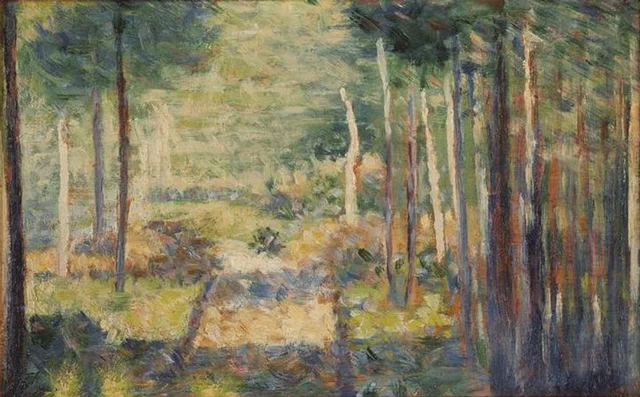 バルビゾンの森の小道ジョルジュ・スーラ, 1883
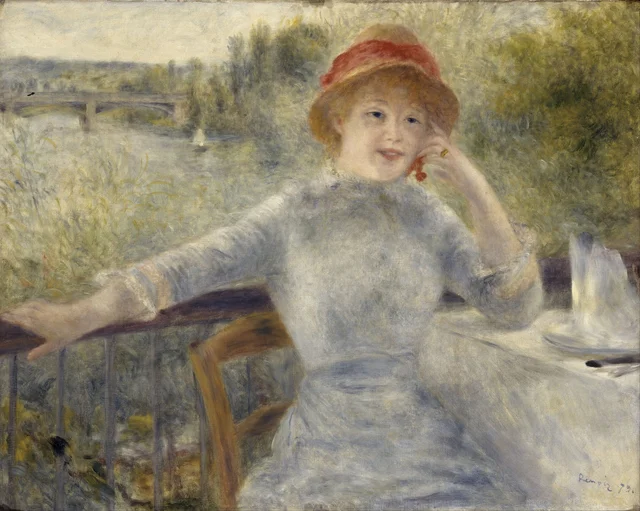 アルフォンシーヌ・フルネーズピエール=オーギュスト・ルノワール, 1879