音声ガイド
ストーリー
フィンセント・ファン・ゴッホは生涯にほとんど何も売れなかった。だから1890年に亡くなると、絵は弟のテオへと渡った。長年彼を支え続けた画商だ。テオはその半年後に世を去り、何百点ものカンヴァスと手紙の蓄え全体が、その妻ヨー・ファン・ゴッホ=ボンゲルの手に渡った。彼女は、亡き義兄を真剣に受け止めてもらおうと力を尽くした。コレクションは1962年まで一族にとどまり、フィンセントの甥がそれを国の財団に託して、この美術館がそれを収めるために建てられた。
だからこそファン・ゴッホ美術館は、ほかのどの館にもできないことができる。一人の落ち着かぬ画家の生涯の弧を、およそ200点の絵で、彼が描いた順に見せることだ。暗いオランダ時代と、1885年に描かれた「ジャガイモを食べる人々」の泥のような茶色から、南フランスの陽光へとのぼっていく。
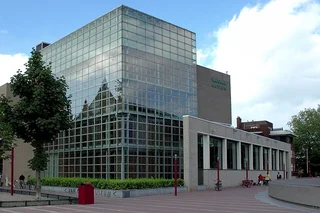
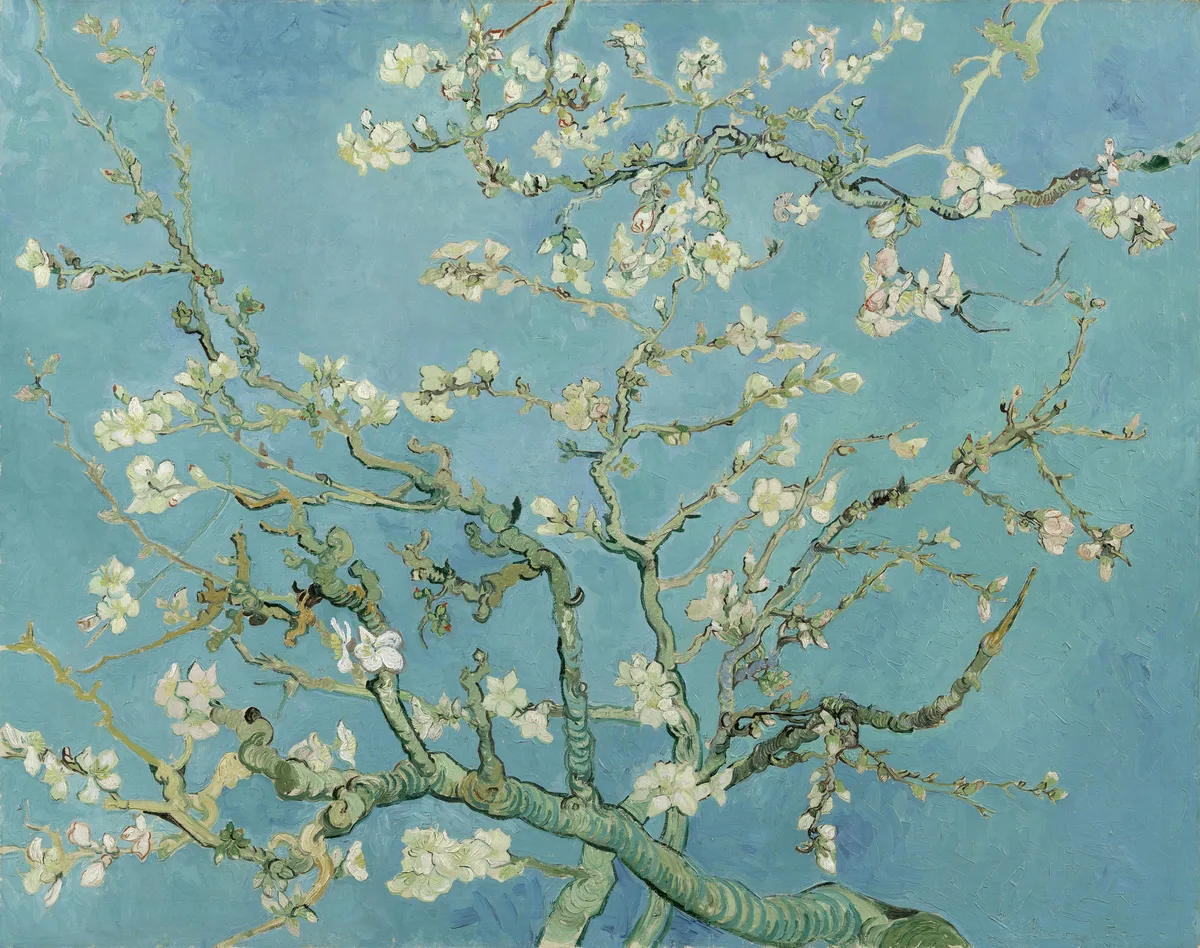
そこで壁は黄色に変わる。「ひまわり」、傾いた床と二脚の緑の椅子があるアルルの「寝室」、そして生まれたばかりの甥への贈り物として描かれた青と白の「花咲くアーモンドの木」。それらを囲む建物は、あえて簡素だ。デ・ステイルの一員ヘリット・リートフェルトが設計し1973年に開館した、飾りけのない灰色の直方体で、のちに曲面ガラスの翼が加えられた。リートフェルトは1964年、扉が開く9年前に世を去った。
他の記事
コレクション
344点の作品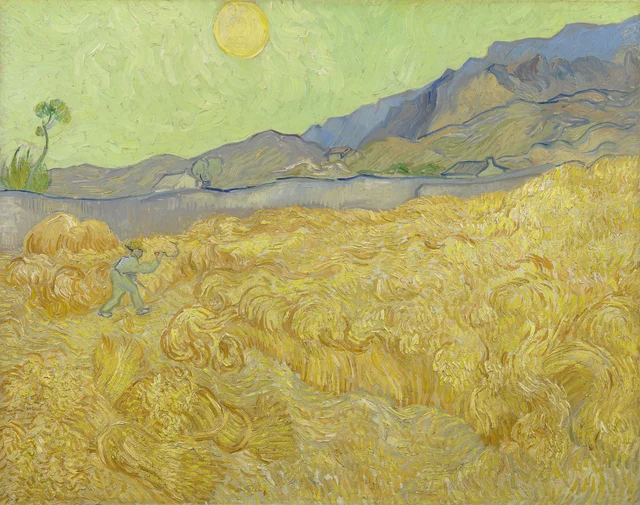 刈り入れをする人のいる麦畑フィンセント・ファン・ゴッホ, 1889
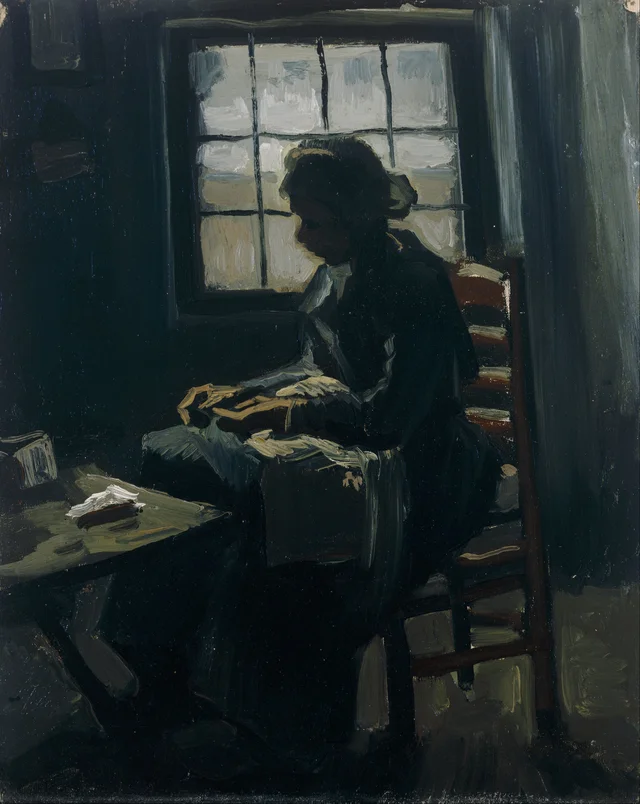 縫い物をする女性フィンセント・ファン・ゴッホ, 1885
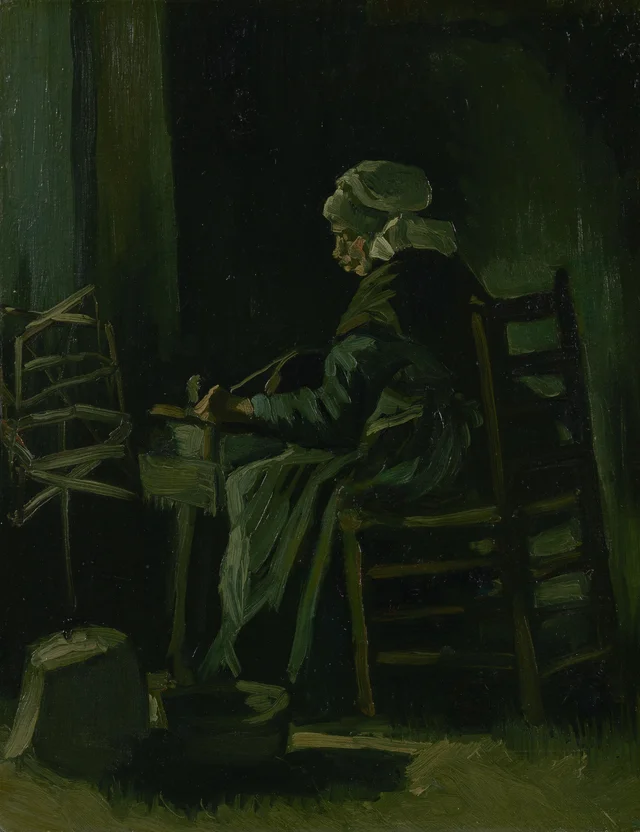 糸を巻く女フィンセント・ファン・ゴッホ, 1885
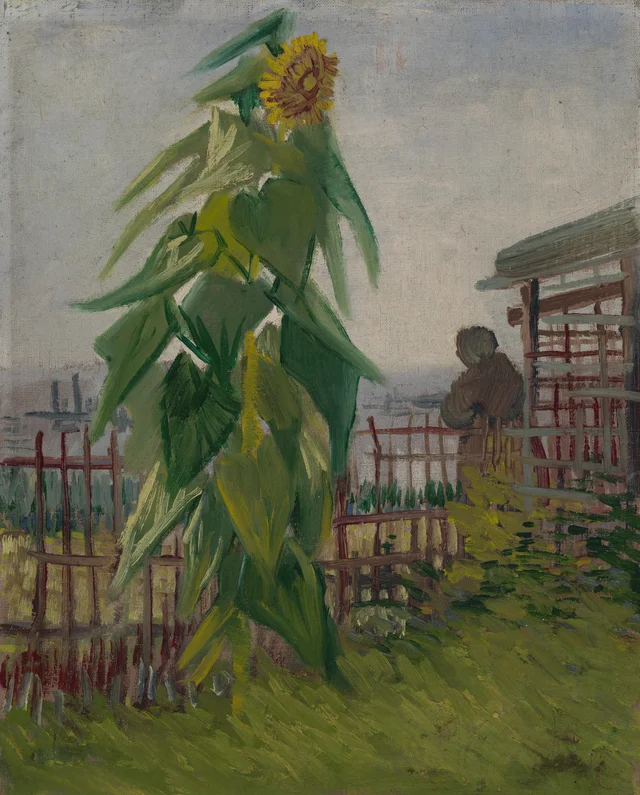 ひまわりのある菜園フィンセント・ファン・ゴッホ, 1887
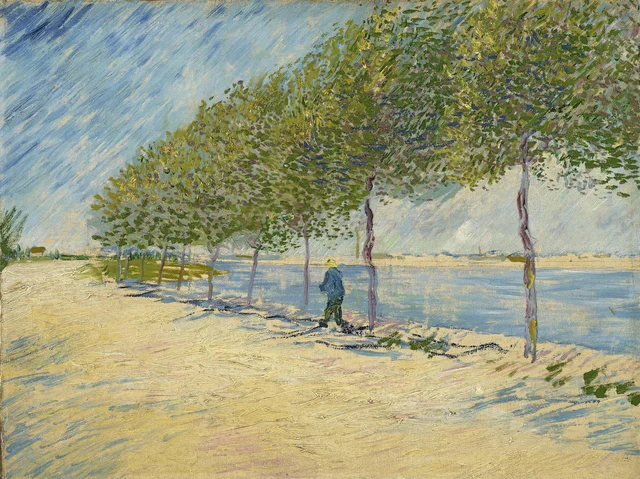 セーヌ川沿いフィンセント・ファン・ゴッホ, 1887
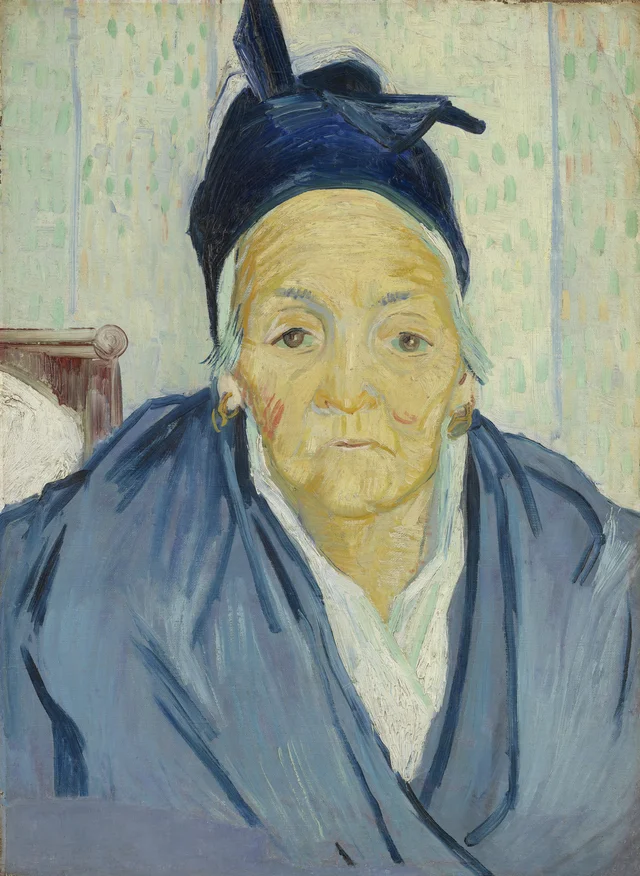 アルルの老婦人フィンセント・ファン・ゴッホ, 1888
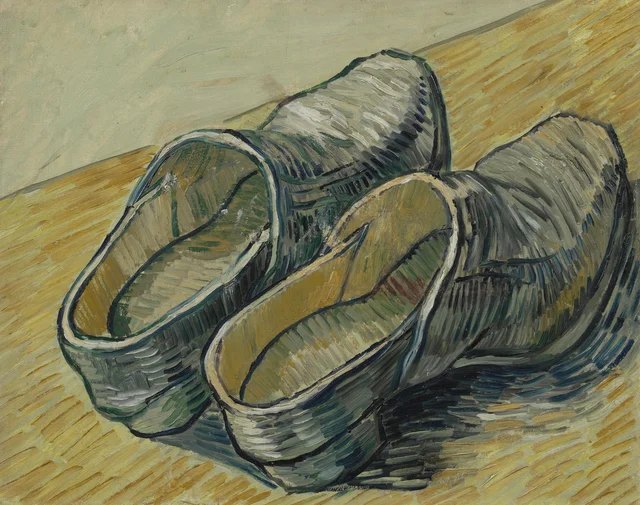 革製の木靴一足フィンセント・ファン・ゴッホ, 1889
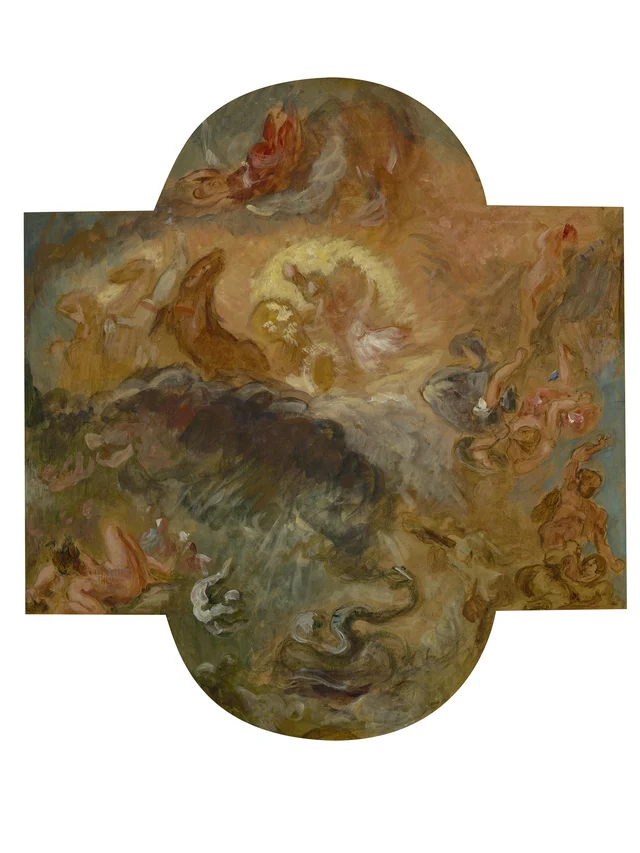 大蛇ピュトンを倒すアポロンウジェーヌ・ドラクロワ, 1850
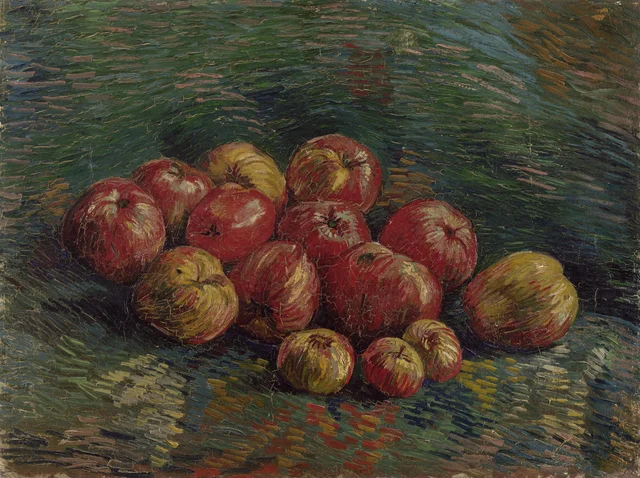 リンゴフィンセント・ファン・ゴッホ, 1887
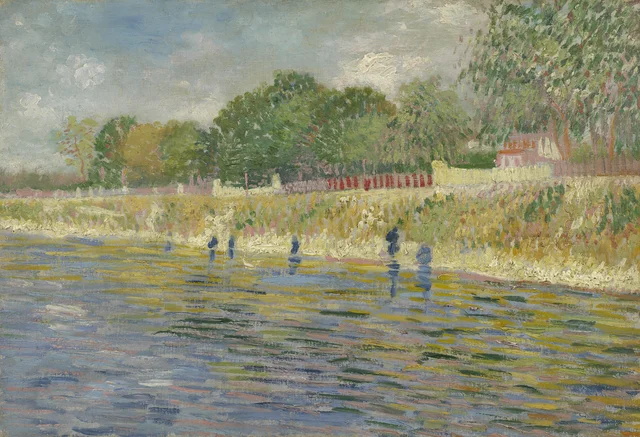 セーヌ川の岸辺フィンセント・ファン・ゴッホ, 1887
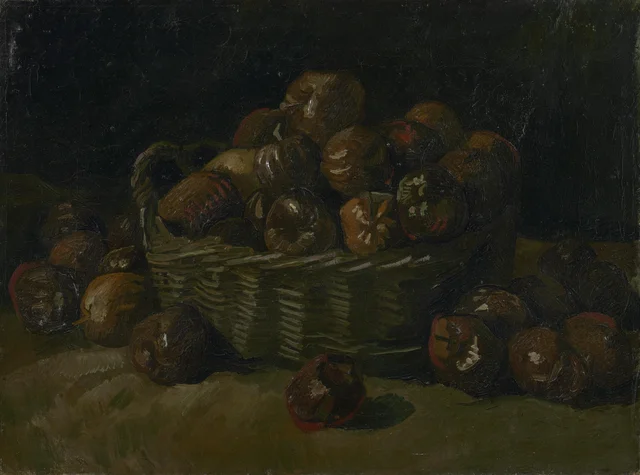 リンゴの籠フィンセント・ファン・ゴッホ, 1885
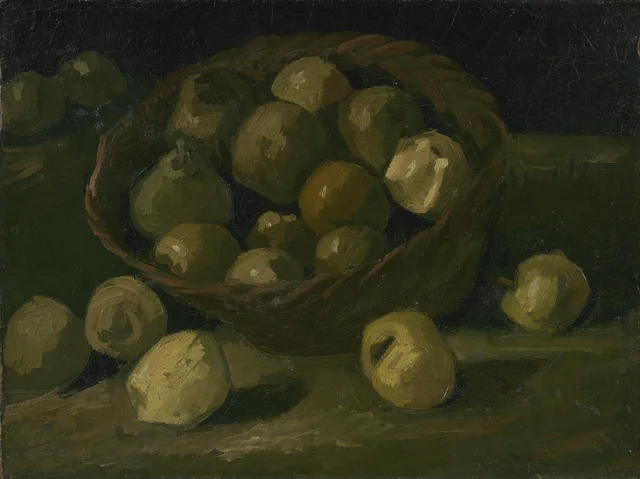 リンゴのバスケットフィンセント・ファン・ゴッホ, 1885
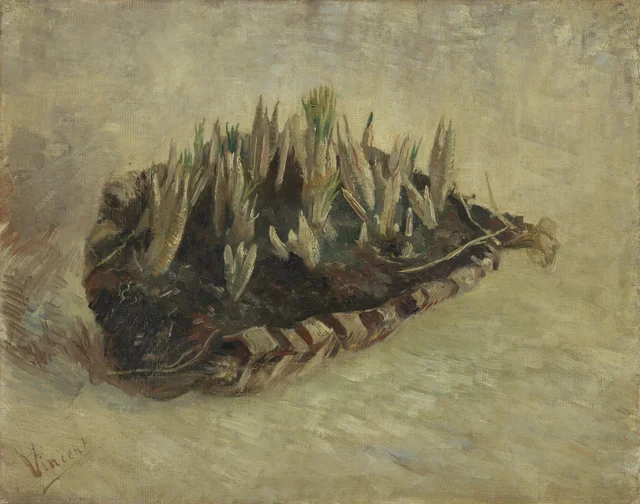 クロッカスの球根の籠フィンセント・ファン・ゴッホ, 1887
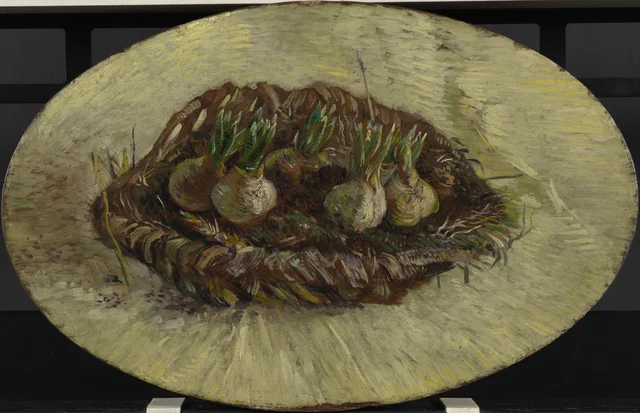 ヒヤシンスの球根の籠フィンセント・ファン・ゴッホ, 1887
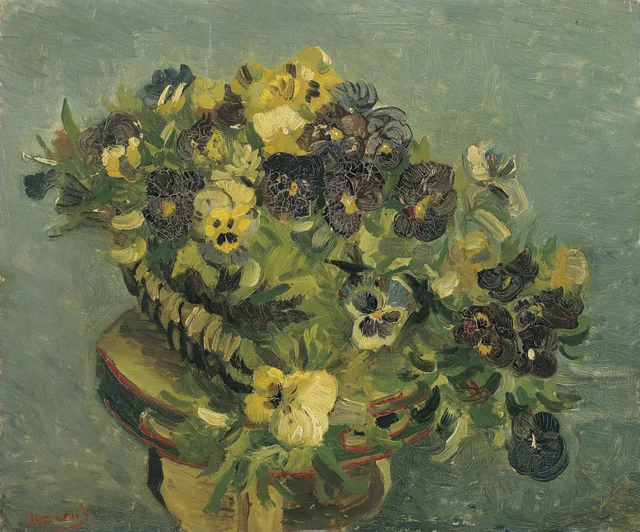 小さなテーブルの上のパンジーの籠フィンセント・ファン・ゴッホ, 1887
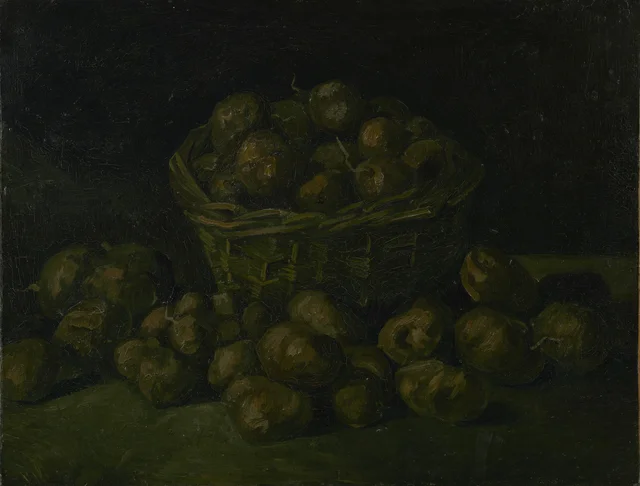 じゃがいもの籠フィンセント・ファン・ゴッホ, 1885
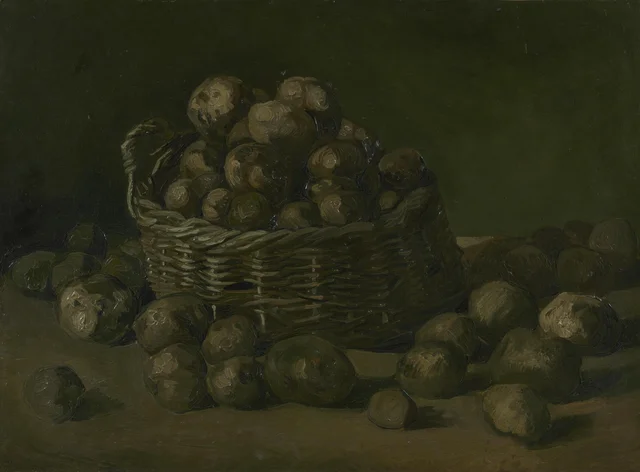 ジャガイモの籠フィンセント・ファン・ゴッホ, 1885
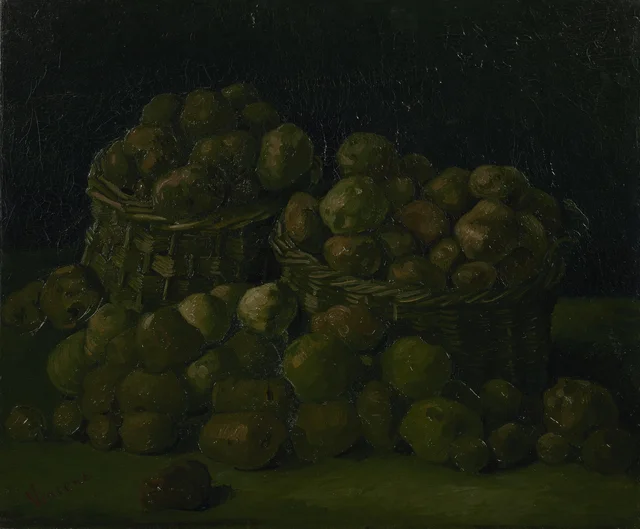 じゃがいもの籠フィンセント・ファン・ゴッホ, 1885
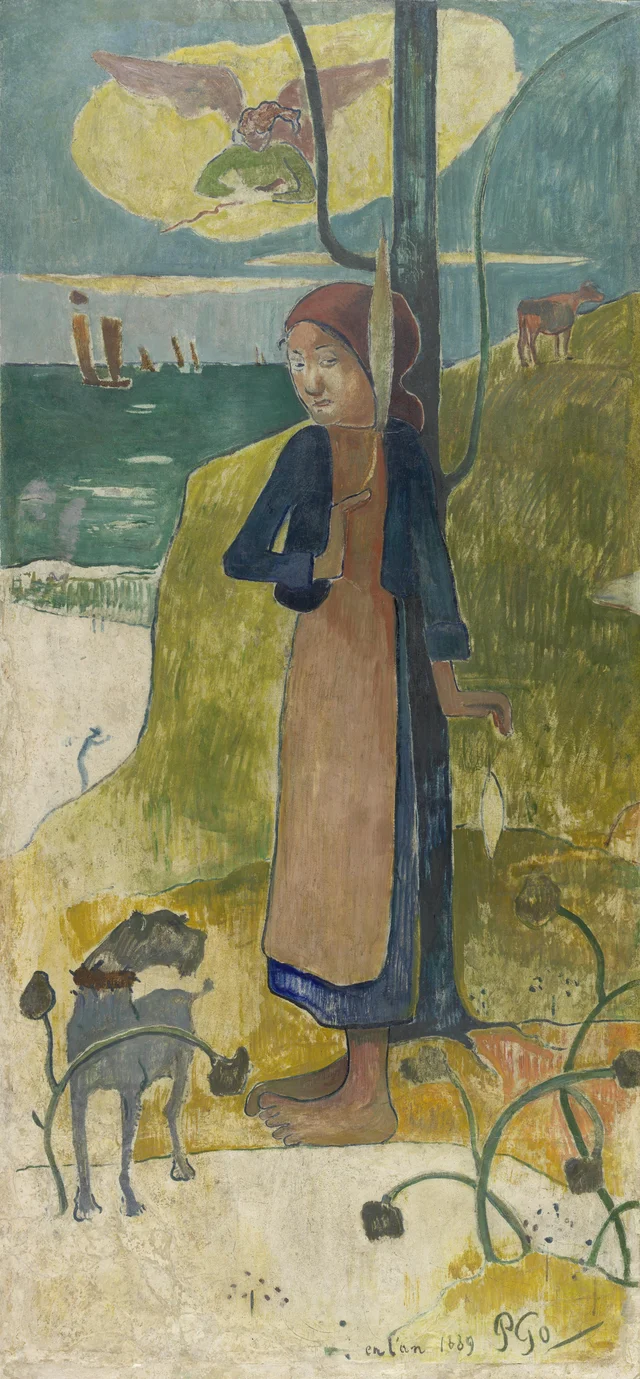 糸を紡ぐブルターニュの少女ポール・ゴーギャン, 1889
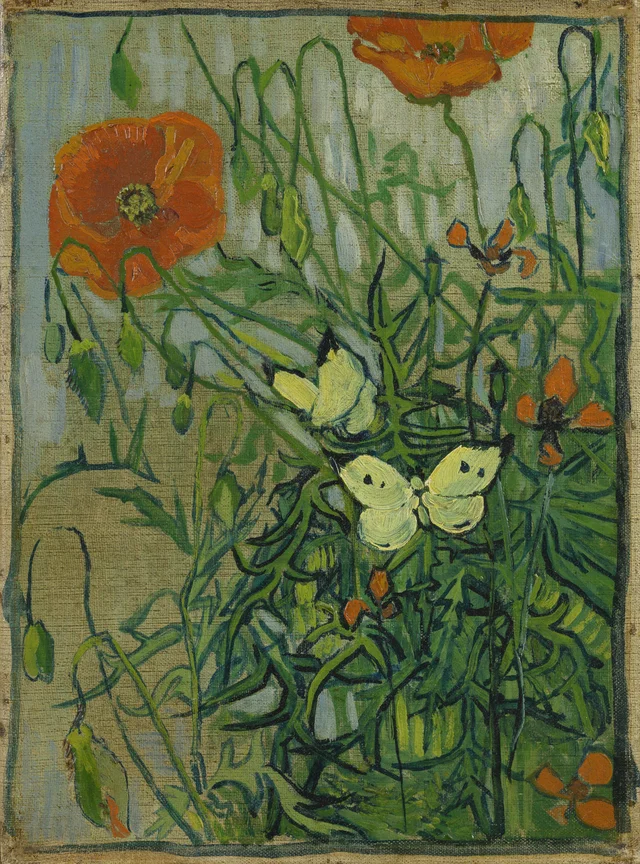 蝶とひなげしフィンセント・ファン・ゴッホ, 1889
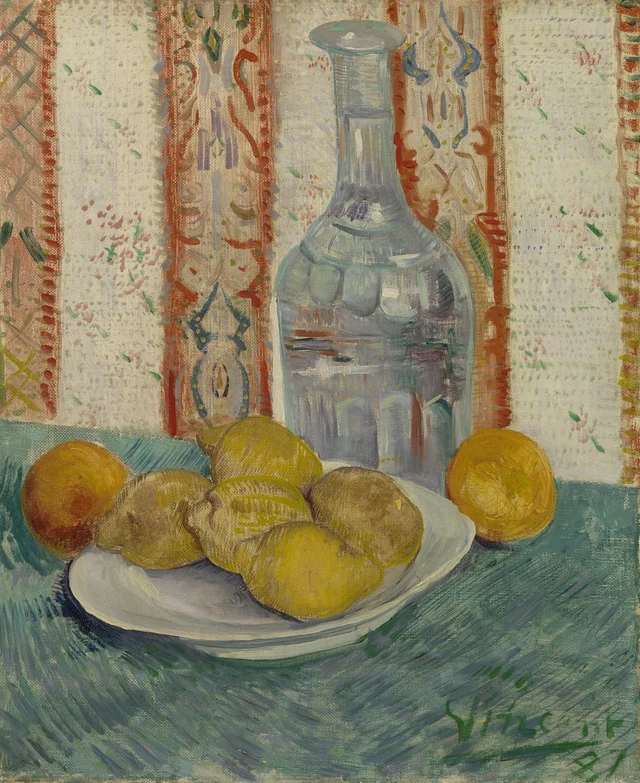 カラフェと柑橘類を盛った皿フィンセント・ファン・ゴッホ, 1887
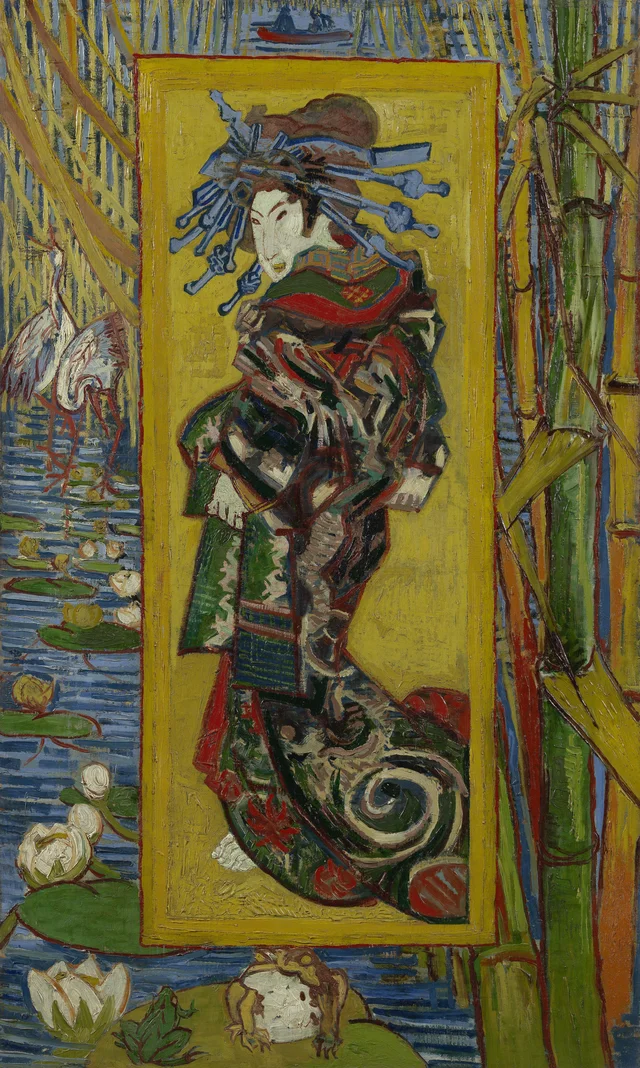 花魁(英泉に倣って)フィンセント・ファン・ゴッホ, 1887
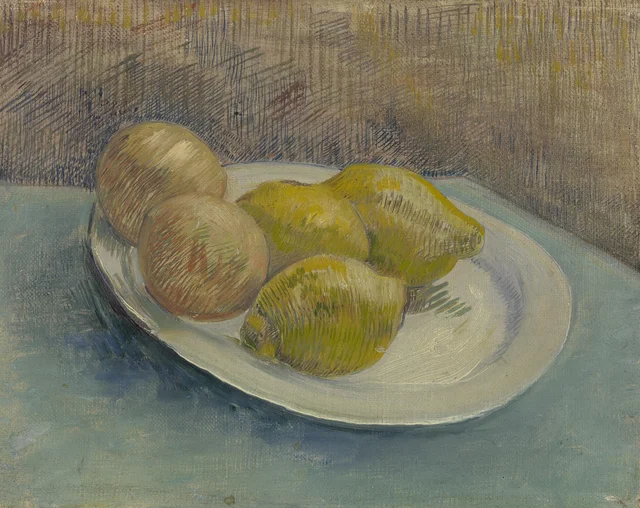 柑橘類を盛った皿フィンセント・ファン・ゴッホ, 1887
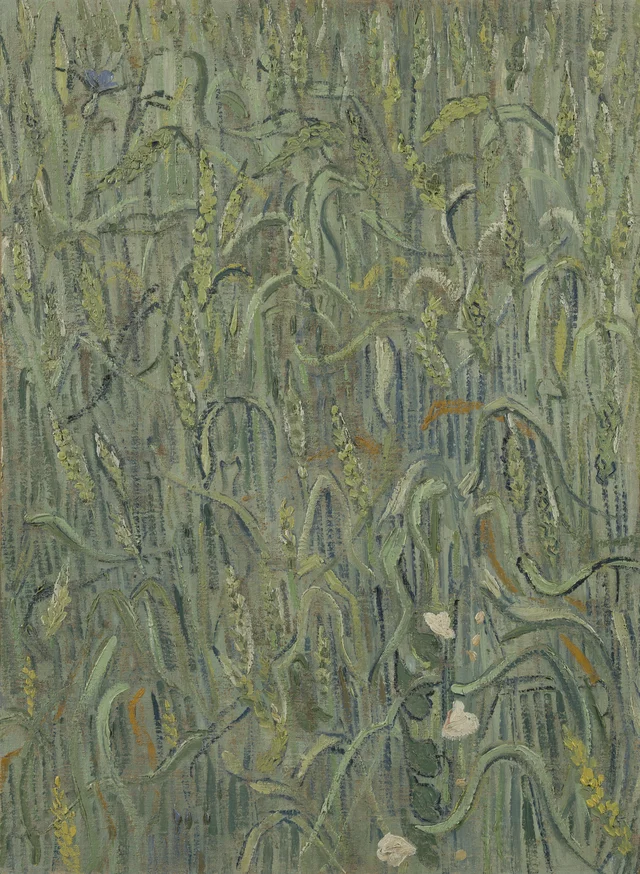 麦の穂フィンセント・ファン・ゴッホ, 1890
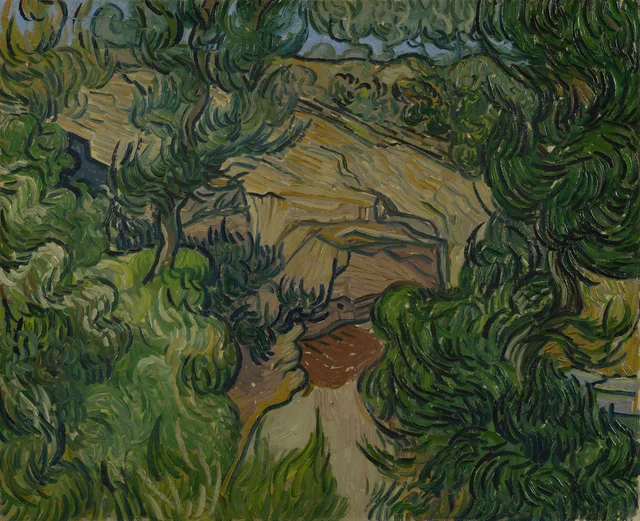 採石場の入口フィンセント・ファン・ゴッホ, 1889