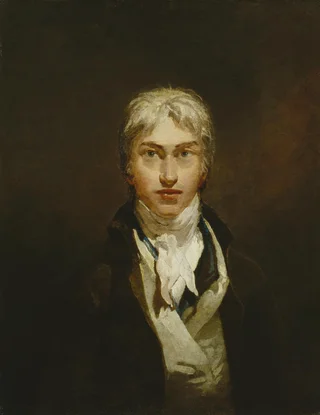
J. M. W. 터너
1775–1851 · 그레이트브리튼 왕국 · 낭만주의
이야기
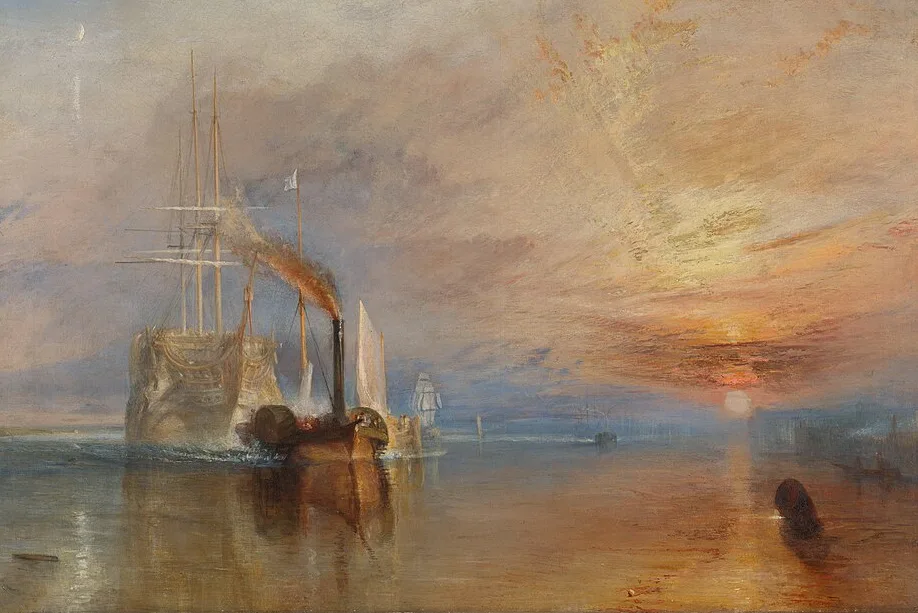
1838년, 낡은 군함 한 척이 해체되기 위해 템스강을 따라 끌려갔다. 그 배는 1805년 트라팔가르 해전에서 싸웠던 테메레르호였고, 이제는 검댕투성이의 작은 외륜 예인선이 그 거대한 선체를 폐선장으로 끌고 가고 있었다. 터너는 불타는 듯한 노을을 배경으로 창백하게 빛나는 범선의 유령 같은 모습과, 그 앞에서 칙칙폭폭 소리를 내며 나아가는 검은 예인선을 함께 그려냈고, 이 그림은 증기가 범선의 시대를 밀어내는 순간에 대한 조용한 작별 인사가 되었다. 그는 남은 평생 이 그림을 팔지 않았다.
터너는 코번트 가든의 이발사 아들로, 14세에 왕립미술아카데미 부속 학교에 들어간 뒤 이후 60년 동안 무엇보다도 대기 속 빛의 움직임을 좇는 데 매달렸다. 그는 끊임없이 스케치북을 들고 여행하며 폭풍과 화재, 그리고 산업이 만들어낸 새로운 안개를 관찰했고, 말년의 캔버스에서는 형태가 눈부심과 수증기 속으로 거의 녹아 사라질 때까지 밀어붙였다.
그는 눈앞에서 변해가는 세상을 계속 그렸다. 1844년작 '비, 증기, 그리고 속도'에서는 그레이트 웨스턴 철도의 기차가 폭우를 뚫고 다리를 가로질러 질주하는 모습을 그렸는데, 이는 기계 시대를 담은 최초의 위대한 그림 가운데 하나였다. 1851년 세상을 떠날 때 그는 거의 300점에 이르는 완성작과 수만 점의 스케치와 수채화를 영국 국민에게 남겼는데, 조건은 그것들을 절대 흩어지지 않게 하나로 보관해야 한다는 것이었다.
다른 아티클
작품
작품 173점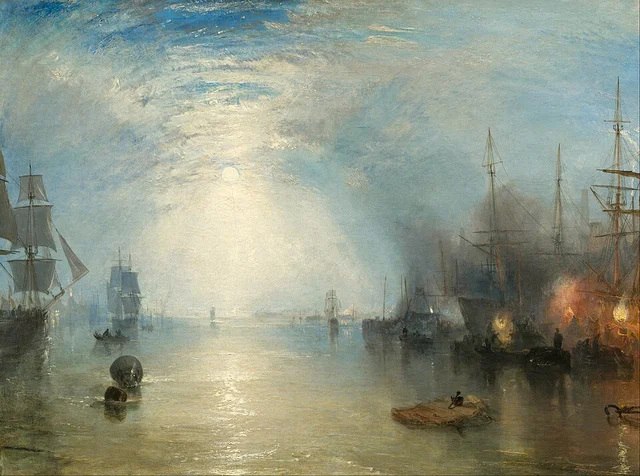 달빛 아래 석탄을 싣는 인부들J. M. W. 터너, 1835
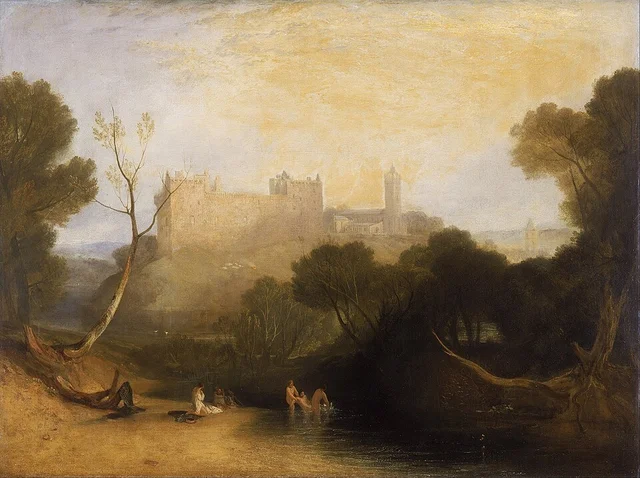 린리스고 궁전J. M. W. 터너, 1806
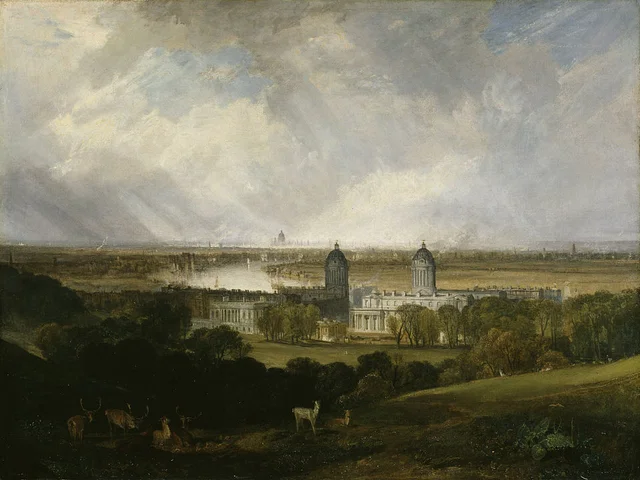 그리니치 공원에서 본 런던J. M. W. 터너, 1809
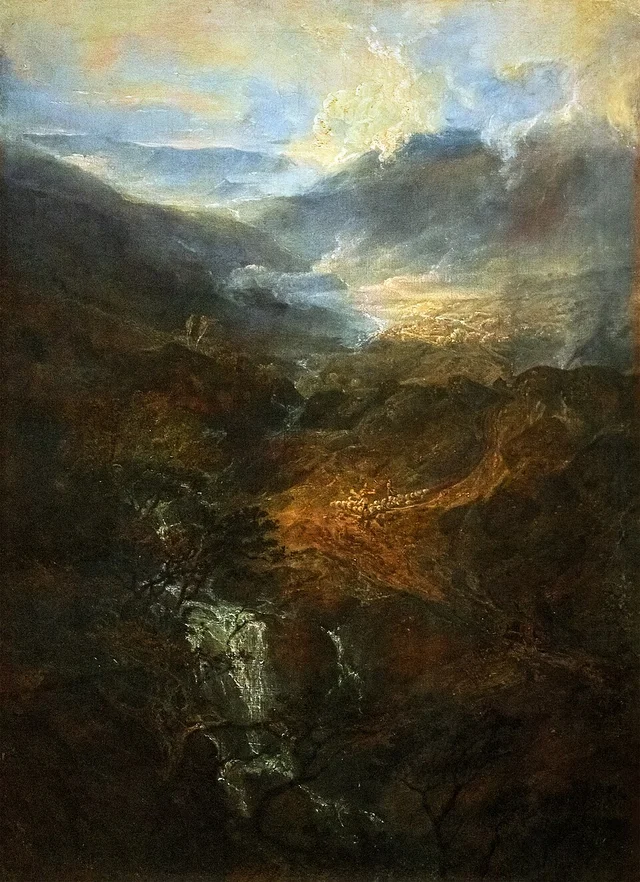 컴벌랜드 코니스턴 펠스의 아침J. M. W. 터너, 1798
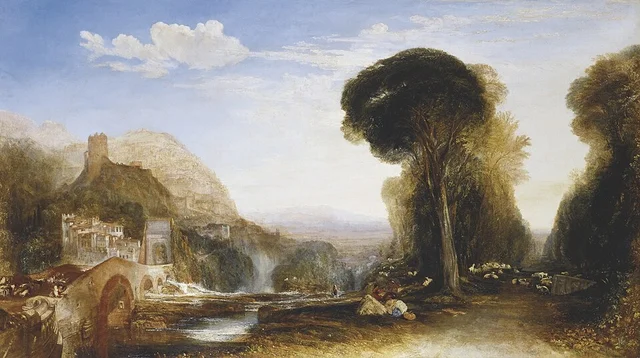 팔레스트리나, 구성J. M. W. 터너, 1828
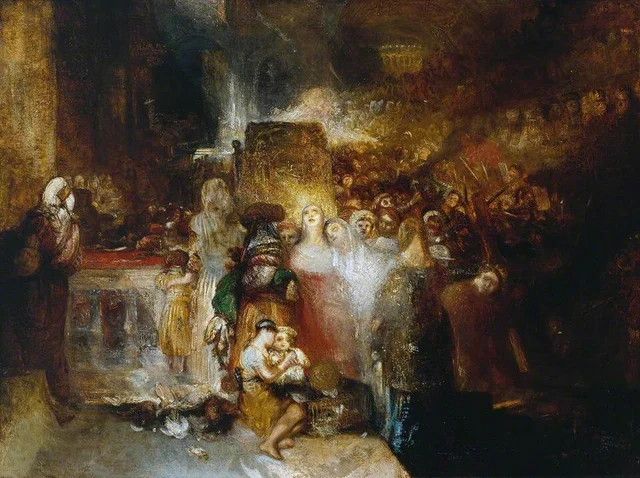 손을 씻는 빌라도J. M. W. 터너, 1830
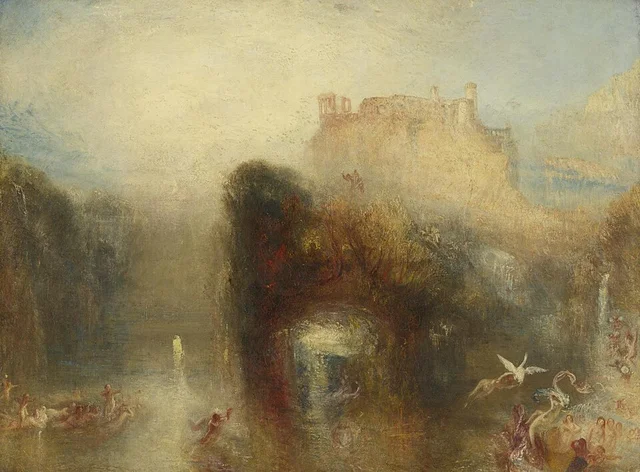 맵 여왕의 동굴J. M. W. 터너, 1846
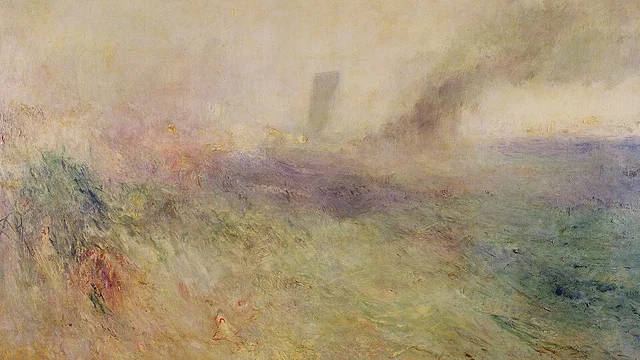 해경: 포크스턴J. M. W. 터너, 1845
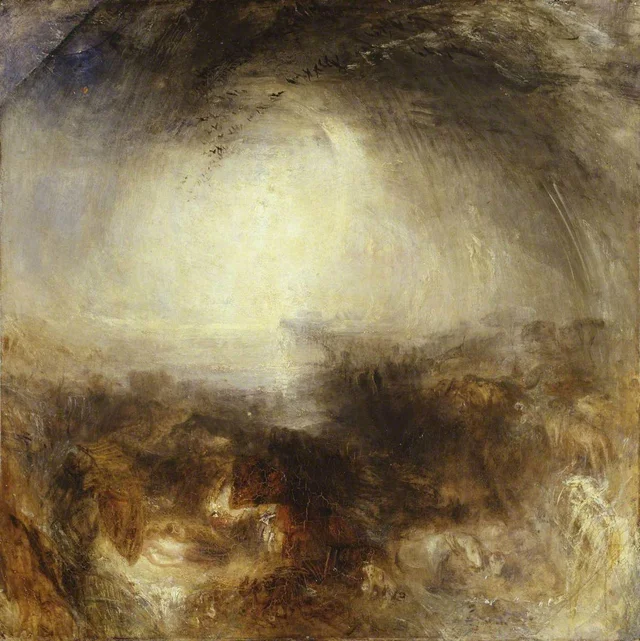 그림자와 어둠J. M. W. 터너, 1843
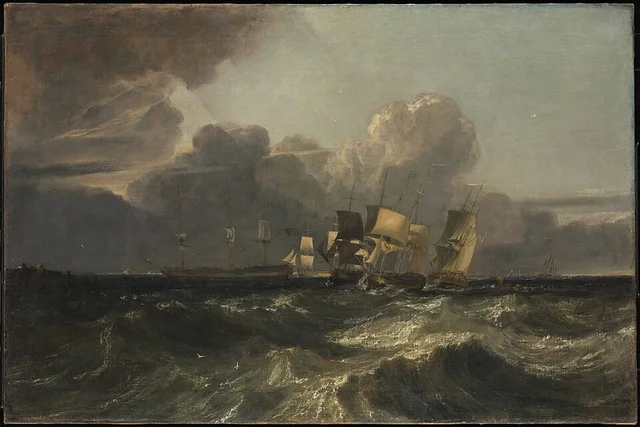 정박지로 향하는 배들 ('에그리몬트의 바다 그림')J. M. W. 터너, 1802
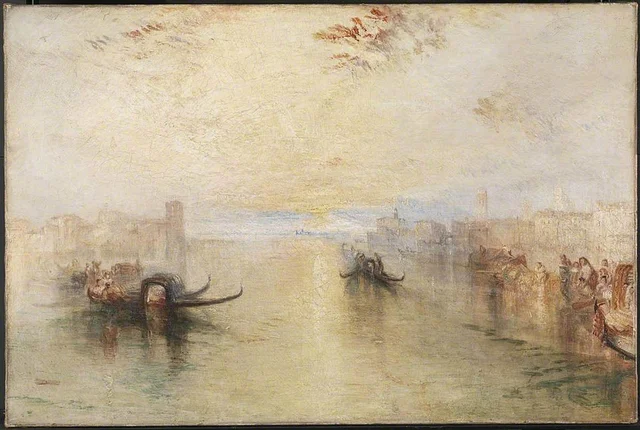 산 베네데토, 푸시나를 바라보며J. M. W. 터너, 1843
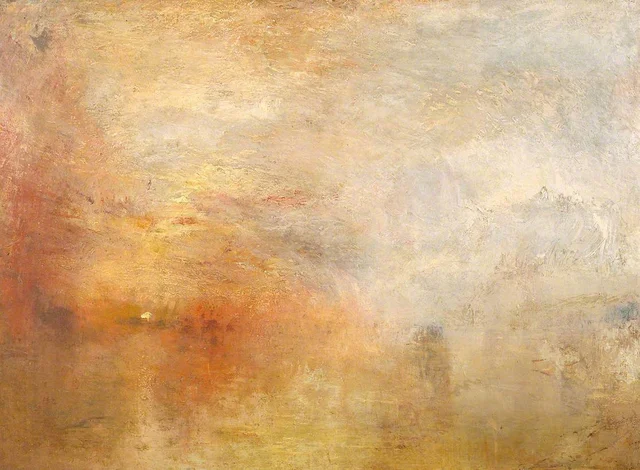 호수 위로 지는 해J. M. W. 터너, 1840
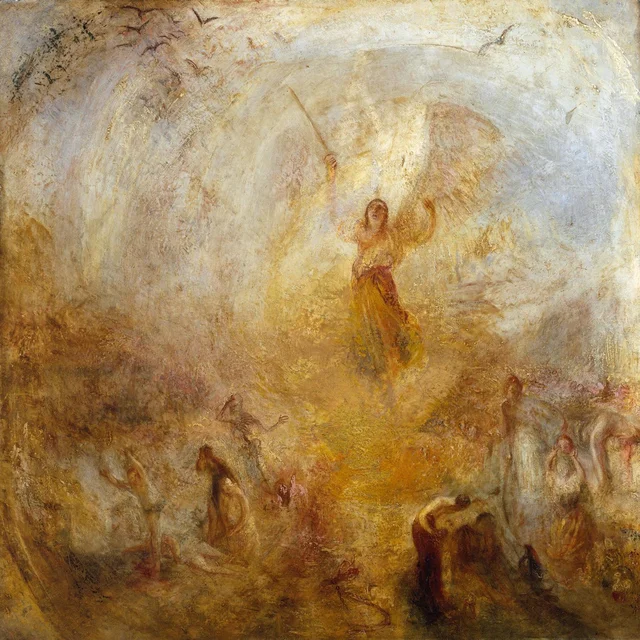 태양 속에 서 있는 천사J. M. W. 터너, 1846
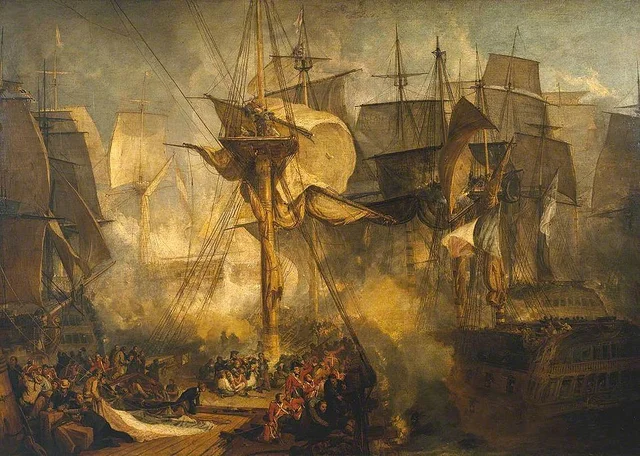 빅토리호 우현 미즌 삭구에서 본 트라팔가 해전J. M. W. 터너, 1807
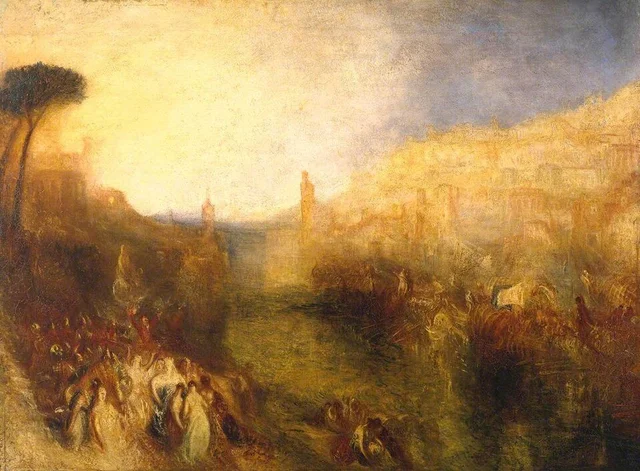 함대의 출항J. M. W. 터너, 1850
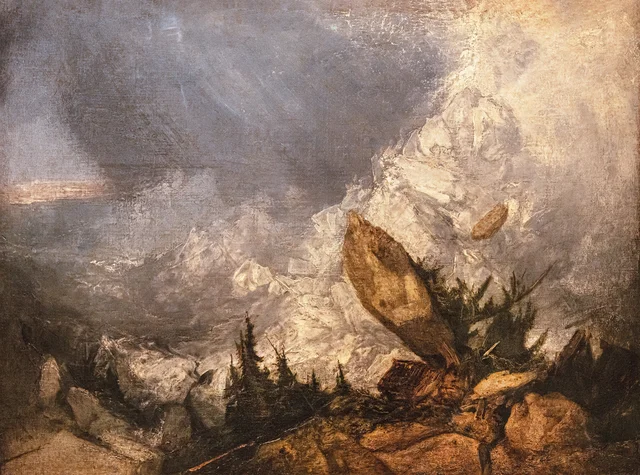 그리종의 눈사태J. M. W. 터너, 1810
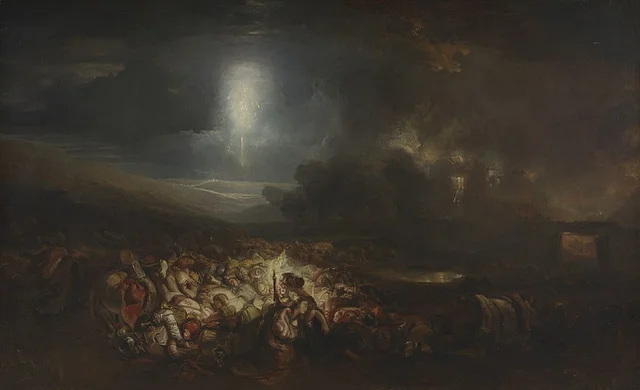 워털루 전장J. M. W. 터너, 1818
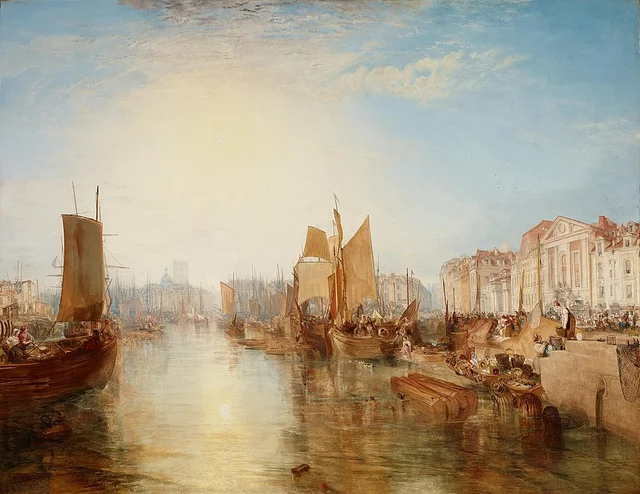 디에프 항구J. M. W. 터너, 1825
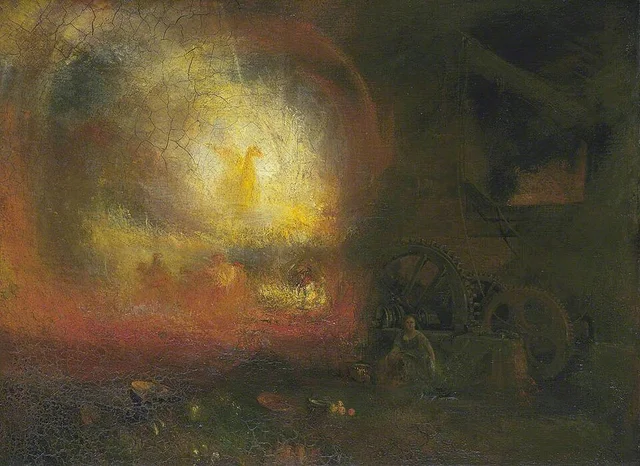 백 번의 전투의 영웅J. M. W. 터너, 1847
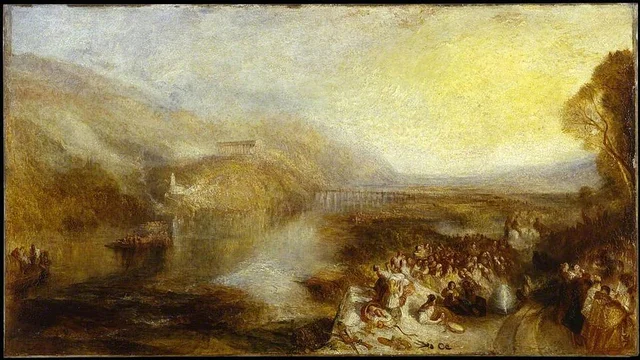 발할라 개관식, 1842년J. M. W. 터너, 1843
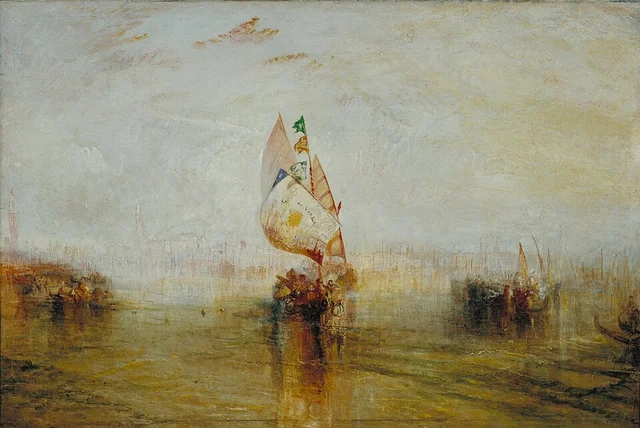 바다로 나가는 베네치아의 태양J. M. W. 터너, 1843
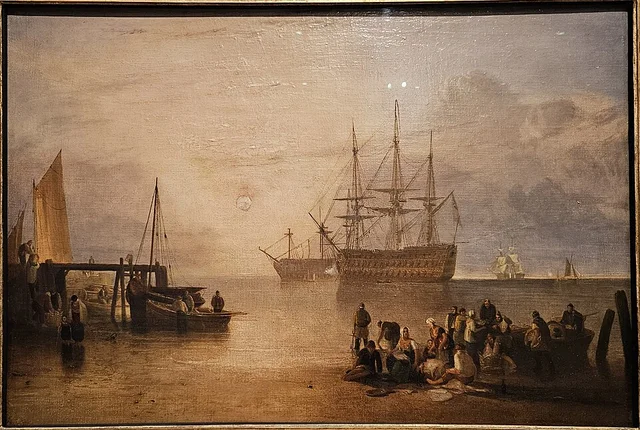 안개 사이로 지는 해J. M. W. 터너, 1809
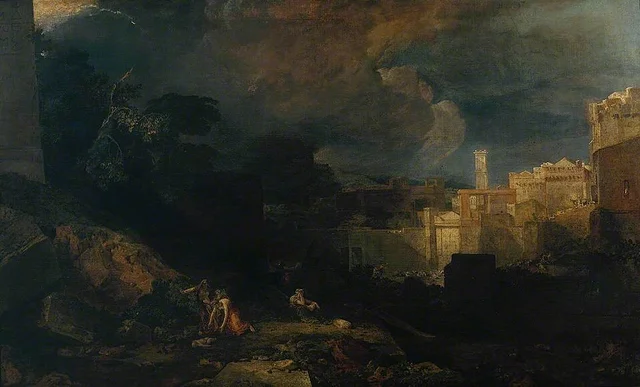 이집트의 열 번째 재앙J. M. W. 터너, 1802
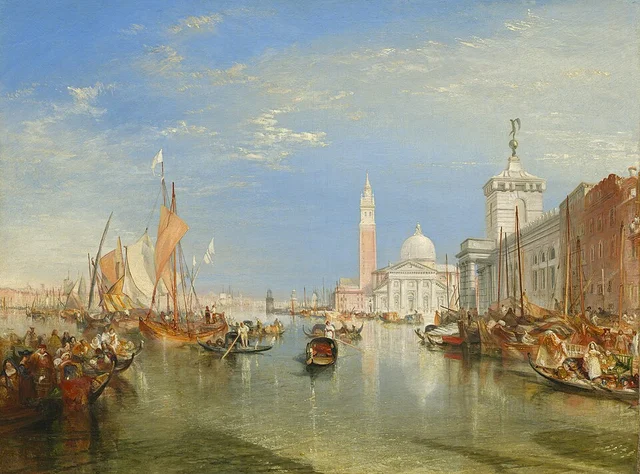 베네치아: 도가나와 산 조르조 마조레J. M. W. 터너, 1834
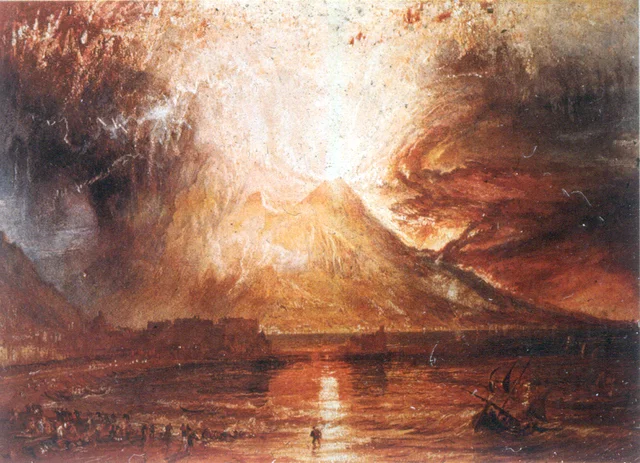 분화하는 베수비오 화산J. M. W. 터너, 1817