오디오 가이드
이야기
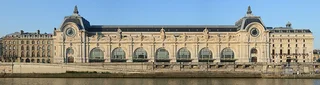
오르세 미술관은 본래 기차역이었다. 그해 여름 파리를 가득 채운 만국박람회에 맞추어 서둘러 완공되어, 1900년 5월 센강 곁에 문을 열었다. 건축가 빅토르 랄루는 철제 열차 지붕을 다듬은 돌 정면 뒤에 감추고 승강장 위에 호텔을 올렸으며, 이 역은 세계 최초의 전철화된 도심 종착역으로 운영되어 열차가 매연도 증기도 없이 유리 지붕 아래로 미끄러져 드나들었다.
그 우아함이 곧 몰락의 원인이기도 했다. 승강장은 새로 운행에 들어간 더 긴 열차를 감당하기에 너무 짧았고, 1939년에 이르러 간선 열차들은 다른 역으로 떠났다. 수십 년 동안 오르세 역은 철거 위협 아래 절반쯤 비어 있었고, 오슨 웰스는 카프카의 소설을 각색한 1962년 영화 심판의 상당 부분을 이 버려진 홀에서 촬영했다. 1978년 프랑스 정부는 이 건물을 문화재로 지정하고 미술관으로 만들기로 했다.
미술관은 1986년 다시 문을 열어, 인상주의를 아우르는 시기인 1848년부터 1914년 사이의 프랑스 미술에 바쳐졌다. 커다란 유리 궁륭 아래에서 이제 마네의 올랭피아, 반 고흐의 자화상들, 드가의 무희들, 모네의 대성당 연작을 만날 수 있으니, 세계에서 손꼽히는 인상주의와 후기 인상주의 컬렉션 가운데 하나다. 안쪽 벽 높은 곳에는 역의 원래 시계가 여전히 홀을 마주한 채 관람객에게 시각을 알려 준다.
다른 아티클
소장품
작품 617점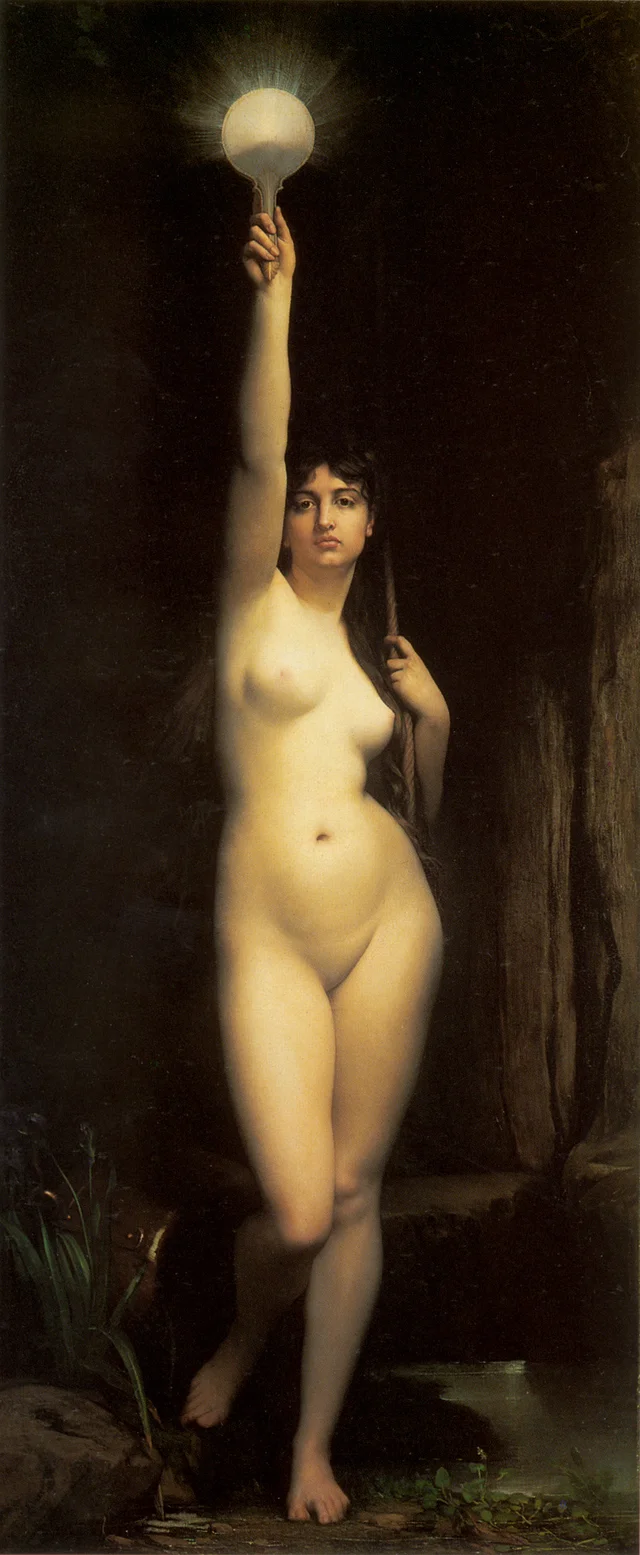 진실쥘 르페브르, 1870
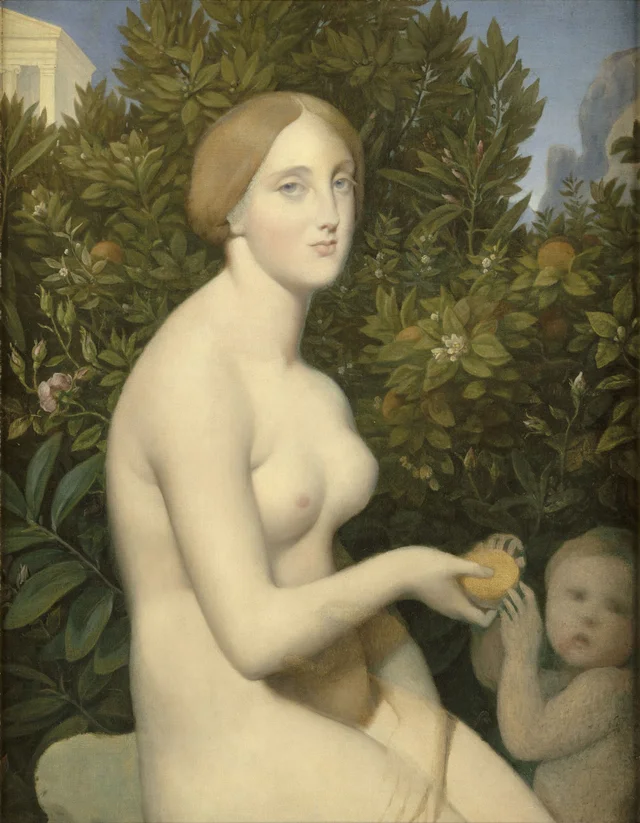 파포스의 베누스장오귀스트도미니크 앵그르, 1852
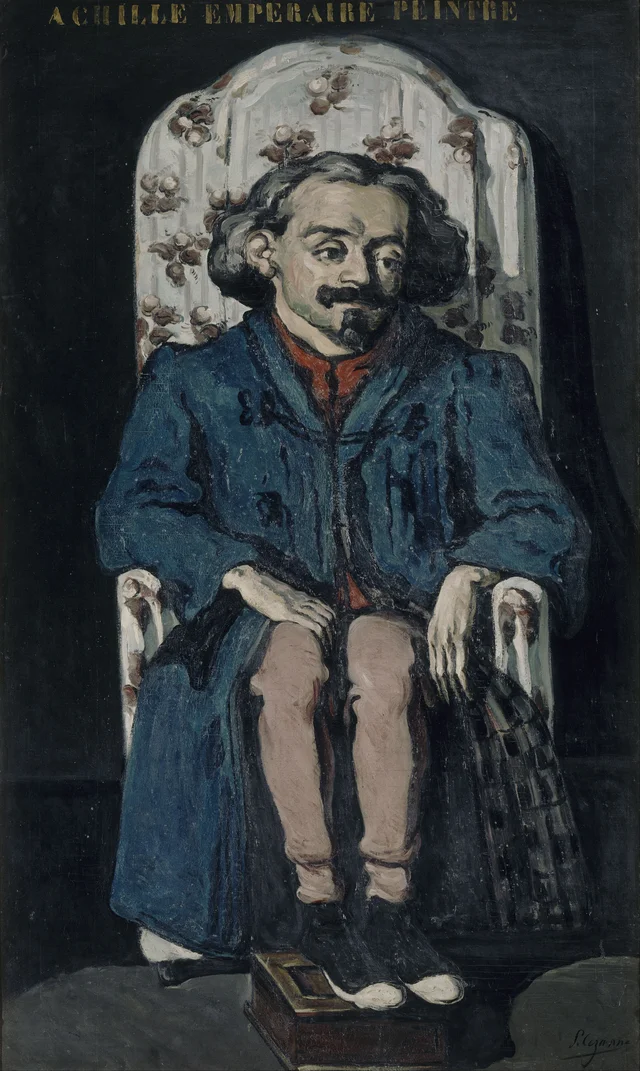 아실 앙프레르폴 세잔, 1867
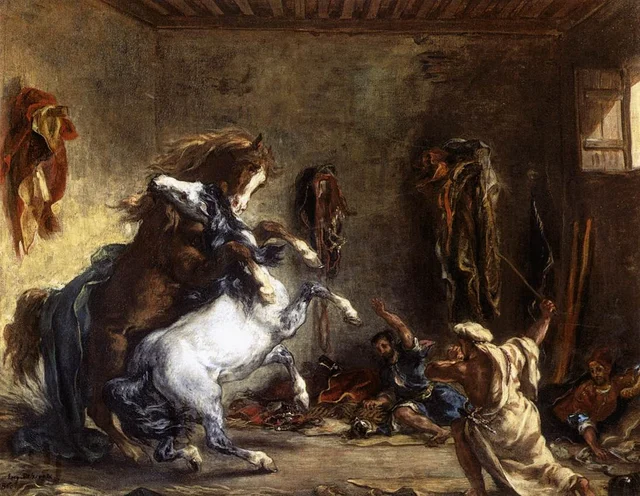 마구간에서 싸우는 아랍 말들외젠 들라크루아, 1860
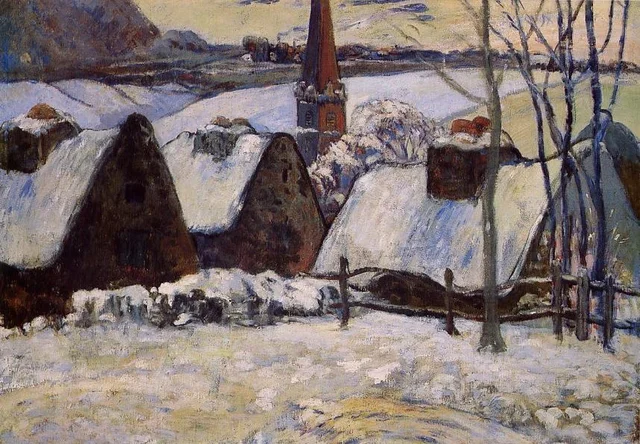 눈 속의 브르타뉴 마을폴 고갱, 1894
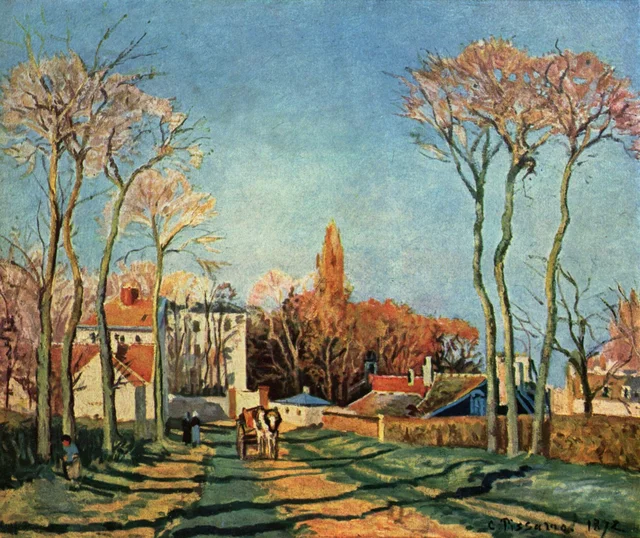 부아쟁 마을 입구카미유 피사로, 1872
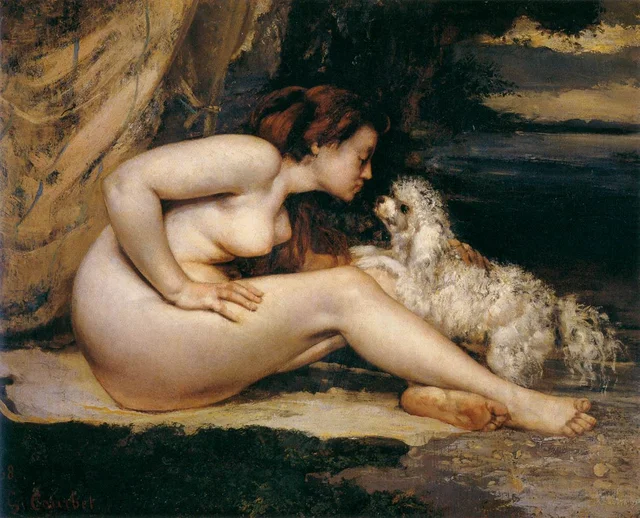 개와 함께 있는 나부귀스타브 쿠르베, 1861
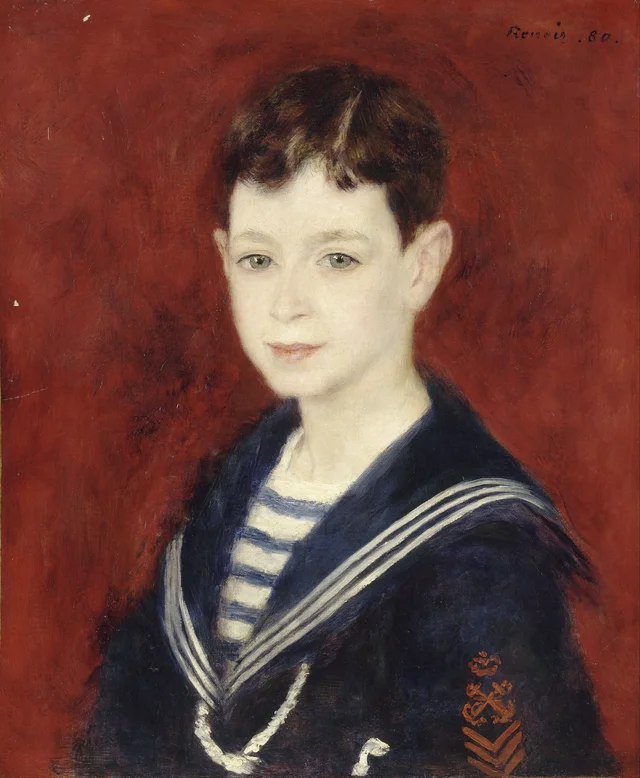 어린 시절의 페르낭 알팡피에르오귀스트 르누아르, 1880
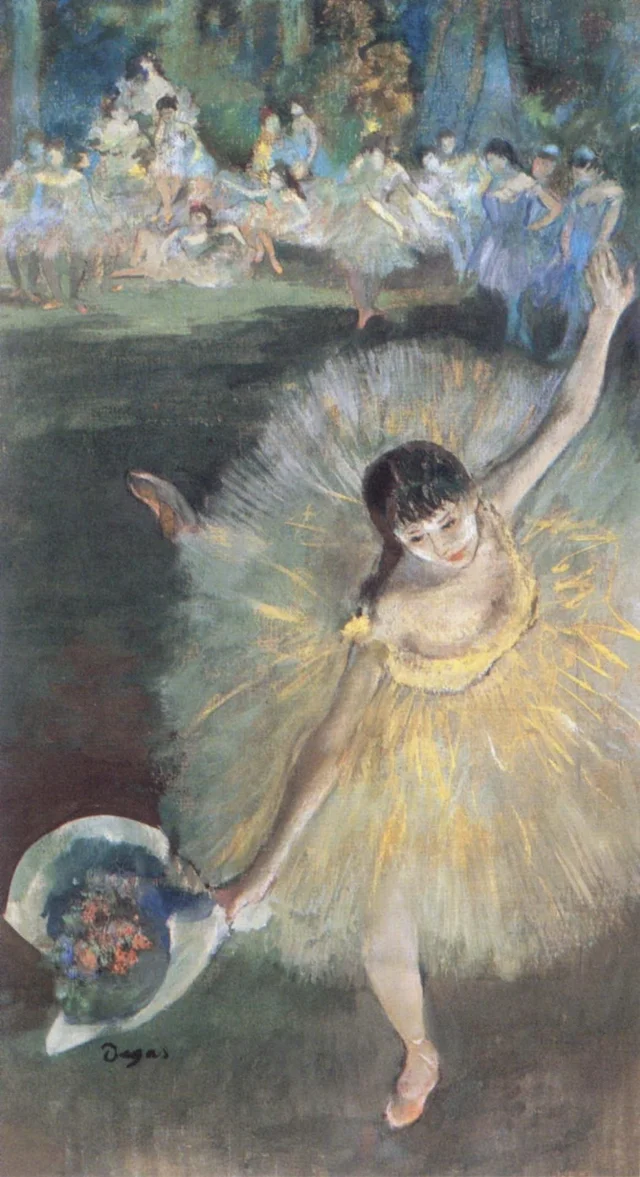 아라베스크의 끝에드가 드가, 1876
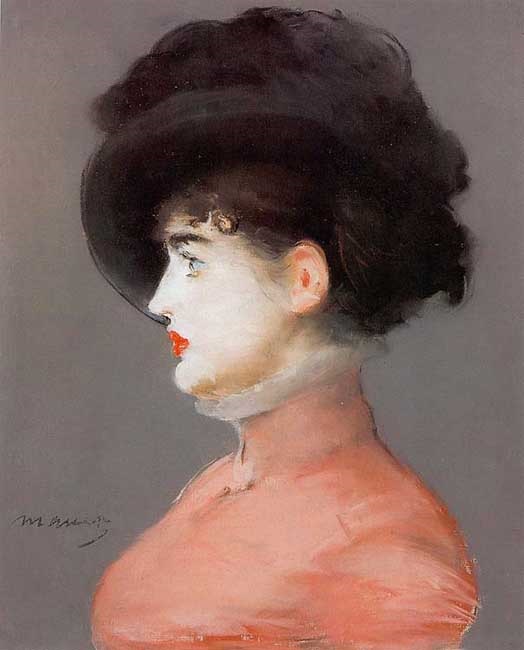 이르마 브루너에두아르 마네, 1880
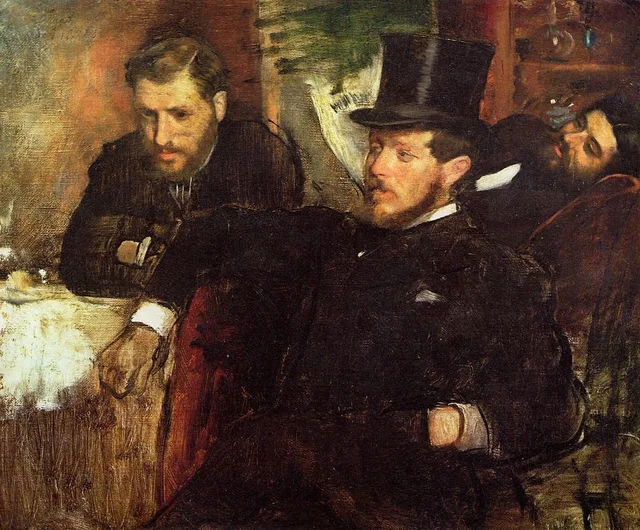 장토, 리네, 레네에드가 드가, 1871
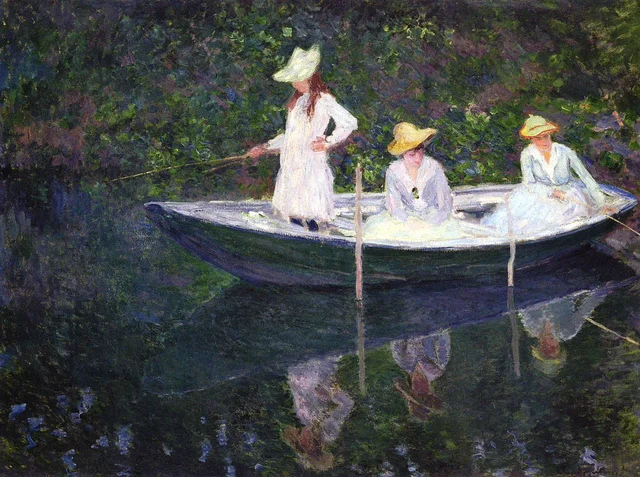 지베르니의 배클로드 모네, 1887
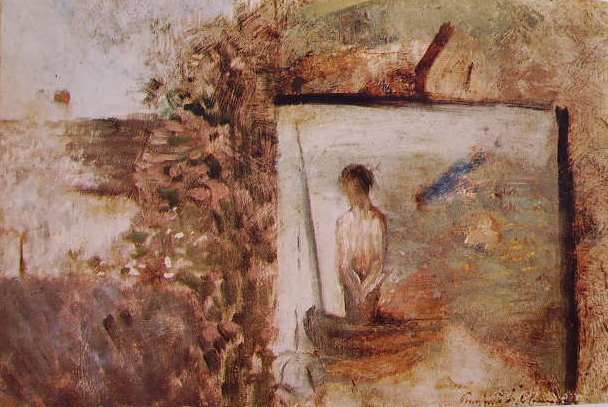 퓌비 드 샤반의 《가난한 어부》가 있는 풍경조르주 쇠라, 1881
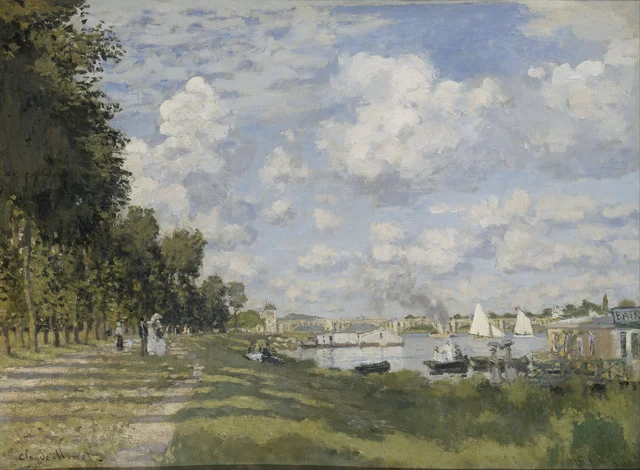 아르장퇴유의 선착장클로드 모네, 1872
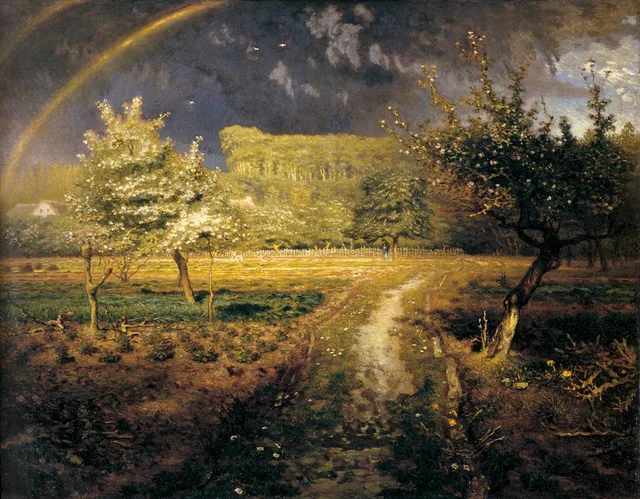 봄장프랑수아 밀레, 1870
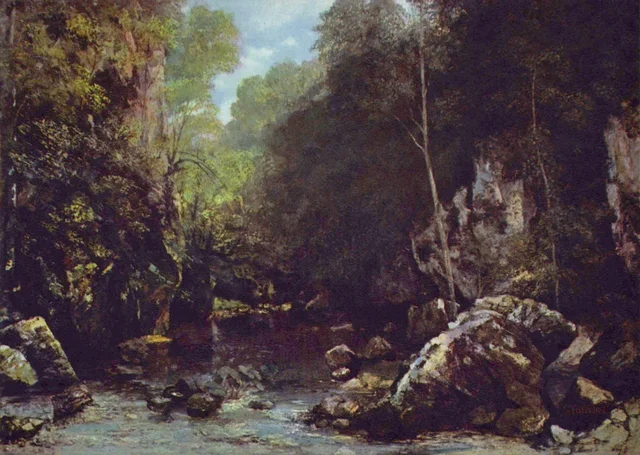 검은 시내귀스타브 쿠르베, 1865
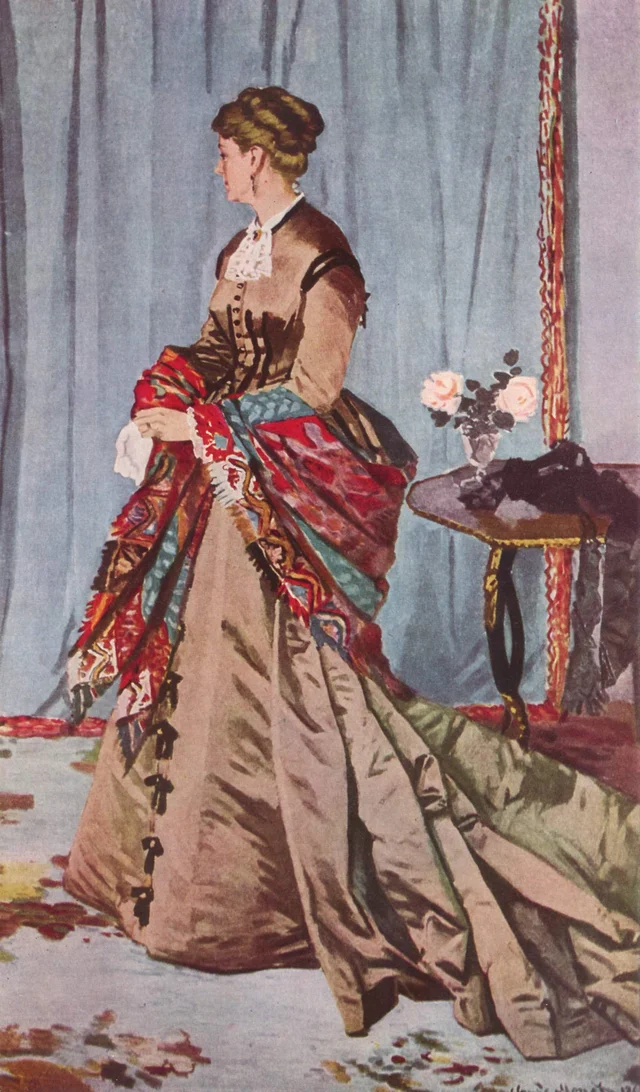 고디베르 부인의 초상클로드 모네, 1868
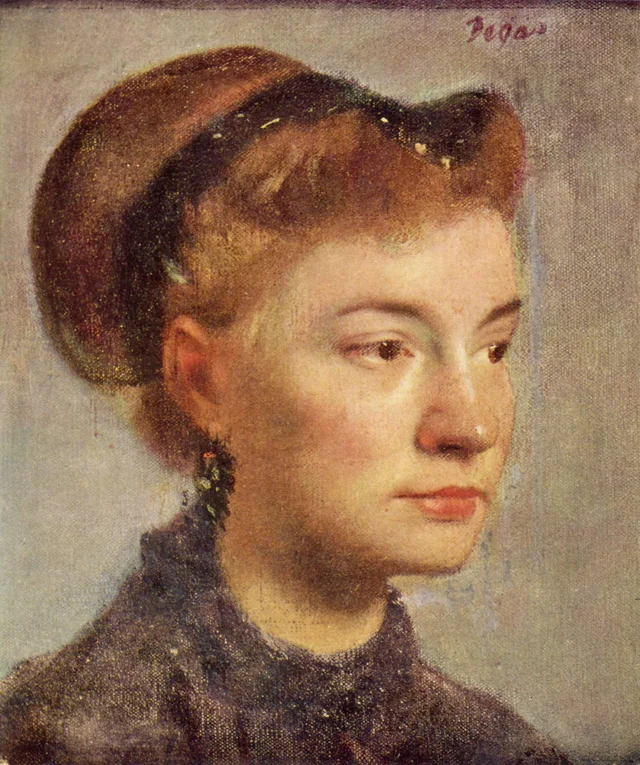 젊은 여성의 초상에드가 드가, 1867
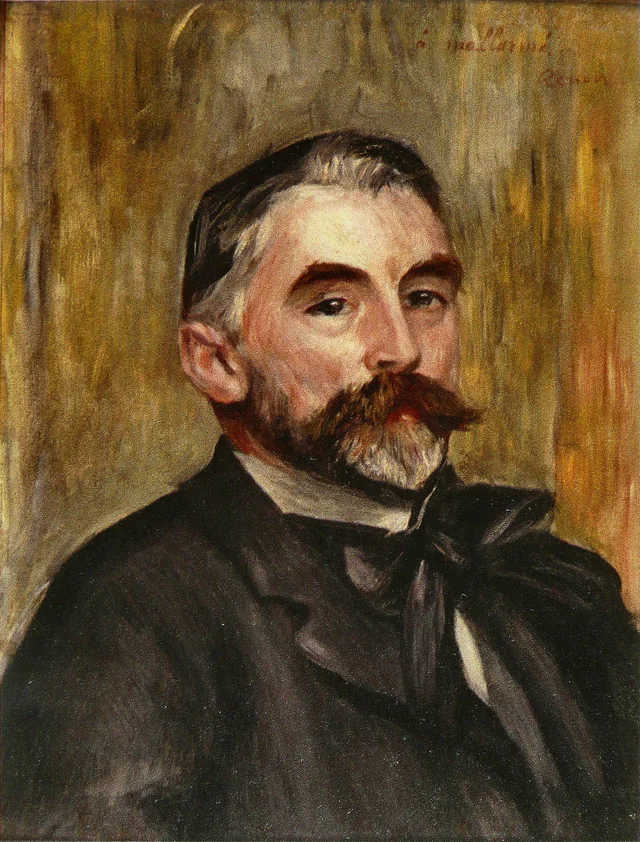 스테판 말라르메의 초상피에르오귀스트 르누아르, 1892
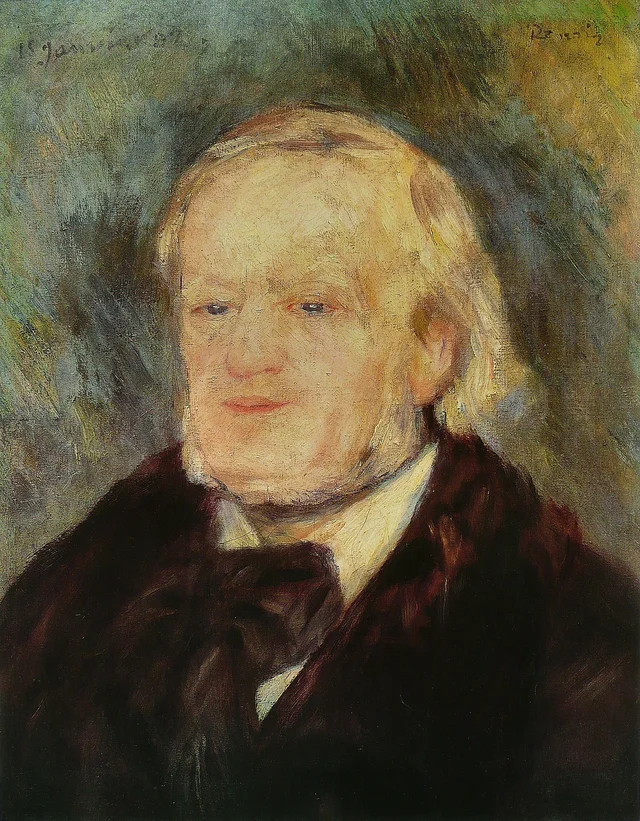 리하르트 바그너피에르오귀스트 르누아르, 1882
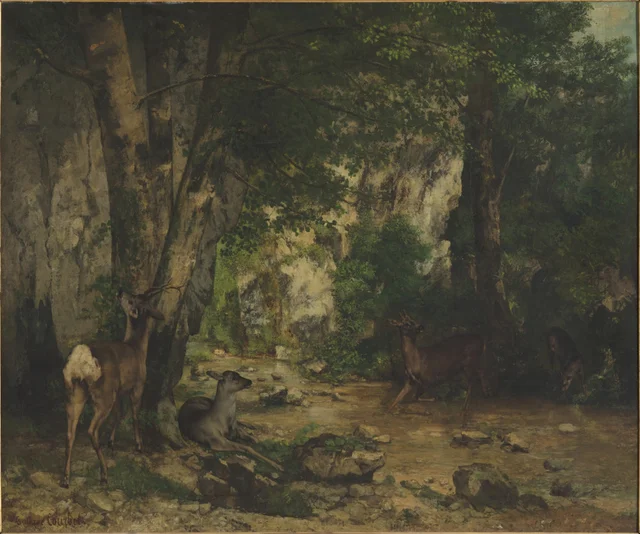 플레지르퐁텐 개울가의 사슴 은신처귀스타브 쿠르베, 1866
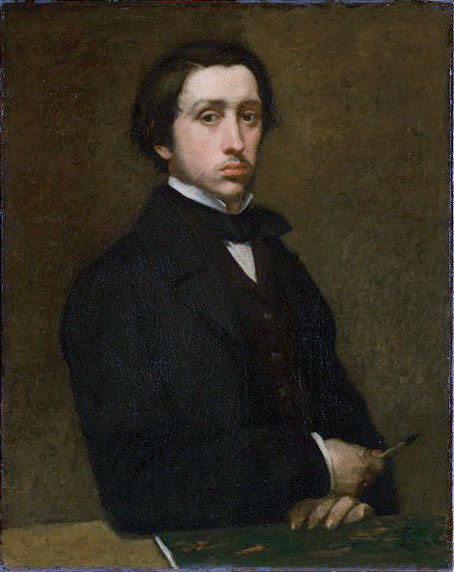 자화상에드가 드가, 1854
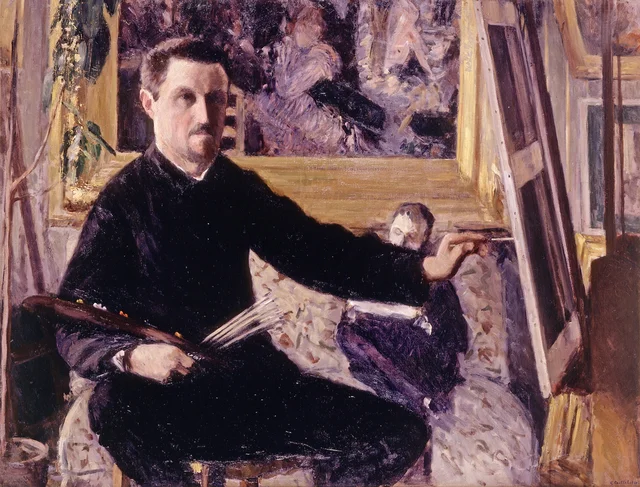 이젤 앞의 자화상귀스타브 카유보트, 1879
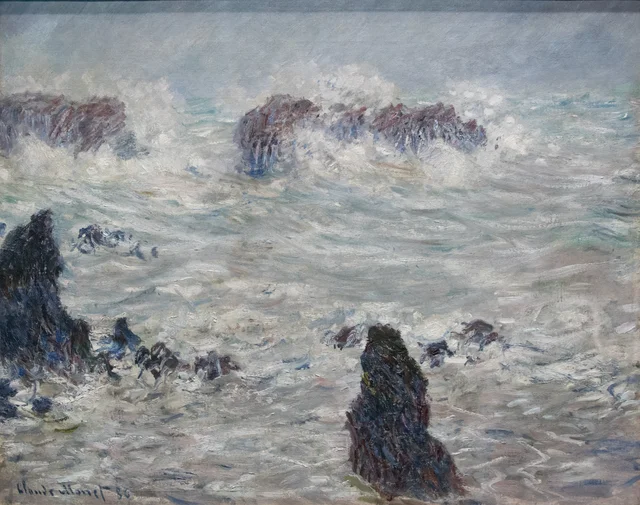 벨일 해안의 폭풍클로드 모네, 1886
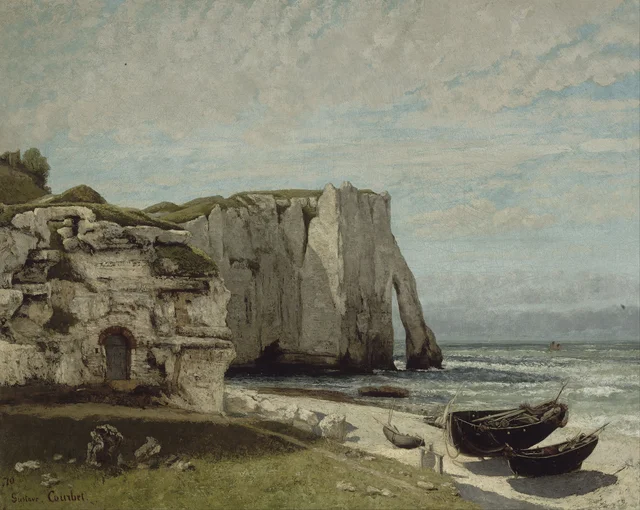 폭풍 후의 에트르타 절벽귀스타브 쿠르베, 1870