오디오 가이드
이야기
테이트는 실은 네 개의 미술관이며, 그중 관람객이 가장 많이 찾는 곳은 예전에 전기를 만들던 곳이다. 테이트 모던은 런던 템스강 남안에 있는 옛 뱅크사이드 발전소에 들어서 있는데, 높은 굴뚝 하나를 세운 벽돌 덩어리 같은 이 건물은 빨간 공중전화 부스를 만든 자일스 길버트 스콧이 설계했다. 발전소가 문을 닫은 뒤, 한때 발전기가 놓였던 터빈 홀은 5층 높이의 광대한 빈방으로 남았고, 2000년부터 이곳에는 거대한 주문 작품들이 놓였다. 바닥을 따라 길게 갈라진 틈, 안개와 빛으로 만든 실내의 거대한 태양 같은 것들이다.
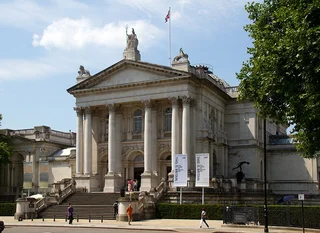
이 기관은 설탕에서 시작되었다. 헨리 테이트는 각설탕으로 돈을 벌었고, 1897년 강 상류의 밀뱅크, 헐린 감옥 자리에 영국 미술을 위한 미술관을 짓는 비용을 댔다. 그 건물이 지금의 테이트 브리튼으로, 터너 유증품을 소장하고 있다. 이는 J.M.W. 터너가 1851년 세상을 떠나며 나라에 남긴 수천 점의 유화와 수채화다.
런던의 두 관은 컬렉션을 시대별로 나누어, 테이트 브리튼은 16세기까지 거슬러 오르는 영국 미술을, 테이트 모던은 국제적인 근현대 작품을 맡는다. 수도 밖에도 같은 이름을 단 미술관이 둘 더 있는데, 테이트 리버풀과 콘월 해안의 테이트 세인트아이브스로, 뒤쪽은 그곳에서 전시하는 화가들 몇몇이 한때 작업하던 해변 위에 세워졌다.
소장품
작품 118점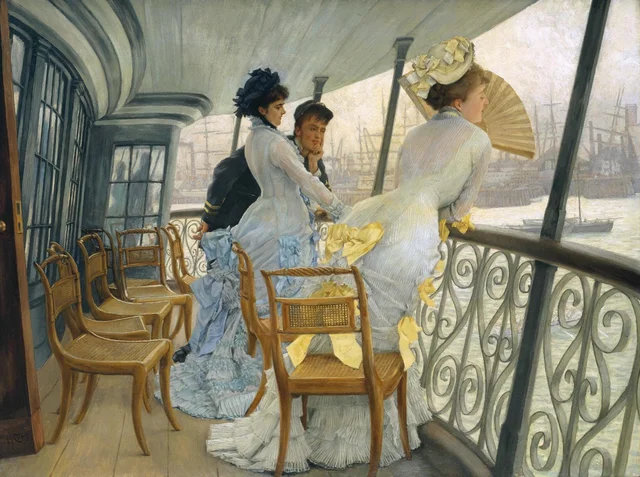 HMS 캘커타호의 갤러리 (포츠머스)제임스 티소, 1876
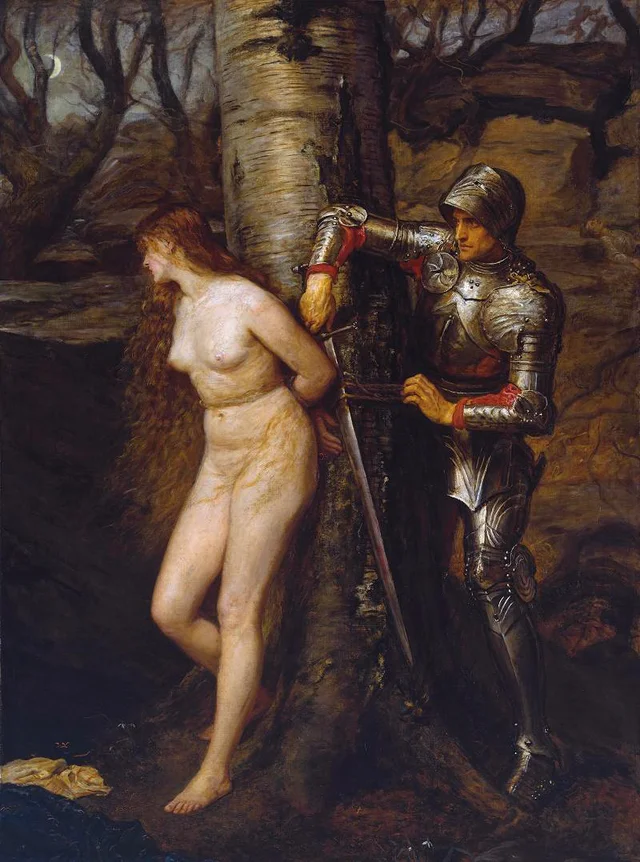 떠도는 기사존 에버렛 밀레이, 1870
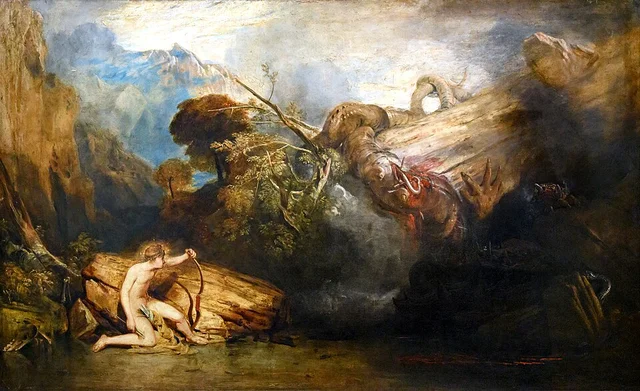 아폴론과 피톤J. M. W. 터너, 1811
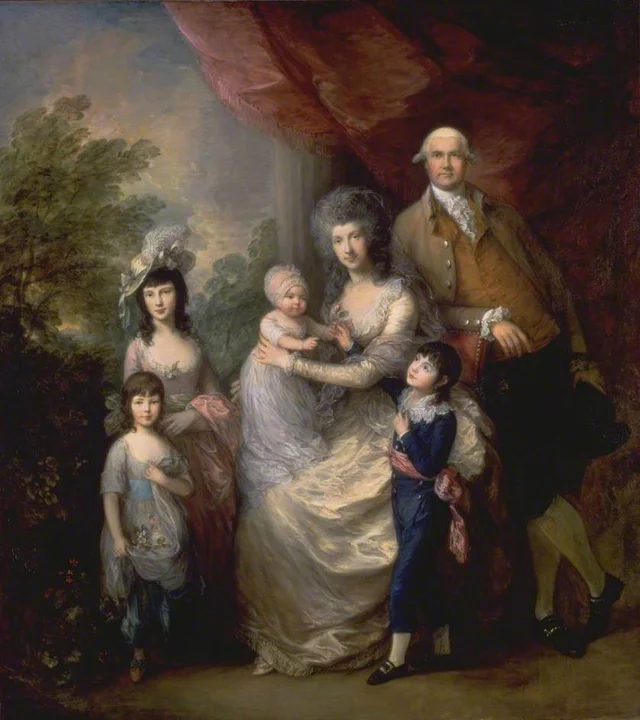 베일리 가족토머스 게인즈버러, 1784
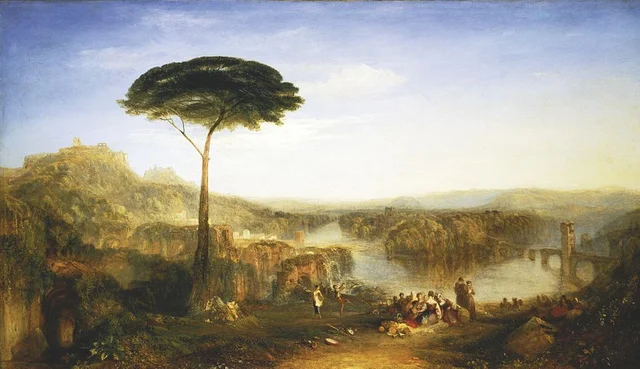 차일드 해럴드의 순례 – 이탈리아J. M. W. 터너, 1832
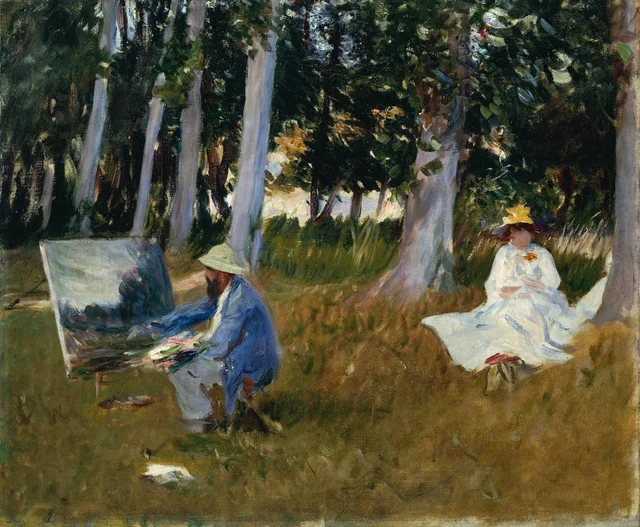 숲 가장자리에서 그림을 그리는 클로드 모네존 싱어 사전트, 1885
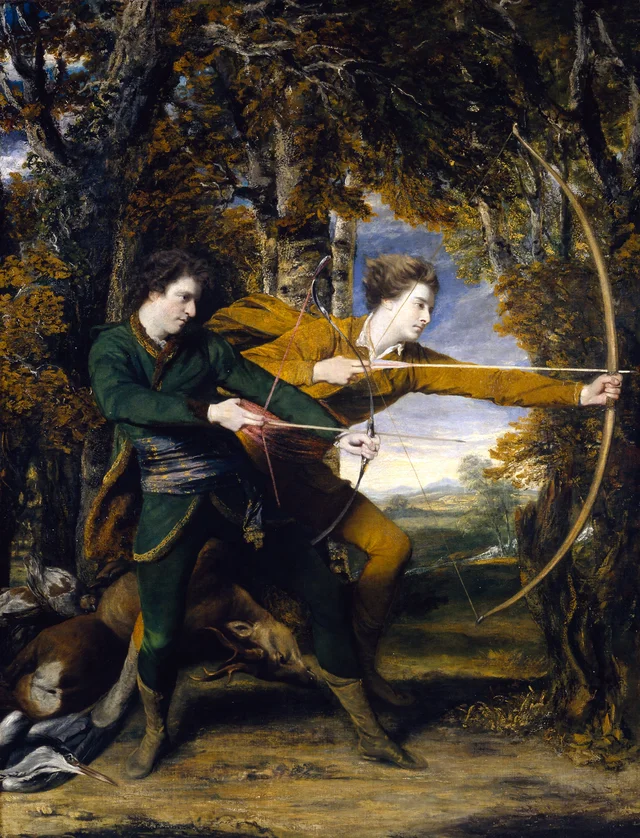 애클랜드 대령과 시드니 경: 궁수들조슈아 레이놀즈, 1769
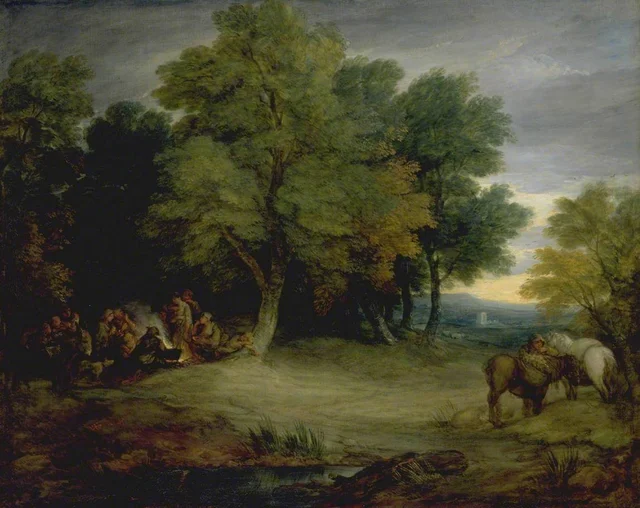 석양의 집시 야영지토머스 게인즈버러, 1779
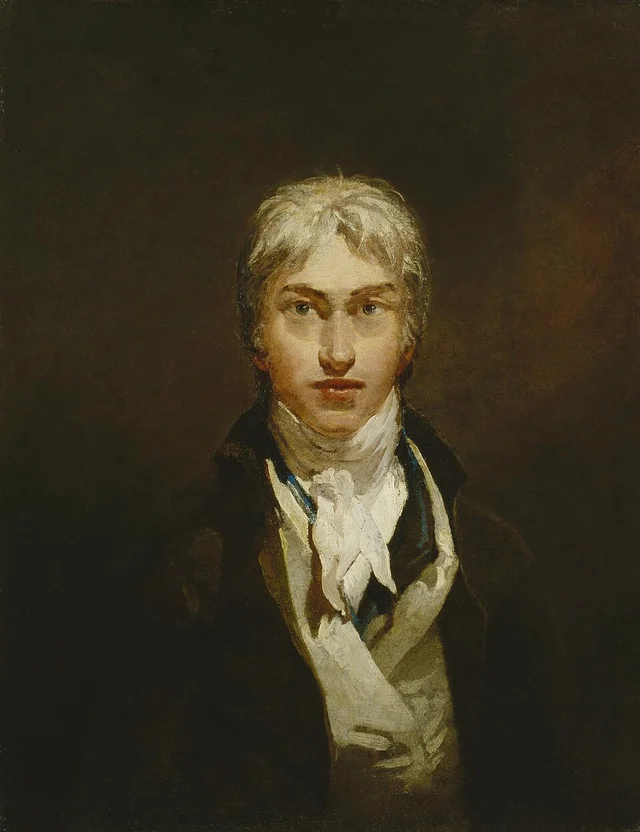 자화상J. M. W. 터너, 1799
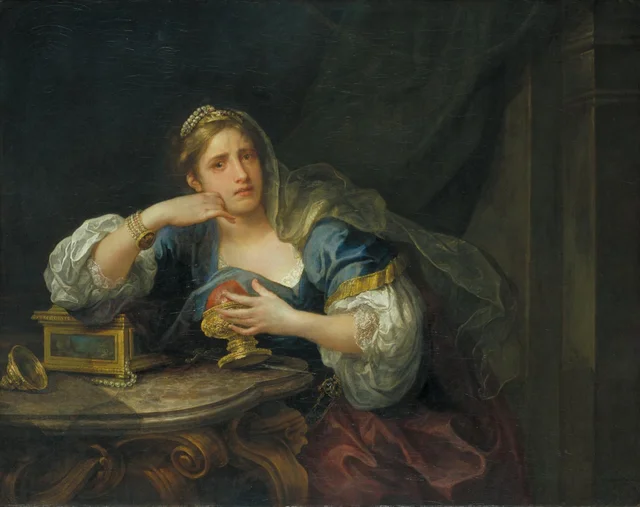 귀스카르도의 심장을 애도하는 시지스몬다윌리엄 호가스, 1759
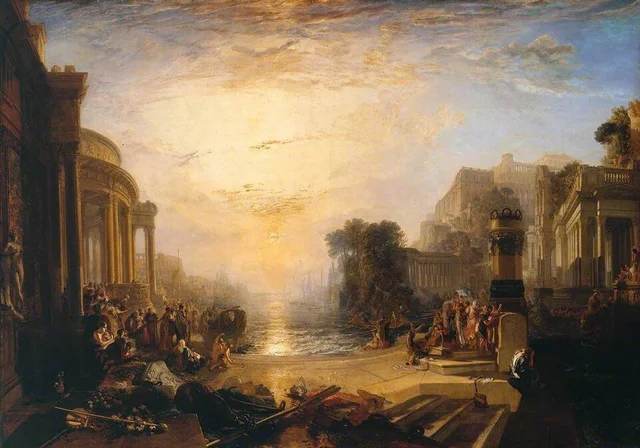 카르타고 제국의 쇠퇴...J. M. W. 터너, 1817
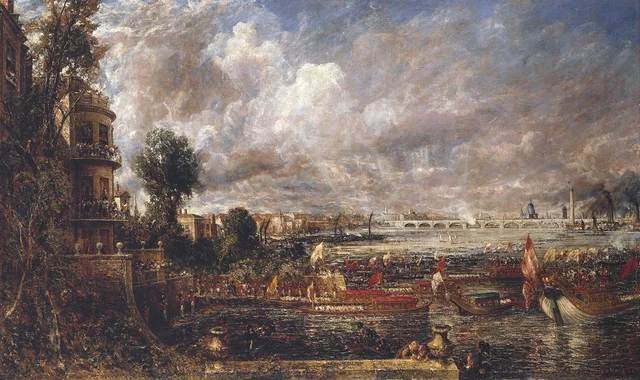 워털루 다리의 개통식("화이트홀 계단, 1817년 6월 18일")존 컨스터블, 1832
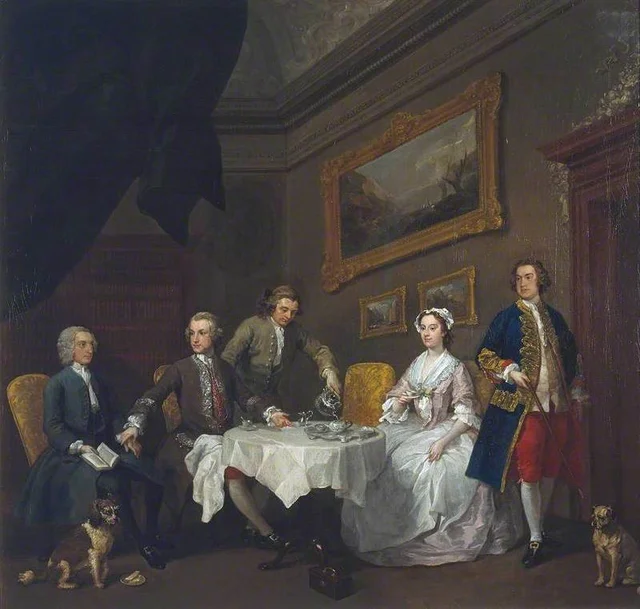 스트로드 가족윌리엄 호가스, 1738
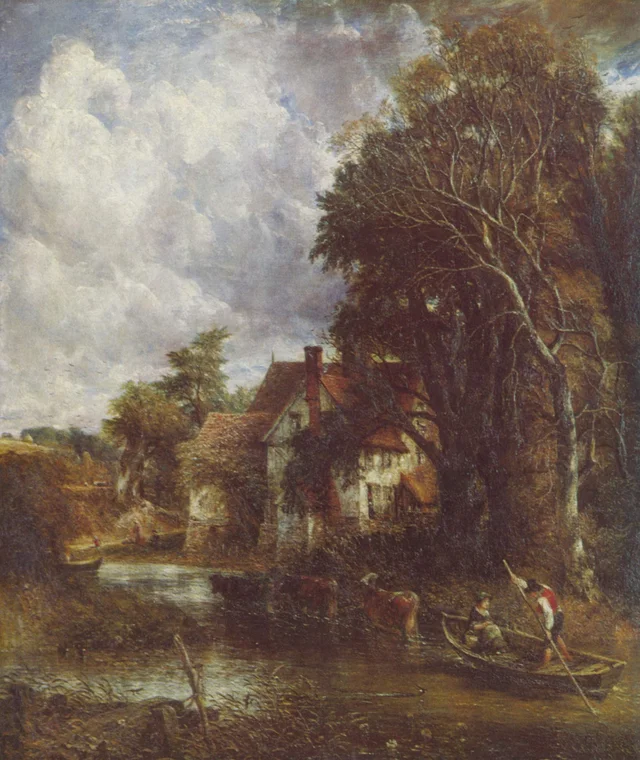 골짜기의 농장존 컨스터블, 1835
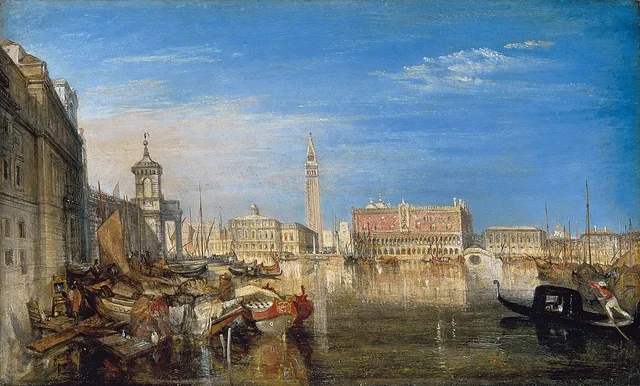 탄식의 다리, 두칼레 궁전과 세관, 베네치아: 카날레토풍 그림J. M. W. 터너, 1833
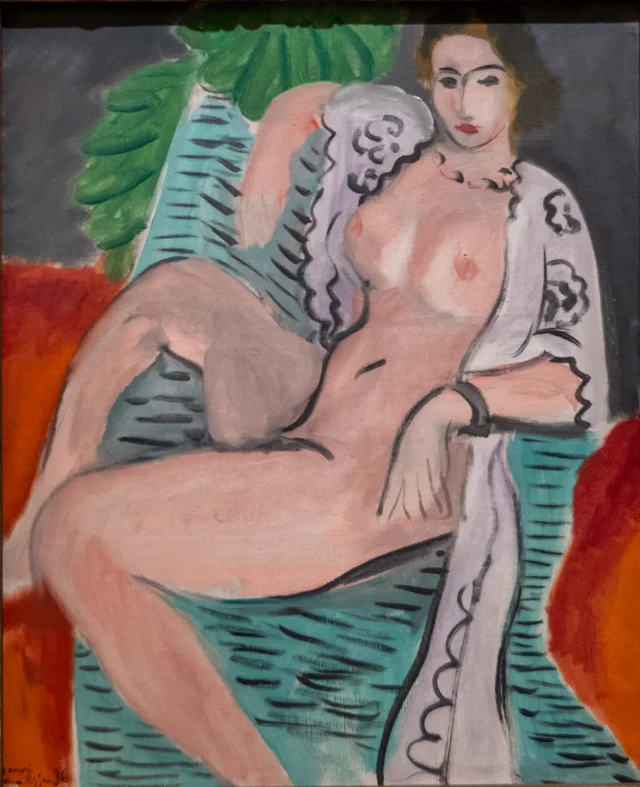 천을 두른 누드앙리 마티스, 1936
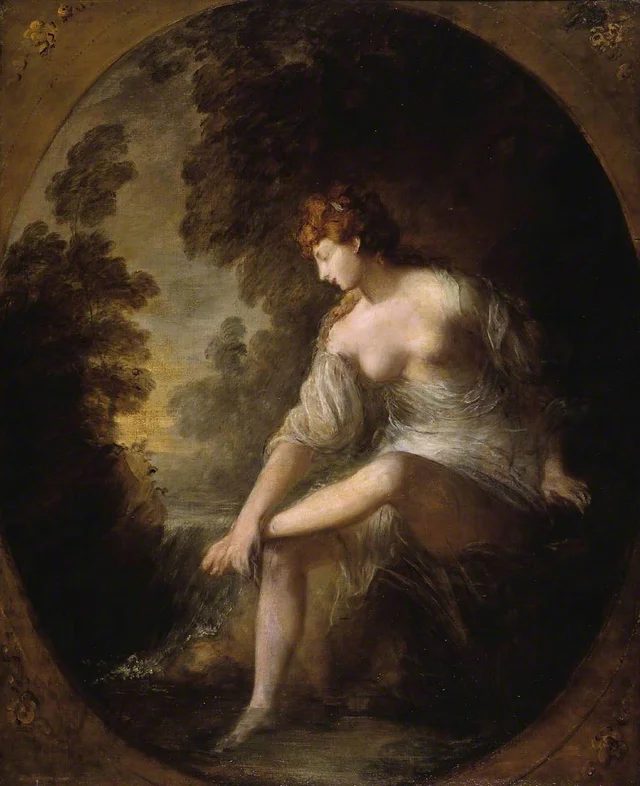 무시도라토머스 게인즈버러, 1784
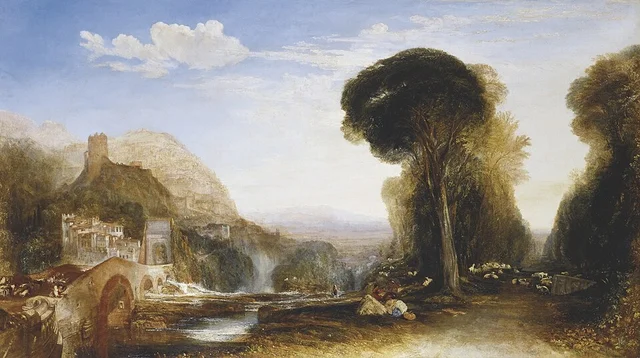 팔레스트리나, 구성J. M. W. 터너, 1828
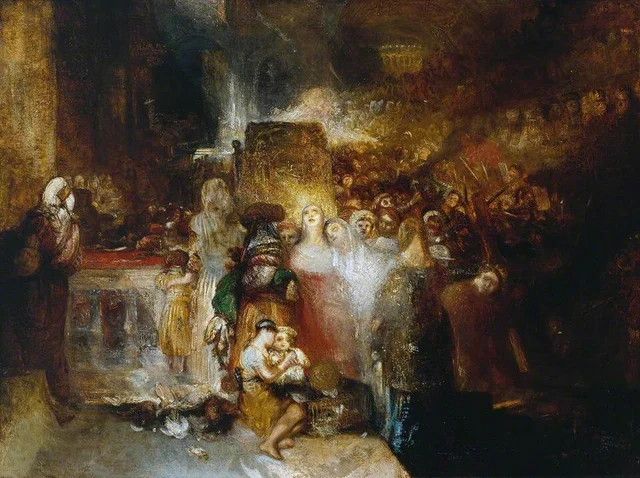 손을 씻는 빌라도J. M. W. 터너, 1830
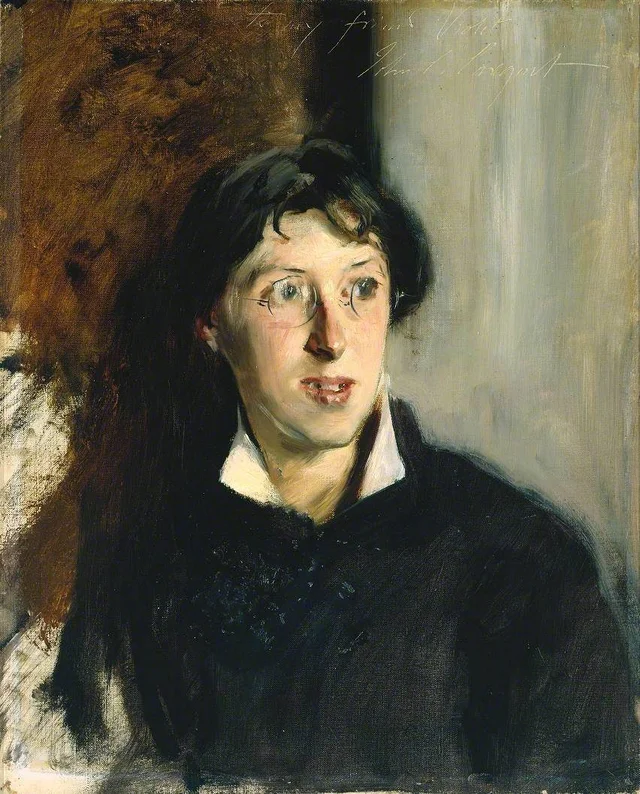 버논 리의 초상존 싱어 사전트, 1881
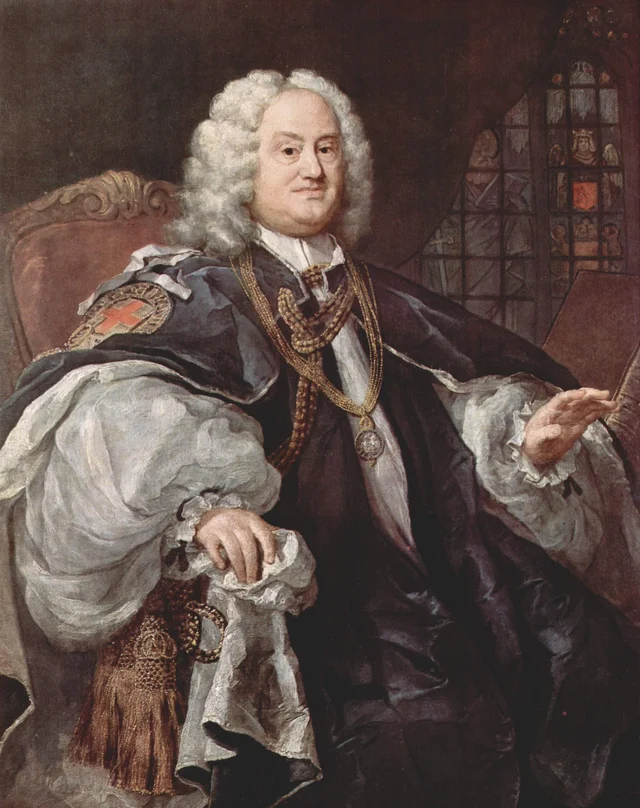 벤저민 호들리의 초상화윌리엄 호가스, 1741
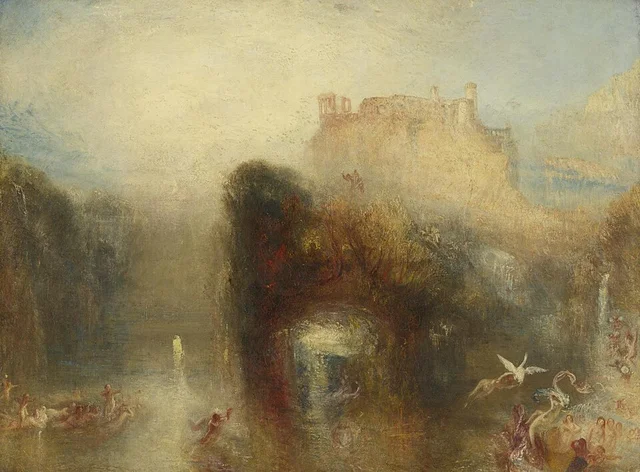 맵 여왕의 동굴J. M. W. 터너, 1846
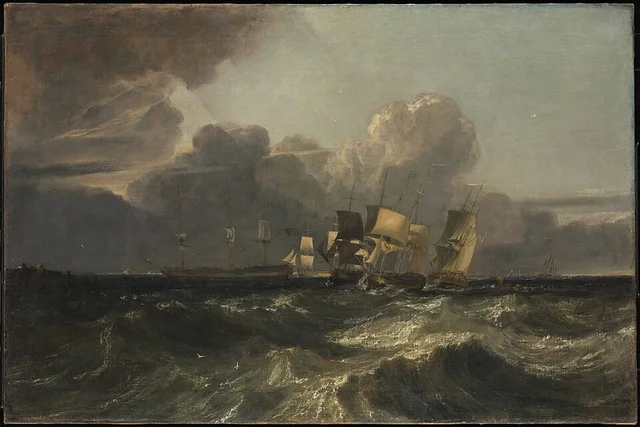 정박지로 향하는 배들 ('에그리몬트의 바다 그림')J. M. W. 터너, 1802
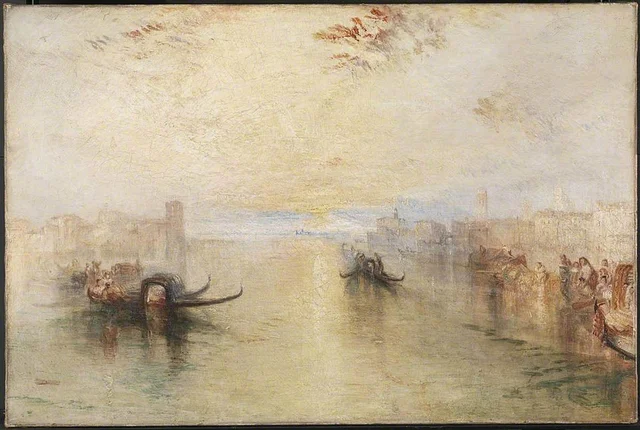 산 베네데토, 푸시나를 바라보며J. M. W. 터너, 1843
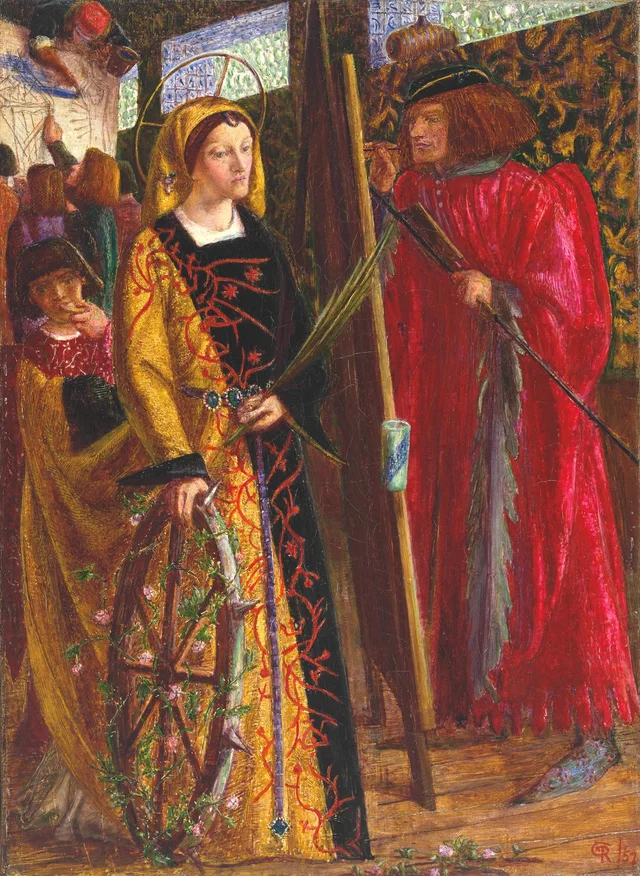 성 카타리나단테 가브리엘 로세티, 1857