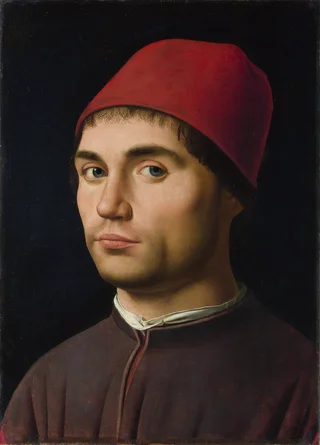
Antonello da Messina
1479 · Reino da Sicília · Renascimento inicial
A história
Antonello da Messina passou a carreira transitando entre mundos que raramente se tocavam no século XV, a Sicília, Nápoles e por fim Veneza, carregando consigo uma técnica de pintura que a maioria dos pintores italianos ainda não tinha. Ele aprendeu a pintura a óleo pura, provavelmente por meio de pinturas neerlandesas que haviam chegado a Nápoles, a técnica que Jan van Eyck aperfeiçoara em Bruges décadas antes, na qual finas camadas transparentes de tinta a óleo permitiam a um pintor construir brilhos lustrosos e sombras suaves que nenhum pintor italiano de têmpera a ovo conseguia igualar.
Em 1475, ele viajou a Veneza e ficou cerca de um ano e meio. Foi o bastante. Pintores venezianos, incluindo o jovem pintor Giovanni Bellini, absorveram seu manejo da tinta a óleo e seu modo de modelar um rosto com suaves gradações de luz, mudanças que moldaram a pintura veneziana pela geração seguinte. Os retratos de Antonello desse período, vistos de três quartos e enquadrados de perto contra fundos escuros e lisos, estão entre os primeiros da arte italiana a dar a um modelo comum esse tipo de presença individual e serena.
Ele voltou a Messina, na Sicília, e ali morreu no início de 1479, um nome ainda menos conhecido fora das cidades em que de fato pintara.
Mais artigos
Obras
21 obras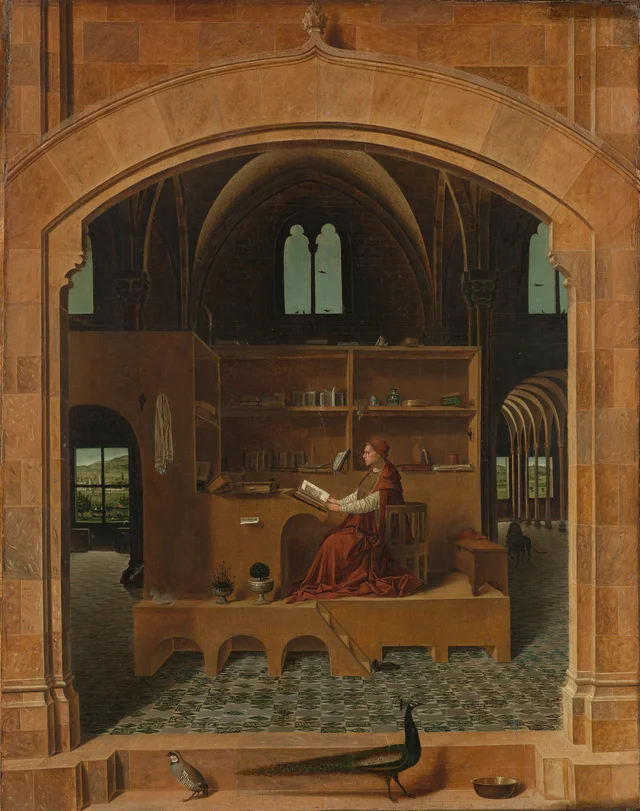 São Jerônimo em seu EstúdioAntonello da Messina, 1474
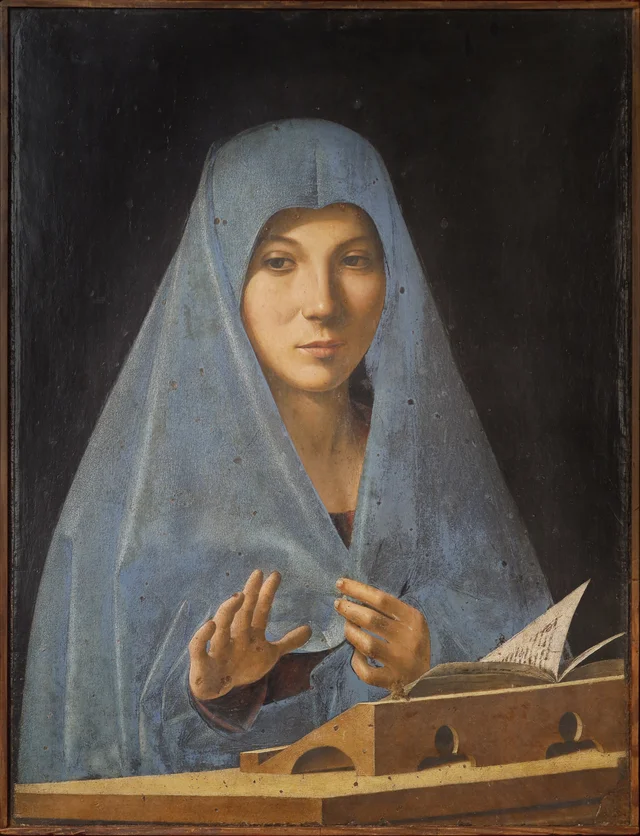 Virgem AnunciadaAntonello da Messina, 1476
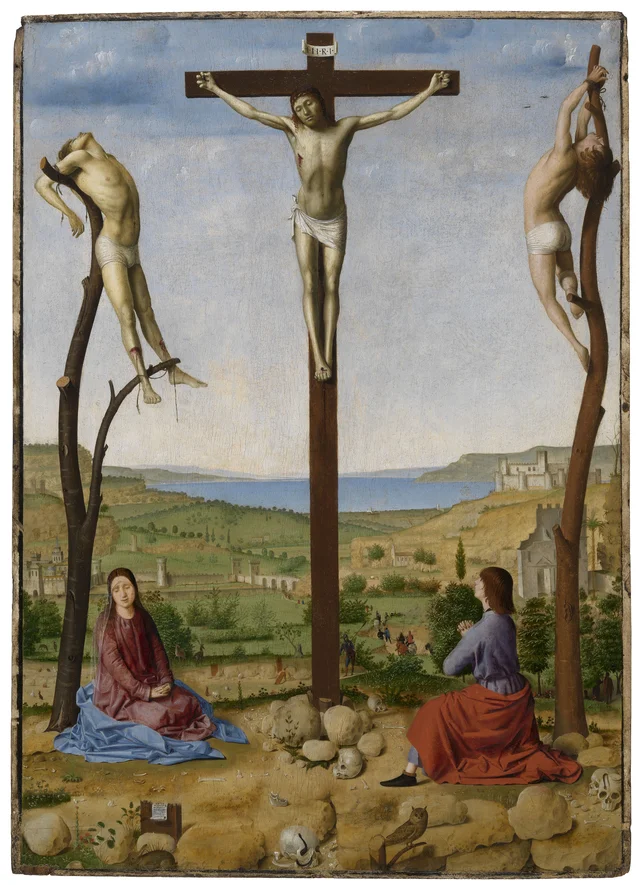 CalvárioAntonello da Messina, 1475
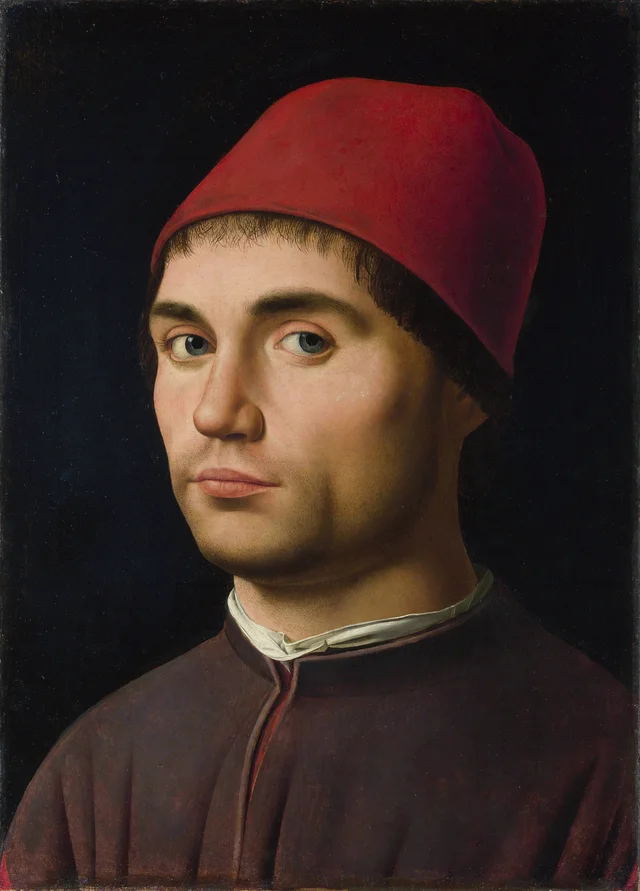 Retrato de um HomemAntonello da Messina, 1475
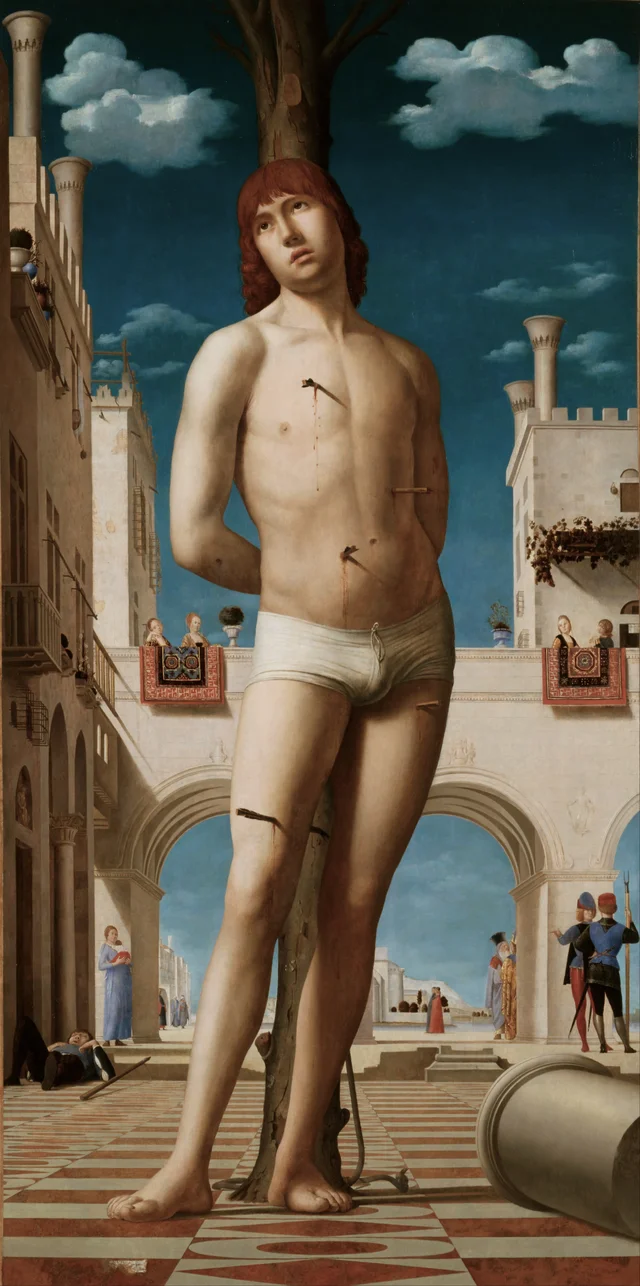 São SebastiãoAntonello da Messina, 1478
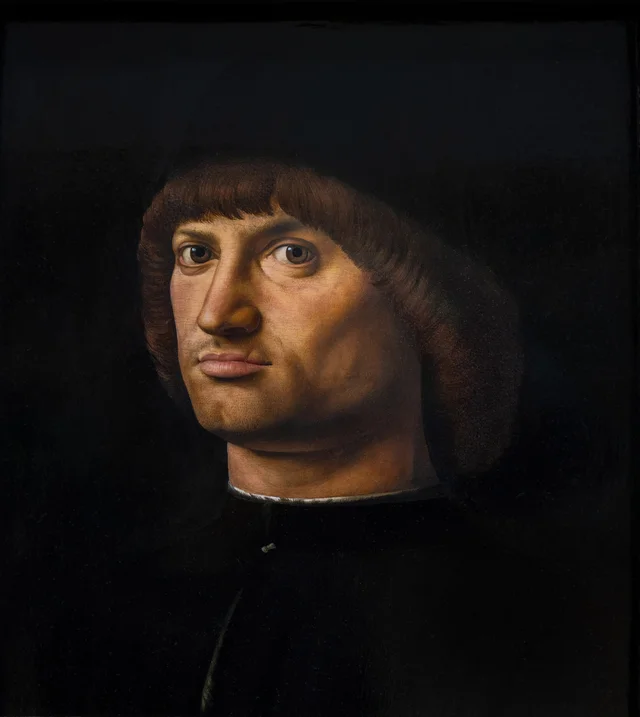 Retrato de homem, chamado o CondottiereAntonello da Messina, 1475
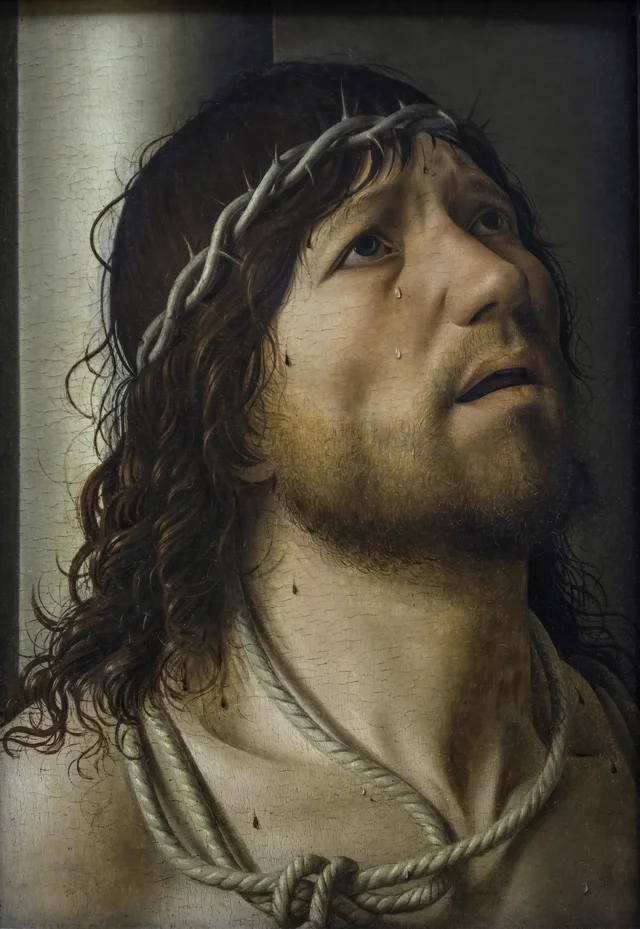 Cristo na colunaAntonello da Messina, 1477
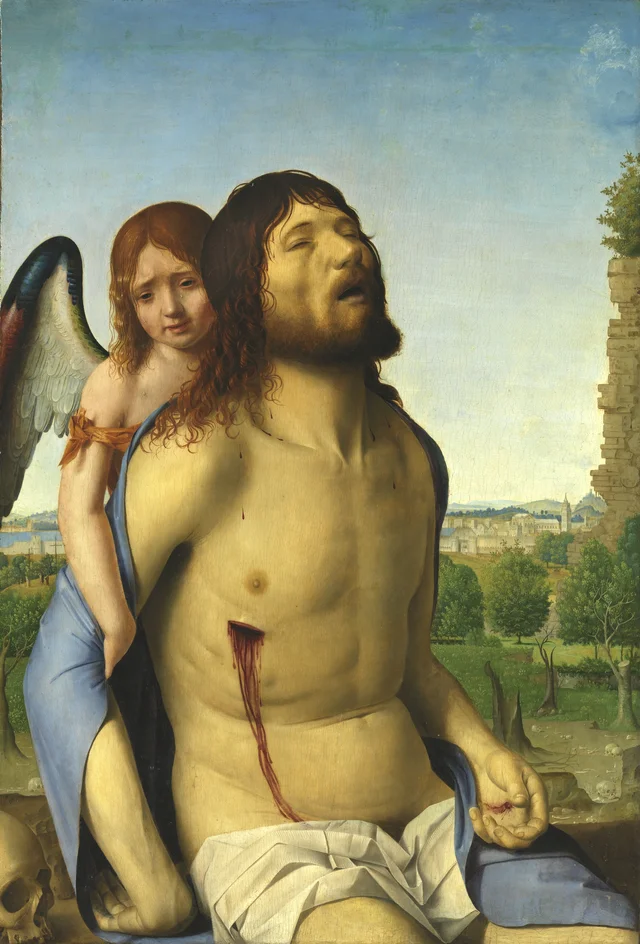 O Cristo morto amparado por um anjoAntonello da Messina, 1475
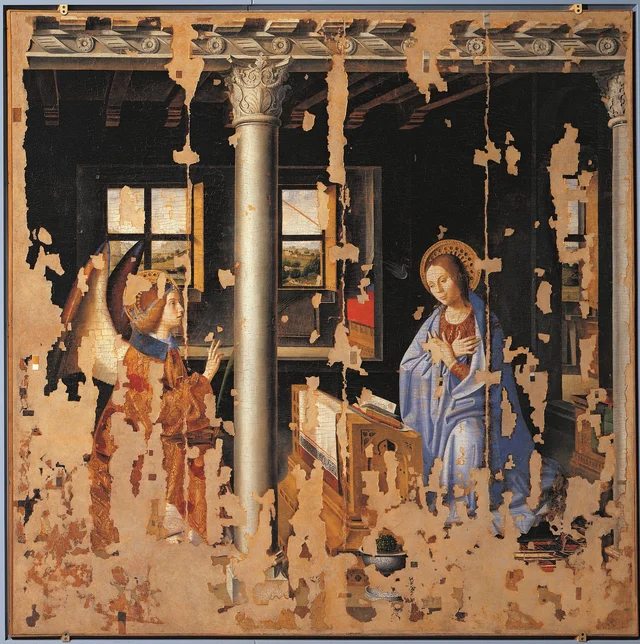 AnunciaçãoAntonello da Messina, 1474
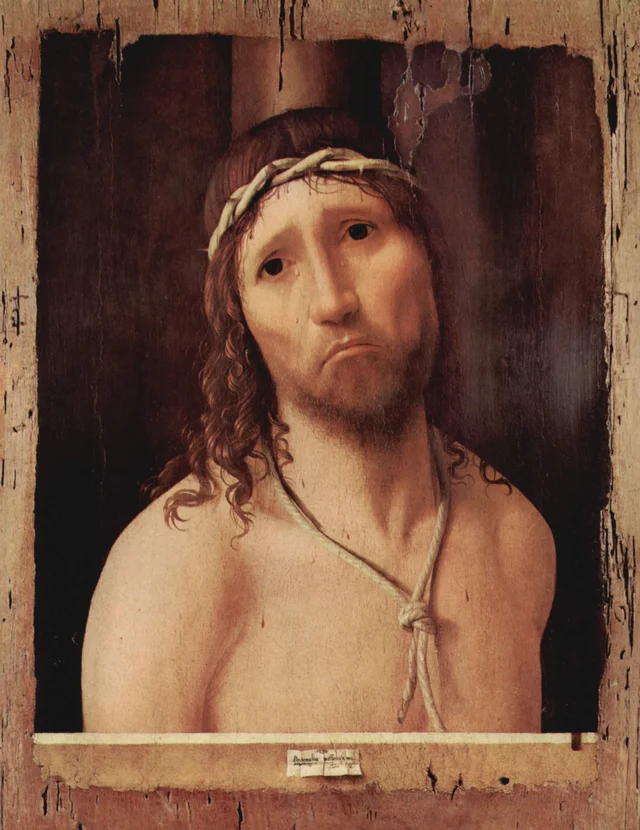 Ecce HomoAntonello da Messina, 1473
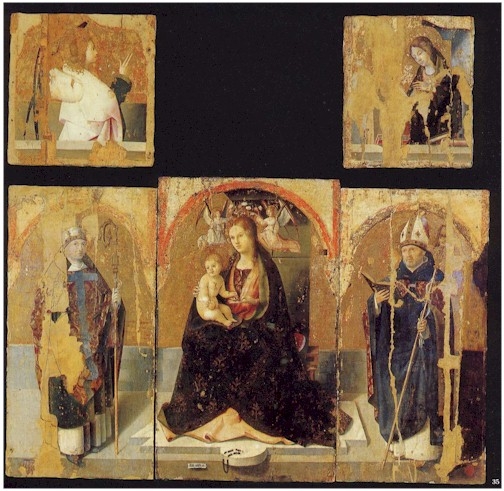 Políptico de San GregorioAntonello da Messina, 1473
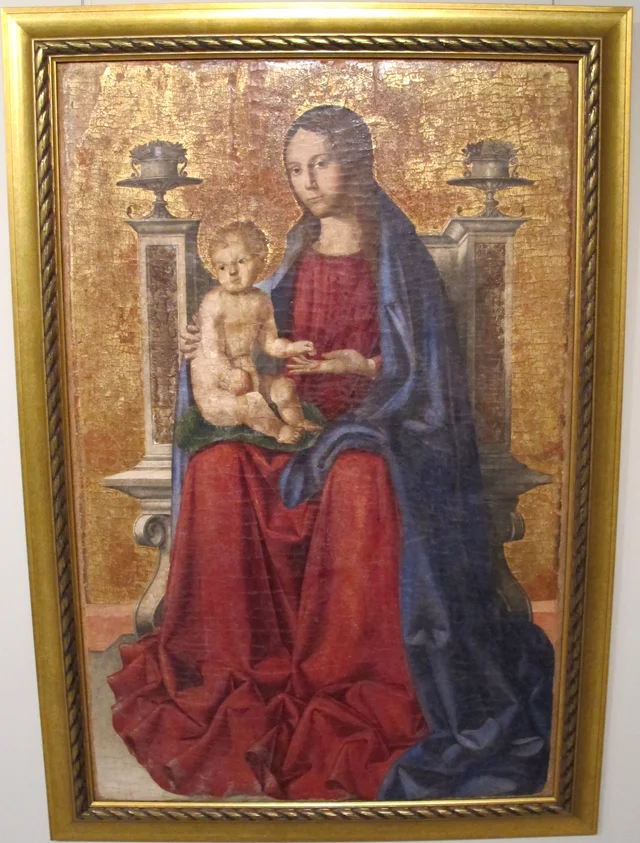 A Virgem com o MeninoAntonello da Messina
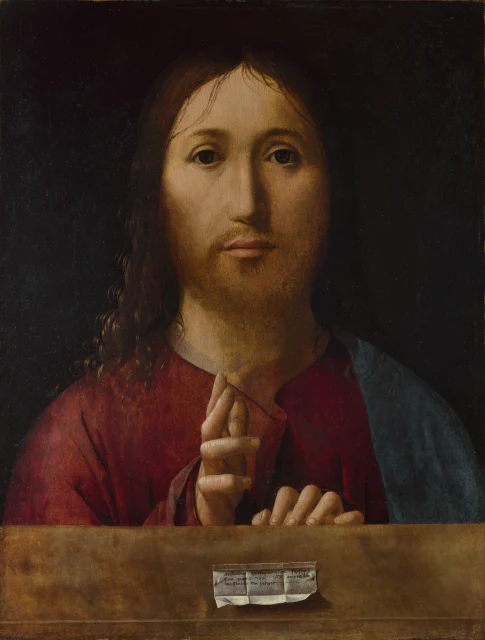 Cristo abençoandoAntonello da Messina, 1465
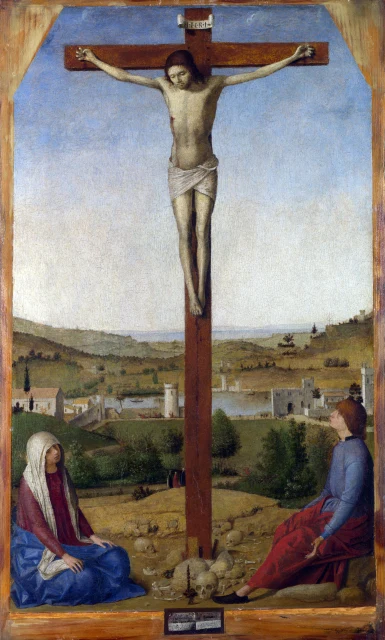 Cristo crucificadoAntonello da Messina, 1475
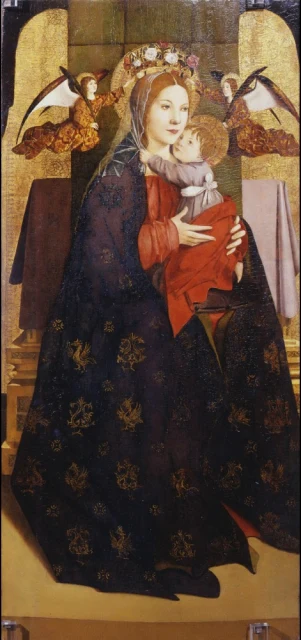 Madona dos UffiziAntonello da Messina, 1470
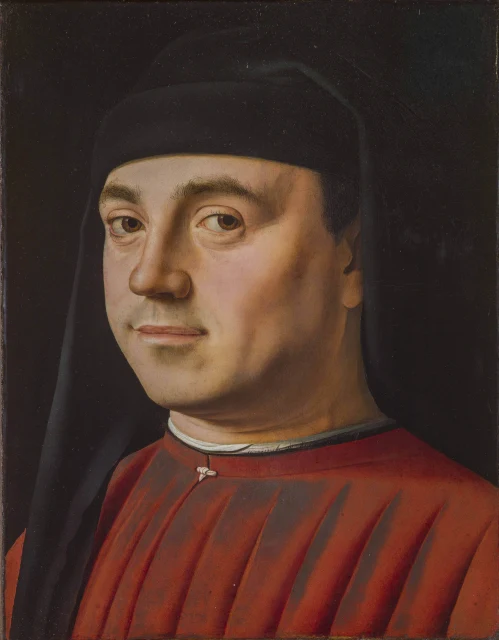 Retrato de um homemAntonello da Messina, 1476
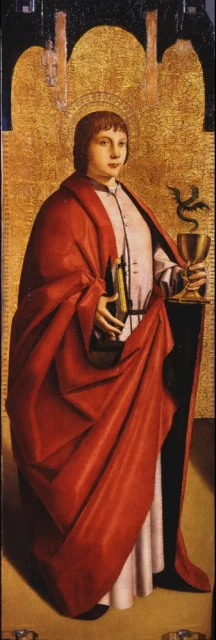 São João EvangelistaAntonello da Messina, 1470
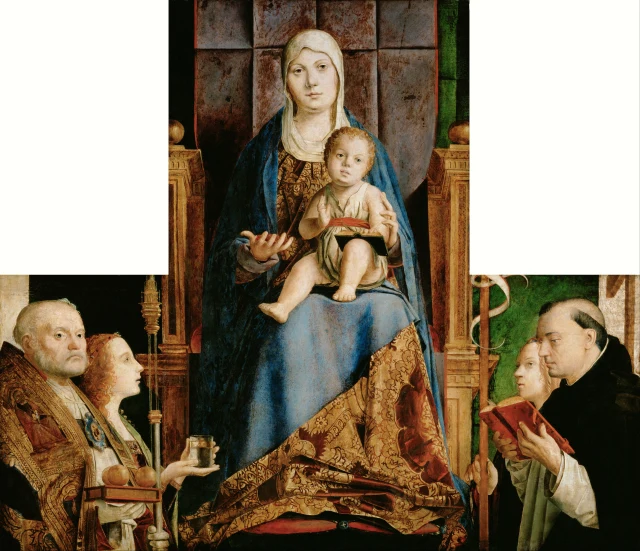 Retábulo de San CassianoAntonello da Messina, 1475
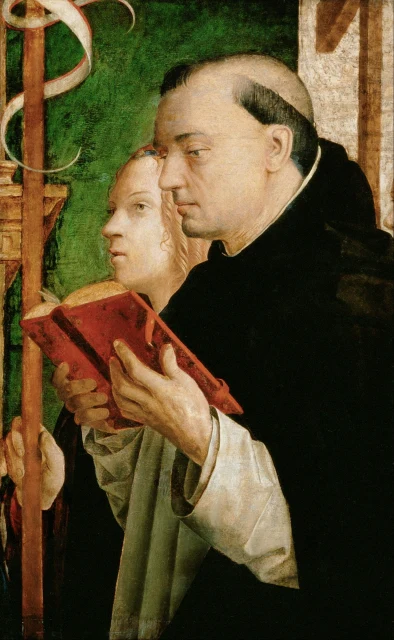 Retábulo de San Cassiano: São Domingos (fragmento direito)Antonello da Messina, 1475
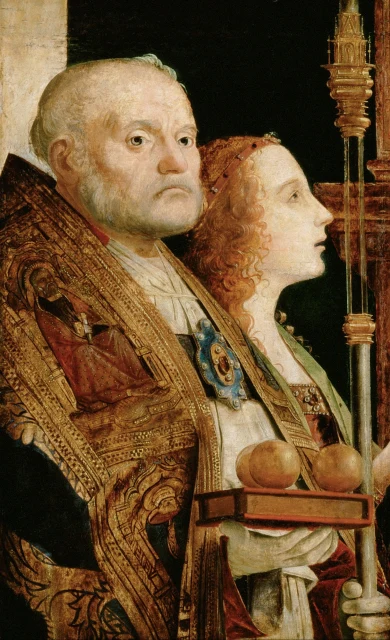 Retábulo de San Cassiano: São Nicolau de Bari (fragmento esquerdo)Antonello da Messina, 1475
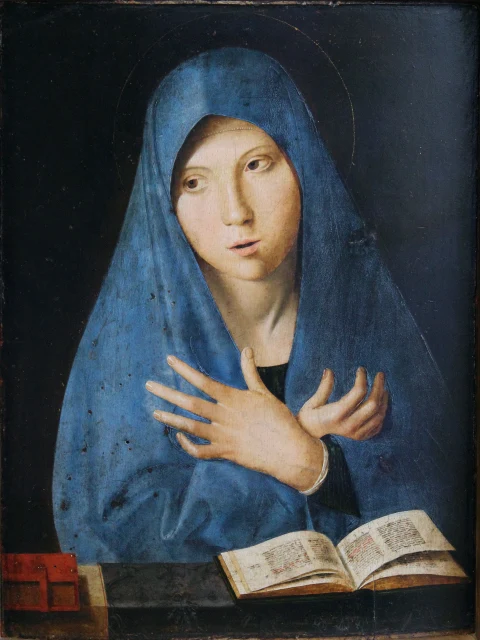 Virgem da AnunciaçãoAntonello da Messina, 1473