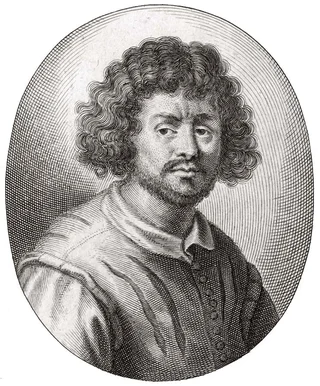
Claude Lorrain
1600–1682 · Ducado da Lorena · Classicismo
A história
Na Roma de meados do século 17, um pintor do ducado da Lorena tornara-se tão disputado que outros homens falsificavam seu trabalho para lucrar com ele. Claude Gellée, conhecido simplesmente como Claude Lorrain, pintava portos luminosos e paisagens pastoris banhadas por um sol suave nascente ou poente, e os cardeais e aristocratas da Europa pagavam caro por elas.
Sua resposta aos falsários foi um livro. A partir de mais ou menos 1635 ele manteve o Liber Veritatis, o Livro da Verdade, um álbum encadernado em que desenhava uma cópia cuidadosa de quase toda pintura terminada assim que ela deixava o ateliê, muitas vezes anotando o nome do comprador e a data. Chegou a cerca de 200 desenhos, e permitia distinguir um Claude autêntico de uma falsificação.
Ele era, na verdade, mais um pintor da luz do que dos lugares. As figuras mitológicas ou bíblicas de suas cenas costumam ser pequenas, encaixadas num canto, enquanto o olhar viaja de volta rumo a um sol enevoado no horizonte. Esse efeito fixou a ideia europeia de paisagem ideal por quase dois séculos, e o pintor inglês Turner, mais de cem anos depois, pediu em testamento que duas de suas próprias telas fossem penduradas ao lado das de Claude em Londres.
Obras
34 obras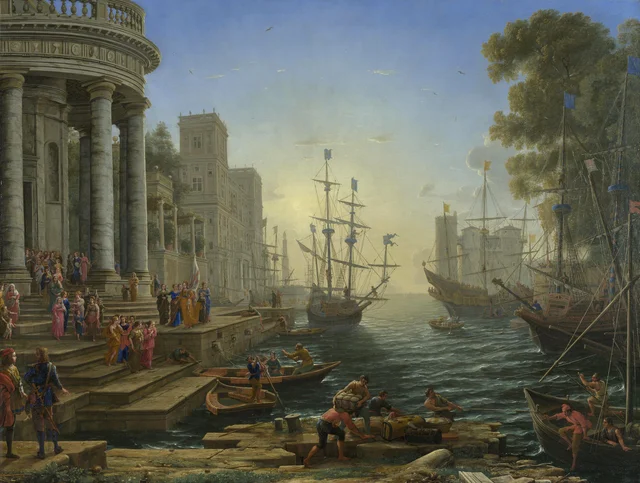 Porto Marítimo com o Embarque de Santa ÚrsulaClaude Lorrain, 1641
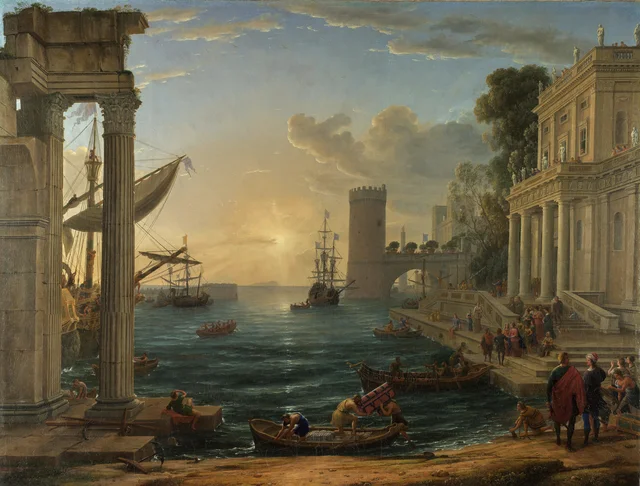 O embarque da rainha de SabáClaude Lorrain, 1648
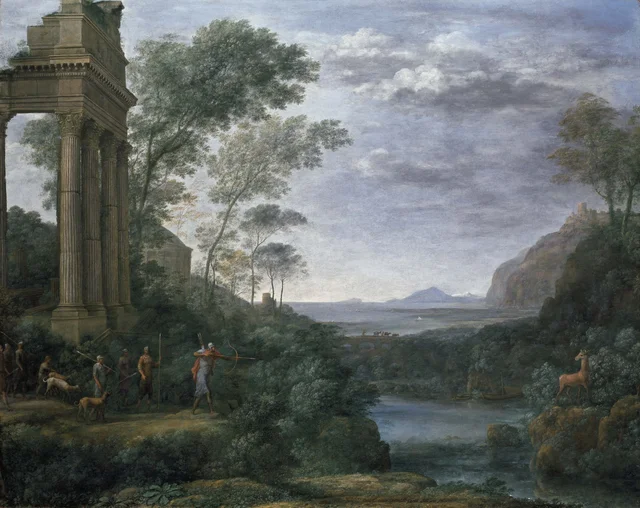 Ascânio atirando no cervo de SílviaClaude Lorrain, 1682
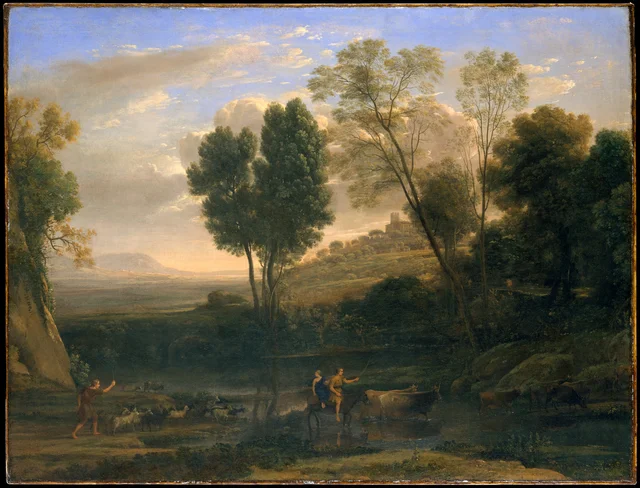 Nascer do solClaude Lorrain, 1646
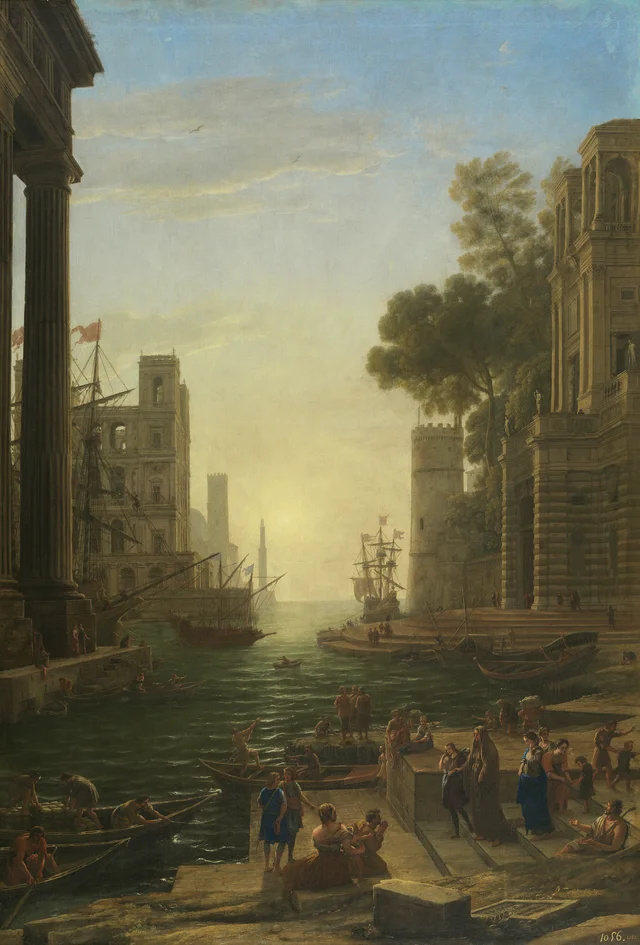 Paisagem com o embarque de Santa Paula Romana em ÓstiaClaude Lorrain, 1639
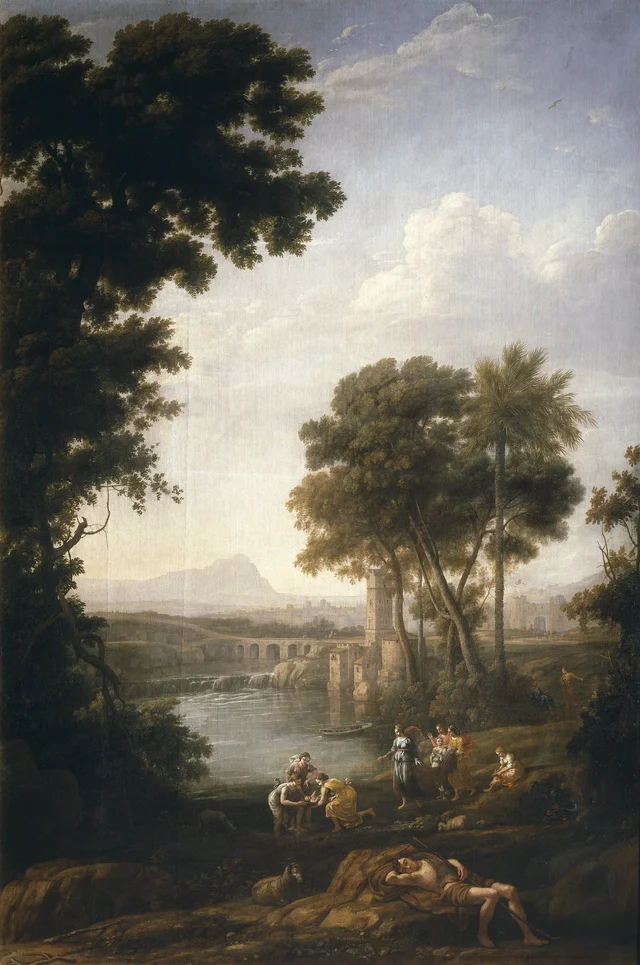 Paisagem com o Achado de MoisésClaude Lorrain, 1639
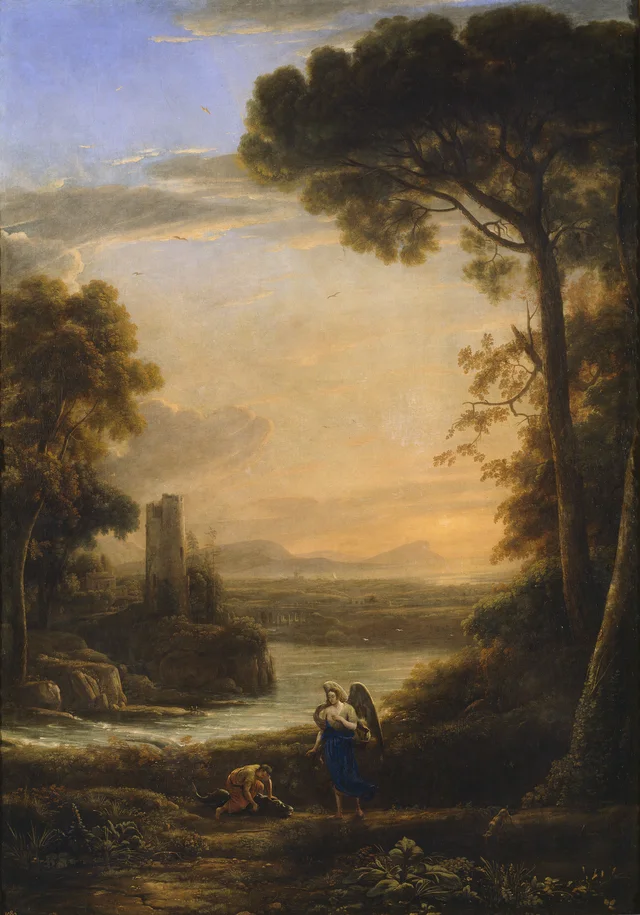 Paisagem com Tobias e o anjoClaude Lorrain, 1639
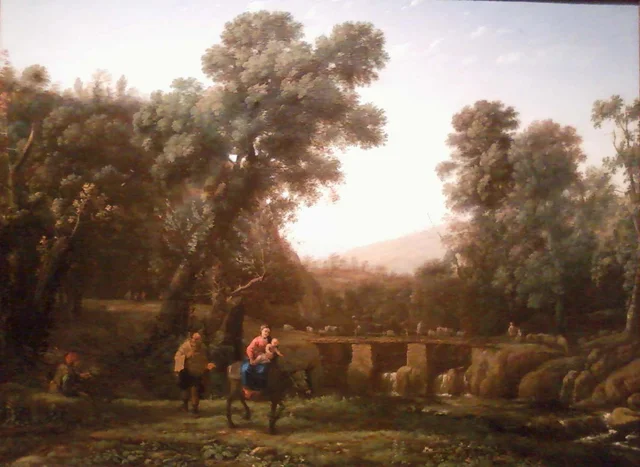 A Fuga para o EgitoClaude Lorrain, 1635
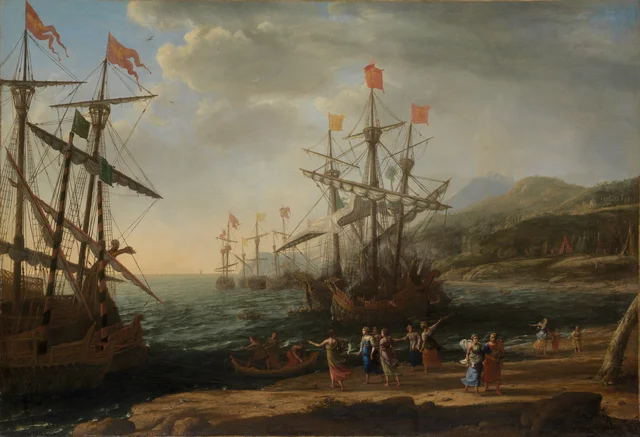 As Troianas Incendiando sua FrotaClaude Lorrain, 1643
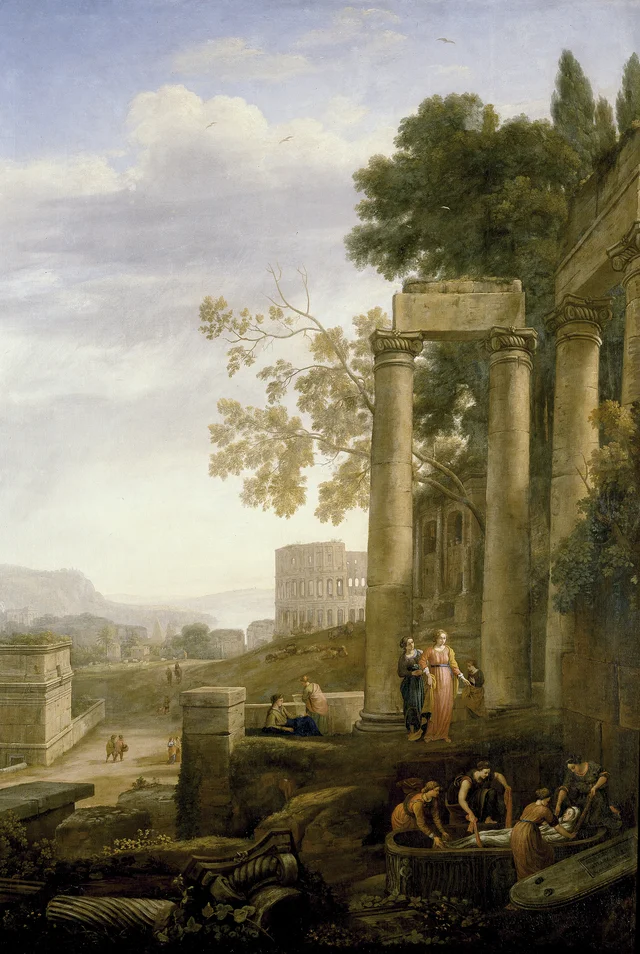 Paisagem com o Enterro de Santa SerápiaClaude Lorrain, 1639
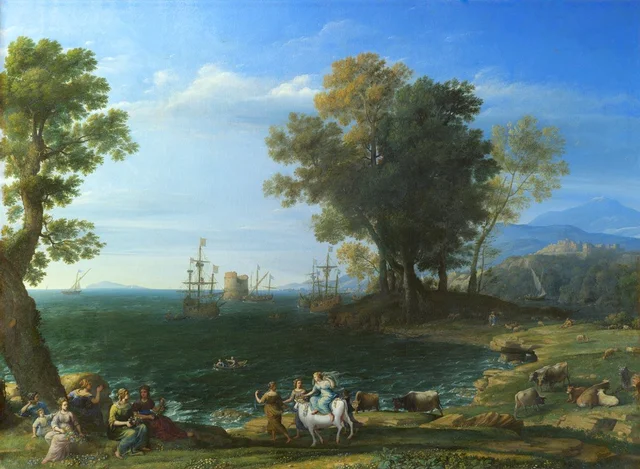 O rapto de EuropaClaude Lorrain, 1655
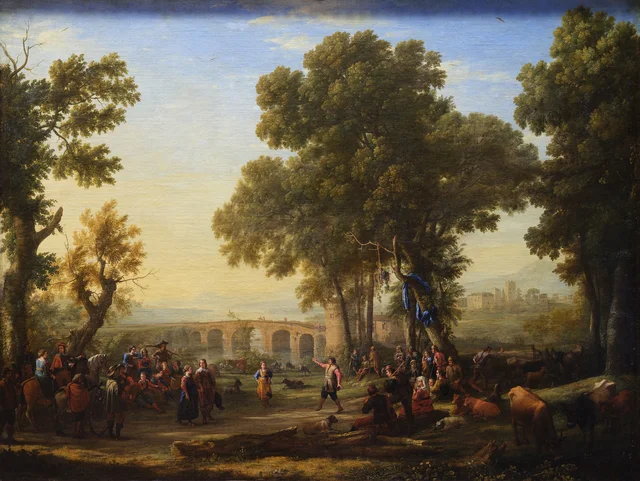 Festa na aldeiaClaude Lorrain, 1639
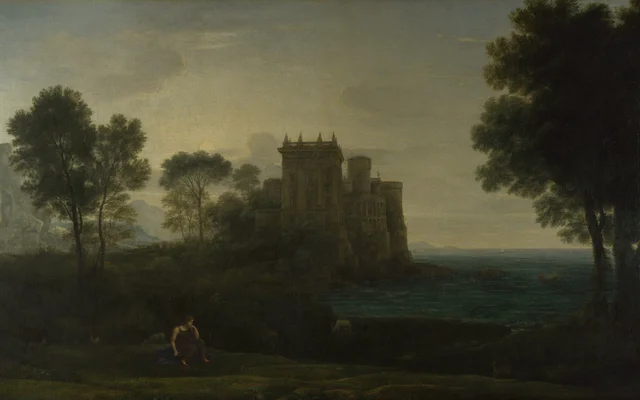 Paisagem com Psiquê diante do palácio de CupidoClaude Lorrain, 1664
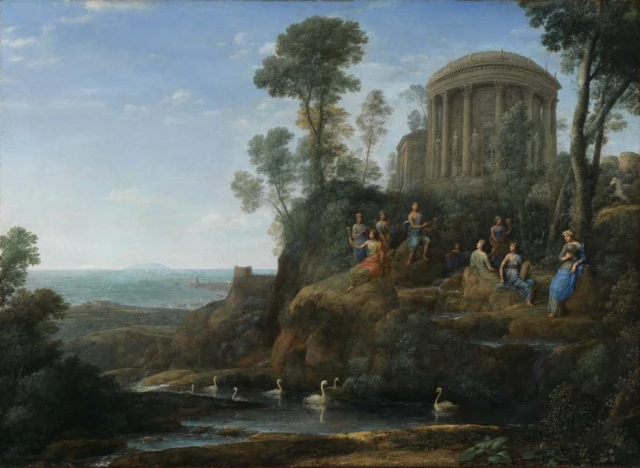 Apolo e as Musas no monte HéliconClaude Lorrain, 1680
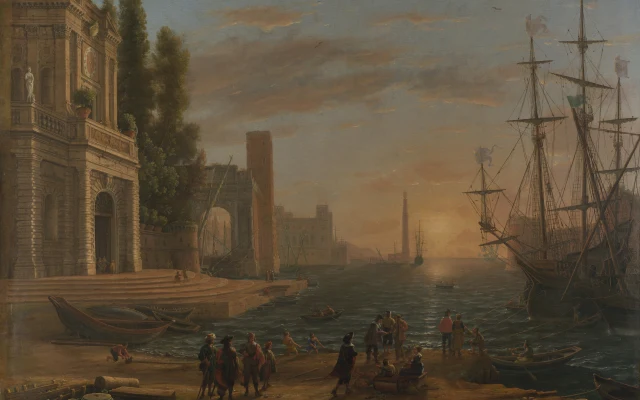 Um porto marítimoClaude Lorrain, 1644
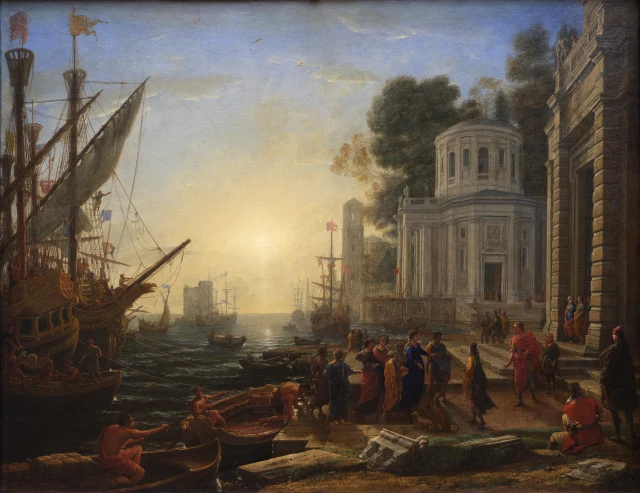 O desembarque de Cleópatra em TarsoClaude Lorrain, 1642
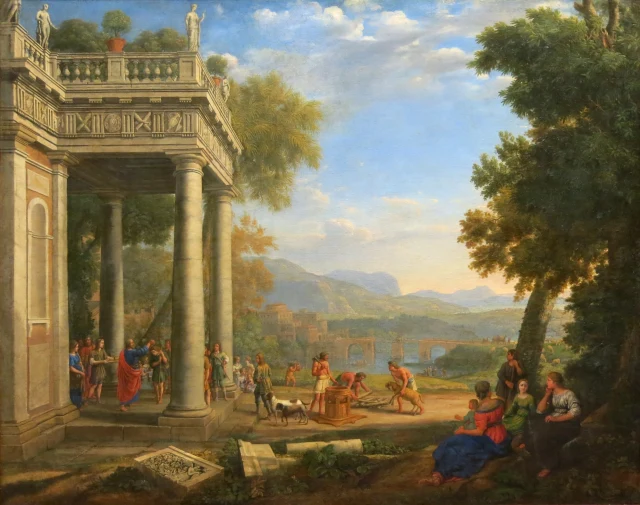 Davi ungido rei por SamuelClaude Lorrain, 1647
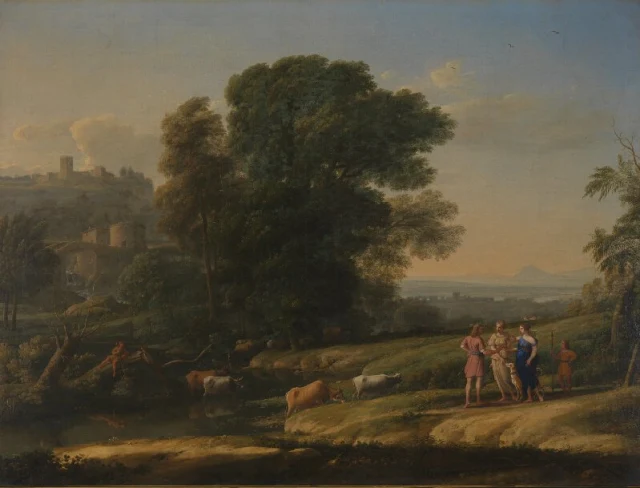 Paisagem com Céfalo e Prócris reunidos por DianaClaude Lorrain, 1645
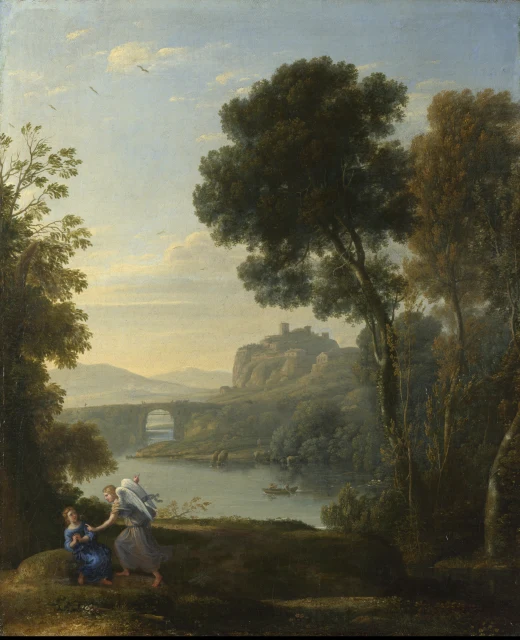 Paisagem com Agar e o anjoClaude Lorrain, 1646
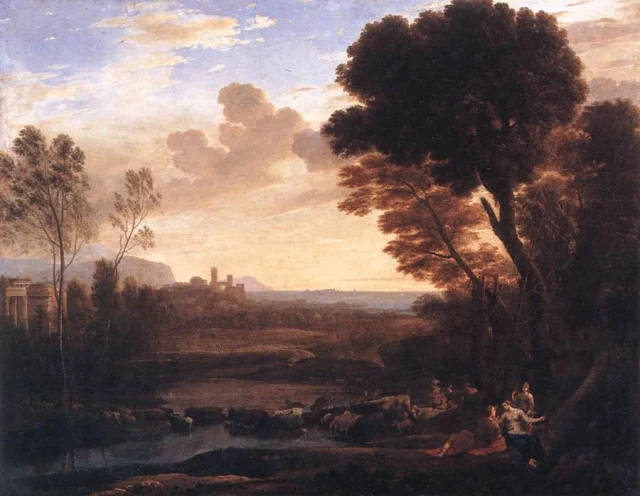 Paisagem com Páris e Enone (“O vau”)Claude Lorrain, 1648
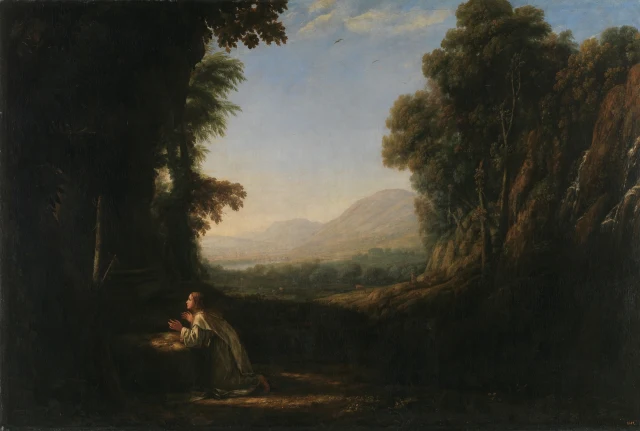 Paisagem com santa Maria de CervellóClaude Lorrain, 1637
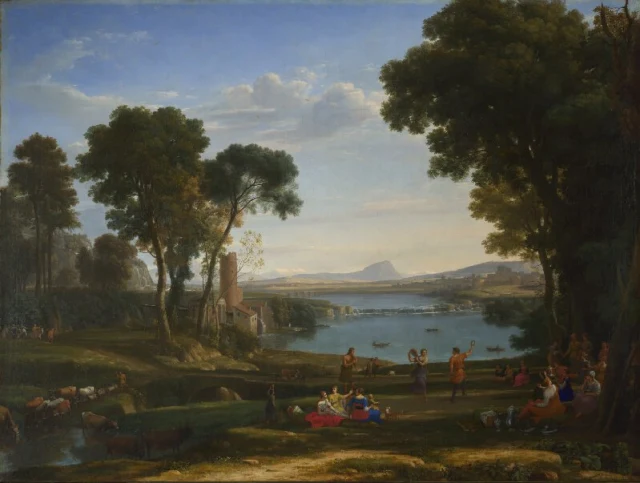 Paisagem com o casamento de Isaac e Rebeca (“O moinho”)Claude Lorrain, 1648
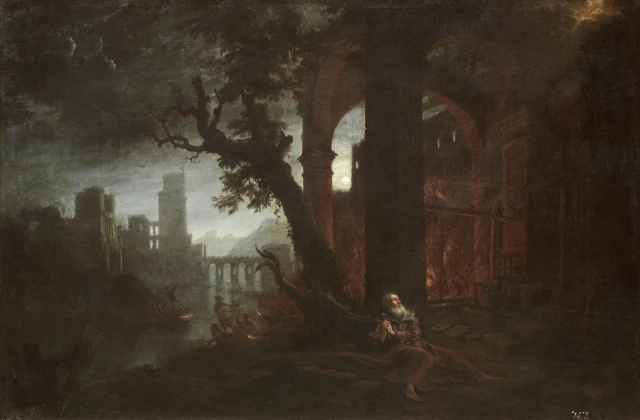 Paisagem com as tentações de santo AntãoClaude Lorrain, 1638
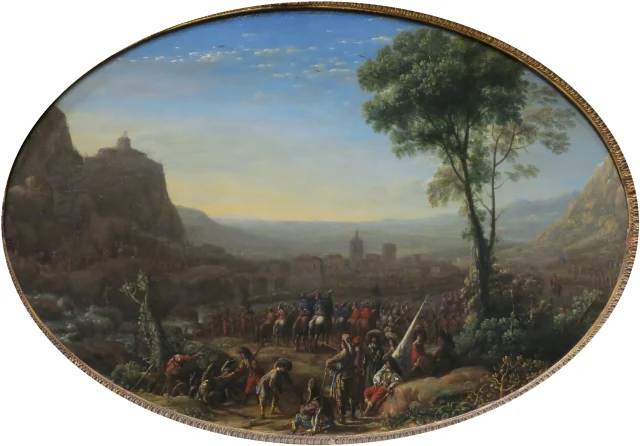 Luís XIII forçando o passo de SusaClaude Lorrain, 1632