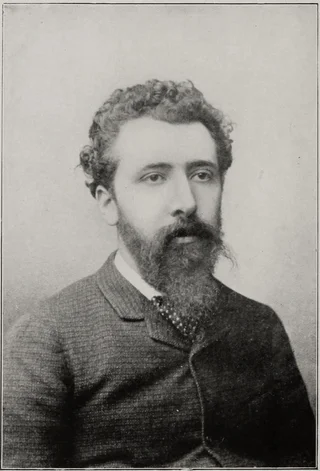
Georges Seurat
1859–1891 · França · Pontilhismo
A história
Georges Seurat encarava a pintura como um cientista. Formado na École des Beaux-Arts de Paris e influenciado pelas teorias contemporâneas da cor e da ótica, desenvolveu uma técnica de aplicar milhares de pequenos pontos distintos de pigmento puro que o olho, e não o pincel, misturaria à distância — um método que ele chamava de Divisionismo e que a crítica apelidou de Pontilhismo. Sua tela de 1884-86, Um Domingo na Grande Jatte, uma cena de quase dois por três metros de parisienses relaxando em uma ilha do Sena, exigiu dois anos de esboços preparatórios e continua sendo a peça definidora da técnica.
Ele trabalhou dessa forma por pouco menos de uma década e manteve boa parte de sua vida privada em segredo até dos amigos mais próximos. Somente nos últimos dois dias antes de morrer apresentou aos pais sua companheira, a modelo Madeleine Knobloch, e o filho pequeno do casal, Pierre-Georges.
Seurat adoeceu repentinamente e morreu em Paris em 29 de março de 1891, aos trinta e um anos; os médicos não chegaram a um consenso sobre se a causa foi meningite, difteria ou angina infecciosa. Seu filho recém-nascido morreu da mesma doença duas semanas depois e foi enterrado ao lado dele no cemitério do Père-Lachaise.
Mais artigos
Obras
116 obras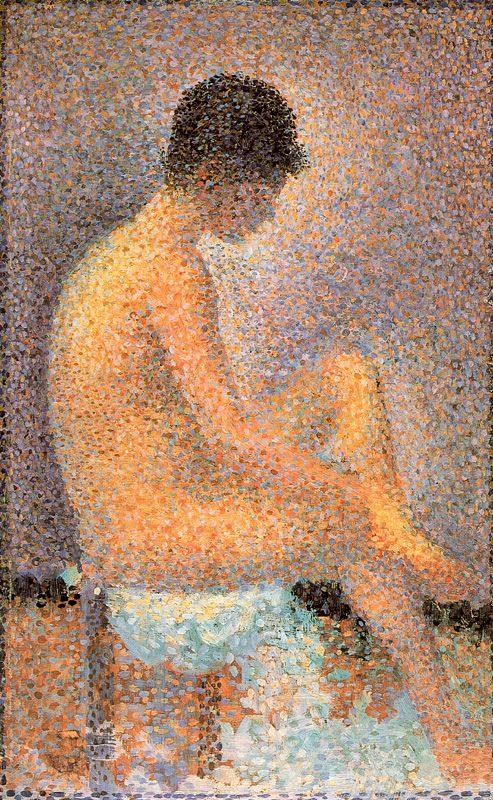 Modelo sentada, de perfilGeorges Seurat, 1887
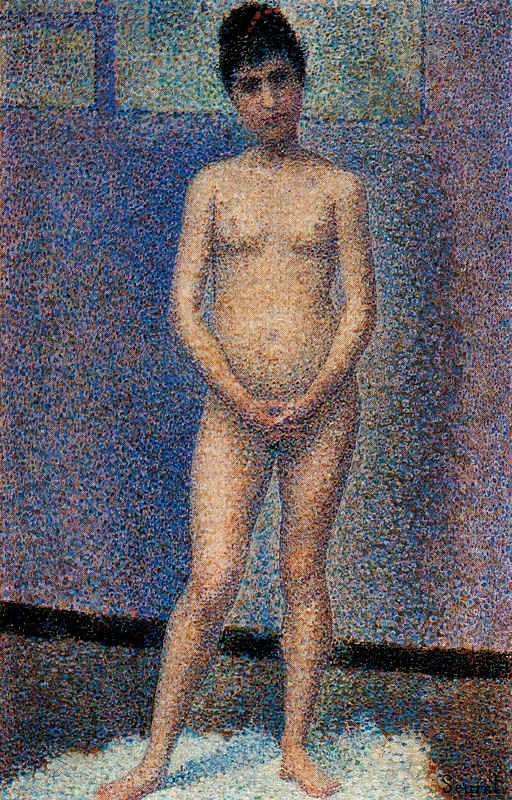 Modelo em PéGeorges Seurat, 1887
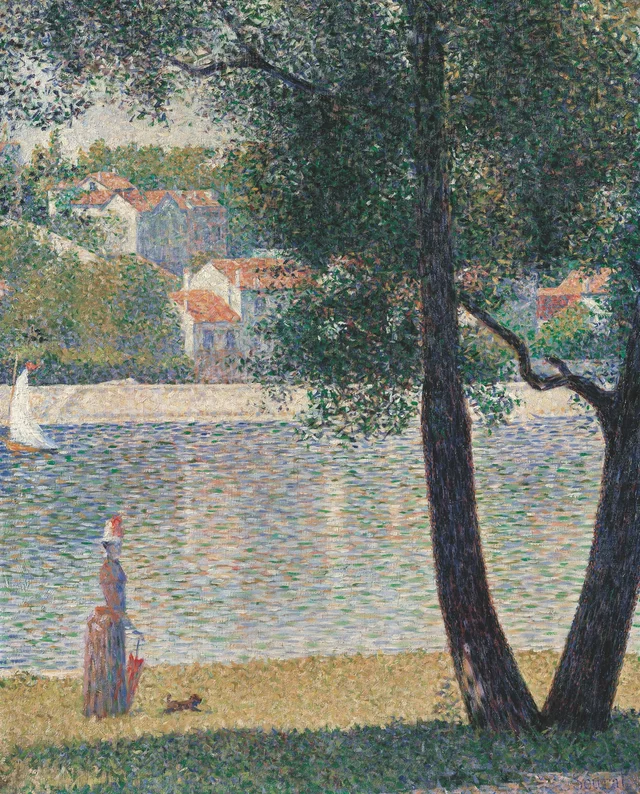 O Sena em CourbevoieGeorges Seurat, 1885
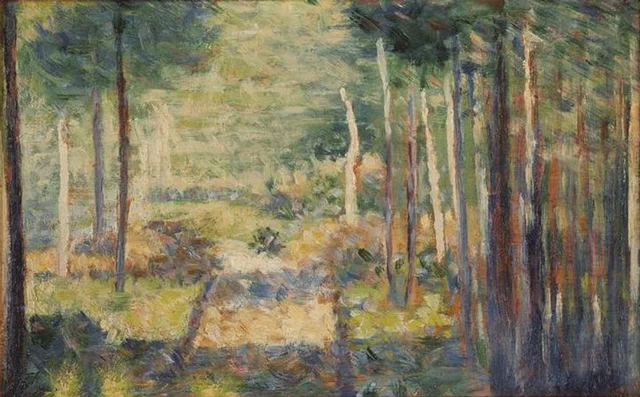 Alameda na floresta, BarbizonGeorges Seurat, 1883
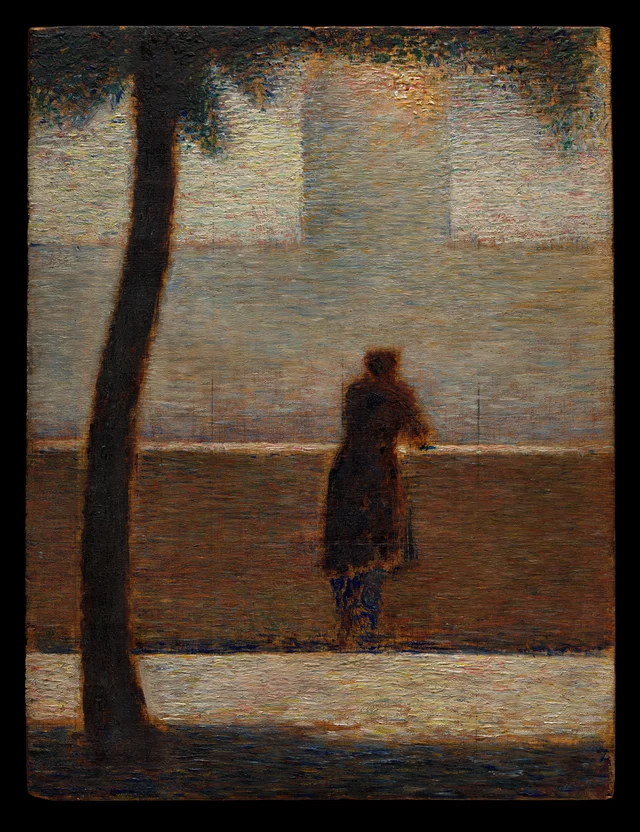 Um Homem Apoiado em um ParapeitoGeorges Seurat, 1881
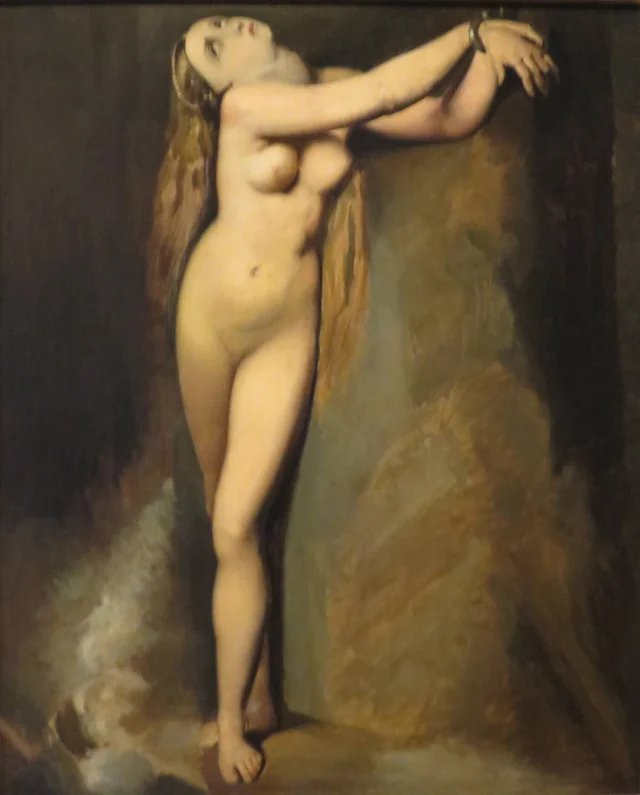 Angélica na rocha (segundo Ingres)Georges Seurat, 1878
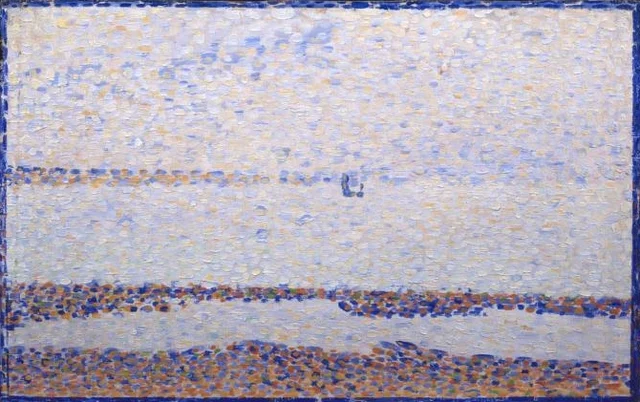 Praia de GravelinesGeorges Seurat, 1890
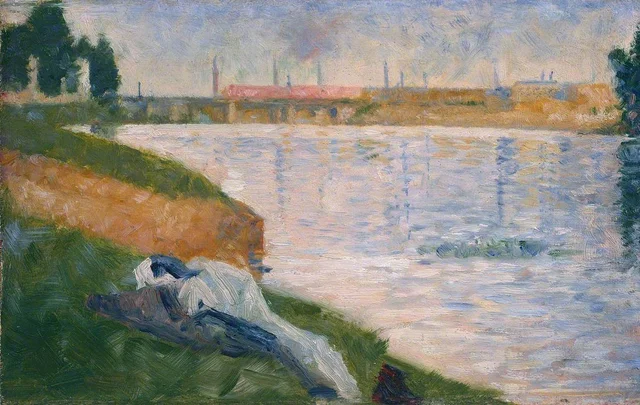 Roupas sobre a GramaGeorges Seurat, 1883
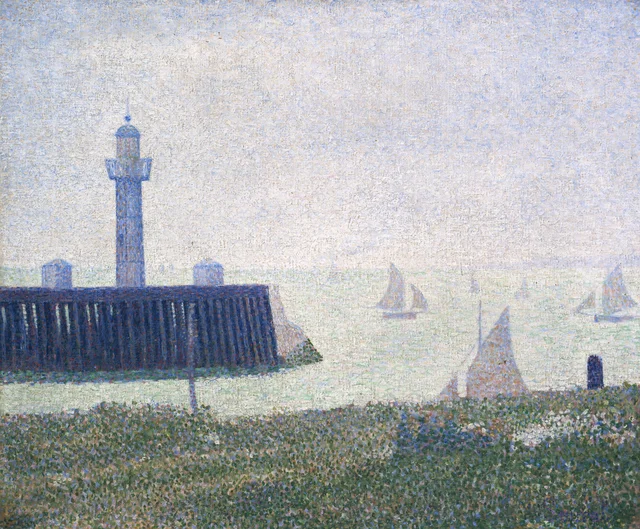 Fim do cais, HonfleurGeorges Seurat, 1886
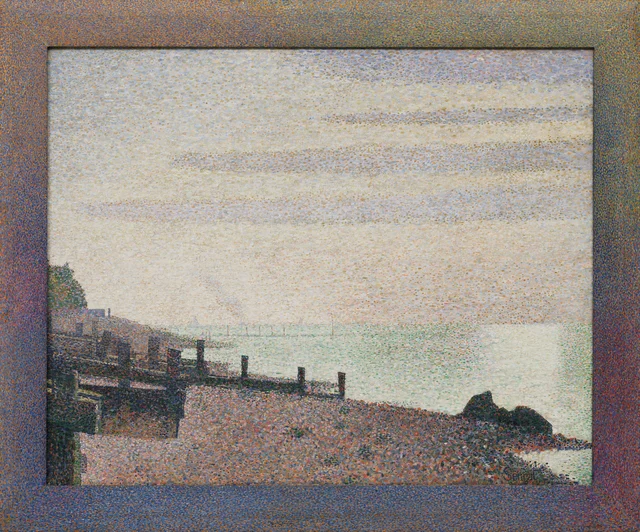 Entardecer em HonfleurGeorges Seurat, 1886
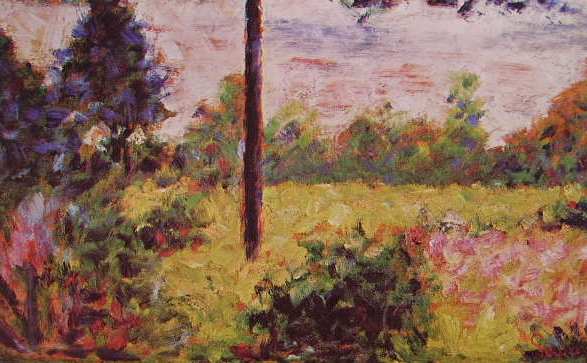 Campos com árvores em BarbizonGeorges Seurat, 1883
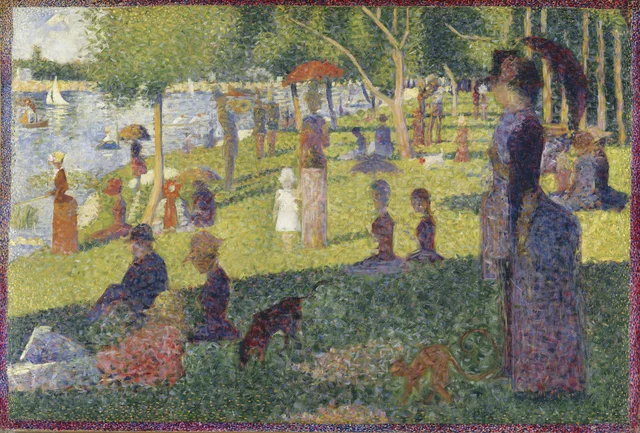 Estudo final para «La Grande Jatte»Georges Seurat, 1884
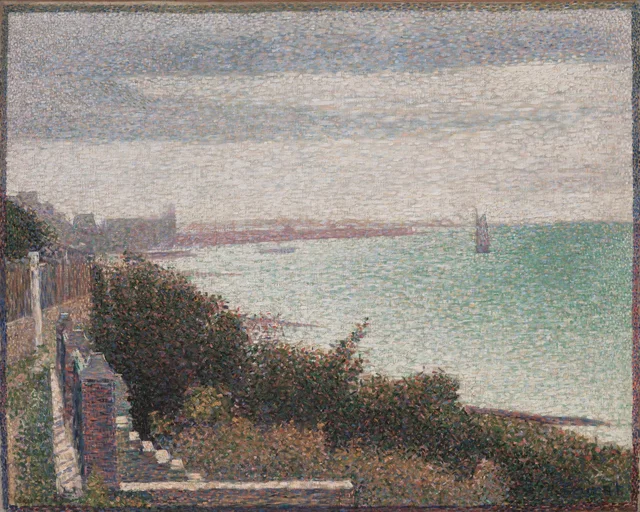 Grandcamp, entardecerGeorges Seurat, 1885
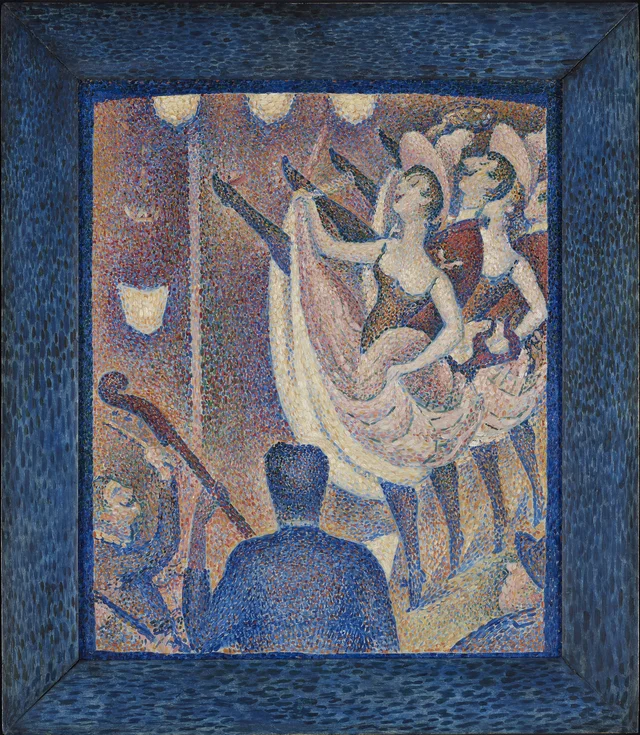 Le Chahut (Estudo I)Georges Seurat, 1889
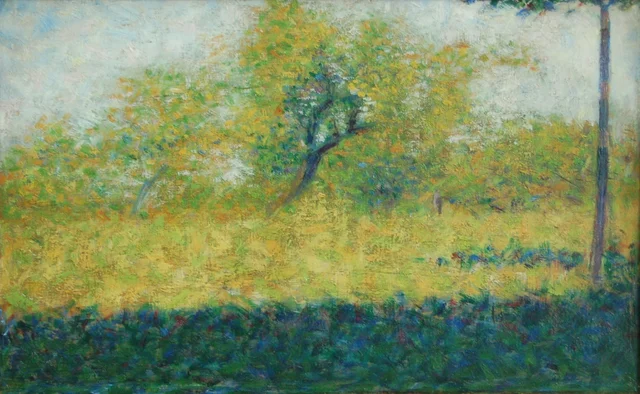 Orla do bosque na primaveraGeorges Seurat, 1882
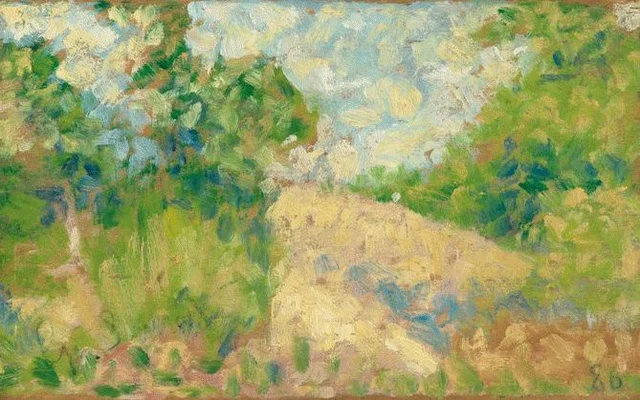 Paisagem rosaGeorges Seurat, 1886
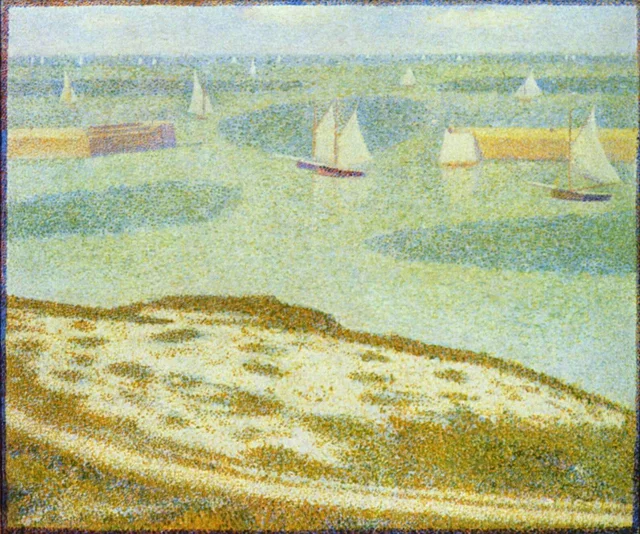 Port-en-Bessin, Entrada do PortoGeorges Seurat, 1888
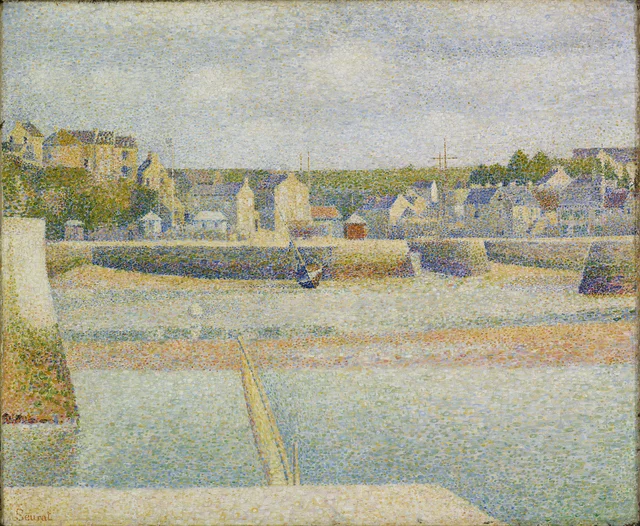 Port-en-Bessin: o porto exterior (maré baixa)Georges Seurat, 1888
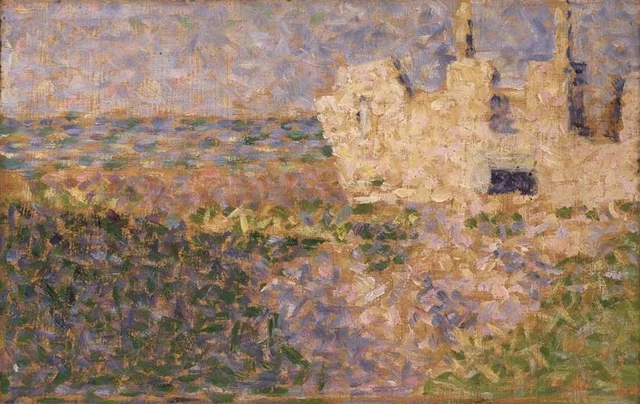 Ruínas em GrandcampGeorges Seurat, 1885
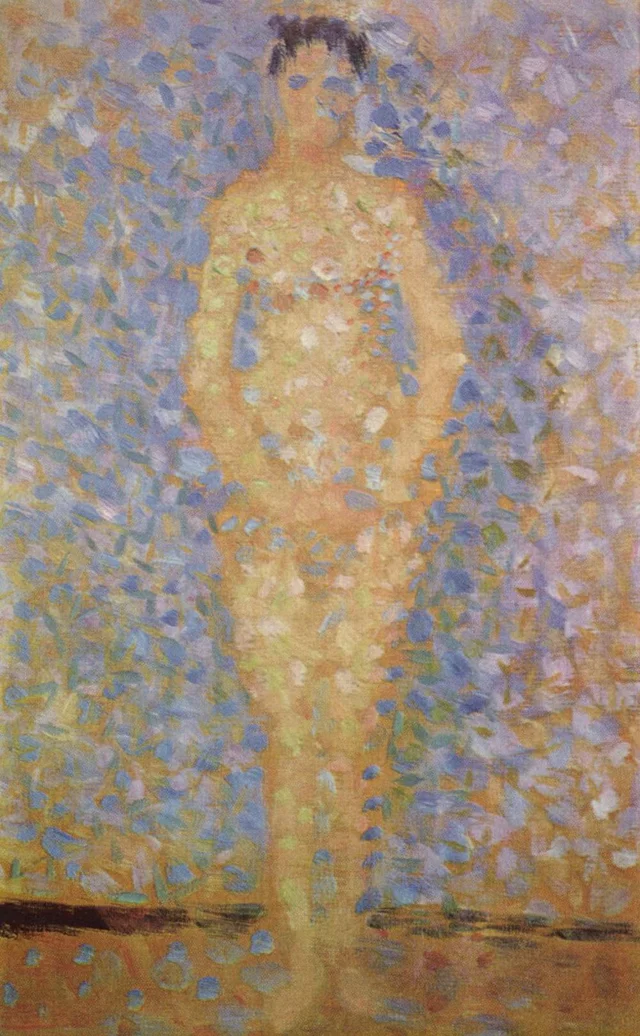 Modelo de Pé, de Frente, Estudo para As ModelosGeorges Seurat, 1886
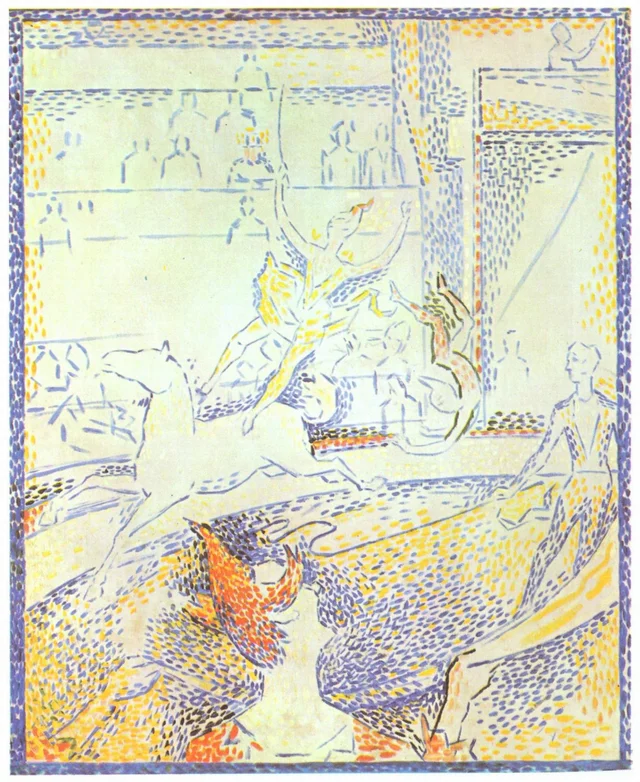 O circo (estudo)Georges Seurat, 1891
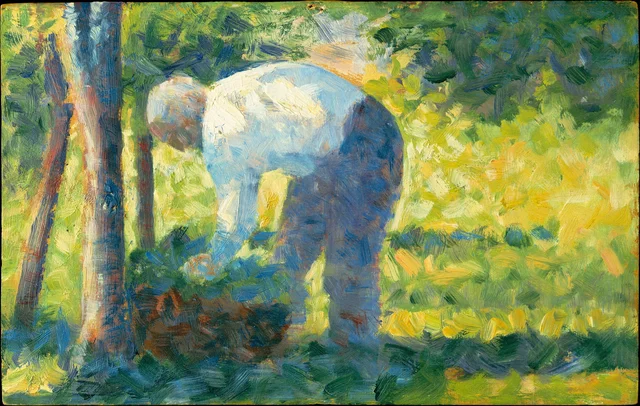 O JardineiroGeorges Seurat, 1882
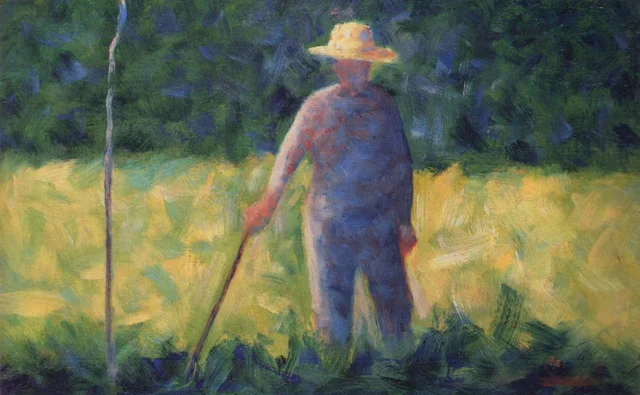 O Jardineiro IGeorges Seurat, 1882
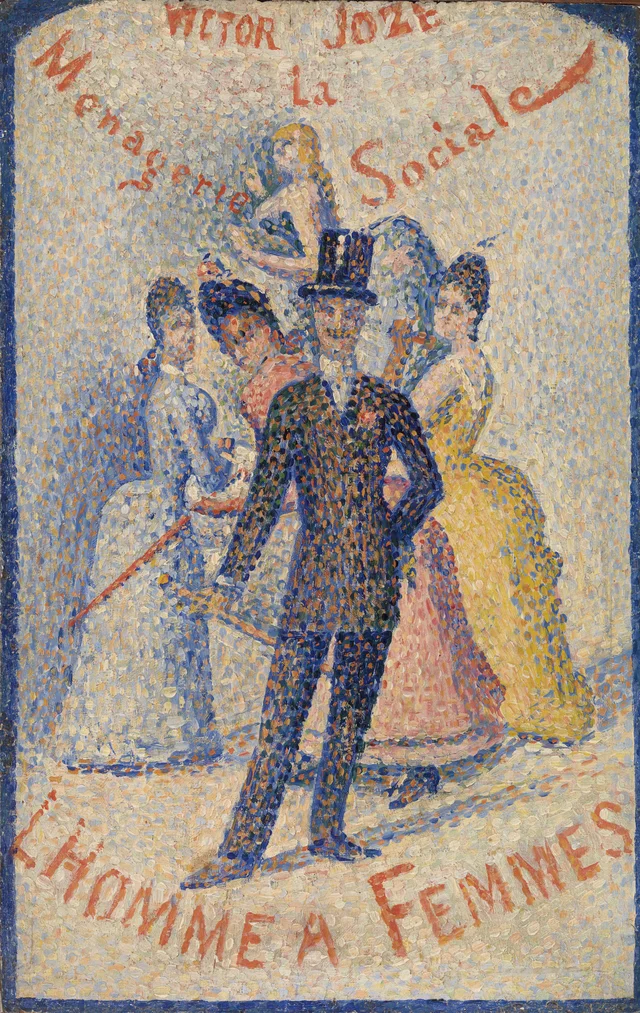 O galanteadorGeorges Seurat, 1889
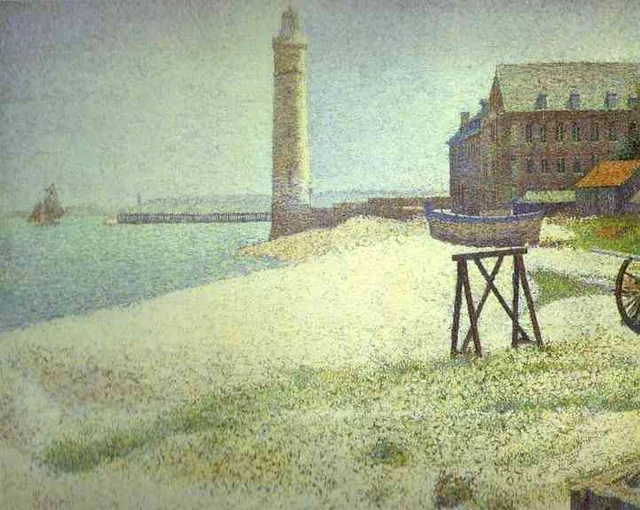 O Farol de HonfleurGeorges Seurat, 1886