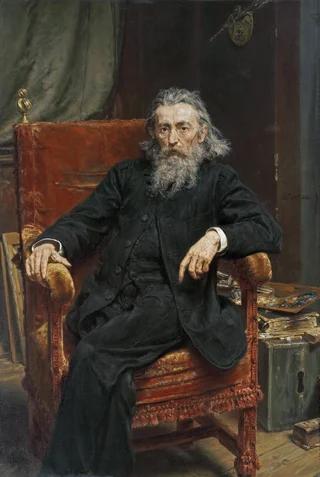
Jan Matejko
1838–1893 · Cidade Livre de Cracóvia · Pintura histórica, Romantismo, Realismo do século XIX
A história
Jan Matejko nasceu em 1838 em Cracóvia, numa Polônia que não existia no mapa. O país fora dividido em três por Rússia, Prússia e Áustria seis décadas antes, e, quando Matejko estava pintando, a maioria de seus compatriotas nunca vivera sob um governo polonês. Ele respondeu a esse apagamento com tamanho. Suas pinturas da história polonesa alcançam uma escala enorme, a Batalha de Grunwald, de 1878, estende-se por quase 10 metros de largura, repleta de reis, cavaleiros e estandartes nomeados de uma vitória de 1410 sobre os Cavaleiros Teutônicos da qual os poloneses ainda podiam se orgulhar, mesmo sem Estado próprio.
Matejko comprimiu décadas numa única tela, inventou encontros que nunca aconteceram e vestiu suas figuras para efeito dramático, e não com trajes documentados, escolhas que historiadores posteriores criticaram. Ainda assim, as pinturas eram reproduzidas constantemente como estampas e cartões-postais, penduradas em lares pelas terras polonesas divididas, fazendo um trabalho que um museu nacional ou um governo nacional não podia fazer na época.
Ele lecionou na Escola de Belas Artes de Cracóvia nas duas últimas décadas de sua vida, formando a geração seguinte de pintores poloneses, e morreu em 1893, sepultado na mesma cidade onde a enorme tela de Grunwald atraíra multidões quinze anos antes.
Obras
56 obras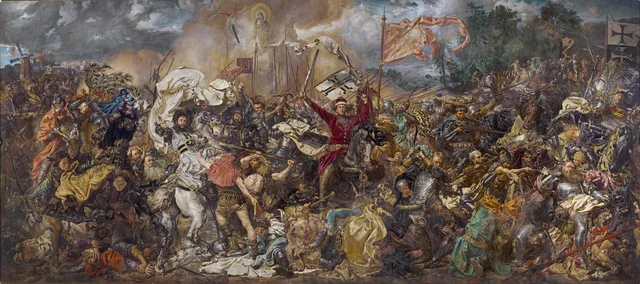 Batalha de GrunwaldJan Matejko, 1878
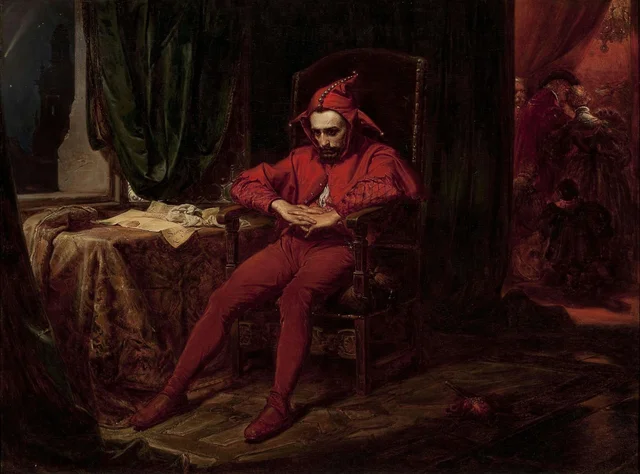 StańczykJan Matejko, 1862
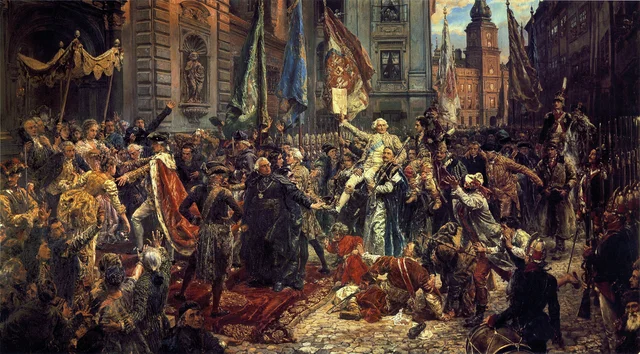 Constituição de 3 de Maio de 1791Jan Matejko, 1891
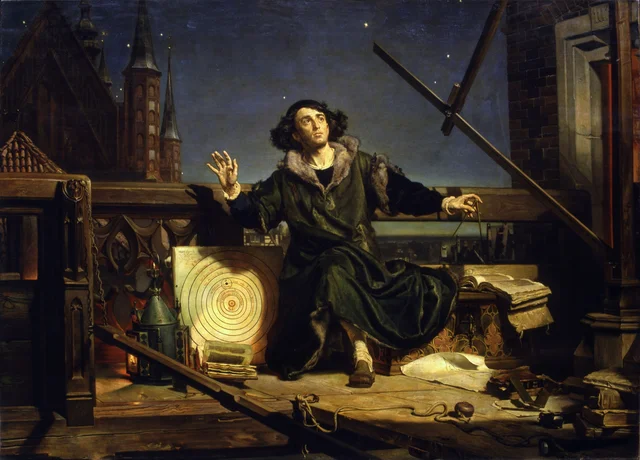 Astrônomo Copérnico, ou Conversas com DeusJan Matejko, 1873
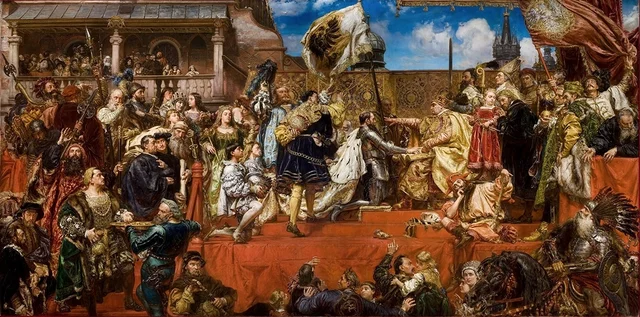 A Homenagem PrussianaJan Matejko, 1879
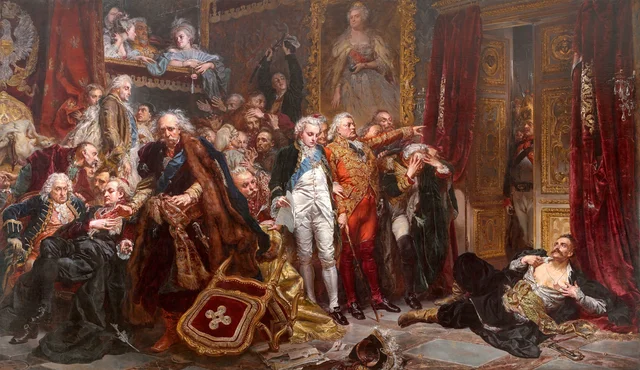 RejtanJan Matejko, 1866
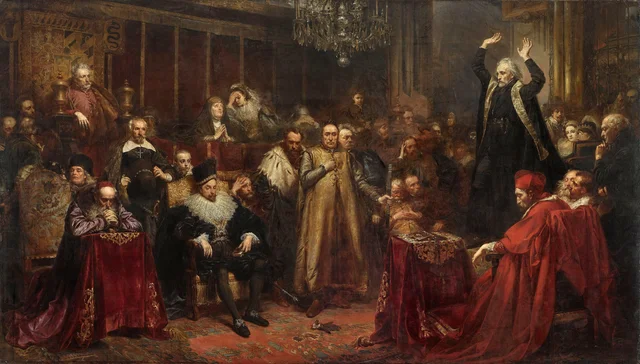 O Sermão de SkargaJan Matejko, 1864
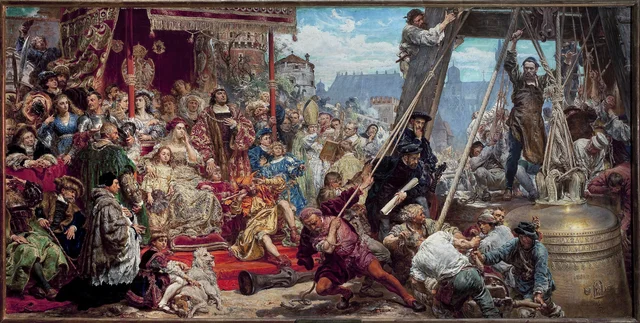 A Instalação do Sino Sigismundo na Torre da Catedral de Cracóvia em 1521Jan Matejko, 1874
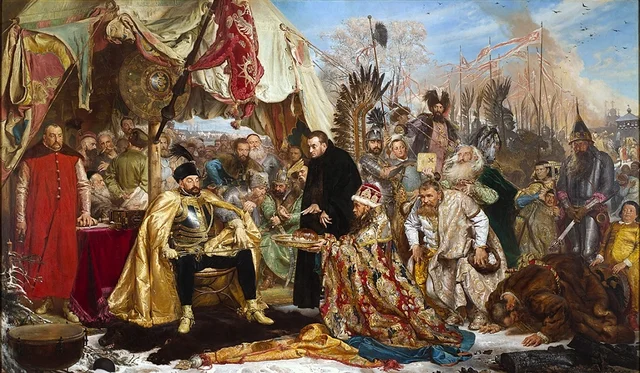 Estêvão Báthory em PskovJan Matejko, 1872
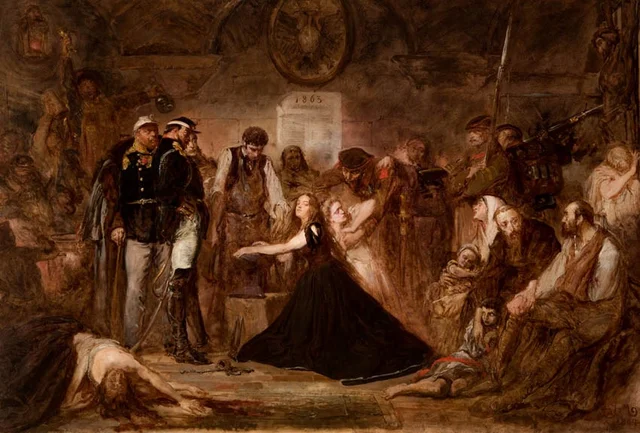 Polônia – O Ano de 1863Jan Matejko, 1864
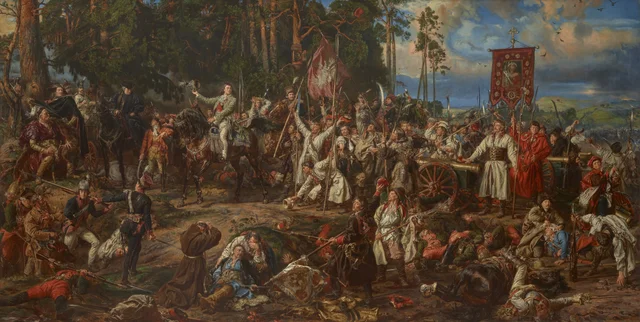 A Batalha de RacławiceJan Matejko, 1888
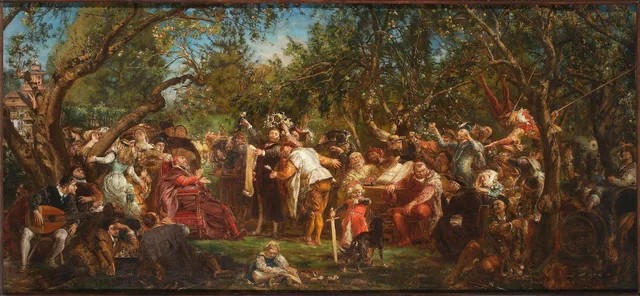 República de BabinJan Matejko, 1881
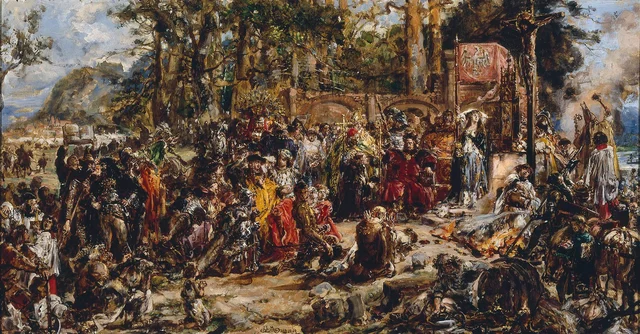 O Batismo da LituâniaJan Matejko, 1888
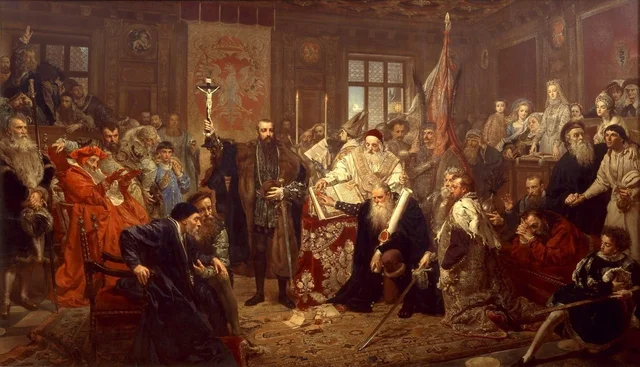 A União de LublinJan Matejko, 1869
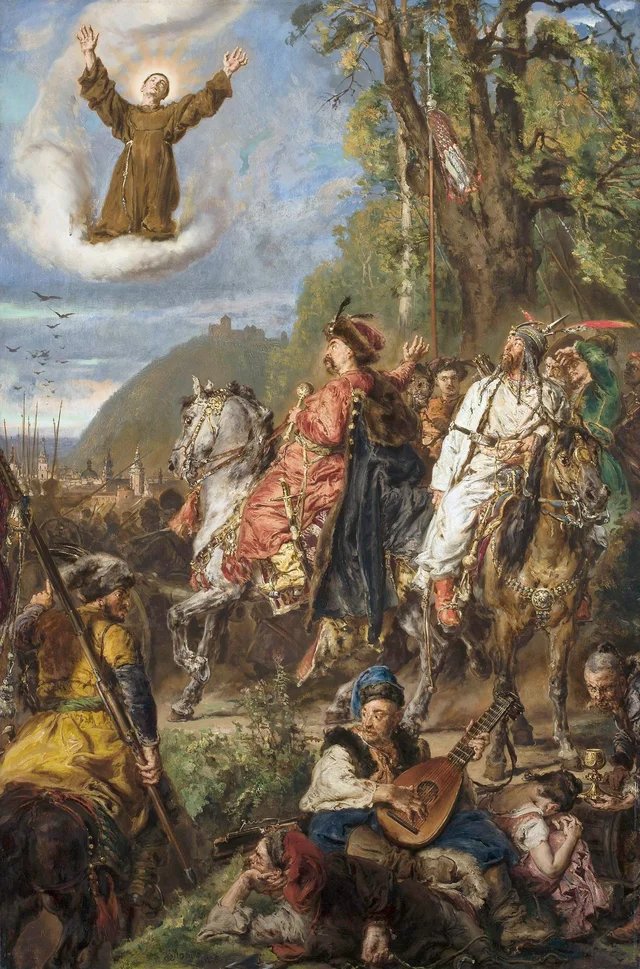 Bohdan Khmelnytsky com Tugay Bey perto de LvivJan Matejko, 1885
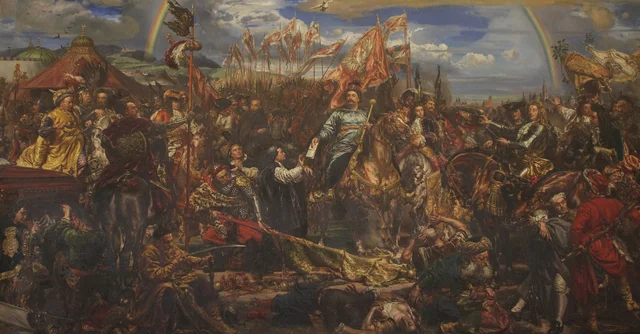 João Sobieski em VienaJan Matejko, 1883
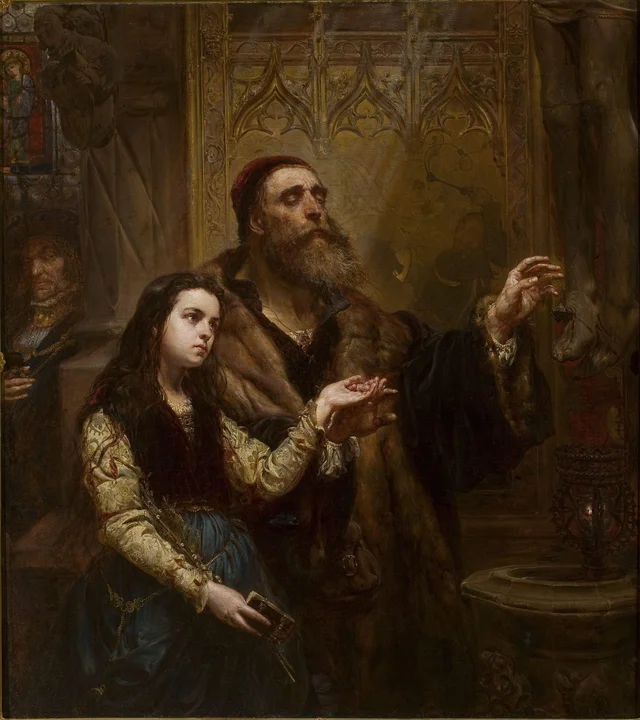 O cego Veit Stoss com a netaJan Matejko, 1865
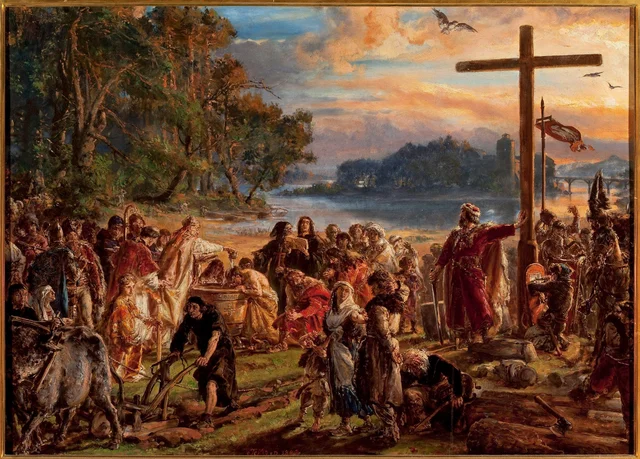 A Introdução do Cristianismo na PolôniaJan Matejko, 1889
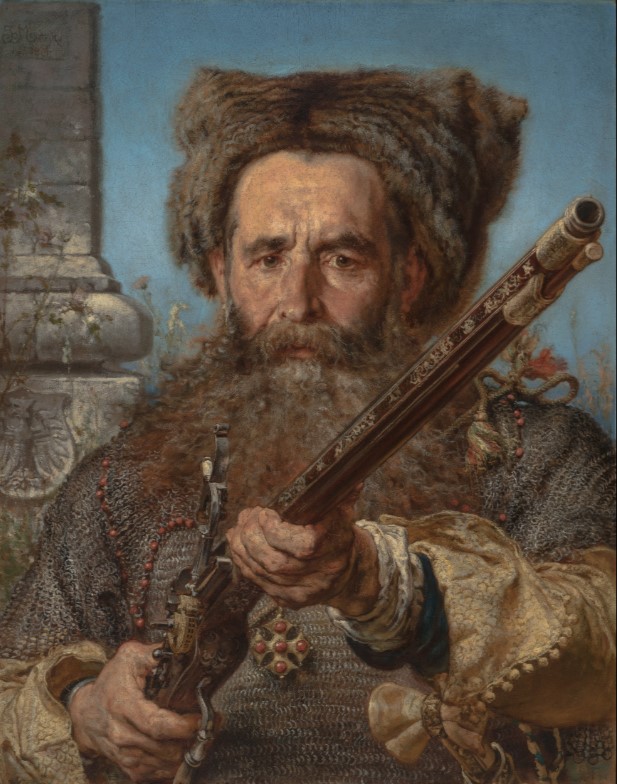 Ostafi Daszkiewicz.Jan Matejko, 1874
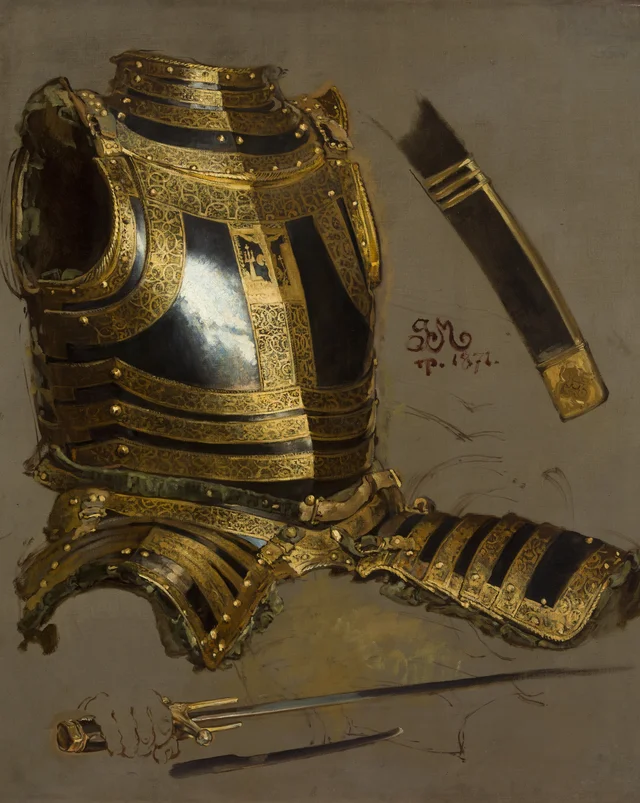 A armadura de Estêvão BáthoryJan Matejko, 1871
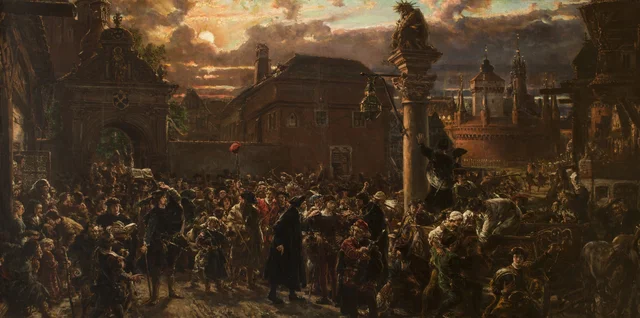 Estudantes deixando Cracóvia em 1549Jan Matejko, 1892
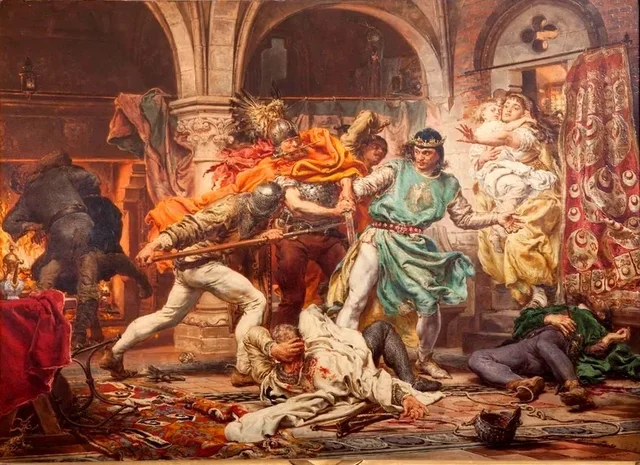 A morte de Przemysł IIJan Matejko, 1875
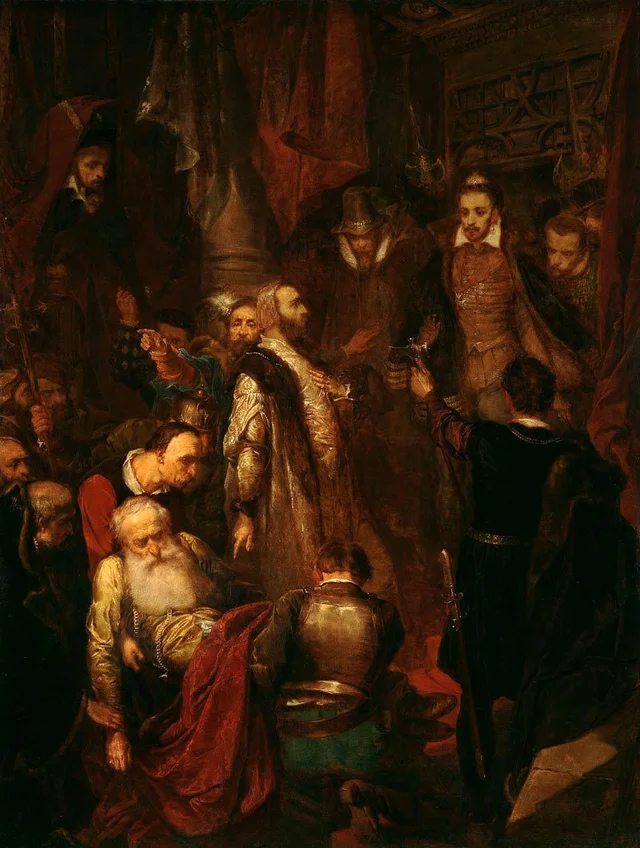 O assassinato de Wapowski durante a coroação de Henrique de ValoisJan Matejko, 1861
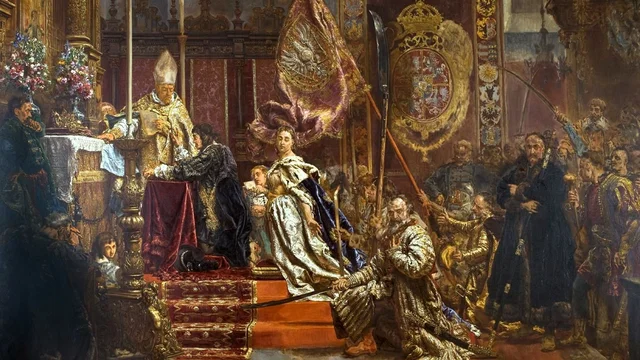 O Juramento de Lviv do rei João II CasimiroJan Matejko, 1893
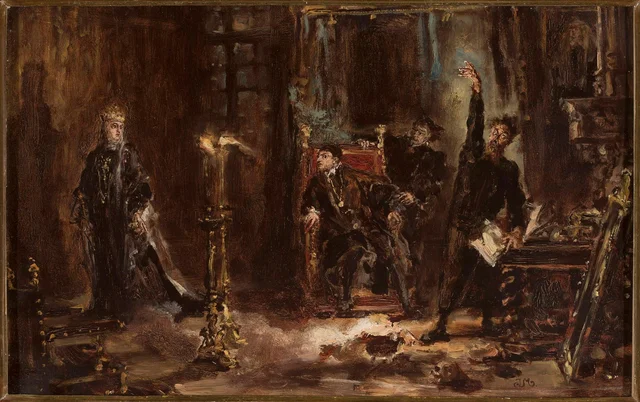 Twardowski invocando o espírito de Bárbara para Sigismundo II Augusto, esboçoJan Matejko, 1884