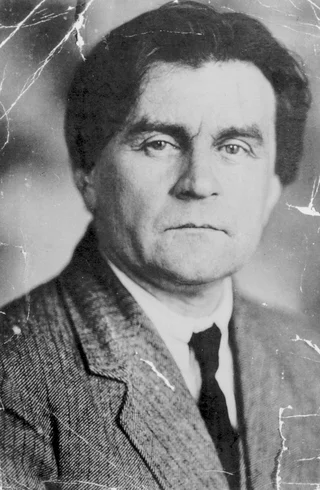
Kazimir Maliévitch
1878–1935 · Império Russo · Suprematismo
A história
Em dezembro de 1915, com a Rússia já dois anos mergulhada numa guerra que estava perdendo e a revolução não muito distante, Malevich pendurou um pequeno quadro de um quadrado preto sobre fundo branco bem alto, no canto de uma galeria em Petrogrado. Aquele canto era, tradicionalmente, onde um lar russo guardava seu ícone sagrado, e todos na sala captaram o gesto. Ele chamou a mostra de 0.10, a última exposição futurista, e argumentou que a pintura precisava ser levada de volta a zero e recomeçada.
Batizou a nova arte de Suprematismo: formas coloridas planas flutuando sobre o branco, respondendo apenas ao sentimento puro, e não a árvores, rostos ou objetos. Por alguns anos depois da revolução de 1917, essa obra radical surfou na onda do momento, e Malevich lecionou, publicou e transformou seus quadrados e cruzes num sistema completo de formas.
Depois a política mudou de rumo. Sob Stalin, o Estado queria um realismo que as pessoas comuns pudessem entender, e a abstração foi empurrada para a margem. Em 1930, Malevich foi preso e interrogado por semanas, e em seus últimos anos voltou a pintar camponeses e retratos reconhecíveis, embora costumasse esconder um pequeno quadrado preto como assinatura particular. Quando morreu, em 1935, seus amigos o velaram sob um quadrado preto e marcaram seu túmulo com outro.
Obras
26 obras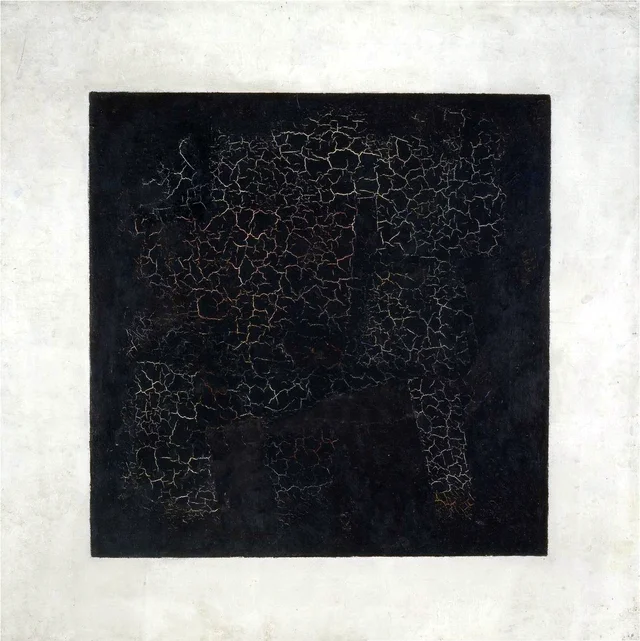 Quadrado Negro (1915)Kazimir Maliévitch, 1915
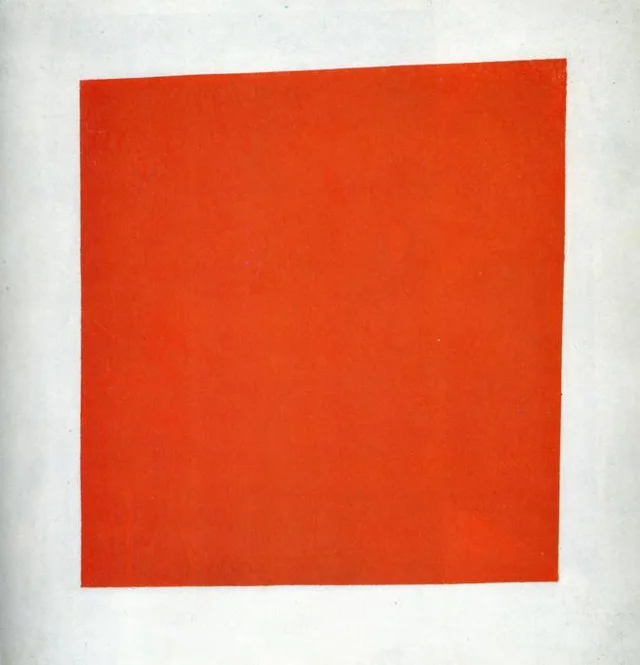 Quadrado vermelhoKazimir Maliévitch, 1915
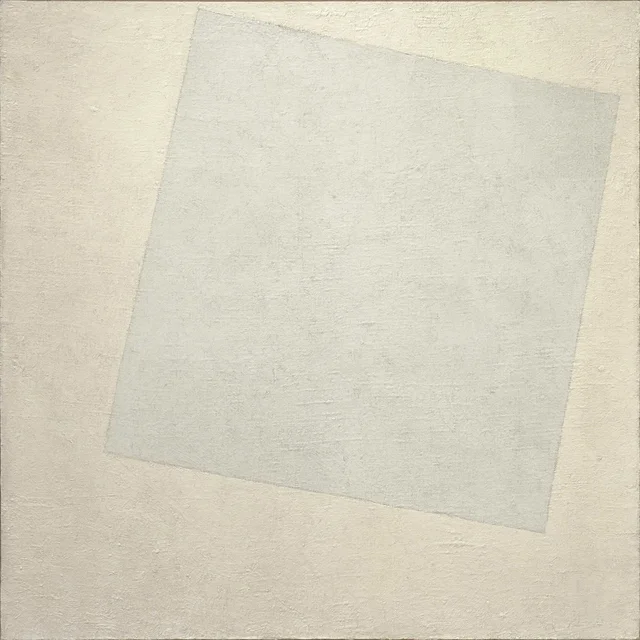 Branco sobre brancoKazimir Maliévitch, 1918
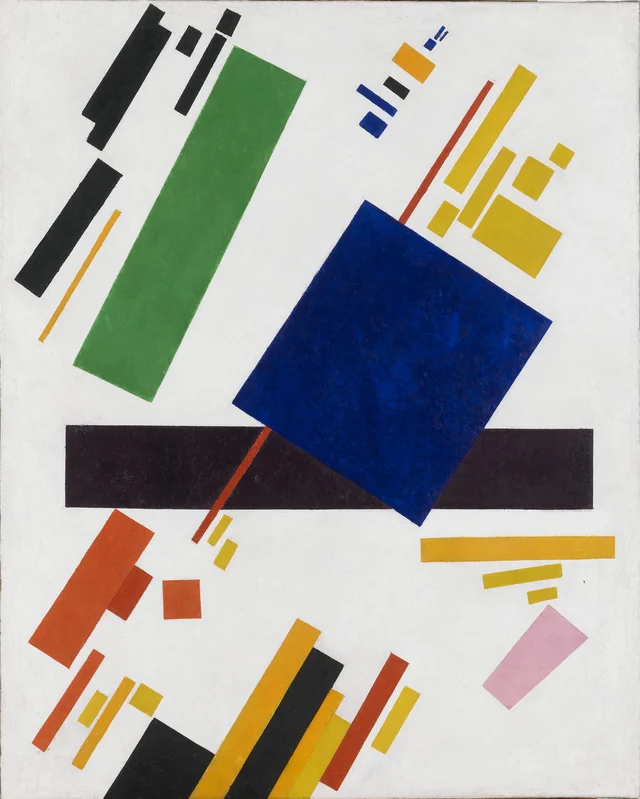 Composição SuprematistaKazimir Maliévitch, 1916
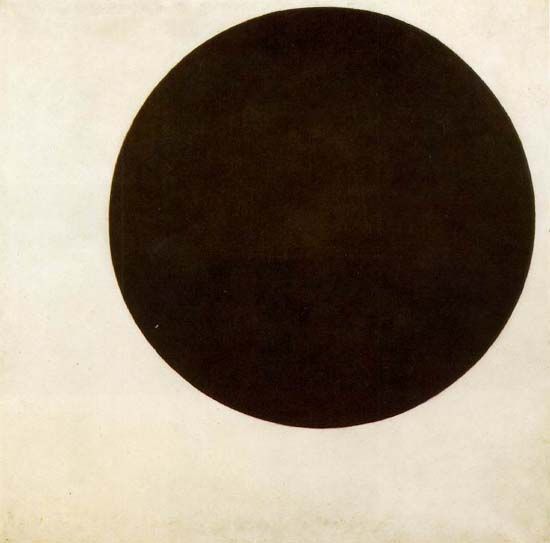 Círculo pretoKazimir Maliévitch, 1924
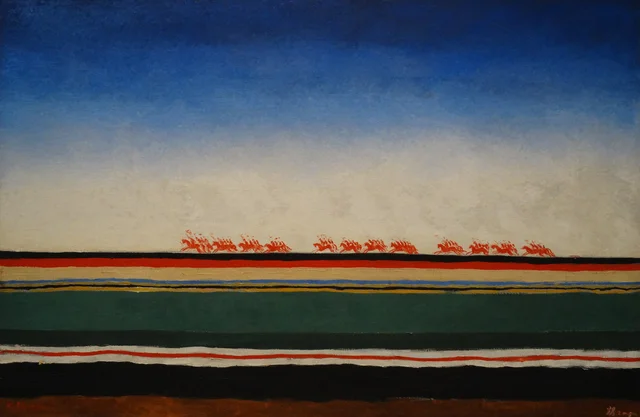 A Cavalaria VermelhaKazimir Maliévitch, 1932
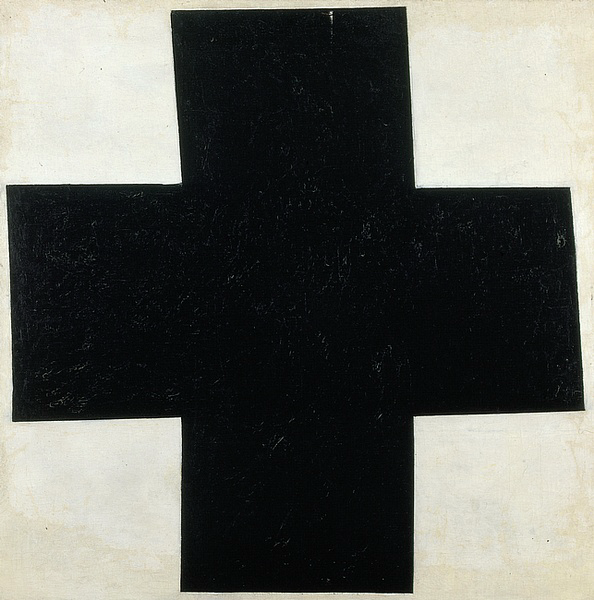 Cruz NegraKazimir Maliévitch, 1915
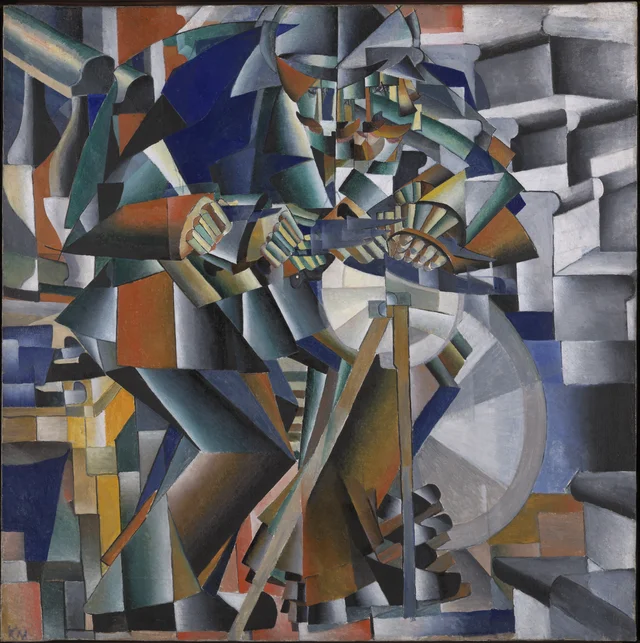 O amoladorKazimir Maliévitch, 1912
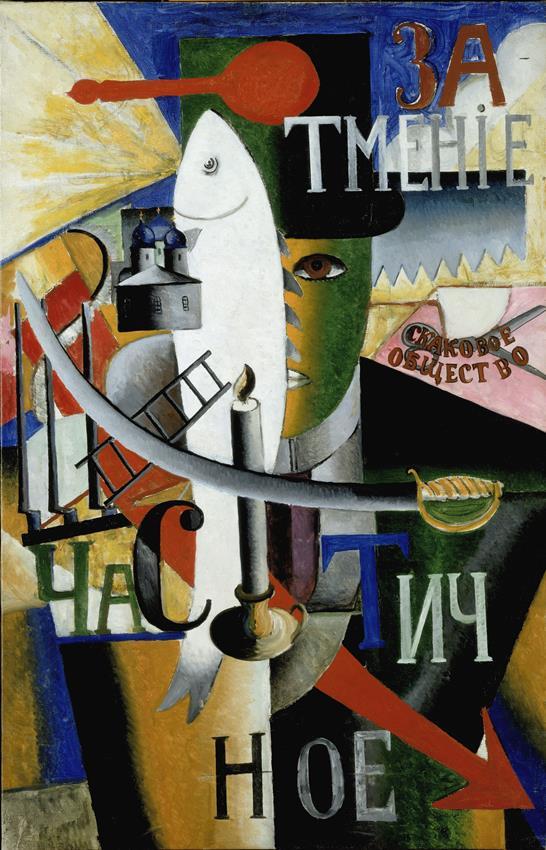 Um inglês em MoscouKazimir Maliévitch, 1914
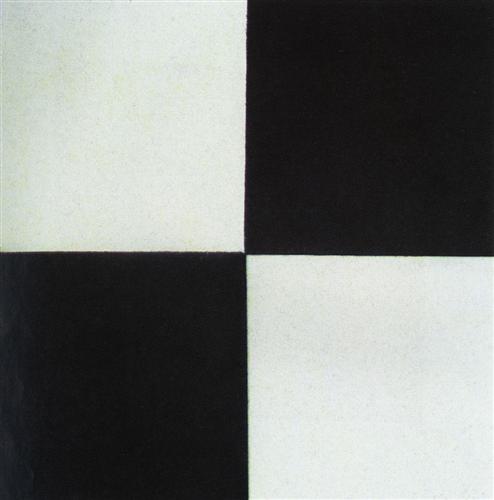 Quatro quadradosKazimir Maliévitch, 1915
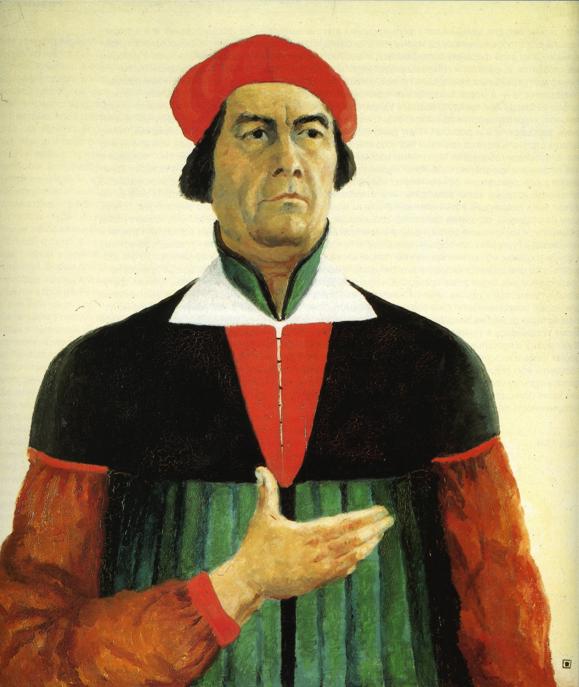 AutorretratoKazimir Maliévitch, 1933
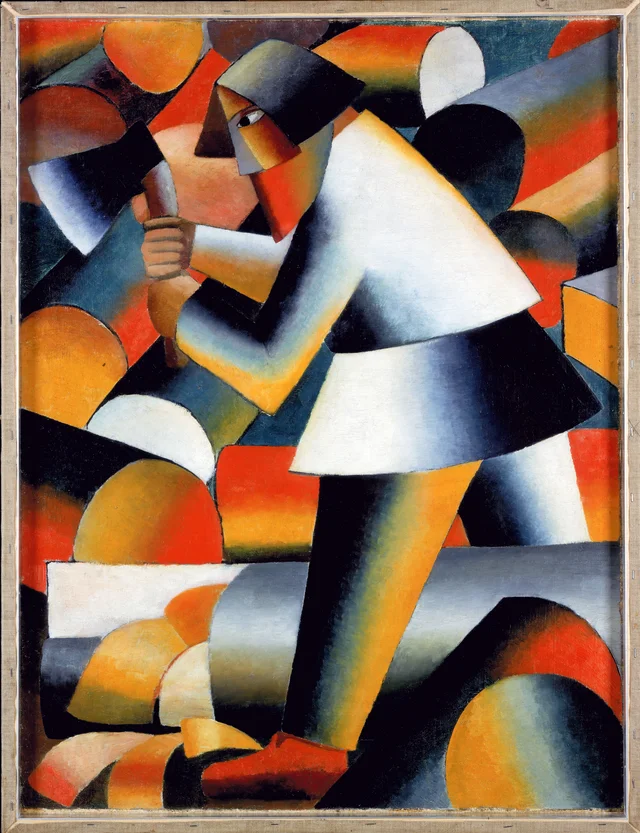 O LenhadorKazimir Maliévitch, 1912
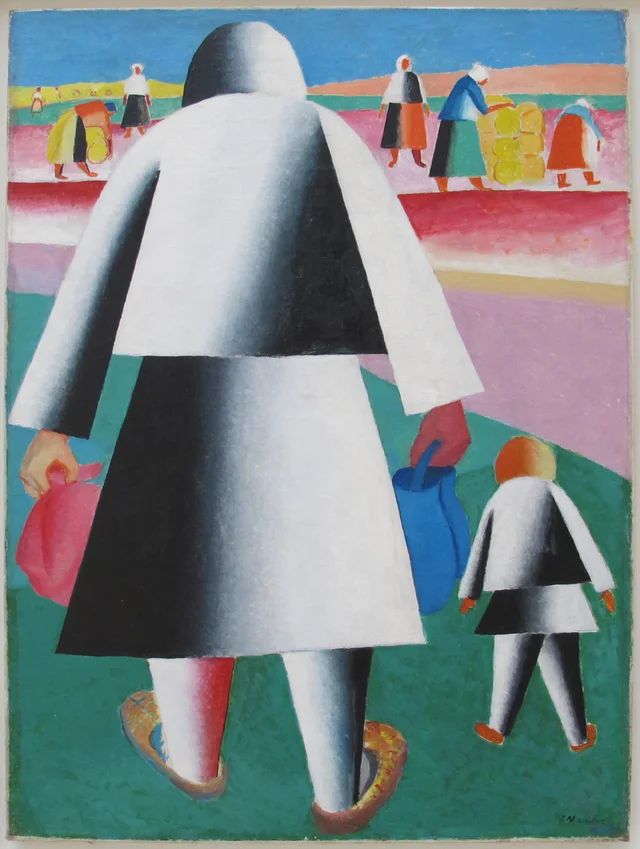 Ao Campo II (Marthe e Jeannot)Kazimir Maliévitch, 1929
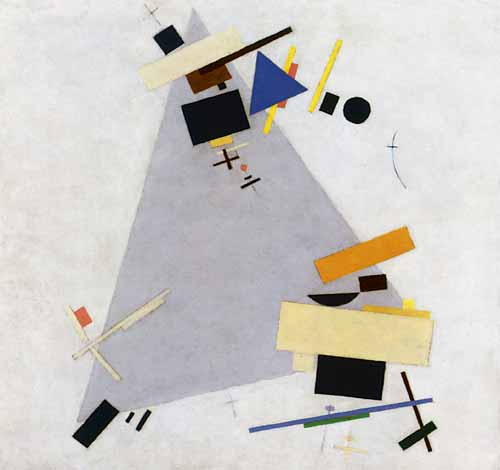 Suprematismo DinâmicoKazimir Maliévitch, 1915
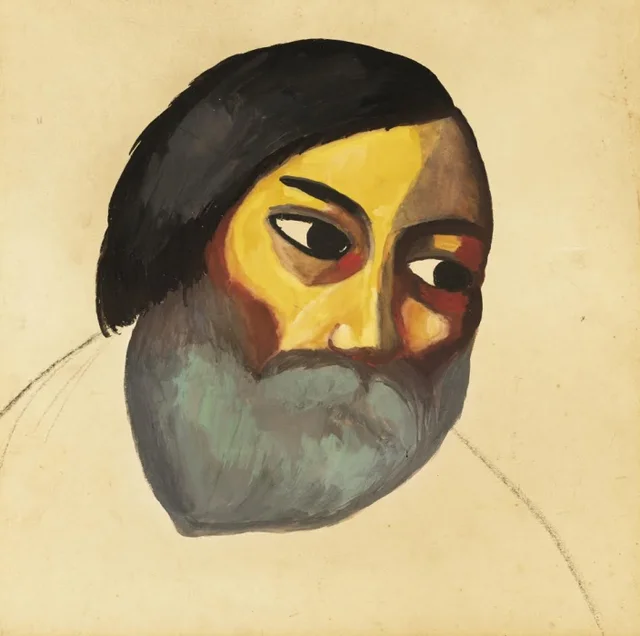 Cabeça de CamponêsKazimir Maliévitch, 1911
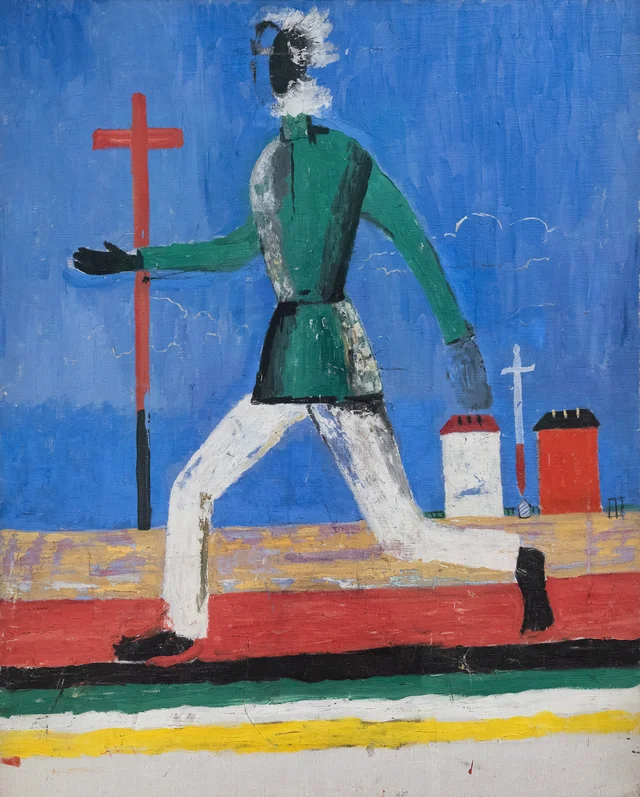 Sensação de perigoKazimir Maliévitch, 1930
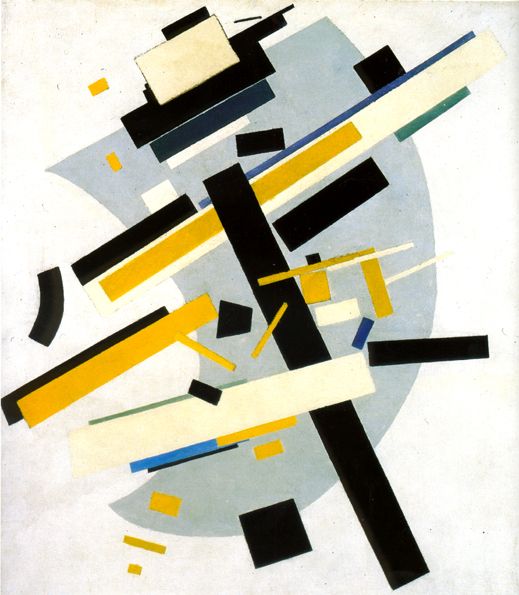 Supremus nº 58: amarelo e pretoKazimir Maliévitch, 1916
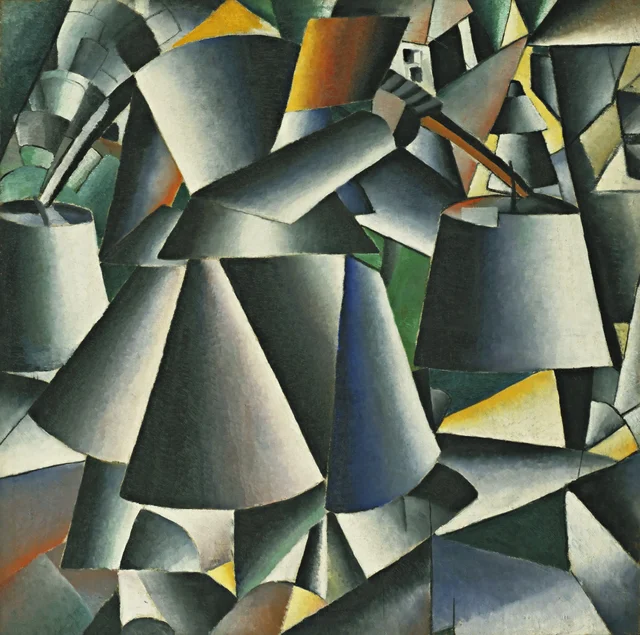 Mulher com baldes: composição dinâmicaKazimir Maliévitch, 1912
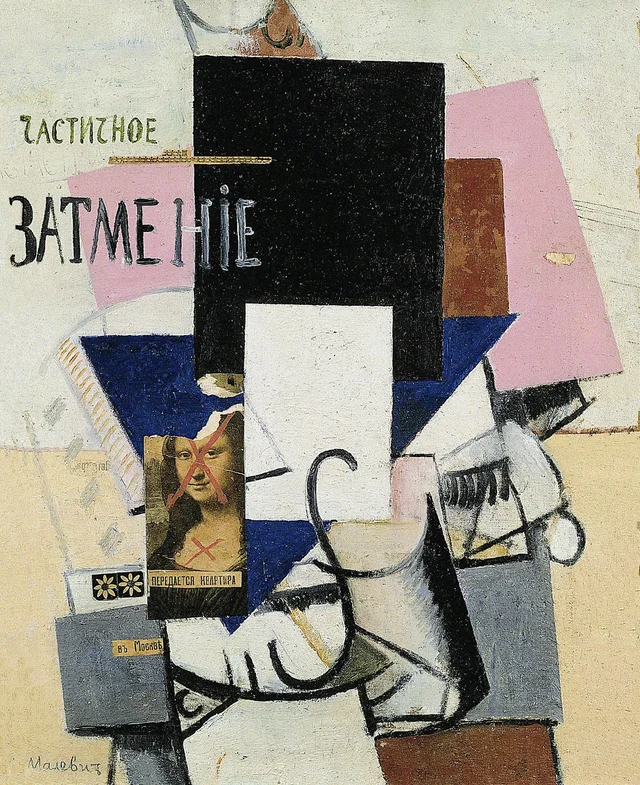 Eclipse ParcialKazimir Maliévitch, 1914
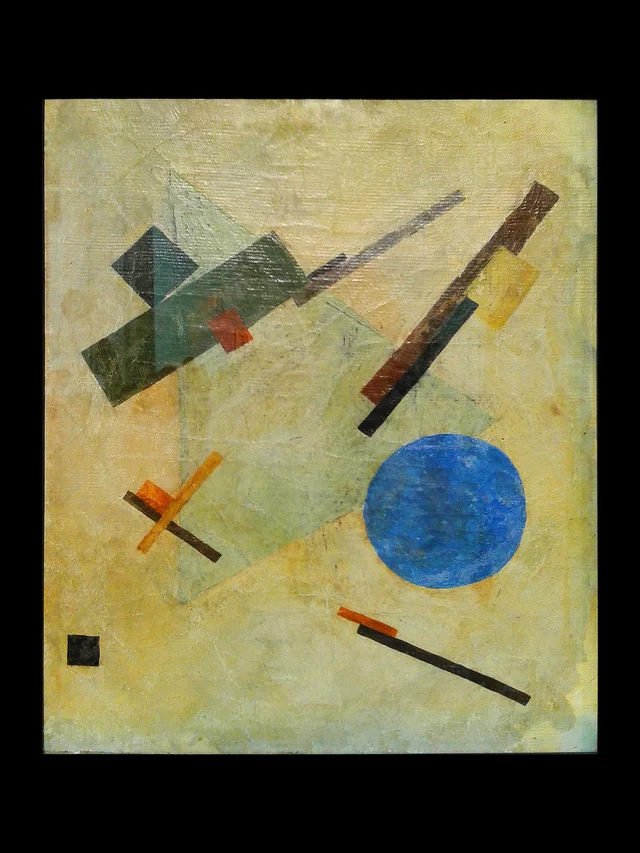 Composição suprematista 1Kazimir Maliévitch, 1916
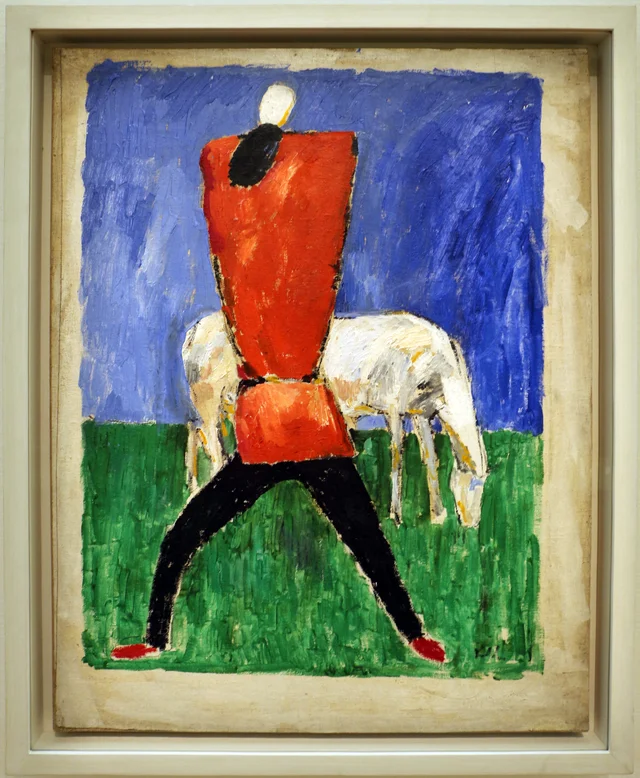 O cavalo brancoKazimir Maliévitch, 1930
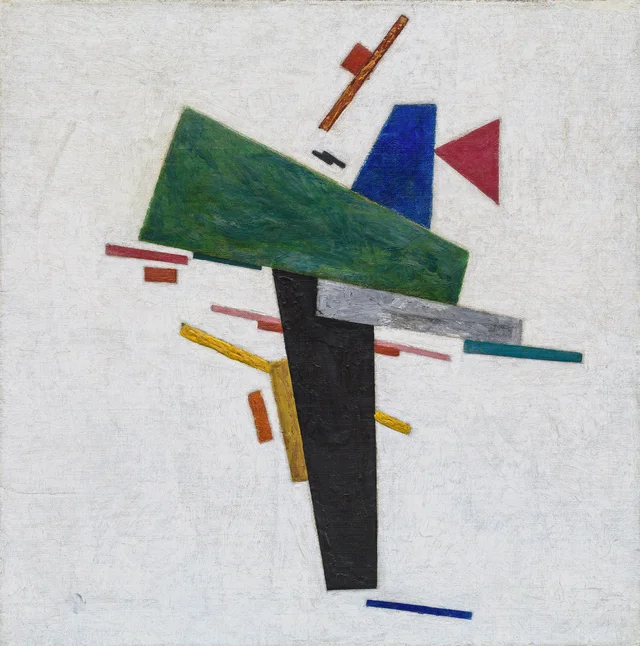 Sem títuloKazimir Maliévitch, 1916
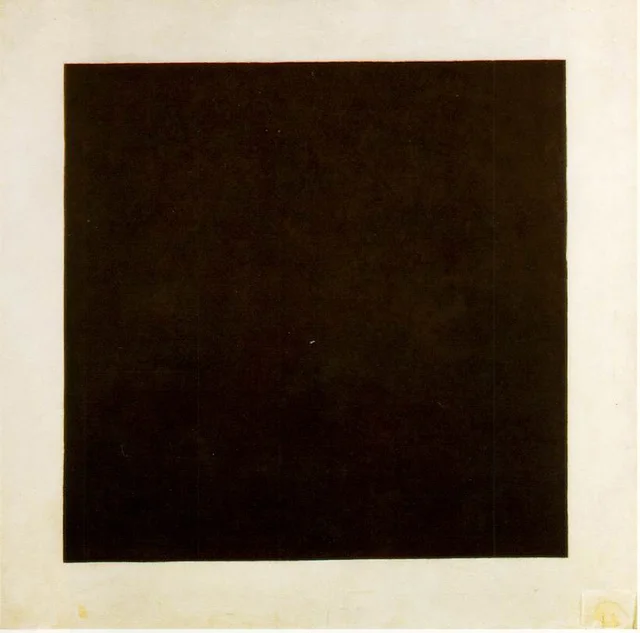 Quadrado negro (1924)Kazimir Maliévitch, 1924
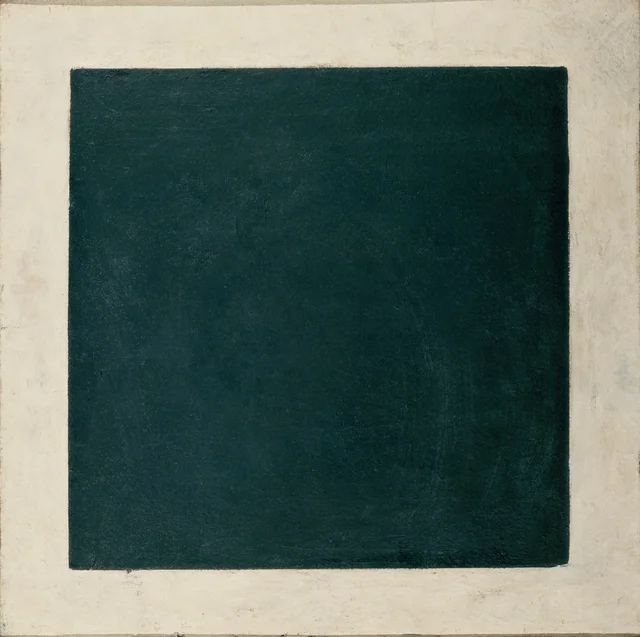 Quadrado Negro (1930)Kazimir Maliévitch, 1930
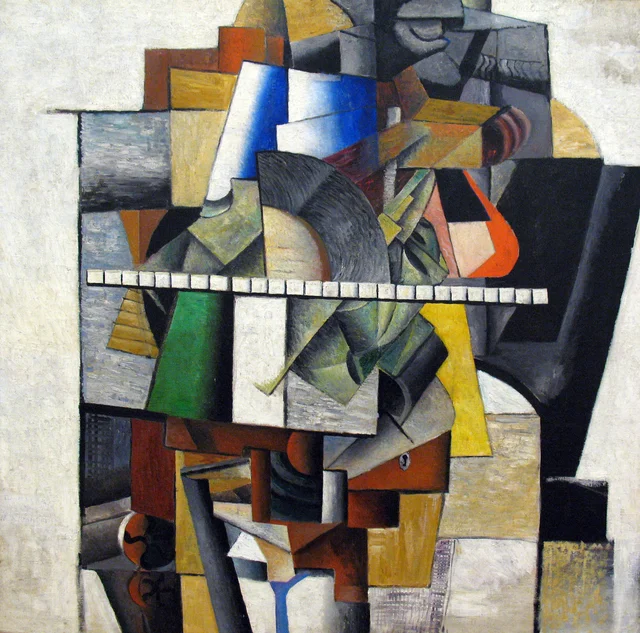 Retrato de Mikhail MatiushinKazimir Maliévitch, 1913