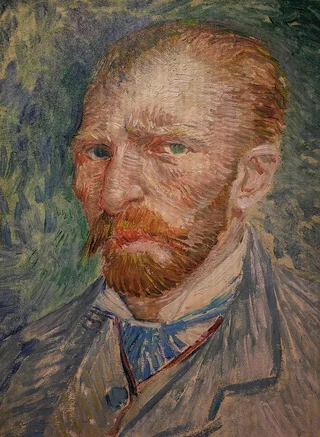
Vincent van Gogh
1853–1890 · Reino dos Países Baixos · Pós-impressionismo
A história
Vincent van Gogh chegou tarde à pintura e trabalhou por pouco mais de dez anos. Antes disso, tentou ser marchand, professor, balconista de livraria e pregador leigo entre os mineiros de carvão do Borinage, na Bélgica, e de todos esses ofícios saiu ou foi demitido. Pegou o pincel a sério por volta dos 27 anos, e tudo o que hoje entendemos por Van Gogh cabe numa única década.
Por quase todo esse tempo, foi sustentado pelo irmão mais novo, Theo, marchand em Paris. Theo mandava dinheiro e tintas e recebia cartas de volta, centenas delas, em que Vincent comentava cada quadro que estava fazendo. As primeiras telas eram escuras e camponesas, como Os Comedores de Batata. Depois veio Paris, os impressionistas, e uma paleta que de repente pegou fogo em cores.
Em 1888 foi para o sul, para Arles, sonhando em reunir ao redor de si uma pequena colônia de pintores. Paul Gauguin atendeu ao chamado, mas dois homens difíceis vivendo juntos se desentenderam depressa, e tudo terminou na noite de dezembro em que Van Gogh cortou parte da própria orelha. Depois veio o asilo de Saint-Rémy, onde pintou A Noite Estrelada, e a cidade de Auvers-sur-Oise, sob os cuidados do doutor Gachet. No verão de 1890, aos 37 anos, deu um tiro no próprio peito e morreu dois dias depois.
Quase ninguém comprou seu trabalho em vida. Naquela única década deixou mais de 2.000 obras, cerca de 860 delas em óleo, e vendeu apenas um punhado. Theo sobreviveu a ele por meros seis meses. Quem finalmente tornou Van Gogh famoso foi a viúva de Theo, Johanna van Gogh-Bonger, que passou anos organizando exposições e foi a primeira a publicar suas cartas.
Mais artigos
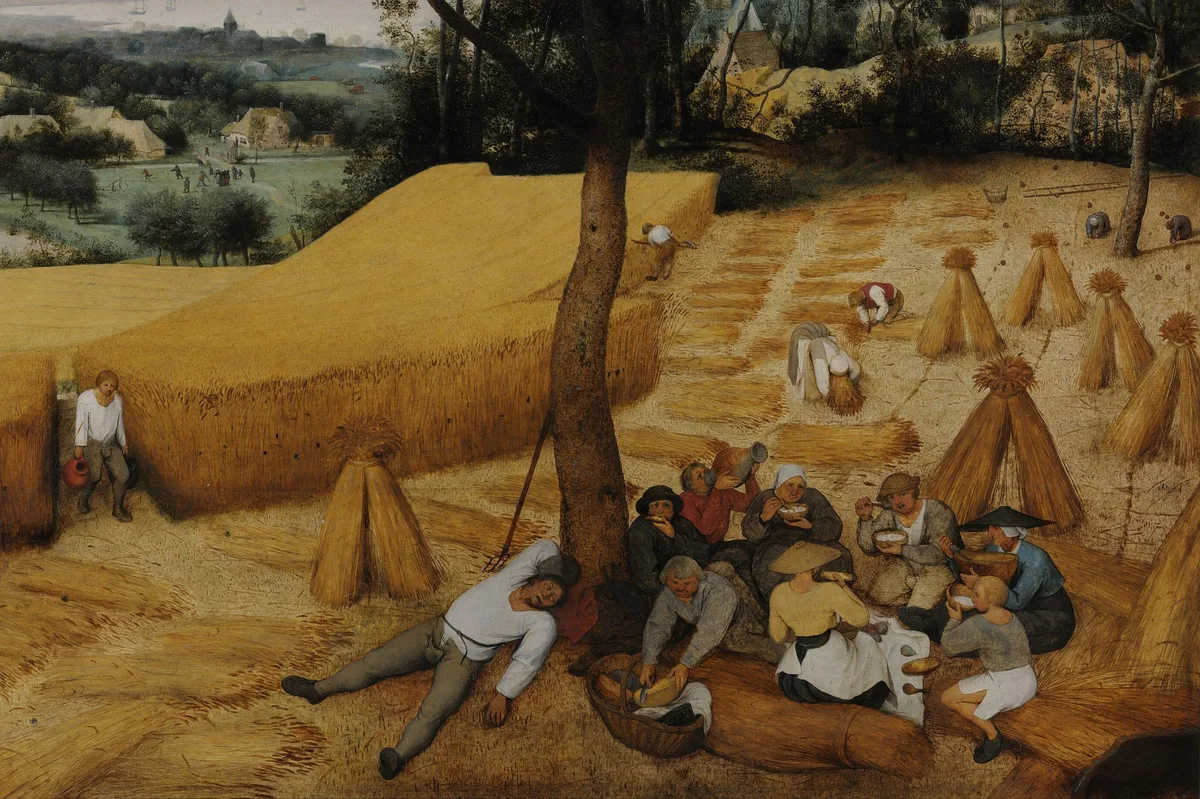 Artigo · 30 min de leituraO que ver no Met: 15 obras imperdíveis
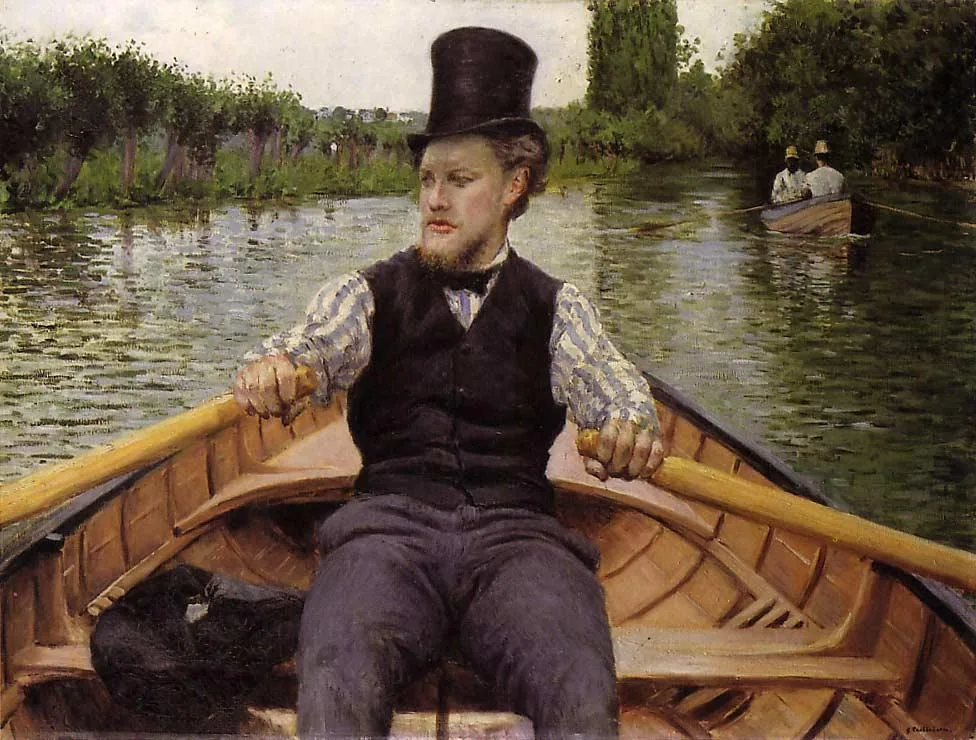 Artigo · 48 min de leituraMuseu d'Orsay: do Cabanel comprado por Napoleão III ao Caillebotte de 43 milhões
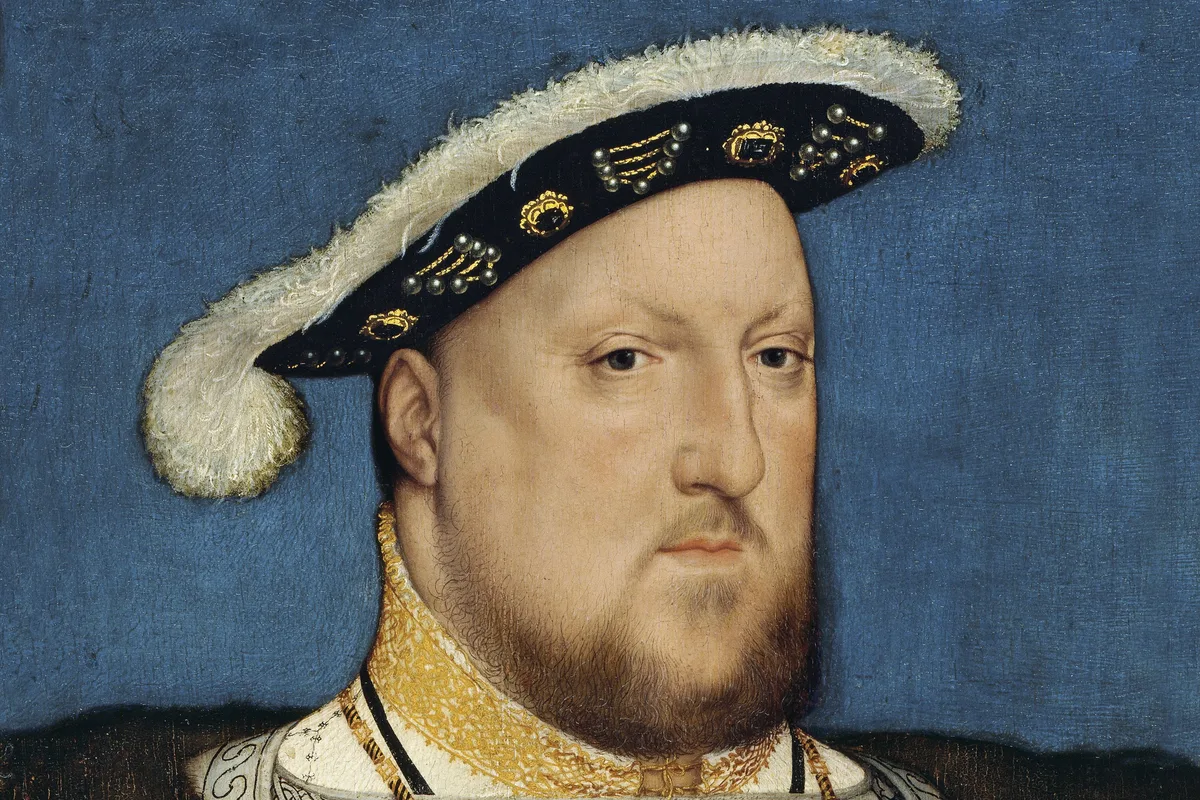 Artigo · 41 min de leituraMuseu Thyssen-Bornemisza: 20 quadros comprados por pai e filho
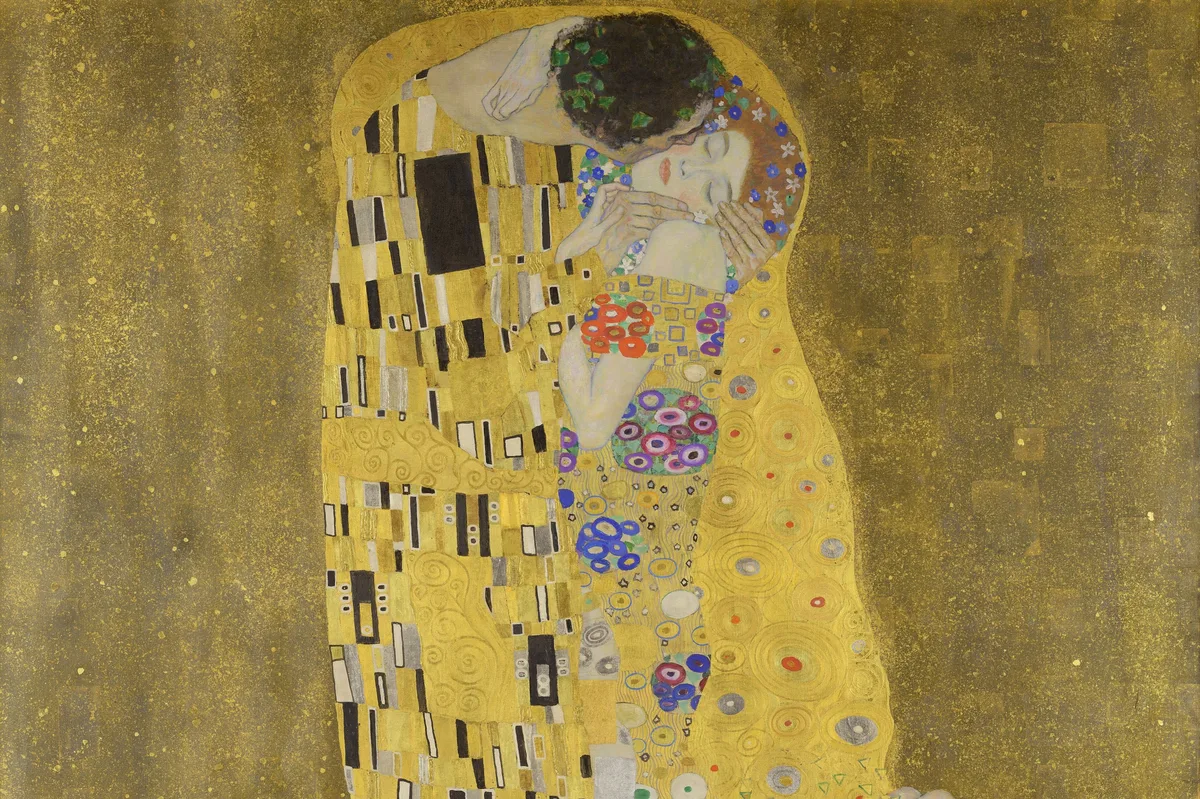 Artigo · 31 min de leituraBelvedere: do altar de Pacher ao caso Amalie Zuckerkandl
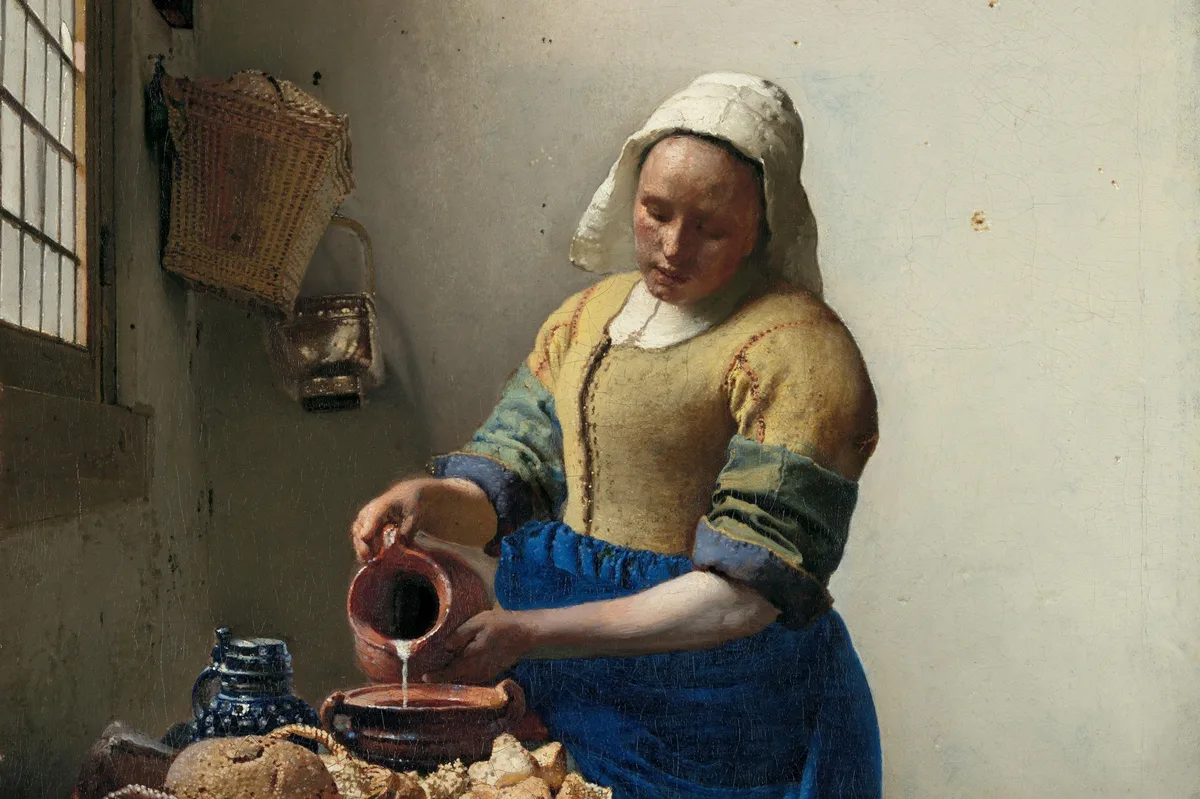 Artigo · 56 min de leituraO Rijksmuseum de Amsterdã: 25 obras e seus donos
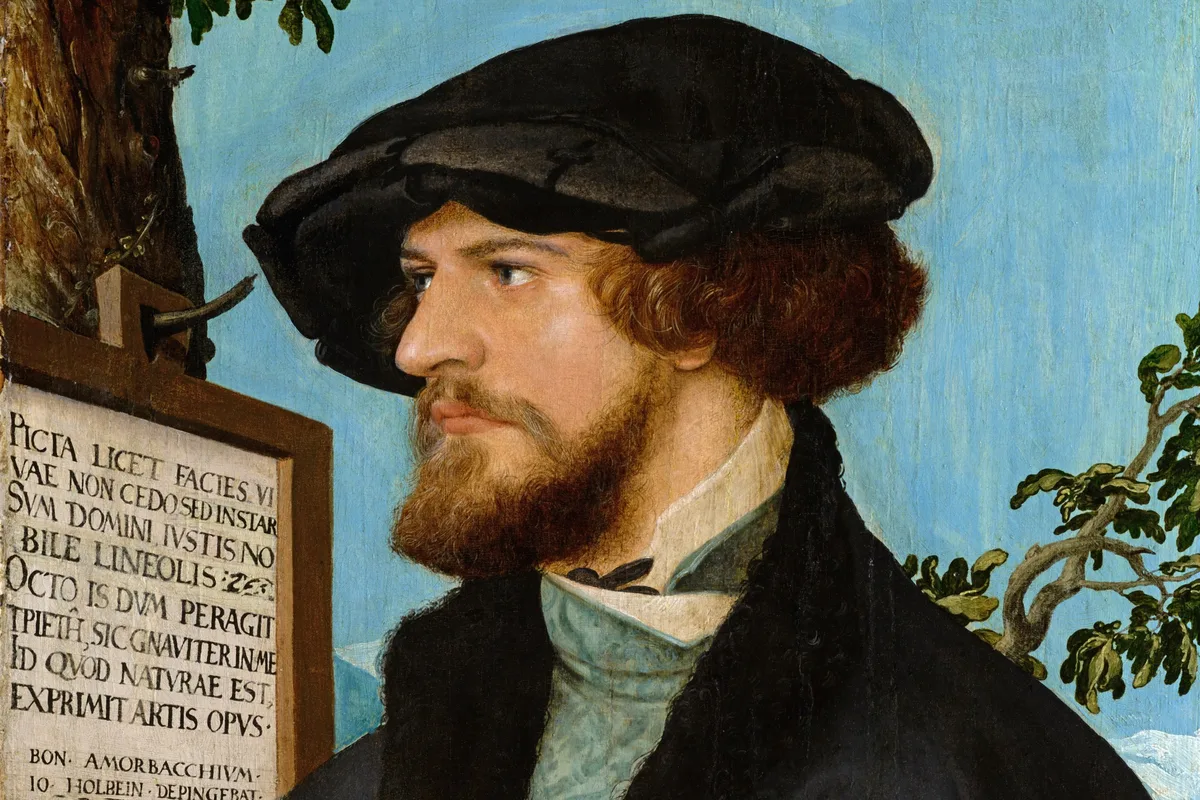 Artigo · 40 min de leituraO Kunstmuseum de Basileia: da compra dos Amerbach ao caso da “Musa”, 1661–2023
Obras
779 obras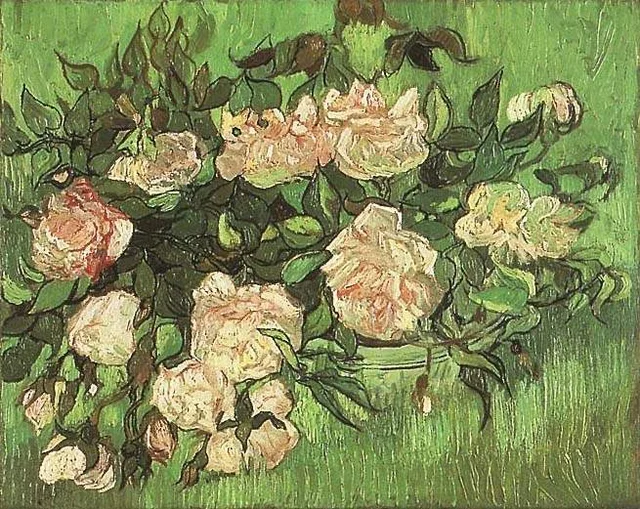 Rosas cor-de-rosaVincent van Gogh, 1890
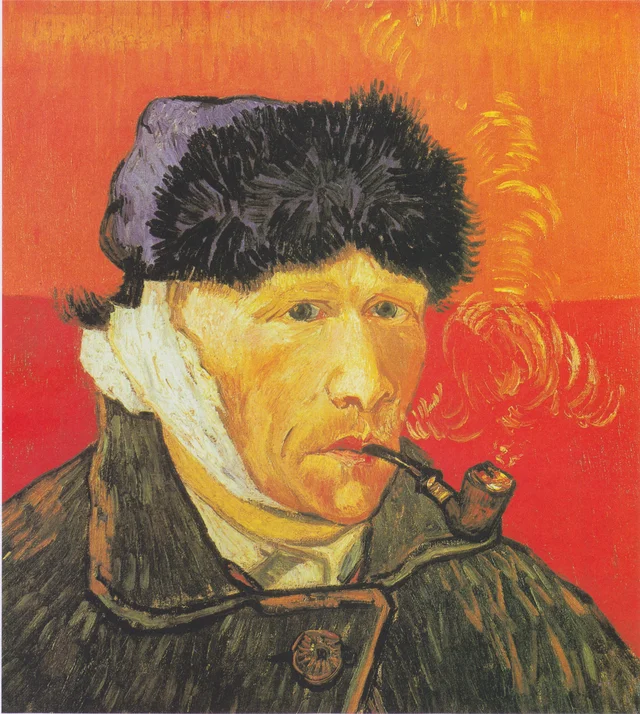 Autorretrato com a orelha enfaixadaVincent van Gogh, 1889
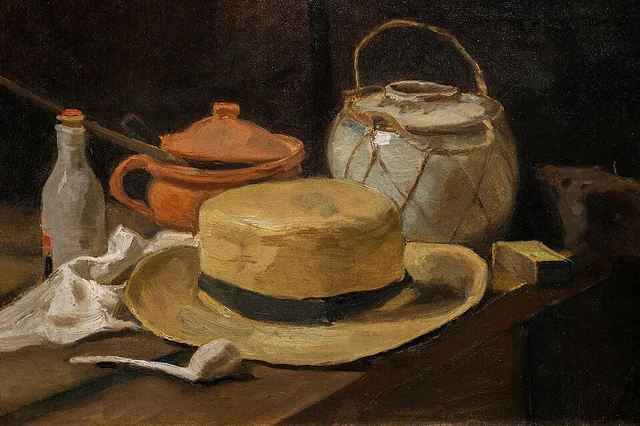 Natureza-morta com chapéu de palhaVincent van Gogh, 1885
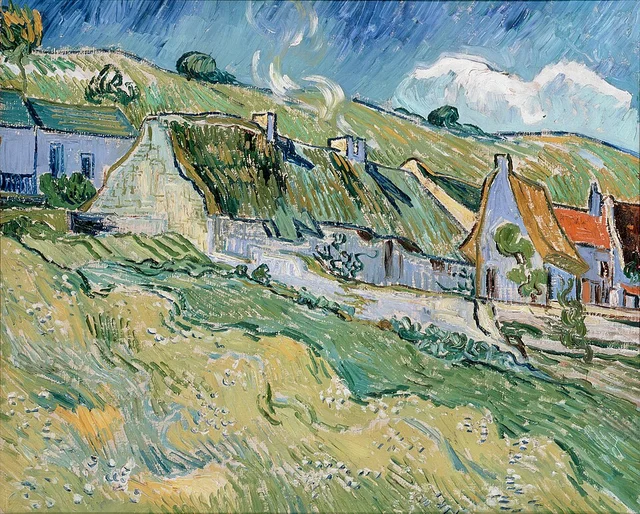 Casebres e casas com telhado de palhaVincent van Gogh, 1890
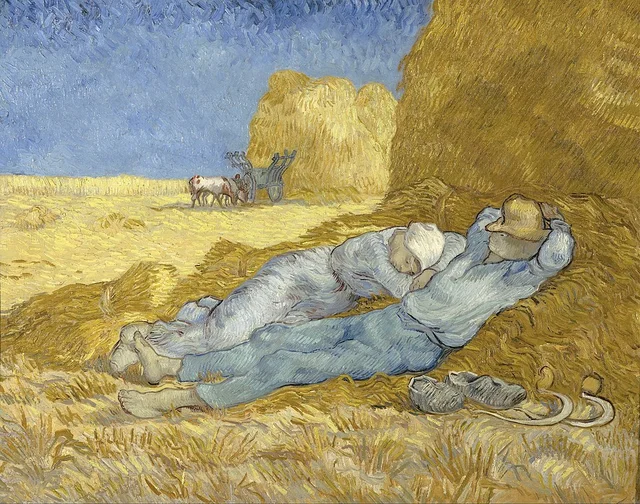 A sesta (segundo Millet)Vincent van Gogh, 1890
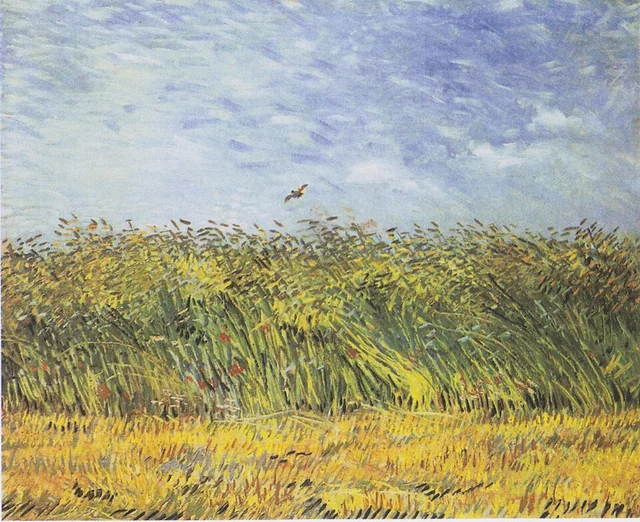 Campo de trigo com cotoviaVincent van Gogh, 1887
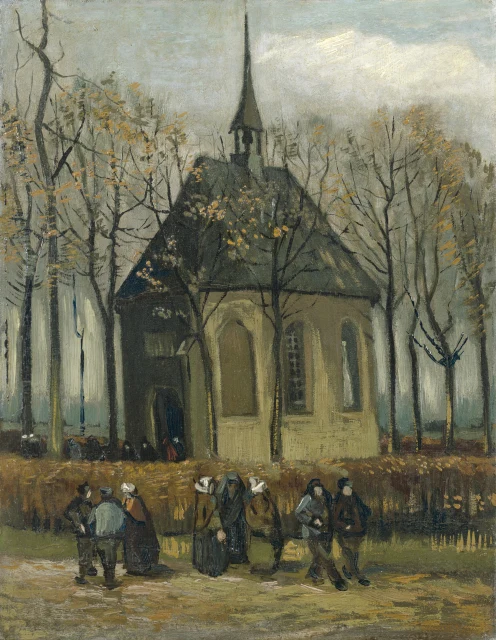 Fiéis Saindo da Igreja Reformada de NuenenVincent van Gogh, 1884
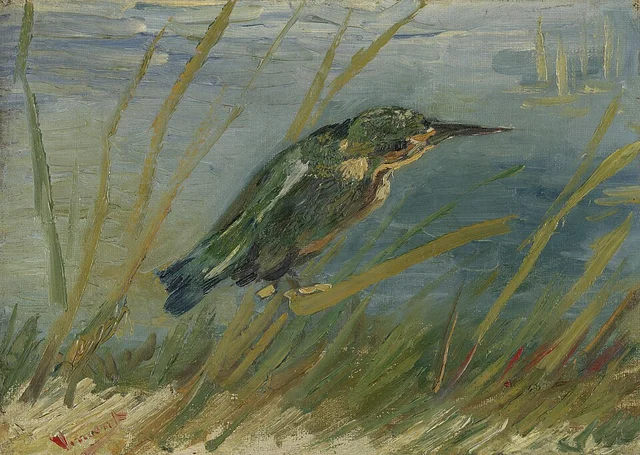 Martim-pescador à Beira d'ÁguaVincent van Gogh, 1887
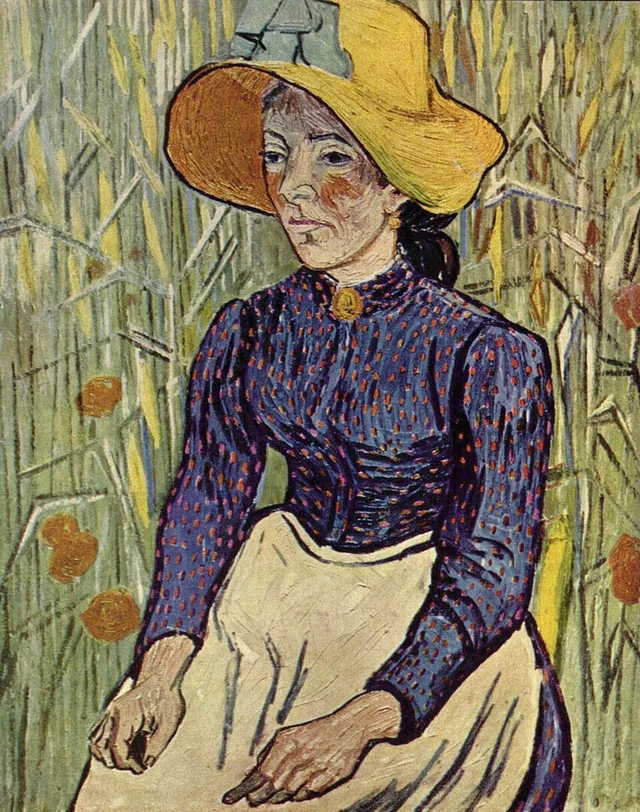 Camponesa contra um Fundo de TrigoVincent van Gogh, 1890
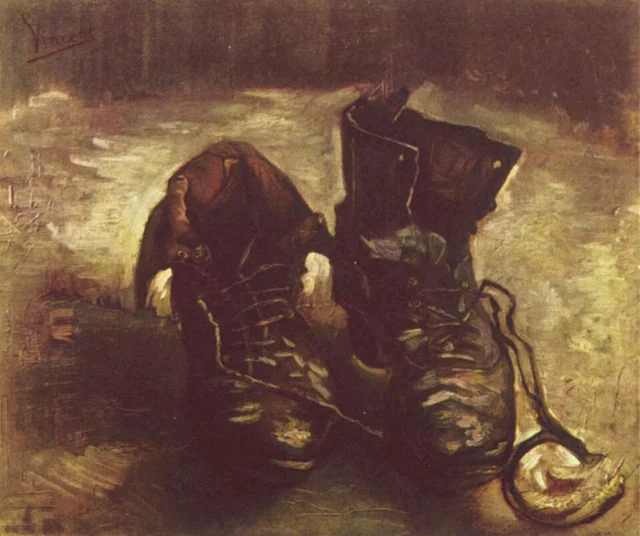 Um Par de SapatosVincent van Gogh, 1886
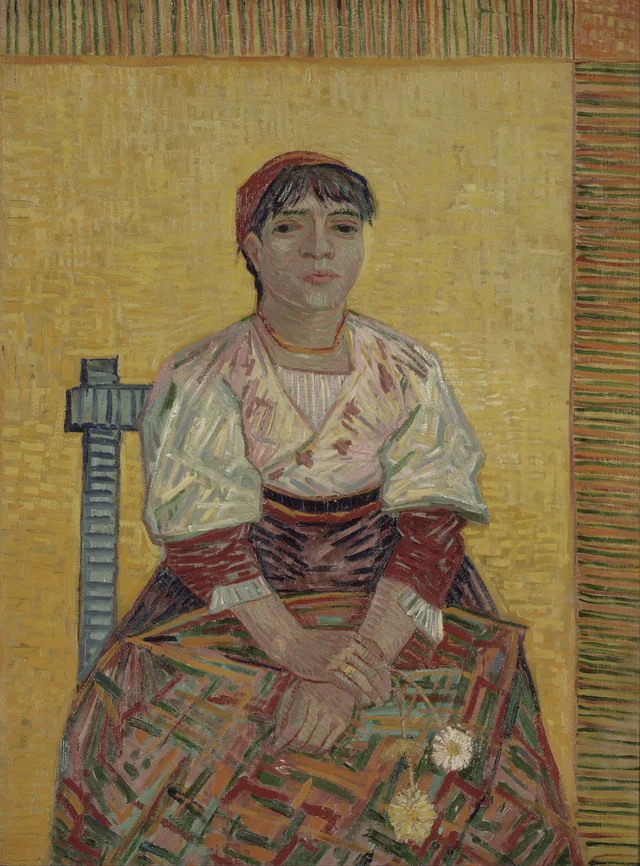 A ItalianaVincent van Gogh, 1887
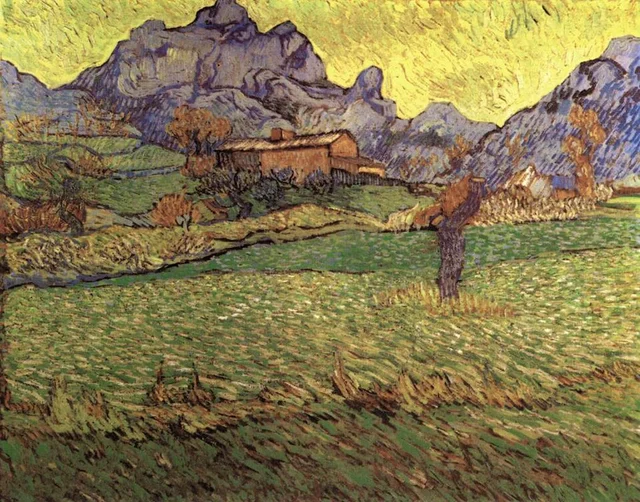 Um Prado nas Montanhas: Le Mas de Saint-PaulVincent van Gogh, 1889
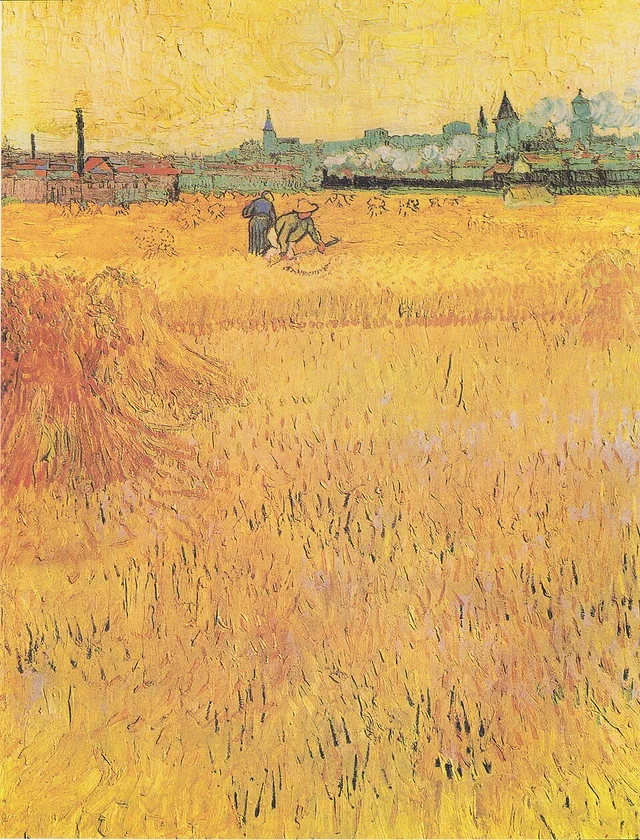 Arles: vista dos campos de trigoVincent van Gogh, 1888
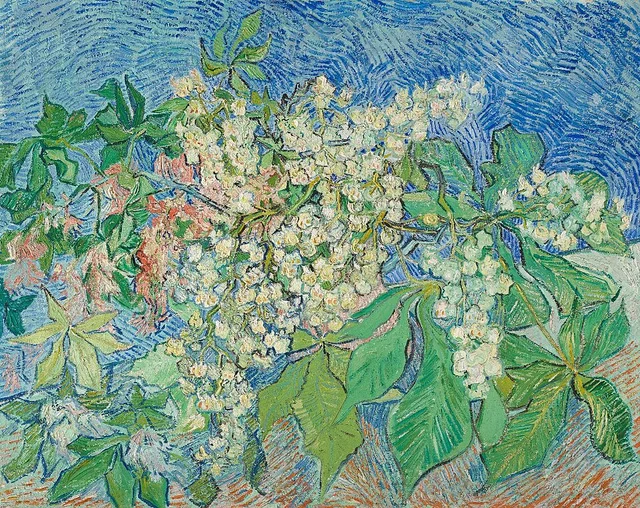 Ramos de Castanheira em FlorVincent van Gogh, 1890
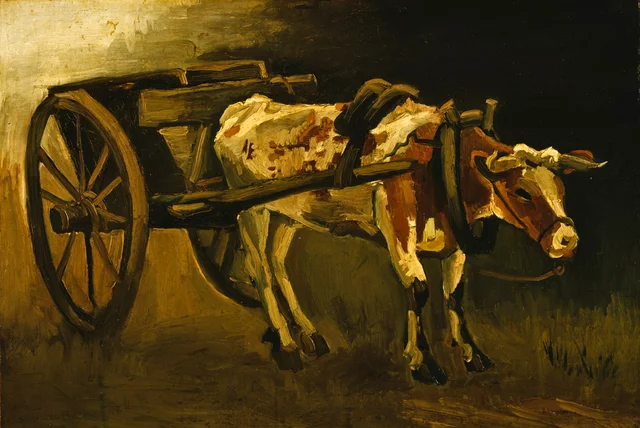 Carroça com Boi Vermelho e BrancoVincent van Gogh, 1884
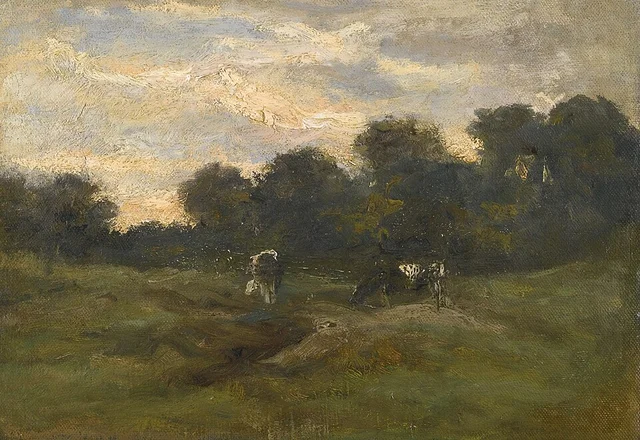 Vacas no PradoVincent van Gogh, 1883
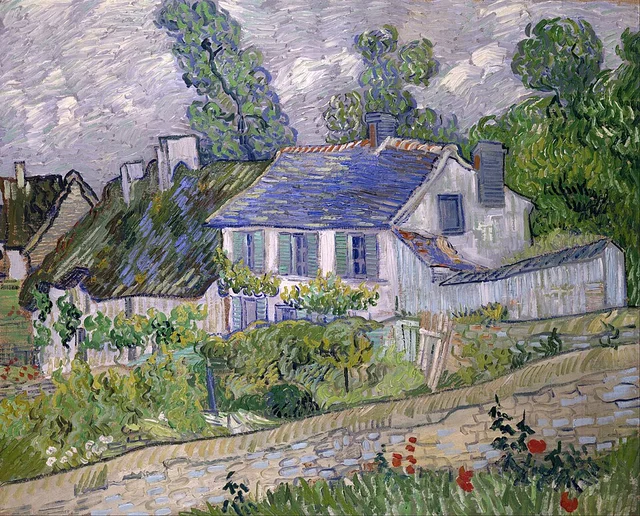 Casas em AuversVincent van Gogh, 1890
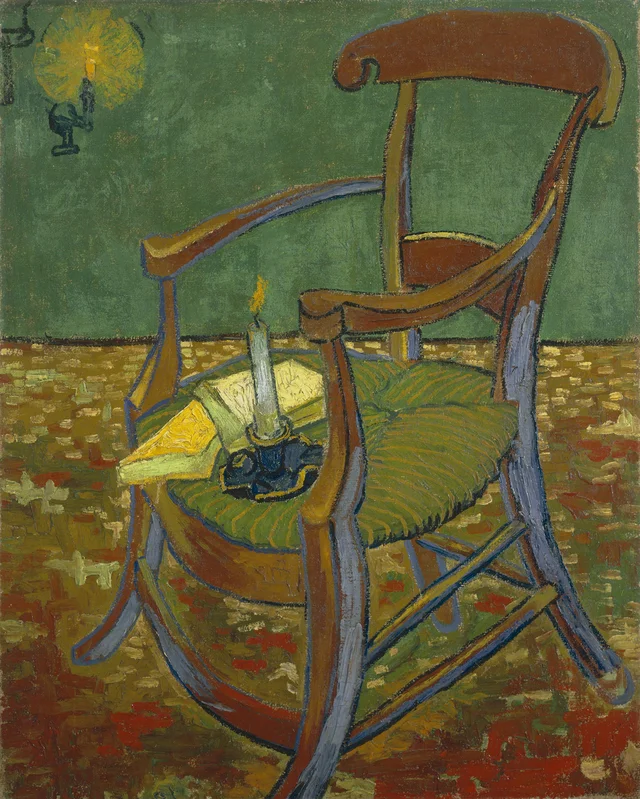 A poltrona de Paul GauguinVincent van Gogh, 1888
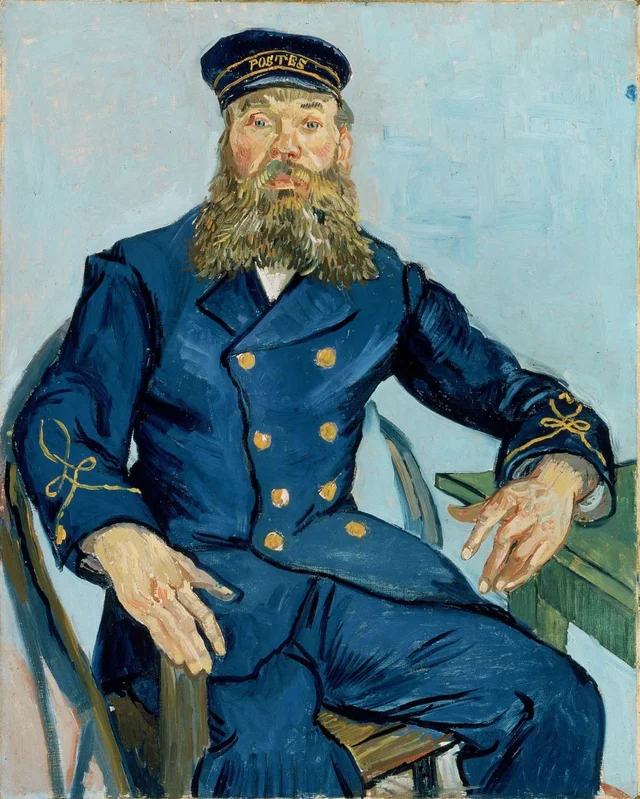 O carteiro Joseph RoulinVincent van Gogh, 1888
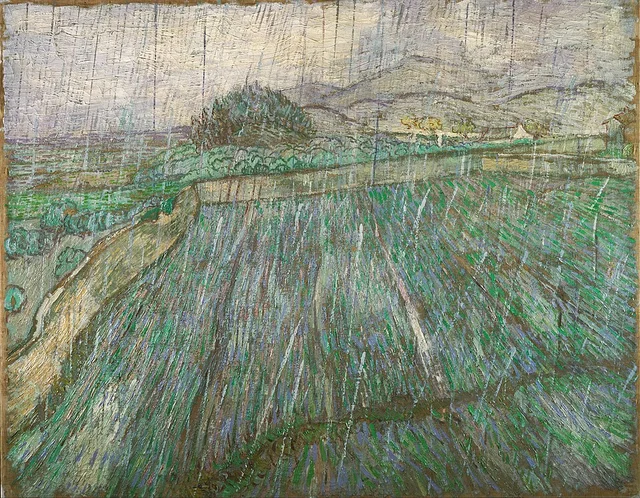 ChuvaVincent van Gogh, 1889
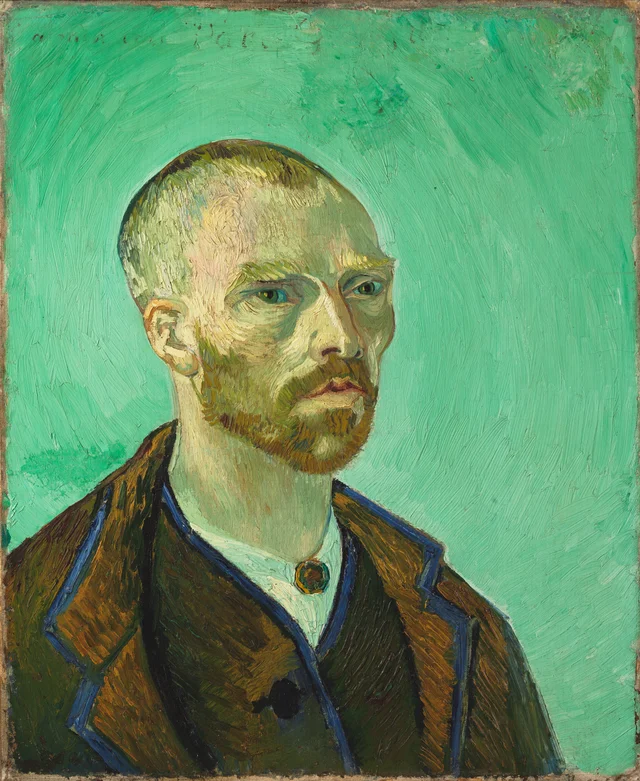 Autorretrato dedicado a Paul GauguinVincent van Gogh, 1888
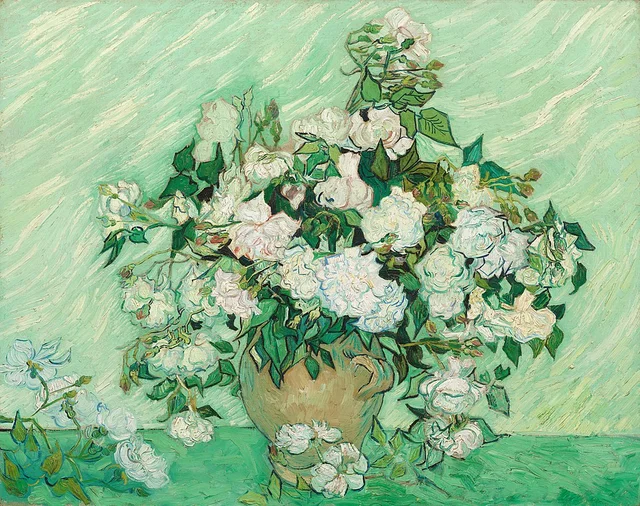 Natureza-morta: vaso com rosas cor-de-rosaVincent van Gogh, 1890
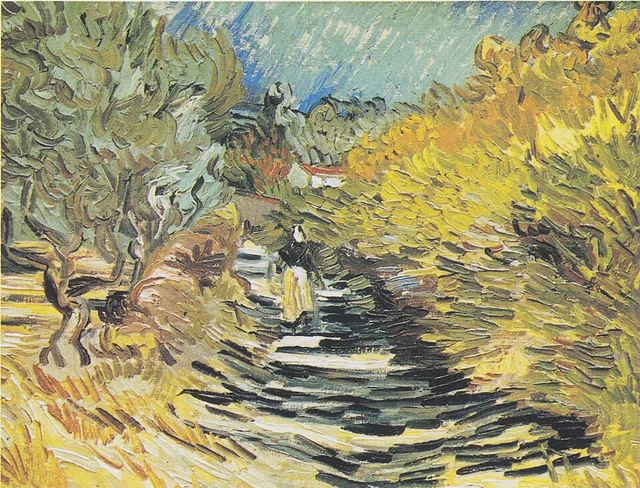 Uma estrada em Saint-Rémy com figura femininaVincent van Gogh, 1889
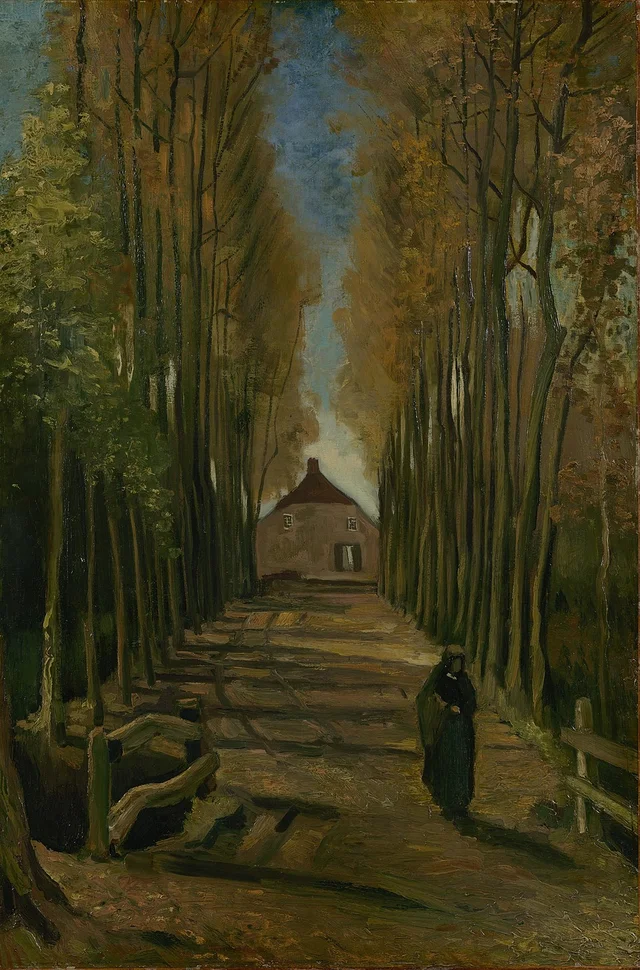 Alameda de choupos no outonoVincent van Gogh, 1884
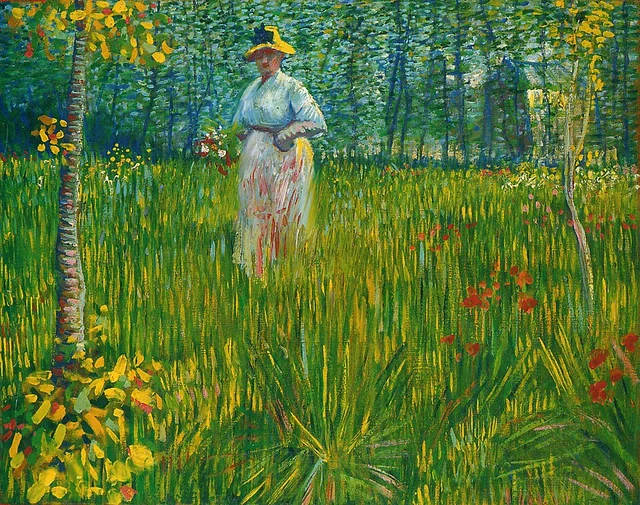 Mulher caminhando em um jardimVincent van Gogh, 1887