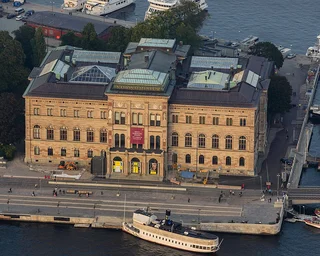
A história
Suba a escadaria principal e dois vastos murais se encaram através do salão. Numa das paredes, o pintor sueco Carl Larsson mostra o rei Gustavo Vasa entrando em Estocolmo em 1523, na fundação de uma Suécia independente. Na parede oposta está o Midvinterblot, a sombria cena de Larsson de um lendário rei nórdico entregue em sacrifício para pôr fim a uma fome. Ele o concluiu em 1915, o museu o rejeitou por considerá-lo sombrio demais, e por mais de 80 anos ele ficou pendurado em outro lugar. Só em 1997 o Nationalmuseum o comprou e o colocou onde Larsson sempre pretendera que ficasse.
O edifício foi erguido para a arte da nação pelo arquiteto alemão Friedrich August Stüler e inaugurado em 1866, um palácio em estilo renascentista na orla de Blasieholmen, de frente para a residência real do outro lado da água. Depois de anos de restauração, reabriu em 2018 com suas cores originais e a luz natural de volta.
Lá dentro corre todo o panorama da arte sueca, dos interiores familiares ensolarados de Larsson aos retratos e banhistas ao ar livre de Anders Zorn, pendurados ao lado de mestres europeus mais antigos, entre eles Rembrandt. O Nationalmuseum guarda ainda uma das grandes coleções de design da Suécia, que vai da prataria e do mobiliário gustaviano do século 18 ao vidro e à cerâmica modernos.
Acervo
66 obras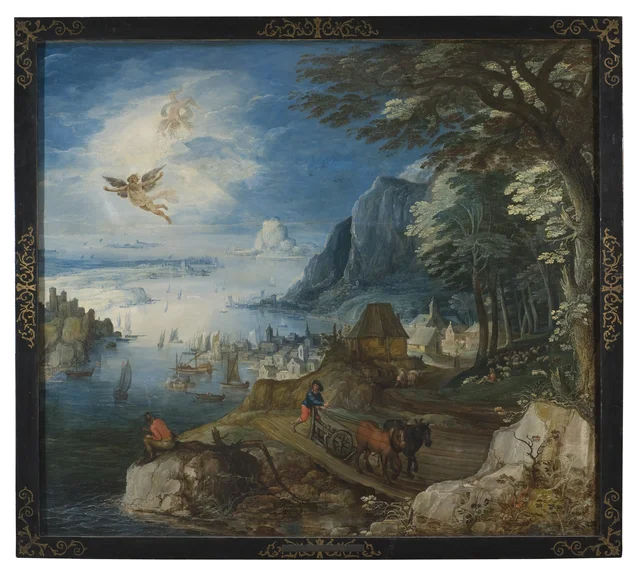 Paisagem com a Queda de ÍcaroJoos de Momper, o Jovem, 1607
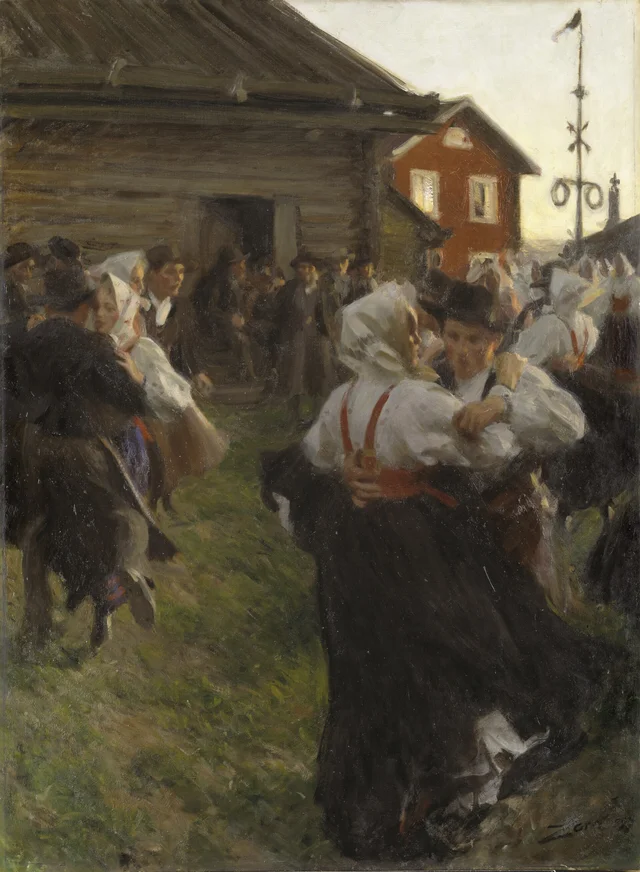 Dança de Pleno VerãoAnders Zorn, 1897
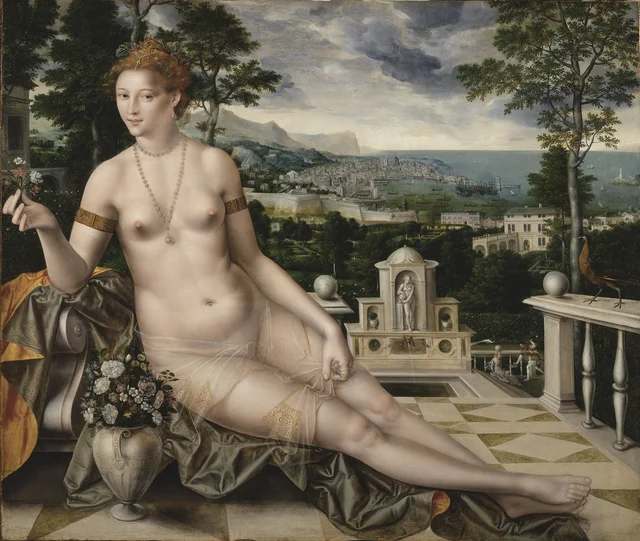 Vênus CitereiaJan Matsys, 1561
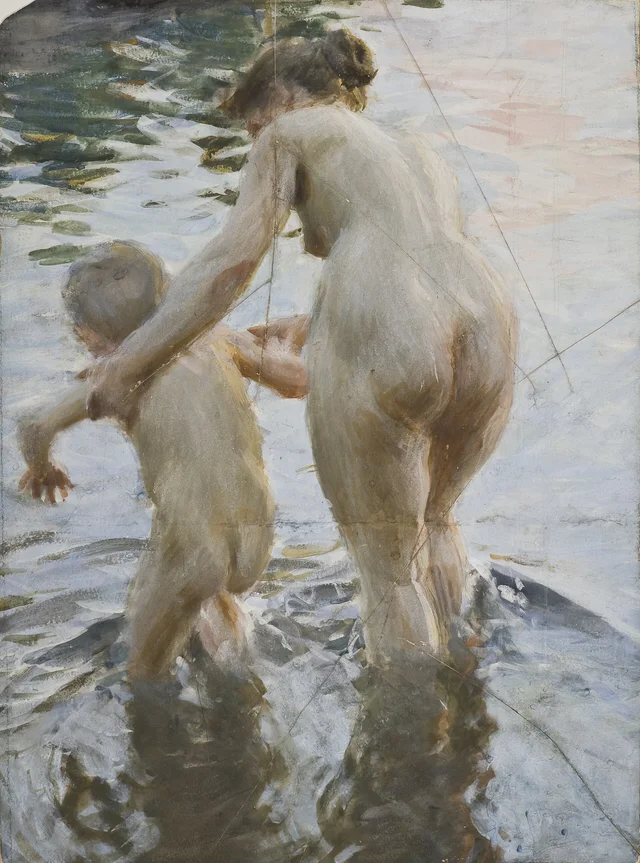 Uma EstreiaAnders Zorn, 1888
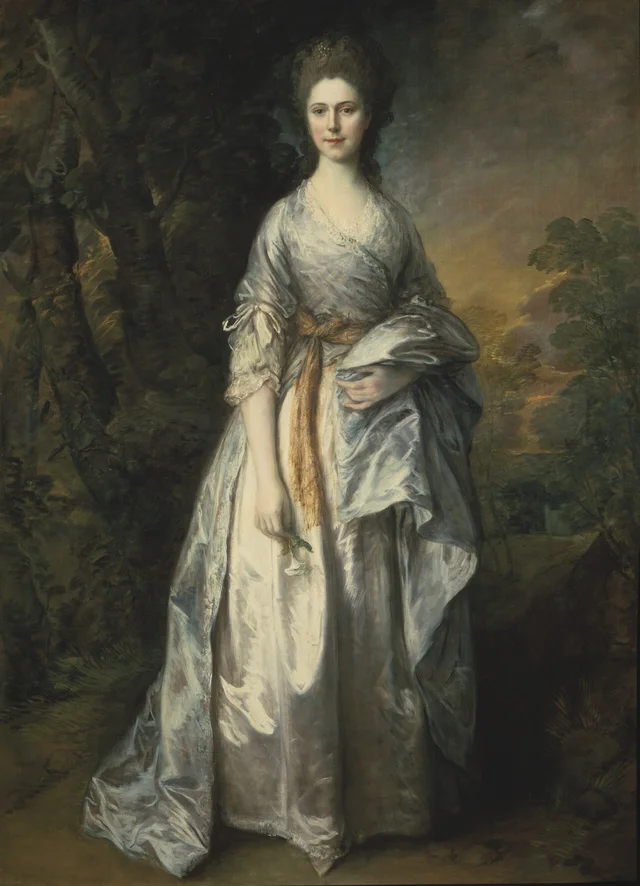 Maria, Lady Eardley (1743-1794)Thomas Gainsborough, 1766
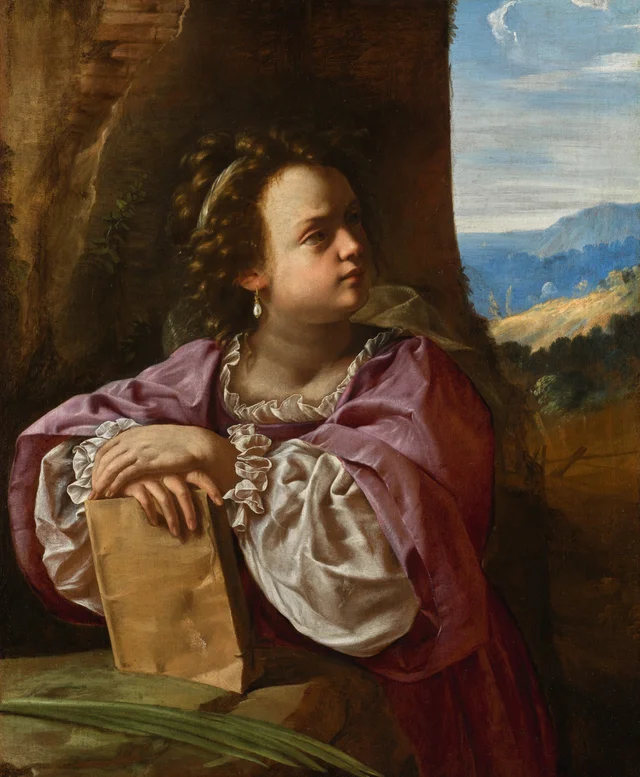 Santa Catarina de AlexandriaArtemisia Gentileschi, 1640
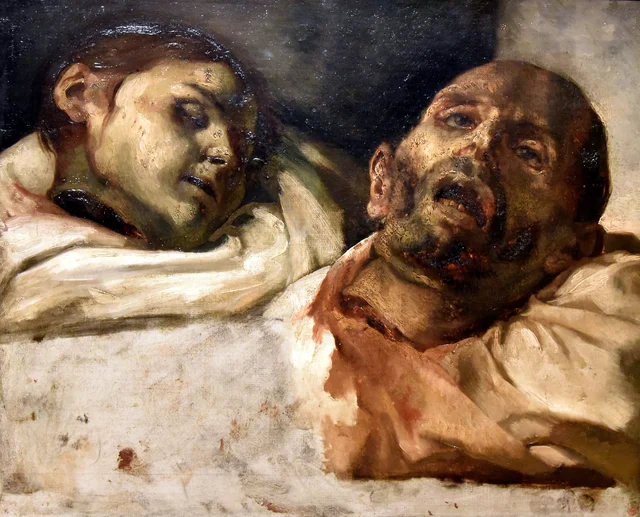 As Cabeças DecepadasThéodore Géricault, 1818
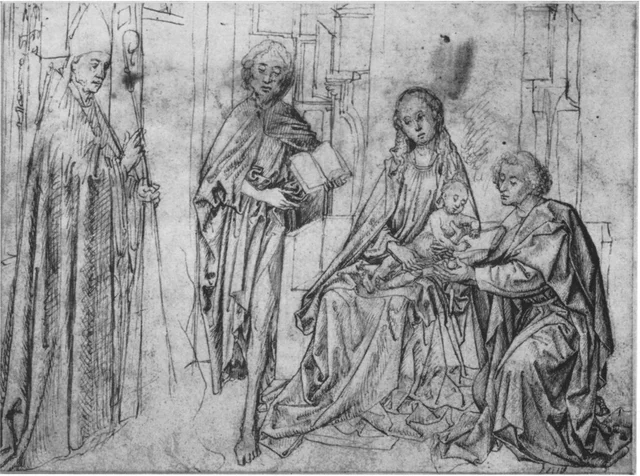 Virgem com o Menino e santosMestre dos Estudos de Drapeados
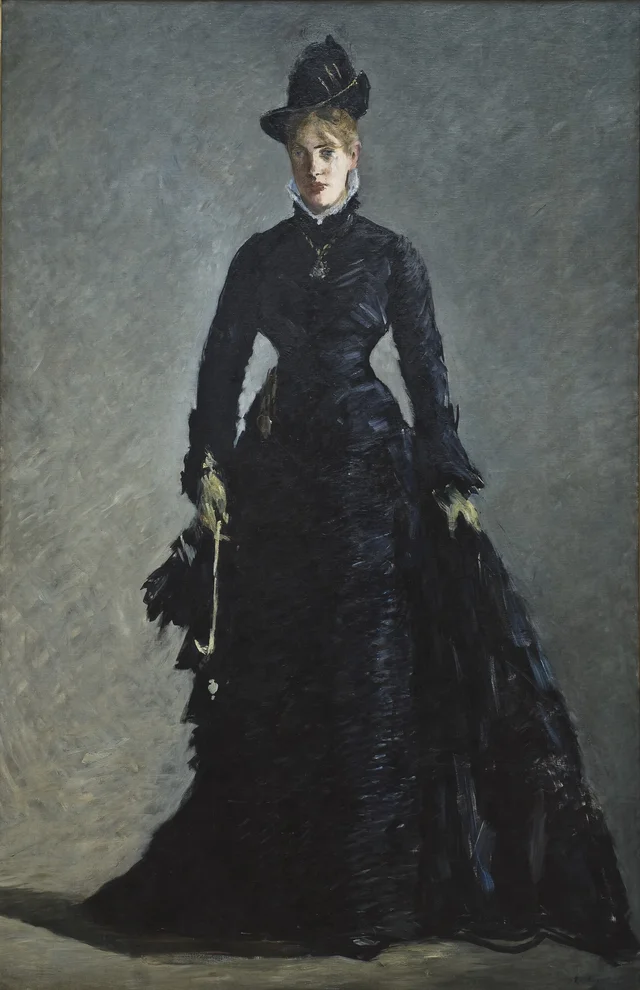 A ParisienseÉdouard Manet, 1876
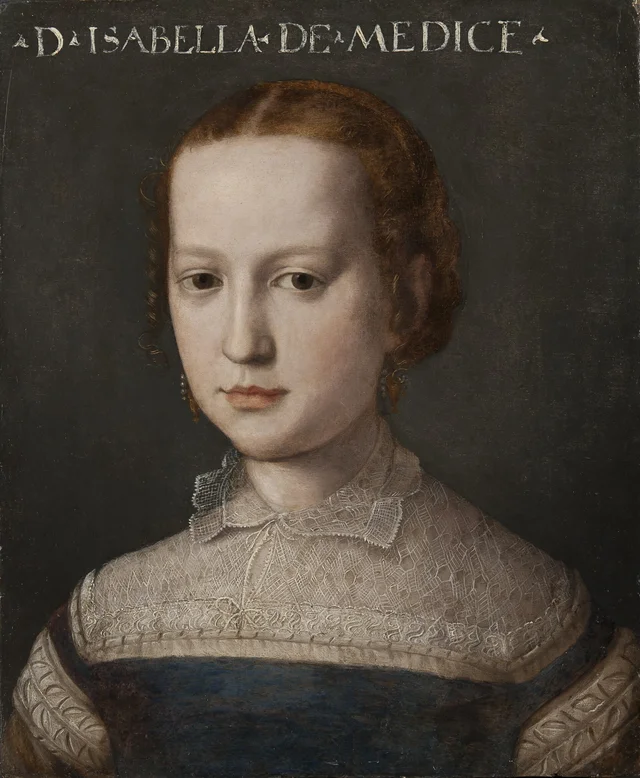 Isabella de Médici (1542-1576)Bronzino, 1552
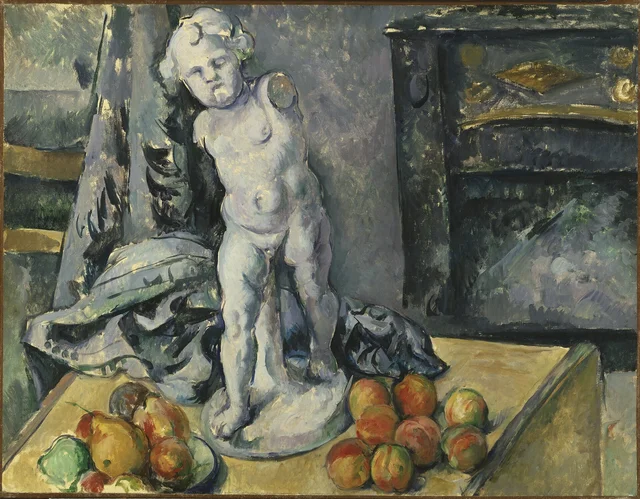 Natureza-morta com estatuetaPaul Cézanne, 1894
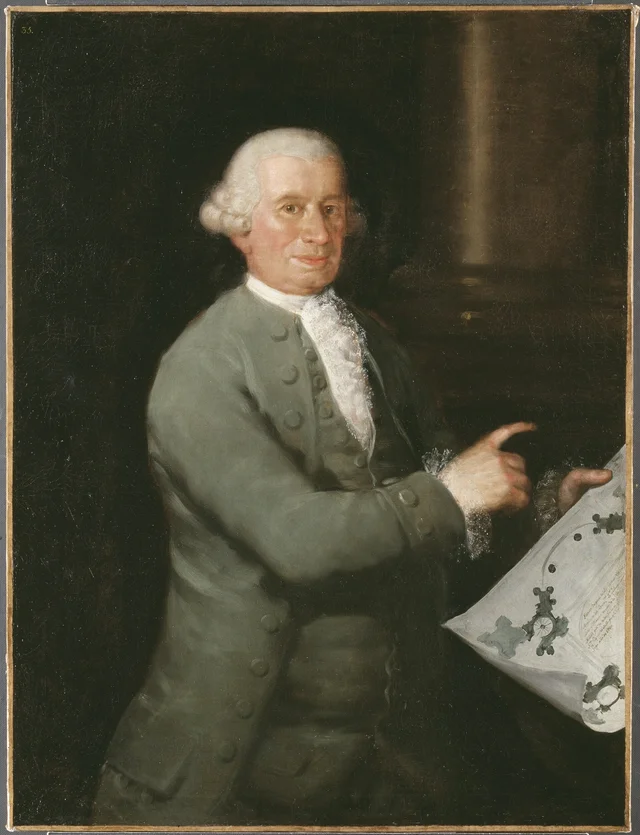 O arquiteto Ventura RodríguezFrancisco Goya, 1784
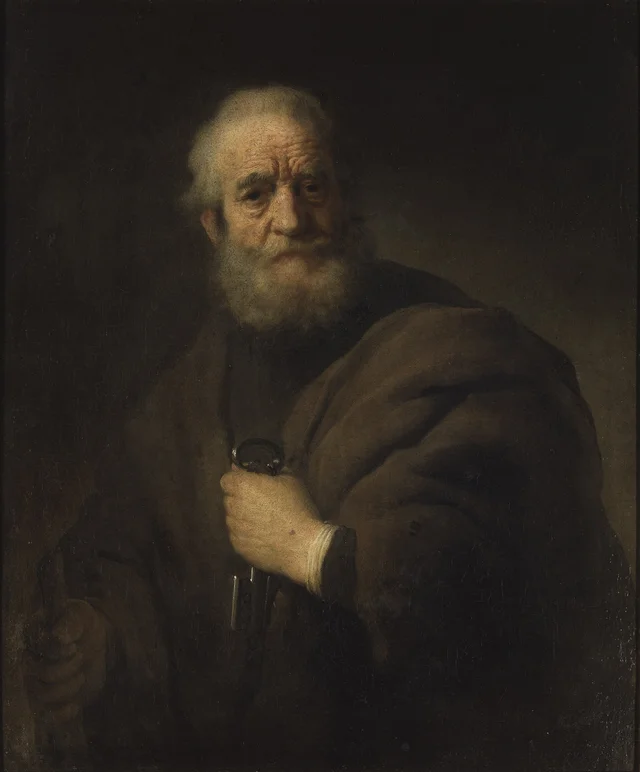 O Apóstolo PedroRembrandt, 1629
 Baco-ApoloNicolas Poussin, 1626
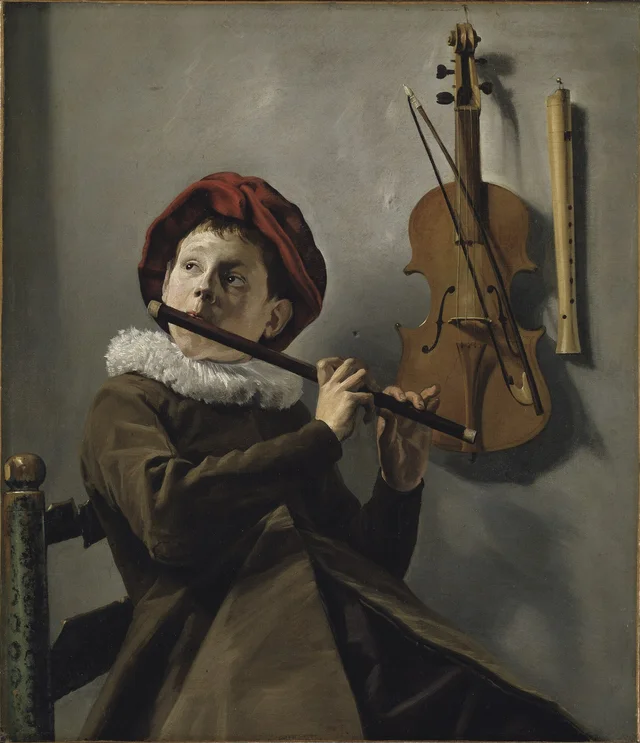 Menino tocando flautaJudith Leyster, 1635
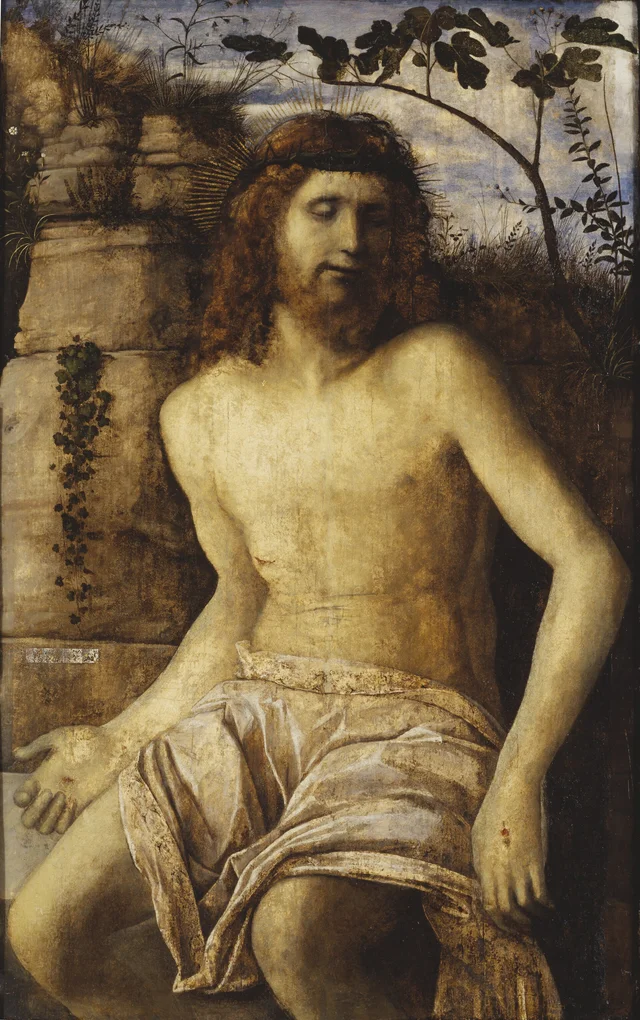 Cristo Coroado de EspinhosGiovanni Bellini, 1507
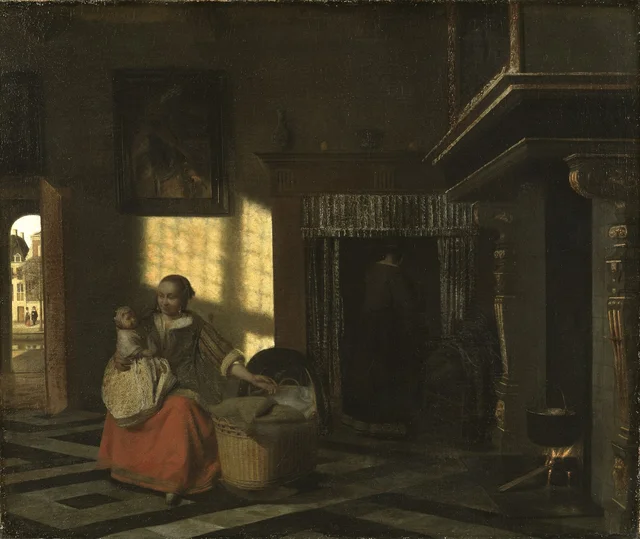 Interior com uma mãe junto a um berçoPieter de Hooch, 1665
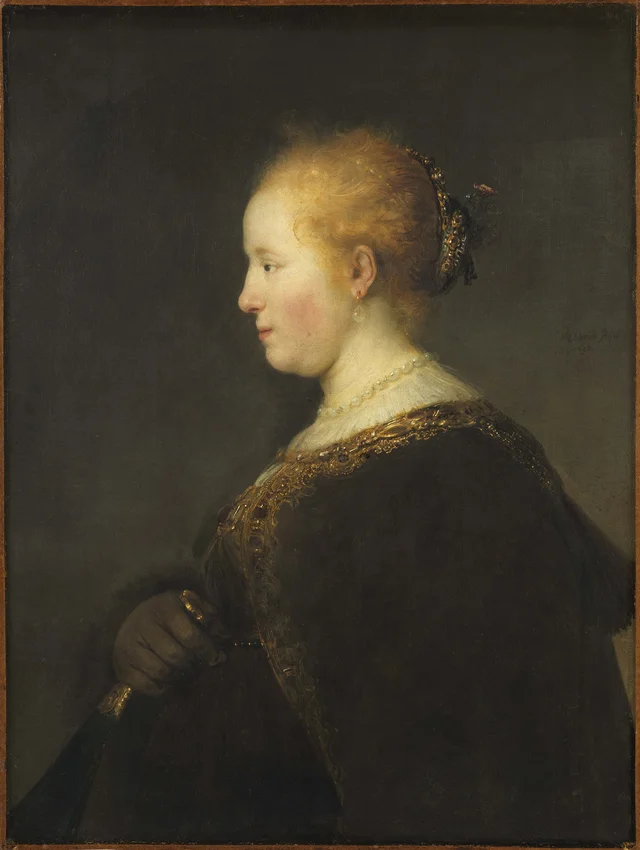 Retrato de uma jovem mulher de perfilRembrandt, 1632
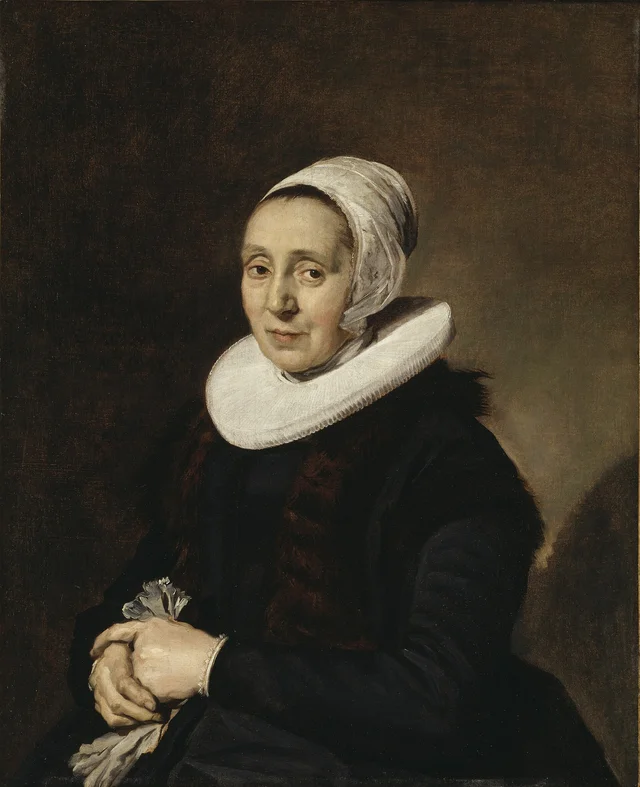 Retrato de Maria Bastiaens van HoutFrans Hals, 1643
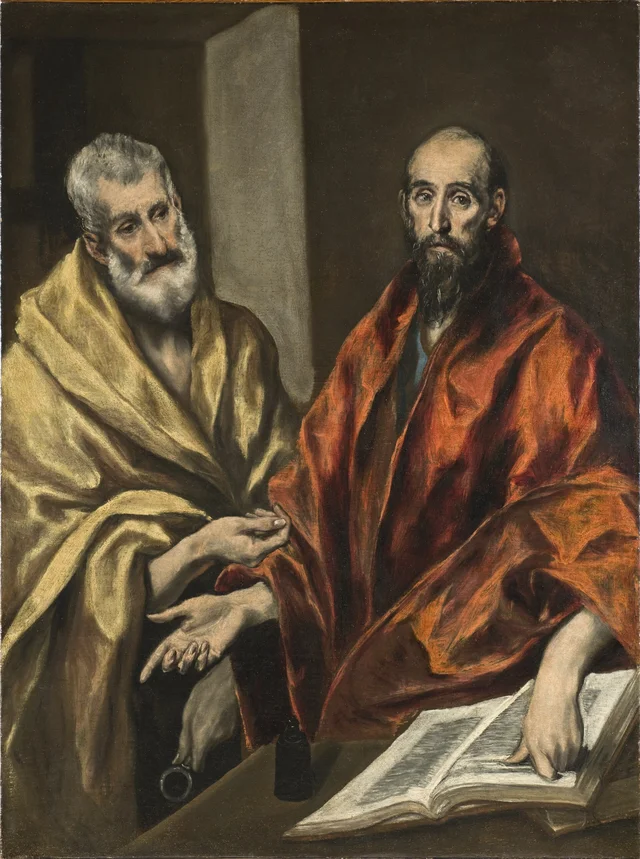 São Pedro e São PauloEl Greco, 1605
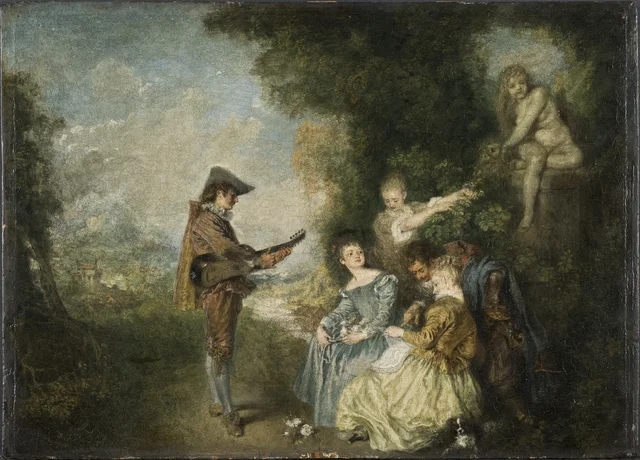 A lição de amorJean-Antoine Watteau, 1716
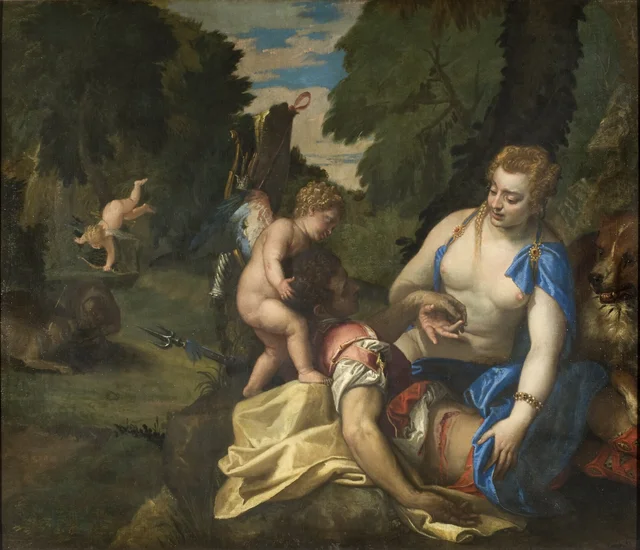 Vênus chorando AdônisPaolo Veronese
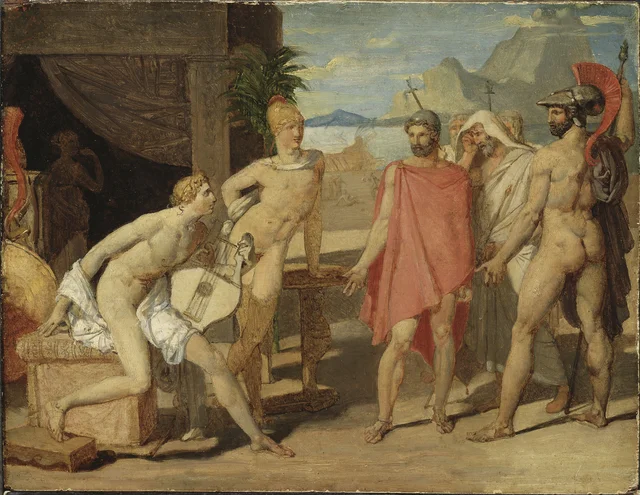 Aquiles recebendo em sua tenda os embaixadores de AgamêmnonJean-Auguste-Dominique Ingres, 1801
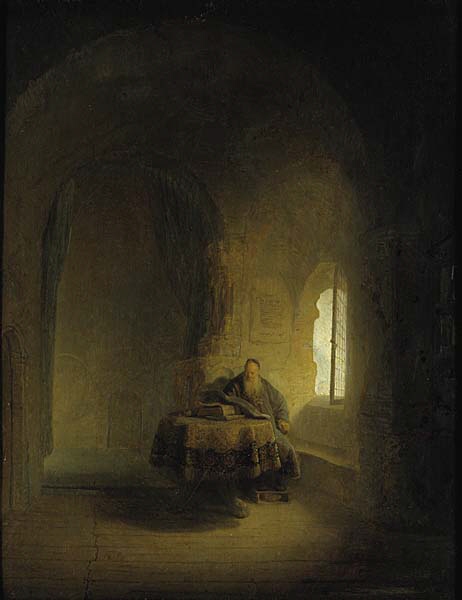 Um velho estudioso perto de uma janela em uma sala abobadadaRembrandt, 1631
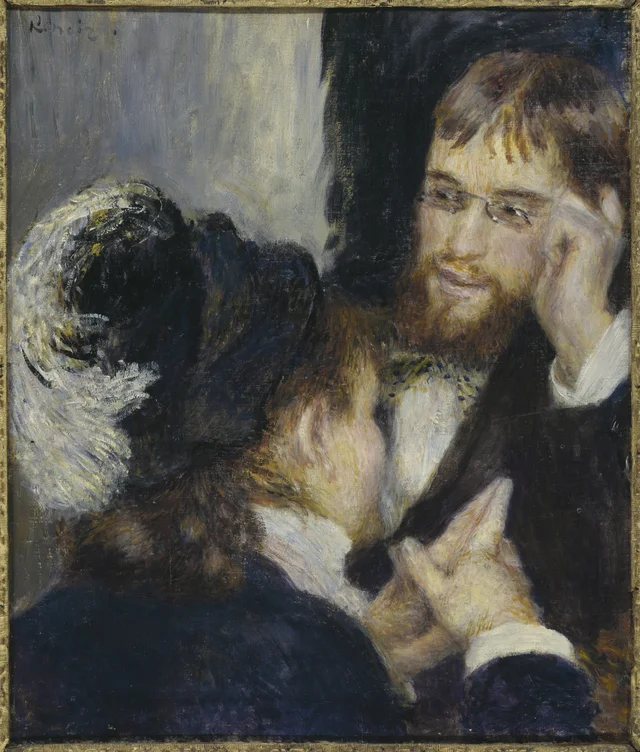 ConversaPierre-Auguste Renoir, 1878