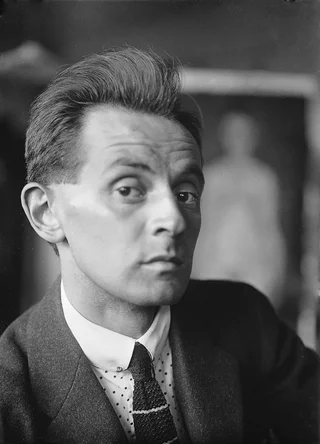
Эгон Шиле
1890–1918 · Цислейтания · экспрессионизм
История
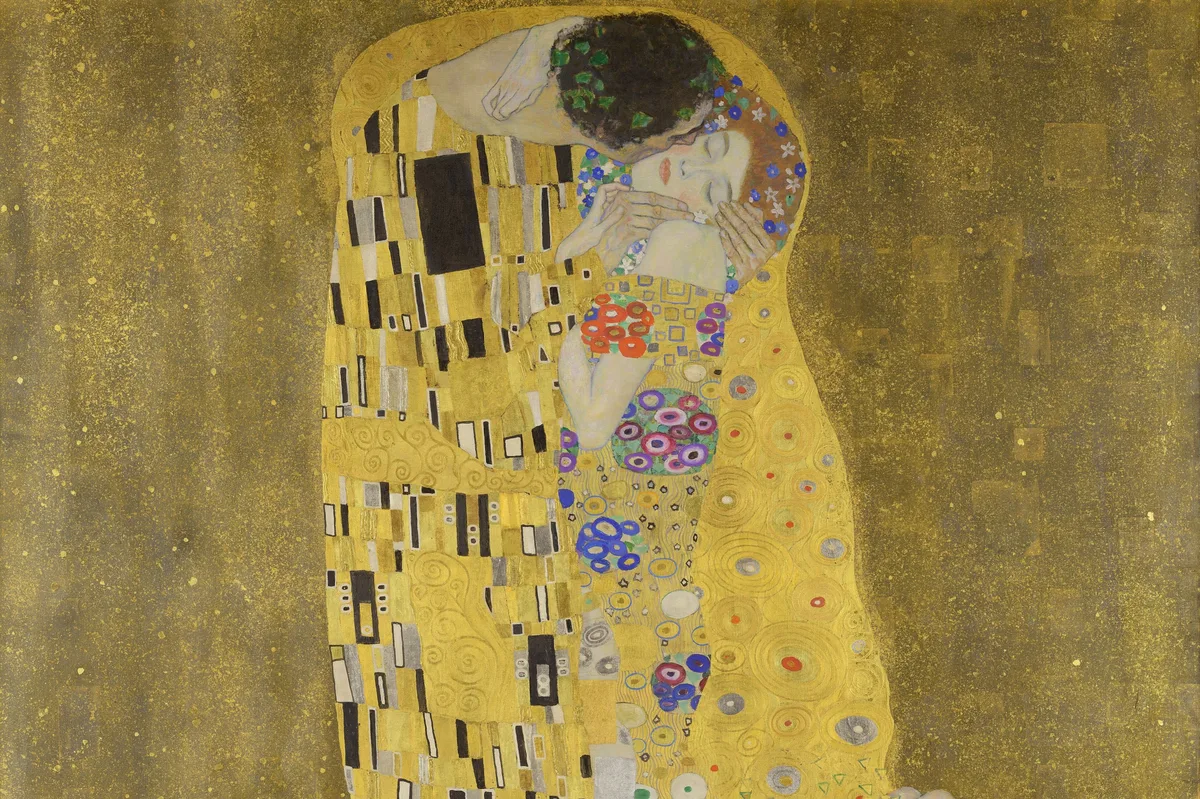
Эгону Шиле было двадцать восемь, когда он умер, но за прошедшее десятилетие он успел создать одни из самых бескомпромиссных фигуративных рисунков своей эпохи. В 1907 году он сам разыскал признанного венского живописца Густава Климта, и Климт, тогда на пике славы, проявил к юноше необычный интерес: покупал его рисунки, обменивался с ним работами и знакомил с меценатами и моделями. Шиле перенял декоративную линию Климта, но довёл её до более грубого звучания, создавая угловатые, откровенно сексуальные обнажённые и автопортреты, лишённые орнаментальной золотой поверхности, которой славился Климт.
Эта откровенность принесла ему настоящие неприятности. В 1912 году, работая в небольшом городке Нойленгбах, он был арестован и провёл двадцать четыре дня в тюрьме после того, как его эротические рисунки оказались доступны местным детям; его обвиняли, хотя и не осудили, в совращении несовершеннолетней, а судья публично сжёг один из его рисунков прямо в зале суда. Шиле продолжал работать, и к военным годам его репутация и цены на работы росли — этому способствовала благосклонно принятая выставка Венского Сецессиона 1918 года, объединения художников, которое некогда сооснова́л Климт, где Шиле выступал уже как признанная фигура, а не аутсайдер.
Климт умер в феврале 1918 года. В том же году в Вену пришла эпидемия испанского гриппа. Жена Шиле, Эдит, на шестом месяце беременности, умерла от неё 28 октября; сам Шиле скончался от той же болезни три дня спустя, 31 октября 1918 года, в двадцать восемь лет.
Другие статьи
Работы
10 работ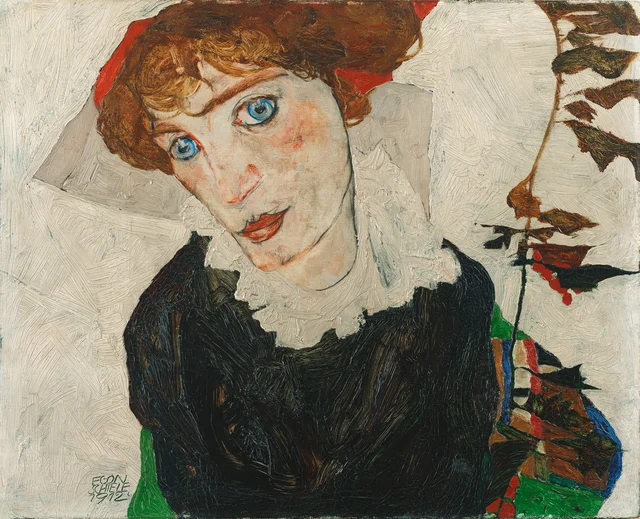 Портрет ВаллиЭгон Шиле, 1912
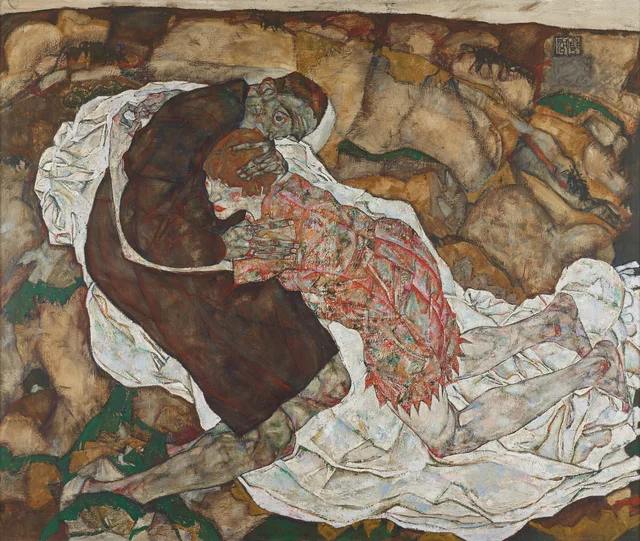 Смерть и девушкаЭгон Шиле, 1915
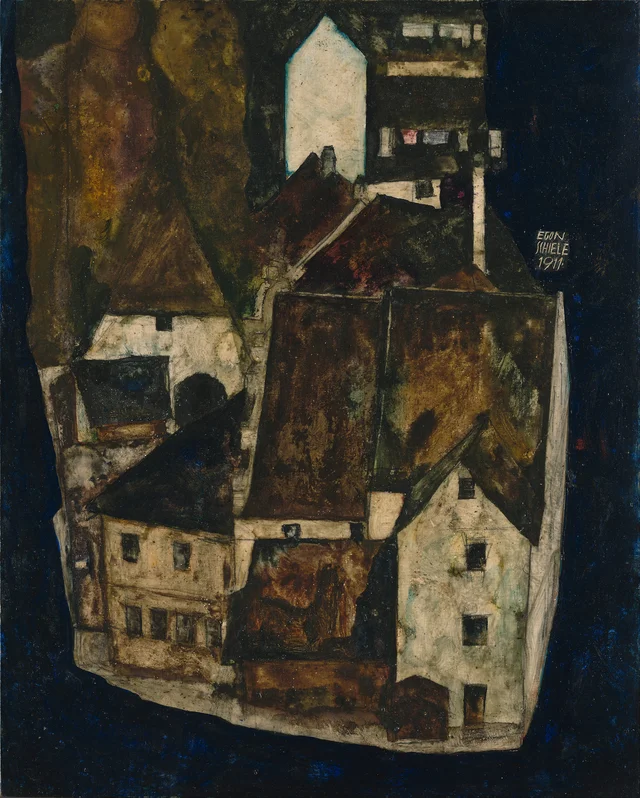 Мёртвый город IIIЭгон Шиле, 1911
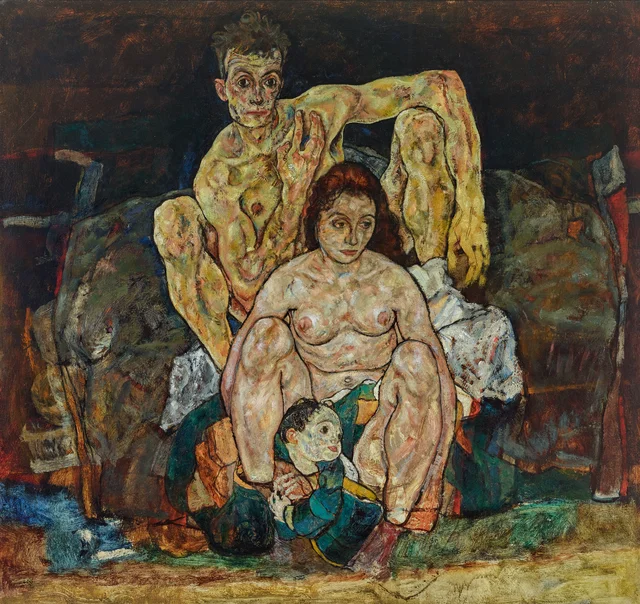 СемьяЭгон Шиле, 1918
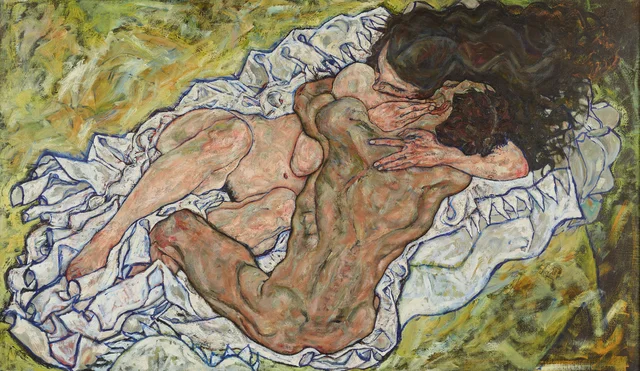 ОбъятиеЭгон Шиле, 1917
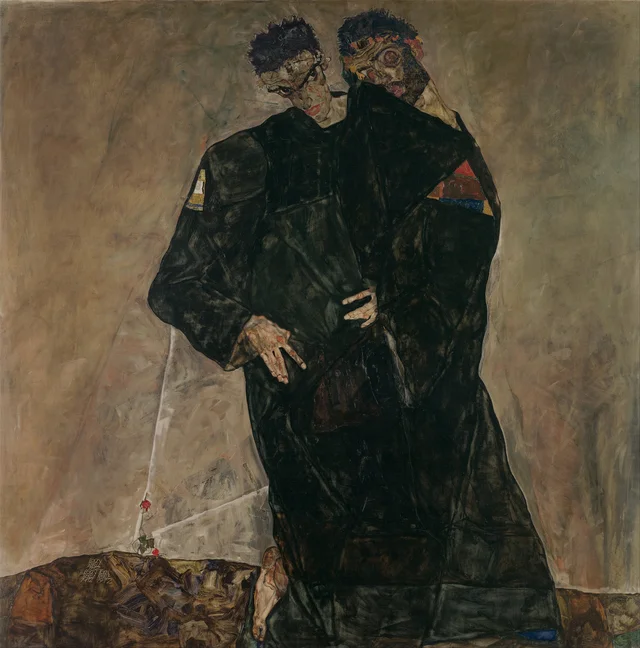 ОтшельникиЭгон Шиле, 1912
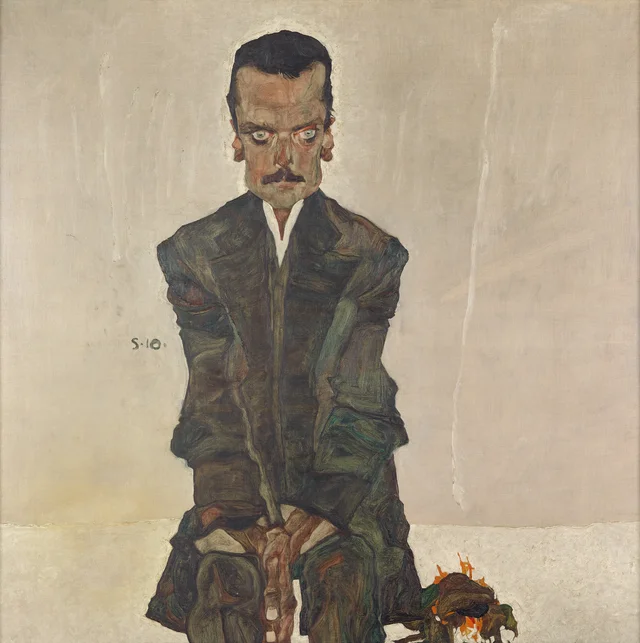 Портрет Эдуарда КосмакаЭгон Шиле, 1910
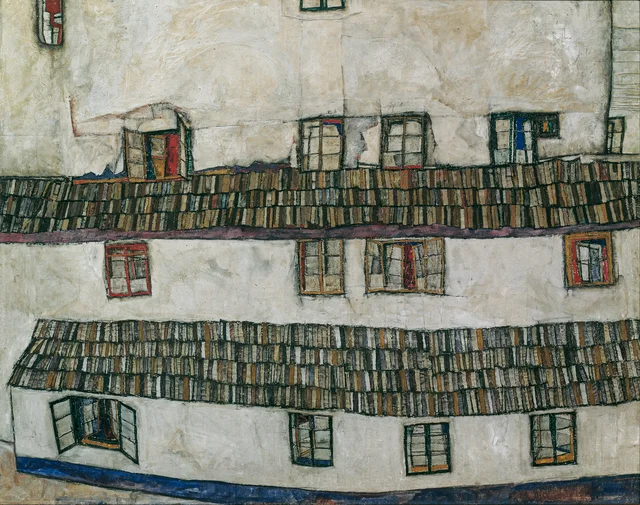 Стена дома (стена с окном)Эгон Шиле, 1914
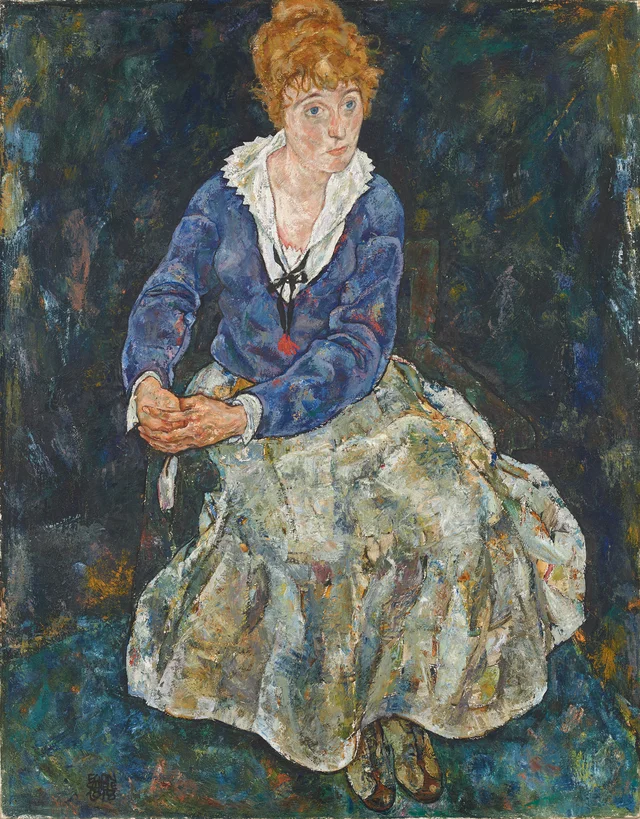 Портрет жены художника, Эдит ШилеЭгон Шиле, 1918
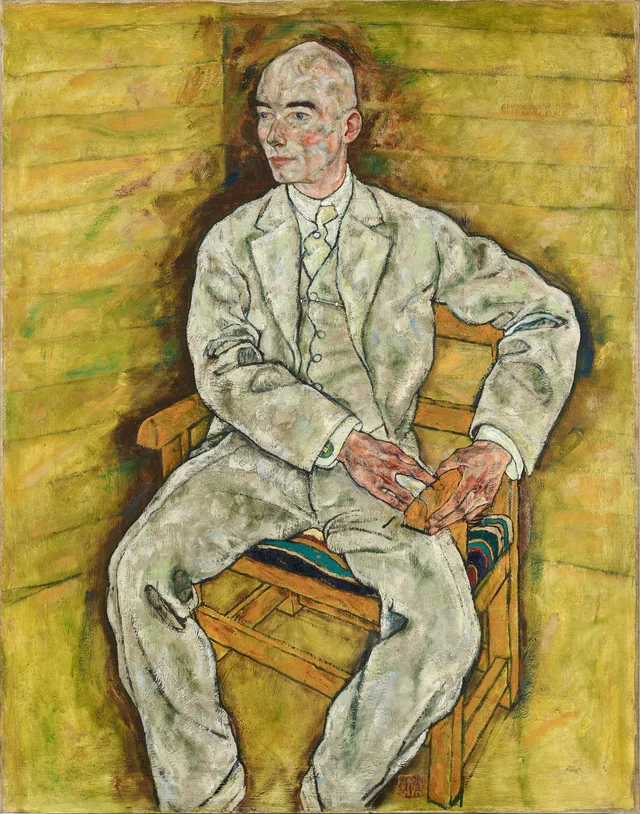 Портрет Виктора риттера фон БауэраЭгон Шиле, 1918