История
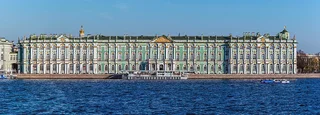
Большая часть Эрмитажа расположена внутри Зимнего дворца — бело-зелёной барочной резиденции русских царей на берегу Невы в Санкт-Петербурге. Собрание началось здесь как частная утеха. В 1764 году императрица Екатерина Великая забрала 225 голландских и фламандских картин, которые берлинский купец Иоганн Гоцковский собрал для прусского короля, а тот, разорённый долгой войной, за них так и не заплатил. Заплатила Екатерина и развесила их в столь укромных комнатах, что назвала их своим эрмитажем, убежищем, куда почти никого не пускали.
Спустя два с половиной века покупок это одно из крупнейших художественных собраний мира. По Иорданской лестнице под золотом и зеркалами поднимаешься к картинам, ради которых приходят: «Возвращению блудного сына» Рембрандта, где руки старого отца лежат на спине оборванного сына, и двум маленьким Мадоннам Леонардо да Винчи, Бенуа и Литта, написанным в его молодые годы. В одном зале английский автомат XVIII века, часы «Павлин», и поныне распускает золочёный хвост, когда его заводят.
Зданию досталось немало. В 1837 году дворец выгорел от пожара, революция 1917 года вымела отсюда последнего царя, а когда в 1941 году германские войска осадили Ленинград, сотрудники упаковали более миллиона предметов и отправили их на восток, на Урал, оставив на стенах пустые рамы. Всю блокаду по этим голым рамам водили экскурсии. Работы вернулись, когда она кончилась, а кошки, которых держат в подвалах для охоты на крыс со времён Екатерины, и сейчас на довольствии.
Коллекция
248 работ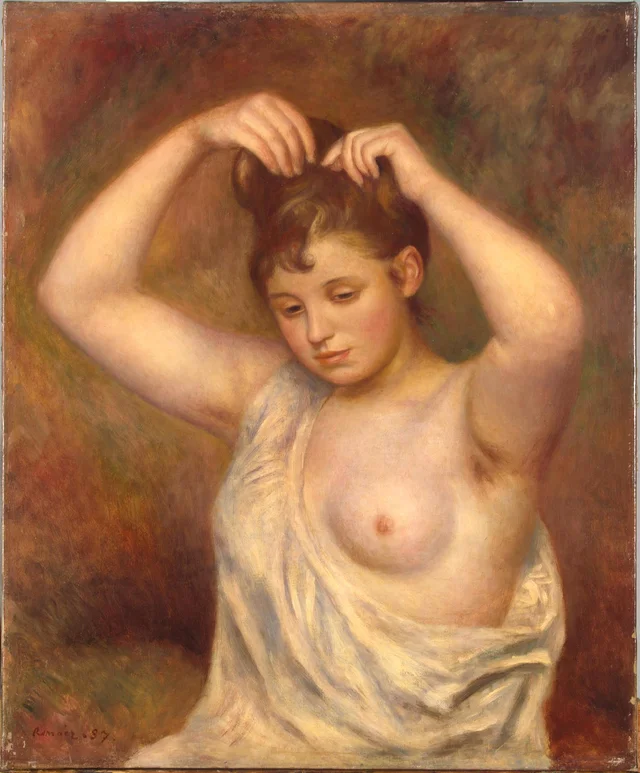 Женщина, поправляющая причёскуПьер-Огюст Ренуар, 1887
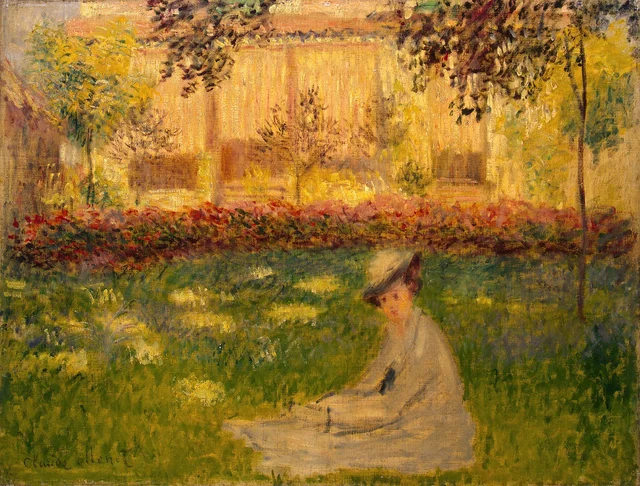 Женщина в садуКлод Моне, 1867
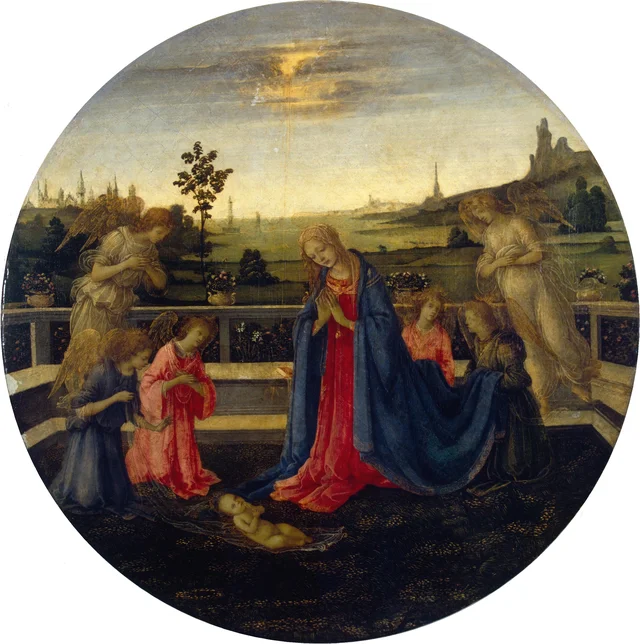 Поклонение Младенцу ХристуФилиппино Липпи, 1480
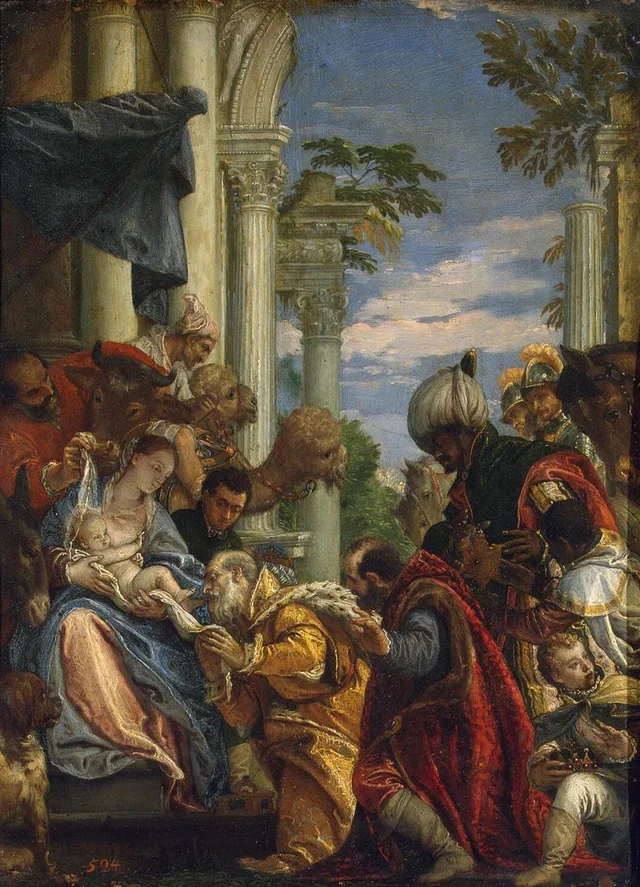 Поклонение волхвовПаоло Веронезе, 1570
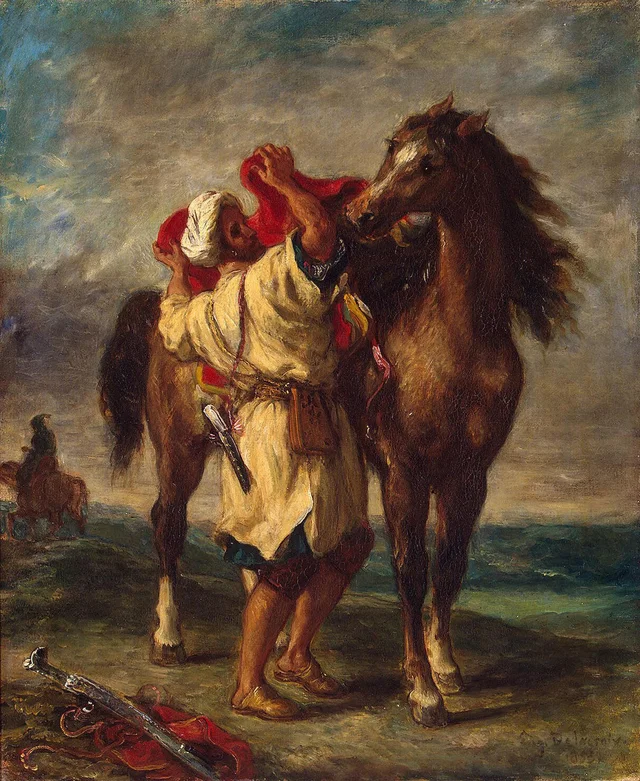 Араб, седлающий коняЭжен Делакруа, 1855
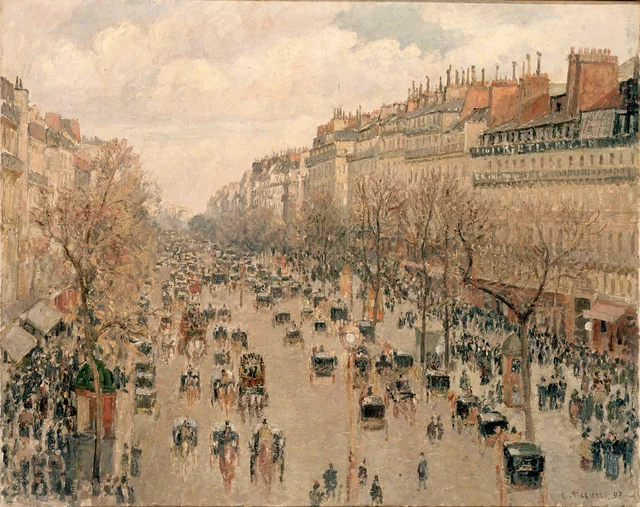 Бульвар Монмартр в солнечный деньКамиль Писсарро, 1897
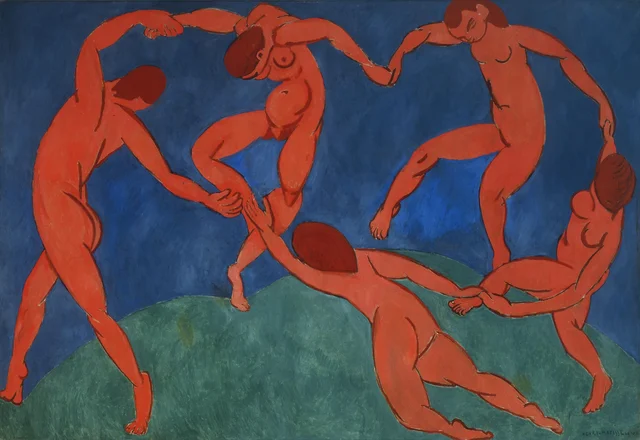 Танец (II)Анри Матисс, 1910
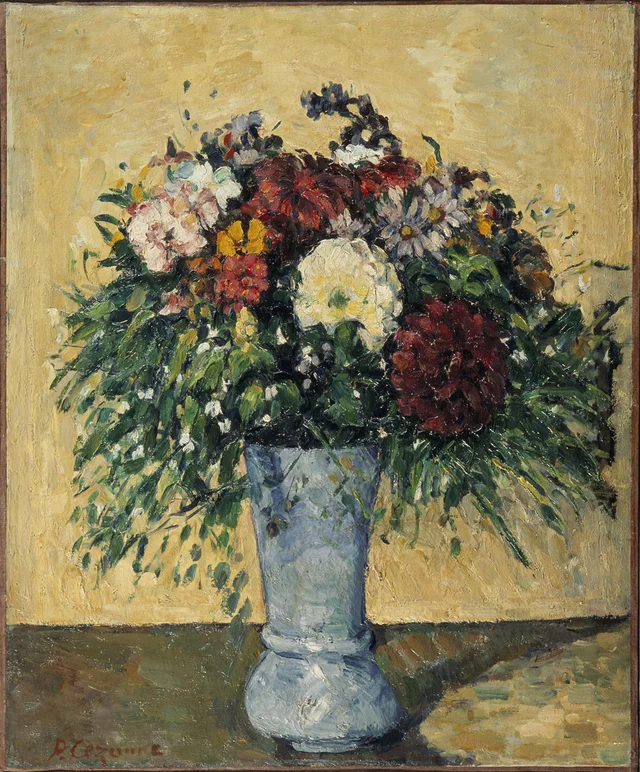 Цветы в синей вазеПоль Сезанн, 1874
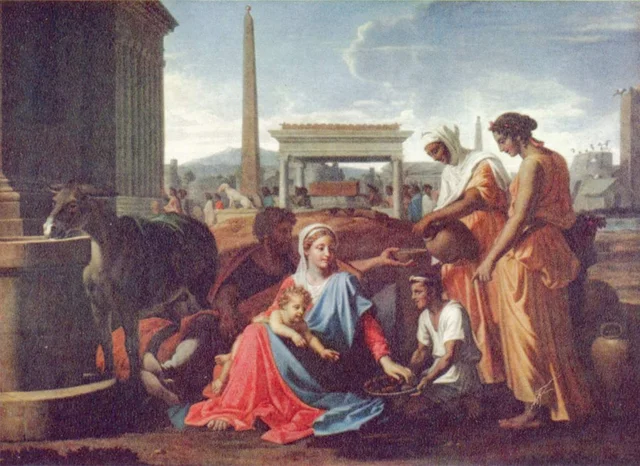 Святое семейство в ЕгиптеНикола Пуссен, 1656
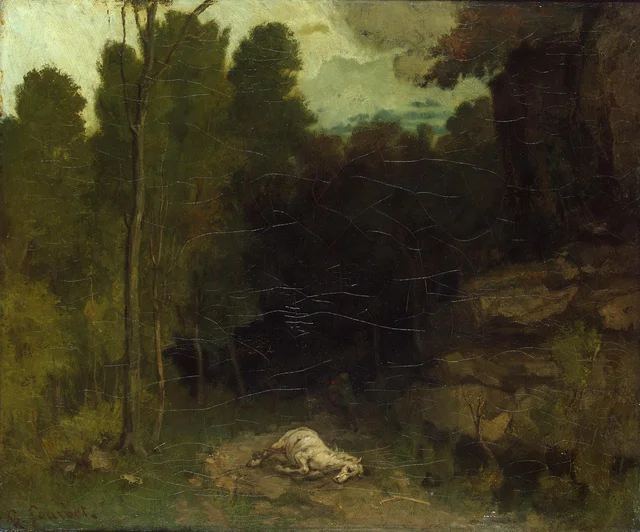 Пейзаж с мёртвой лошадьюГюстав Курбе, 1858
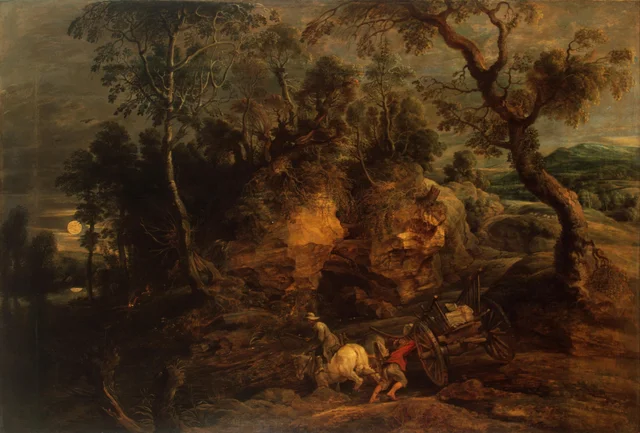 Пейзаж с носильщиками камняПитер Пауль Рубенс, 1620
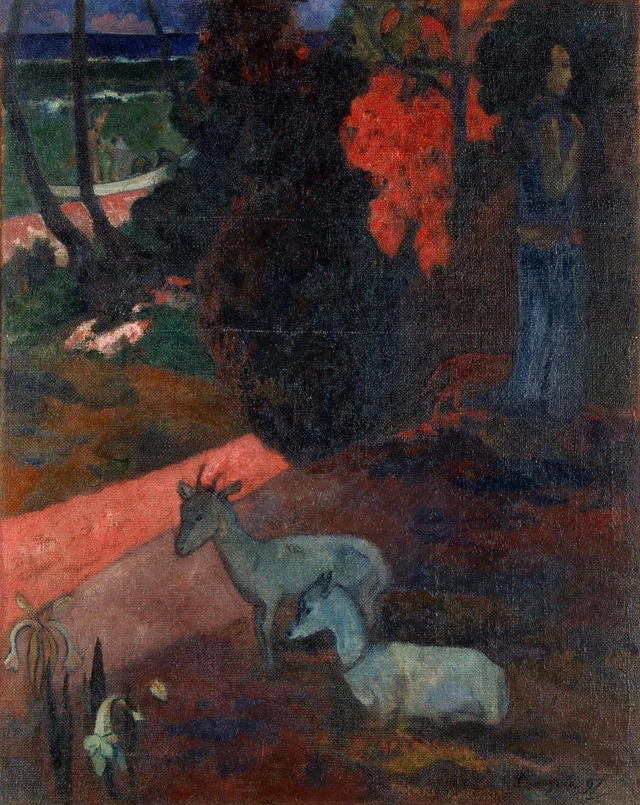 Пейзаж с двумя козами (Тарари Маруру)Поль Гоген, 1897
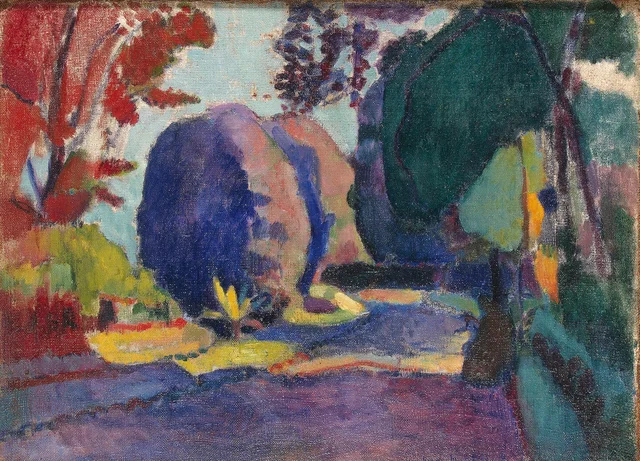 Люксембургский садАнри Матисс, 1901
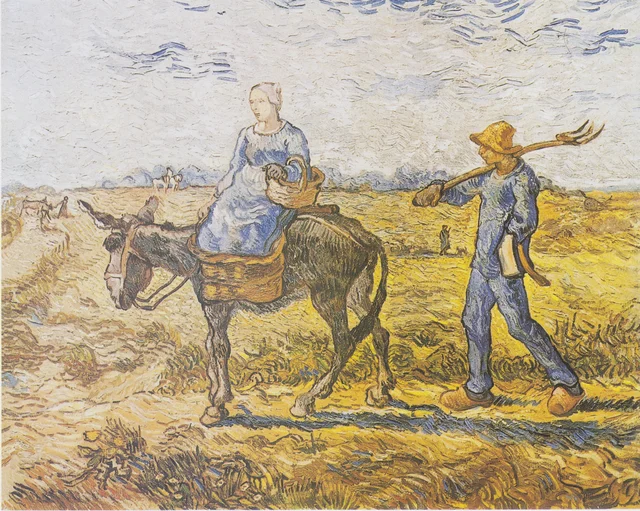 Утро. Отправление на работу (по Милле)Винсент ван Гог, 1890
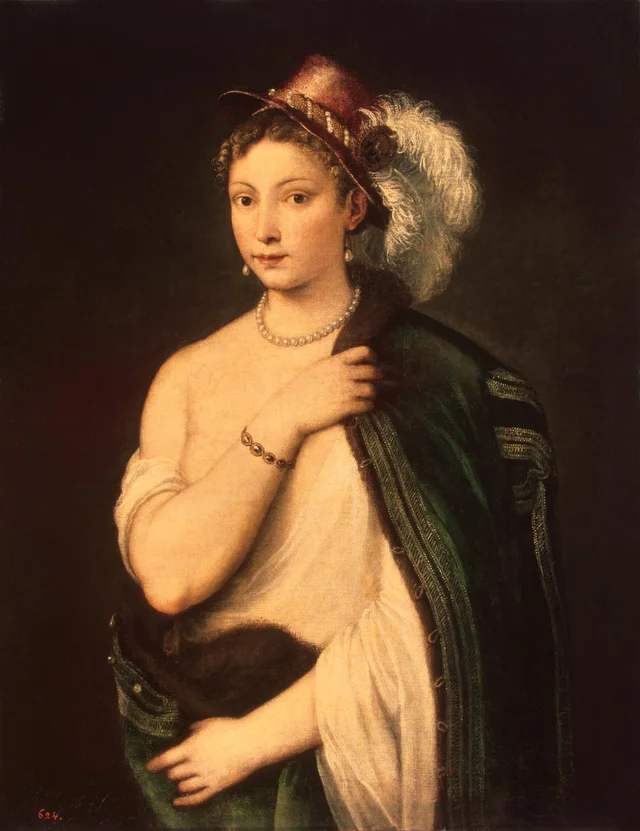 Портрет молодой женщиныТициан, 1536
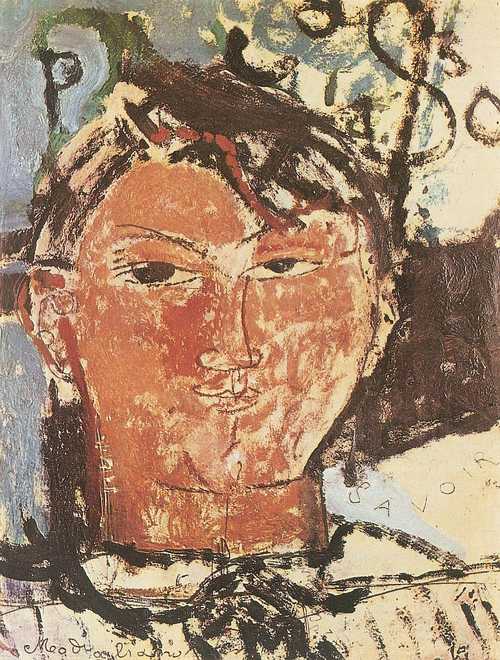 Портрет Пабло ПикассоАмедео Модильяни, 1915
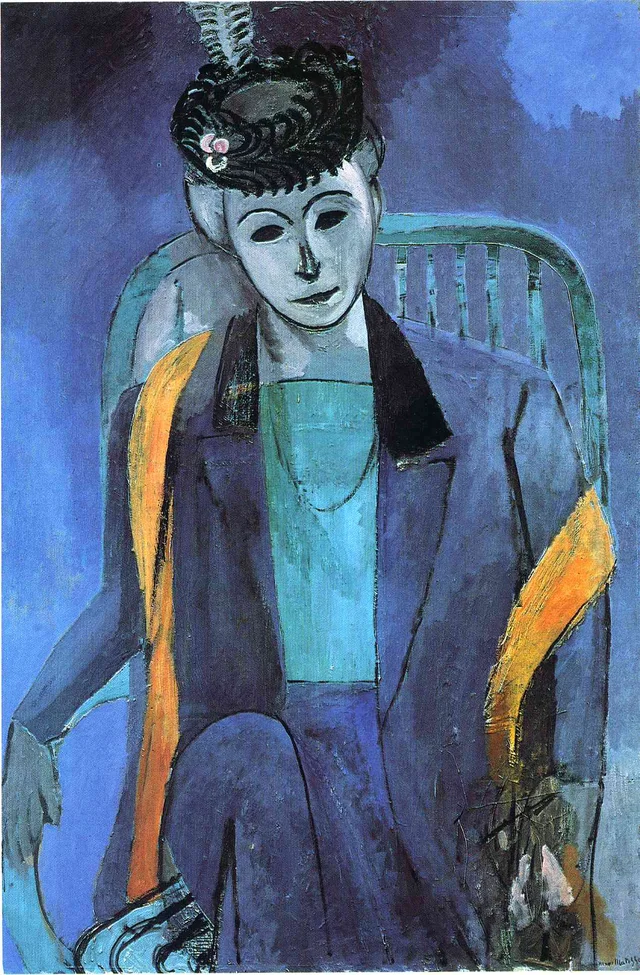 Портрет жены художникаАнри Матисс, 1913
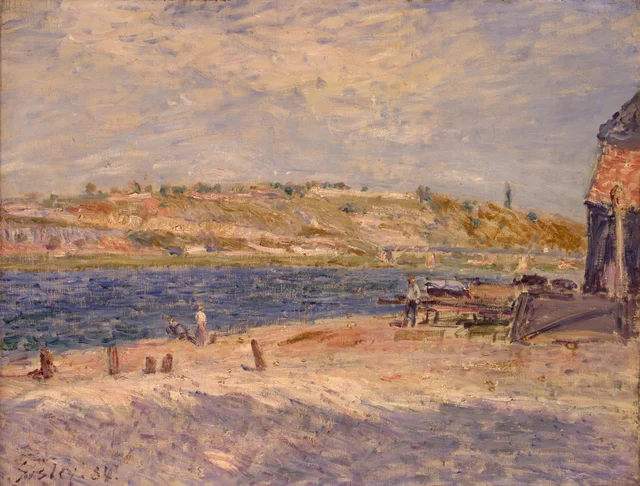 Берег реки в Сен-МамеАльфред Сислей, 1884
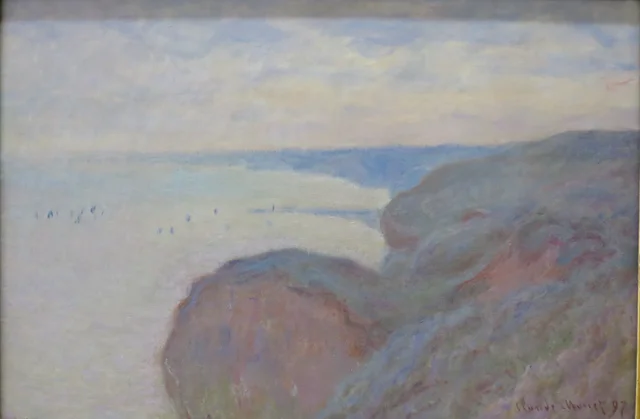 Крутые скалы близ ДьеппаКлод Моне, 1897
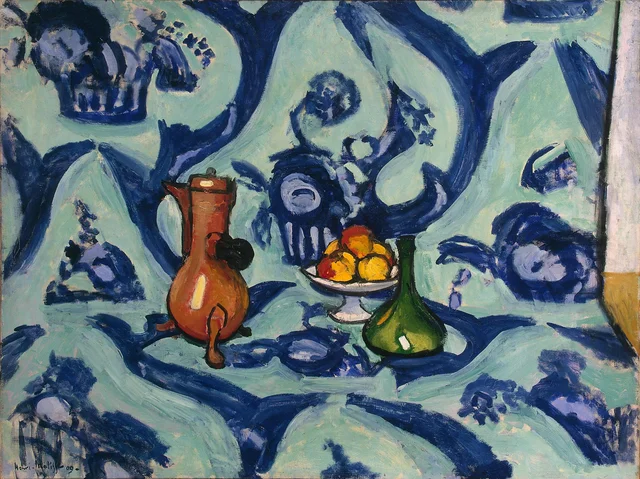 Натюрморт с синей скатертьюАнри Матисс, 1909
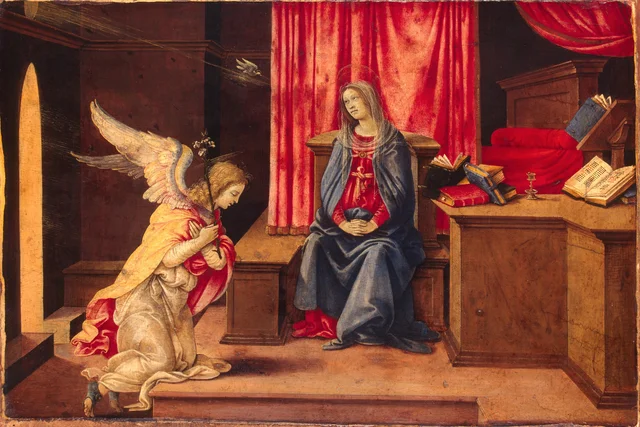 БлаговещениеФилиппино Липпи, 1494
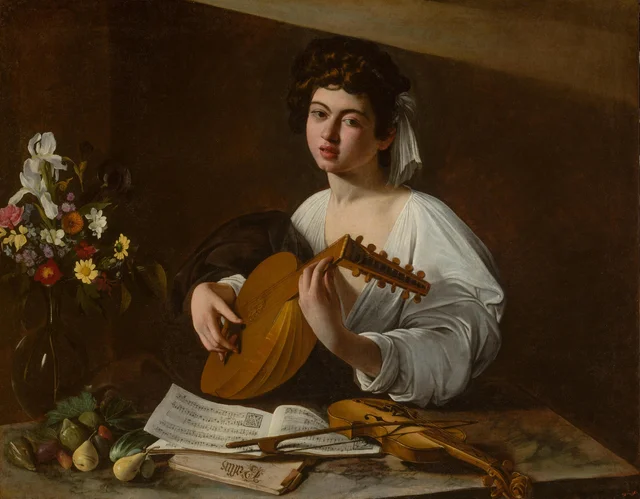 ЛютнистКараваджо, 1595
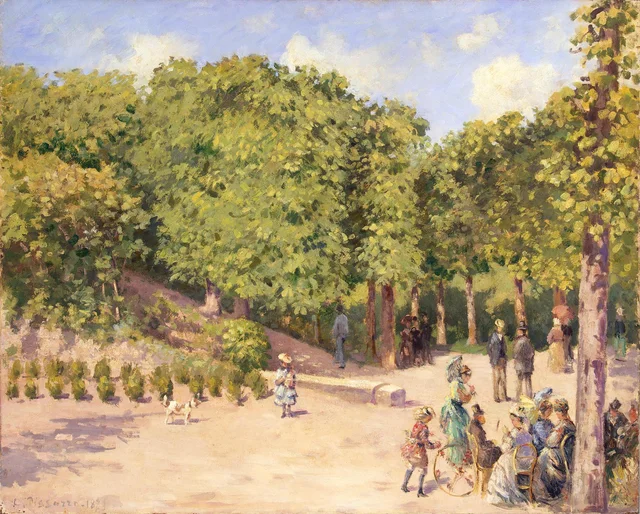 Городской сад в ПонтуазеКамиль Писсарро, 1873
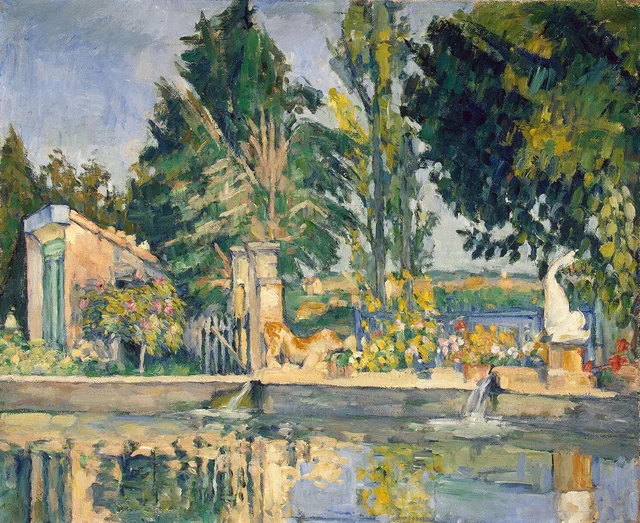 Бассейн в Жа-де-БуффанПоль Сезанн, 1876
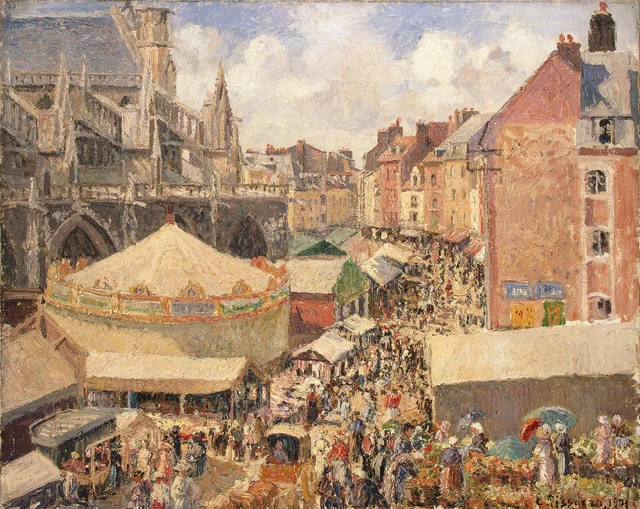 Городская ярмарка у церкви Сен-Жак в Дьеппе, утро, солнцеКамиль Писсарро, 1901