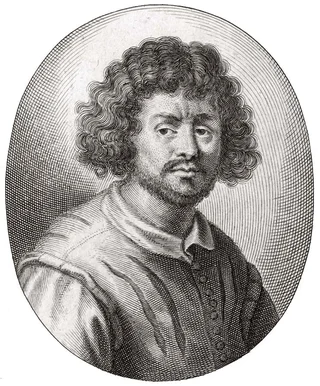
克洛德·洛兰
1600–1682 · 洛林公国 · 古典主义
故事
17世纪中叶的罗马,一位来自洛林公国的画家已抢手到有人伪造他的作品来牟利。这人本名克劳德·热莱,人称克劳德·洛兰,笔下是被柔和的朝阳或夕照浸润的明亮港湾与田园风景,欧洲的红衣主教和贵族为之一掷千金。
他对付伪作者的办法是一本册子。约从1635年起,他坚持记录一部《真理之书》——一册装订好的画簿,凡有画作完成离开画室,他便在里面细心画下一份摹本,还常常记下买主的姓名和日期。它累积到约200幅素描,凭它就能把真正的克劳德之作从赝品中辨认出来。
与其说他画的是地方,不如说他画的是光。他画中那些神话或圣经人物往往很小,缩在一角,而人的目光却一路向后,望向地平线上朦胧的太阳。这种效果为“理想风景”这一欧洲观念定了近两百年的样式;一百多年后,英国画家透纳在遗嘱里请求把自己的两幅画布挂在伦敦克劳德的作品旁边。
作品
34 件作品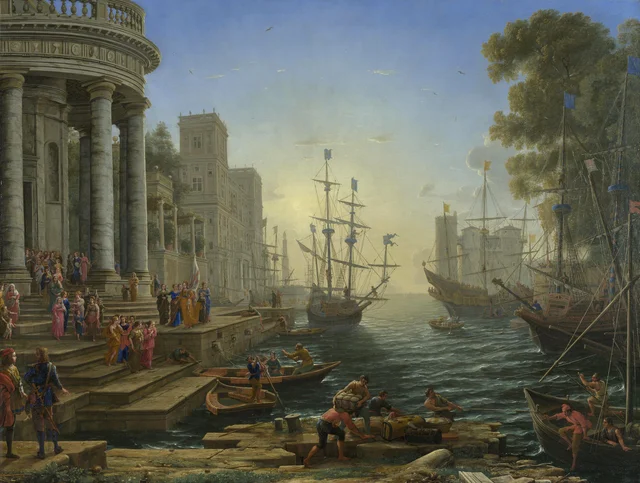 圣乌尔苏拉登船的海港克洛德·洛兰, 1641
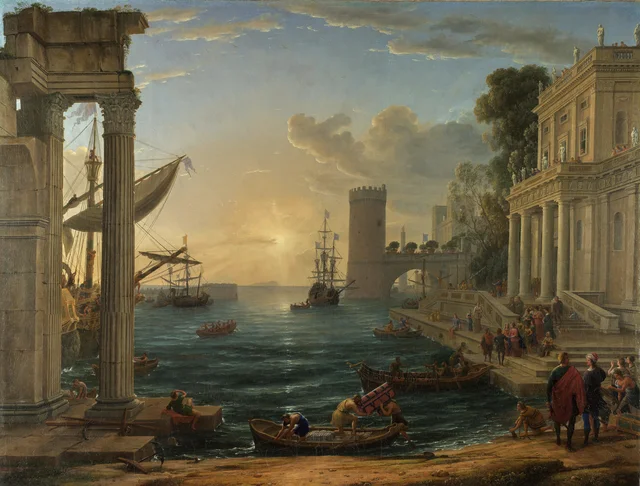 示巴女王登船克洛德·洛兰, 1648
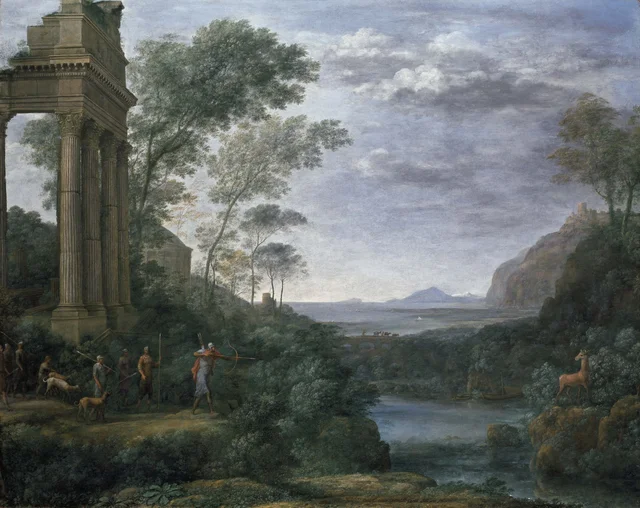 阿斯卡尼俄斯射杀西尔维娅的牡鹿克洛德·洛兰, 1682
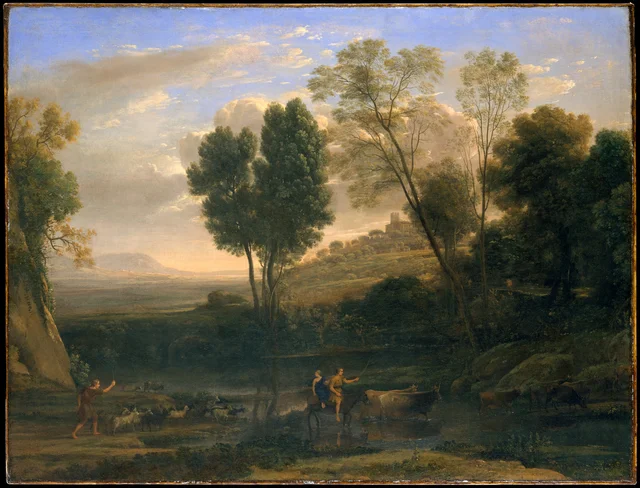 日出克洛德·洛兰, 1646
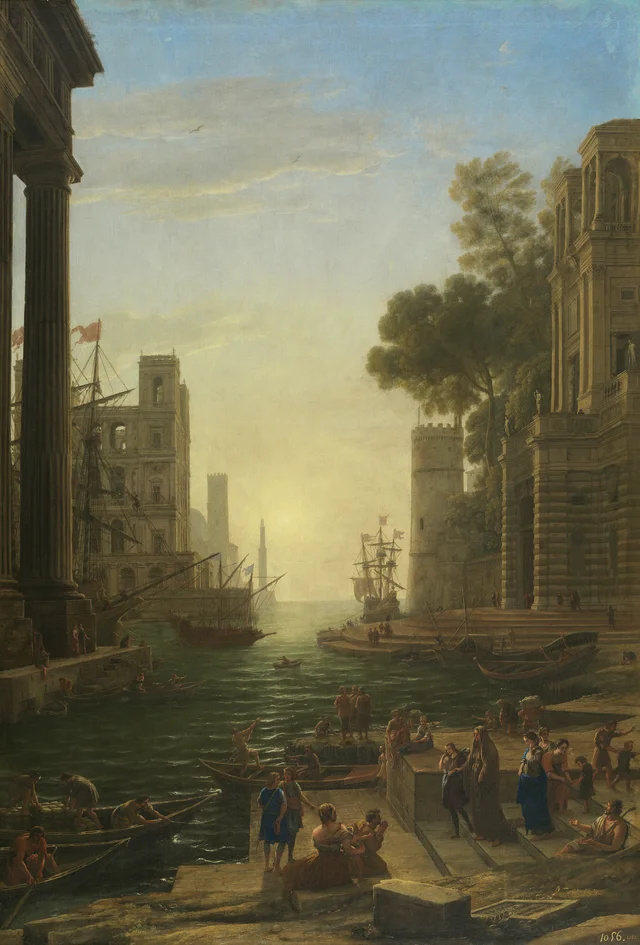 圣保拉·罗马纳在奥斯蒂亚登船的风景克洛德·洛兰, 1639
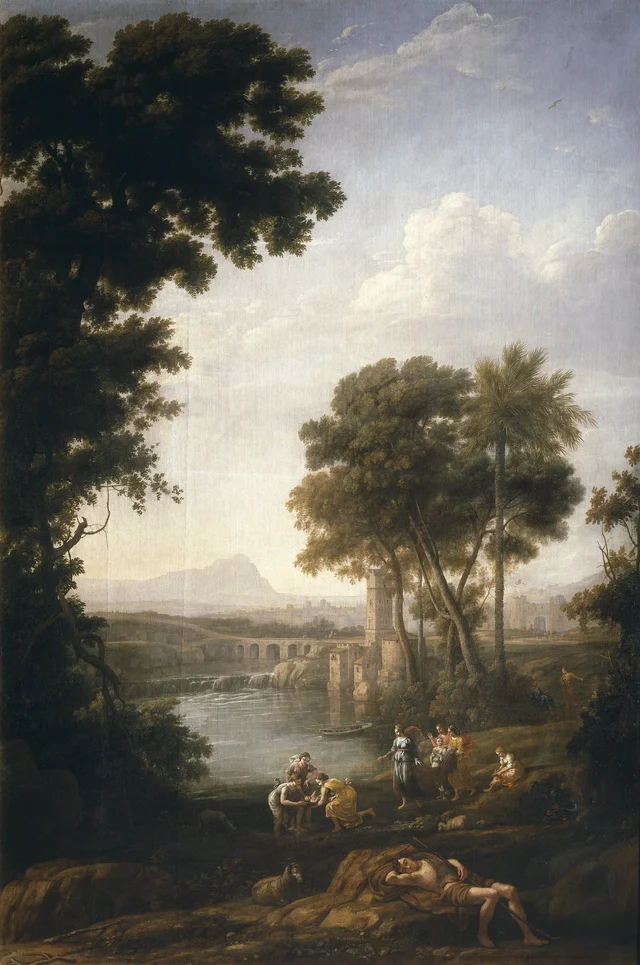 发现摩西的风景克洛德·洛兰, 1639
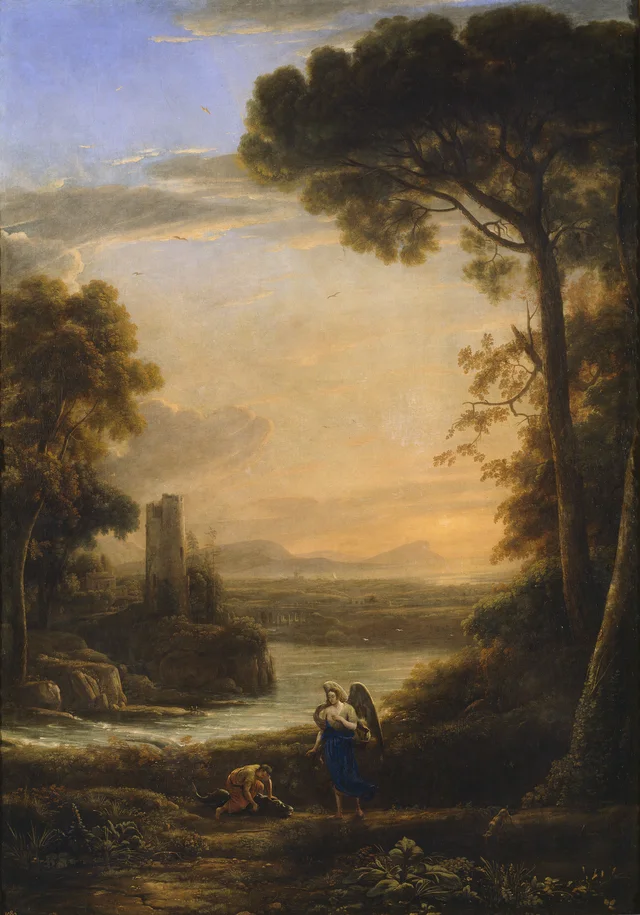 托比亚斯与天使的风景克洛德·洛兰, 1639
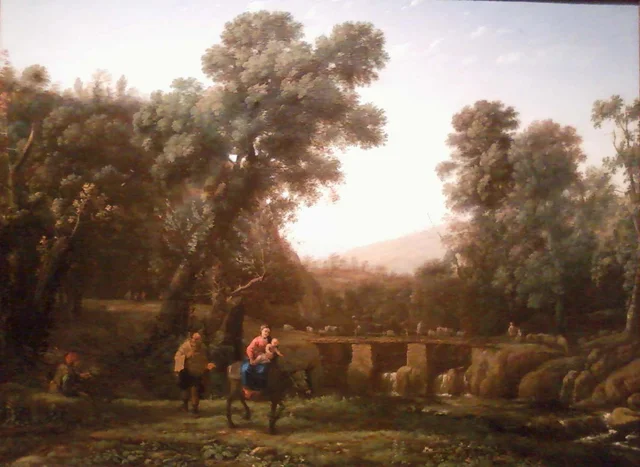 逃往埃及克洛德·洛兰, 1635
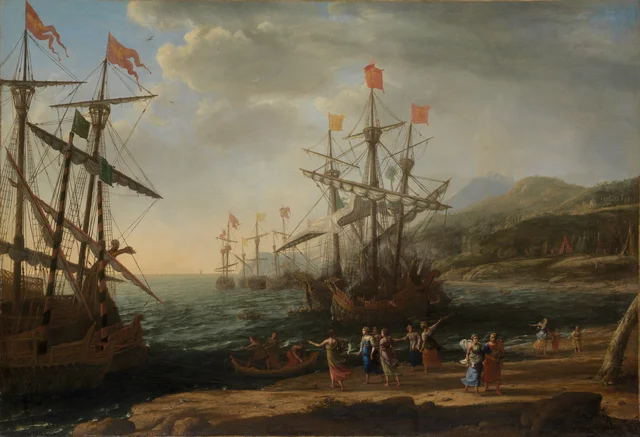 焚烧船队的特洛伊妇女克洛德·洛兰, 1643
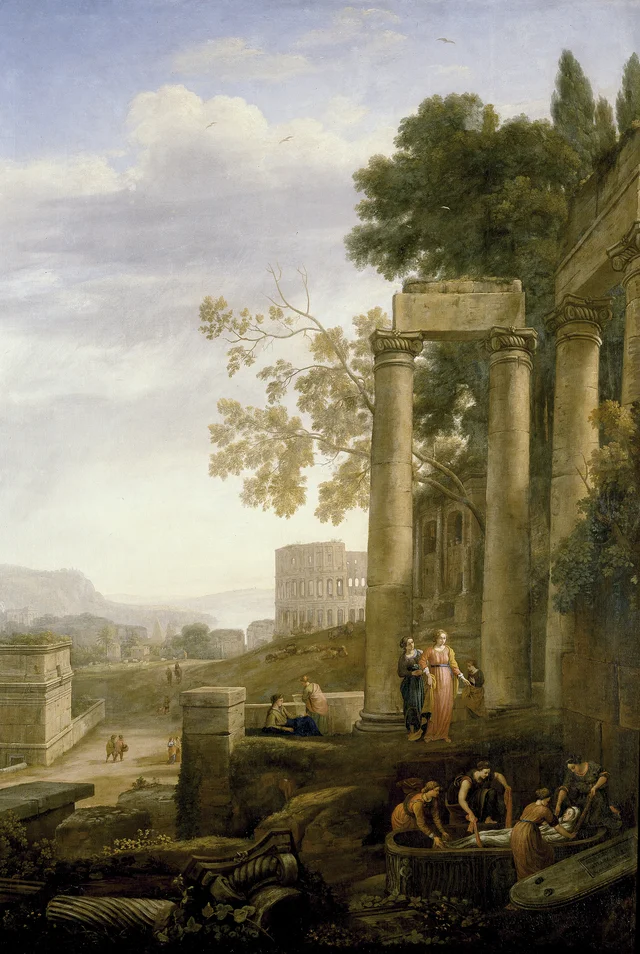 圣塞拉皮亚下葬的风景克洛德·洛兰, 1639
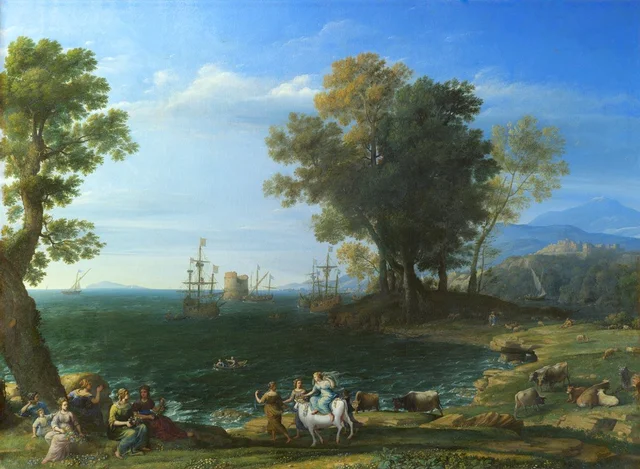 劫夺欧罗巴克洛德·洛兰, 1655
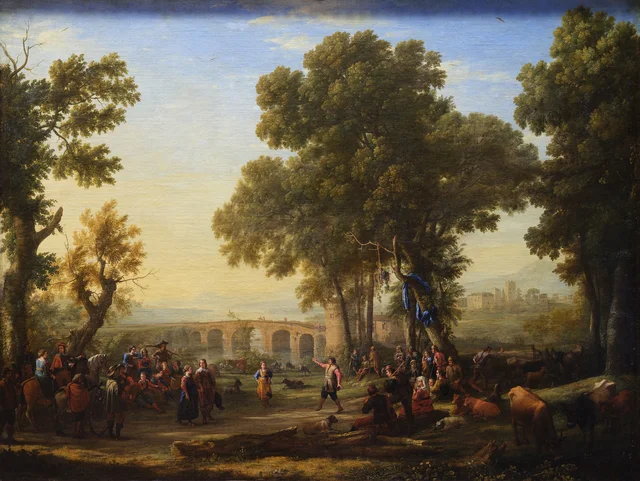 乡村节庆克洛德·洛兰, 1639
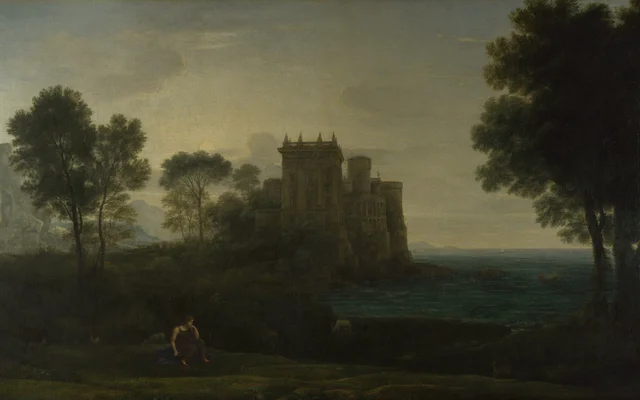 普赛克在丘比特宫殿外的风景克洛德·洛兰, 1664
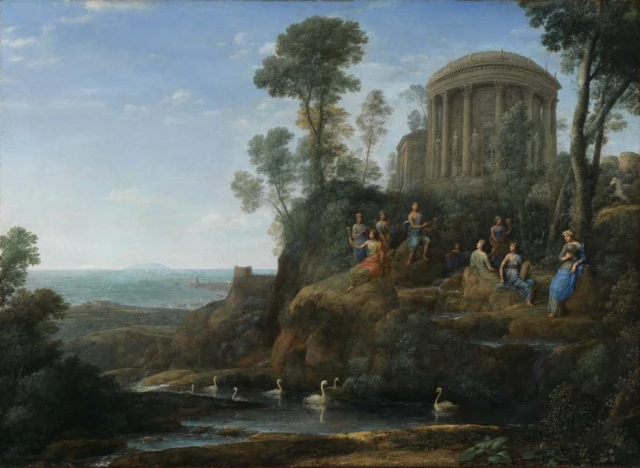 赫利孔山上的阿波罗与缪斯克洛德·洛兰, 1680
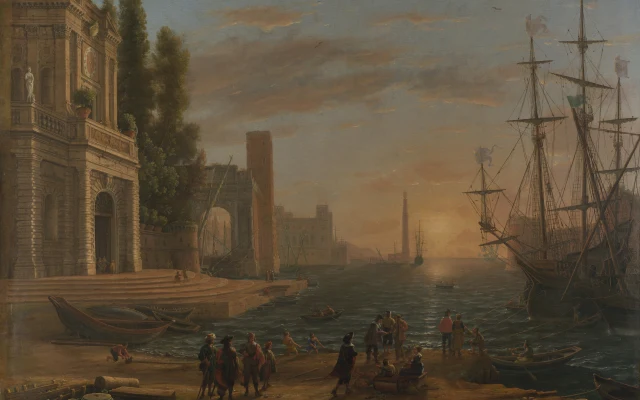 海港克洛德·洛兰, 1644
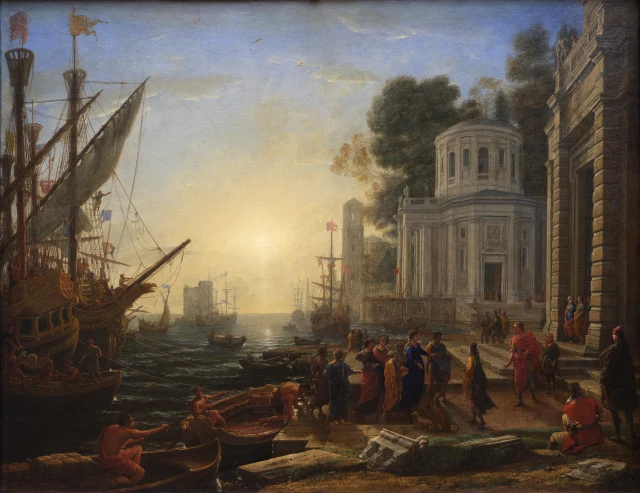 克娄巴特拉在塔尔苏斯登陆克洛德·洛兰, 1642
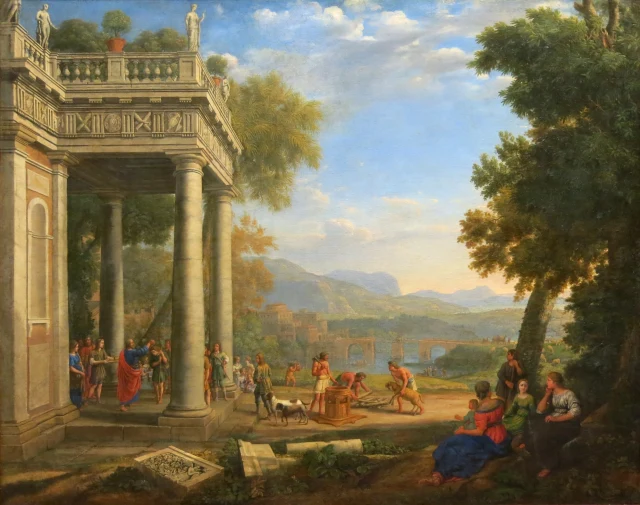 撒母耳膏立大卫为王克洛德·洛兰, 1647
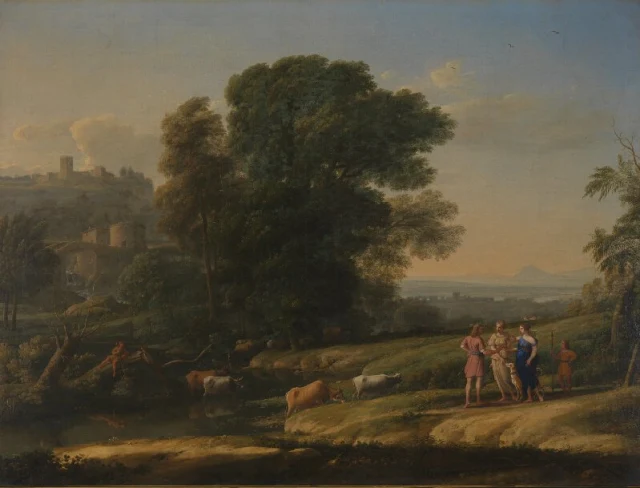 狄安娜使刻法罗斯与普罗克里斯重逢的风景克洛德·洛兰, 1645
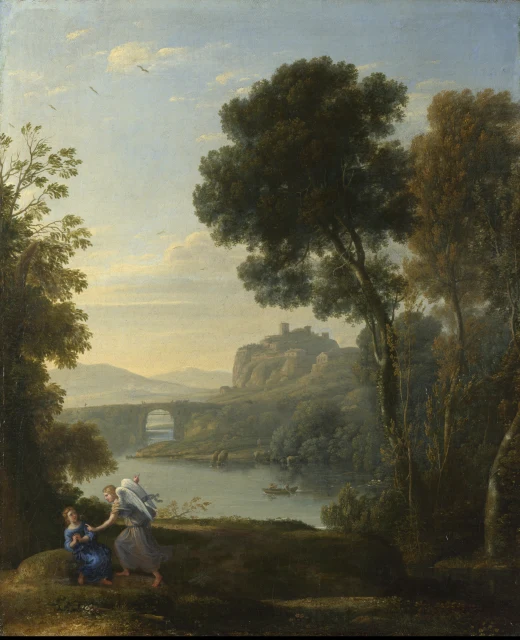 有夏甲与天使的风景克洛德·洛兰, 1646
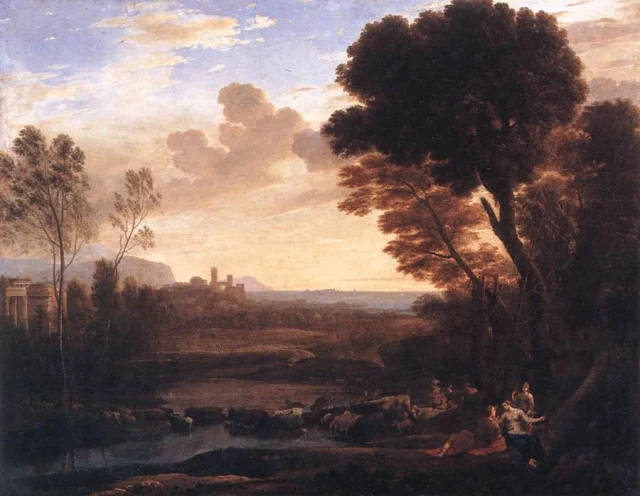 有帕里斯与俄诺涅的风景(“浅滩”)克洛德·洛兰, 1648
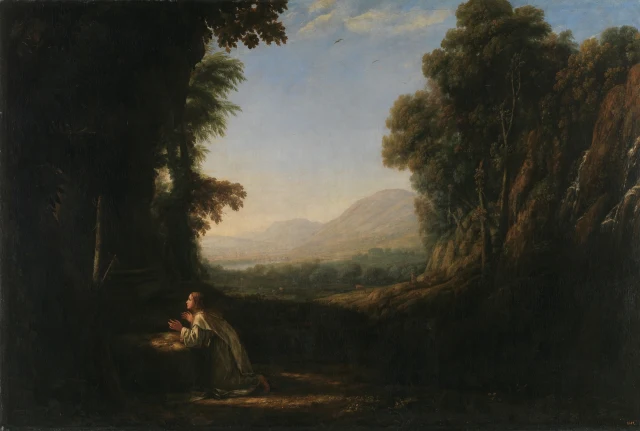 有圣玛利亚·德·塞尔韦略的风景克洛德·洛兰, 1637
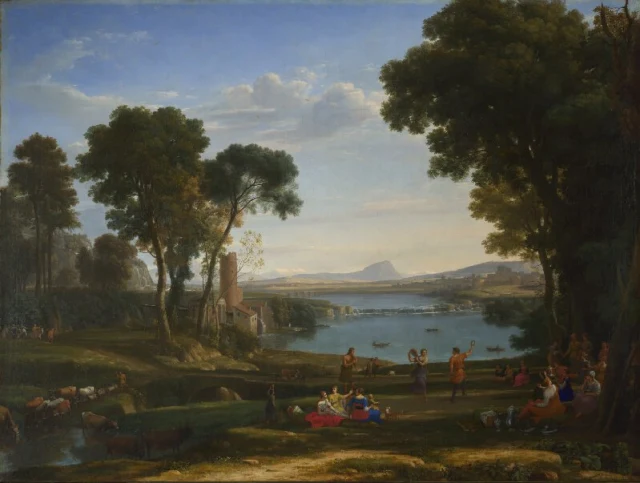 以撒与利百加婚礼风景(《磨坊》)克洛德·洛兰, 1648
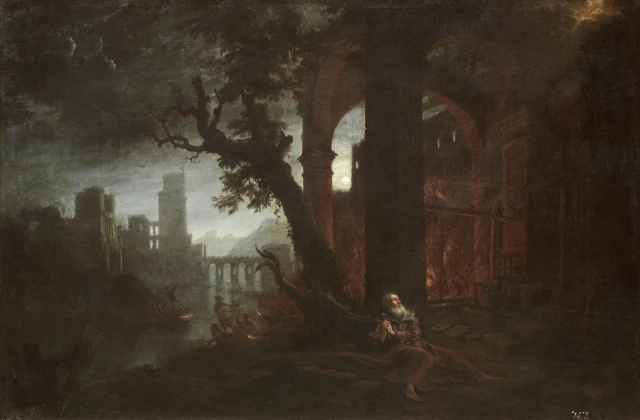 圣安东尼受诱惑的风景克洛德·洛兰, 1638
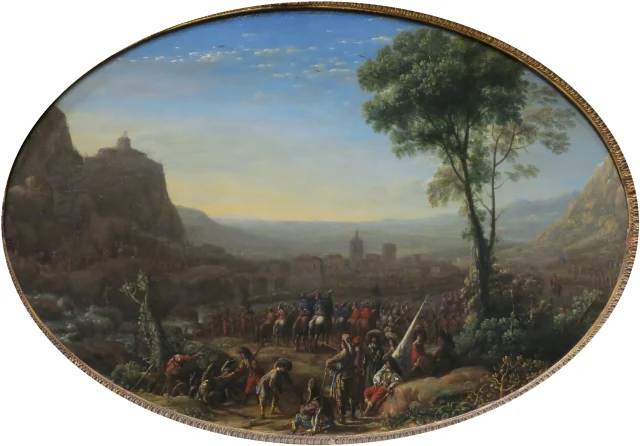 路易十三强攻苏萨隘口克洛德·洛兰, 1632