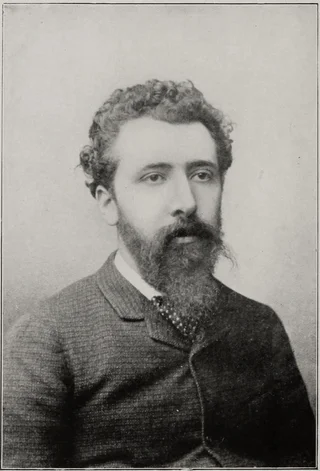
乔治·修拉
1859–1891 · 法国 · 点彩派
故事
乔治·修拉作画的方式近乎科学家。他曾在巴黎美术学院受训,又受到当时色彩与光学理论的影响,发展出一种技法:用成千上万个纯色小圆点作画,让观者的眼睛而非画笔在远处将色彩融合,他称之为"分色主义",评论家则戏称为"点彩派"。他1884至1886年间创作的《大碗岛的星期天下午》,画面近七英尺高、十英尺宽,描绘巴黎人在塞纳河一座小岛上休憩的场景,历时两年反复起草,至今仍是这一技法的代表之作。
他以这种方式作画不过短短十年,而且即便对亲密的朋友,也把私生活隐藏得很深。直到去世前两天,他才把自己的事实婚姻伴侣——曾做过画家模特的玛德琳·克诺布洛什,以及他们年幼的儿子皮埃尔-乔治,介绍给自己的父母。
修拉于1891年3月29日在巴黎骤然病逝,年仅三十一岁;医生们始终未能确定死因究竟是脑膜炎、白喉,还是感染性咽峡炎。他的幼子两周后死于同一种疾病,与他一同葬在拉雪兹神父公墓。
更多文章
作品
116 件作品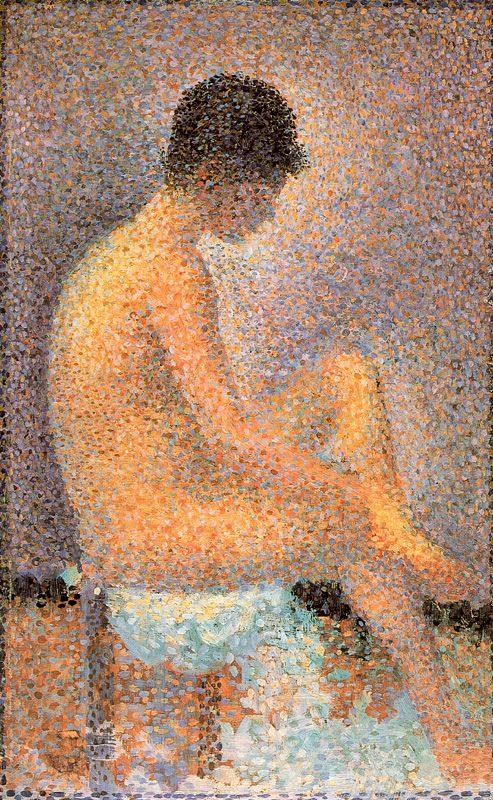 侧坐的模特乔治·修拉, 1887
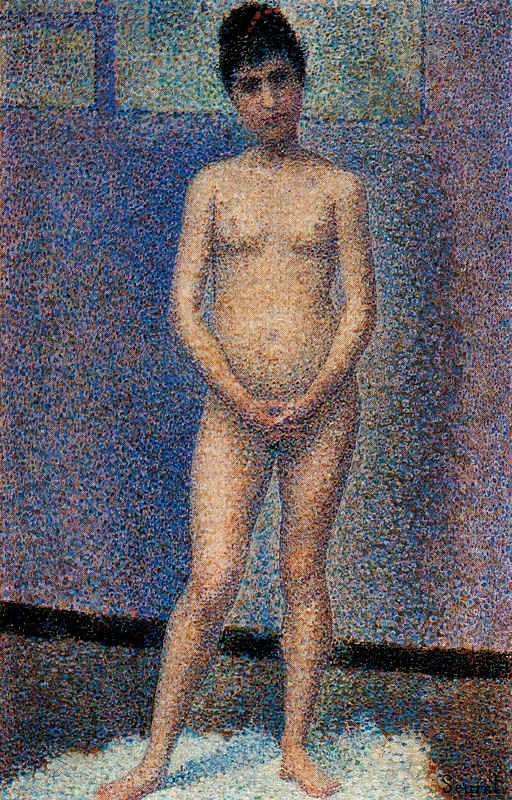 站立的模特乔治·修拉, 1887
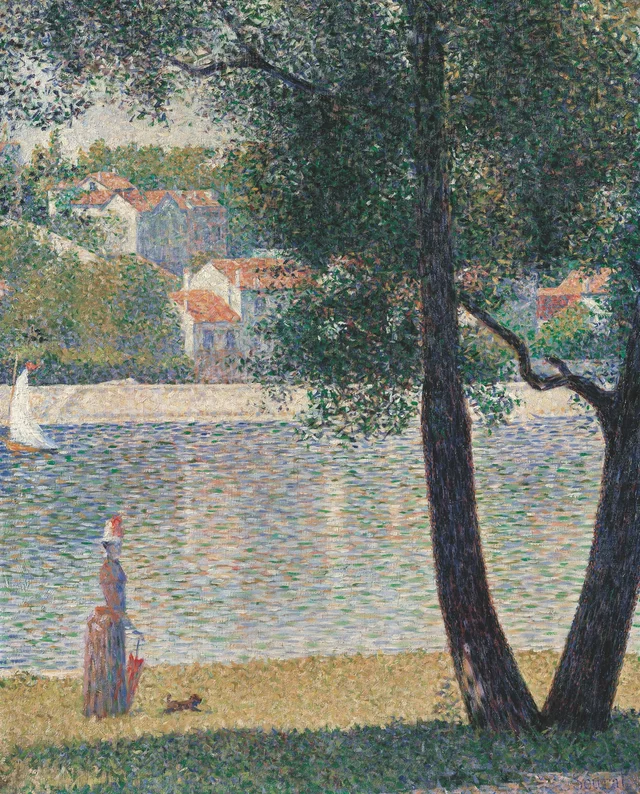 库尔布瓦的塞纳河乔治·修拉, 1885
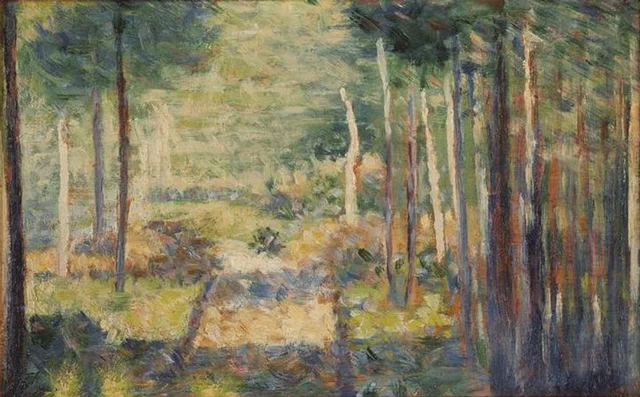 巴比松森林小径乔治·修拉, 1883
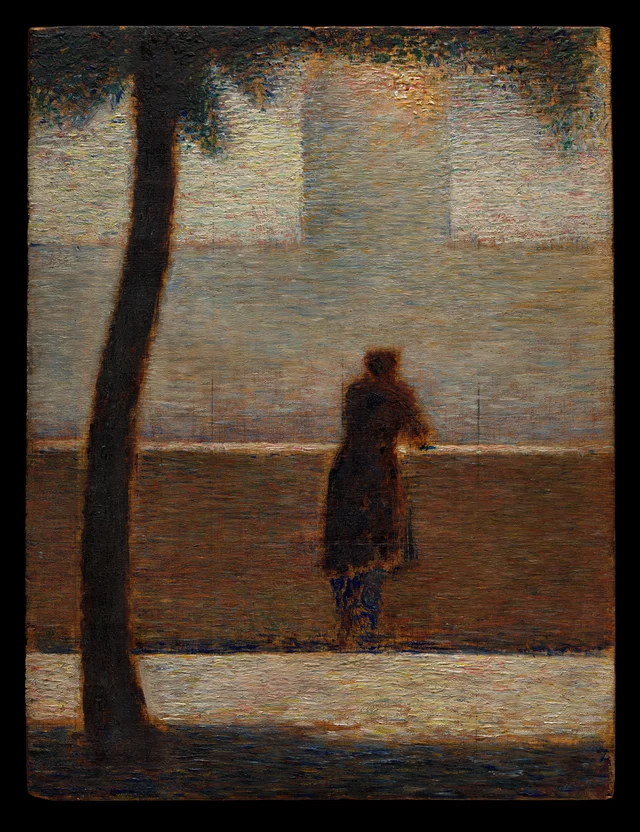 倚靠栏杆的男子乔治·修拉, 1881
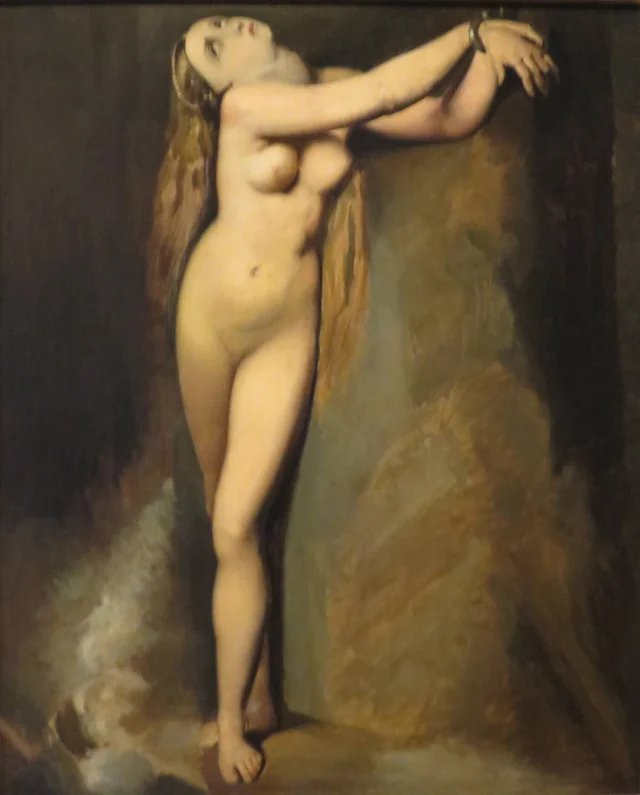 岩石上的安杰莉卡(仿安格尔)乔治·修拉, 1878
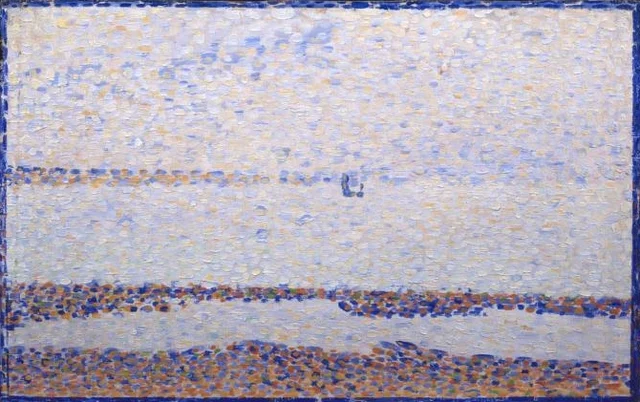 格拉沃利讷海滩乔治·修拉, 1890
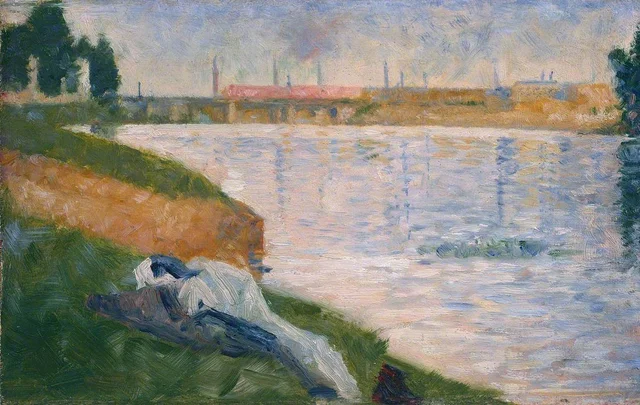 草地上的衣服乔治·修拉, 1883
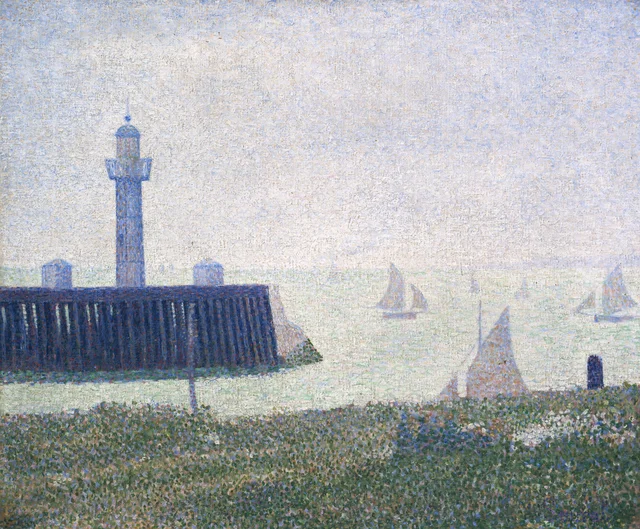 翁弗勒尔防波堤尽头乔治·修拉, 1886
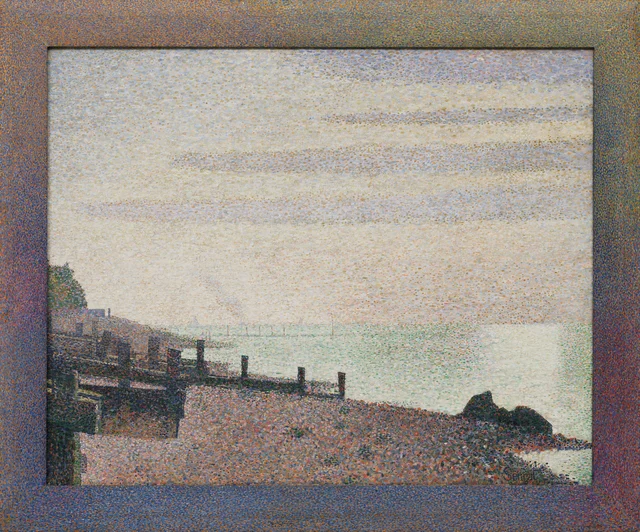 翁弗勒尔的黄昏乔治·修拉, 1886
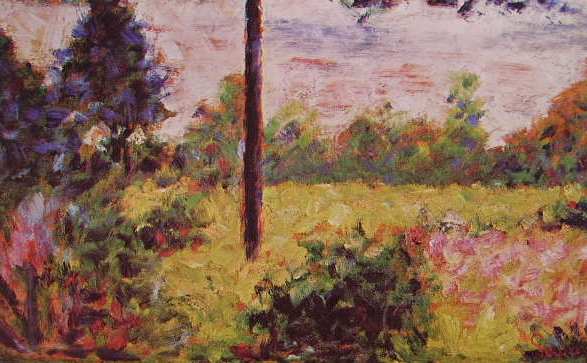 巴比松的树木田野乔治·修拉, 1883
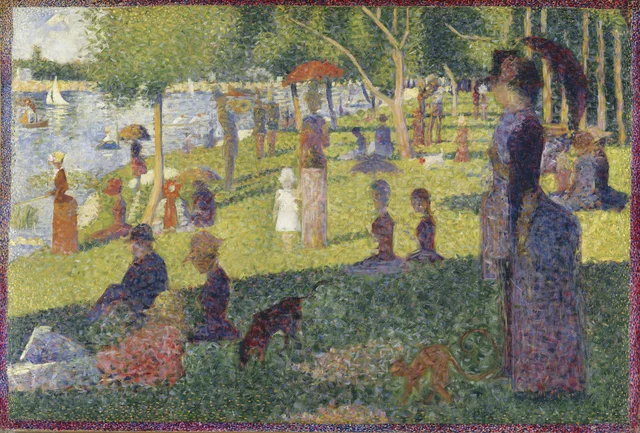 《大碗岛的星期日下午》最终习作乔治·修拉, 1884
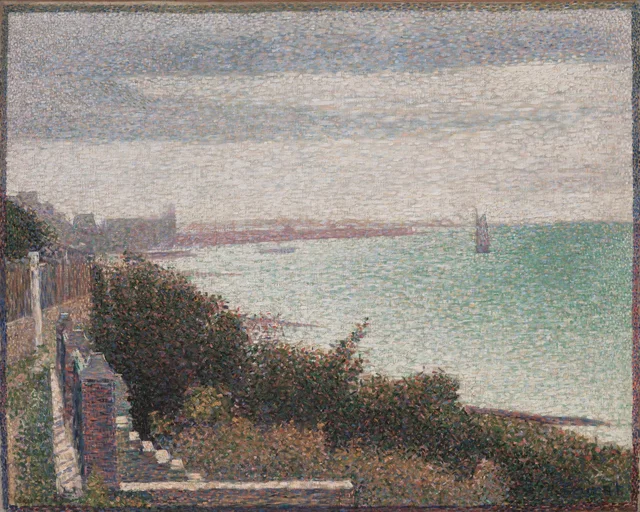 格朗康的傍晚乔治·修拉, 1885
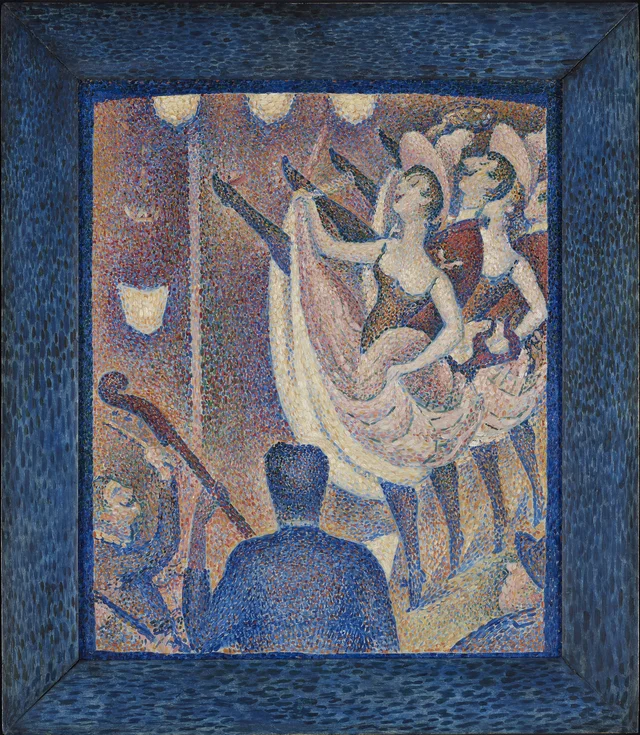 康康舞习作一乔治·修拉, 1889
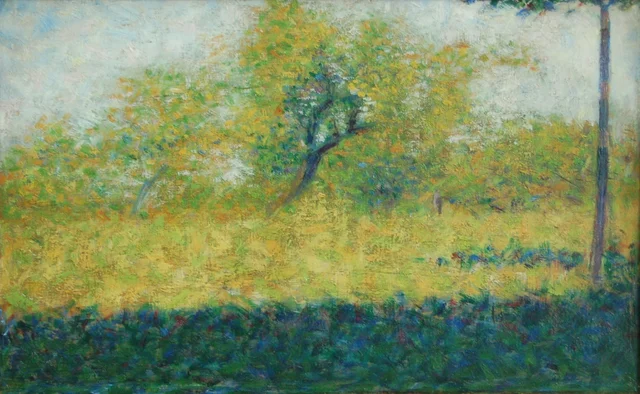 春天的林缘乔治·修拉, 1882
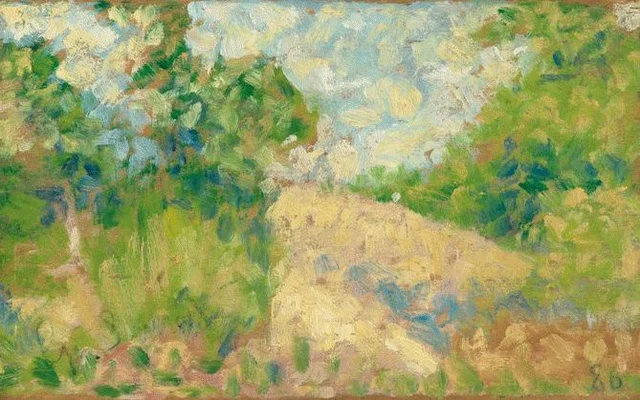 粉红色风景乔治·修拉, 1886
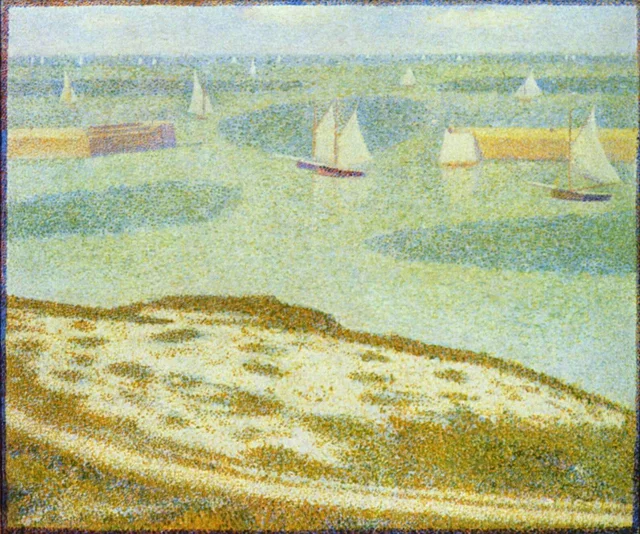 贝辛港,港口入口乔治·修拉, 1888
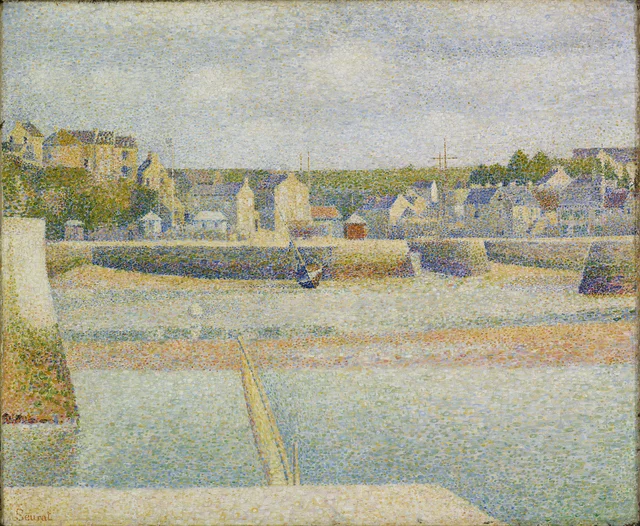 贝桑港:外港(退潮)乔治·修拉, 1888
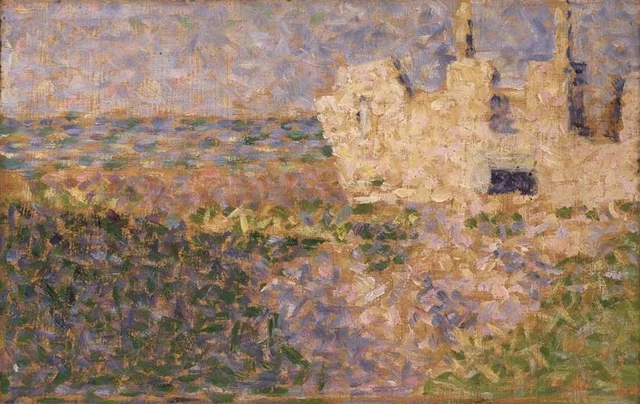 格朗康的废墟乔治·修拉, 1885
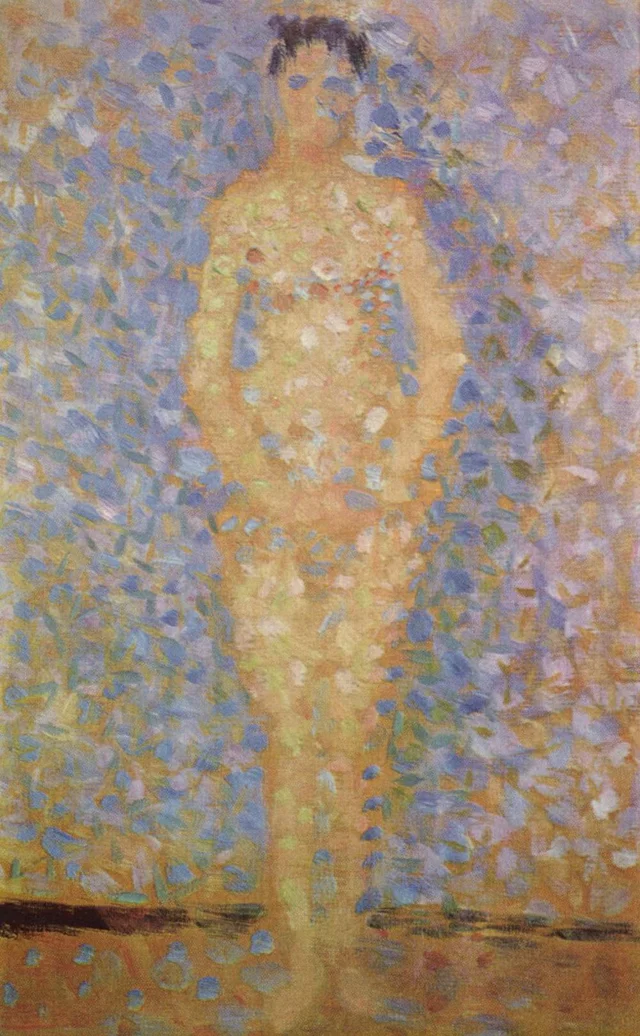 正面站立的模特,《摆姿势的女人们》习作乔治·修拉, 1886
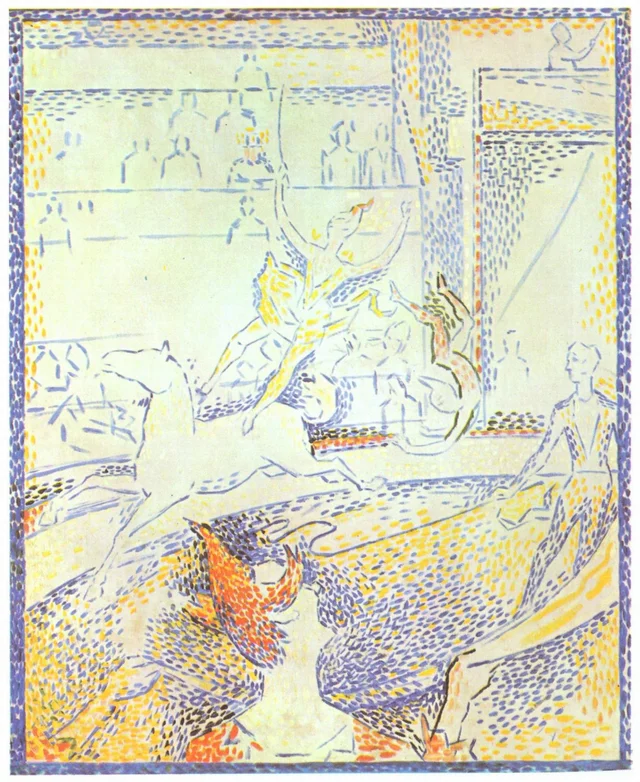 马戏团(习作)乔治·修拉, 1891
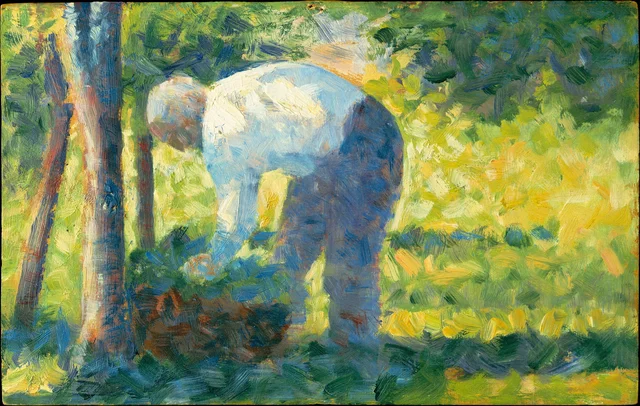 园丁乔治·修拉, 1882
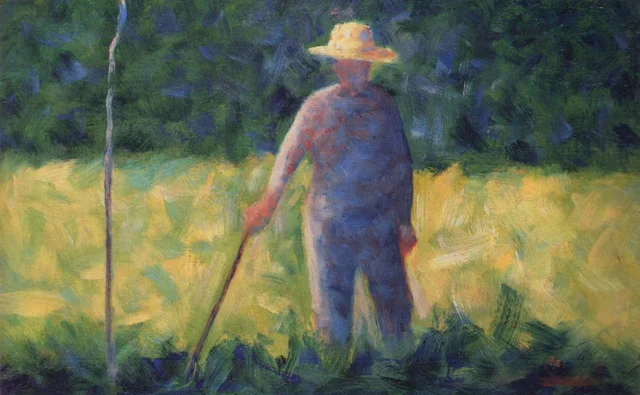 园丁一号乔治·修拉, 1882
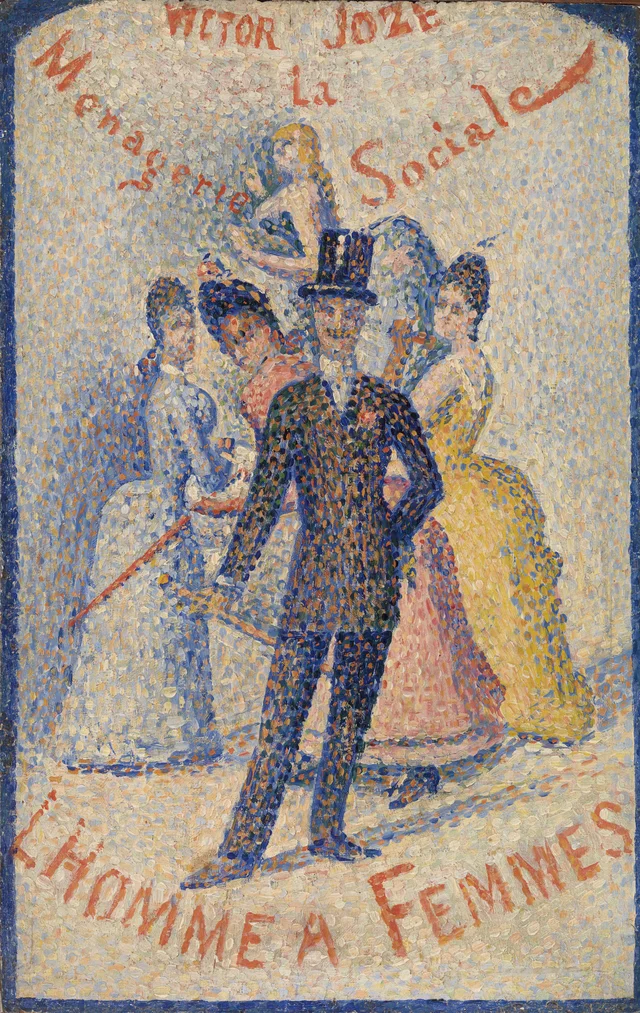 追逐女性的男人乔治·修拉, 1889
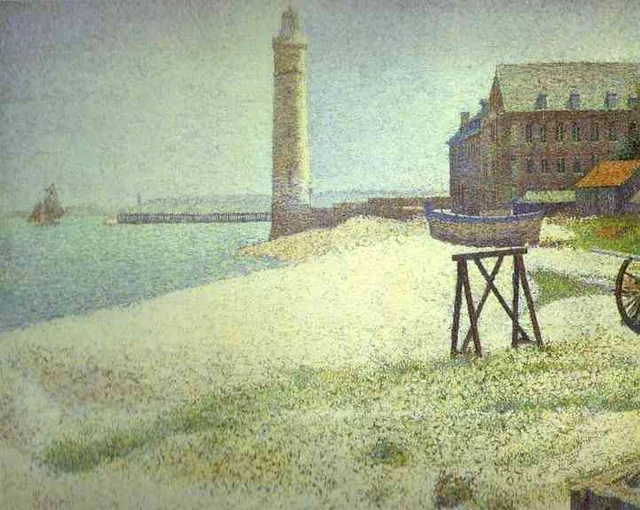 翁弗勒尔的灯塔乔治·修拉, 1886