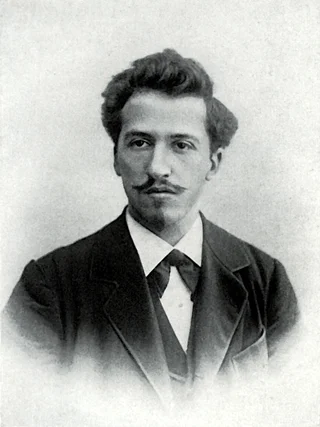
皮特·蒙德里安
1872–1944 · 荷兰王国 · 风格派, 后印象派
故事
1912年,蒙德里安离开荷兰前往巴黎——当时新艺术的中心——一头扎进了立体主义。毕加索与布拉克正把物体拆解成扁平的面,蒙德里安借用了他们的直线网格构图,却把这一手法推向了两人都未曾设想的极致。他不断把自己画中的树木和教堂立面加以平面化,直到主题彻底消失,只剩下横线、竖线和色块。
到了二十年代初,他把调色板压缩到只剩红、黄、蓝三色,加上黑、白、灰,方向也只留下垂直与水平两种。他将其称为"新造型主义",并与荷兰的风格派团体一起,围绕这一理念建立了一整套哲学体系,相信这些简朴的元素能够承载一种表现具象事物的绘画所无法传达的普遍和谐。此后二十年间,他几乎只画这一类作品,反复调整一条黑线的分量,或是白色画面中一块红色方块的大小。
后来战争把他赶走了。他在伦敦度过了两年,1940年,随着轰炸步步逼近,他67岁时乘船前往纽约。这座城市消解了他的严谨:他迷上了布吉伍吉爵士乐和曼哈顿红绿灯般的节奏,用一串串跳动的彩色小方块取代了原来沉重的黑色网格。1944年初,他因肺炎去世时,仍在反复修改这种晚期风格的一幅作品,题为《胜利布吉伍吉》。
更多文章
作品
112 件作品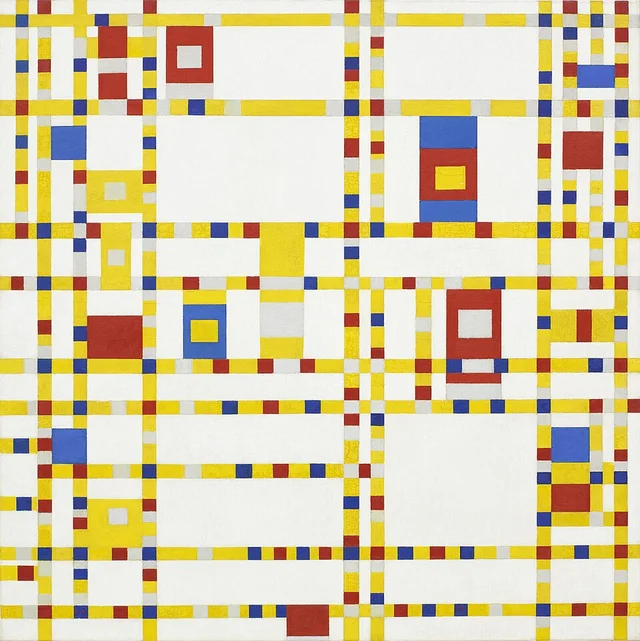 百老汇布吉伍吉皮特·蒙德里安, 1942
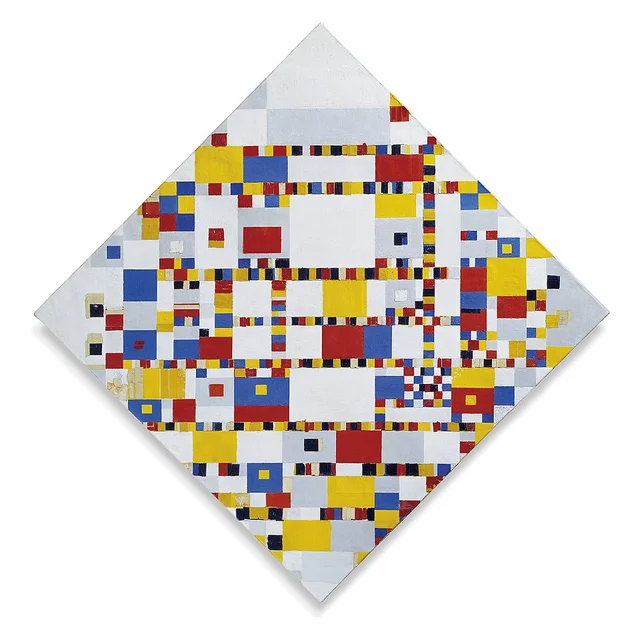 Victory Boogie Woogie皮特·蒙德里安, 1942
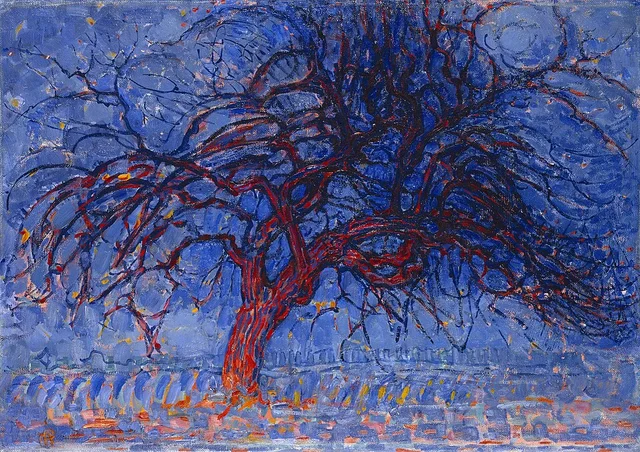 红树皮特·蒙德里安, 1909
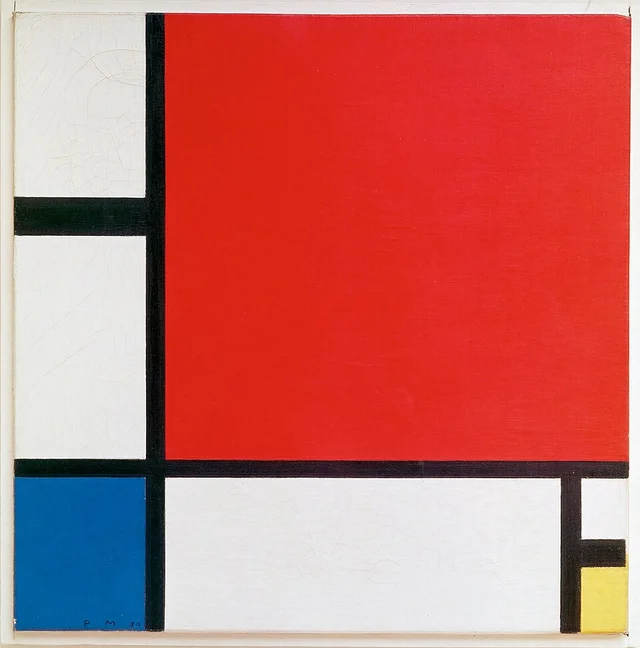 红、蓝、黄的构成 II皮特·蒙德里安, 1930
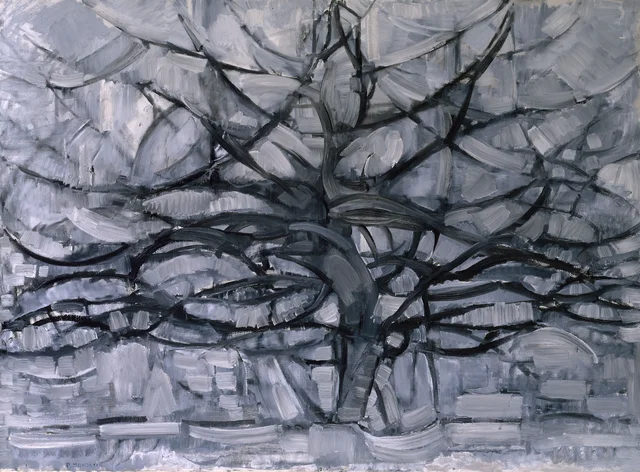 灰色的树皮特·蒙德里安, 1911
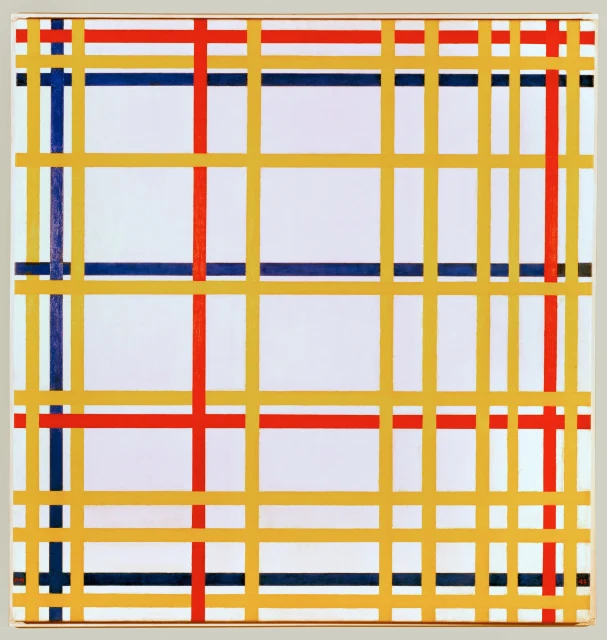 纽约市皮特·蒙德里安, 1942
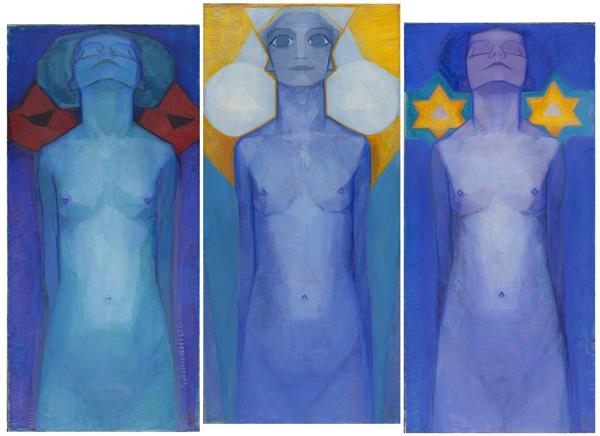 演化皮特·蒙德里安, 1911
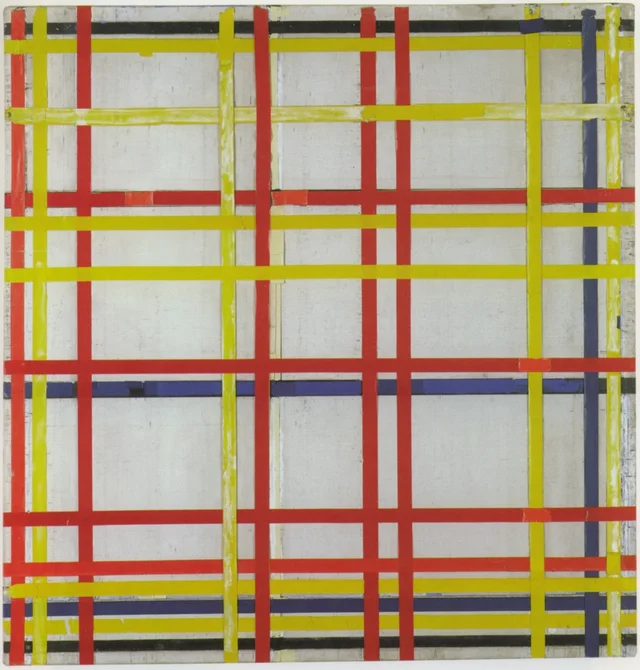 纽约市 I皮特·蒙德里安, 1941
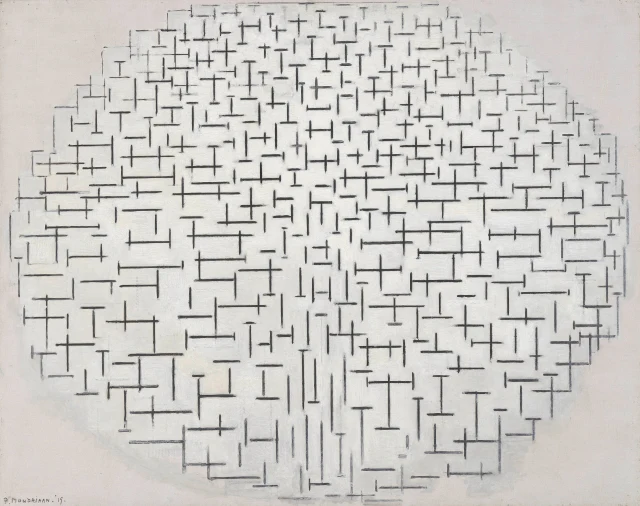 黑白构成10号皮特·蒙德里安, 1915
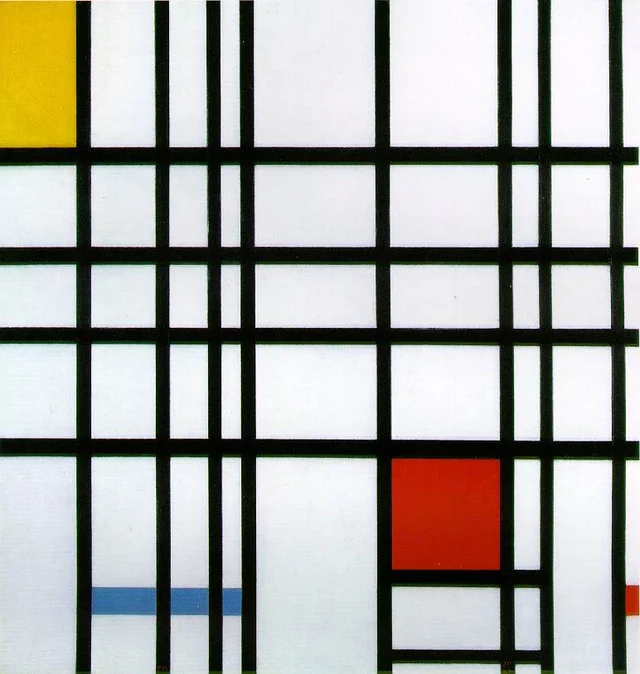 红、黄、蓝的构成皮特·蒙德里安, 1937
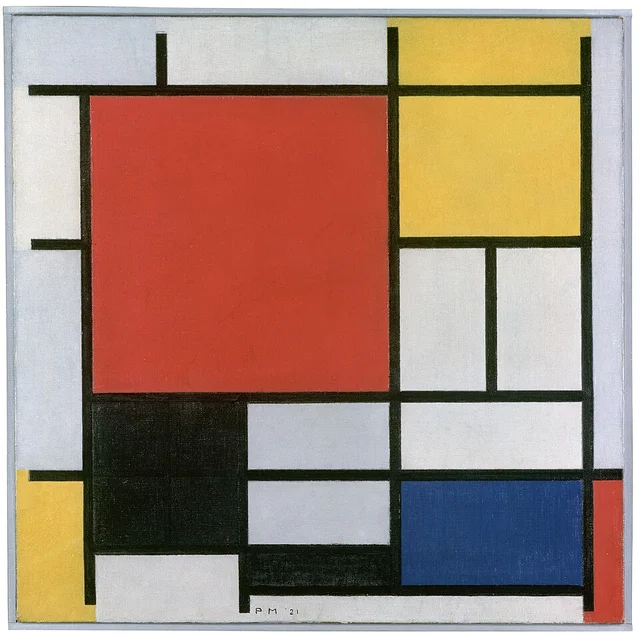 大红色块与黄、黑、灰、蓝的构成皮特·蒙德里安, 1921
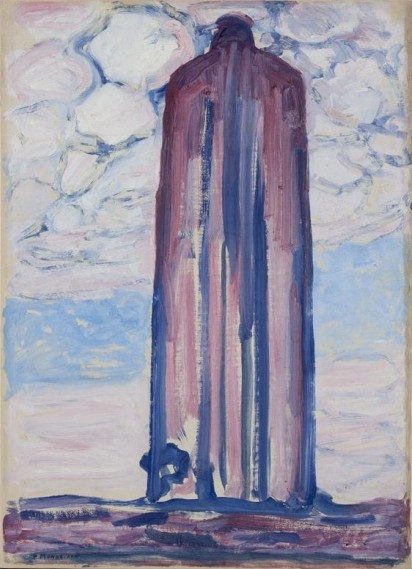 韦斯特卡佩勒的灯塔皮特·蒙德里安, 1908
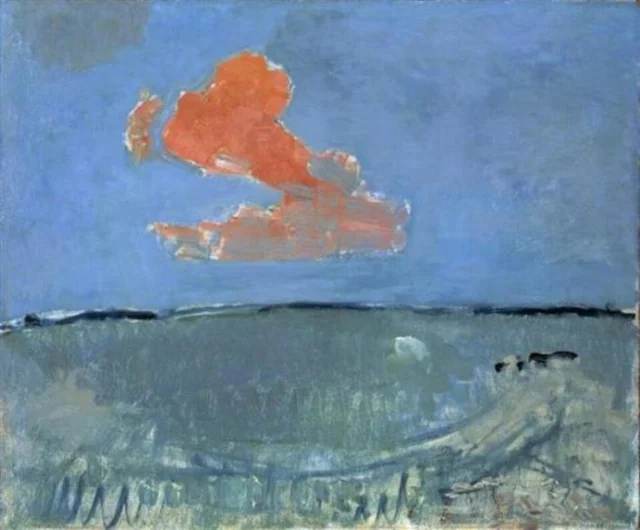 红云皮特·蒙德里安, 1907
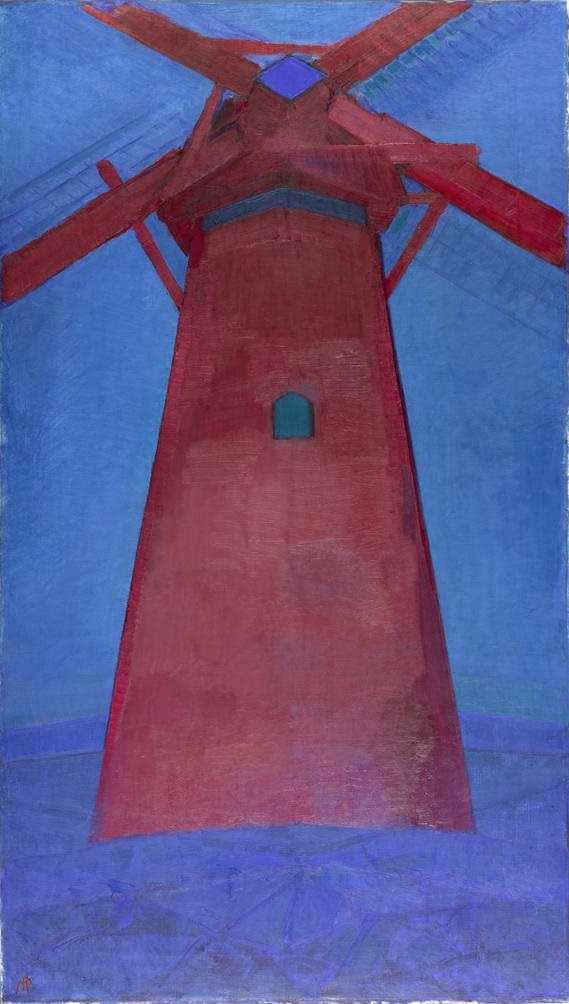 红色风车皮特·蒙德里安, 1910
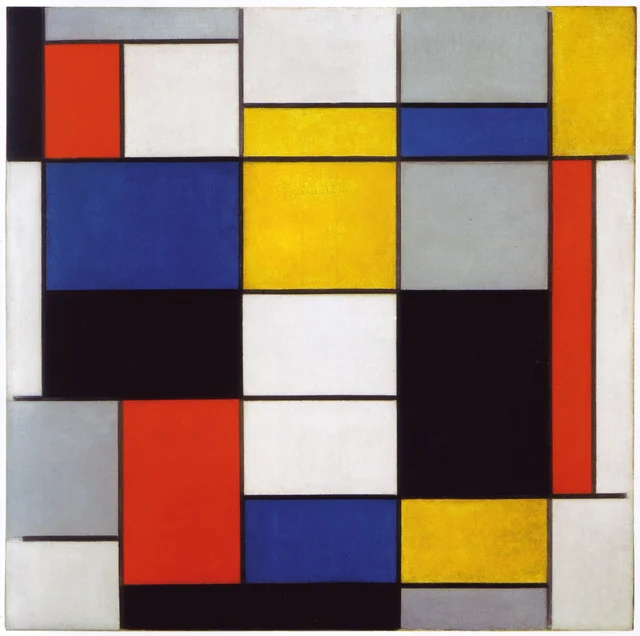 构成A:黑、红、灰、黄和蓝的构成皮特·蒙德里安, 1920
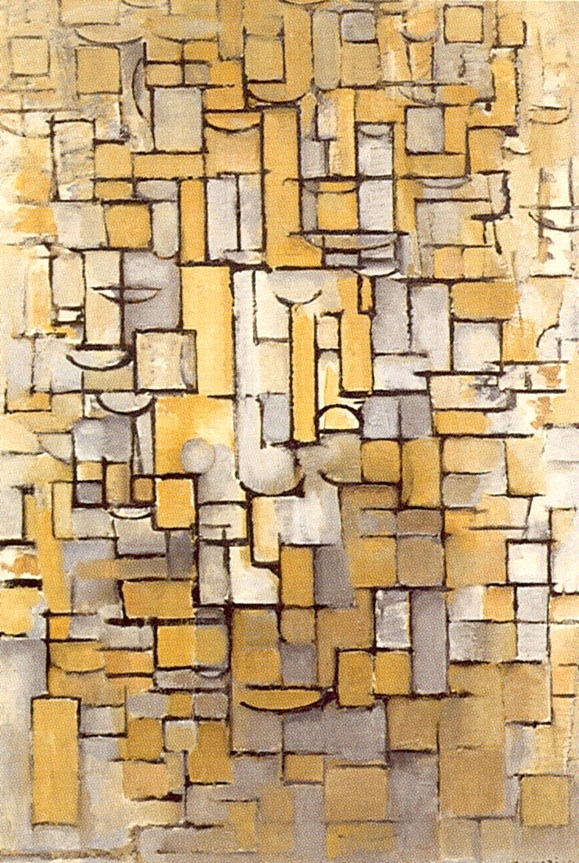 构图 XIV皮特·蒙德里安, 1913
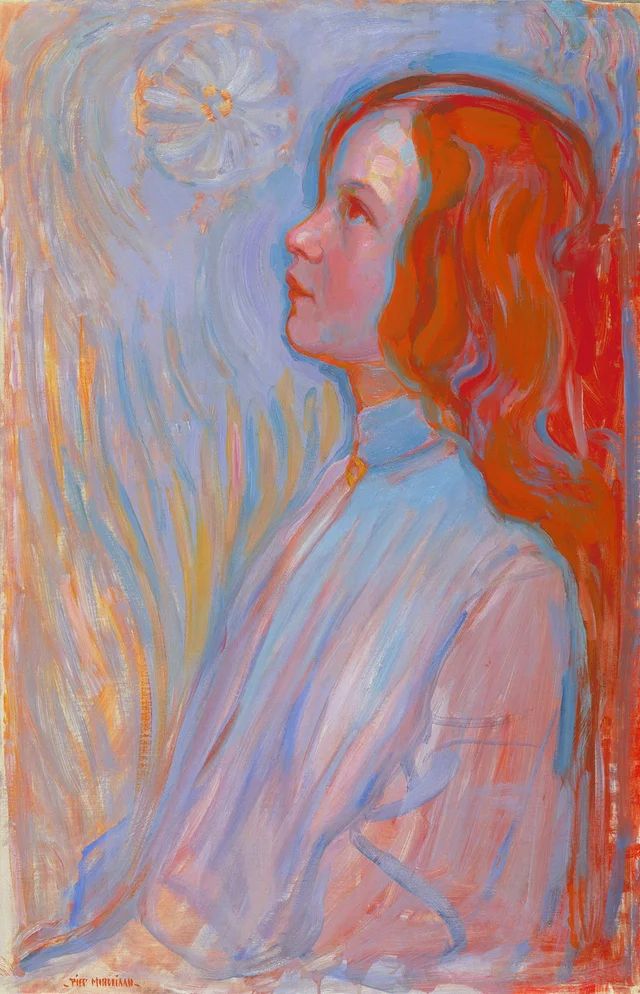 献身皮特·蒙德里安, 1908
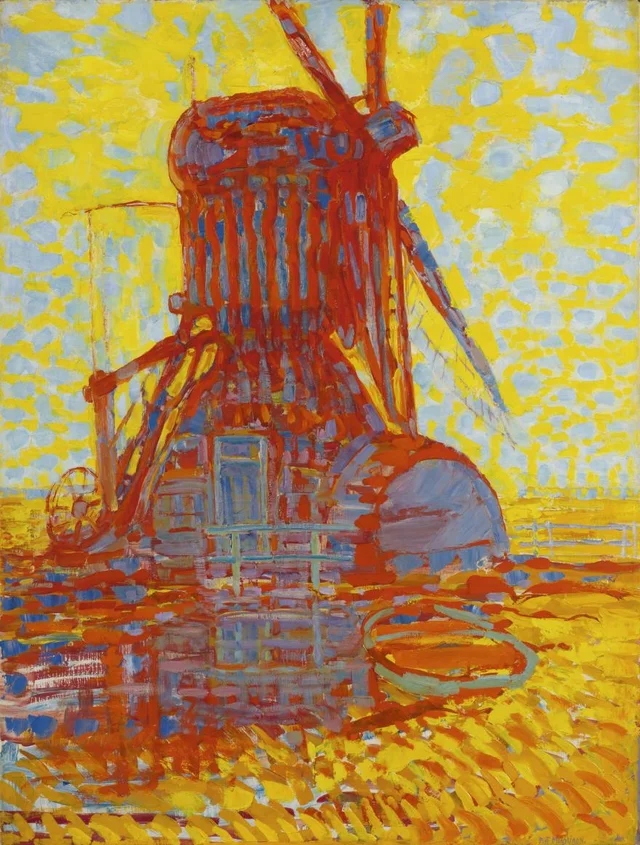 阳光下的风车皮特·蒙德里安, 1908
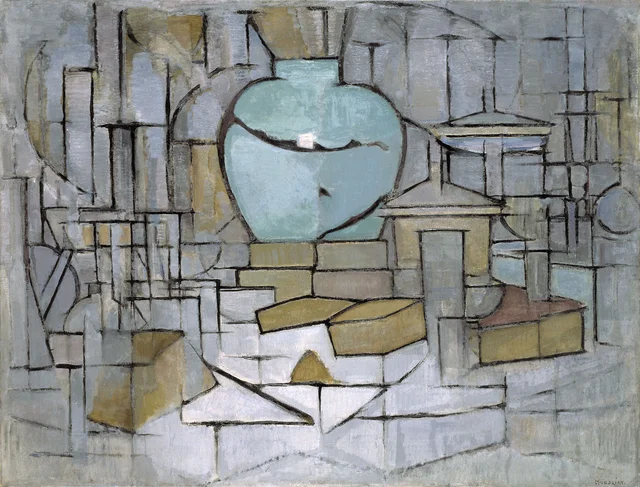 姜罐静物之二皮特·蒙德里安, 1912
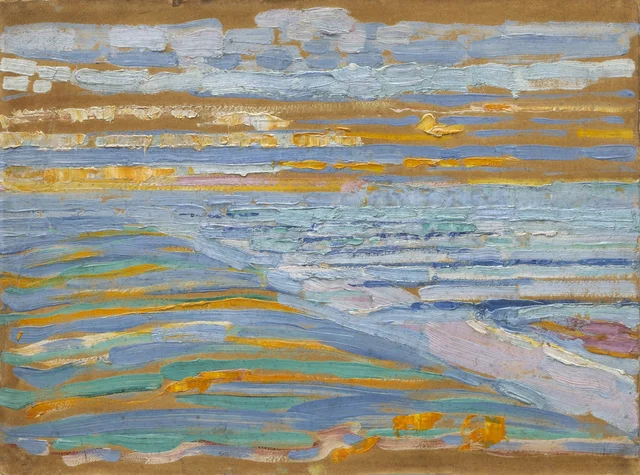 从沙丘眺望海滩与防波堤,东堡皮特·蒙德里安, 1909
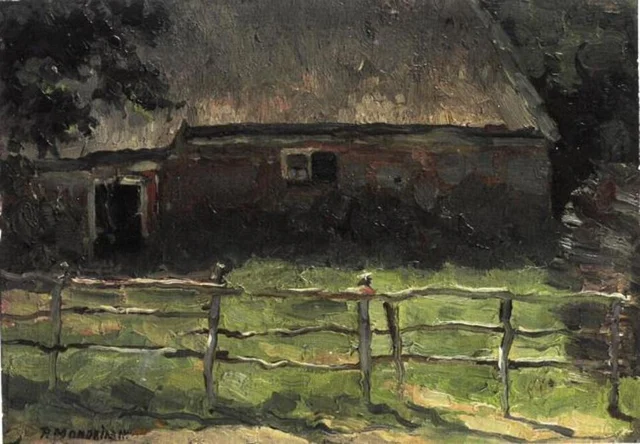 栅栏后的农舍皮特·蒙德里安, 1904
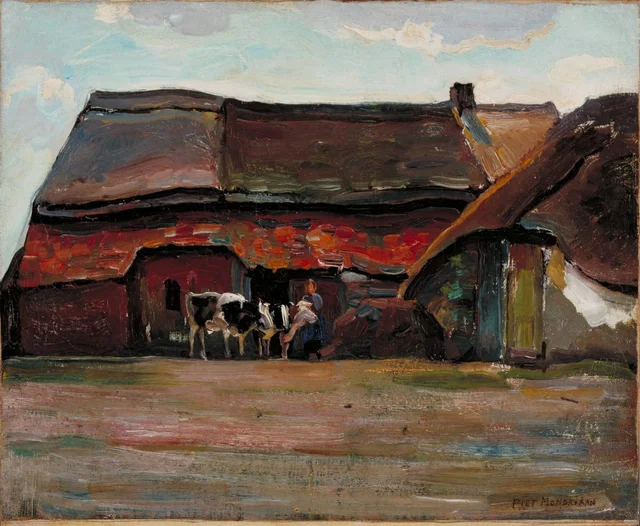 布拉班特农舍庭院皮特·蒙德里安, 1904
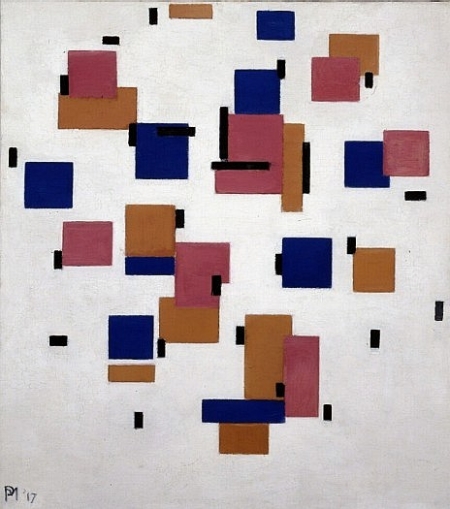 色彩构成B皮特·蒙德里安, 1917
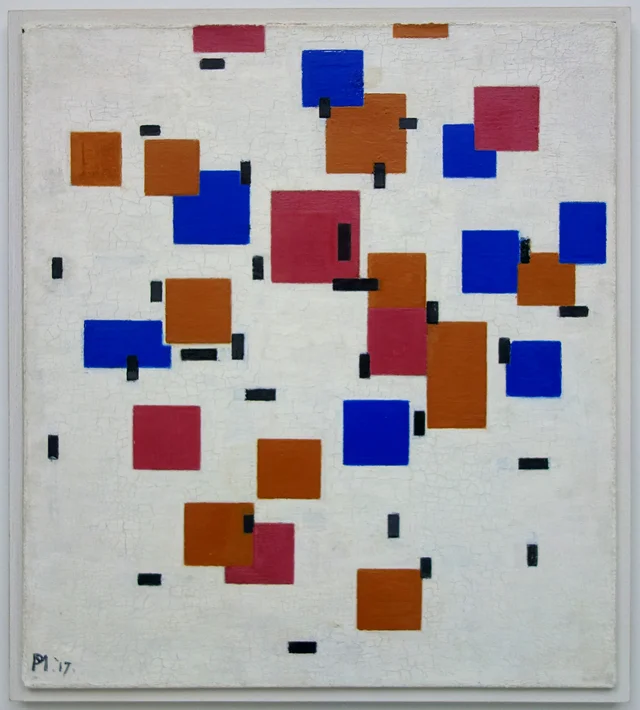 色彩构成A皮特·蒙德里安, 1917
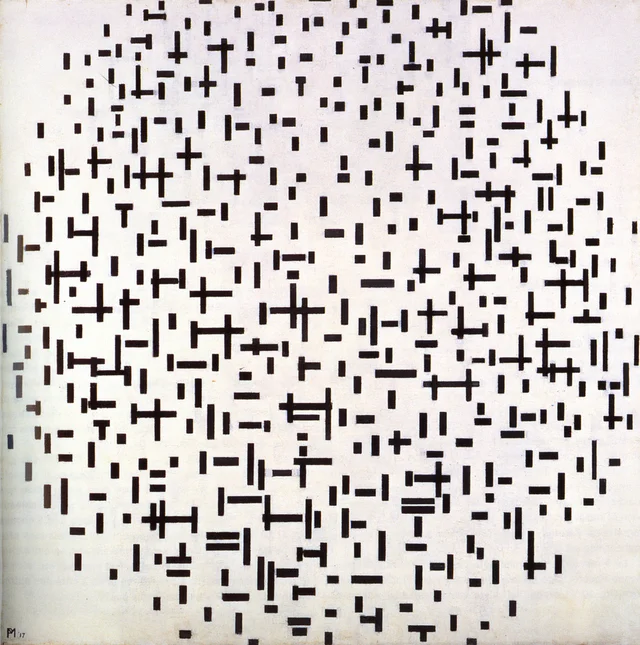 线性构图,第二状态皮特·蒙德里安, 1916