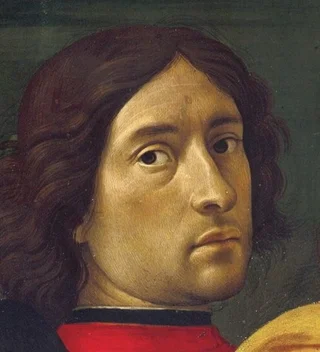
Domenico Ghirlandaio
1448–1494 · Republik Florenz · Italienische Renaissance
Die Geschichte
1487 unterzeichnete der Florentiner Maler Domenico Ghirlandaio einen Vertrag, mit dem er einen neuen Lehrling aufnahm: einen 13-jährigen Jungen namens Michelangelo Buonarroti. Ghirlandaio führte eine der geschäftigsten Werkstätten von Florenz, besetzt mit seinen eigenen Brüdern und später seinem Sohn, und konnte Freskenzyklen in einem Tempo liefern, dem kaum ein Konkurrent gewachsen war. Der Vertrag ist erhalten und legt Ausbildungsjahre sowie sogar einen kleinen Lohn für den Jungen fest. Michelangelo spielte die Schuld später herunter und behauptete zeitweise, ganz und gar Autodidakt gewesen zu sein, doch die Disziplin der Freskomalerei, die er in jener Werkstatt lernte, blieb ihm Jahrzehnte später für die Sixtinische Decke erhalten.
Ghirlandaios eigener Ruf gründete vor allem auf Fresken, jenen großformatigen Wandmalereien, die nur eine gut besetzte Werkstatt termingerecht liefern konnte, allen voran der Zyklus, den er für die Familie Tornabuoni in der Kirche Santa Maria Novella schuf. Er füllte biblische Szenen mit den Gesichtern und der Mode der Florentiner Kaufmannsfamilien, die dafür bezahlten, sodass eine Szene aus dem Leben der Jungfrau Maria zugleich als Gruppenporträt der Florentiner Elite um 1490 dient. Er hatte bei Alesso Baldovinetti gelernt, einem Florentiner Maler und Mosaizisten, und pflegte enge Verbindungen zu Botticelli und dem umbrischen Maler Perugino – Teil derselben Generation, die die Florentiner Kunst vor der Hochrenaissance prägte.
Er starb im Januar 1494, kurz vor seinem 46. Geburtstag, fünf Tage nachdem ihn ein plötzliches Fieber erfasst hatte, während er neue Aufträge für Siena und Pisa vorbereitete.
Weitere Artikel
Werke
27 Werke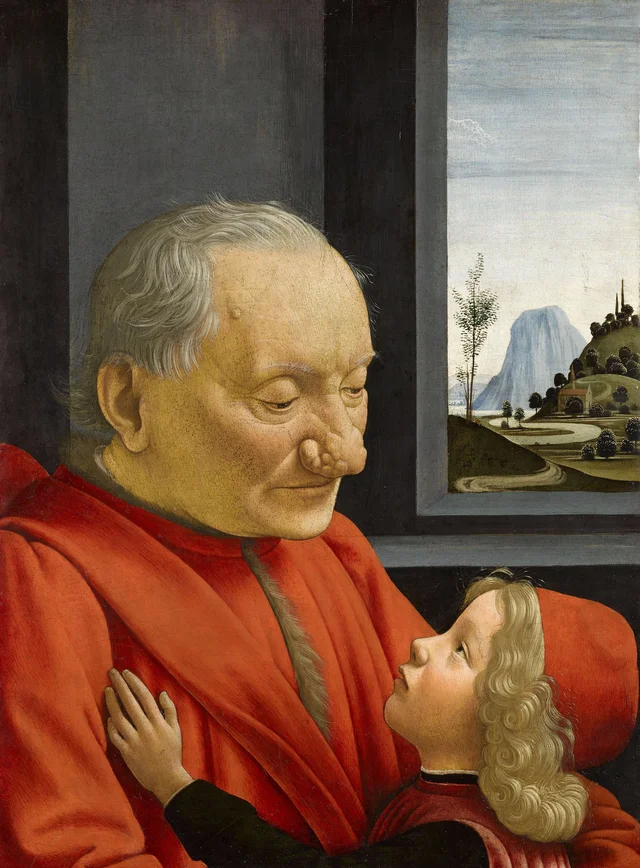 Der alte Mann mit seinem EnkelDomenico Ghirlandaio, 1490
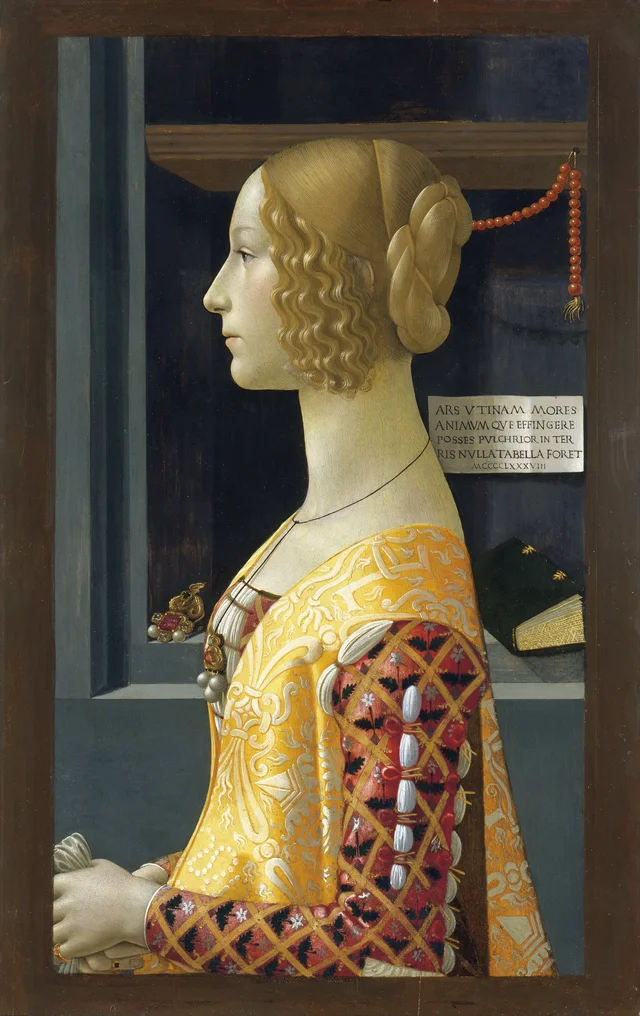 Porträt der Giovanna TornabuoniDomenico Ghirlandaio, 1488
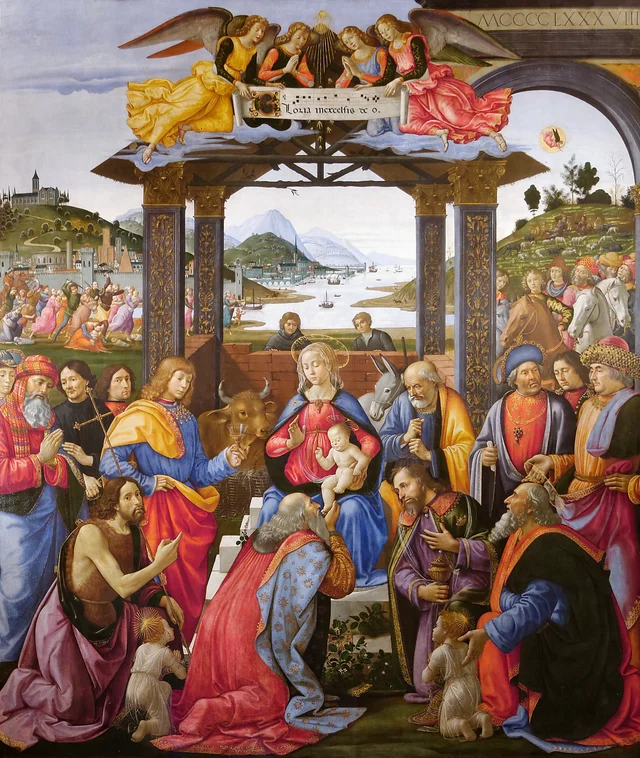 Die Anbetung der KönigeDomenico Ghirlandaio, 1485
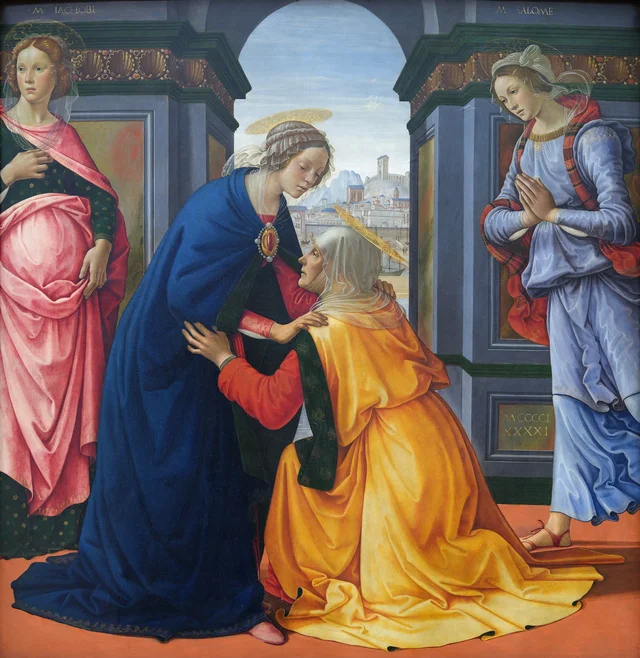 Die HeimsuchungDomenico Ghirlandaio, 1491
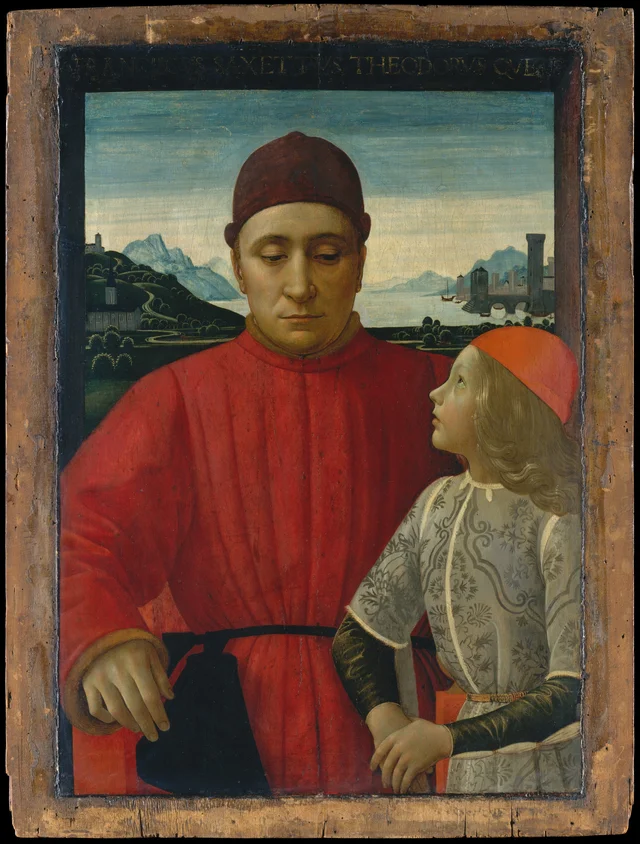 Francesco Sassetti und sein Sohn TeodoroDomenico Ghirlandaio, 1488
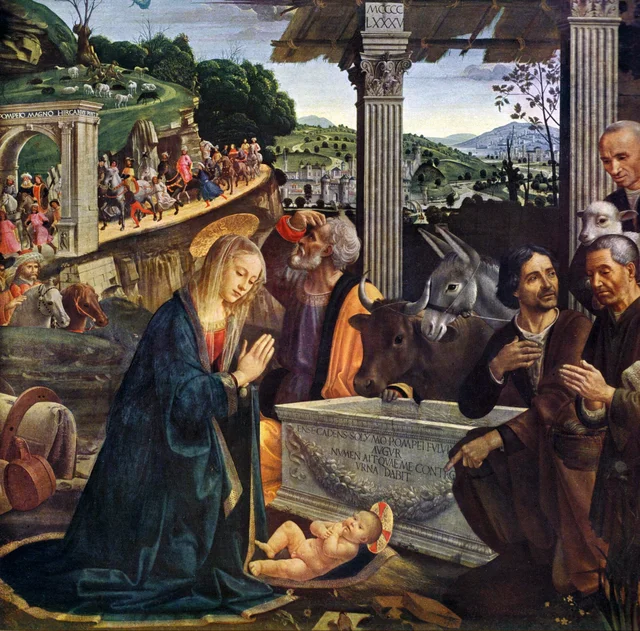 Anbetung der HirtenDomenico Ghirlandaio, 1485
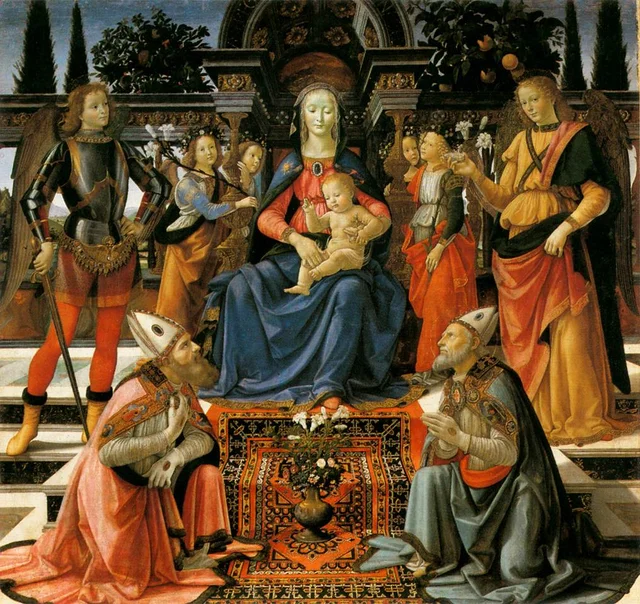 Thronende Madonna mit Kind und HeiligenDomenico Ghirlandaio, 1484
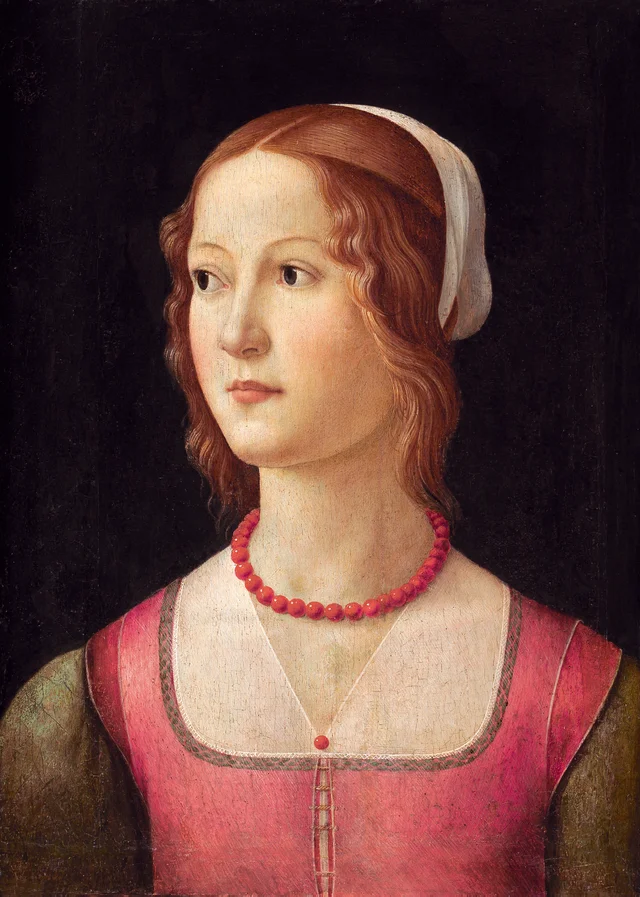 Bildnis einer jungen FrauDomenico Ghirlandaio, 1490
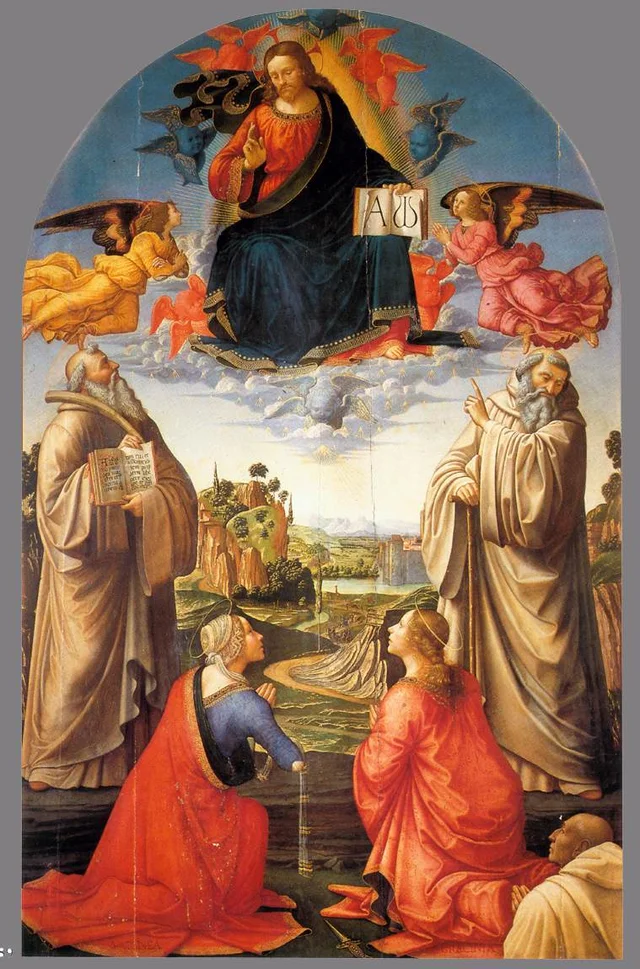 Christus im Himmel mit vier Heiligen und einem StifterDomenico Ghirlandaio, 1492
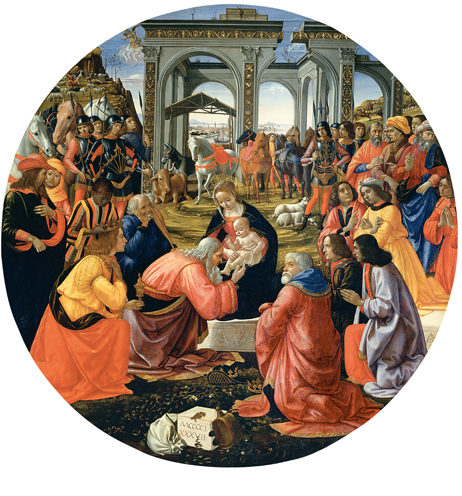 Anbetung der KönigeDomenico Ghirlandaio, 1487
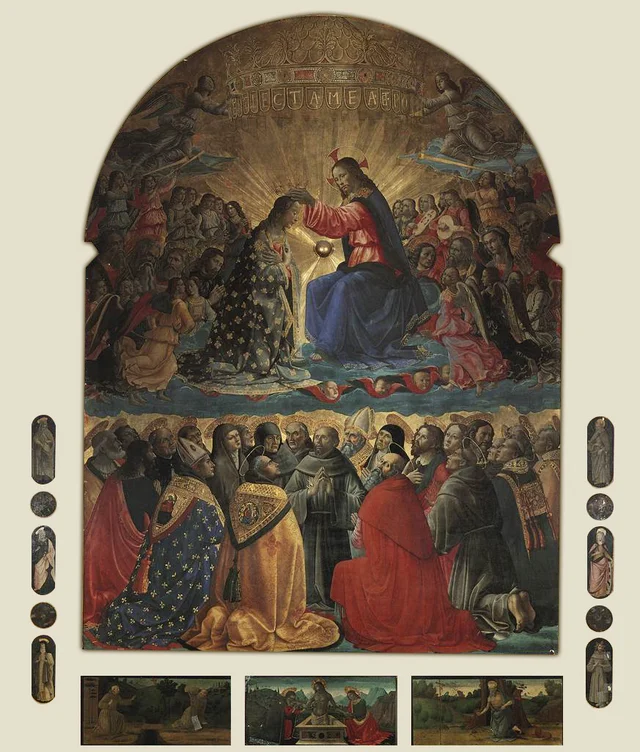 Krönung MariensDomenico Ghirlandaio, 1486
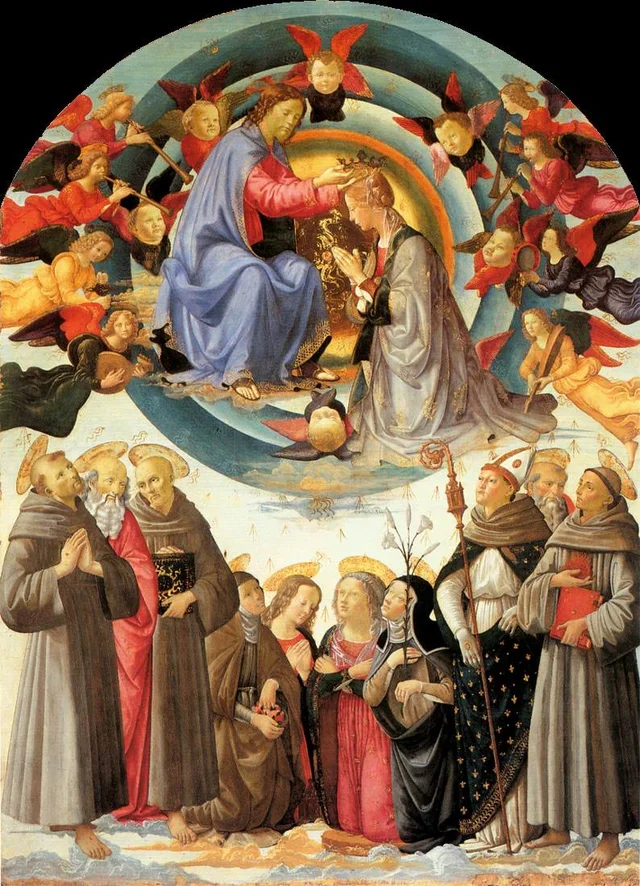 Krönung MariensDomenico Ghirlandaio, 1486
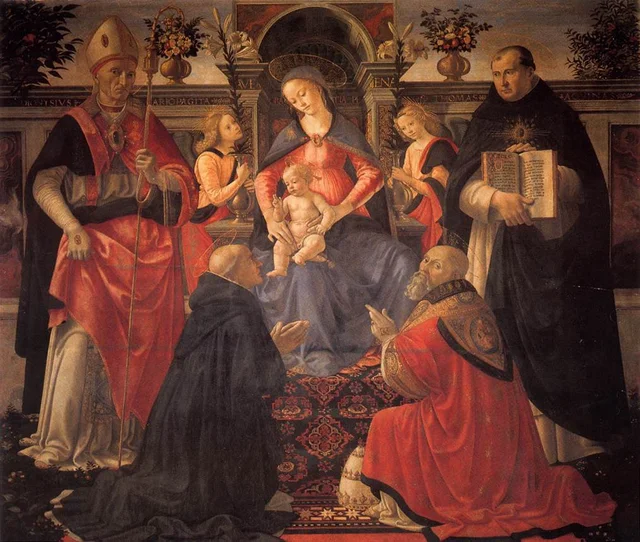 Thronende Madonna mit Kind zwischen Engeln und HeiligenDomenico Ghirlandaio, 1483
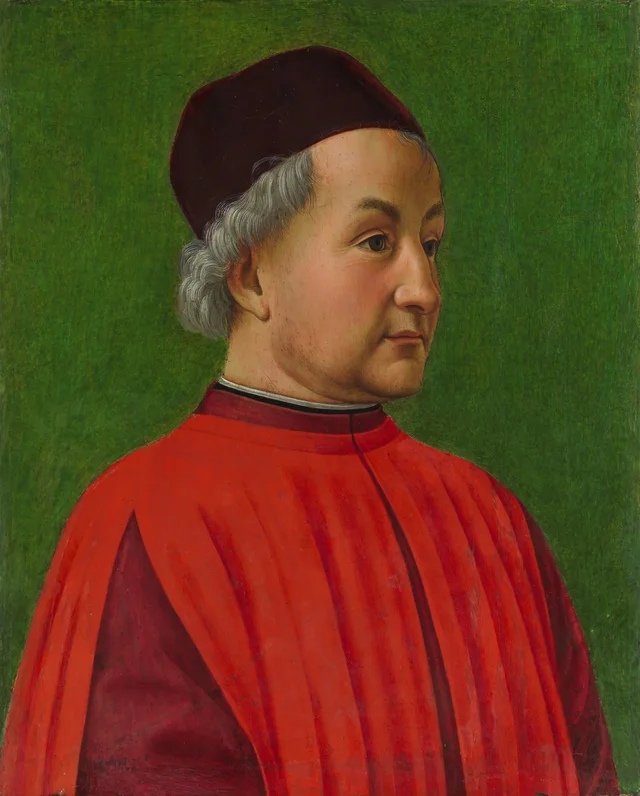 Bildnis eines MannesDomenico Ghirlandaio, 1478
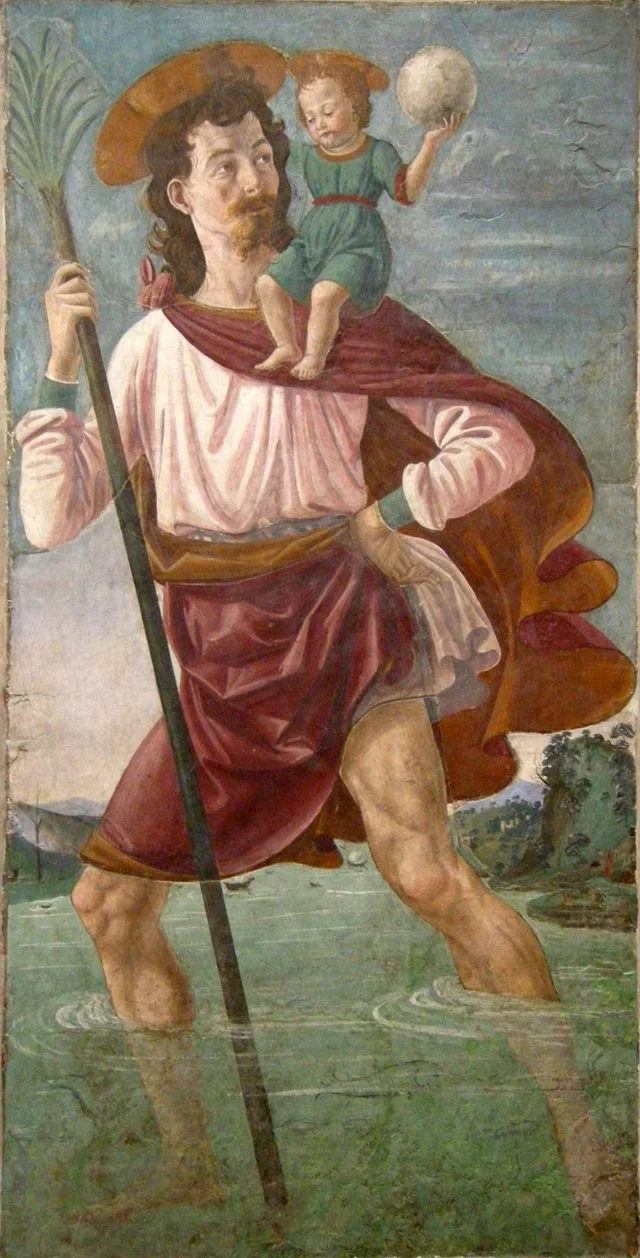 Der heilige Christophorus mit dem JesuskindDomenico Ghirlandaio, 1473
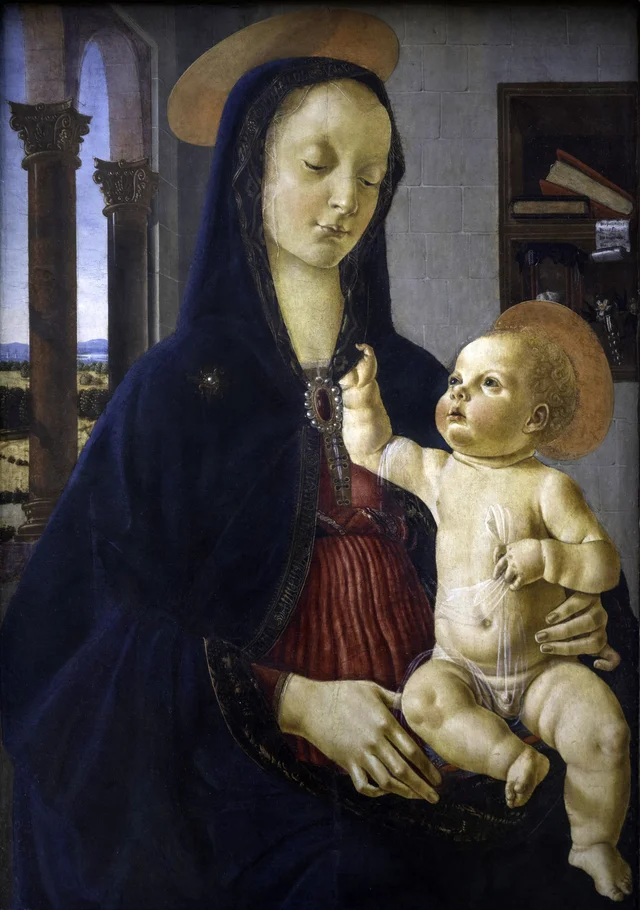 Maria mit KindDomenico Ghirlandaio, 1475
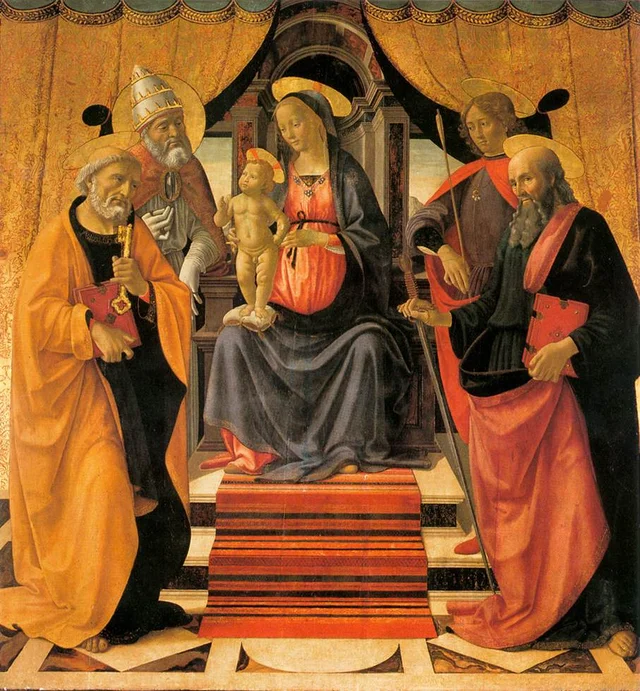 Thronende Madonna mit Kind und HeiligenDomenico Ghirlandaio, 1479
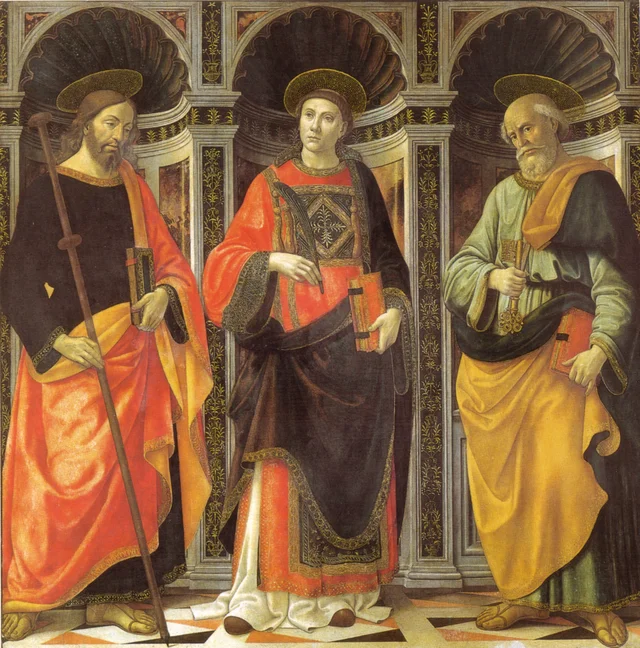 Die Heiligen Stephanus, Jakobus und PetrusDomenico Ghirlandaio, 1493
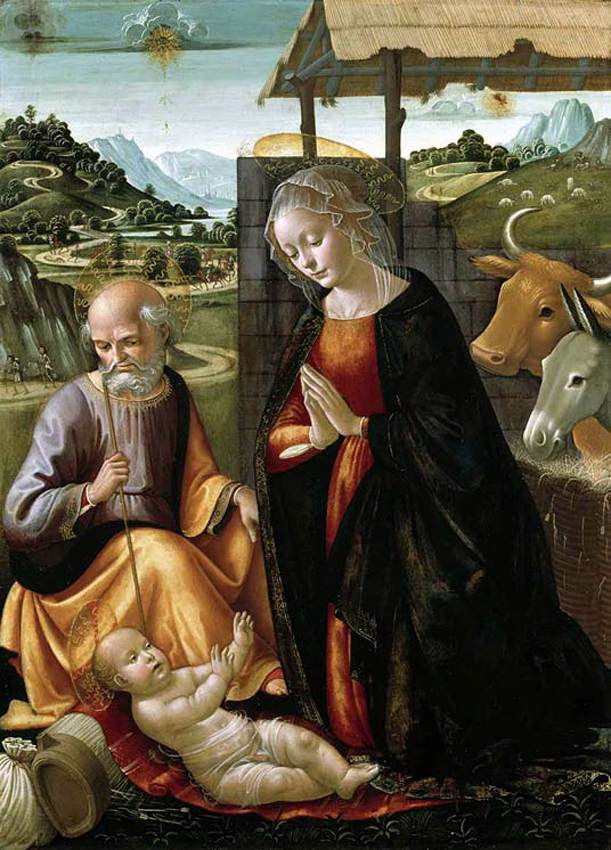 Die Geburt ChristiDomenico Ghirlandaio, 1492
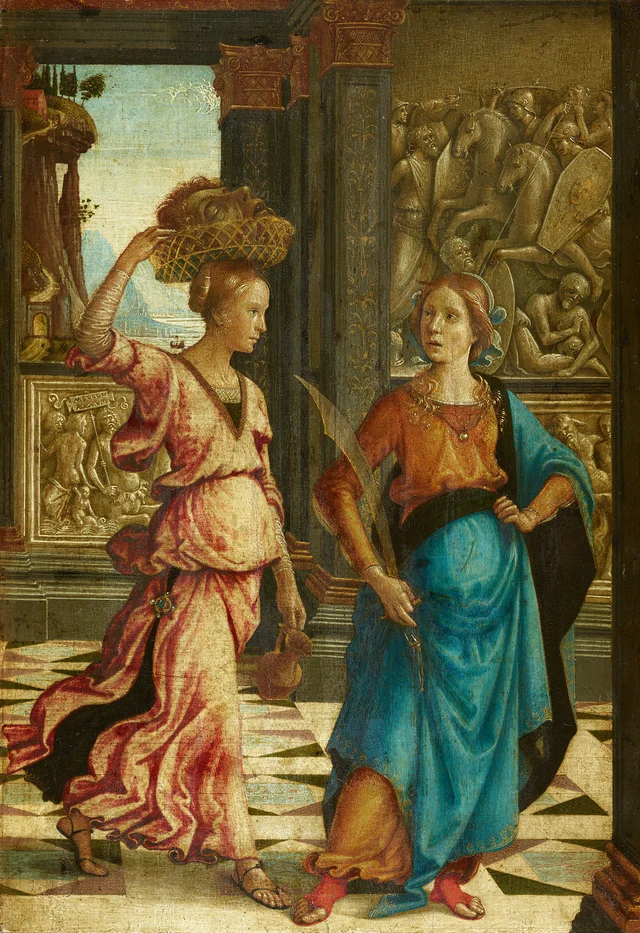 Judith mit ihrer DienerinDomenico Ghirlandaio, 1489
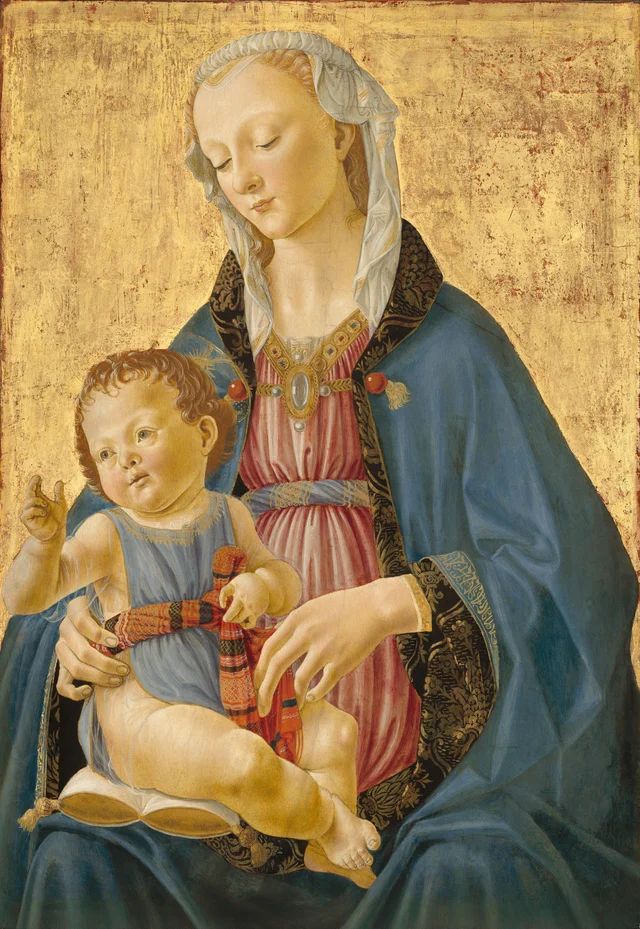 Madonna mit KindDomenico Ghirlandaio, 1470
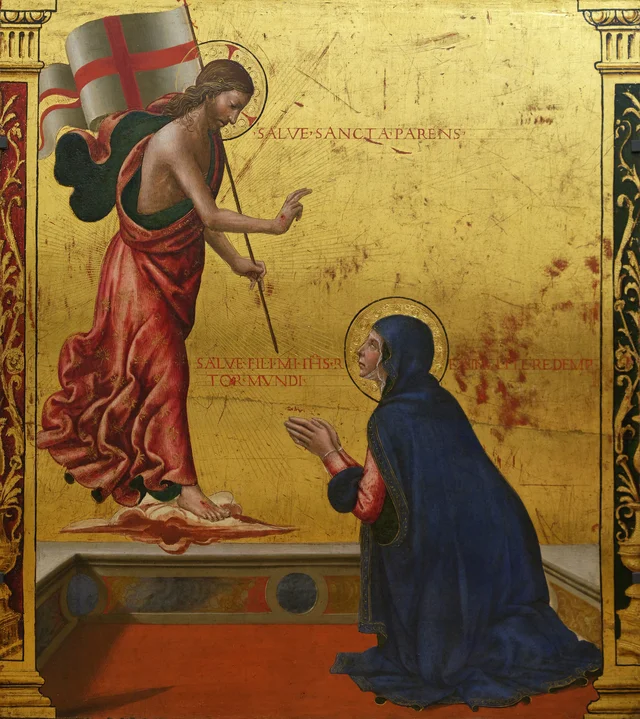 Die Erscheinung Christi vor der JungfrauDomenico Ghirlandaio, 1490
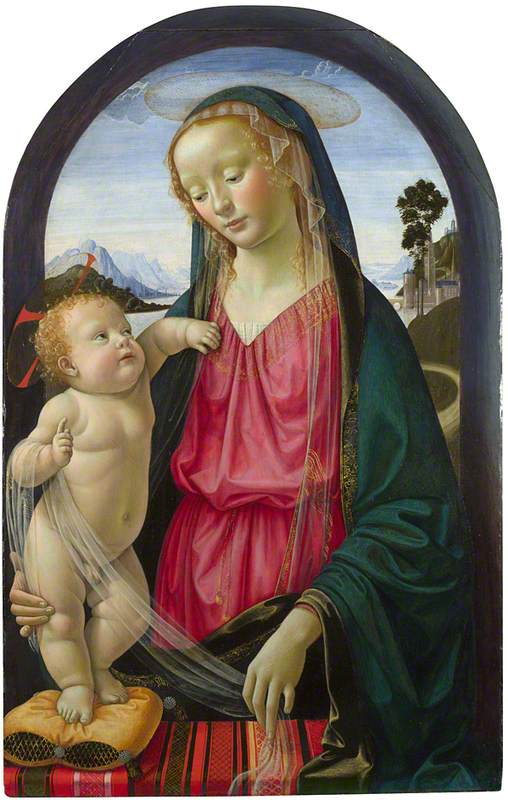 Maria mit dem KindeDomenico Ghirlandaio, 1485
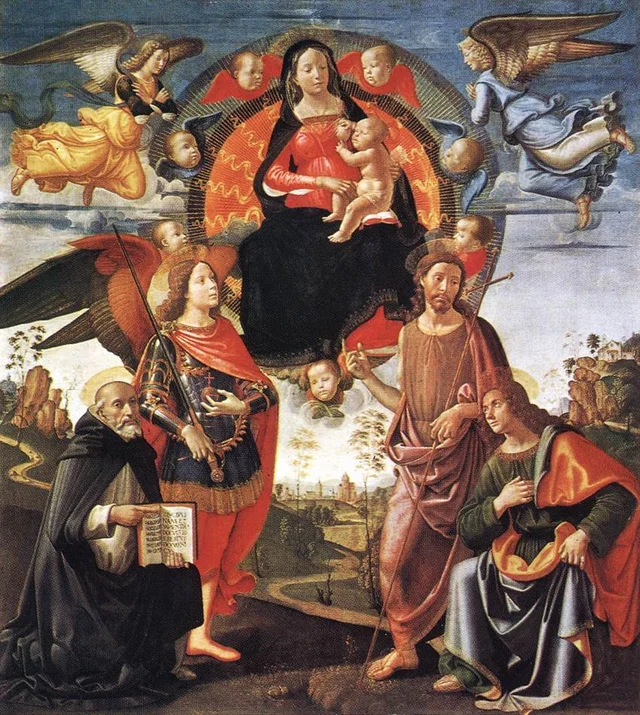 Madonna in Glorie mit HeiligenDomenico Ghirlandaio, 1490
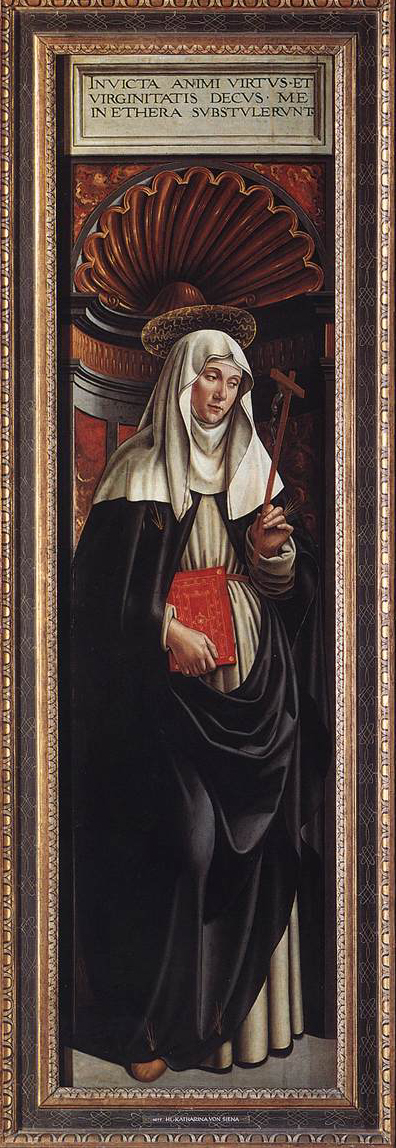 Heilige Katharina von SienaDomenico Ghirlandaio, 1490