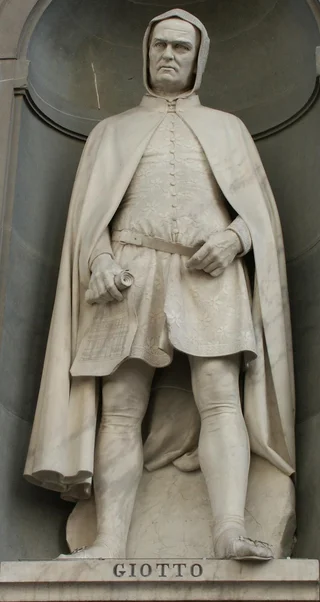
Giotto
1337 · Republik Florenz · Protorenaissance, Florentiner Schule
Die Geschichte
Rund tausend Jahre lang hatten Maler des christlichen Abendlandes heilige Gestalten als flache, goldene Muster dargestellt, feierlich und schwerelos vor goldenem Grund. Dann, um das Jahr 1300, begann ein Florentiner namens Giotto, Menschen mit Körpern zu malen.
Sein großes erhaltenes Werk ist die Arenakapelle in Padua, in etwa zwei Jahren freskiert und um 1305 vollendet. Ein wohlhabender Mann namens Enrico Scrovegni bezahlte dafür, teils um für ein Familienvermögen aus dem Geldverleih zu büßen. An ihren Wänden erzählte Giotto das Leben Marias und Christi mit Figuren, die Raum einnehmen, ihr Gewicht auf eine Hüfte verlagern, uns den Rücken zuwenden und mit Gesichtern trauern, die sich tatsächlich verziehen. In der "Beweinung Christi" beugen sich Trauernde über den toten Christus, während kleine Engel sichtlich erschüttert über ihnen kreisen.
Spätere Schreiber rankten eine Legende um ihn: dass der ältere Meister Cimabue, der führende Maler der vorangegangenen Generation, den jungen Giotto beim Zeichnen seiner Schafe auf einem Felsen entdeckte und ihn als Schüler aufnahm. Gelehrte bezweifeln heute die Einzelheiten. Unbestritten ist, dass die Künstler der Renaissance, zwei Jahrhunderte später, ihre gesamte Art zu sehen auf ihn zurückführten. Dante, etwa sein Zeitgenosse, schrieb in der "Göttlichen Komödie" eine Zeile darüber, wie Giottos Ruhm den Cimabues bereits überstrahlt hatte.
Weitere Artikel
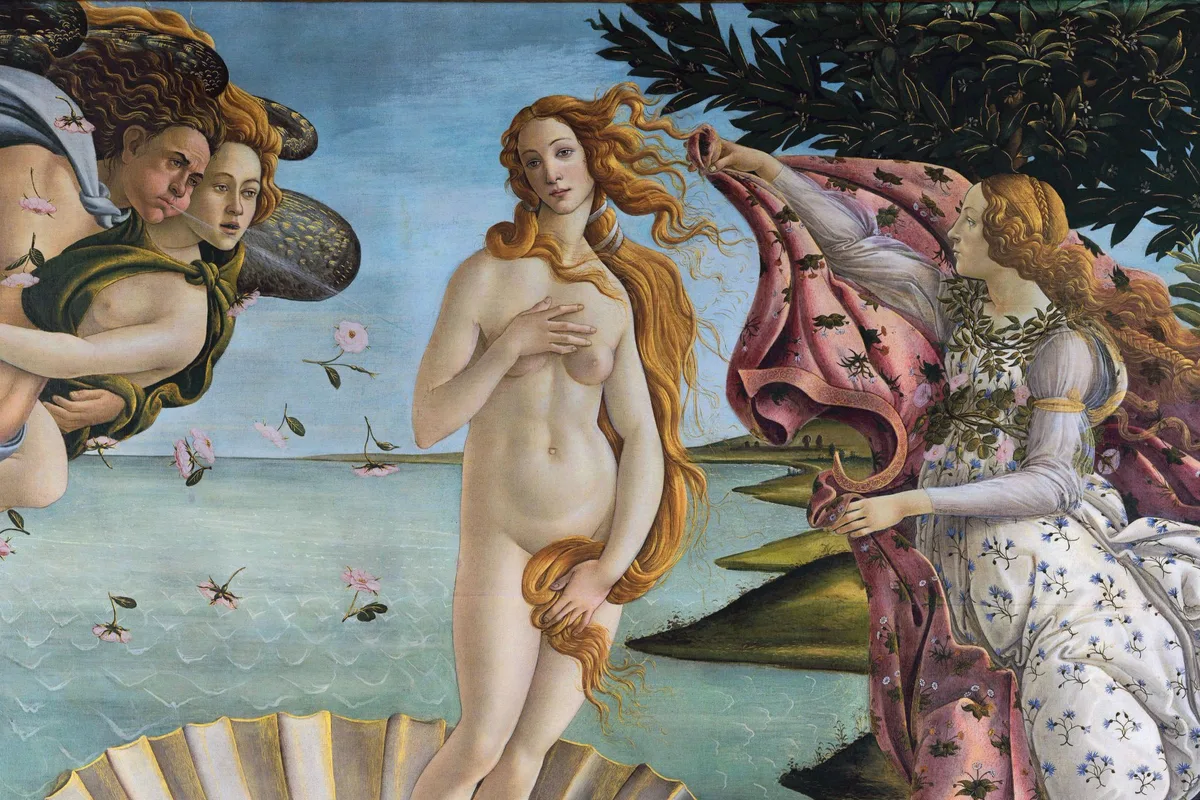
Werke
12 Werke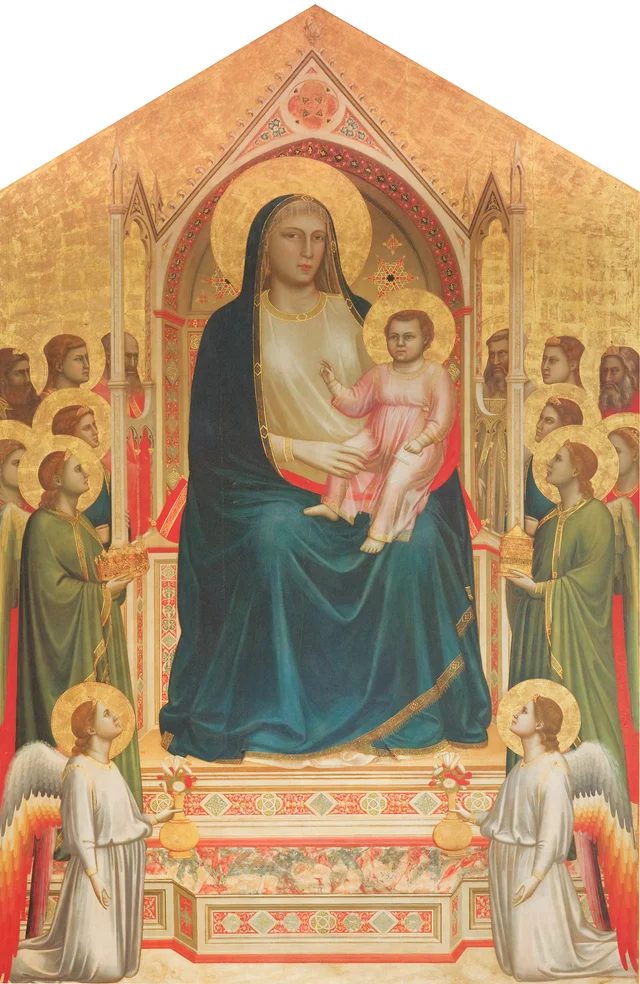 Thronende MadonnaGiotto, 1300
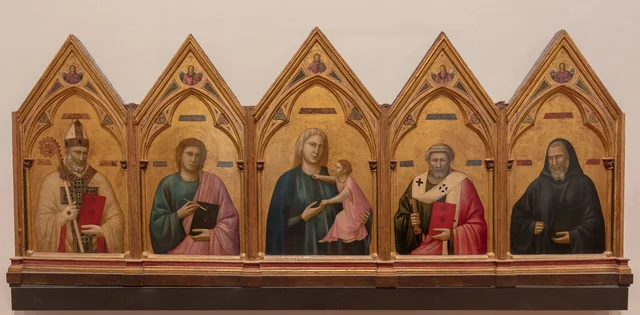 Badia-PolyptychonGiotto, 1300
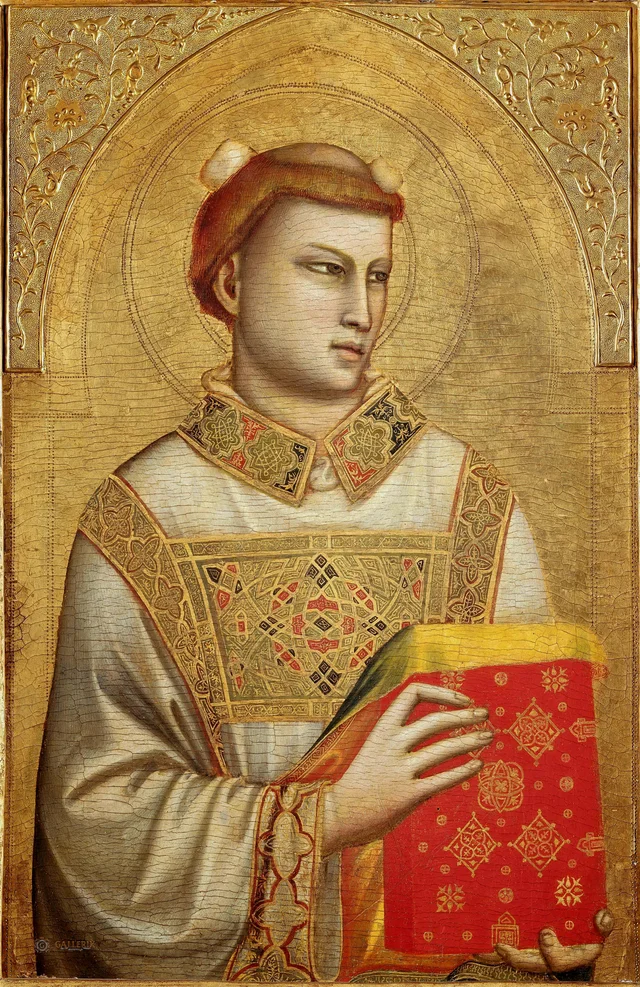 Der heilige StephanusGiotto, 1320
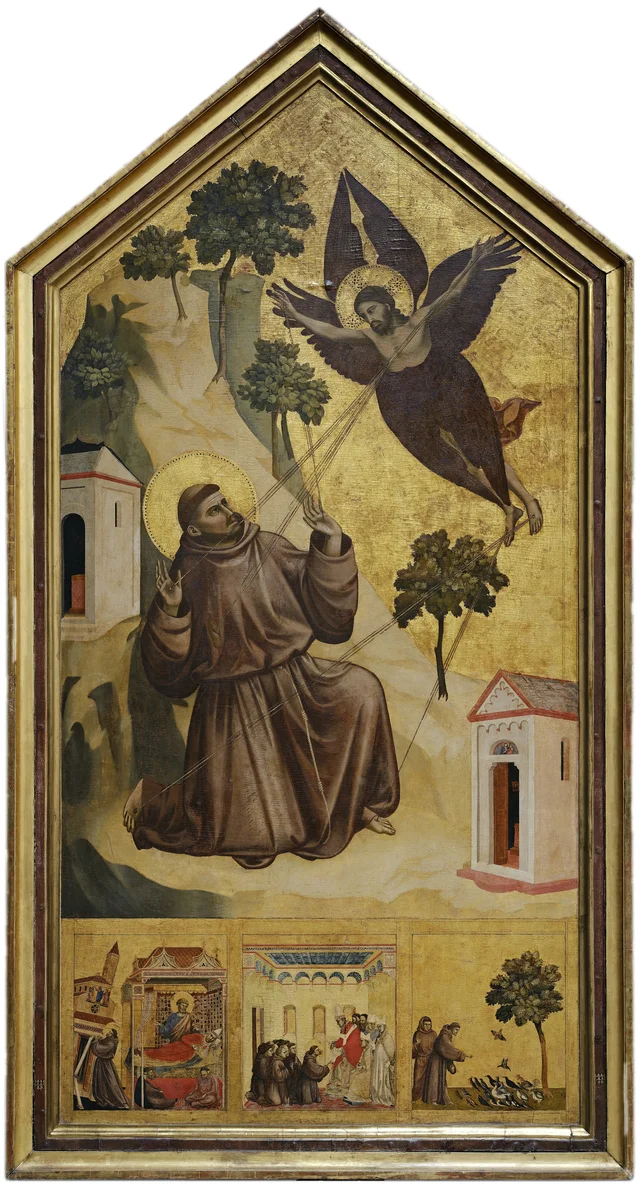 Der heilige Franziskus von Assisi empfängt die WundmaleGiotto, 1297
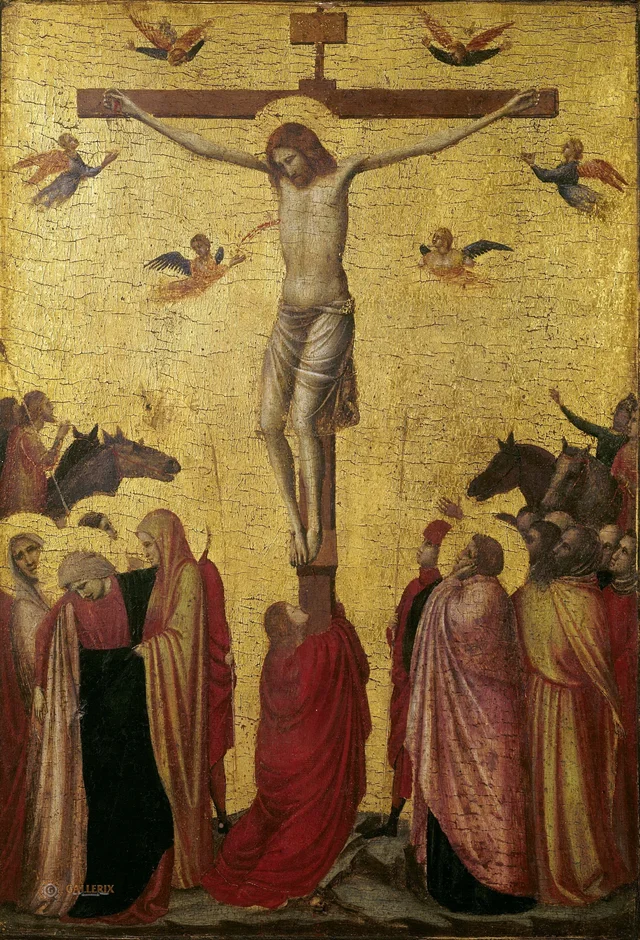 Kreuzigung von StraßburgGiotto, 1315
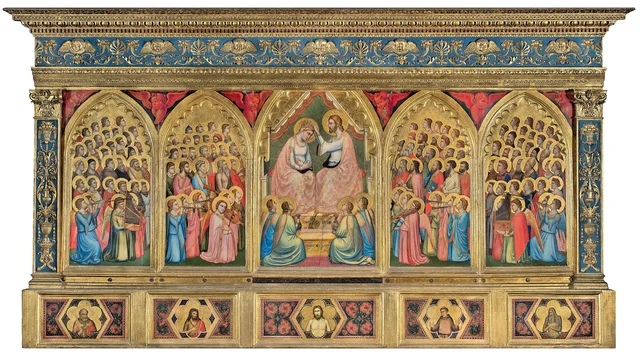 Baroncelli-PolyptychonGiotto, 1328
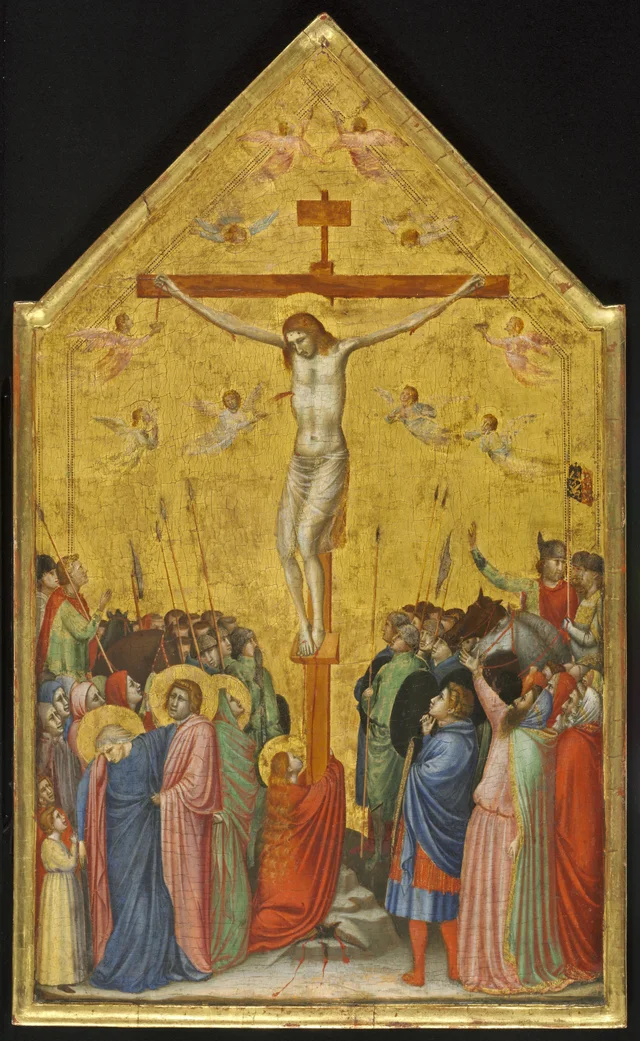 Die Kreuzigung ChristiGiotto, 1317
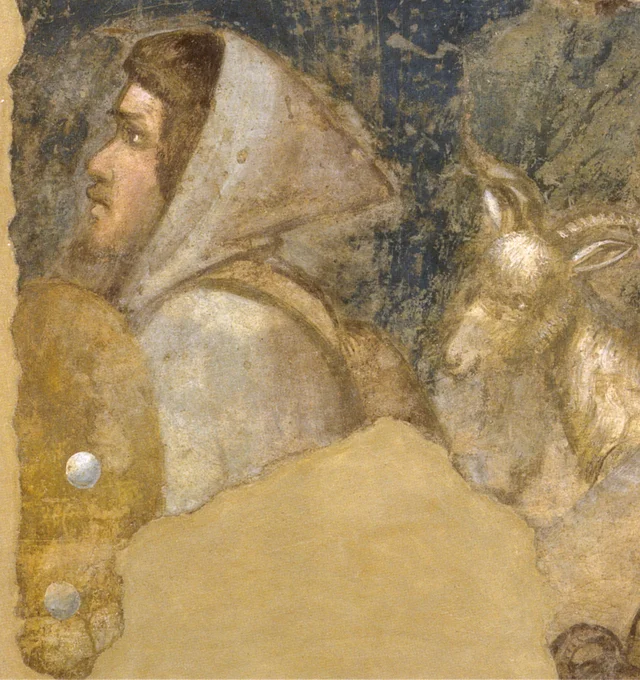 Kopf eines Hirten mit HerdenGiotto, 1320
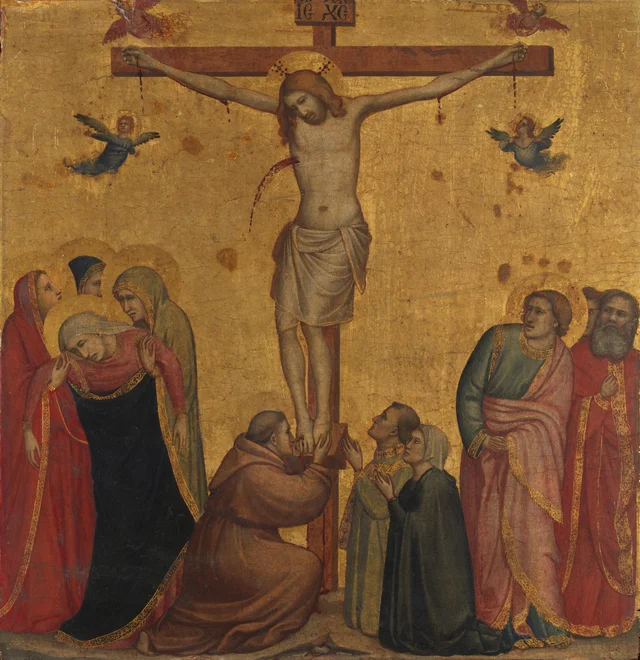 Kreuzigung ChristiGiotto, 1305
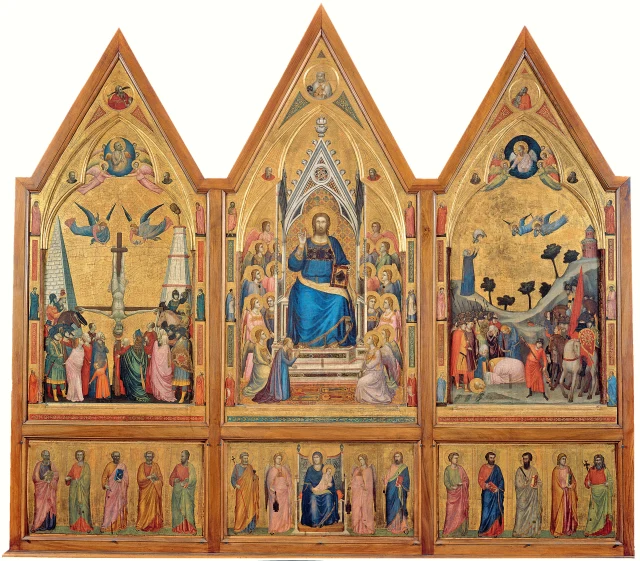 Stefaneschi-TriptychonGiotto, 1320
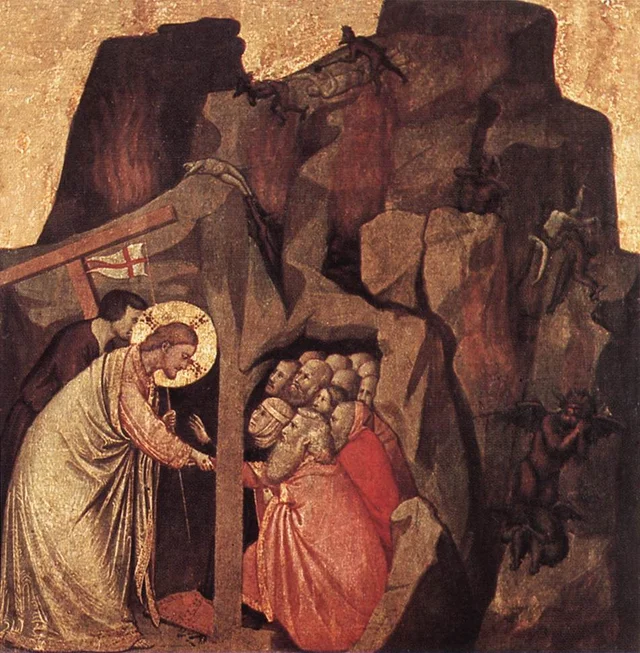 Christus in der VorhölleGiotto, 1305
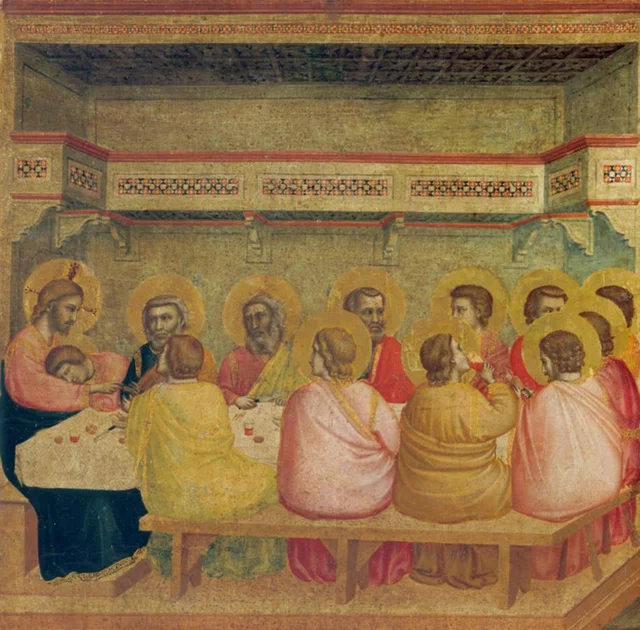 Letztes AbendmahlGiotto, 1305