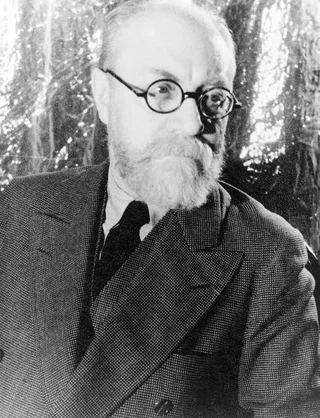
Henri Matisse
1869–1954 · Frankreich · Fauvismus
Die Geschichte
Im Januar 1941 wurde Matisse in Lyon wegen eines Darmkrebses operiert, und der Eingriff hätte ihn beinahe das Leben gekostet. Er war 71. Die Nonnen, die ihn durch die Komplikationen pflegten, nannten ihn bald den Auferstandenen, und er selbst schien es fast zu glauben. Für den Rest seines Lebens sprach er von den folgenden Jahren als einem zweiten Leben, mit dem er nicht mehr gerechnet hatte.
Aus diesem zweiten Leben stammt das meiste von dem, was man an Matisse liebt. Ans Bett und später an den Rollstuhl gefesselt, konnte er nicht mehr stundenlang an der Staffelei stehen. Also griff er auf etwas zurück, mit dem er zuvor nur gespielt hatte. Assistenten bemalten für ihn Papierbögen mit flächiger, satter Gouache, und er schnitt mit einer großen Schere Formen direkt daraus: einen Taucher, ein Blatt, einen Vogel, eine auf ein paar blaue Schwünge reduzierte Aktfigur. Er nannte es Zeichnen mit der Schere, heftete die Teile an die Wände seines Zimmers und ordnete sie um wie einen Garten, durch den er gehen konnte, ohne aufzustehen.
Der Verleger Tériade sah die ersten dieser Arbeiten und drängte ihn zu einem Buch, aus dem 1947 Jazz wurde, mit seinen Akrobaten und Zirkusformen, gedruckt nach den Papierschnitten. Danach entstand das größte der Spätwerke, die Rosenkranzkapelle von Vence, die er zwischen 1948 und 1951 bis hinunter zu den Glasfenstern, den gefliesten Wänden, dem Kruzifix und den Priestergewändern entwarf. Er war schon über achtzig, als sie fertiggestellt wurde, und arbeitete vom Bett aus mit einem Stück Kohle, das an einer langen Bambusstange befestigt war, um die Wand zu erreichen, und zeichnete die Gesichter der Heiligen in einer einzigen ungebrochenen Linie.
Weitere Artikel
Werke
200 Werke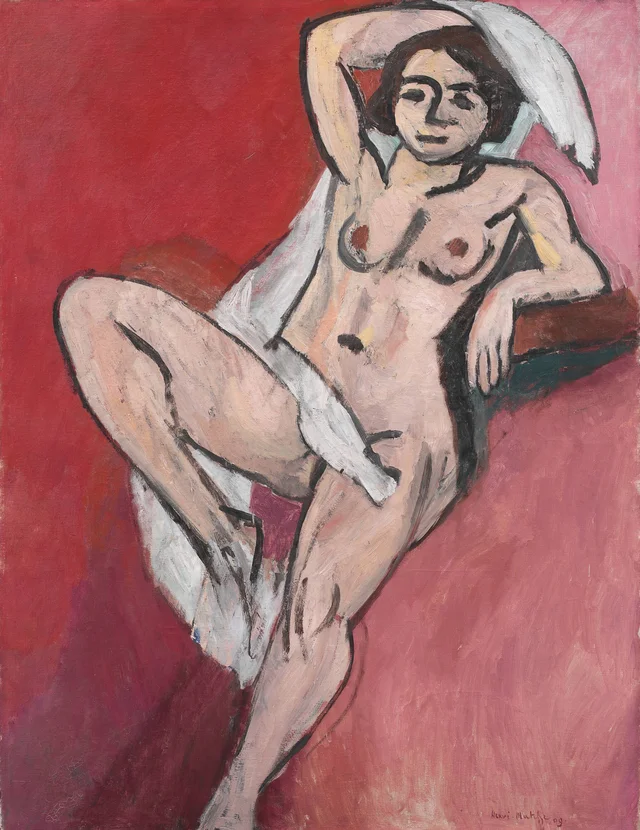 Akt mit weißem SchalHenri Matisse, 1909
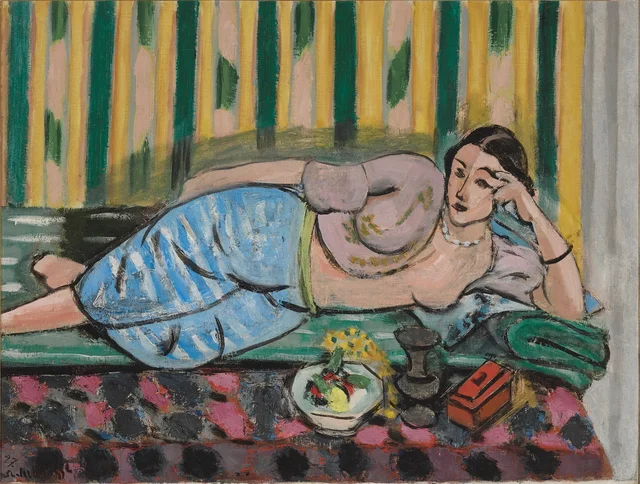 Odaliske mit der roten SchatulleHenri Matisse, 1927
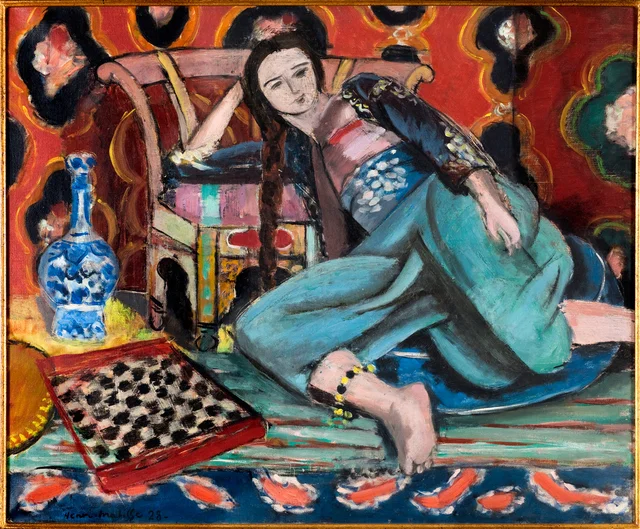 Odaliske im SesselHenri Matisse, 1928
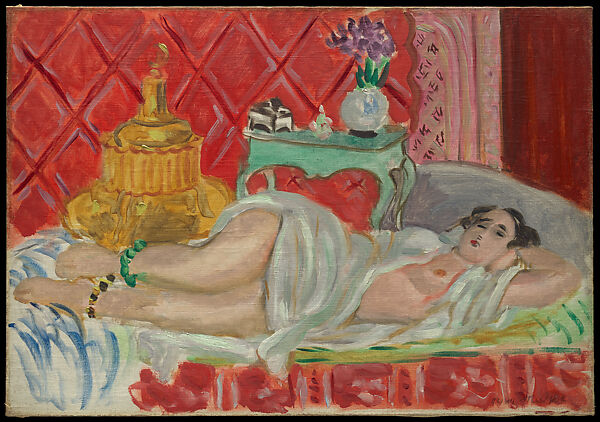 Odaliske, Harmonie in RotHenri Matisse, 1926
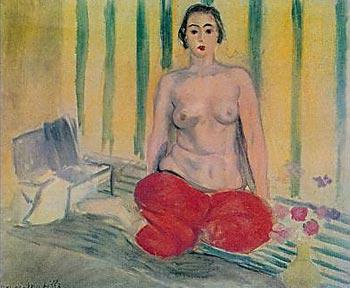 Odaliske mit roter HoseHenri Matisse, 1925
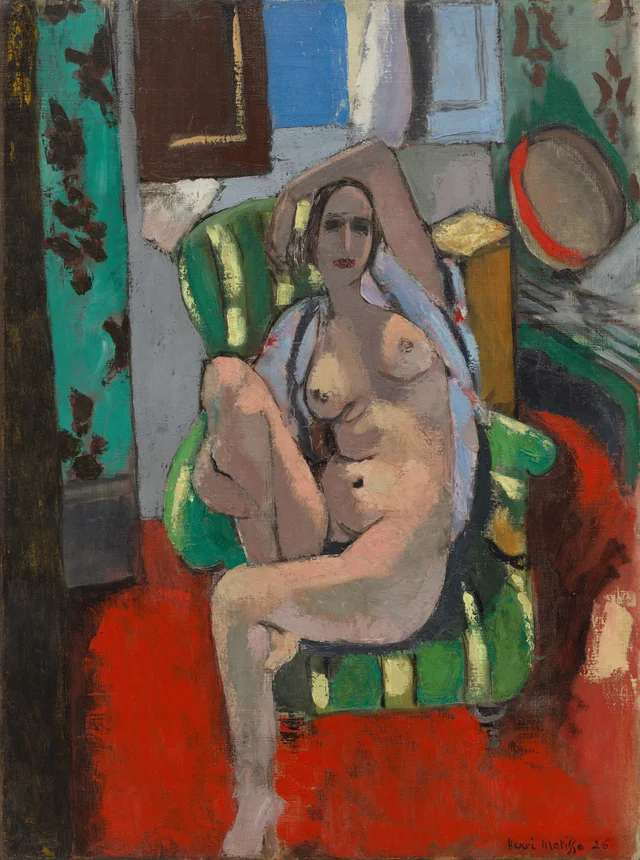 Odaliske mit TamburinHenri Matisse, 1925
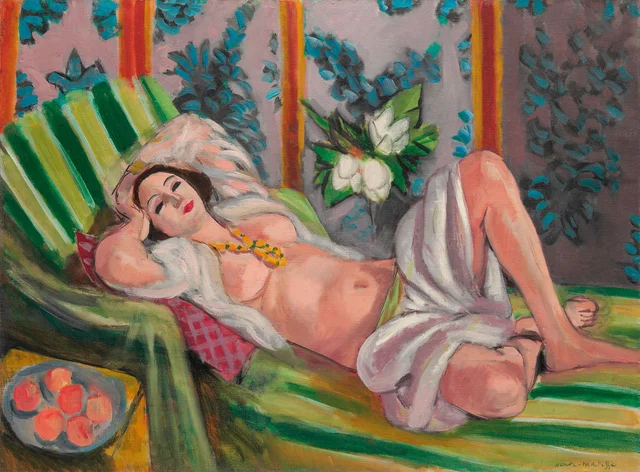 Odaliske mit MagnolienHenri Matisse, 1923
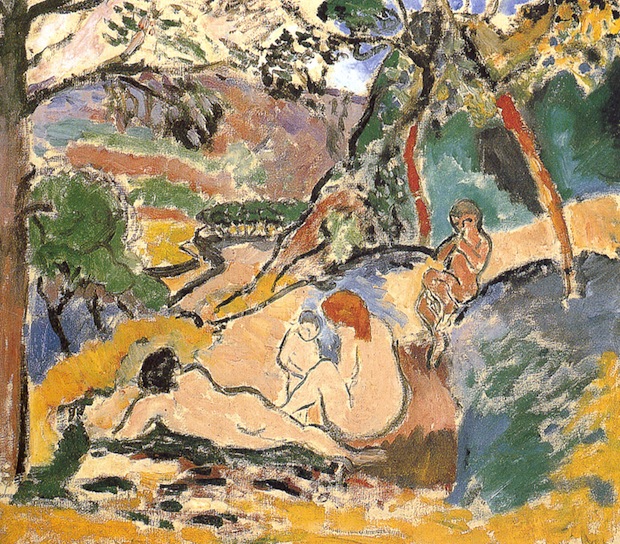 PastoraleHenri Matisse, 1905
 Rosa AktHenri Matisse, 1935
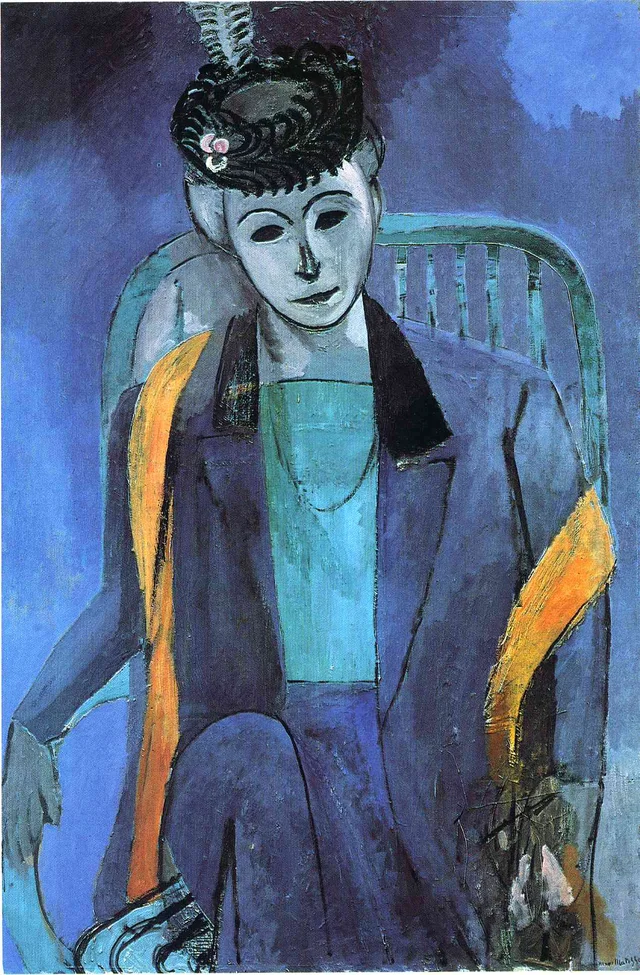 Bildnis der Frau des KünstlersHenri Matisse, 1913
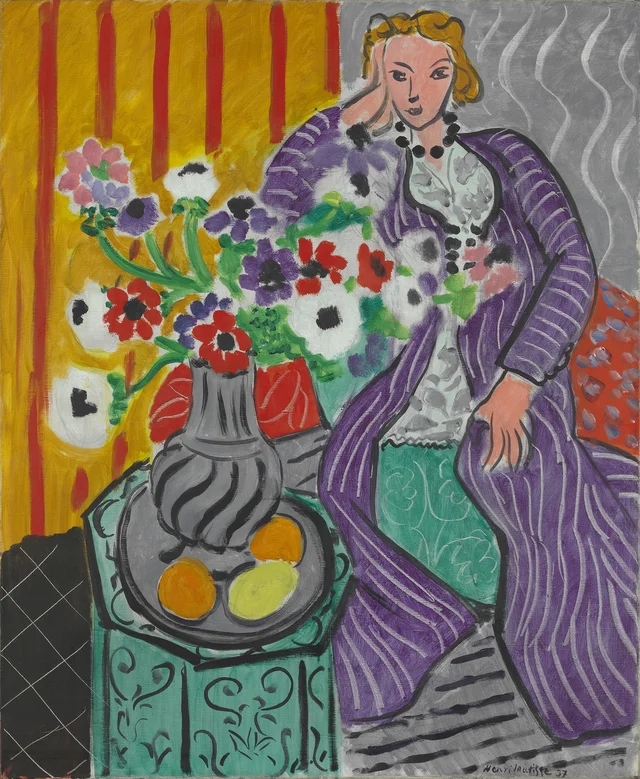 Purpurner Morgenmantel und AnemonenHenri Matisse, 1937
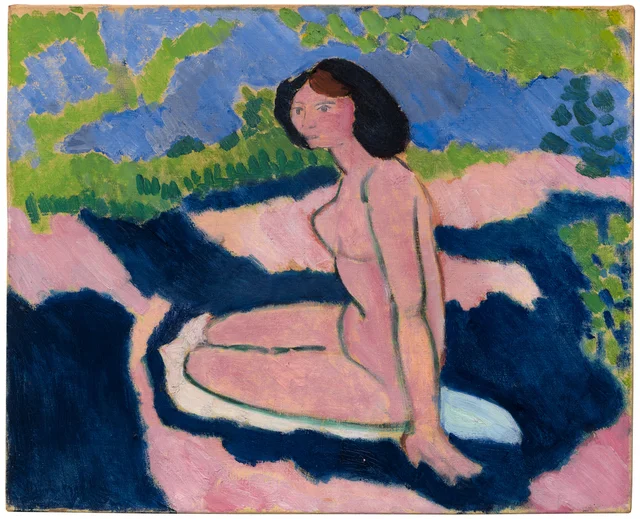 Sitzender Akt (Matisse)Henri Matisse, 1909
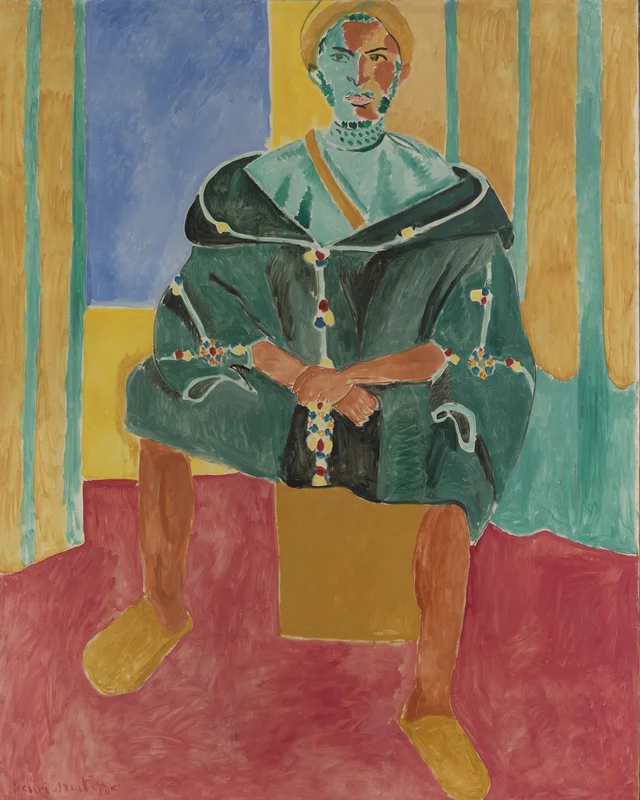 Sitzender RiffkabyleHenri Matisse, 1912
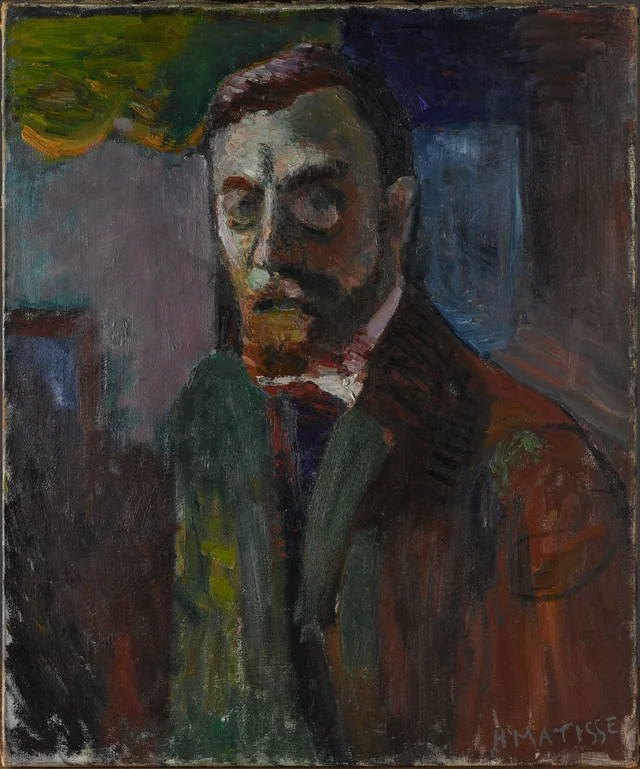 SelbstbildnisHenri Matisse, 1900
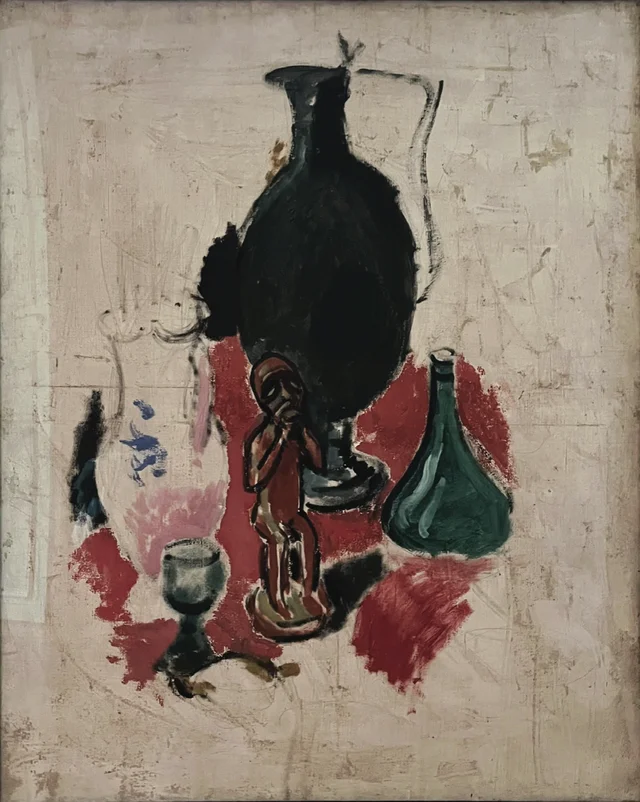 Stillleben mit afrikanischer StatuetteHenri Matisse, 1907
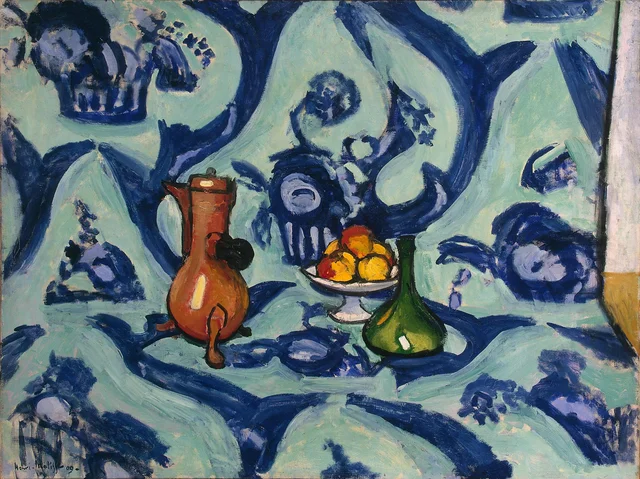 Stillleben mit blauer TischdeckeHenri Matisse, 1909
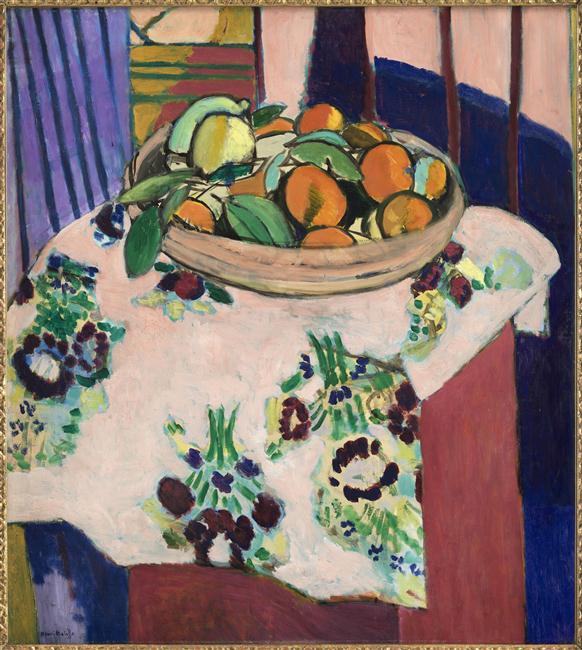 Stillleben mit OrangenHenri Matisse, 1912
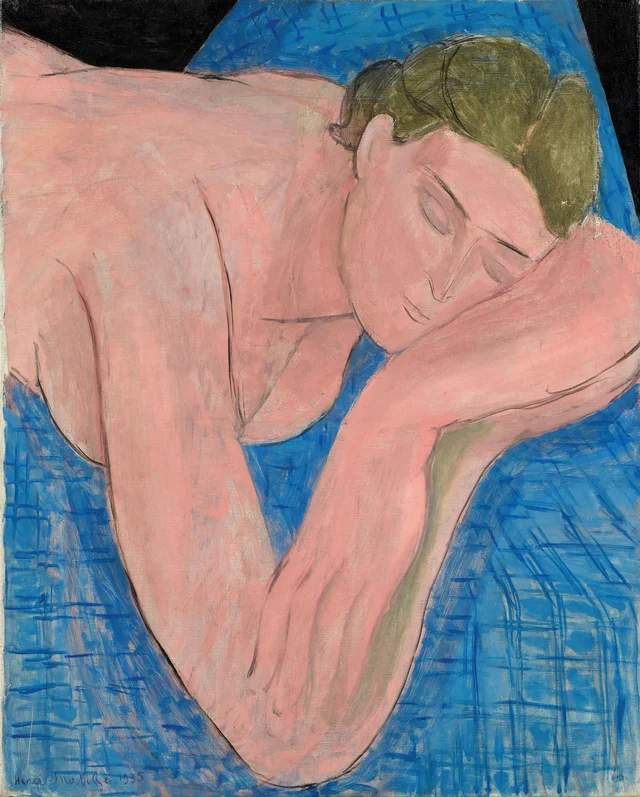 Der TraumHenri Matisse, 1935
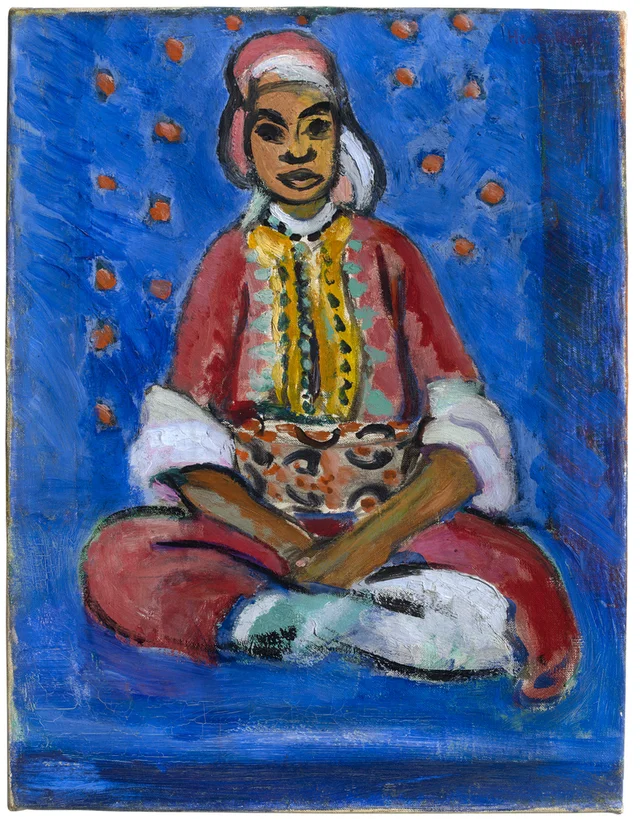 Die kleine MulattinHenri Matisse, 1912
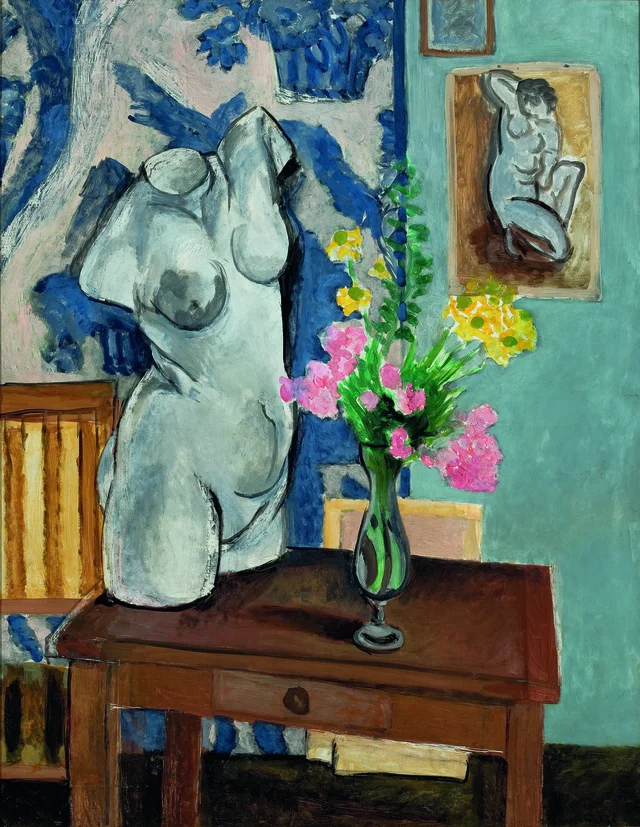 Der GipstorsoHenri Matisse, 1919
 PflaumenblütenHenri Matisse, 1948
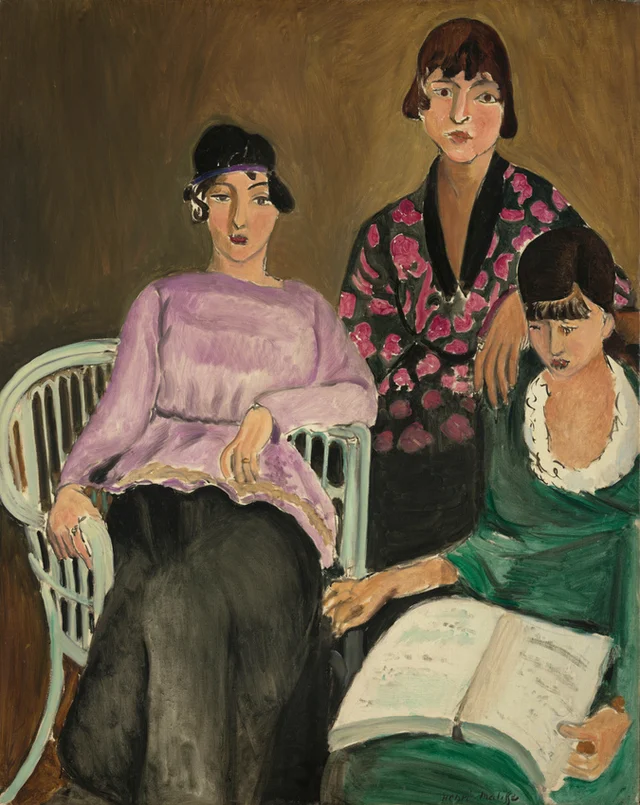 Die drei SchwesternHenri Matisse, 1917
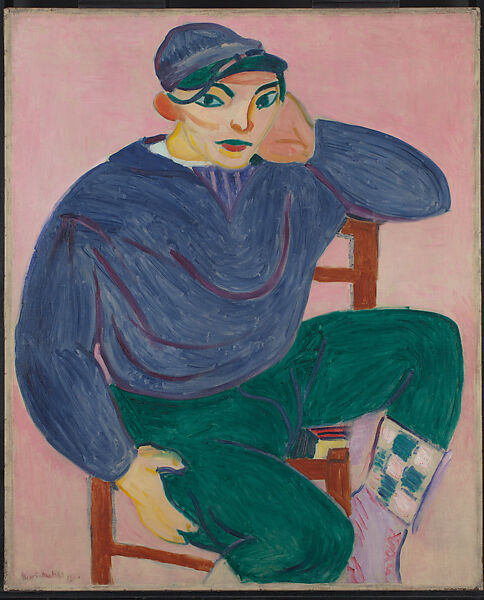 Der junge Matrose IIHenri Matisse, 1906
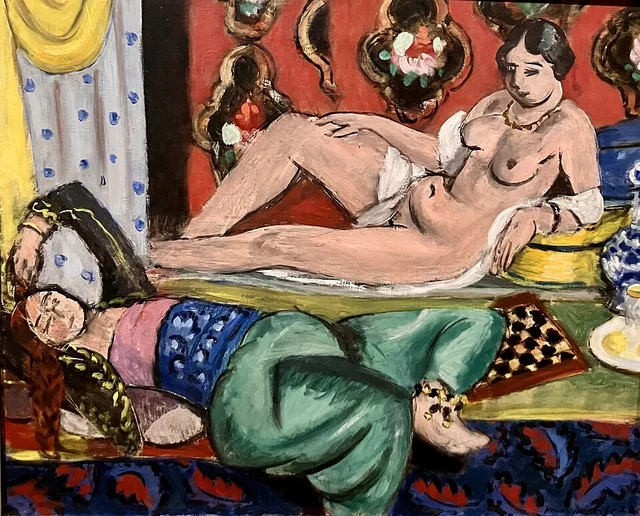 Zwei Odalisken, eine unbekleidet, ornamentaler Grund und SchachbrettHenri Matisse, 1928
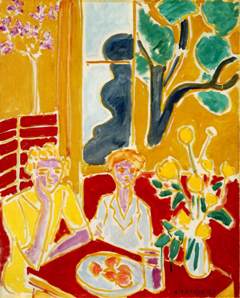 Zwei junge Mädchen in einem roten und gelben InterieurHenri Matisse, 1947