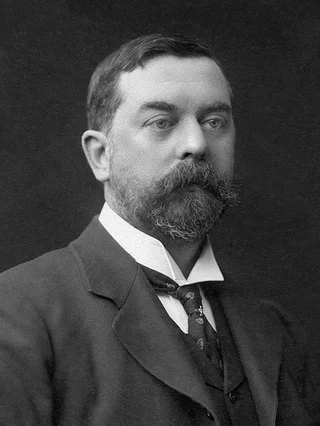
John Singer Sargent
1856–1925 · Vereinigte Staaten · Impressionismus
Die Geschichte
1884 bat Sargent eine in Louisiana geborene Pariser Salondame namens Virginie Gautreau, ihm für ein Porträt zu sitzen, nicht als Auftrag, sondern weil er sie malen wollte, blasse Haut, ein Profil, für das sie berühmt war, und ein schwarzes Kleid mit einem juwelenbesetzten Träger, der von einer Schulter rutschte. Als es im Salon als Portrait de Mme*** gezeigt wurde, wusste ganz Paris genau, wer es war, und der herabgleitende Träger las sich wie ein offenes Eingeständnis der Affären, die man ihr ohnehin schon nachsagte. Die Reaktion war brutal. Ein Kritiker nannte sie einen Clown in einer Pantomime, und Gautreaus Mutter kam Berichten zufolge in Tränen in Sargents Atelier und flehte ihn an, das Bild zurückzuziehen.
Sargent malte den Träger zurück auf ihre Schulter, doch der Schaden für seinen Ruf in Paris war angerichtet, und noch im selben Jahr ging er nach London. Dort baute er seine Laufbahn fast aus dem Nichts wieder auf, malte den britischen Adel und wohlhabende amerikanische Auswanderer, und in den 1890er Jahren war er der gefragteste Porträtmaler der englischsprachigen Welt.
Die ursprüngliche Madame X behielt er jahrzehntelang in seinem eigenen Atelier, weigerte sich, sie zu verkaufen oder öffentlich zu zeigen, und ließ sie erst 1916 an das Metropolitan Museum in New York gehen, wobei er sie das Beste nannte, was er je gemalt habe.
Weitere Artikel
Werke
137 Werke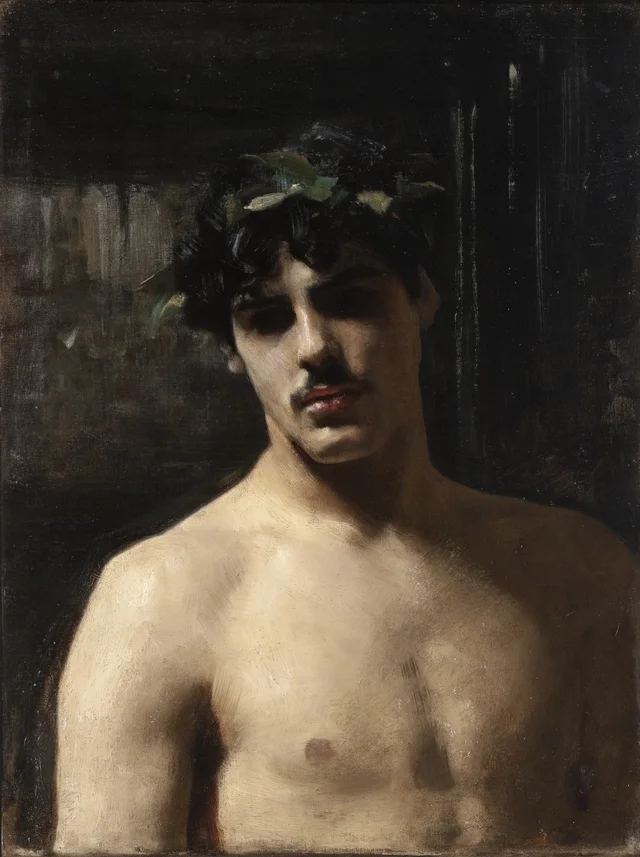 Mann mit LorbeerkranzJohn Singer Sargent, 1877
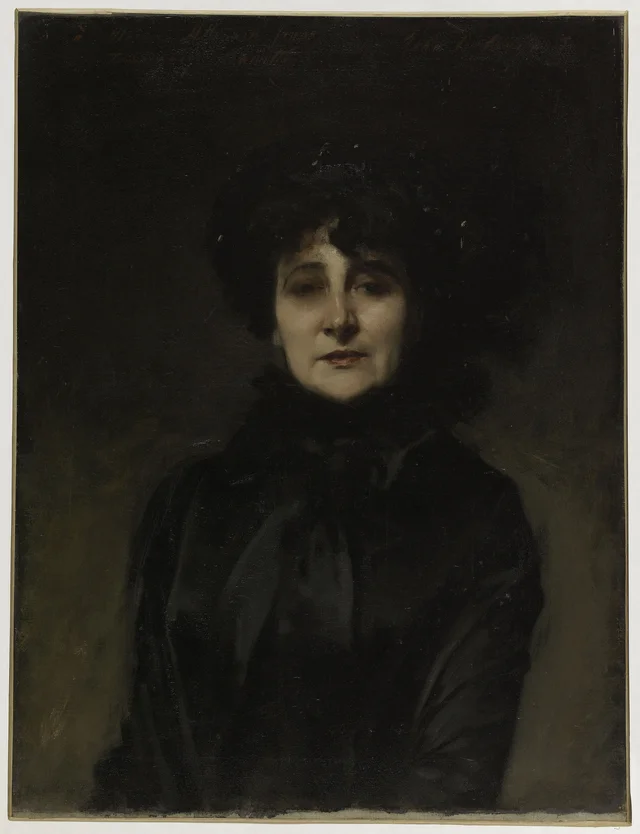 Madame Emma-Marie Allouard-JouanJohn Singer Sargent, 1882
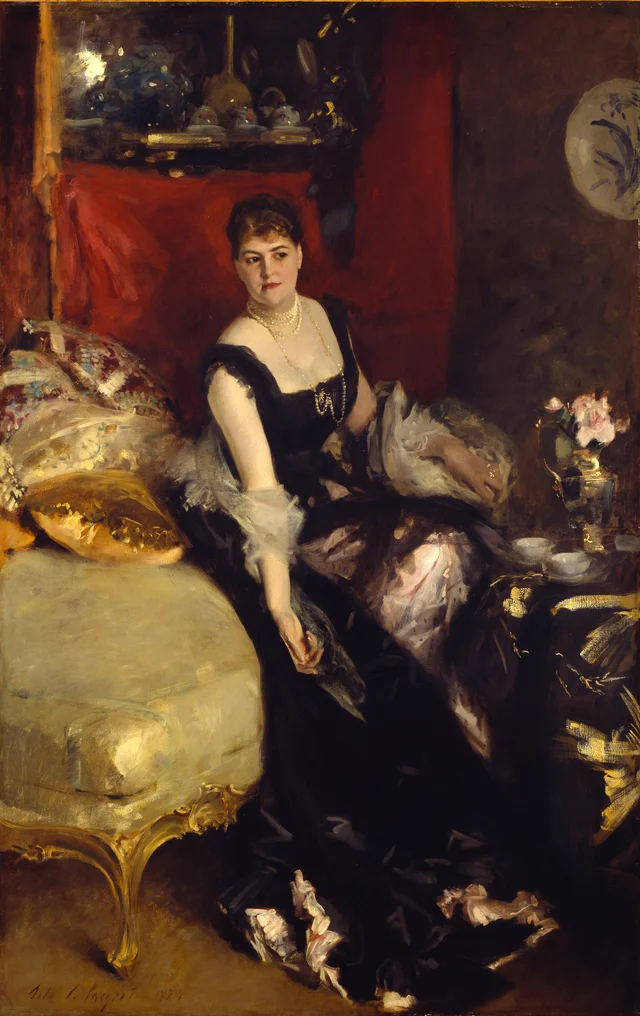 Frau Kate A. MooreJohn Singer Sargent, 1884
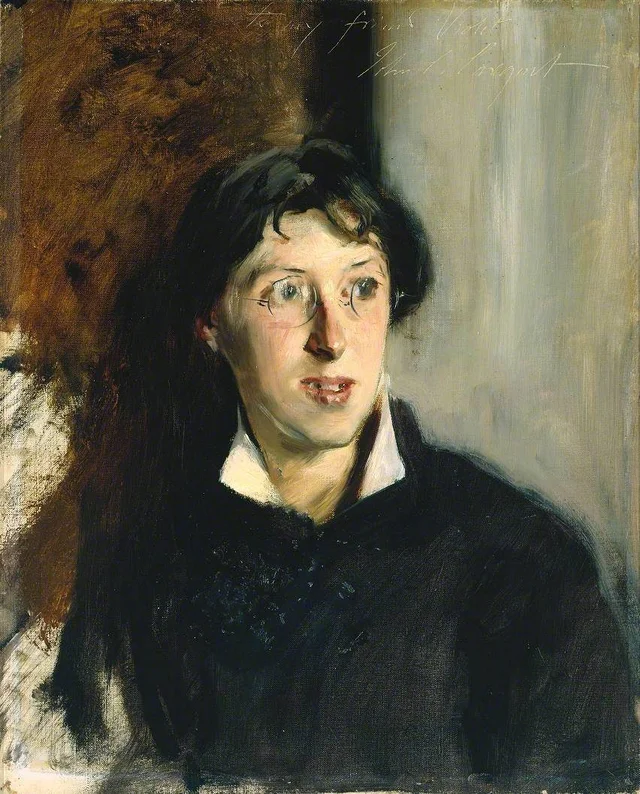 Bildnis der Vernon LeeJohn Singer Sargent, 1881
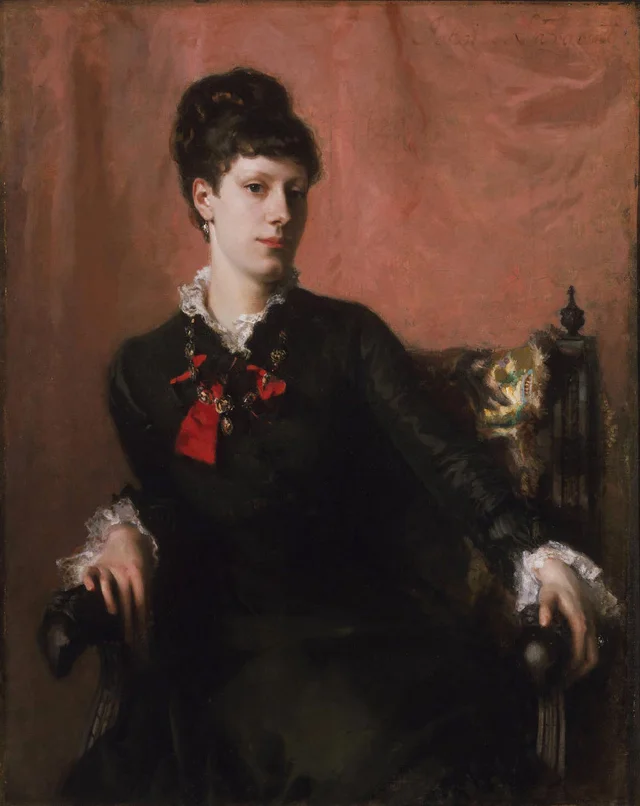 Porträt der Frances Sherborne Ridley WattsJohn Singer Sargent, 1877
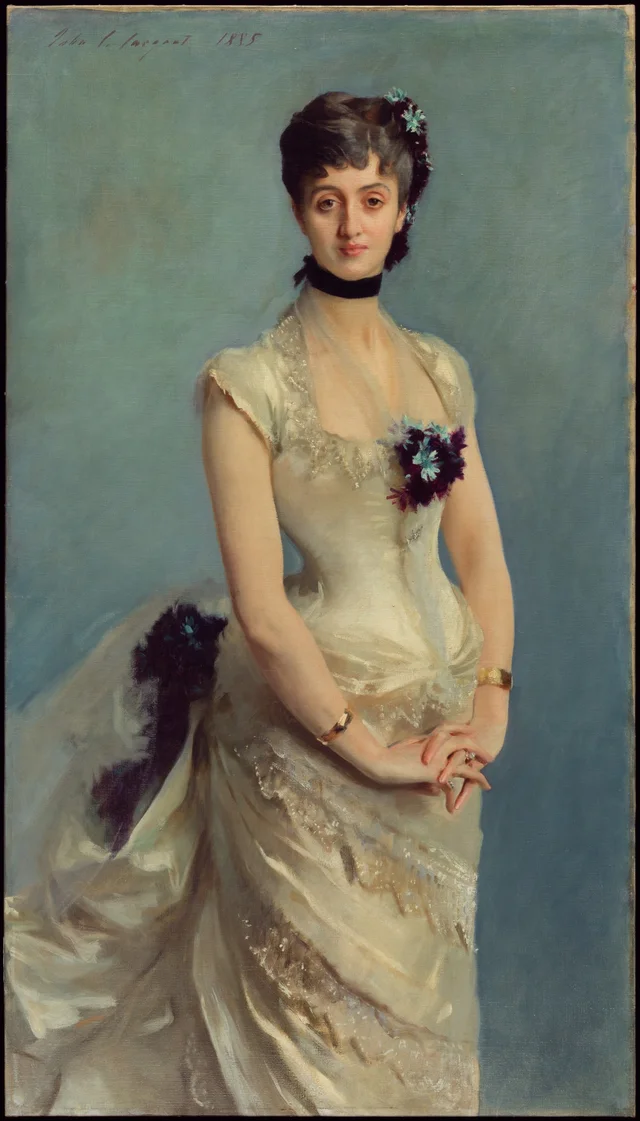 Porträt der Madame Paul PoirsonJohn Singer Sargent, 1885
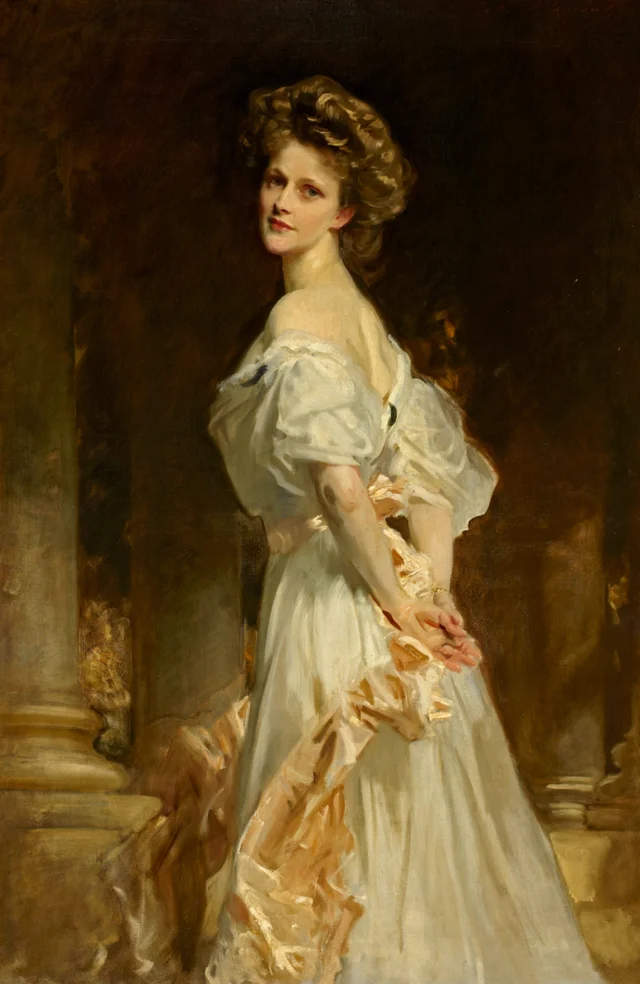 Porträt der Nancy AstorJohn Singer Sargent, 1908
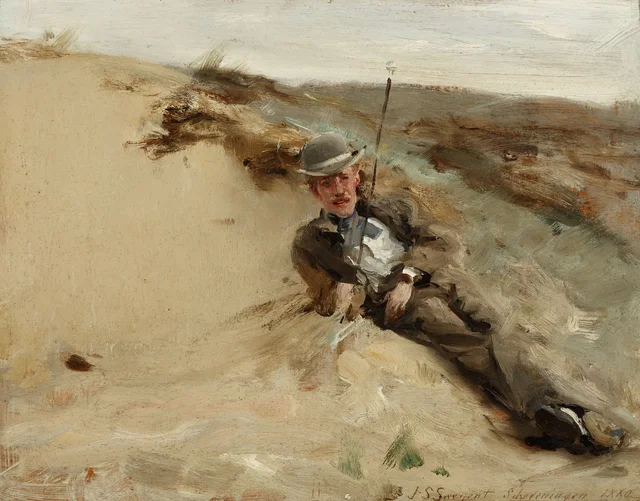 Porträt von Ralph Curtis am Strand von ScheveningenJohn Singer Sargent, 1880
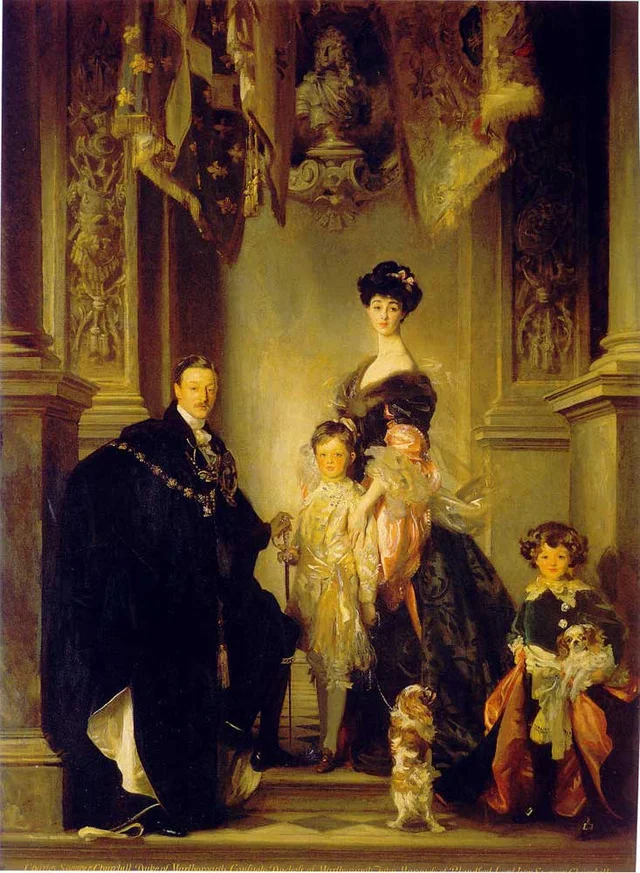 Bildnis des 9. Herzogs von Marlborough mit seiner FamilieJohn Singer Sargent, 1905
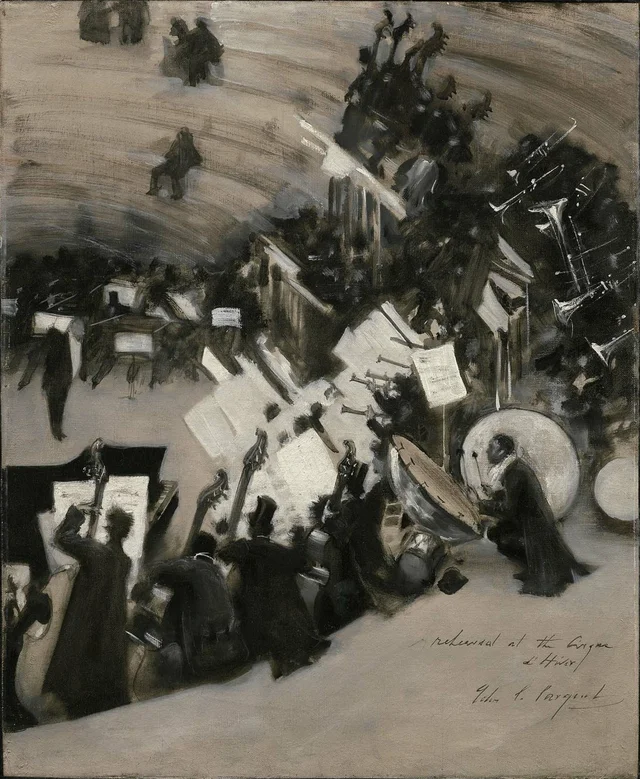 Probe des Pasdeloup-Orchesters im Cirque d'HiverJohn Singer Sargent, 1879
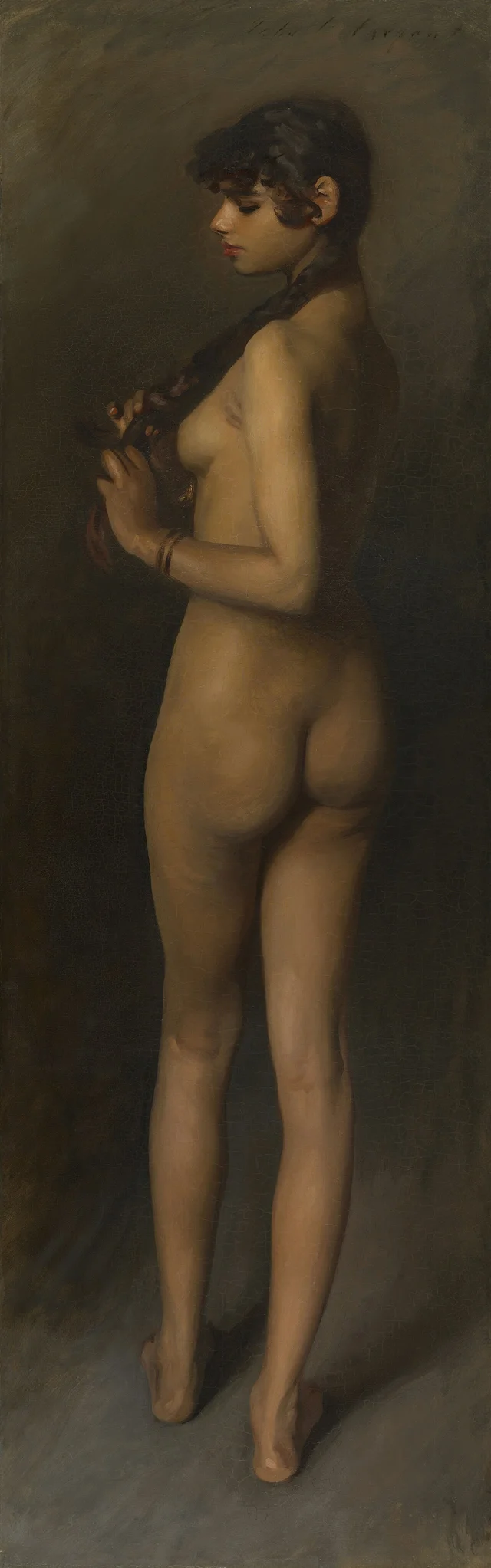 Studie nach der NaturJohn Singer Sargent, 1891
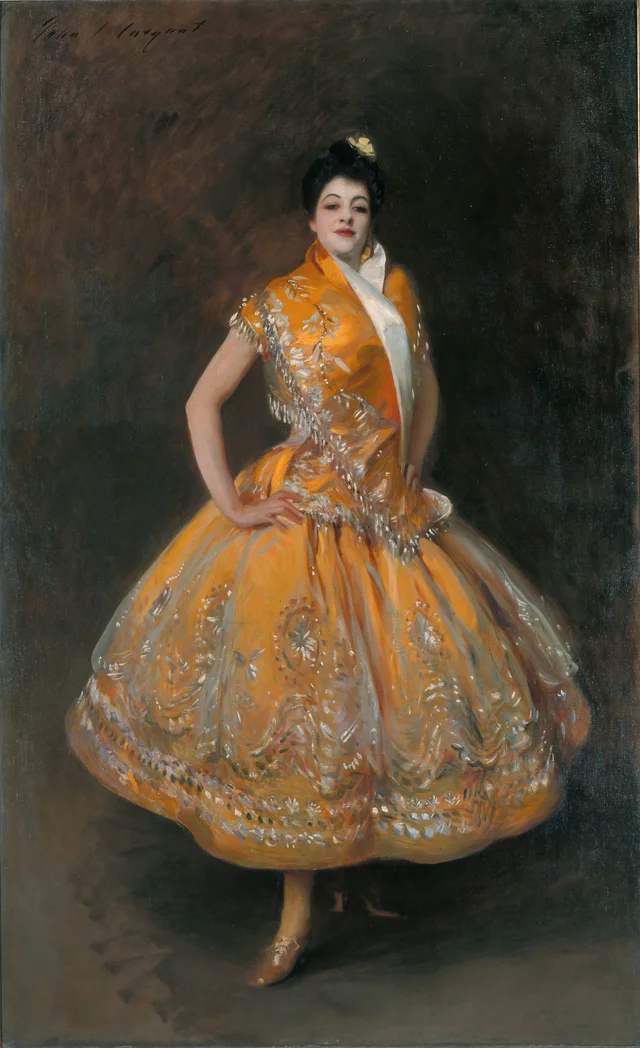 La CarmencitaJohn Singer Sargent, 1890
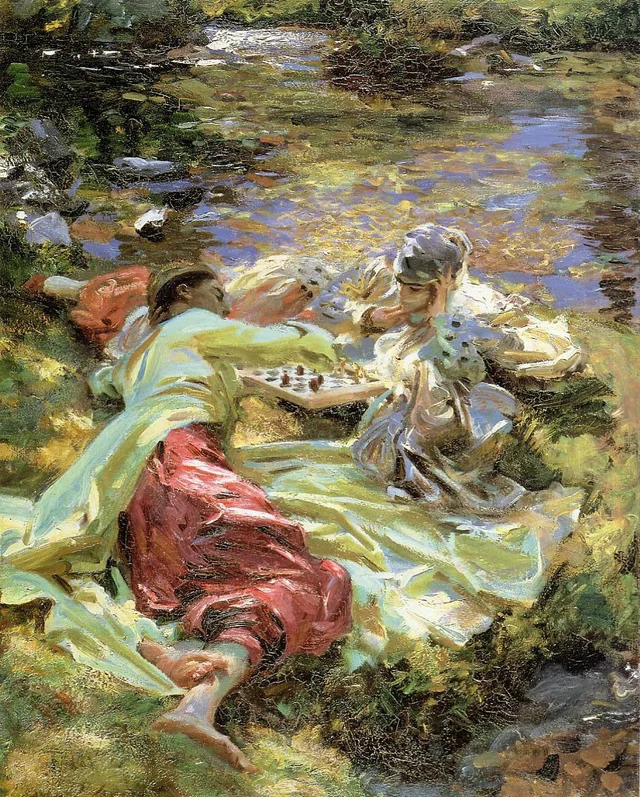 Das SchachspielJohn Singer Sargent, 1907
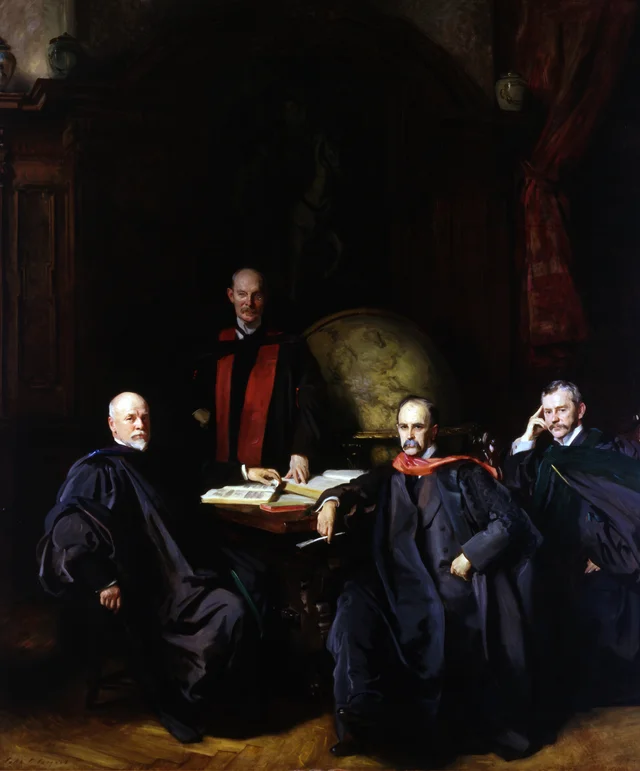 Die vier ÄrzteJohn Singer Sargent, 1906
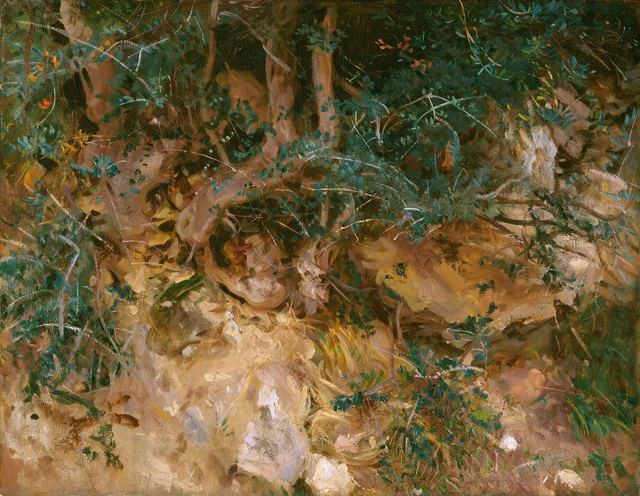 Valldemossa, Mallorca: Disteln und Kräuter an einem HangJohn Singer Sargent, 1908
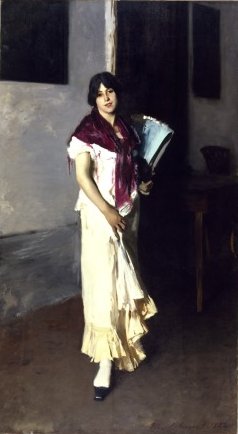 Eine VenezianerinJohn Singer Sargent, 1882
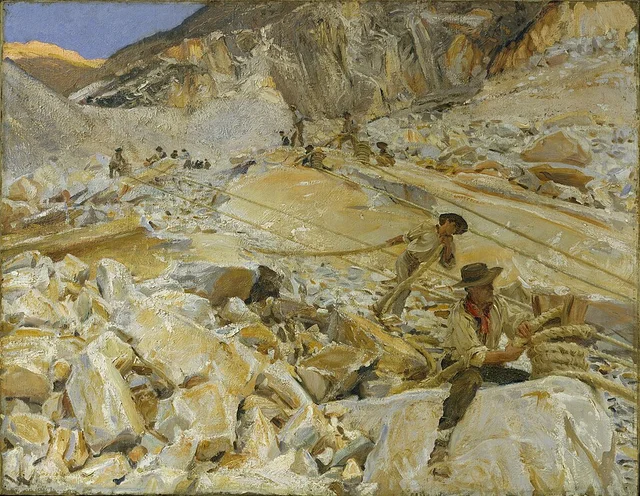 Marmortransport von den Steinbrüchen nach CarraraJohn Singer Sargent, 1911
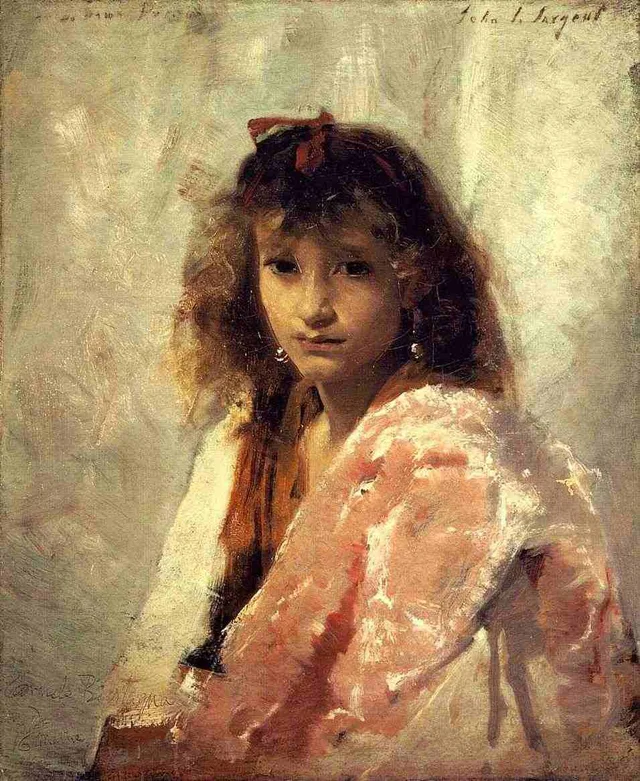 Carmela BertagnaJohn Singer Sargent, 1880
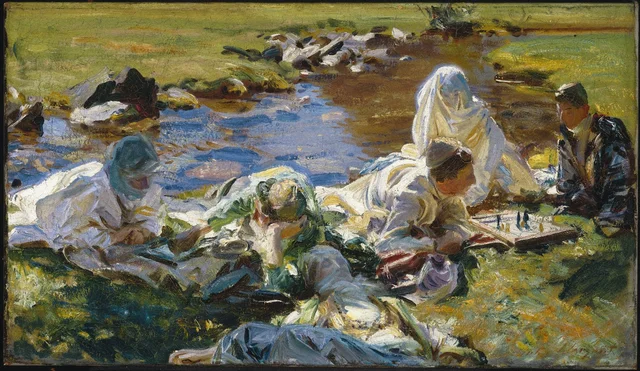 Dolce Far NienteJohn Singer Sargent, 1907
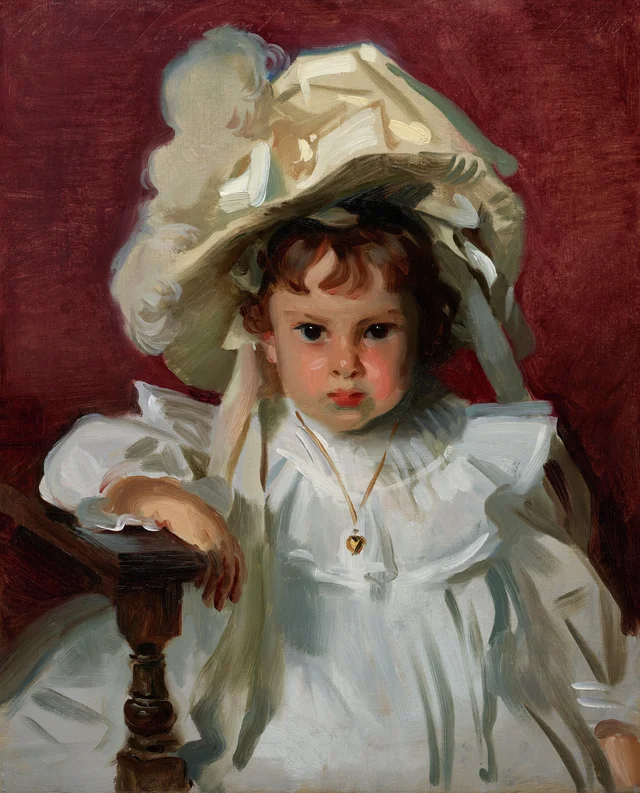 DorothyJohn Singer Sargent, 1900
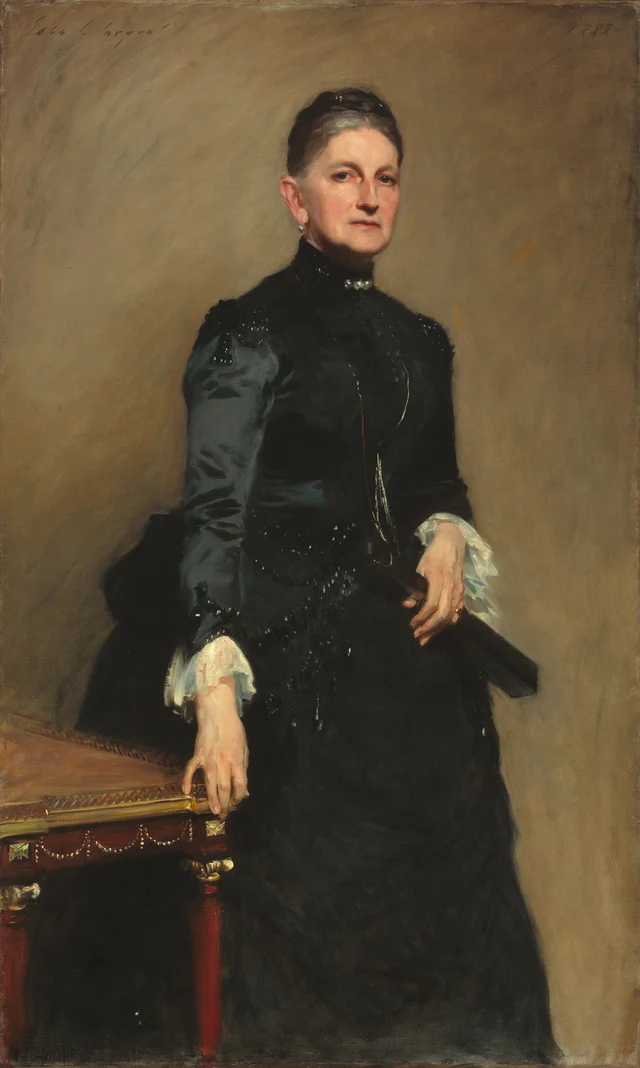 Eleanora O'Donnell Iselin (Frau Adrian Iselin)John Singer Sargent, 1888
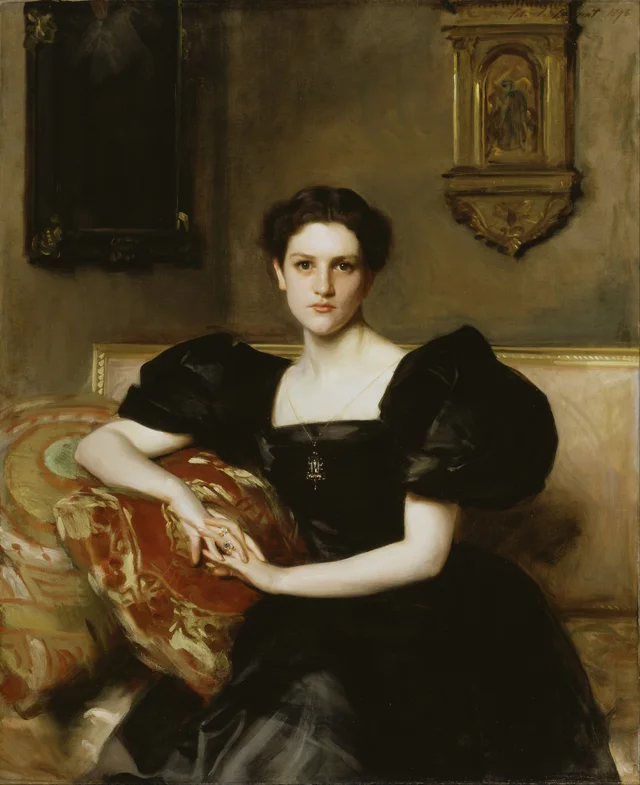 Elizabeth Winthrop Chanler (Mrs. John Jay Chapman)John Singer Sargent, 1893
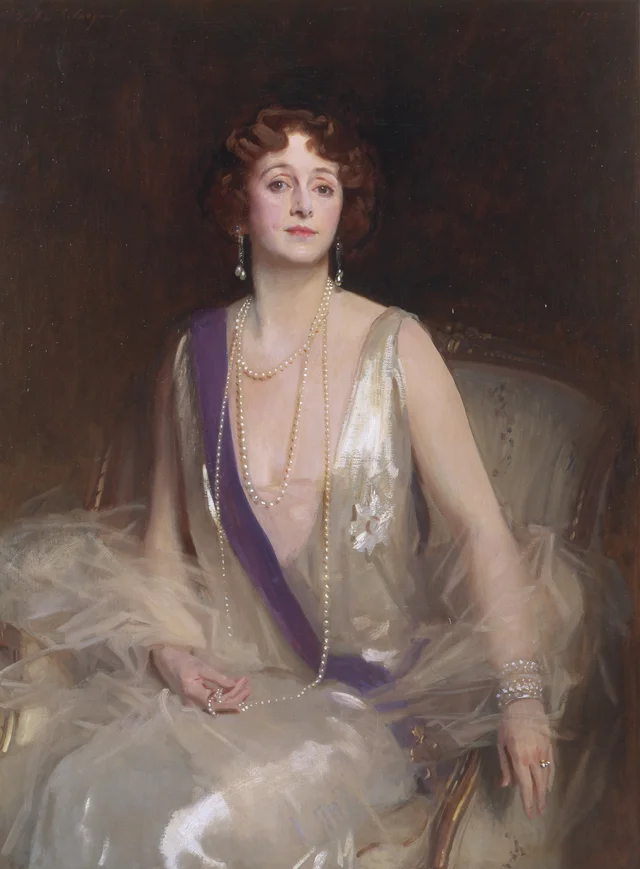 Grace Elvina, Marquise Curzon of KedlestonJohn Singer Sargent, 1925
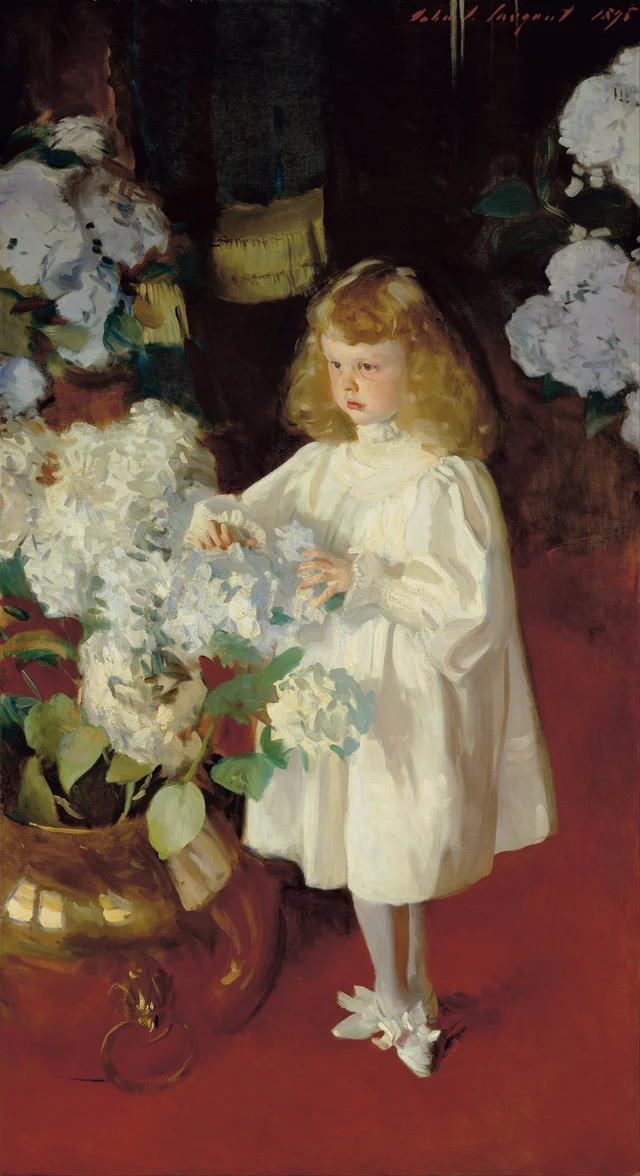 Helen SearsJohn Singer Sargent, 1895
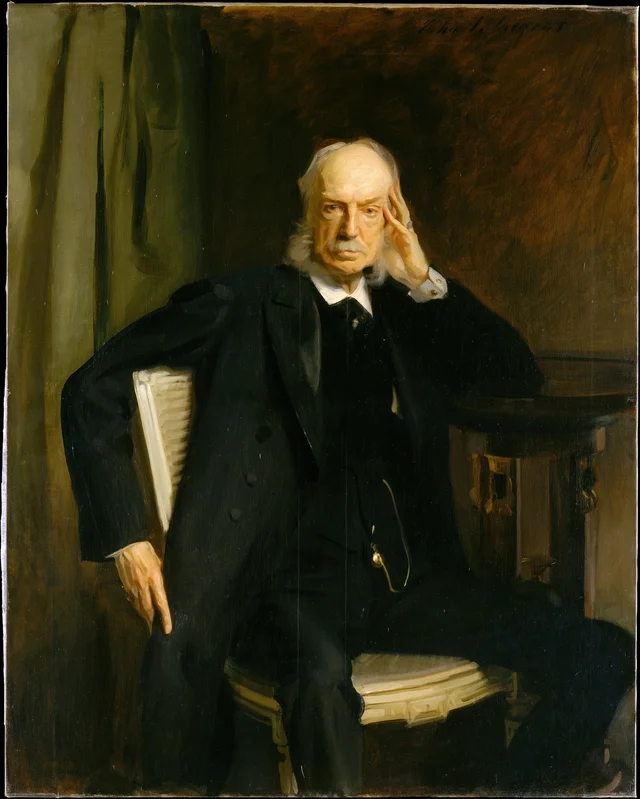 Henry G. MarquandJohn Singer Sargent, 1897