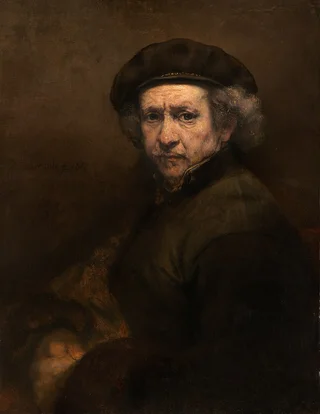
Rembrandt
1606–1669 · Republik der Vereinigten Niederlande · Malerei des niederländischen Goldenen Zeitalters
Die Geschichte
In den 1630er-Jahren war Rembrandt der gefragteste Porträtist Amsterdams, einer Stadt, die damals vom Geld holländischer Schiffe anschwoll, die bis nach Japan reichten. Er heiratete gut, Saskia, Tochter einer gut vernetzten Familie, kaufte ein großes Haus in einer angesagten Straße und füllte es mit Dingen: Gemälden, Waffen, exotischen Muscheln, Rüstungen, allem, was ihm eines Tages als Vorlage dienen könnte. Er kaufte bei Auktionen, wie andere Männer trinken.
Dann wendete sich das Blatt. Saskia starb jung, 1642, im selben Jahr, in dem er das gewaltige Schützenporträt vollendete, das man heute Die Nachtwache nennt. Die Mode im Porträtfach neigte sich einem glatteren, helleren Stil zu als seinem tiefen Braun und schwerem Schatten. Die Aufträge wurden weniger, seine Ausgaben nicht. 1656 war er zahlungsunfähig und übergab, statt ins Schuldgefängnis zu gehen, der Stadt sein Eigentum zur Versteigerung für seine Gläubiger. Das Inventar jenes Jahres listet die Muscheln, die Rüstungen und mehr als 60 seiner eigenen Gemälde auf. Binnen zwei Jahren war auch das große Haus versteigert, und er zog mit dem Rest seines Hausstands in schlichtere Zimmer am anderen Ende der Stadt.
Nichts davon trübte das Werk; eher im Gegenteil. Befreit vom polierten Gesellschaftsporträt, malte er nun mit rauerer, dickerer Hand, häufte das Licht auf eine Stirn oder einen Ärmel und ließ den Rest im Dunkel versinken. Immer wieder hielt er sich selbst den Spiegel vor und hinterließ über sein Leben rund 80 Selbstbildnisse, die späten schonungslos, das Gesicht eines Mannes, der fast alles verloren hatte und es dennoch unverwandt betrachtete. Er starb 1669, und in einem seiner allerletzten Selbstbildnisse malte er sich selbst lachend, in der Rolle eines antiken griechischen Malers, Pinsel in der Hand, über einen Scherz, den das Bild nie erklärt.
Weitere Artikel
 Artikel · 40 Min. LesezeitDas Mauritshuis in Den Haag: 20 Bilder und wie sie hierherkamen
 Artikel · 35 Min. LesezeitNational Gallery of Art in Washington: Zwanzig Bilder aus privater Hand
 Artikel · 39 Min. LesezeitWas Sie im Louvre sehen sollten: die 25 wichtigsten Werke
 Artikel · 29 Min. LesezeitWas man im Met gesehen haben sollte: 15 Werke
 Artikel · 38 Min. LesezeitMuseo Thyssen-Bornemisza: Zwanzig Bilder, die Vater und Sohn gekauft haben
 Artikel · 52 Min. LesezeitDas Rijksmuseum in Amsterdam: 25 Werke und ihre Besitzer
Werke
307 Werke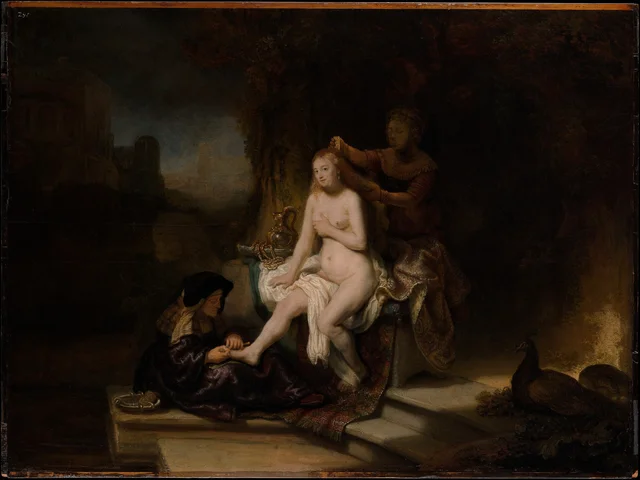 Batseba bei ihrer ToiletteRembrandt, 1643
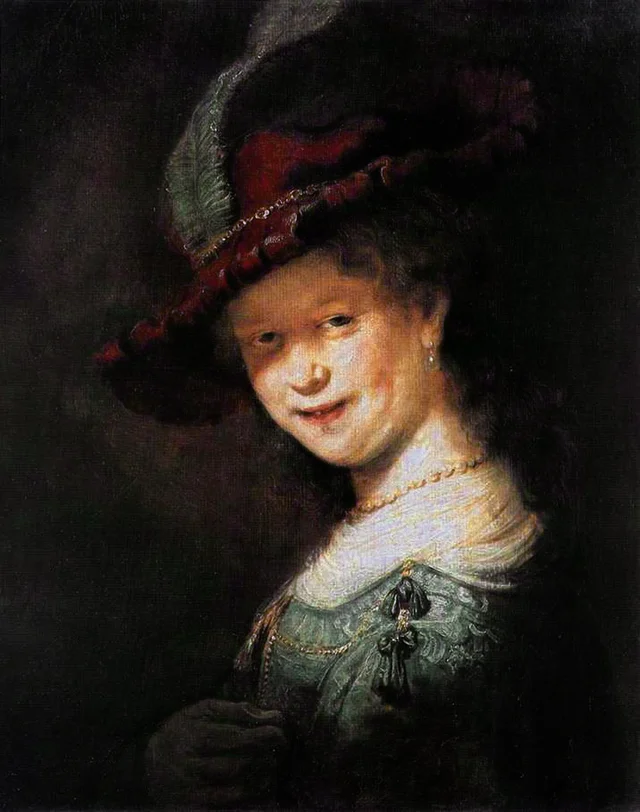 Brustbild einer lächelnden jungen Frau, möglicherweise Saskia van UylenburghRembrandt, 1633
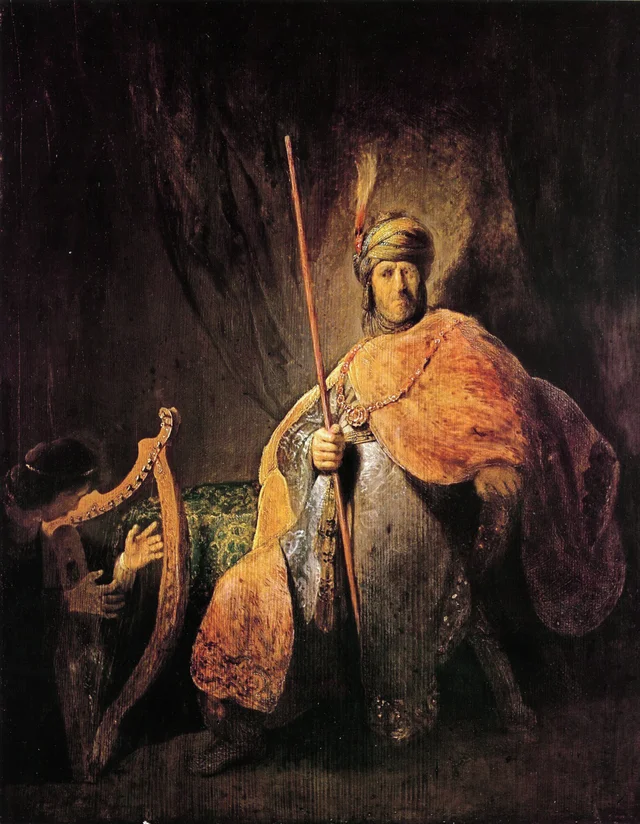 David spielt die Harfe vor SaulRembrandt, 1630
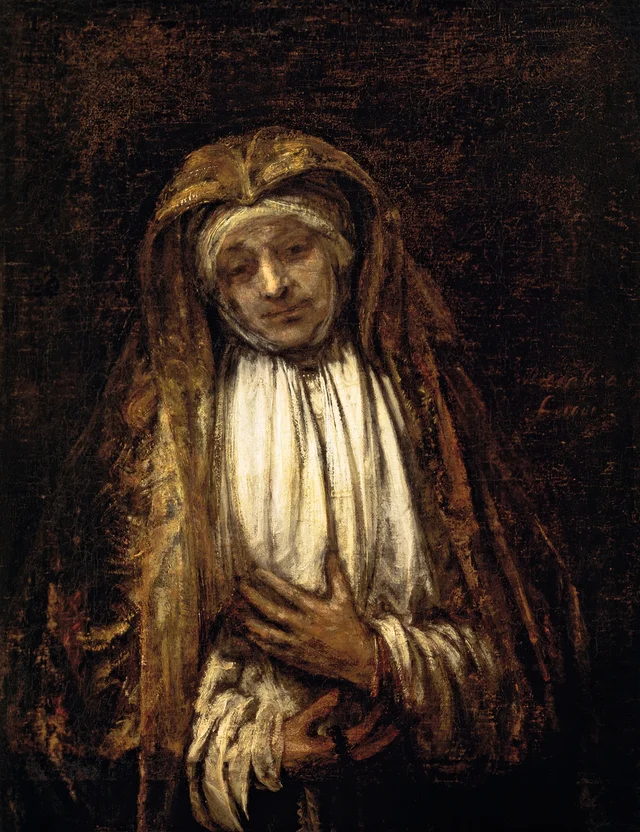 Alte Frau mit RosenkranzRembrandt, 1661
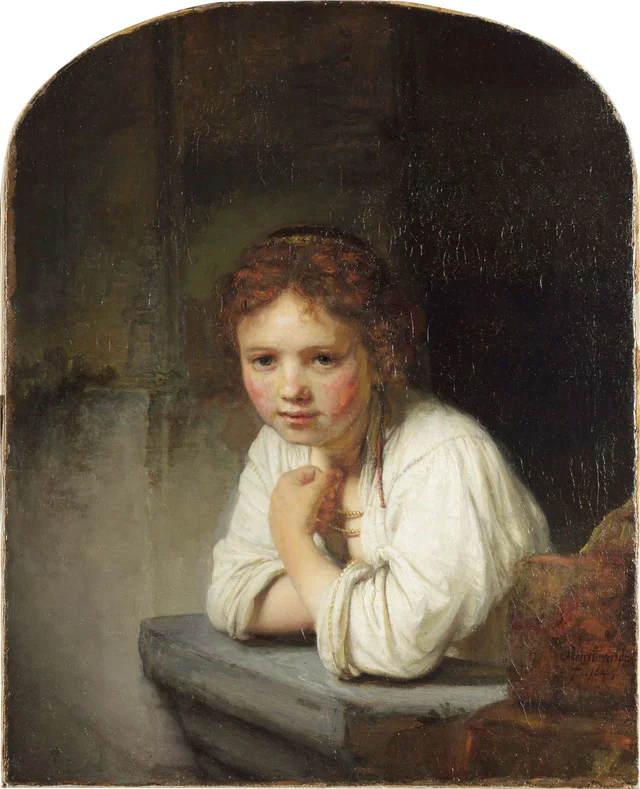 Mädchen am FensterRembrandt, 1645
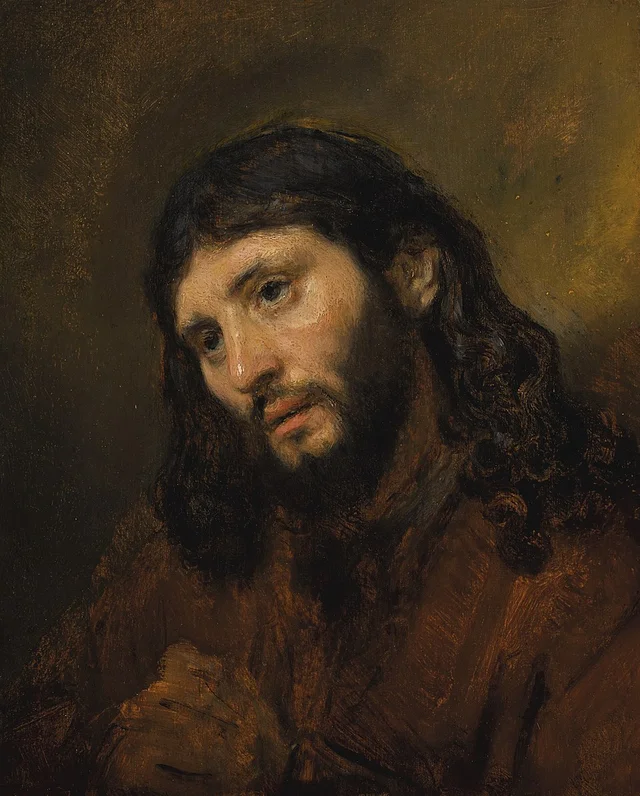 ChristuskopfRembrandt, 1648
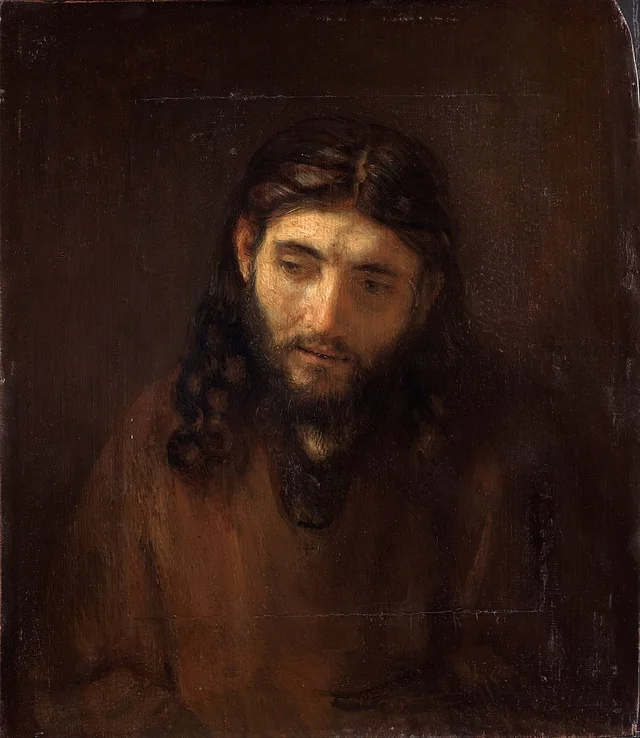 Kopf ChristiRembrandt, 1648
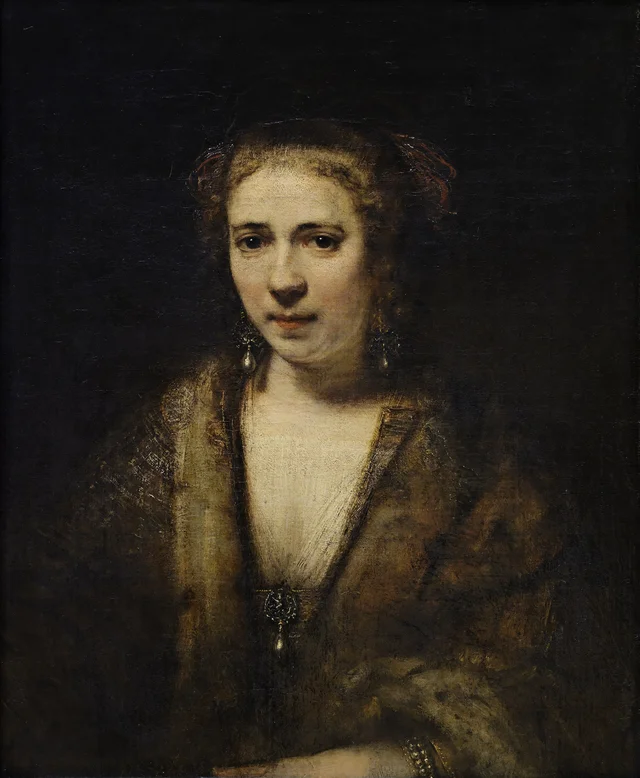 Hendrickje StoffelsRembrandt, 1654
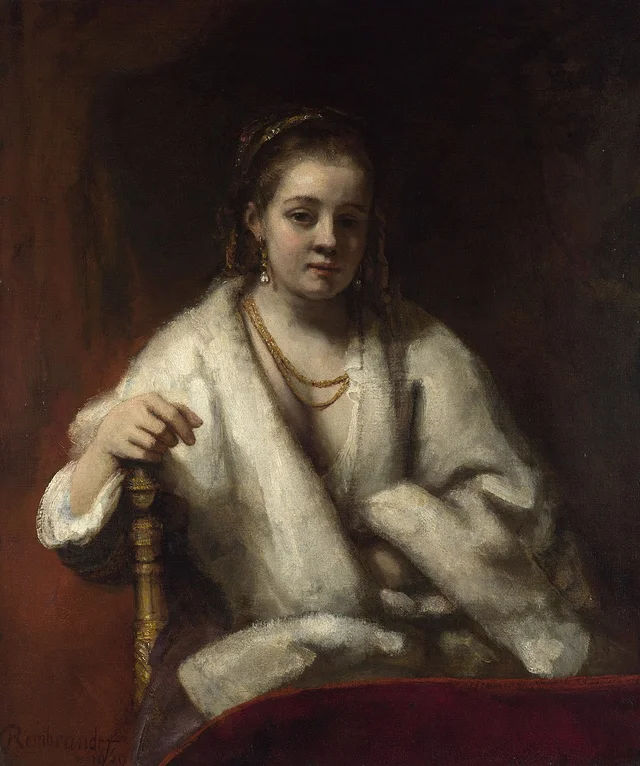 Hendrickje mit PelzumhangRembrandt, 1659
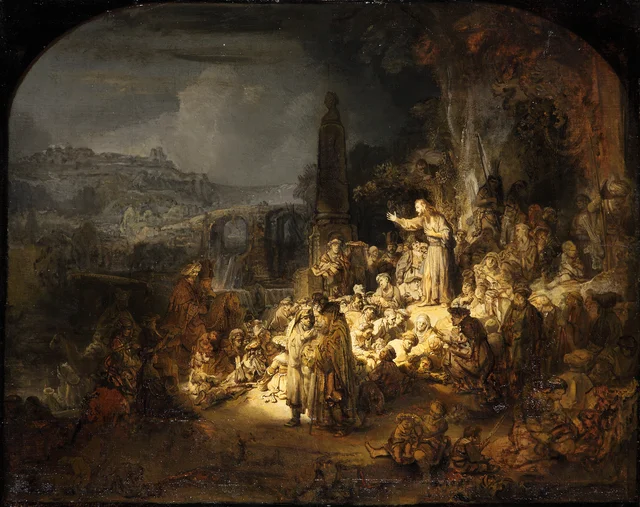 Die Predigt Johannes des TäufersRembrandt, 1634
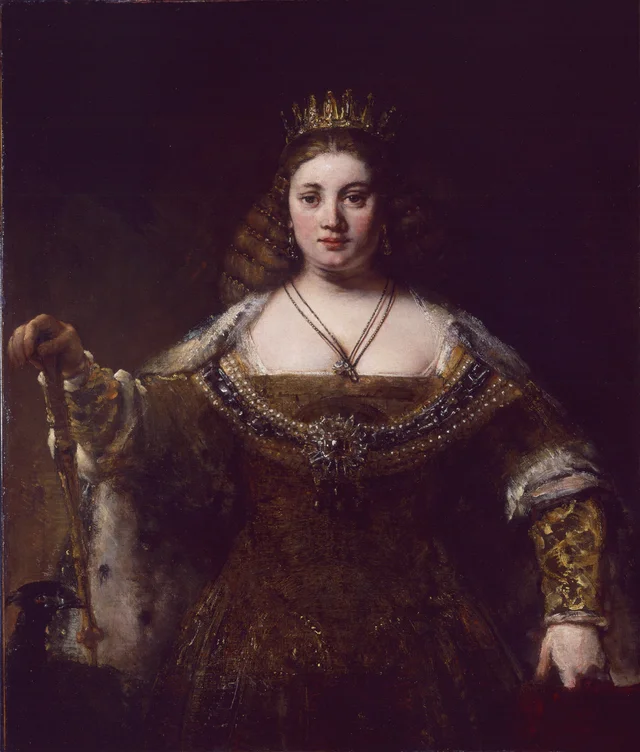 JunoRembrandt, 1663
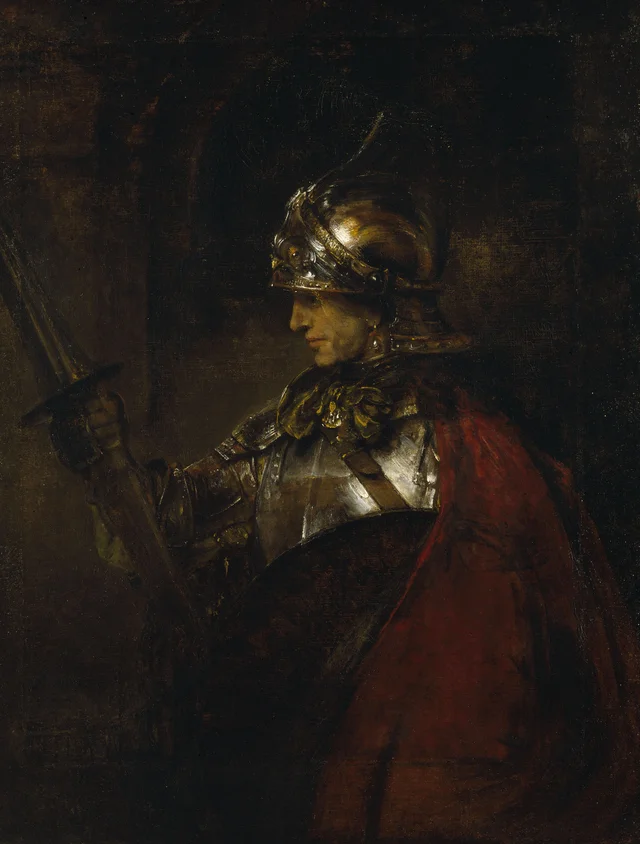 Mann in RüstungRembrandt, 1655
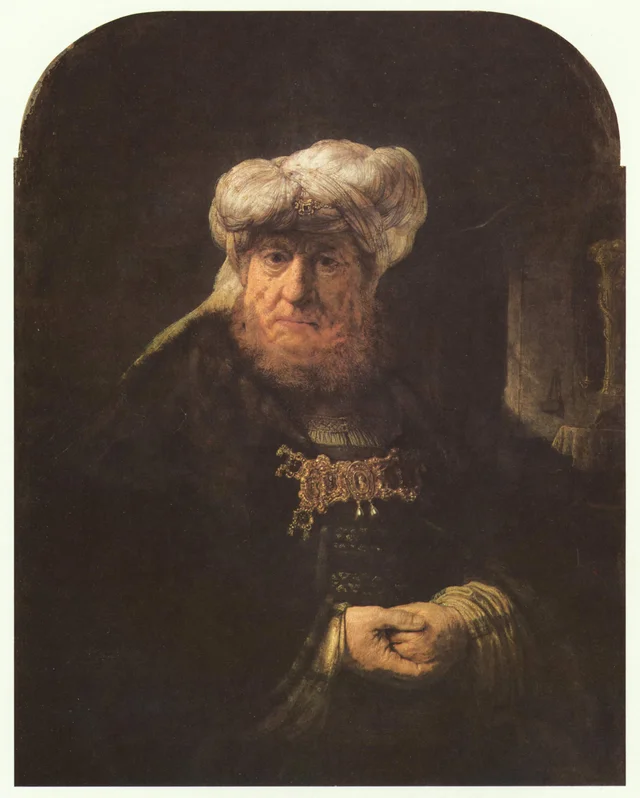 Mann in orientalischer TrachtRembrandt, 1639
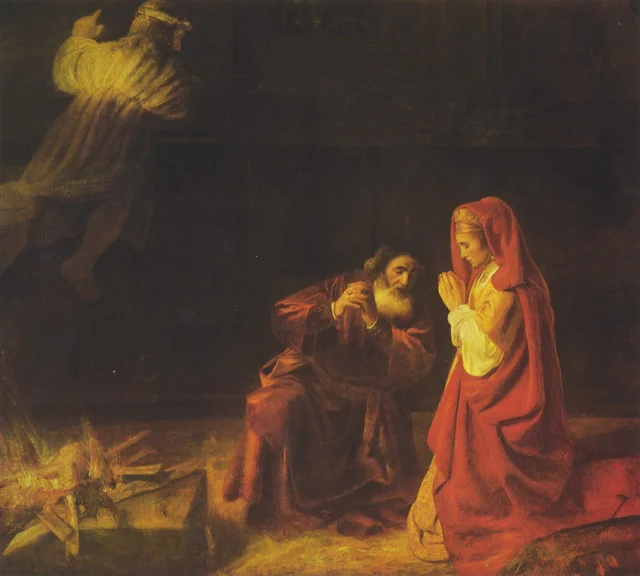 Das Opfer ManoahsRembrandt, 1641
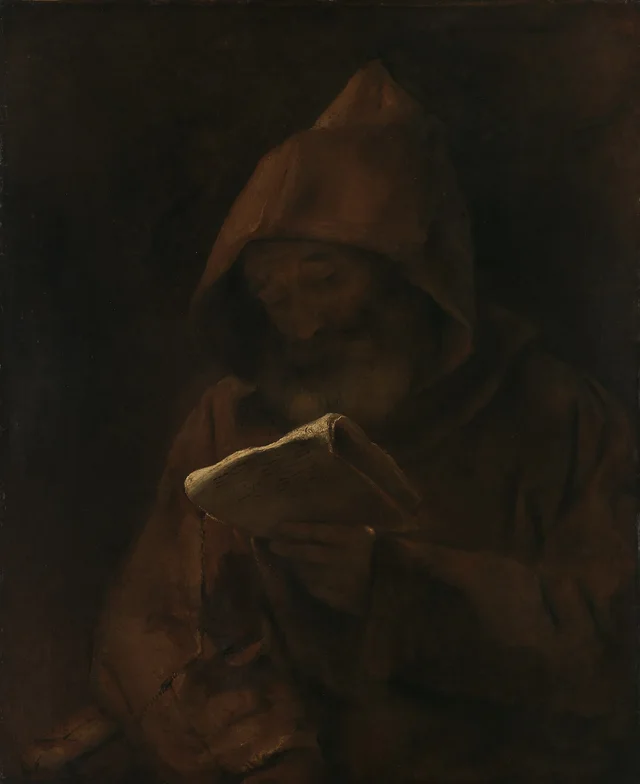 Lesender MönchRembrandt, 1661
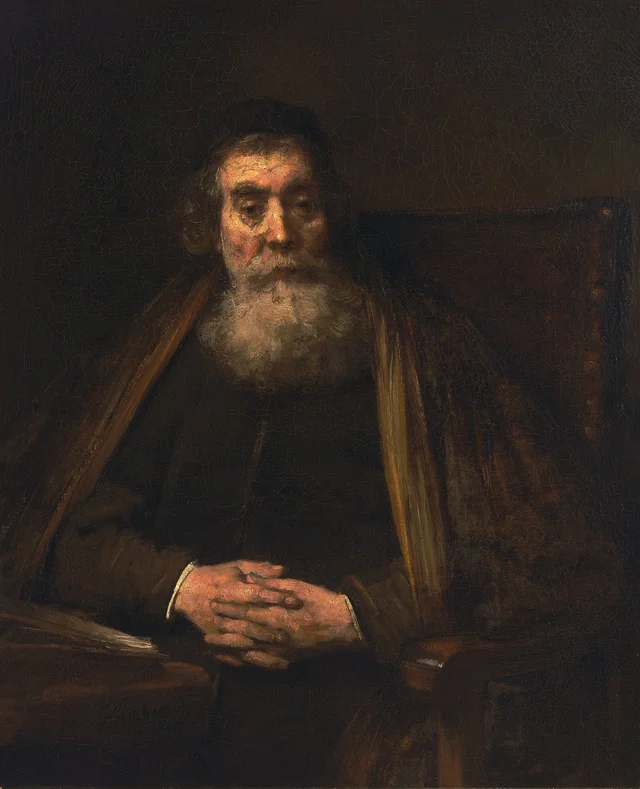 Alter Mann im Lehnstuhl, möglicherweise ein Porträt von Jan Amos ComeniusRembrandt, 1665
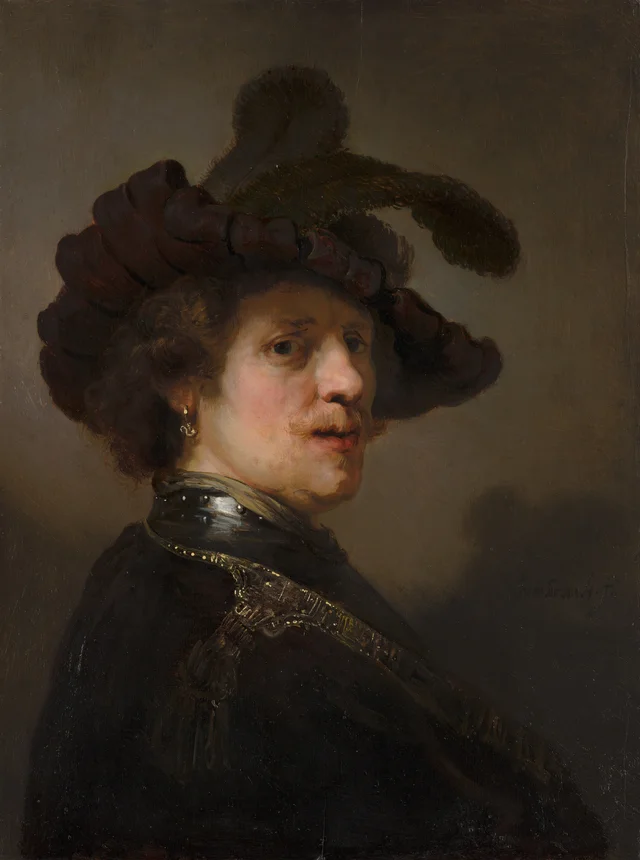 Porträt eines Mannes mit FederhutRembrandt, 1635
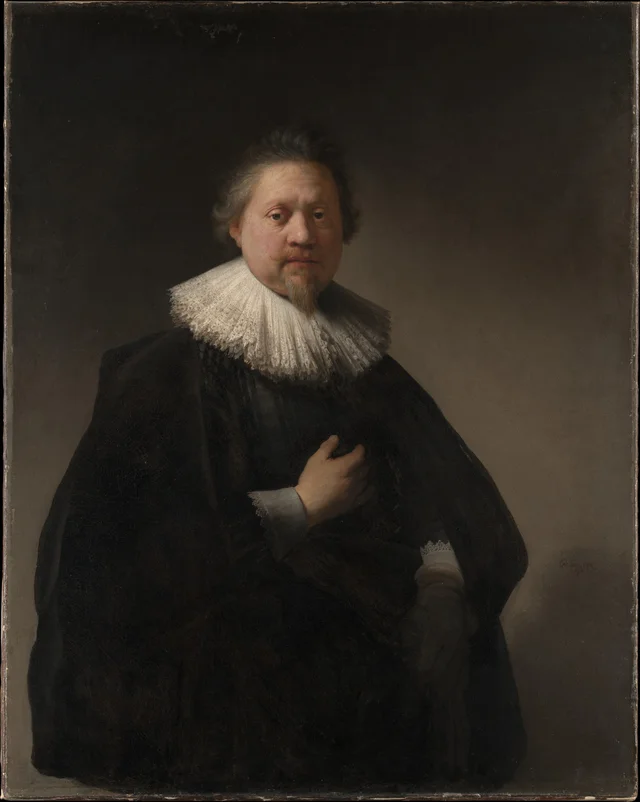 Bildnis eines Mannes, vermutlich ein Mitglied der Familie Van BeresteynRembrandt, 1632
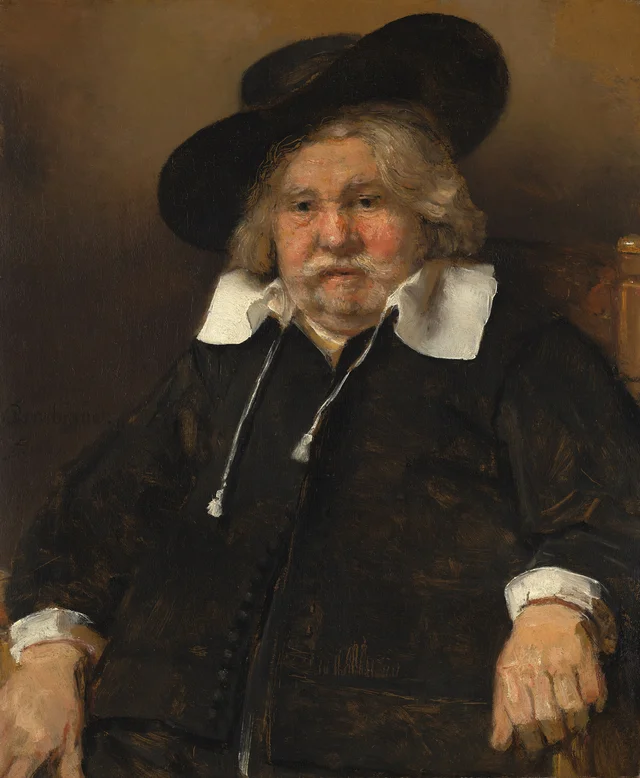 Bildnis eines alten MannesRembrandt, 1667
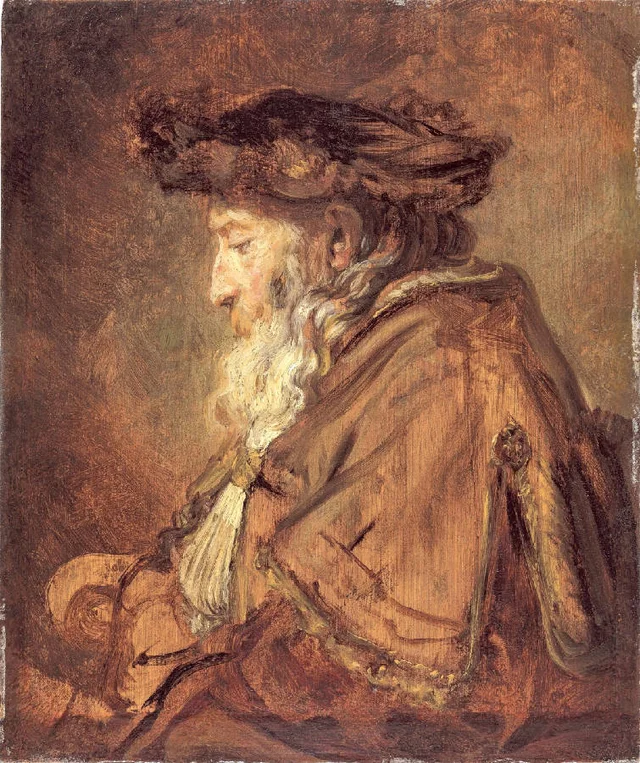 Porträt eines alten Mannes (möglicherweise ein Rabbiner)Rembrandt, 1655
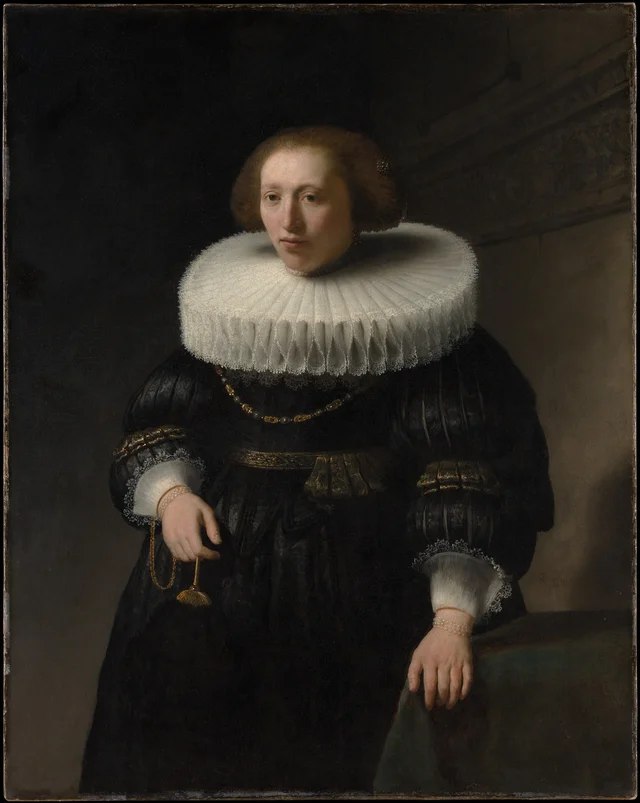 Bildnis einer Frau, vermutlich Mitglied der Familie Van BeresteynRembrandt, 1632
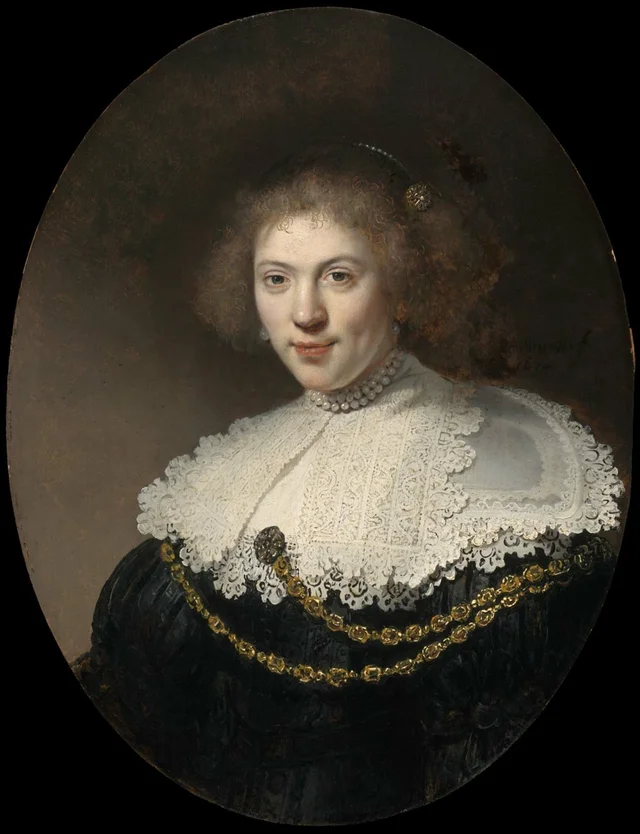 Porträt einer Frau mit einer goldenen KetteRembrandt, 1634
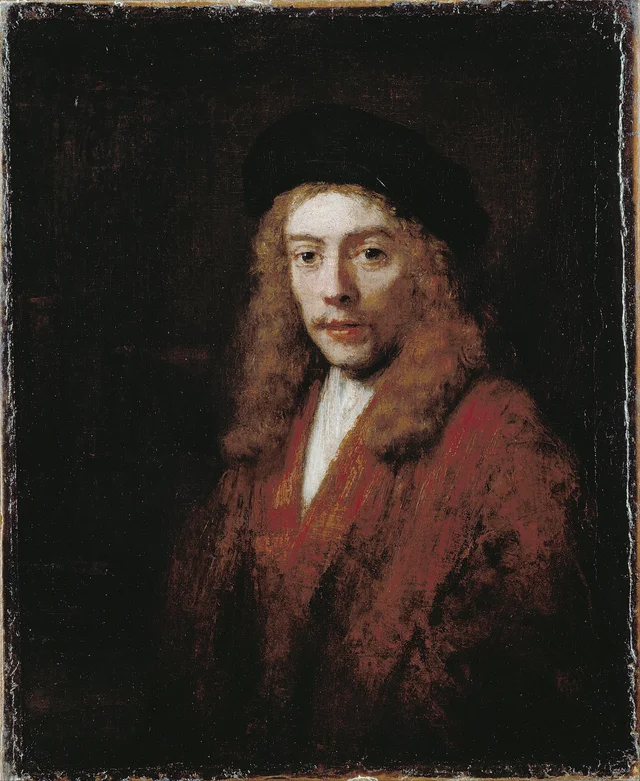 Porträt eines jungen Mannes, möglicherweise TitusRembrandt, 1663
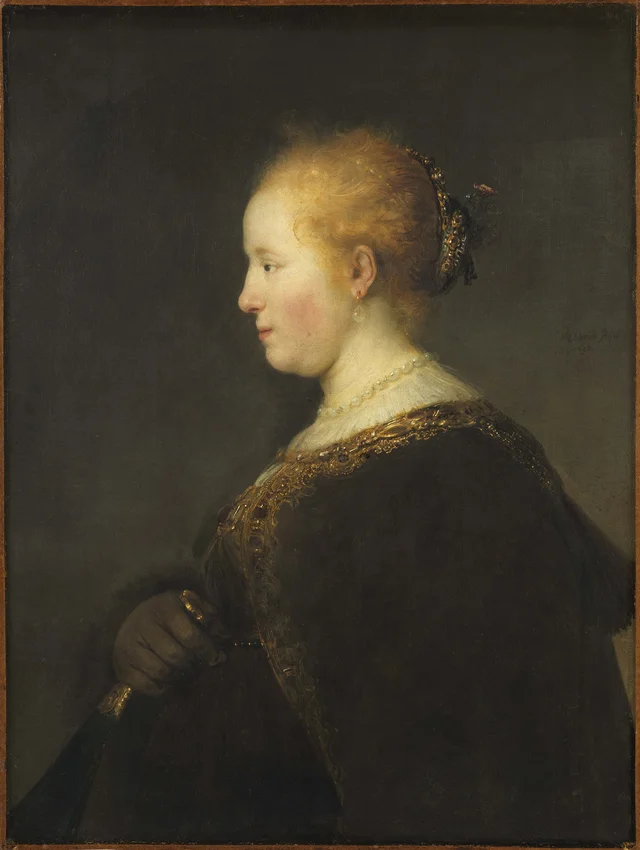 Bildnis einer jungen Frau im ProfilRembrandt, 1632
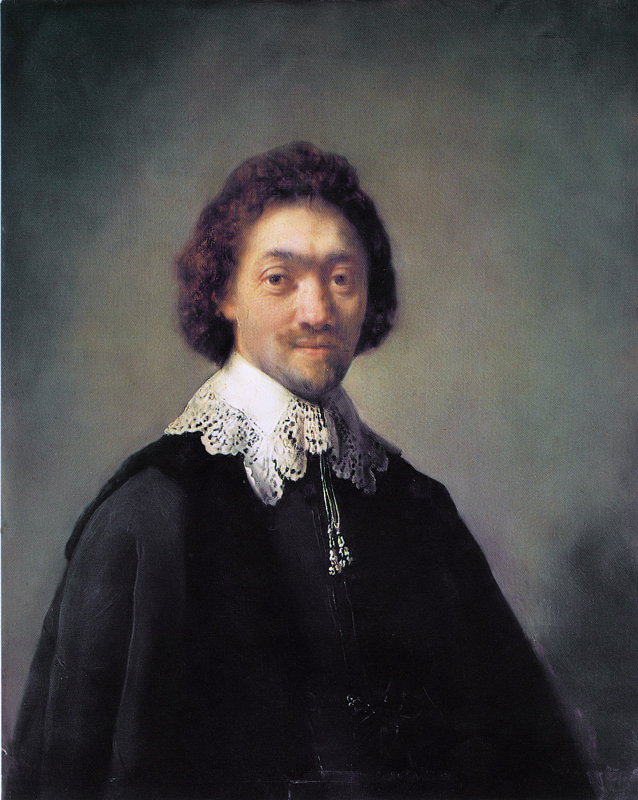 Bildnis des Maurits Huygens (1595–1642)Rembrandt, 1632