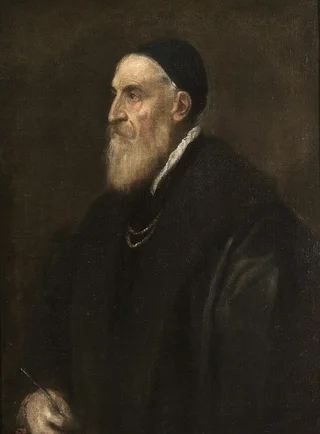
Tizian
1488–1576 · Republik Venedig · Venezianische Schule
Die Geschichte
Tizian leitete die geschäftigste und mächtigste Malwerkstatt im Venedig des 16. Jahrhunderts, und das über sehr lange Zeit. Geboren um 1488 in den Bergen nördlich der Stadt, übernahm er nach dem Tod Giovanni Bellinis die Stellung als führender Maler Venedigs und bestätigte dies 1518 mit einem monumentalen Altarbild der Himmelfahrt Mariens für die Frari-Kirche, dessen Figuren größer und lebendiger wirkten als alles, was die Stadt zuvor gesehen hatte.
Seine Wirkung reichte weit über Venedig hinaus. 1530 traf er Kaiser Karl V., den mächtigsten Mann Europas, und wurde dessen bevorzugter Porträtist. Der Geschichte nach bückte sich der Kaiser einmal, um einen Pinsel aufzuheben, den Tizian hatte fallen lassen – eine unerhörte Geste gegenüber einem bloßen Maler. Karl erhob ihn in den Grafenstand, und dessen Sohn Philipp II. von Spanien behielt Tizian jahrzehntelang in seinen Diensten und beauftragte eine Reihe großformatiger mythologischer Gemälde griechischer Götter und Sterblicher, die der Maler nach Madrid verschiffte.
Tizian arbeitete bis ins hohe Alter, und seine Spätwerke lösen sich fast bis zur Unschärfe auf, die Farbe wird ebenso mit den Fingern wie mit dem Pinsel verschmiert und gezogen, sodass die Bilder aus der Nähe betrachtet zerfließen. Er stand noch mitten in der Arbeit, als 1576 die Pest über Venedig hereinbrach. Sie tötete ihn im August jenes Jahres, zusammen mit seinem Sohn Orazio, und er wurde in derselben Frari-Kirche beigesetzt, die seinen ersten großen Triumph beherbergte. Er war ungefähr 88 Jahre alt.
Weitere Artikel
 Artikel · 35 Min. LesezeitNational Gallery of Art in Washington: Zwanzig Bilder aus privater Hand
 Artikel · 33 Min. LesezeitGallerie dell’Accademia in Venedig: zwanzig Werke und ihr Weg hierher
 Artikel · 39 Min. LesezeitWas Sie im Louvre sehen sollten: die 25 wichtigsten Werke
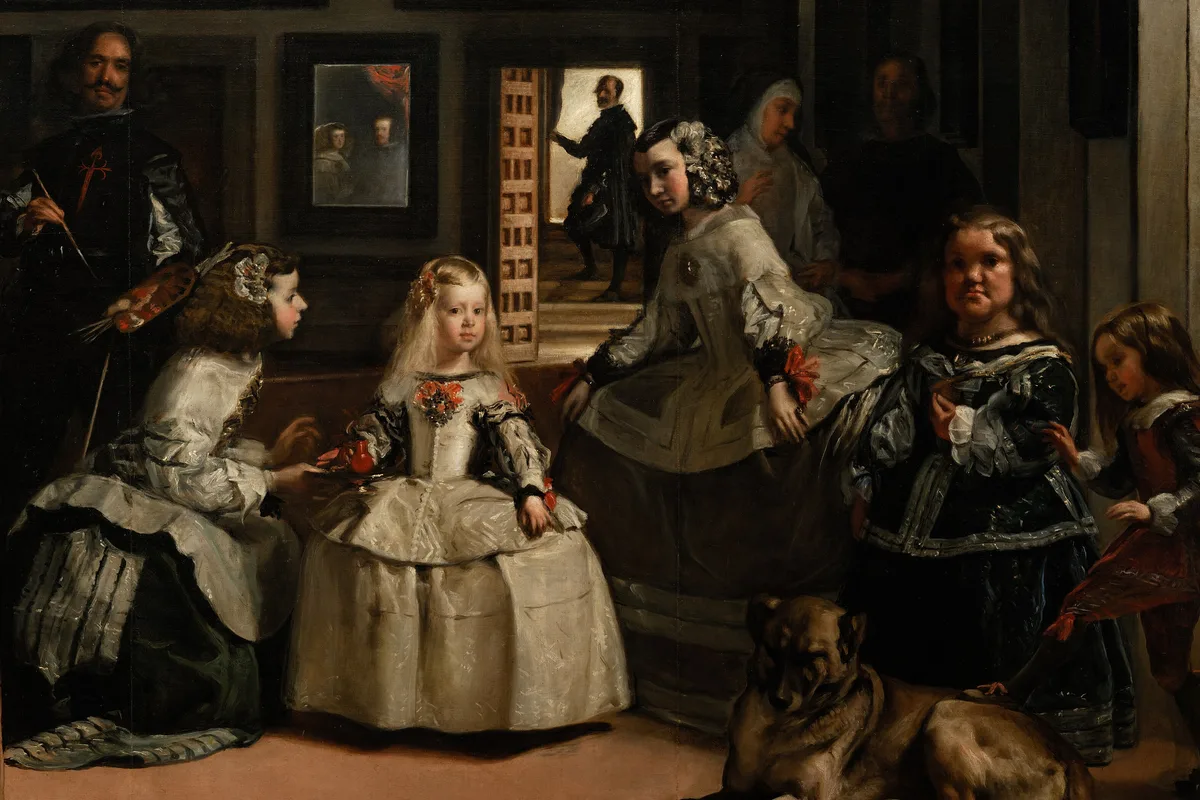 Artikel · 18 Min. LesezeitMuseo del Prado: die Bilder, die ihre Welten überlebt haben
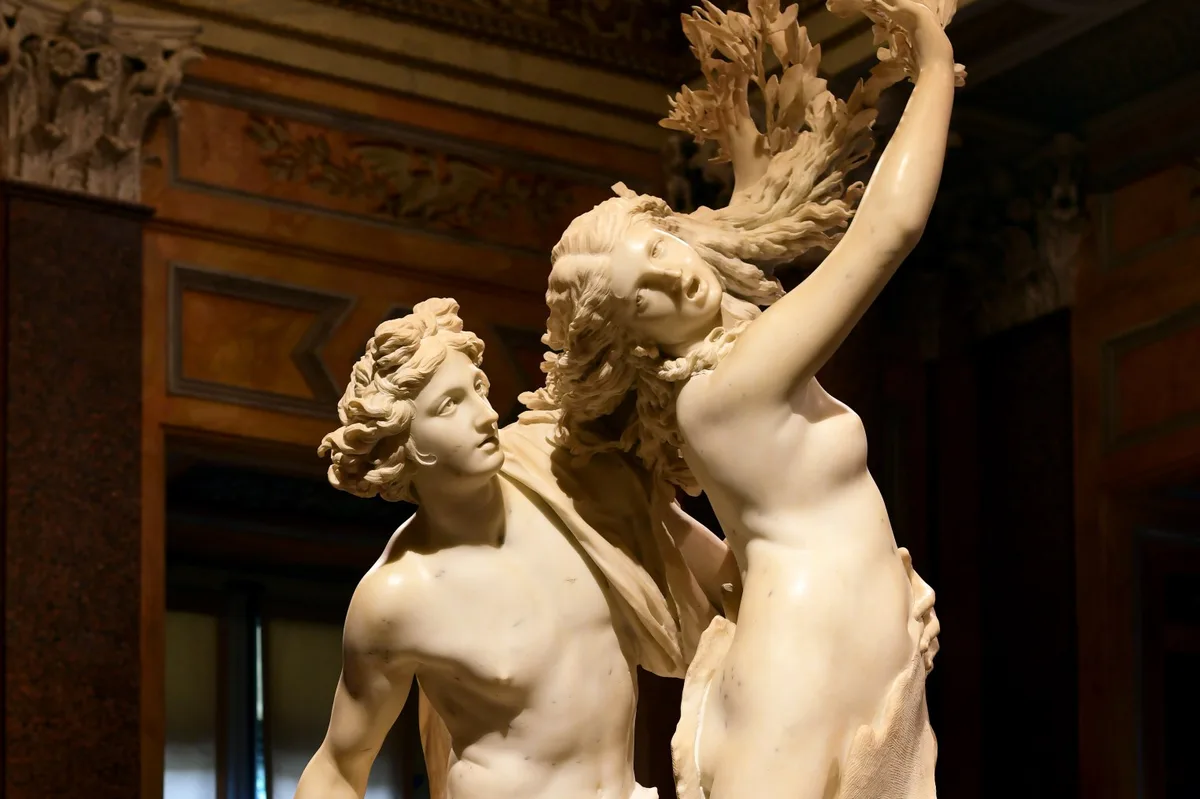 Artikel · 37 Min. LesezeitGalleria Borghese: von Scipione Borghese bis zum Ankauf durch den Staat
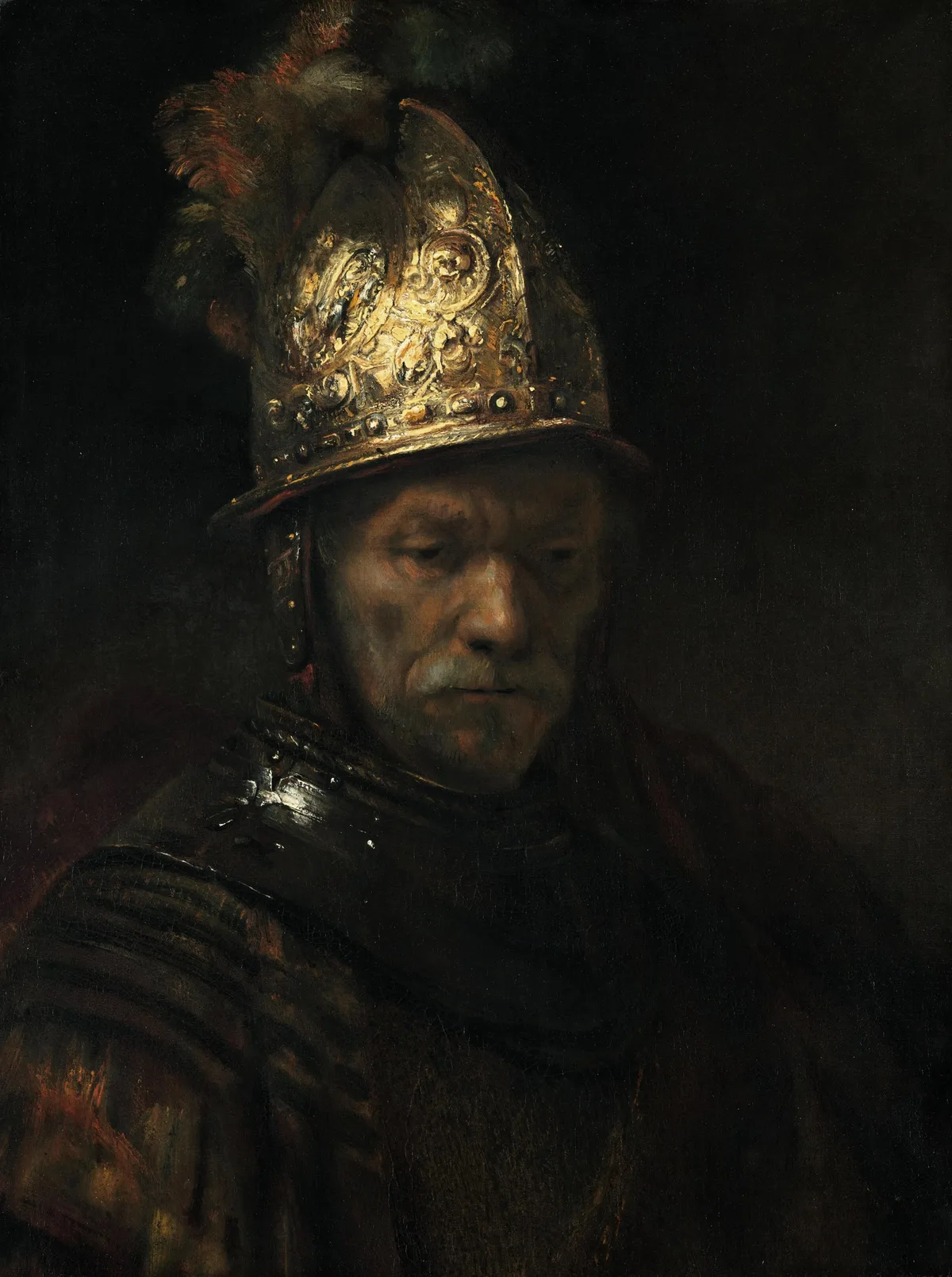 Artikel · 39 Min. LesezeitGemäldegalerie Berlin: 20 Bilder, die Berlin kaufte, verlor und teilte
Werke
286 Werke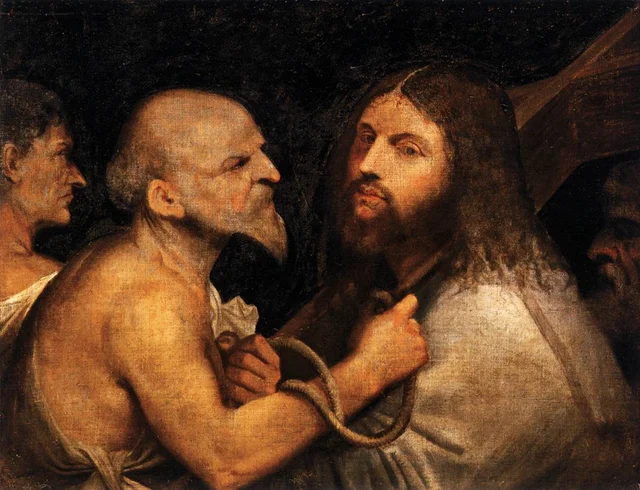 Die Kreuztragung ChristiTizian, 1506
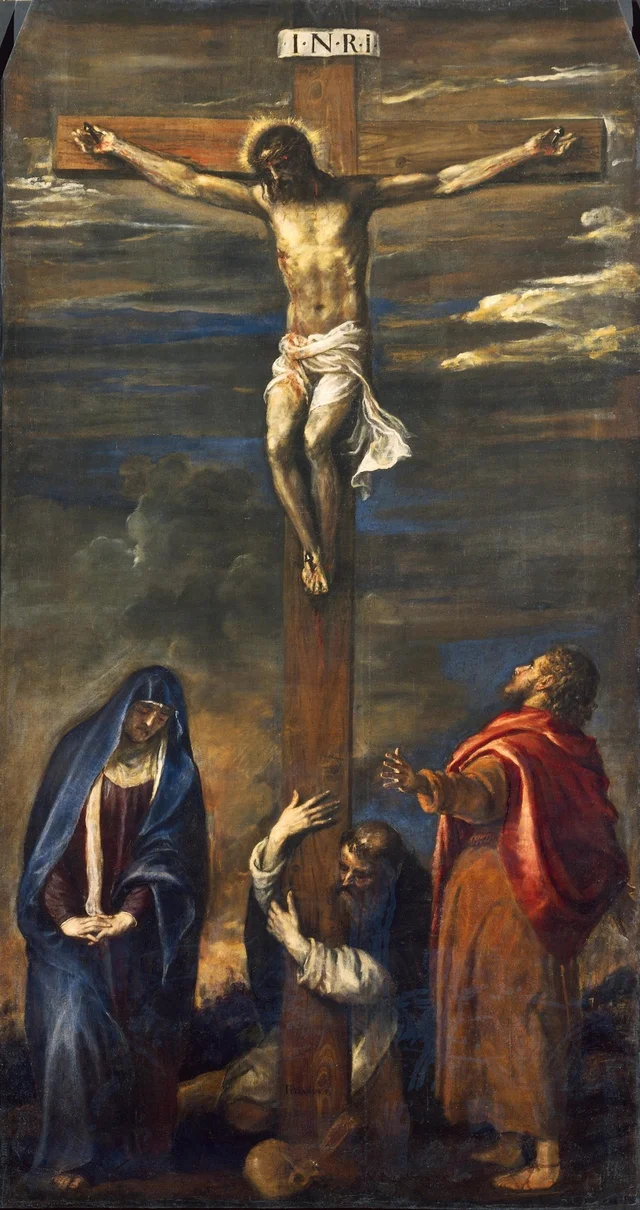 Die KreuzigungTizian, 1558
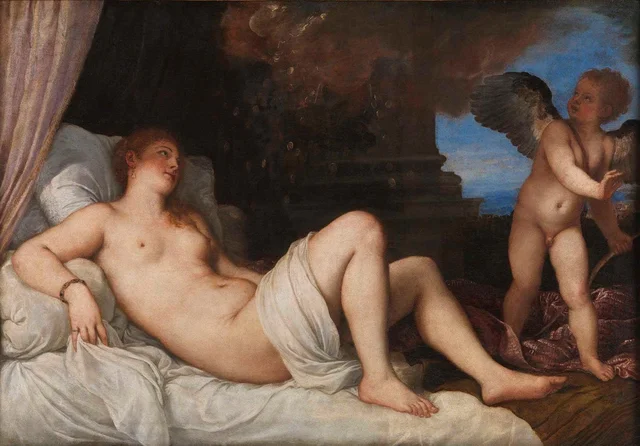 DanaëTizian, 1545
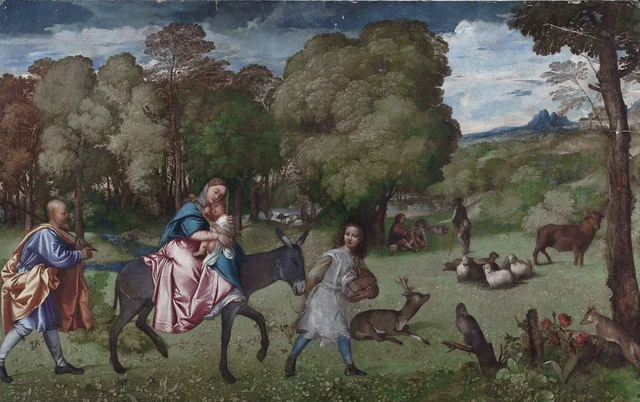 Die Flucht nach ÄgyptenTizian, 1508
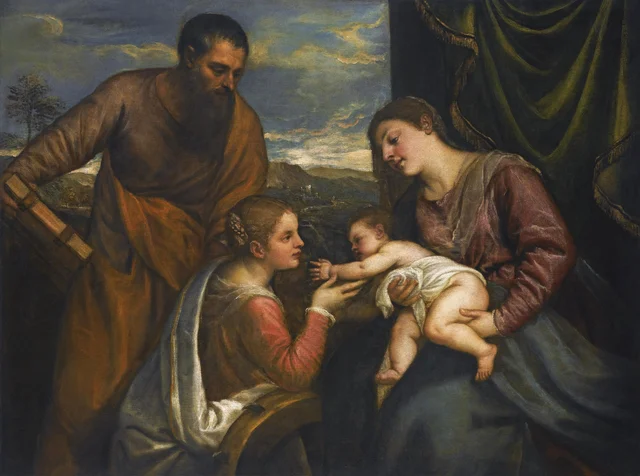 Madonna mit Kind und den Heiligen Lukas und Katharina von AlexandrienTizian, 1560
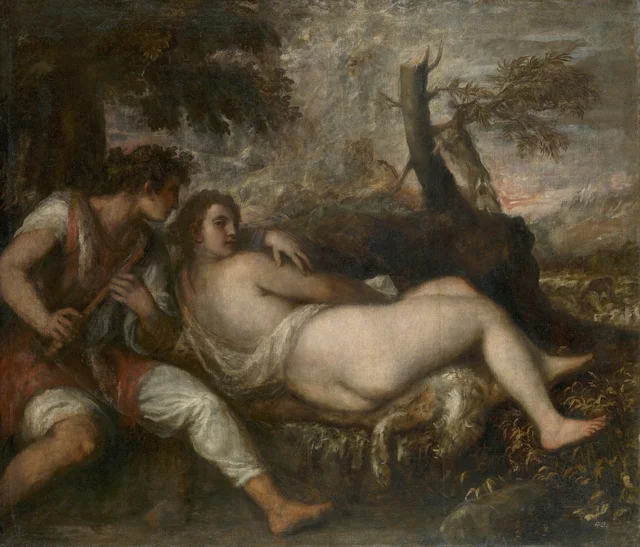 Nymphe und SchäferTizian, 1570
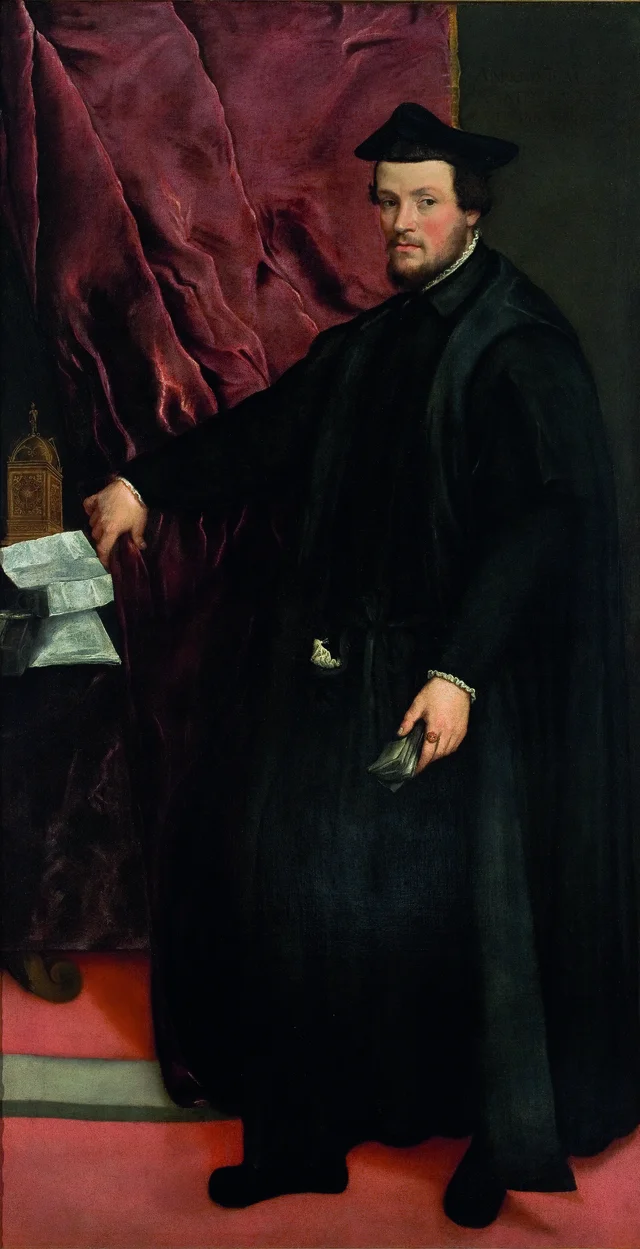 Bildnis des Kardinals Cristoforo MadruzzoTizian, 1552
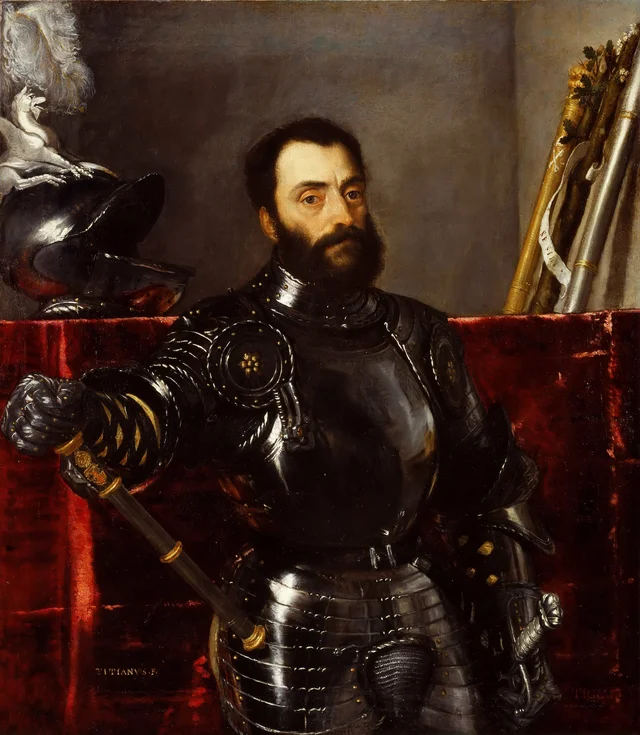 Bildnis des Francesco Maria della RovereTizian, 1537
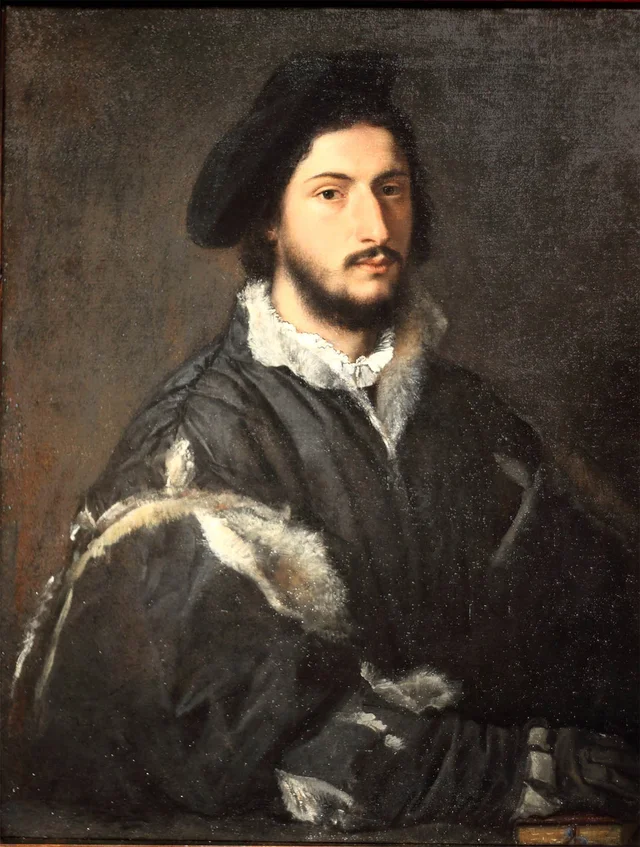 Bildnis des Vincenzo MostiTizian, 1520
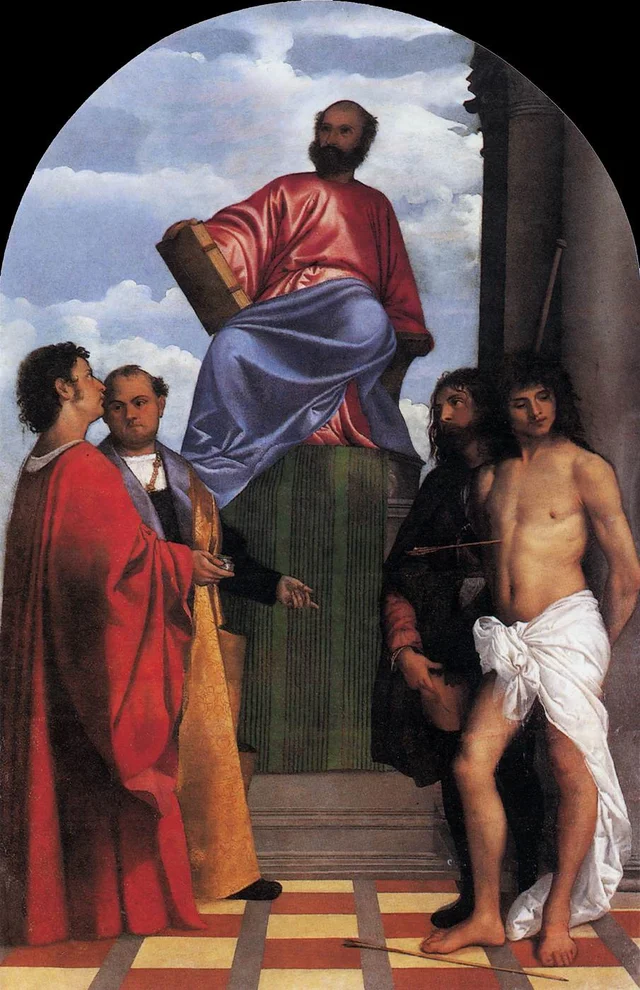 Der thronende heilige MarkusTizian, 1510
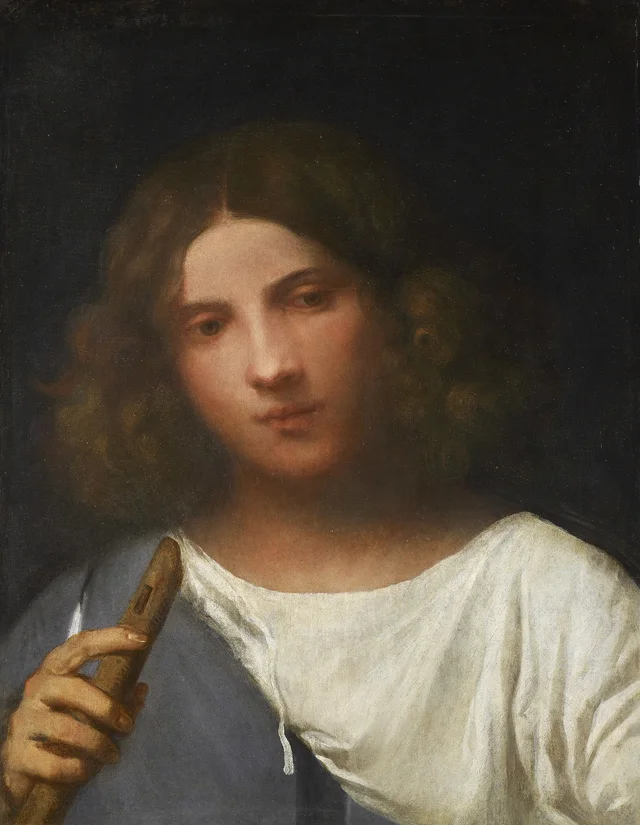 Hirte mit FlöteTizian, 1510
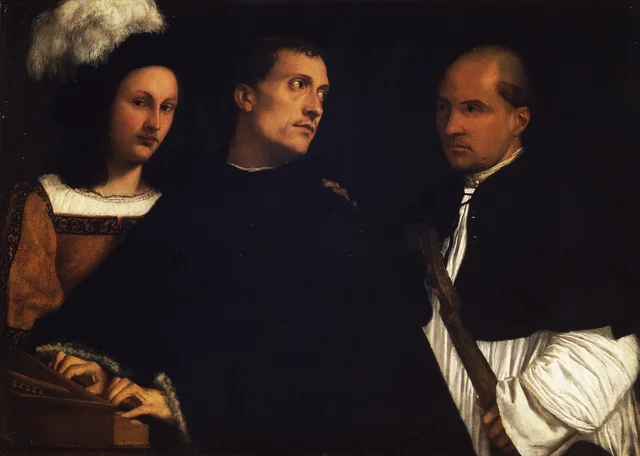 Das KonzertTizian, 1510
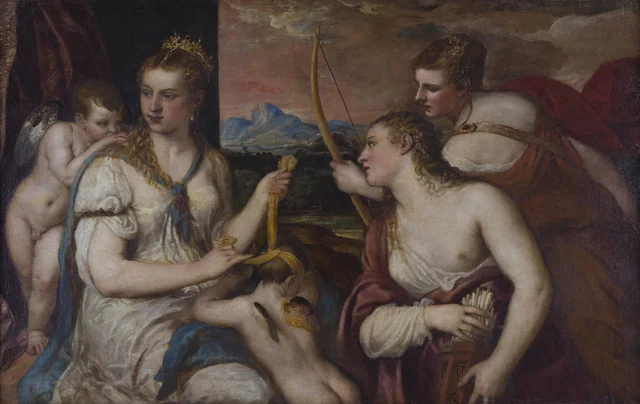 Venus verbindet Amor die AugenTizian, 1565
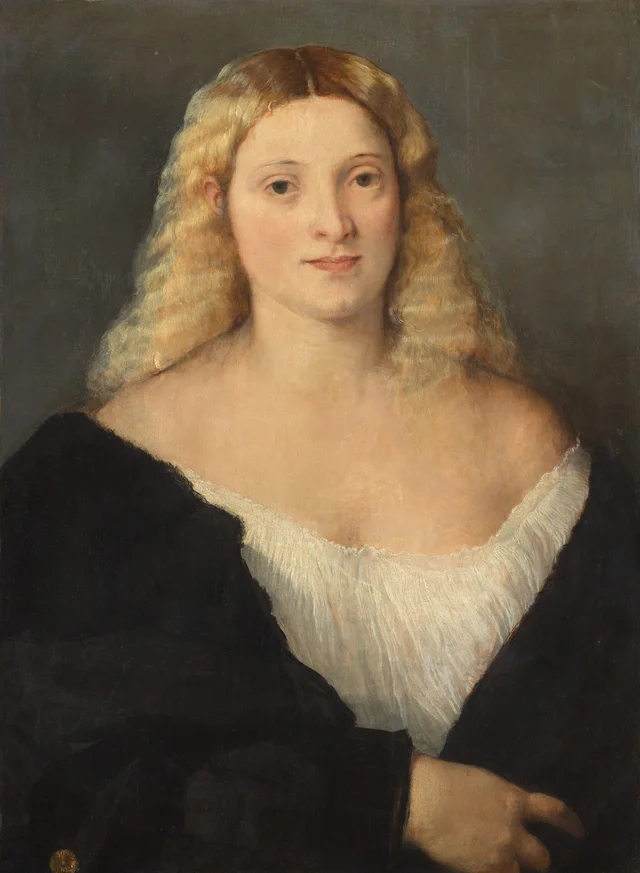 Junge Frau im schwarzen KleidTizian, 1520
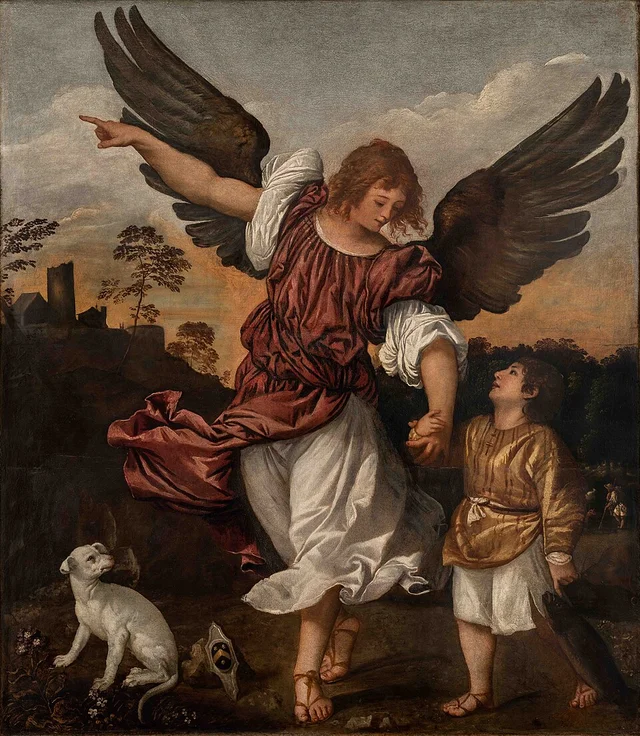 Der Erzengel Raphael und TobiasTizian, 1513
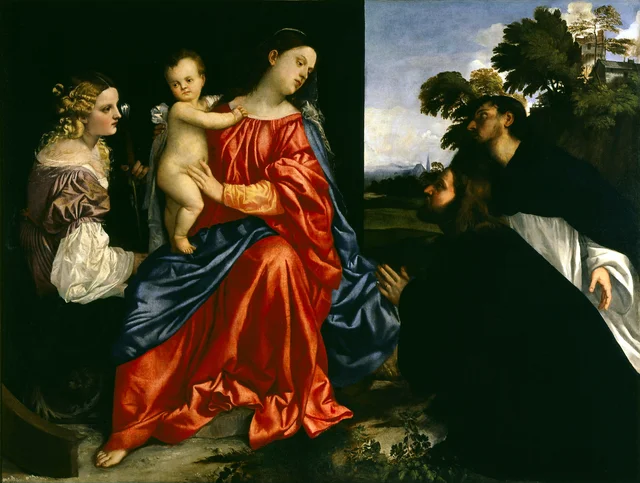 Balbi-Sacra ConversazioneTizian, 1513
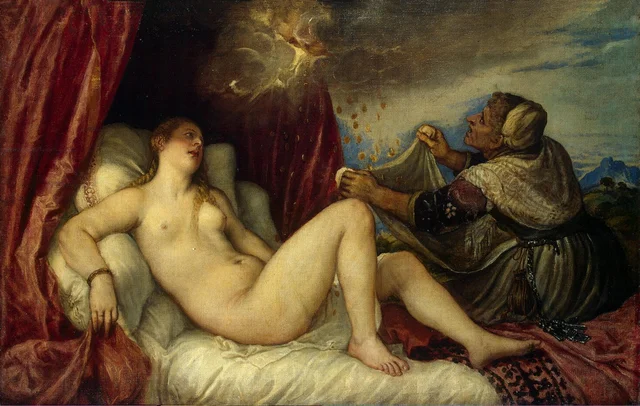 DanaëTizian, 1554
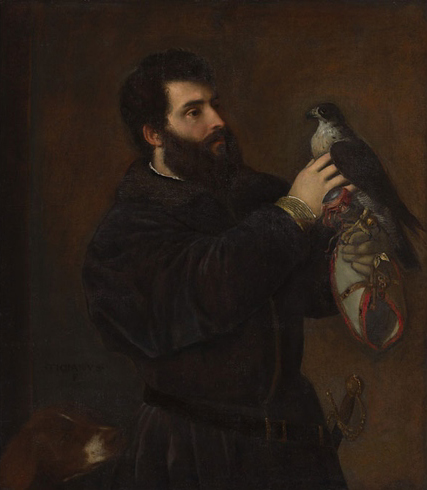 Giorgio Cornaro mit einem FalkenTizian, 1537
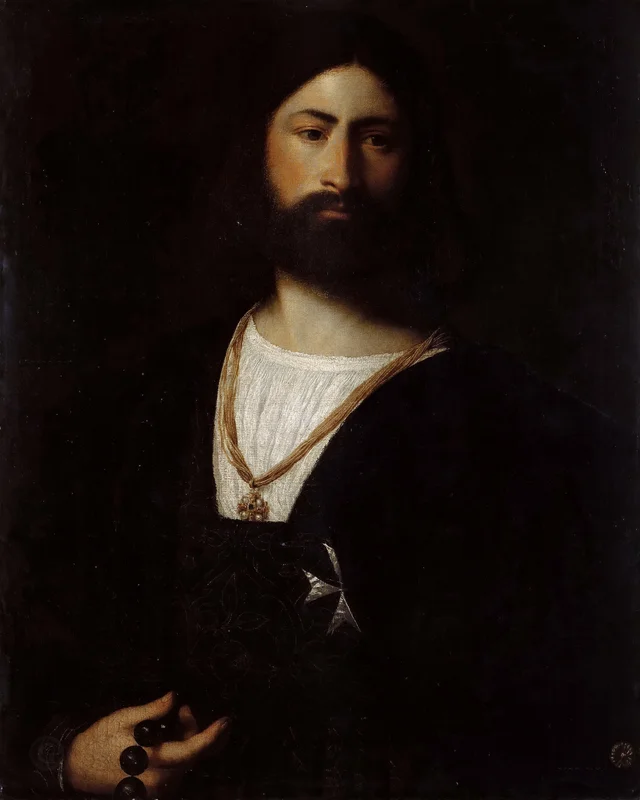 MalteserritterTizian, 1510
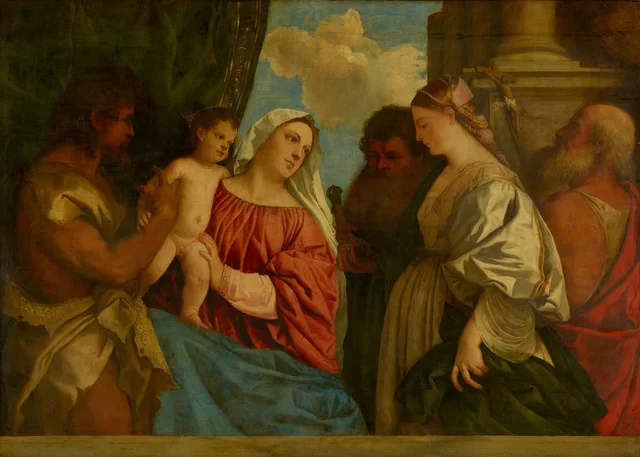 Madonna mit Kind und vier HeiligenTizian, 1518
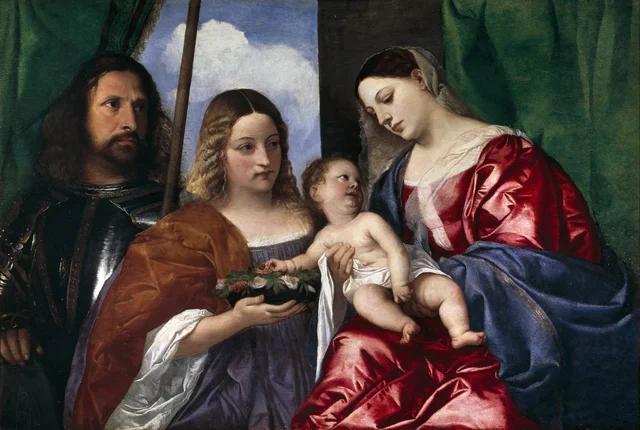 Madonna mit Kind und den Heiligen Dorothea und GeorgTizian, 1515
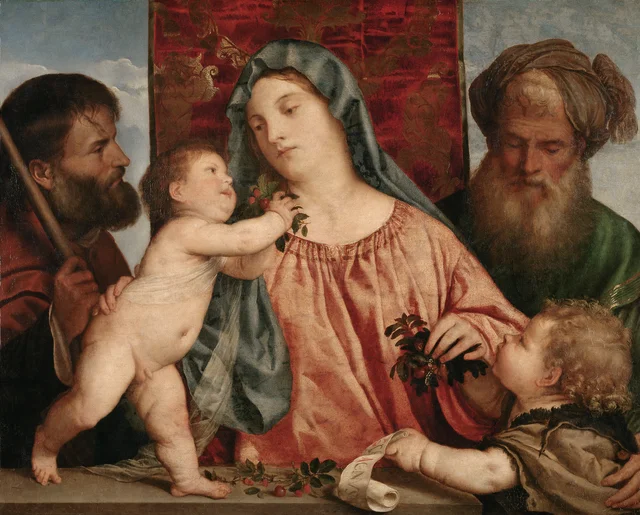 Madonna mit den KirschenTizian, 1517
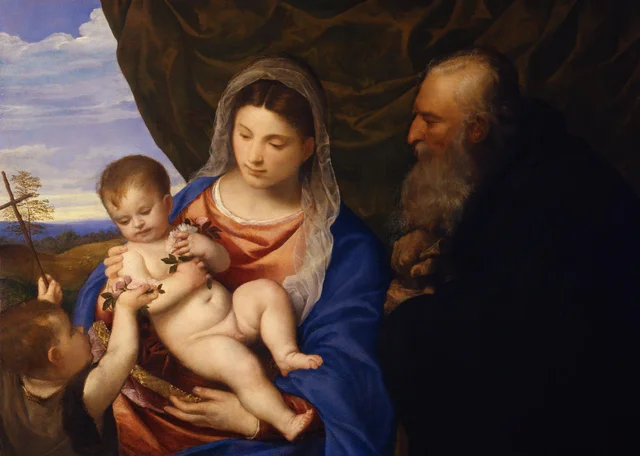 RosenmadonnaTizian, 1530
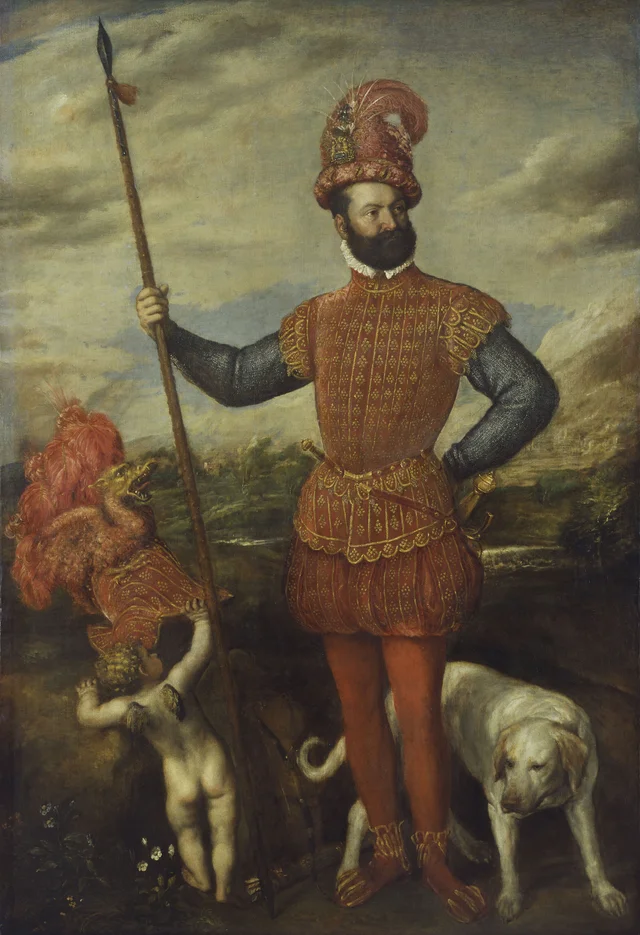 Bildnis eines Generals — Mann in MilitärtrachtTizian, 1550
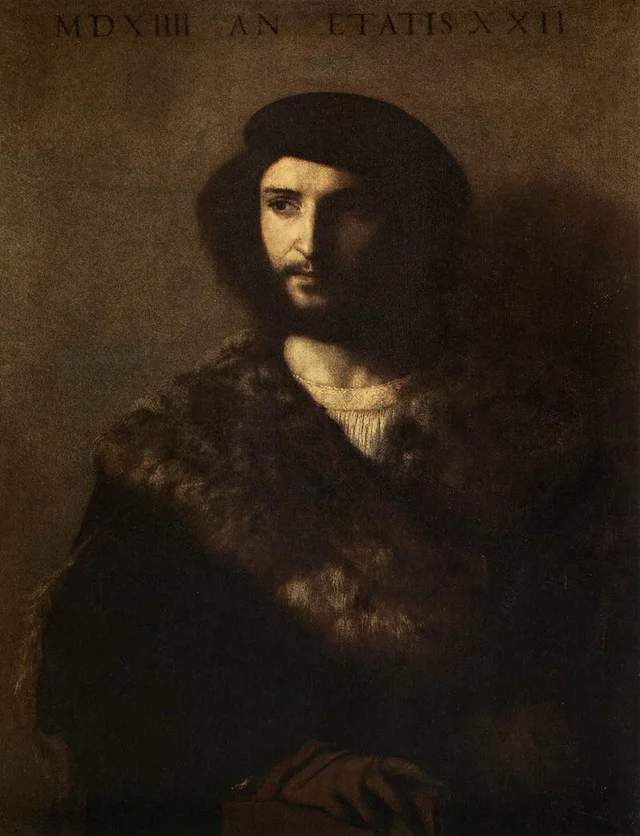 Bildnis eines kranken MannesTizian, 1514