Die Geschichte
Am Ende einer langen Galerie hängt Rembrandts Die Nachtwache, eine Schützenkompanie, die in Bewegung ausbricht, als ihr Hauptmann vortritt, gemalt 1642. Es ist nicht ganz das Bild, das Rembrandt schuf. 1715 brachte die Stadt es ins Rathaus, fand es zu breit für die Wand und schnitt an allen vier Seiten Streifen ab, wobei zwei Figuren links für immer verlorengingen. Das Museum untersucht und reinigt es in einem gläsernen Gehäuse vor aller Augen, ein Projekt, das es Operation Nachtwache nennt.
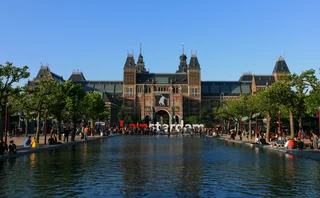
Das Rijksmuseum ist das Nationalmuseum der Niederlande, gebaut, um ebenso sehr die Geschichte des Landes zu erzählen, wie seine Bilder zu hängen. Pierre Cuypers gab ihm 1885 eine kathedralenhafte Backsteinfront, so voll niederländischer Geschichte, dass Kritiker damals murrten, es sehe eher wie eine Kirche aus als wie ein Museum. Eine zehnjährige Renovierung schloss es fast vollständig, und 2013 eröffnete es mit den restaurierten alten Bildersälen wieder.
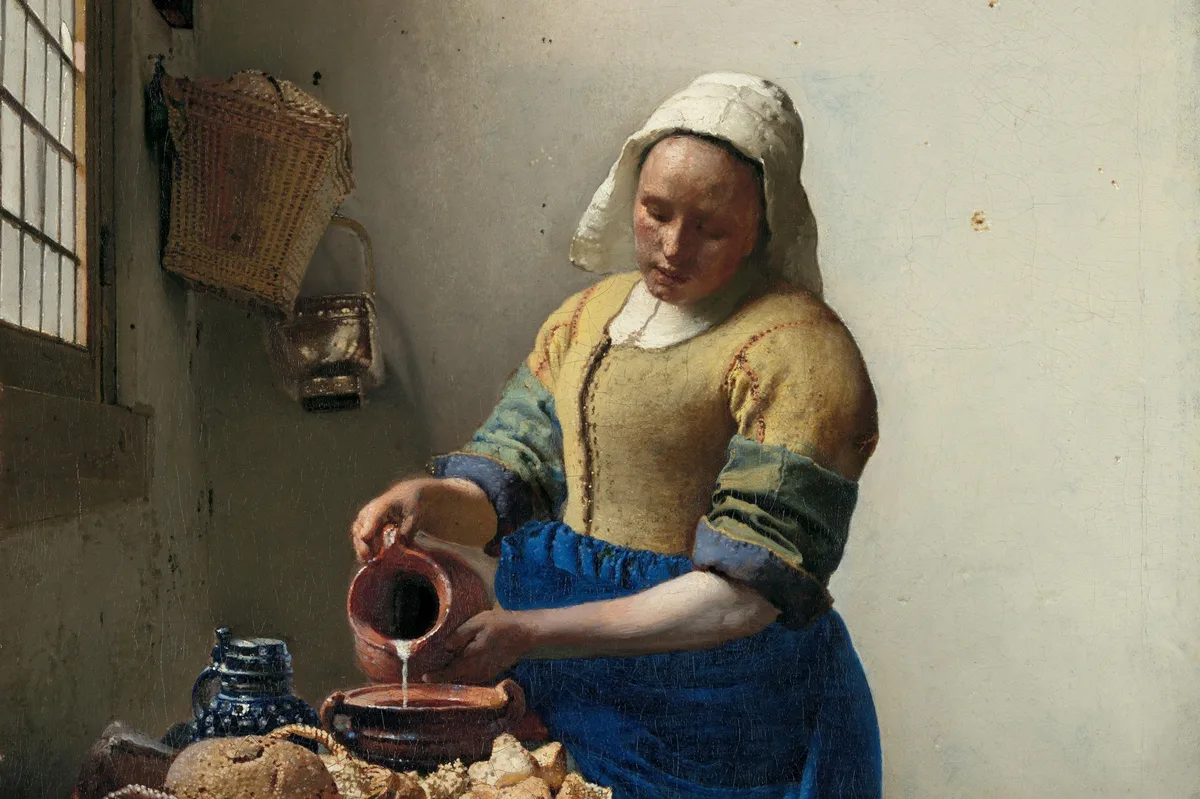
Sein Herz ist das Goldene Zeitalter, das 17. Jahrhundert, als diese kleine Handelsnation kurzzeitig die reichste Europas war und ihre Bürger sich und ihre Welt gemalt haben wollten. Vermeers Die Milchmagd gießt ihren dünnen Milchstrahl in einem schlichten Raum, still und genau. Um sie herum hängen die Schützenporträts, die Seeschlachten und die Szenen zugefrorener Kanäle, die diese Kaufleute und Bürger von ihrer eigenen Welt in Auftrag gaben.
Weitere Artikel
Sammlung
400 Werke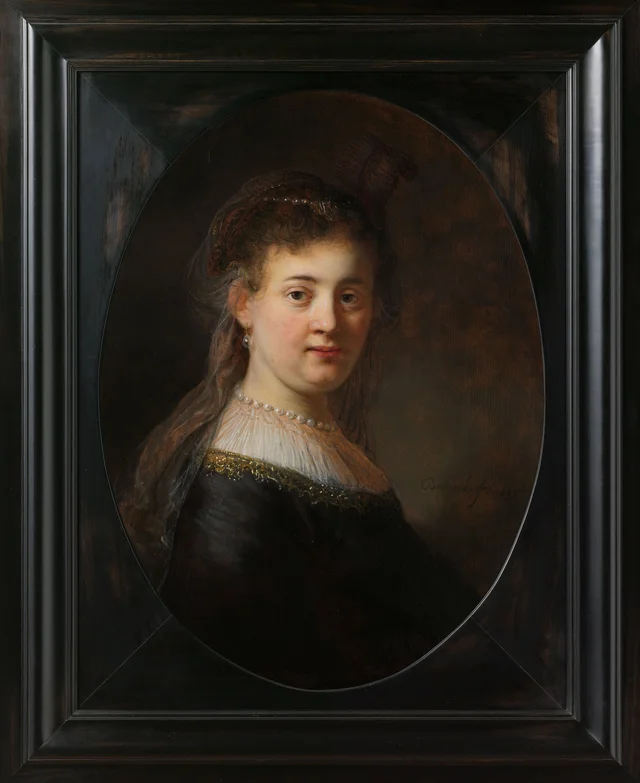 Junge Frau in FantasiekostümRembrandt, 1633
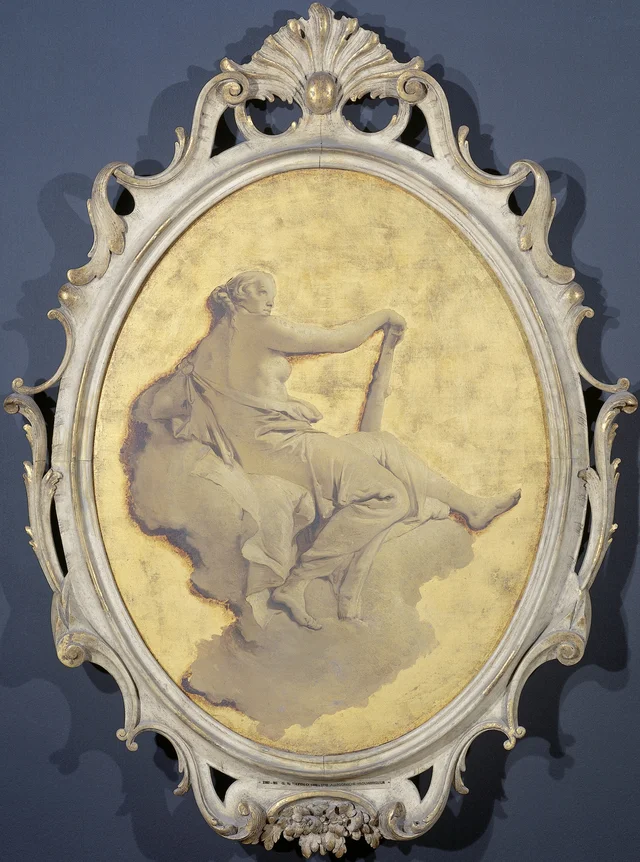 Allegorische Figur einer Frau mit einer Keule (Stärke?)Giovanni Battista Tiepolo, 1750
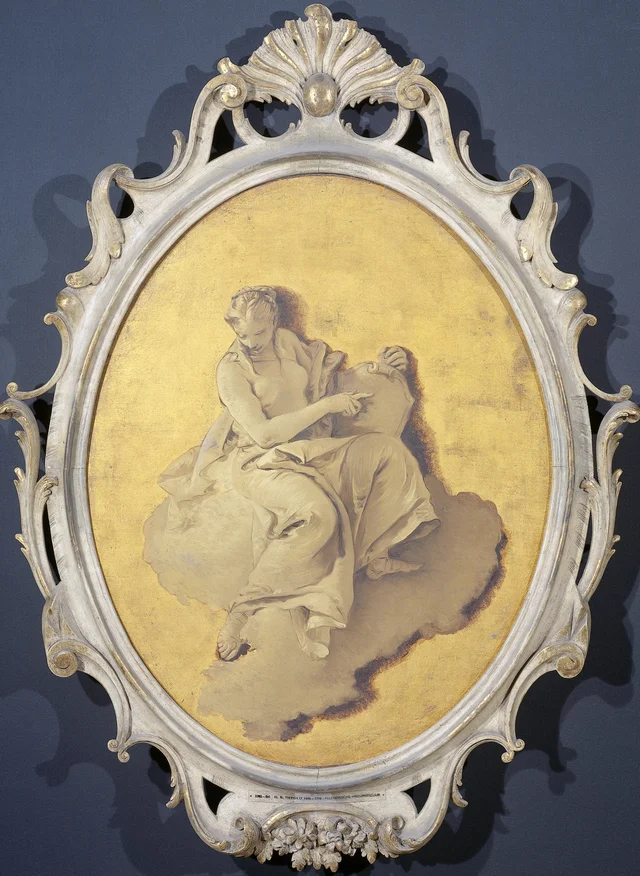 Allegorische Figur einer Frau mit einem Schild oder einem Spiegel (Klugheit?)Giovanni Battista Tiepolo, 1750
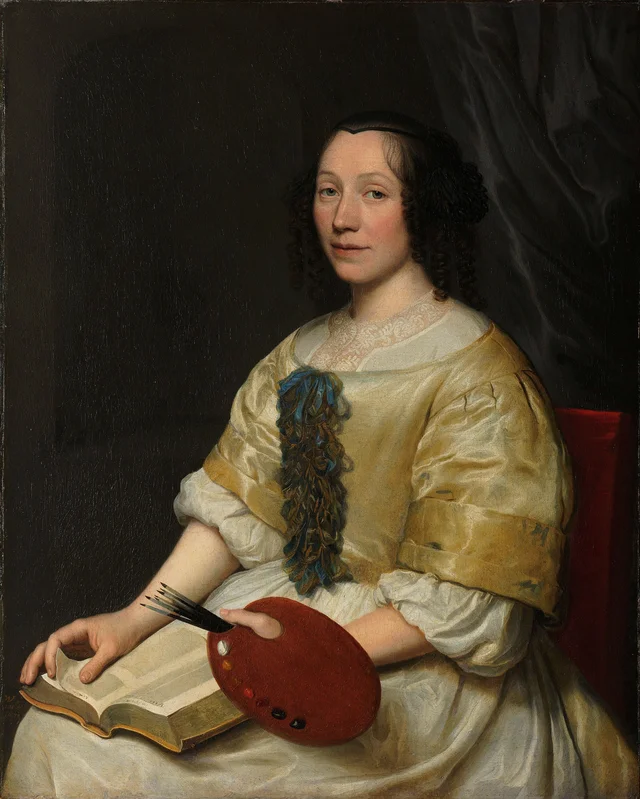 Die Blumenmalerin Maria van OosterwijckWallerant Vaillant, 1671
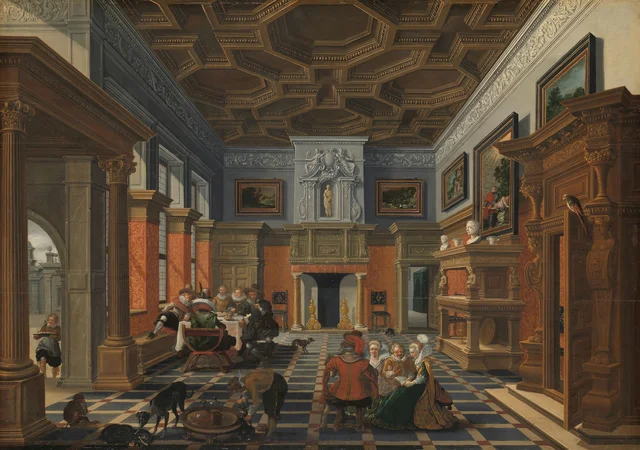 Interieur mit GesellschaftBartholomeus van Bassen, 1622
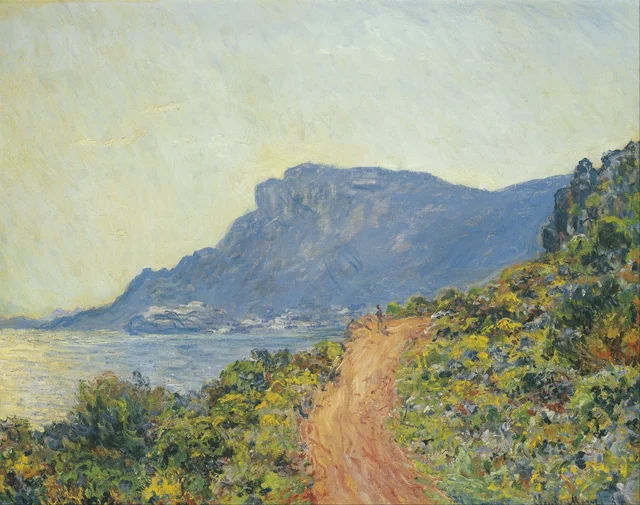 Die Corniche bei MonacoClaude Monet, 1884
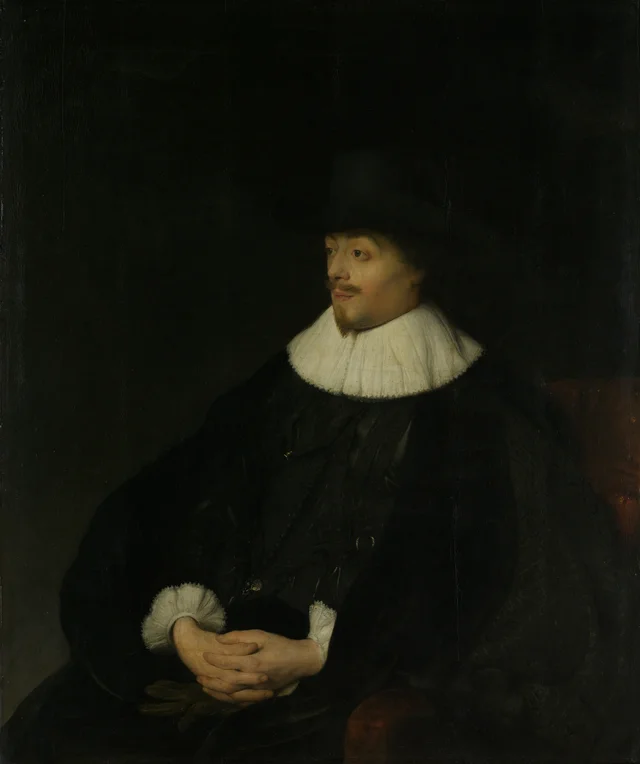 Porträt von Constantijn HuygensJan Lievens, 1628
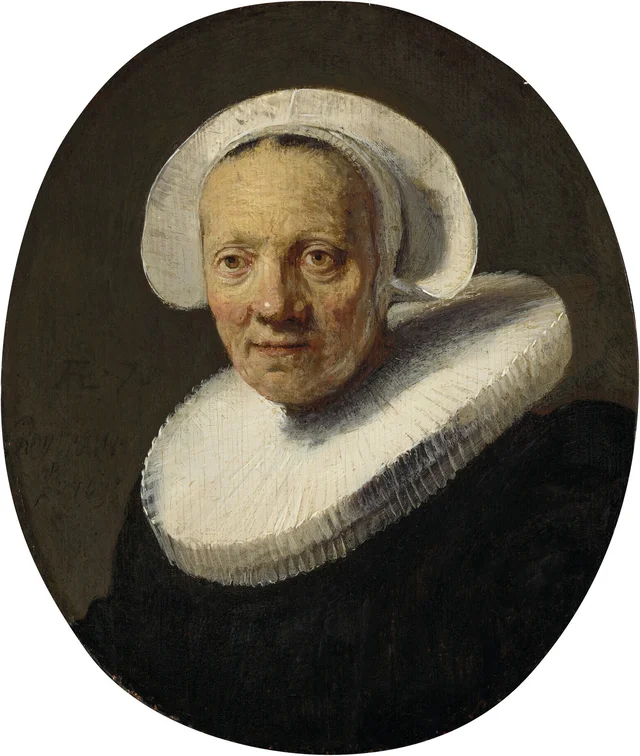 Porträt der Jaapgen Carelsdr.Rembrandt, 1635
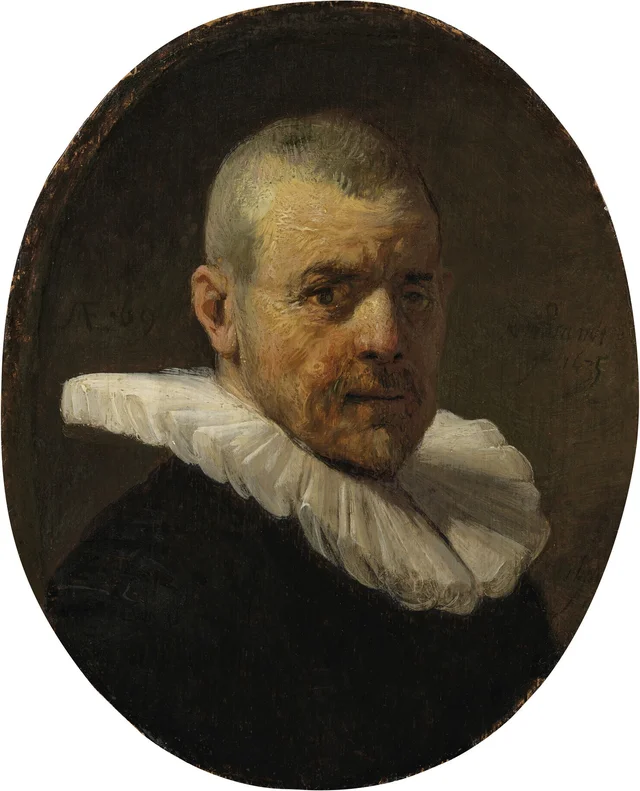 Porträt des Jan Willemsz van der PluymRembrandt, 1635
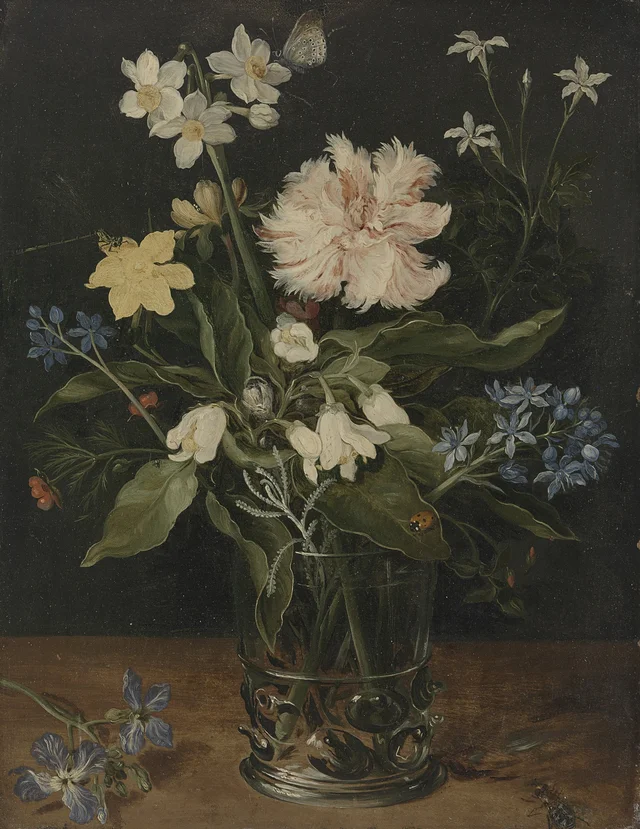 Stillleben mit Blumen in einem GlasJan Brueghel der Ältere, 1602
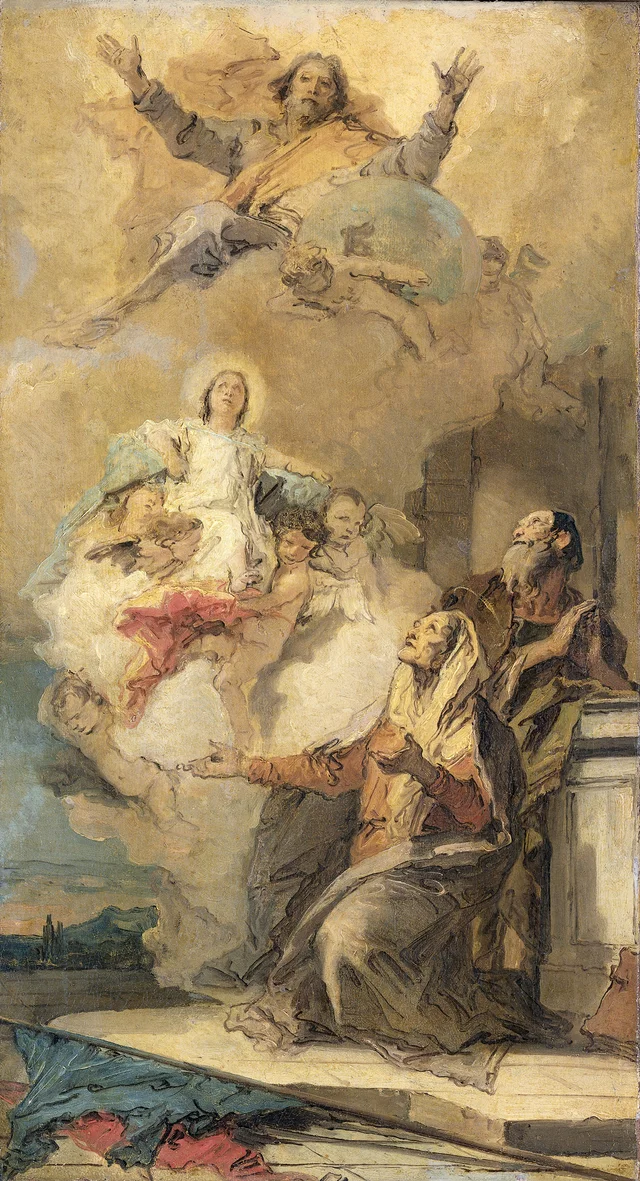 Die Unbefleckte Empfängnis (Joachim und Anna empfangen die Jungfrau Maria von Gott dem Vater)Giovanni Battista Tiepolo, 1757
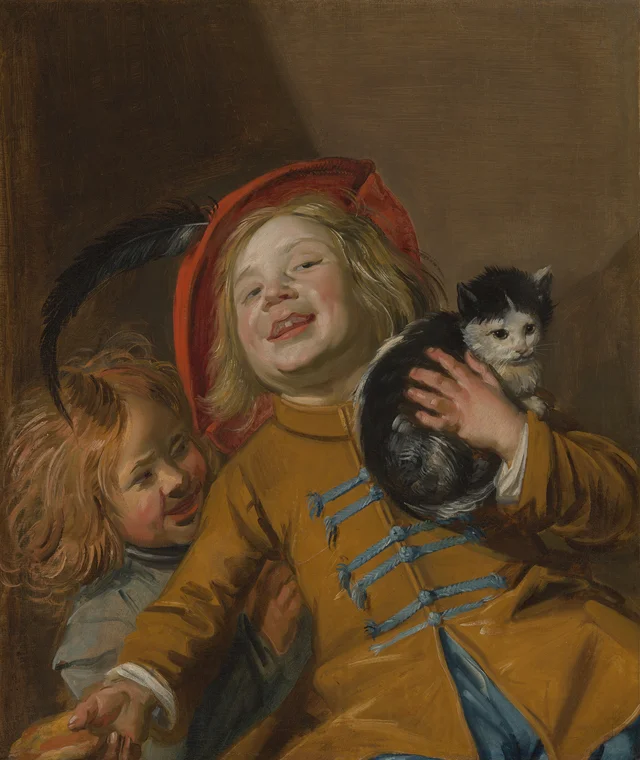 Zwei Kinder mit einer KatzeJudith Leyster, 1630
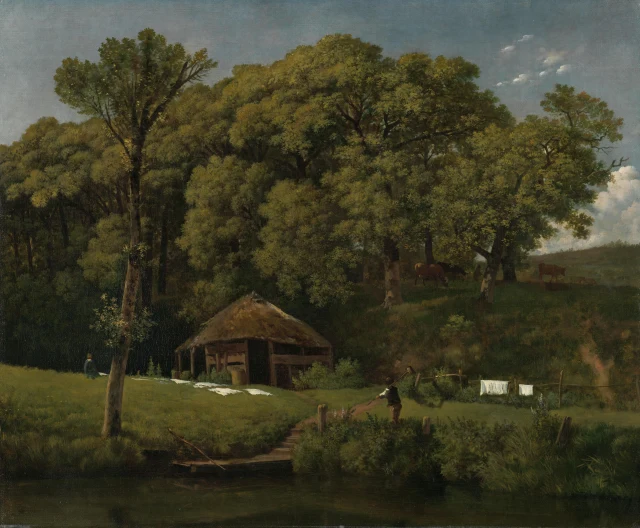 Eine Scheune am Ufer eines Baches in GelderlandWouter Johannes van Troostwijk, 1807
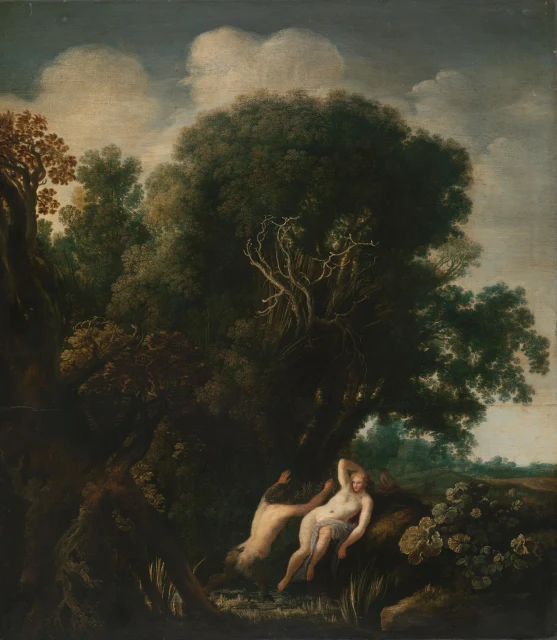 Eine badende Nymphe, von einem Satyr überraschtMoyses van Wtenbrouck, 1632
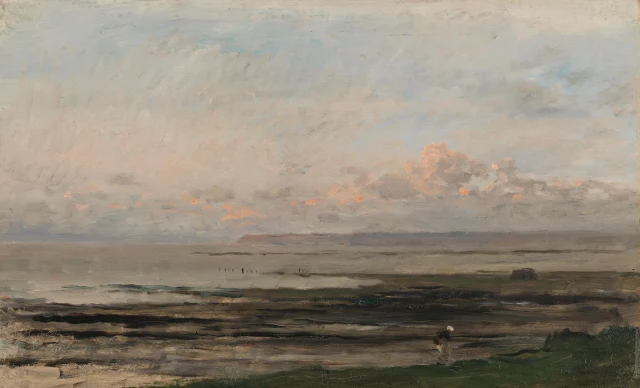 Strand bei EbbeCharles-François Daubigny, 1864
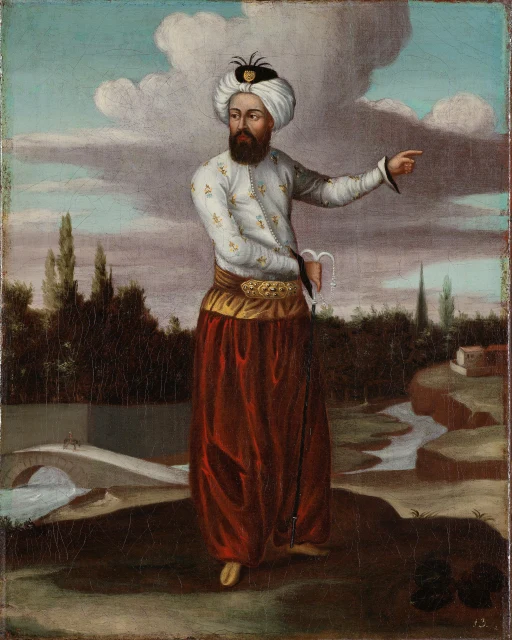 Ein Tschausch, Kurier des SultansWerkstatt des Jean Baptiste Vanmour, 1718
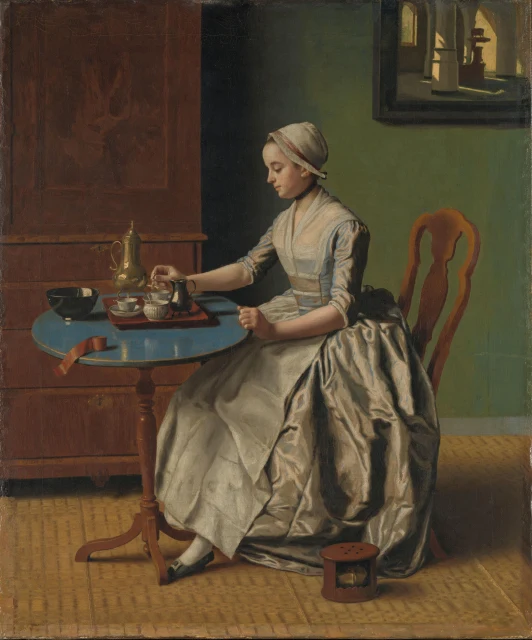 Holländisches Mädchen beim FrühstückJean-Étienne Liotard, 1756
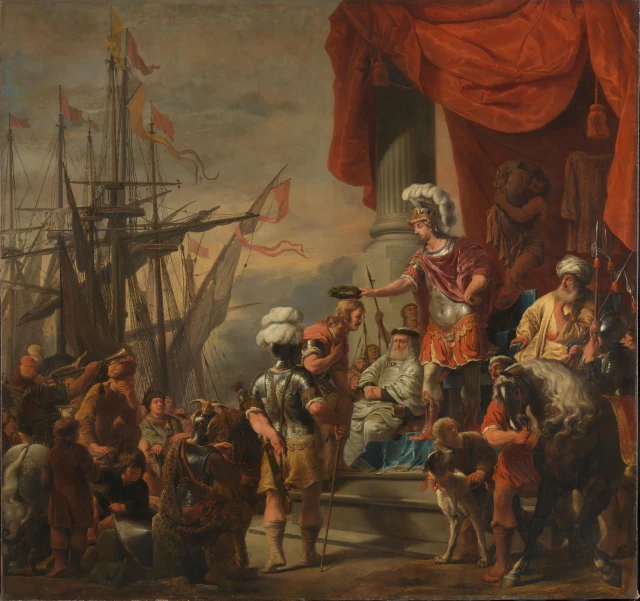 Aeneas krönt CloanthusFerdinand Bol, 1662
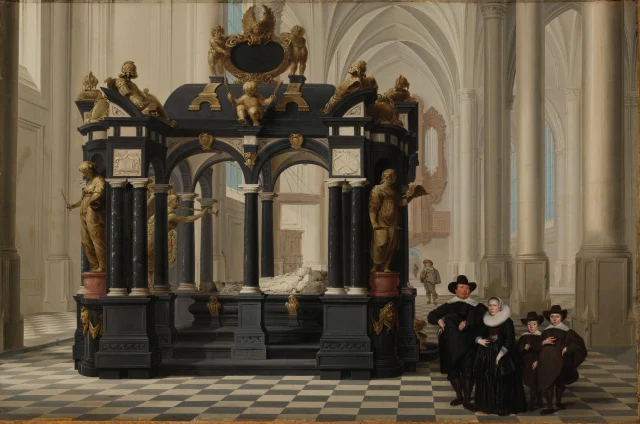 Eine Familie am Grabmal Wilhelms I. (Wilhelms des Schweigers) in der Nieuwe Kerk in DelftDirck van Delen, 1645
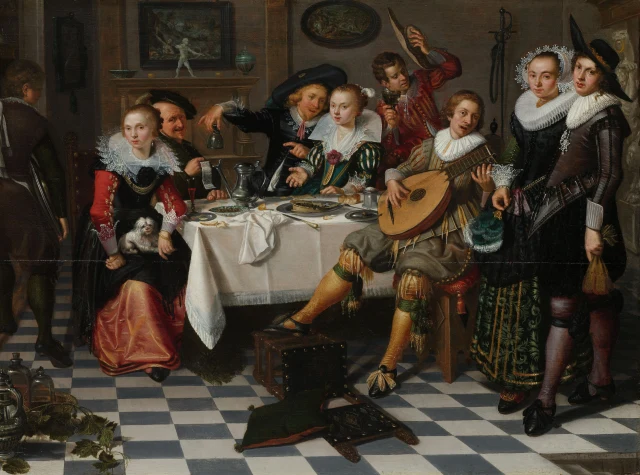 Feiernde GesellschaftIsaac Elias, 1629
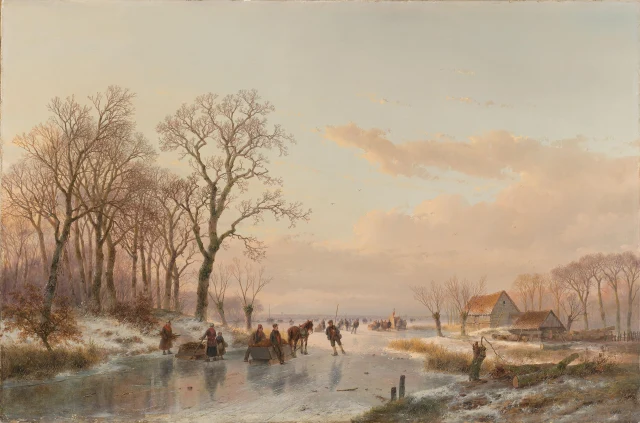 Zugefrorener Kanal an der MaasAndreas Schelfhout, 1867
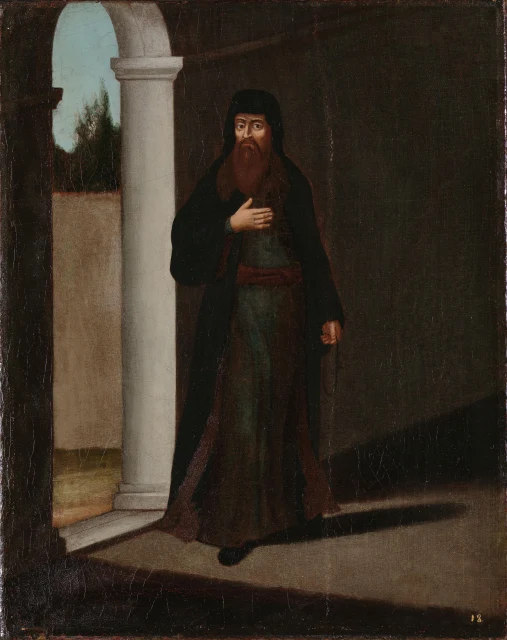 Ein griechischer PriesterWerkstatt des Jean Baptiste Vanmour, 1718
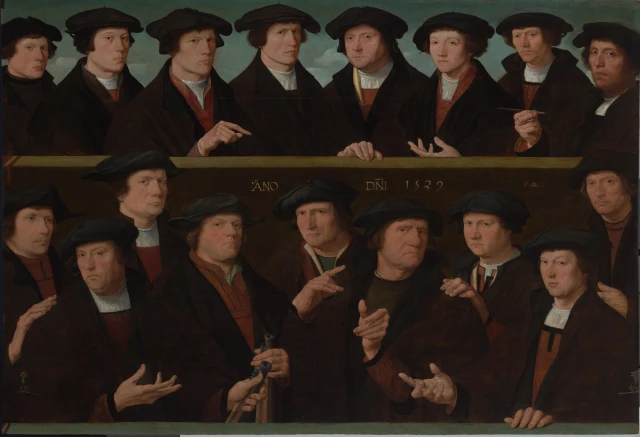 Eine Gruppe von Schützen, 1529Dirck Jacobsz, 1529
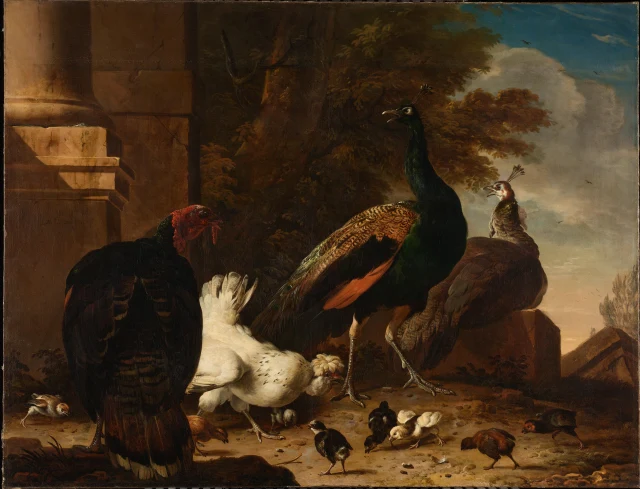 Eine Henne mit Pfauen und einem TruthahnMelchior d'Hondecoeter, 1680
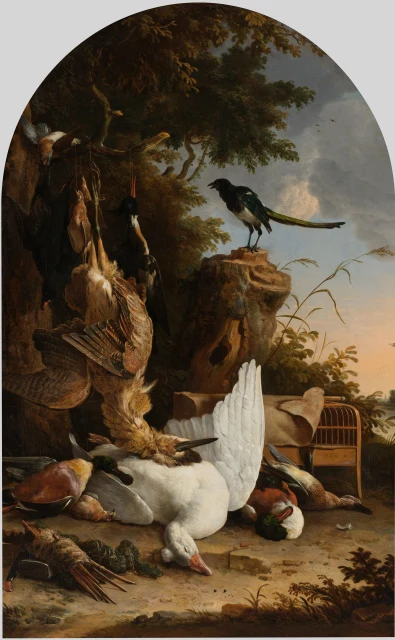 Jagdbeute bei einem Baumstumpf mit einer Elster, genannt „Die nachdenkliche Elster“Melchior d'Hondecoeter, 1678