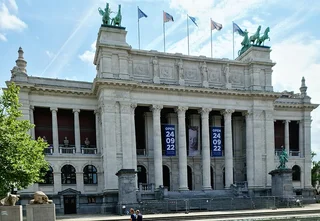
Die Geschichte
Elf Jahre lang war das Königliche Museum der Schönen Künste in Antwerpen geschlossen. Es schloss 2011 für eine eigentlich kürzer geplante Überholung und öffnete erst 2022 wieder, nachdem Architekten die alten Innenhöfe ausgehöhlt und hohe weiße Säle in die Mitte des Baus aus den 1890er Jahren gesetzt hatten, ohne die prächtige Fassade anzurühren.
Was es hütet, ist flämische Malerei über sechs Jahrhunderte, von den Goldgrundtafeln der frühen Meister Jan van Eyck und Hans Memling bis zu den großen barocken Altarbildern von Peter Paul Rubens, Antwerpens eigenem Maler, der wenige Schritte entfernt eine geschäftige Werkstatt führte. Alte und neue Säle verbindet ein Flügel, der James Ensor gewidmet ist, dem seltsamen Maler aus Ostende, dessen Gedränge aus Karnevalsmasken und Skeletten das Museum in größerer Zahl besitzt als irgendwo sonst.
Die in das Dach geschnittenen weißen Räume sind von oben belichtet und mit moderner belgischer Kunst behängt, sodass der Besucher von Memlings stillen Madonnen in den alten Sälen hinauf ins Tageslicht und zu Ensors grinsenden Masken steigt, alles in einem Gebäude, das ein Jahrzehnt lang von innen nach außen gekehrt war.
Sammlung
70 Werke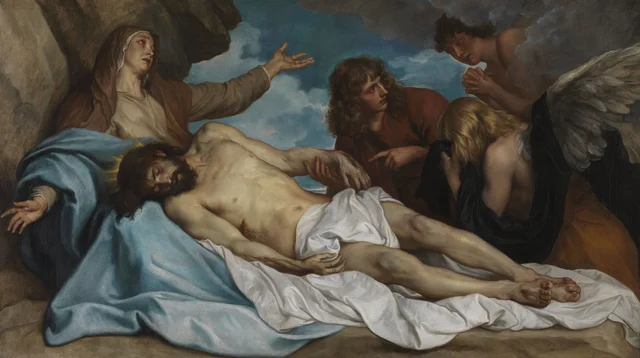 Beweinung ChristiAnthonis van Dyck, 1635
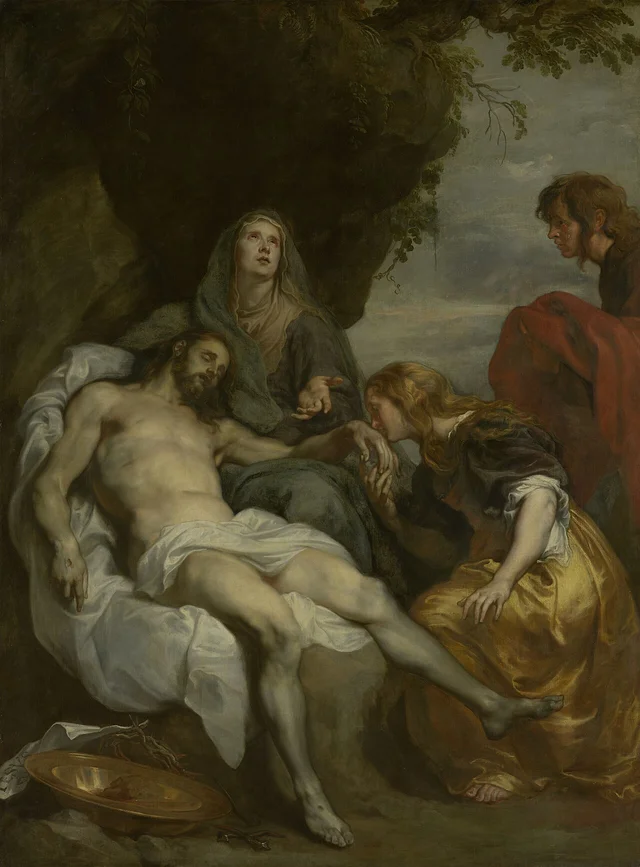 Beweinung ChristiAnthonis van Dyck, 1629
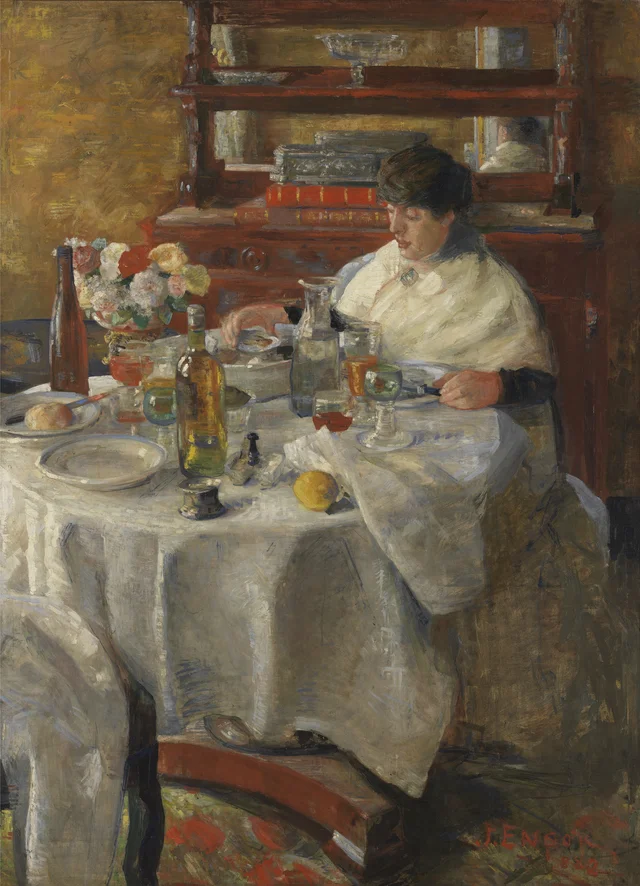 Die AusternesserinJames Ensor, 1882
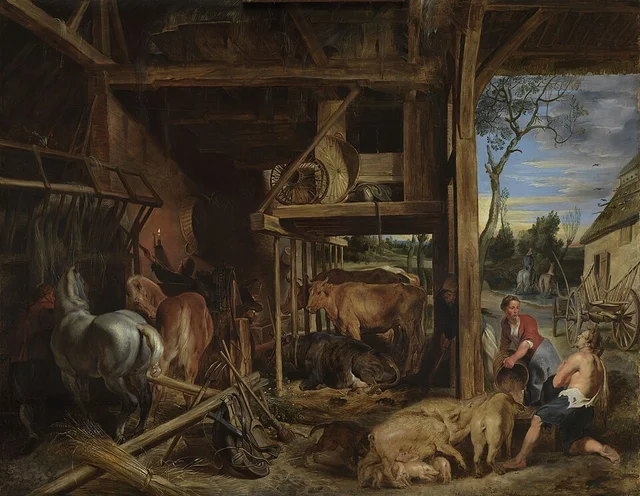 Der verlorene SohnPeter Paul Rubens, 1618
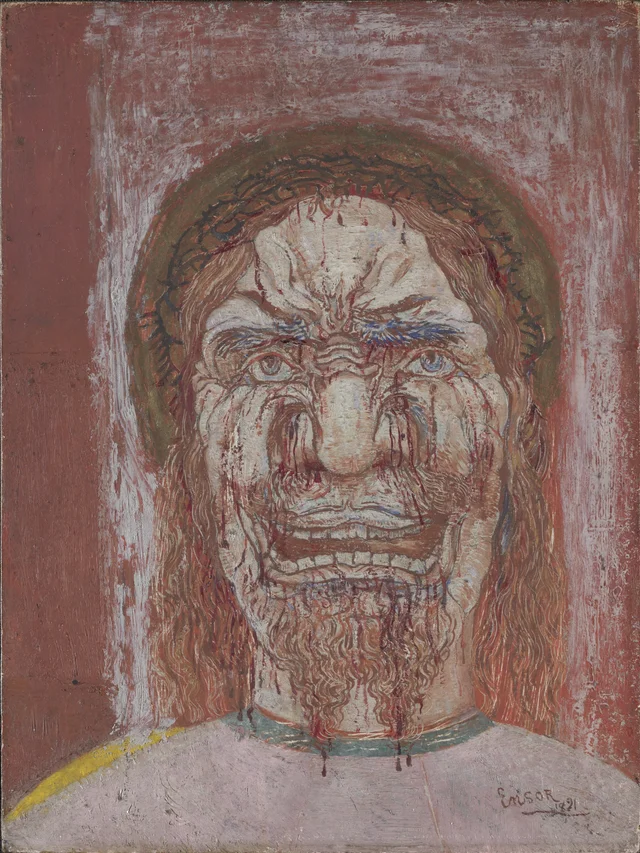 SchmerzensmannJames Ensor, 1891
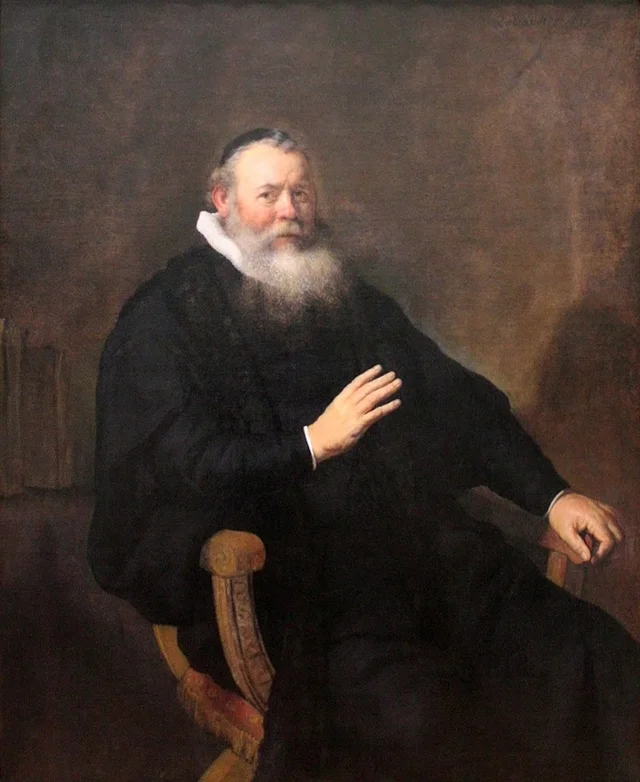 Bildnis des Eleazar SwalmiusRembrandt, 1637
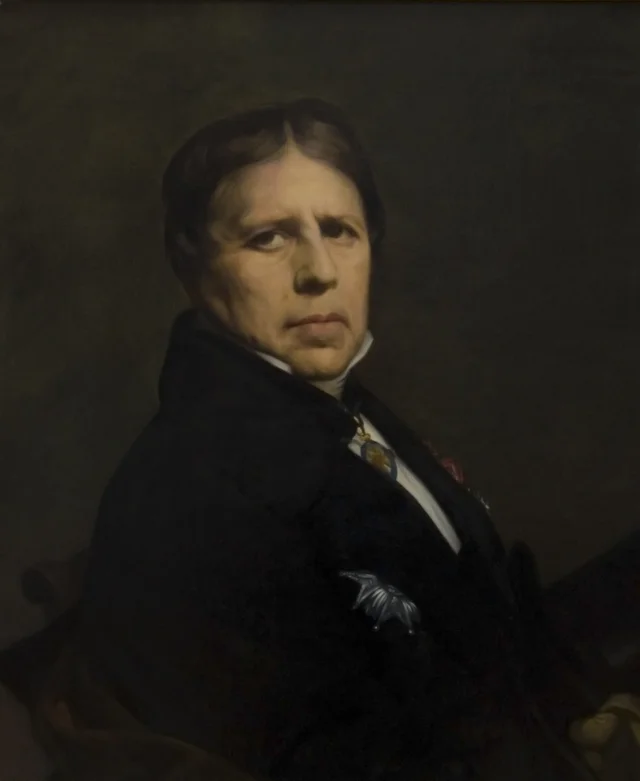 SelbstbildnisJean-Auguste-Dominique Ingres, 1864
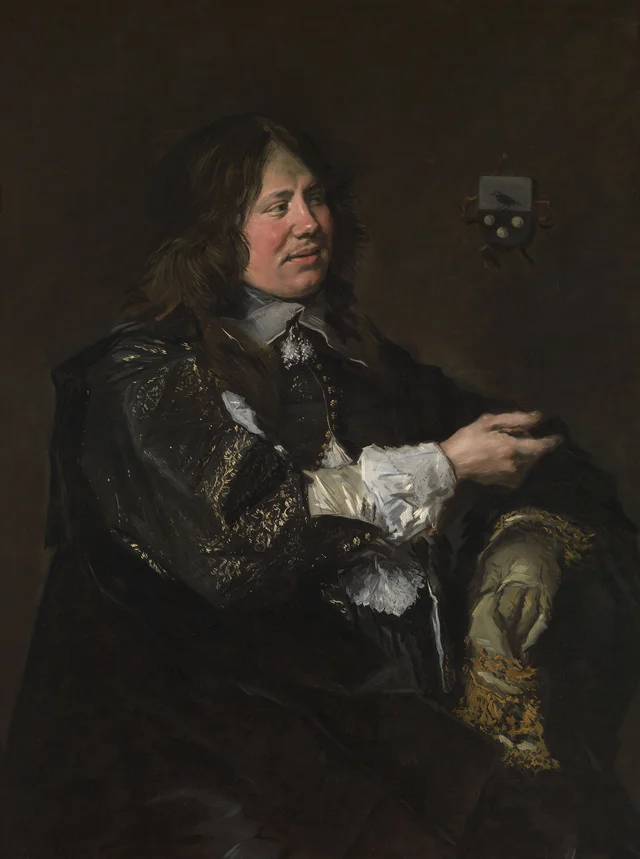 Stephanus Geeraerdts, Schöffe von HaarlemFrans Hals, 1650
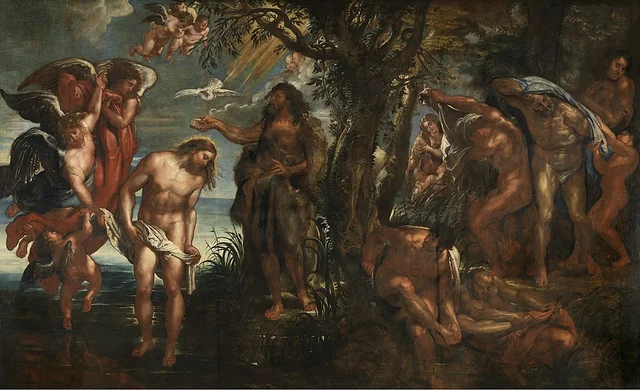 Die Taufe ChristiPeter Paul Rubens, 1604
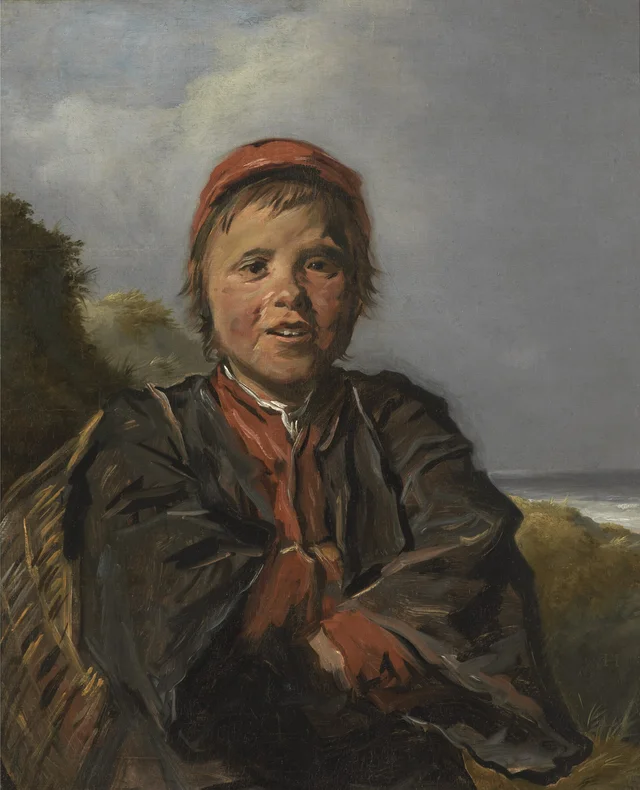 Der FischerjungeFrans Hals, 1630
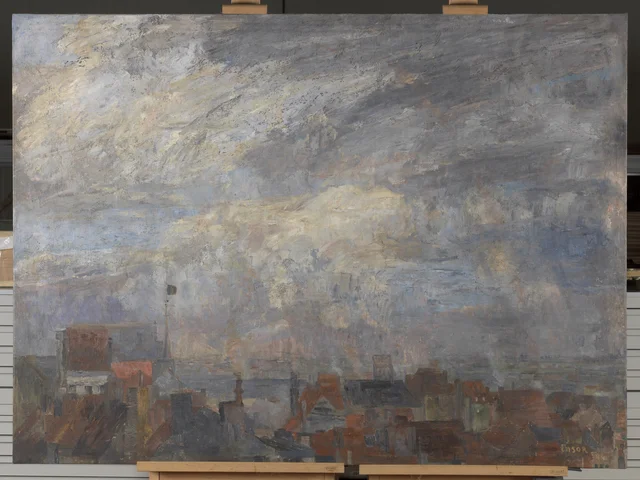 Die Dächer von OstendeJames Ensor, 1884
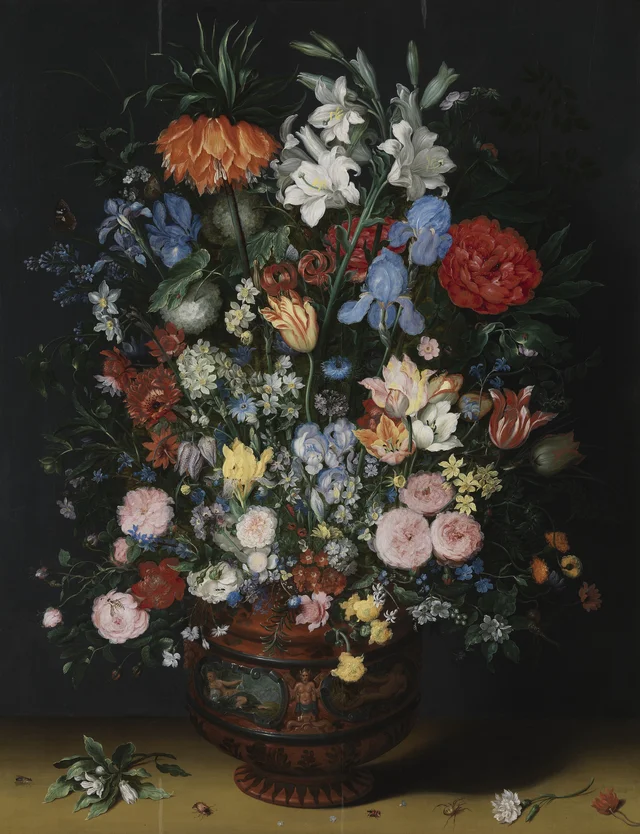 Blumen in einer VaseJan Brueghel der Ältere, 1620
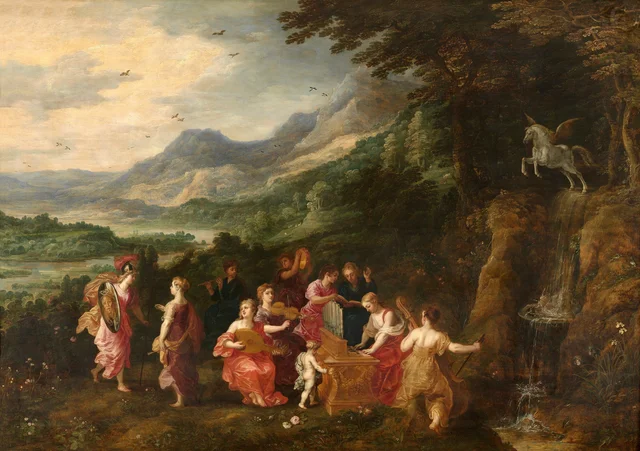 Minerva besucht die MusenHendrick van Balen der Ältere, 1617
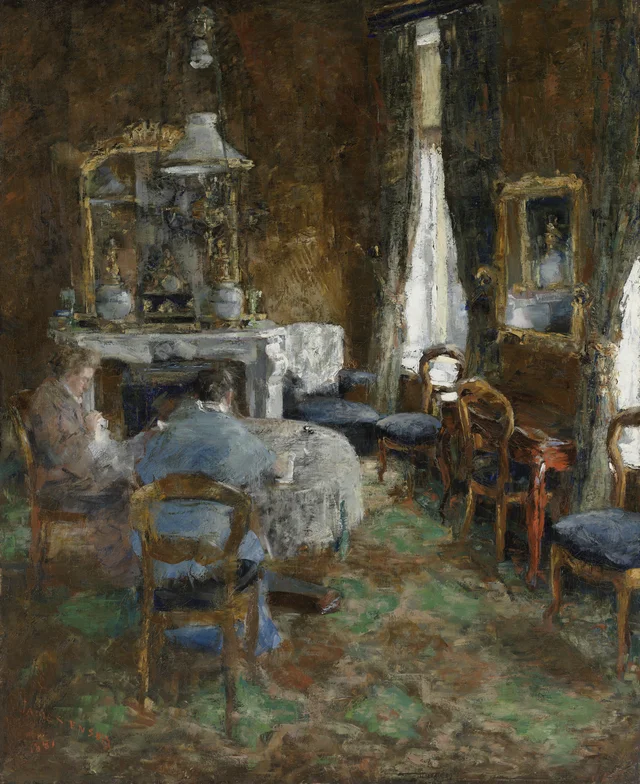 Der bürgerliche SalonJames Ensor, 1881
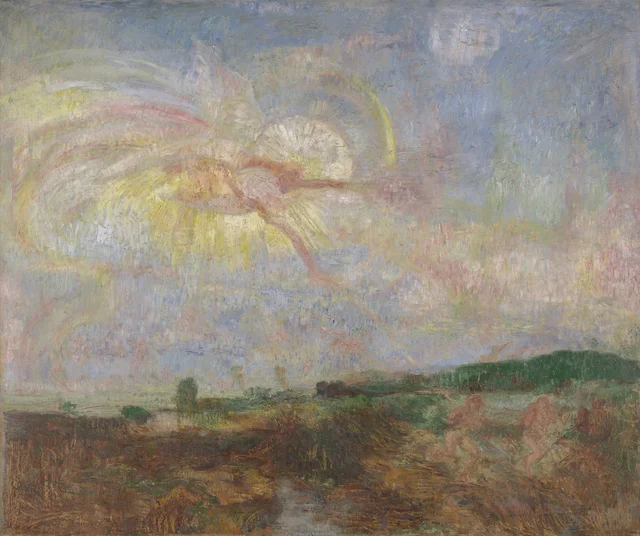 Vertreibung von Adam und Eva aus dem ParadiesJames Ensor, 1887
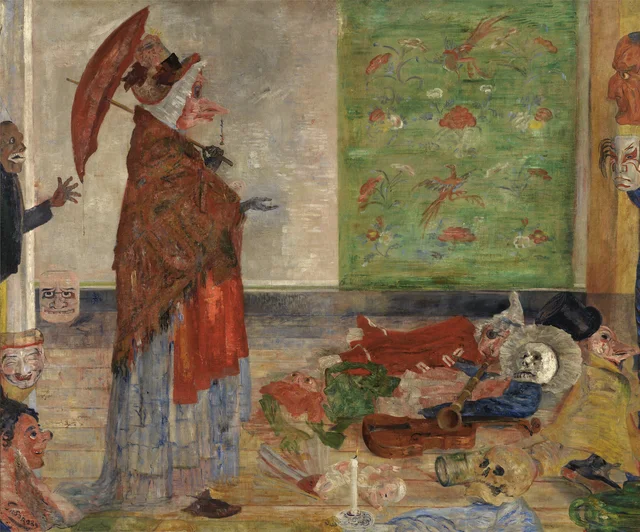 Das Erstaunen der Maske WouseJames Ensor, 1889
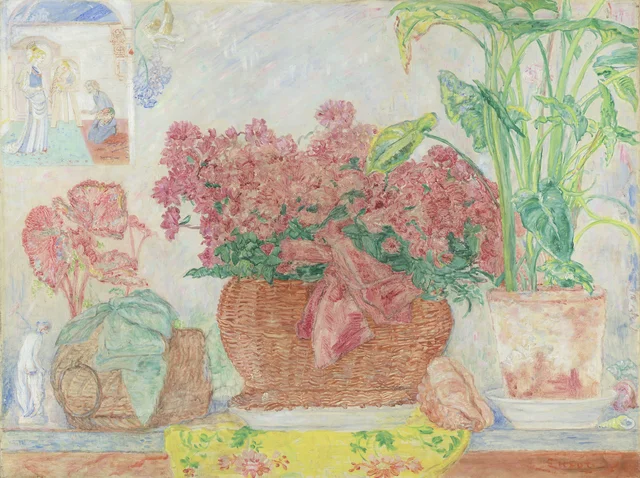 AzaleenJames Ensor, 1925
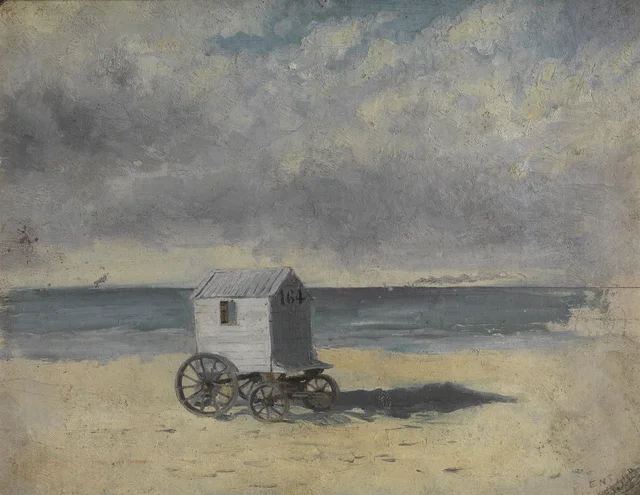 Die BadehütteJames Ensor, 1876
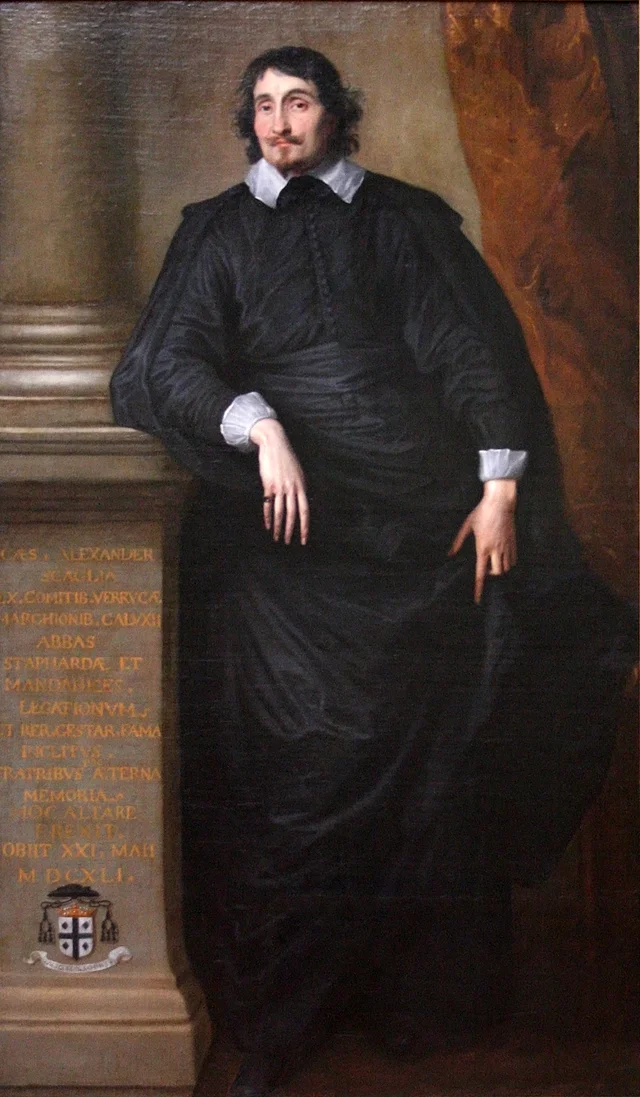 Cesare Alessandro Scaglia di Verrua, Abt von Staffarda und MandaniciAnthonis van Dyck, 1634
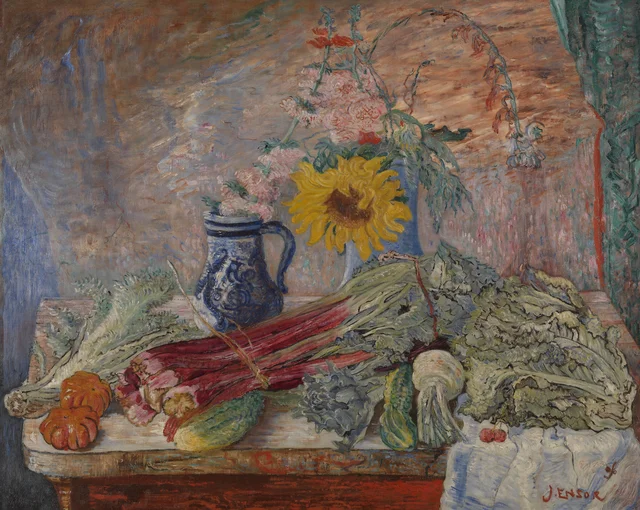 Blumen und GemüseJames Ensor, 1896
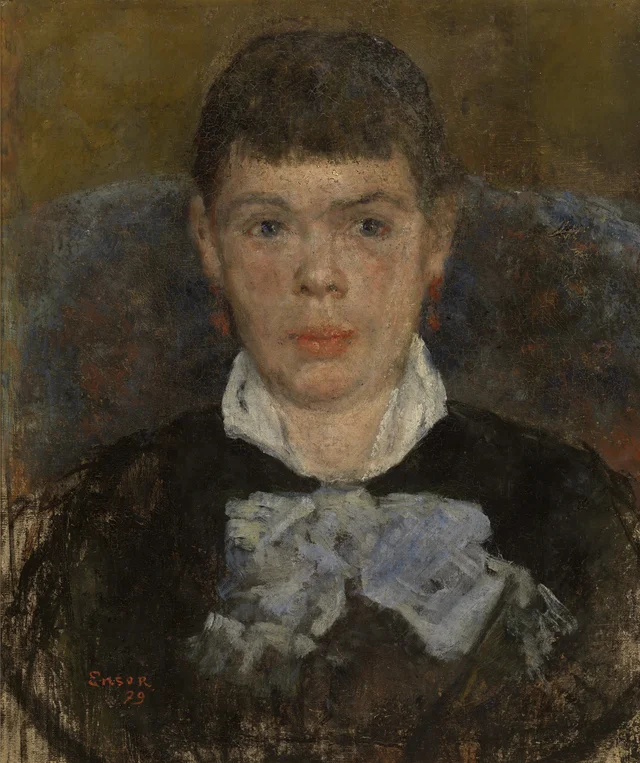 Mädchen mit StupsnaseJames Ensor, 1879
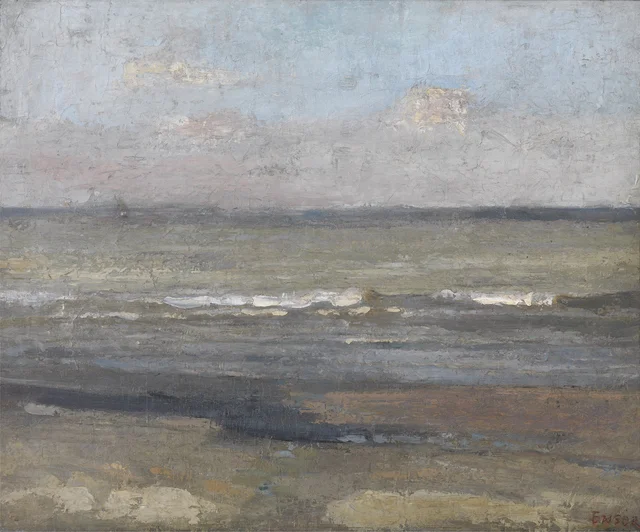 Graue MeereslandschaftJames Ensor, 1880
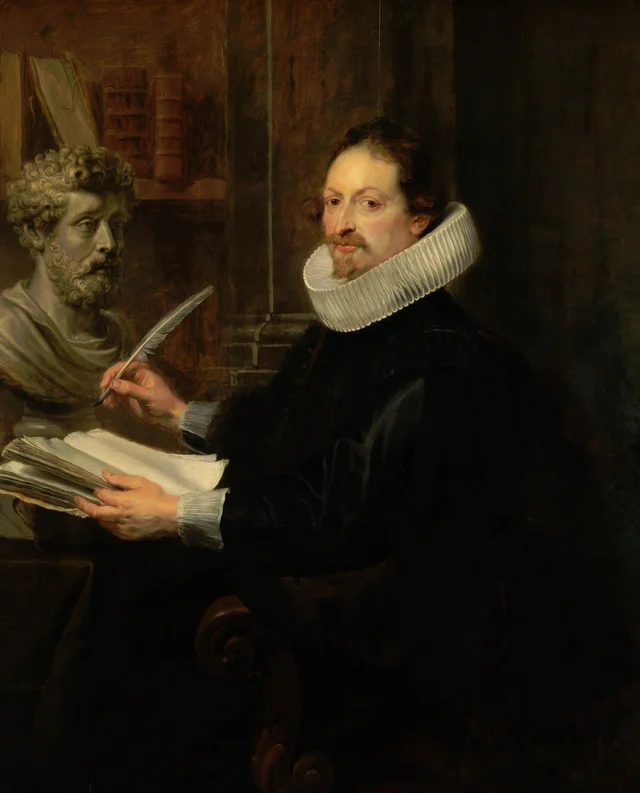 Joannes Gaspard Gevartius (1593-1666)Peter Paul Rubens, 1628
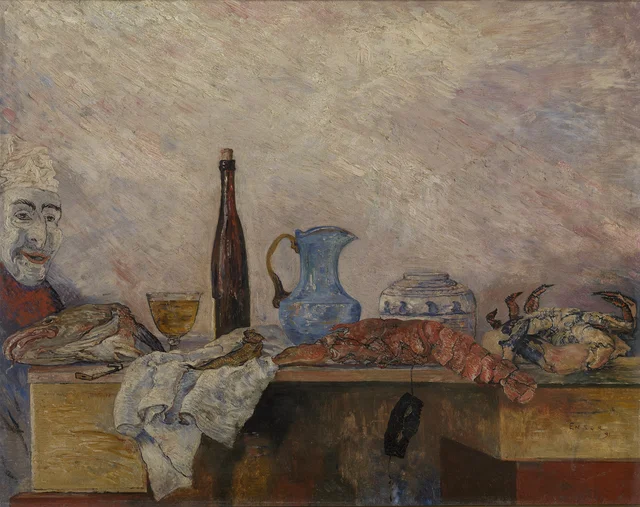 Maske und KrustentiereJames Ensor, 1891
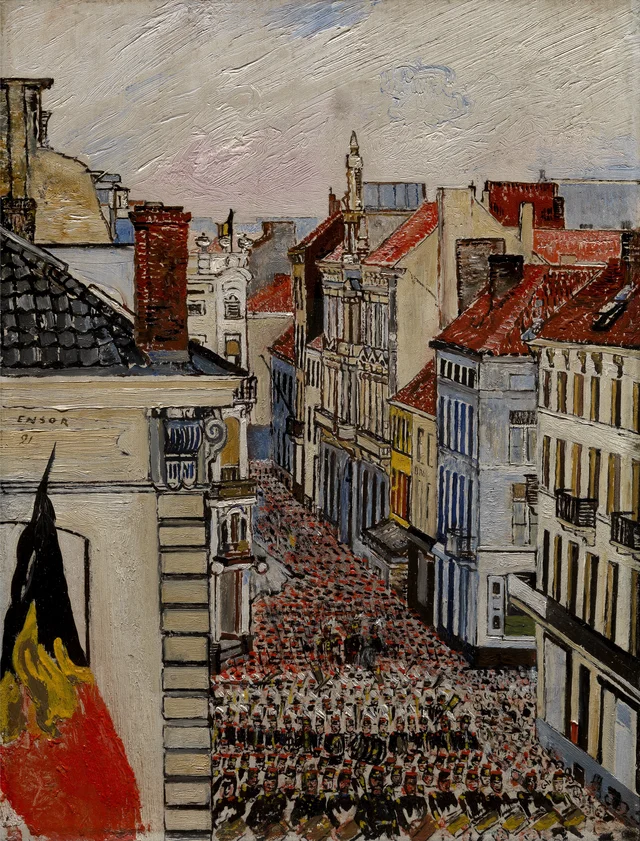 Musik in der VlaanderenstraatJames Ensor, 1891