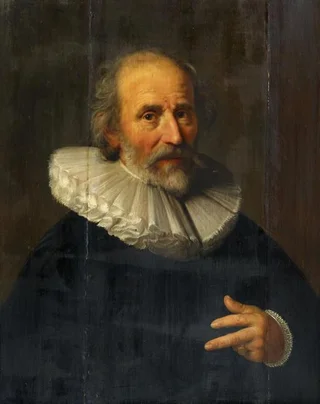
Abraham Bloemaert
1566–1651 · Dutch Republic · Mannerism
The story
For more than fifty years, almost anyone learning to paint in the Dutch city of Utrecht passed through Abraham Bloemaert's studio. He taught Gerrit van Honthorst and Hendrick ter Brugghen, who would go to Rome and come back with Caravaggio's dramatic light, and the landscape painter Jan Both, among many others. When you trace the leading painters of 17th-century Utrecht, the lines keep running back to one teacher.
Bloemaert's own long career is a map of changing taste. As a young man he spent three years in Paris and made his name in the elegant, twisting manner known as Dutch Mannerism, all elongated bodies and complicated poses. Over the decades he absorbed the newer fashions his own pupils were bringing home, including the strong Caravaggist contrasts of light and dark, and kept adapting well into old age.
His influence outlived him through a book. The drawings he made as teaching models were gathered and published as a drawing manual, the Tekenboek, and it was still being used to train young artists across Europe long after his death. He worked in Utrecht almost to the end, dying there in 1651, in his mid-eighties, having outlasted the very styles he had started out in.
Works
5 works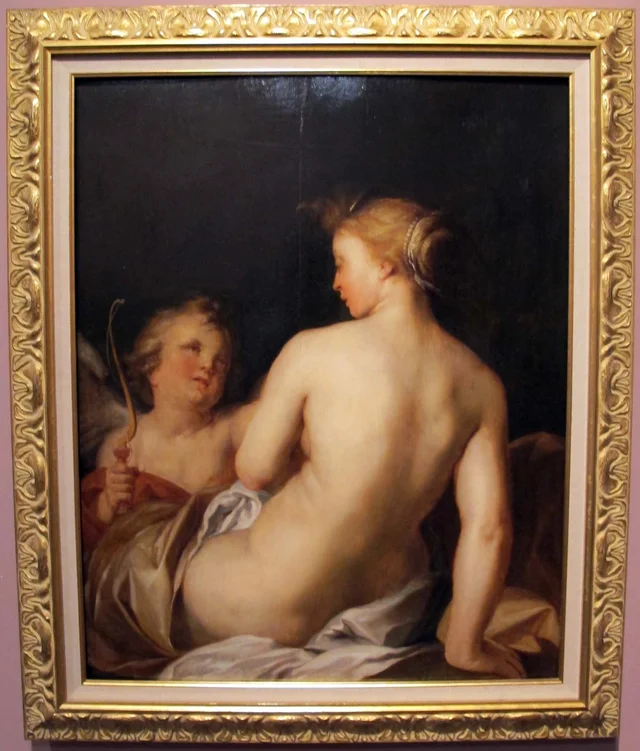 Venus and CupidAbraham Bloemaert
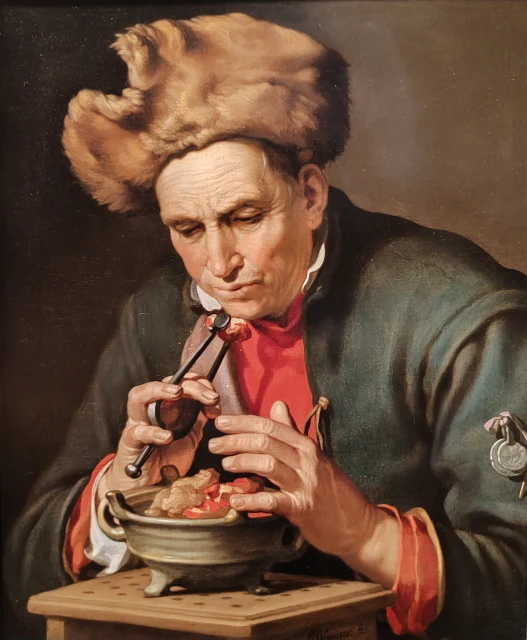 Allegory of Winter (and of Love)Abraham Bloemaert, 1627
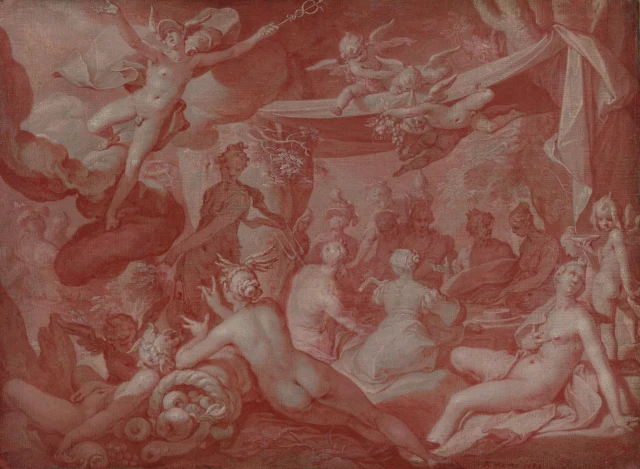 Feast of the Gods, possibly the Feast at the Wedding of Peleus and ThetisAbraham Bloemaert, 1598
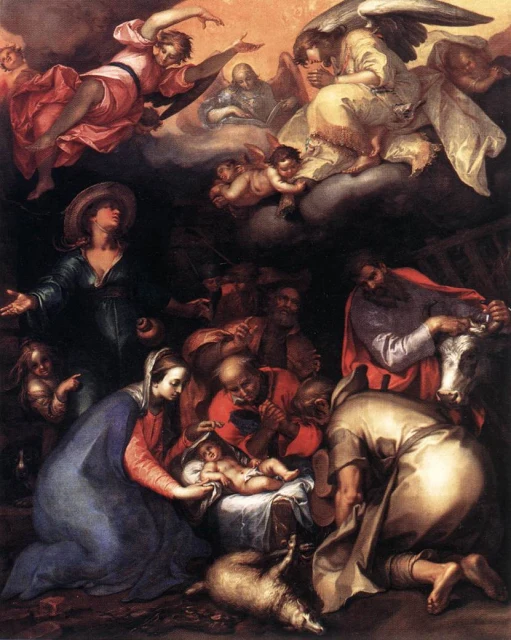 The Adoration of the ShepherdsAbraham Bloemaert, 1612
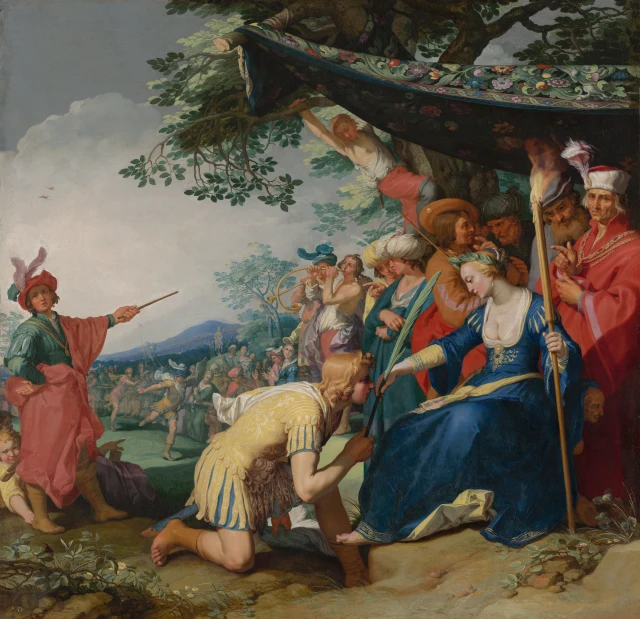 Theagenes Receiving the Palm of Honour from CharicleaAbraham Bloemaert, 1626