Adriaen Isenbrandt
1490–1551 · Habsburg Netherlands · Early Netherlandish painting, Northern Renaissance, Dutch and Flemish Renaissance painting
The story
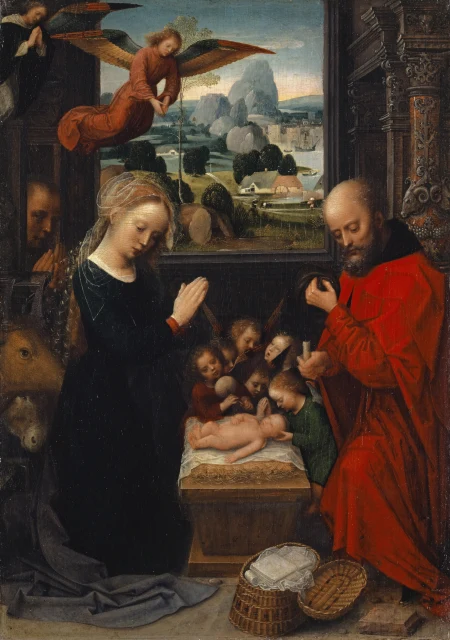
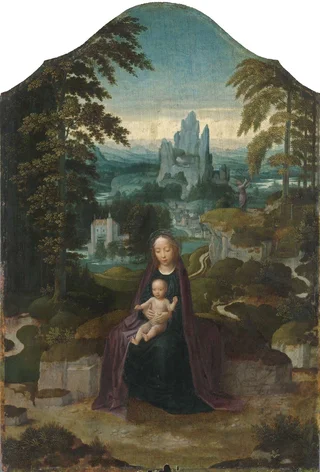
For most of the last century, Adriaen Isenbrandt had a large and admired body of work to his name. Today much of it is quietly slipping away from him, and that vanishing act is the most interesting thing about him.
The documented facts are thin but firm. He arrived in Bruges in 1510, took citizenship, and joined the local painters' guild as a master that same year, in a city whose great age of painting was already ending. A visitor to Bruges around 1550 described him as a pupil of the aging Gerard David, the last major master of the old Bruges school, and praised his nudes and portraits. Isenbrandt grew prosperous and died there in 1551.
The trouble is the paintings. Early scholars, above all the Belgian Georges Hulin de Loo, gathered a whole body of work under his name and identified him with an anonymous hand known as the Master of the Seven Sorrows of the Virgin. Later experts have doubted that any surviving picture can be securely tied to Isenbrandt, and the number of works that major museums still label as his has been shrinking for decades.